BoltGrid
BoltGrid
BoltGrid
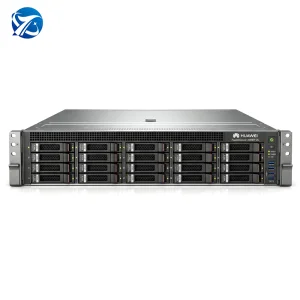
Explore our premium range of rack-mount workstation servers, multi-socket AI systems, and enterprise storage node configurations built to handle rigorous computation environments.

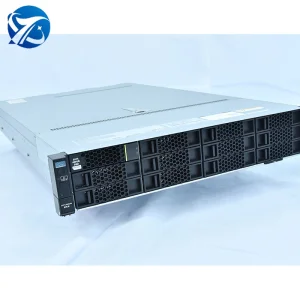
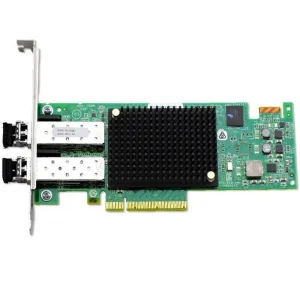
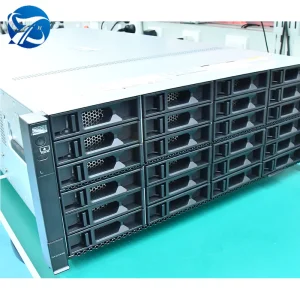
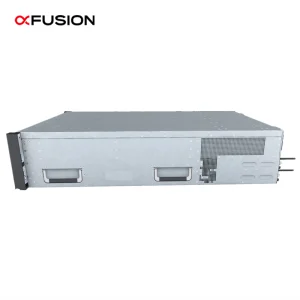
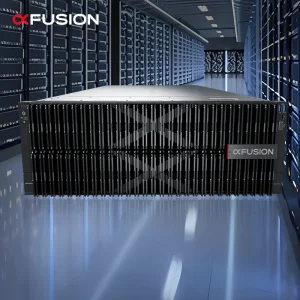
Whitepaper: How customized server infrastructures drive scaling efficiency, TCO reductions, and GPU system acceleration in modern cloud-native architectures.
Modern corporate cloud computing demands have surpassed the limitations of commodity off-the-shelf (COTS) server solutions. High-performance tasks like Large Language Model training (e.g., DeepSeek, LLama 3 architectures), machine learning pipeline automation, and multi-tenant cloud storage provisioning demand specific adjustments at physical layers. BoltGrid Computing Systems Co., Ltd. addresses this architectural necessity by offering tailored OEM/ODM hardware engineering services that streamline server performance directly for highly specific computing workloads.
Founded in 2016, BoltGrid has developed a sophisticated R&D and production framework based on 12 years of industry engineering experience. By moving the system specification upstream—focusing on PCB structural integrity, BIOS parameter customization, PCIe bus lane balance, and advanced cooling dynamics—we provide cloud operators, research centers, and hyper-scale organizations with specialized computing units tailored to lower TCO (Total Cost of Ownership) while raising MTBF (Mean Time Between Failures).
True hardware ODM solutions involve optimizing server structures from motherboard layers (L6 levels) through fully integrated system rack cabinets (L11 levels). Our engineering team of approximately 120 technicians is focused on optimizing GPU interconnect configurations, high-frequency signal integrity, and thermodynamic efficiency.
Customizing PCIe routing matrix channels to balance high-speed bandwidth, minimizing bottleneck latency between multi-card GPU setups (PCIe Switch vs. direct CPU bus connection).
Configuring baseboard management controllers (BMCs) with customized firmware compliant with OpenBMC specifications to fit existing management setups.
Modifying airflow pathways and structural chassis partitions, along with designing closed-loop liquid-cooling components to handle high system TDP levels.
BoltGrid's systematic R&D processes enable the release of approximately 85 newly engineered models annually. This continuous output ensures that cloud service providers and enterprise operators can rapidly adopt structural developments, including PCIe Gen 5 configurations, DDR5 memory pools, and advanced compute fabric links.
Reliable server deployment depends on component continuity and rigorous quality assurance verification. With a strategically managed ecosystem of over 850 vetted suppliers, BoltGrid secures priority access to key integrated circuits, processors, high-performance DRAM memory, enterprise flash storage arrays, and precision components. This helps protect clients against global component supply shortages.
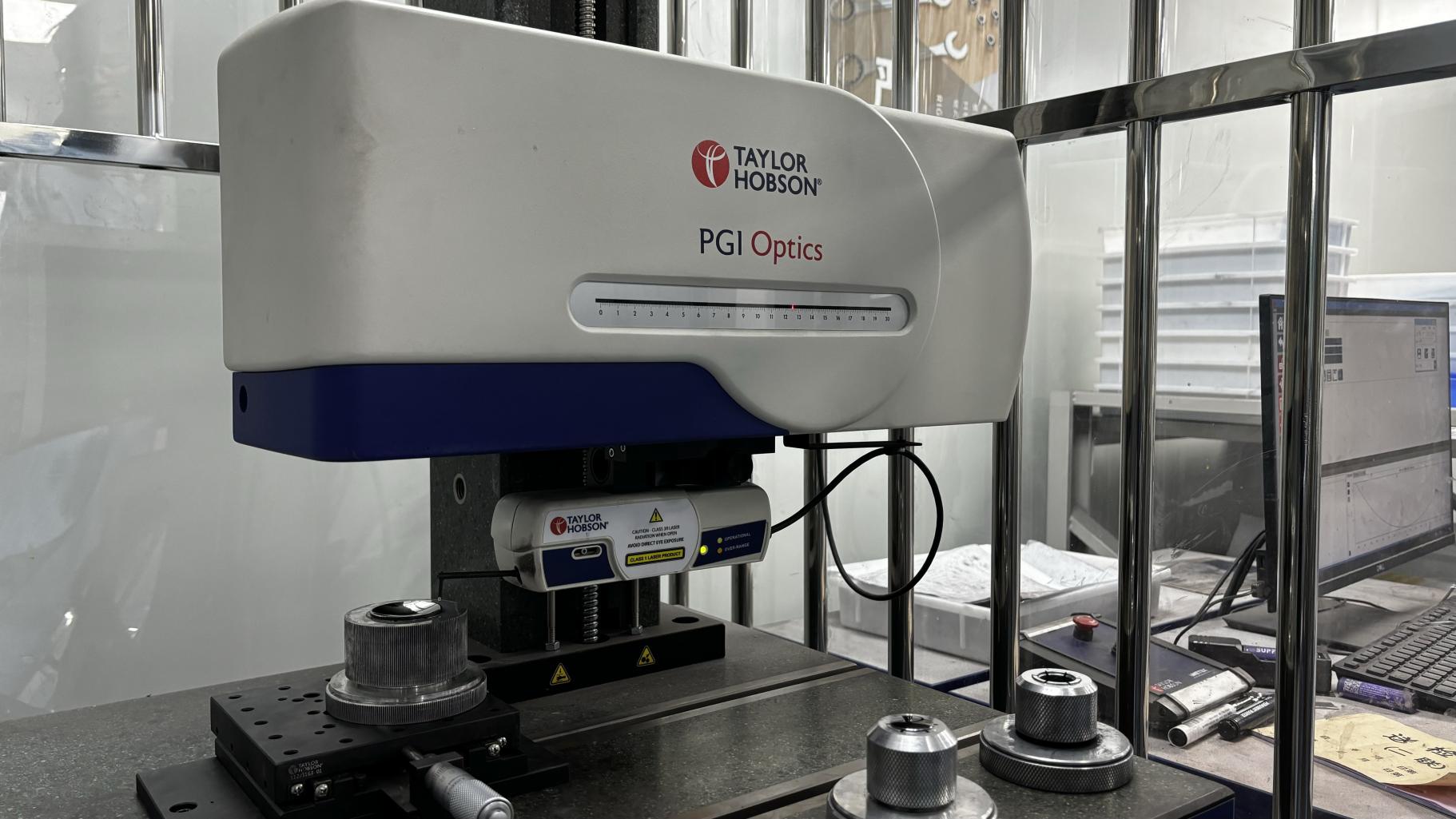
To maintain strict system stability, our quality assurance protocols utilize 45 certified inspectors managing three key phases:
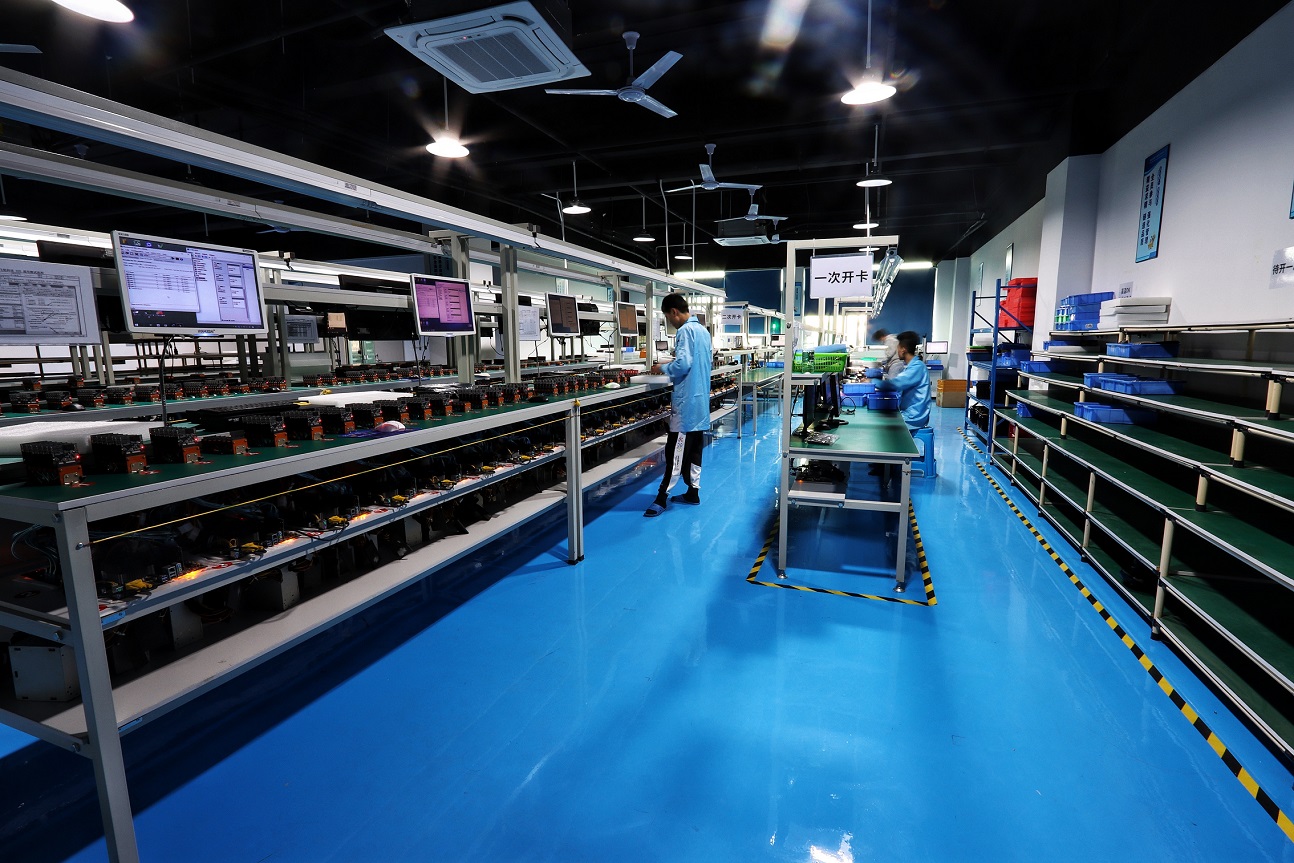
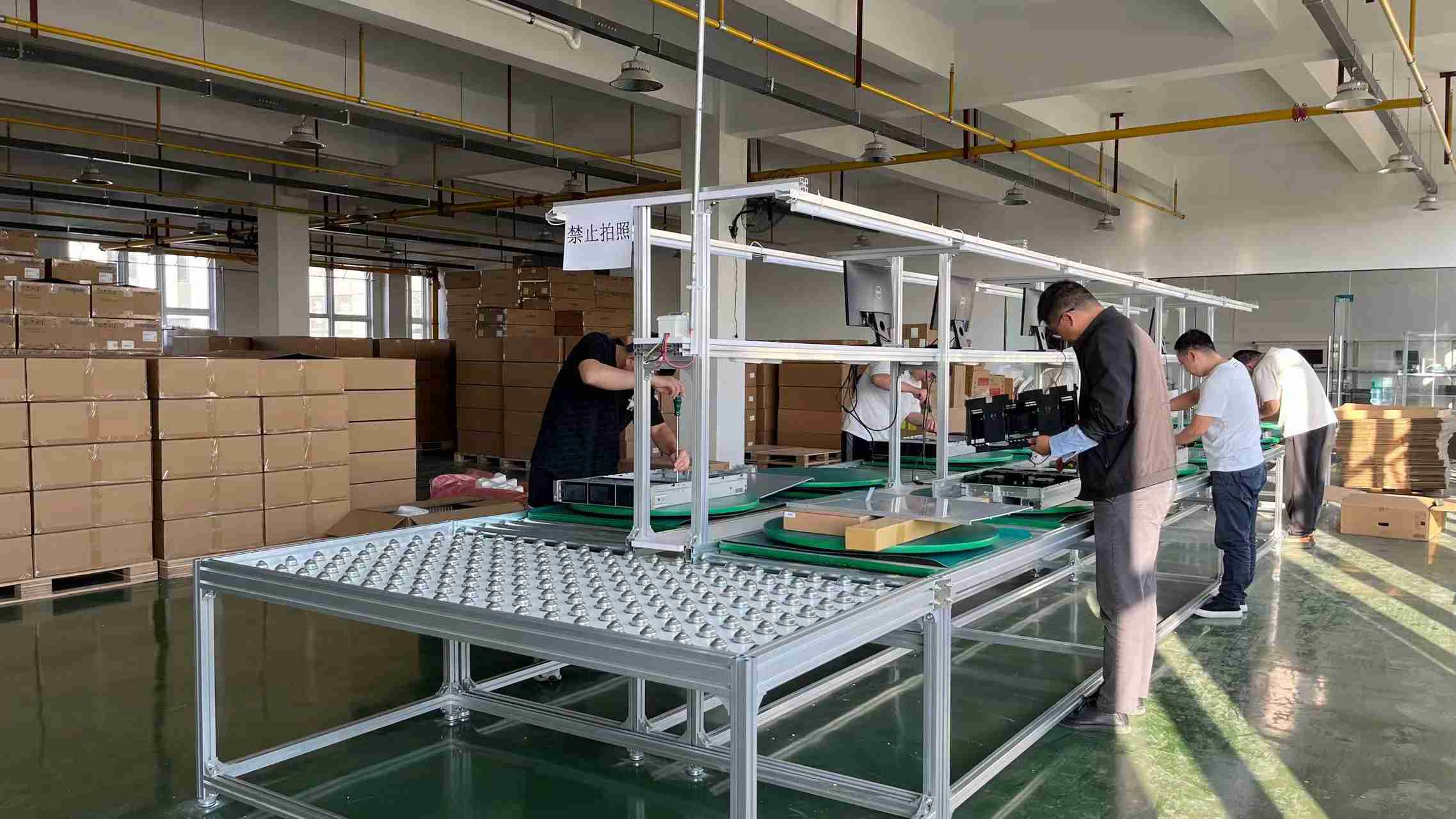
BoltGrid's production infrastructure, located in Shenzhen's technology manufacturing district, spans an 18,500 square meter plant configured for complex assembly line tasks. Operating within this hardware ecosystem allows us to prototype, test, and manufacture server components with minimal transit delays.
Our global logistics experience, built over seven years of international shipping operations, generates approximately USD 18 million in export revenue annually. We support delivery operations across North America, Europe, Southeast Asia, and the Middle East. Through managed freight routes and pre-cleared customs lanes, we secure predictable delivery timelines, helping international clients deploy new compute nodes with minimal logistics delays.
Enterprise IT hardware deployment requires strict compliance with international security and regulatory frameworks. Custom server systems must meet electromagnetic compatibility, environmental safety, and energy efficiency standards to clear deployment audits.
Systems comply with CE, FCC, UL, and CB guidelines, ensuring correct electrical wiring, reliable insulation, and component placement that minimizes fire and shock risks under heavy loads.
Our manufacturing lines strictly follow RoHS and REACH protocols. Components are verified to ensure they do not contain toxic chemicals, facilitating easy recycling and compliance with EU environmental standards.
We integrate hardware TPM 2.0 (Trusted Platform Modules) and configure root-of-trust boot validation processes to protect hardware from unauthorized low-level configuration changes.
Our OEM/ODM solutions are optimized for several key high-intensity server roles:
Technical guidance and information regarding custom OEM/ODM development, quality control procedures, component access, and global delivery logistics.
For typical ODM customized chassis layouts or complex hardware revisions, prototyping runs from 6 to 8 weeks. This timeline includes structural layout design, thermal simulation modeling, PCB engineering review, prototype production, and initial testing.
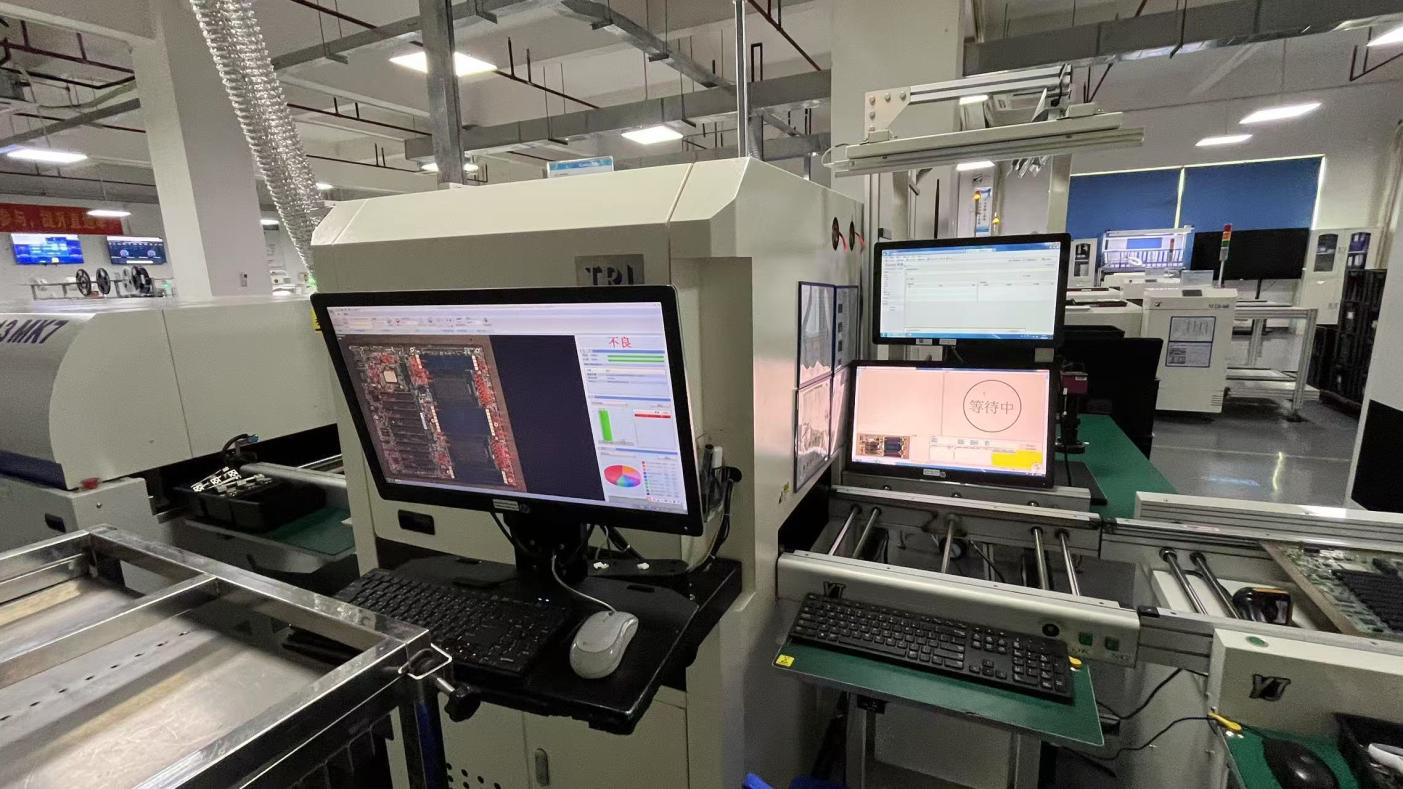
Quality control is managed by a team of 45 QA inspectors. Production stages are monitored using optical checks, automated testing stations, and thermal stress tests. Completed systems are run under full processing loads for 24 to 72 hours before packaging to reduce the risk of early hardware failures.
Yes, our firmware teams configure customized BIOS, secure key management, and OpenBMC profiles. This enables custom server nodes to fit seamlessly into existing software infrastructures, using SNMP or IPMI protocols for out-of-band server control.
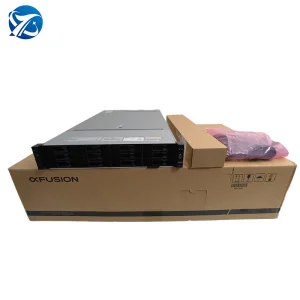
BoltGrid handles export logistics, custom packaging, and delivery tracking to locations in Europe, North America, Southeast Asia, and the Middle East. We ensure all paperwork aligns with regional regulatory requirements, keeping transit times predictable.
Basic branding customizations (e.g., custom color bezels, silk-screen logos, custom BIOS startup screens) can be applied on small initial orders. Complete hardware customization, such as specialized power supplies or proprietary PCB sizes, requires a higher minimum volume to offset tooling costs. Contact our support team to discuss your project requirements.
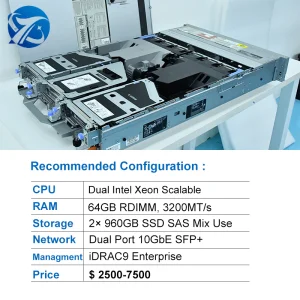
Explore our high-density computing servers, network cards, and multi-socket data platforms designed to keep cloud databases and compute operations running smoothly.