BoltGrid
BoltGrid
BoltGrid
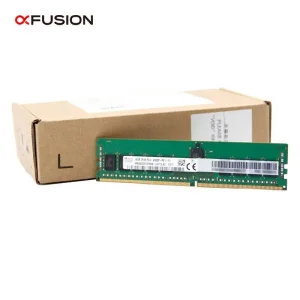
Examine our high-reliability DDR4 & DDR5 RDIMMs engineered for high-performance computing centers and intensive AI workloads.
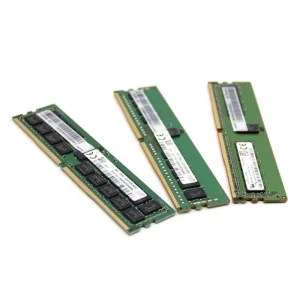
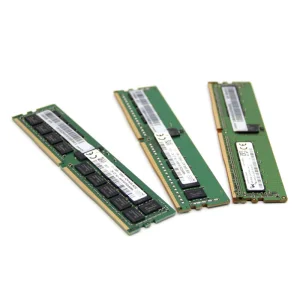
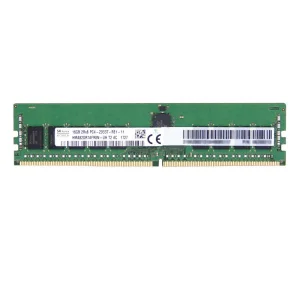

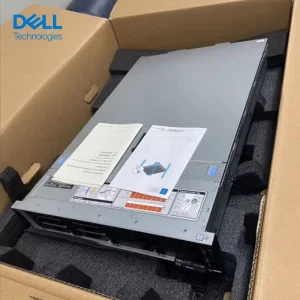
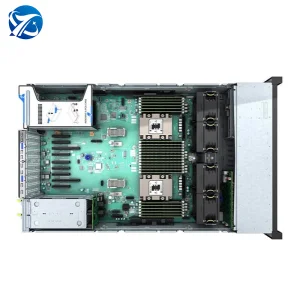
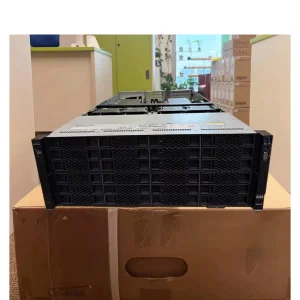
BoltGrid Computing Systems Co., Ltd. is a pioneer in the AI GPU server and high-performance system memory manufacturing landscape, delivering high-stability infrastructure configurations to global enterprise clients.
Founded in 2016, BoltGrid Computing Systems Co., Ltd. has established a comprehensive design, manufacturing, and validation ecosystem for high-capacity server memory, storage arrays, and GPU clusters. Our production workflows operate under strict quality frameworks, incorporating thermal load simulation, memory latency analysis, and 100% full-system burn-in testing. For over 12 years, we have provided tailored hardware integration options to AI cloud operators, hyperscale data centers, and research institutes across North America, Europe, and Asia.
Analyzing the shift from DDR4 to DDR5 memory technologies, transmission bandwidth challenges, and systemic error correction protocols.
Modern workloads demand precise memory synchronization. Utilizing 0.625ns access times coupled with operational frequencies peaking at 3200MHz (and exceeding 6400MT/s on Gen6 systems) minimizes memory bottleneck loops during deep learning batch processing.
Error-Correcting Code (ECC) mechanisms operate at the silicon level to detect and rectify single-bit errors. This safeguards data integrity, preventing system kernel panics in production database arrays and financial transaction systems.
Leveraging Dual Rank (2 Rank) configurations optimizes memory interleaving. This architecture permits simultaneous access to memory banks, driving system-level throughput gains without escalating the core thermal envelope.
The global demand for reliable computing infrastructure has repositioned server RAM supply channels. China-based facilities have transitioned from simple assembly plants to comprehensive technical hubs capable of component binning, automated PCB surface mount technology (SMT) routing, and precision validation. Below, we examine the structural advantages driving China's server component supply chain.
Manufacturing server RAM demands immediate proximity to high-grade packaging facilities and wafer fabrication houses. The integrated technology clusters in Southern China allow companies like BoltGrid to source first-tier DRAM dies (Samsung, SK Hynix, Micron) and assemble, package, and test finished RDIMMs under one localized footprint. This proximity minimizes raw material transit latency, buffers supply lines against geopolitical fluctuations, and reduces manufacturing costs, allowing us to pass the savings on to global buyers.
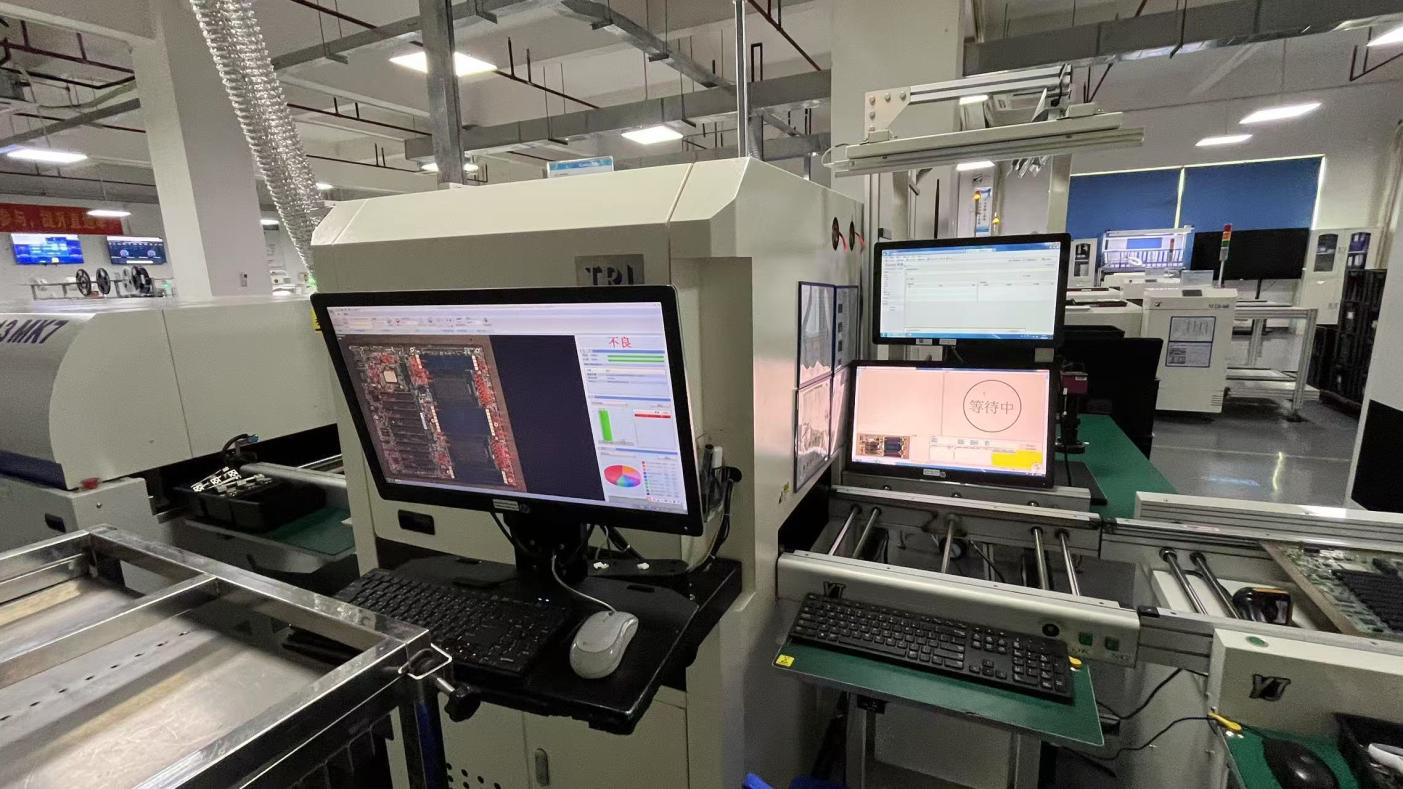
BoltGrid employs an array of 45 QA inspectors who govern an automated testing matrix. Every batch of DDR4 and DDR5 memory modules undergoes strict performance testing:
Hyperscale workloads demand tailored layouts. Our facility features dedicated engineering resources to modify SPD (Serial Presence Detect) profiles, design custom low-profile heat spreaders, and optimize layout configurations (like LRDIMMs or high-capacity VLP RDIMMs) to match proprietary server chassis configurations from major brands, including xFusion, Dell PowerEdge, and HPE ProLiant platforms.
How enterprise-grade RAM architectures drive performance across specific operational environments.
Executing large-scale open-source AI models requires massive GPU-to-CPU memory bandwidth. High-density server RAM platforms configuration (e.g., 64GB DDR5 memory modules paired with Multi-GPU server nodes) enable massive dataset pre-loading. This drastically decreases storage I/O paging delays and keeps GPUs operating at peak capacity.
Virtual hypervisors host multiple operating systems on a single physical node. High-capacity RDIMMs (16GB, 32GB, and 64GB sizes) provide the overhead needed to allocate dedicated RAM blocks to individual virtual machines, preventing "noisy neighbor" bandwidth starvation issues.
For transactional platforms that read and write data in real-time, relying on local storage causes latency. High-density ECC configurations allow databases like SAP HANA or Redis to execute fully in-memory, accelerating read queries to sub-microsecond speeds.
Industrial edge nodes deployed in harsh environments demand memory that operates reliably despite dust, vibration, and heat. Our robust server RAM features industrial-grade conformal coatings and rigorous thermal testing to prevent environmental memory failures.
The enterprise memory landscape is undergoing its most significant transition in a decade. Driven by the demands of next-generation processors like Intel Xeon 6th Generation and AMD EPYC architectures, server RAM configuration guidelines are shifting rapidly.
While DDR4 continues to dominate legacy systems due to its cost efficiency, DDR5 is quickly becoming the standard for new deployments. DDR5 doubles the bandwidth of DDR4, delivering data rates starting at 4800MT/s and scaling up to 6400MT/s. Additionally, DDR5 shifts power management from the motherboard to the module itself via an onboard PMIC (Power Management Integrated Circuit), reducing server-level power consumption and improving voltage stability.
CXL technology is redefining how memory resources are shared. By establishing high-speed, low-latency connections over PCIe physical layers, CXL allows memory pooling across distinct CPUs and accelerators. This changes the role of traditional server RAM, transitioning it from a dedicated processor resource to a pooled infrastructure component.
Recent chip shortages have highlighted the danger of single-source procurement models. Global IT departments are increasingly adopting multi-vendor strategies, partnering directly with verified OEM manufacturers in China to guarantee reliable hardware allocations and buffer their logistics networks.
BoltGrid's production, validation, and logistics operations are integrated to streamline global export processes.

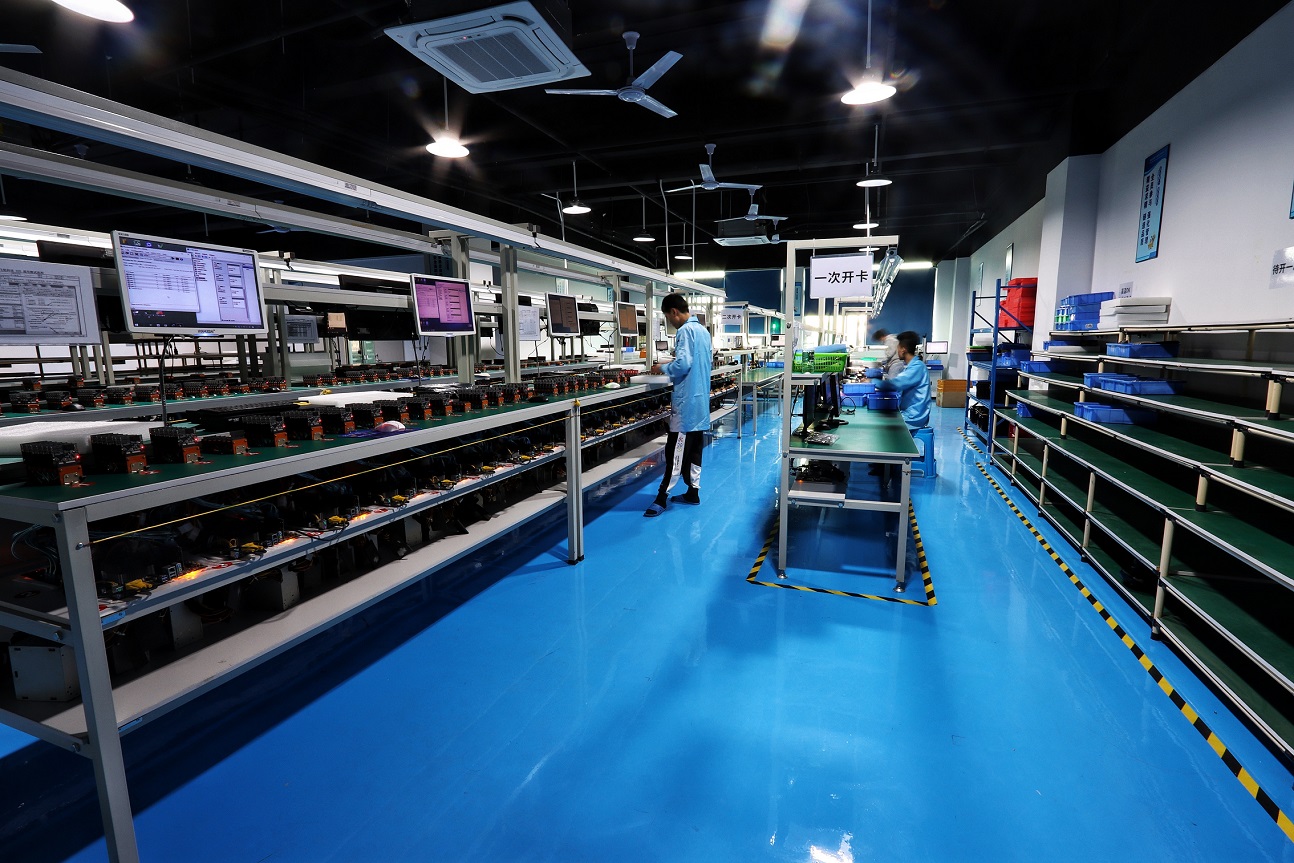
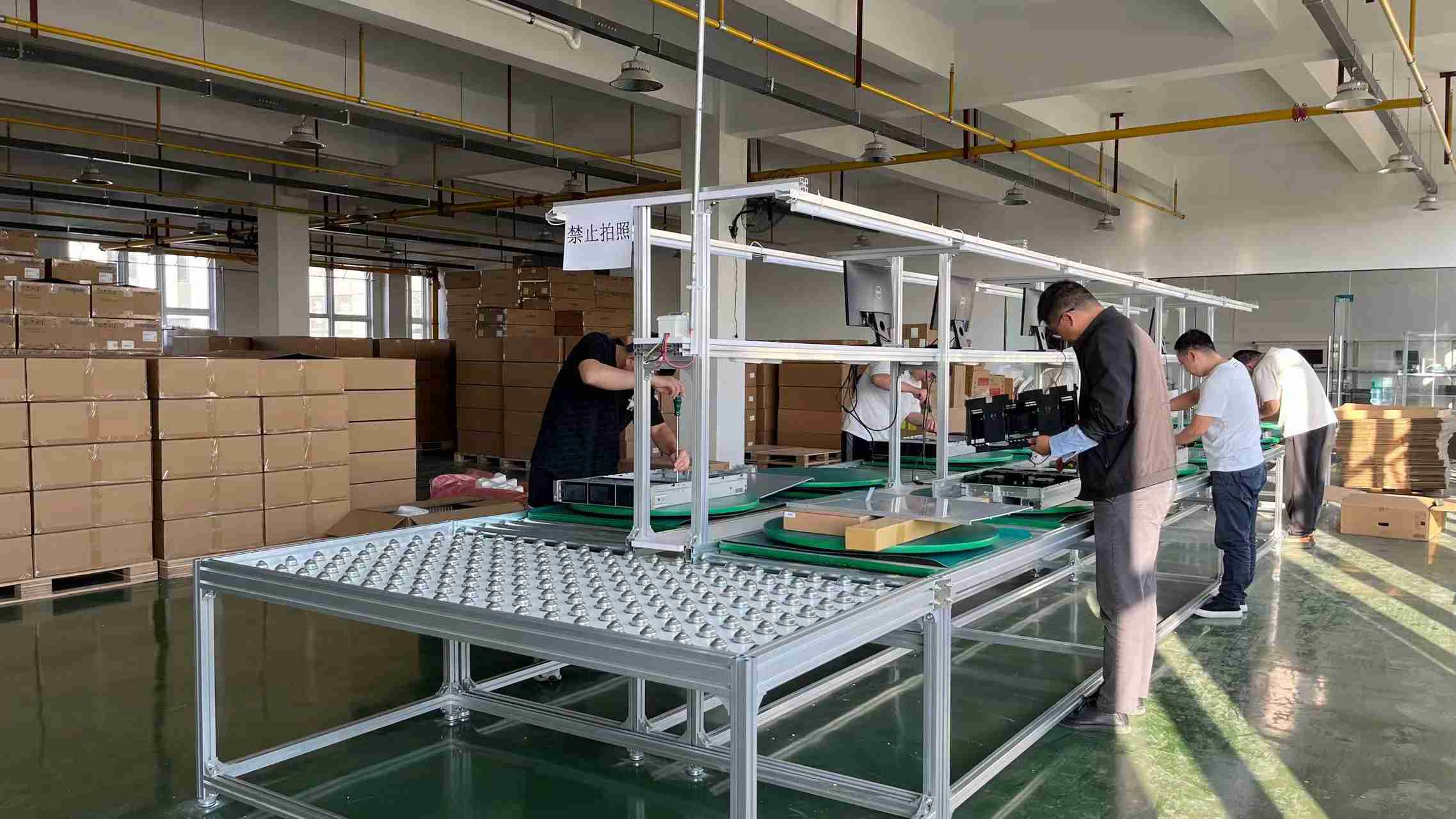

Expert answers to technical and commercial inquiries regarding enterprise-grade RAM procurement.
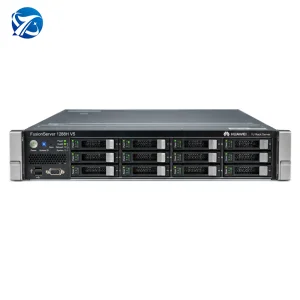
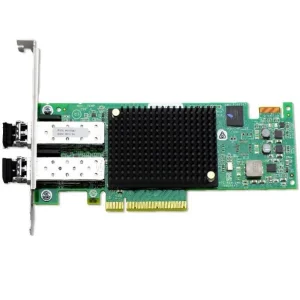
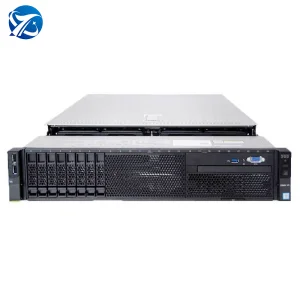
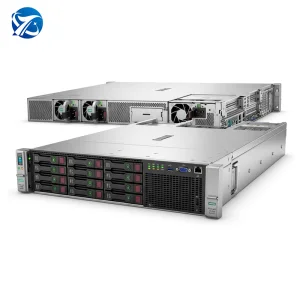
Discover our broader catalog of GPU nodes, high-density server platforms, and network connectivity adapters.