BoltGrid
BoltGrid
BoltGrid
Explore our premium lineup of high-performance rack servers, RAID controllers, and memory modules optimized for mission-critical workloads.
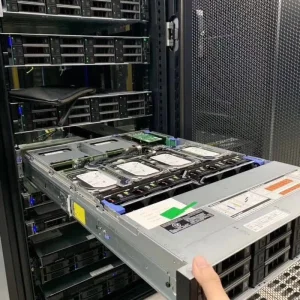
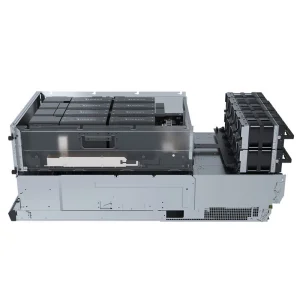
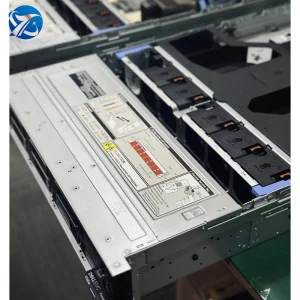
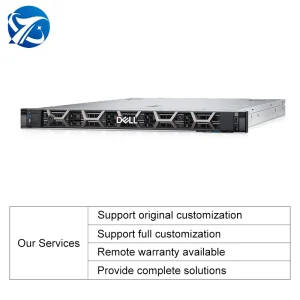
BoltGrid Computing Systems Co., Ltd. is a global leader in AI GPU server manufacturing and professional datacenter solutions.
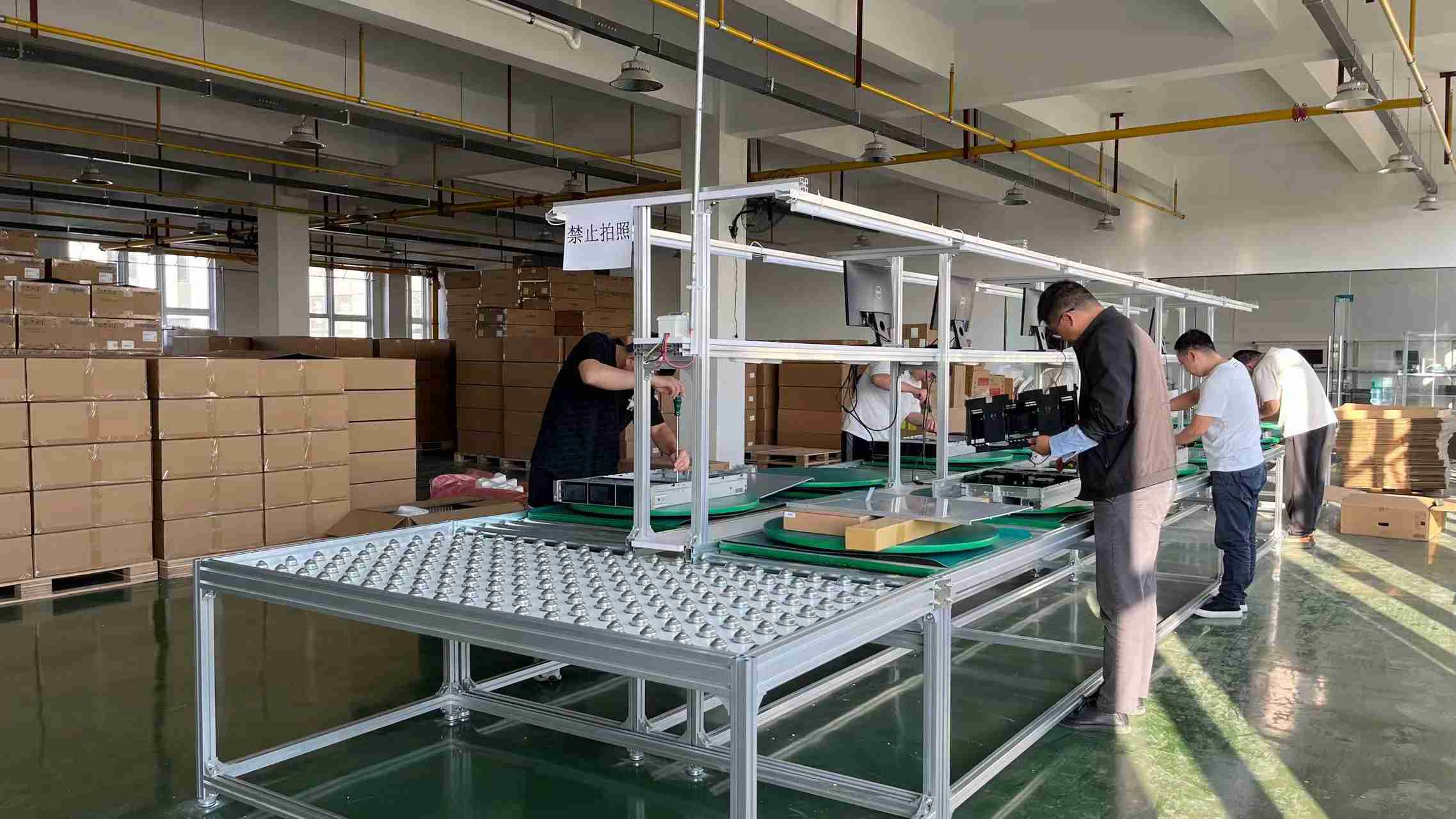
Established in 2016, BoltGrid Computing Systems Co., Ltd. has established a formidable presence in the high-performance computing (HPC) landscape. With a modern, state-of-the-art facility covering 18,500 square meters, BoltGrid excels in system design, assembly, integration, and thermal load testing. Over seven years of active global trade, our annual export revenue has consistently surpassed USD 18 million, serving leading enterprise clients across North America, the European Union, Southeast Asia, and the Middle East.
Our quality assurance protocol includes thermal chamber analysis, intensive stress simulations, and full-system software-level diagnostic burn-in runs. Backed by 120 dedicated engineers and an extensive ecosystem of 850 strategic hardware partners, we custom-engineer AI clusters, server systems, and storage arrays to meet the specific workload profiles of modern enterprise environments.

Analyzing the impact of xFusion servers within the global enterprise IT ecosystem, multi-tenant clouds, and high-density virtualization centers.
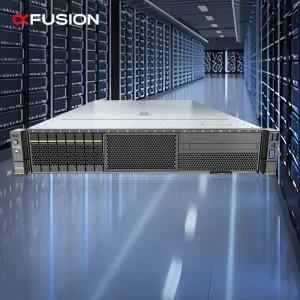
The xFusion architectural line, particularly the FusionServer V6 and V7 series, has set global standards for mission-critical virtualization. With advanced dynamic thermal management and dual-feed power redundancy, these systems minimize the Mean Time Between Failures (MTBF) under constant enterprise stress.
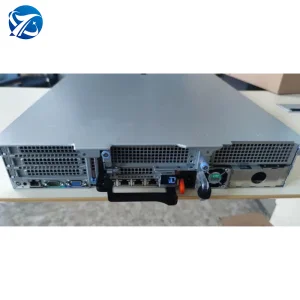
Through dense configurations like the 2288H V7 and V6 systems, global enterprises consolidate compute, storage, and networking into compact rack solutions. These serve as the backbone for VMware ESXi, Nutanix, and open-source KVM hypervisors, significantly cutting down physical datacenter footprint.
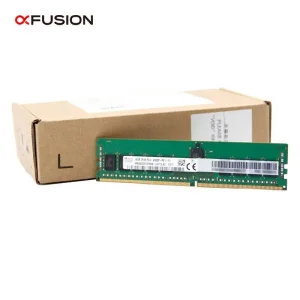
Utilizing high-performance RAID controllers (such as the LSI 9540-8i and XC170-M-8i) combined with low-latency DDR4/DDR5 RDIMM memories, xFusion hardware minimizes internal bus bottlenecks. This ensures optimized data routing from NVMe storage straight to the PCIe system bus.
Unlocking operational efficiency, component access, and rigorous verification steps through BoltGrid’s advanced factory infrastructure.
BoltGrid’s strategic positioning in China allows immediate, direct access to the world’s most dense semiconductor packaging and passive component production loops. By maintaining strong connections with over 850 component vendors, we eliminate traditional logistical bottlenecks associated with bare chassis, cooling units, power distribution boards, and high-frequency connectors.
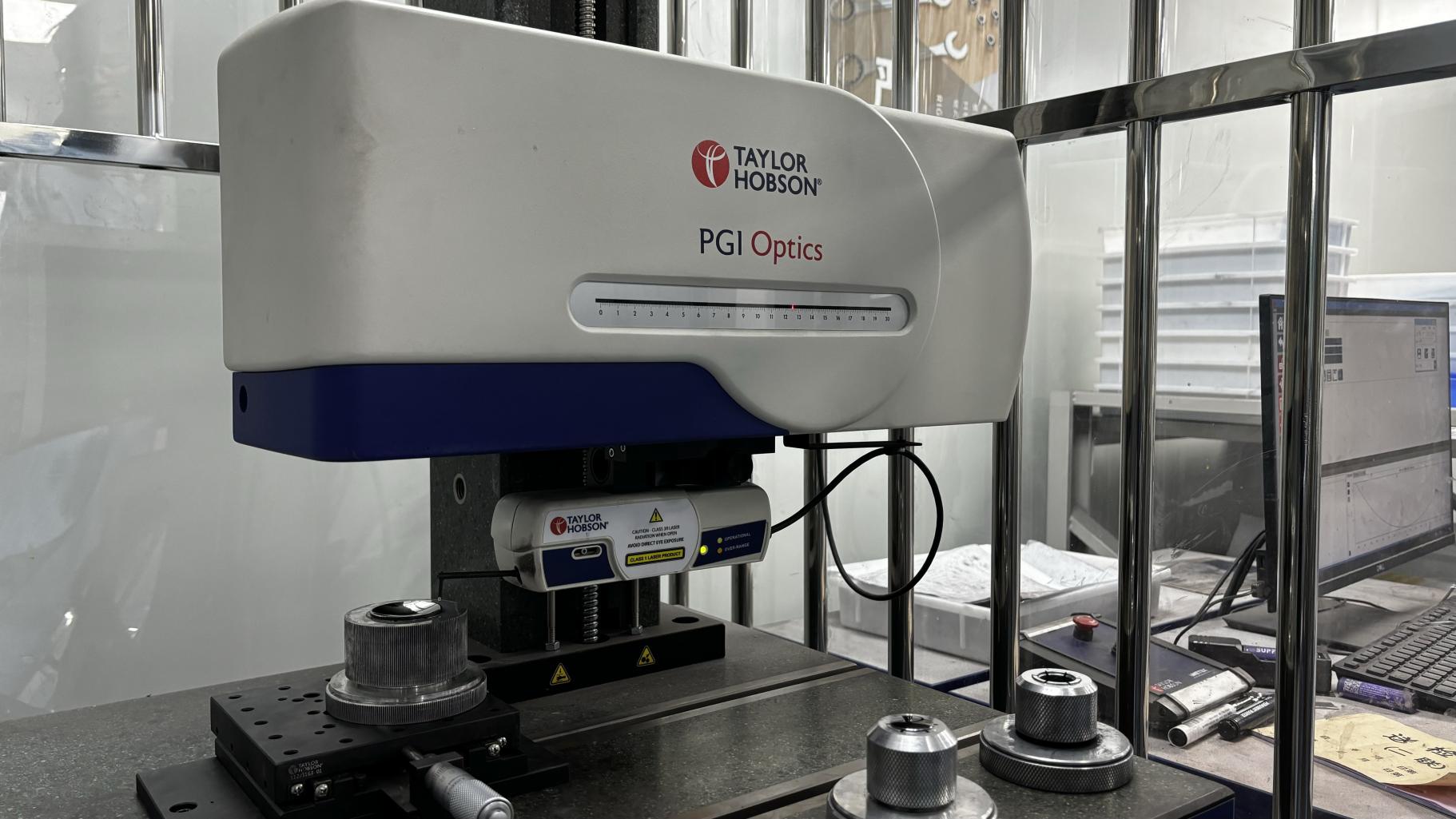
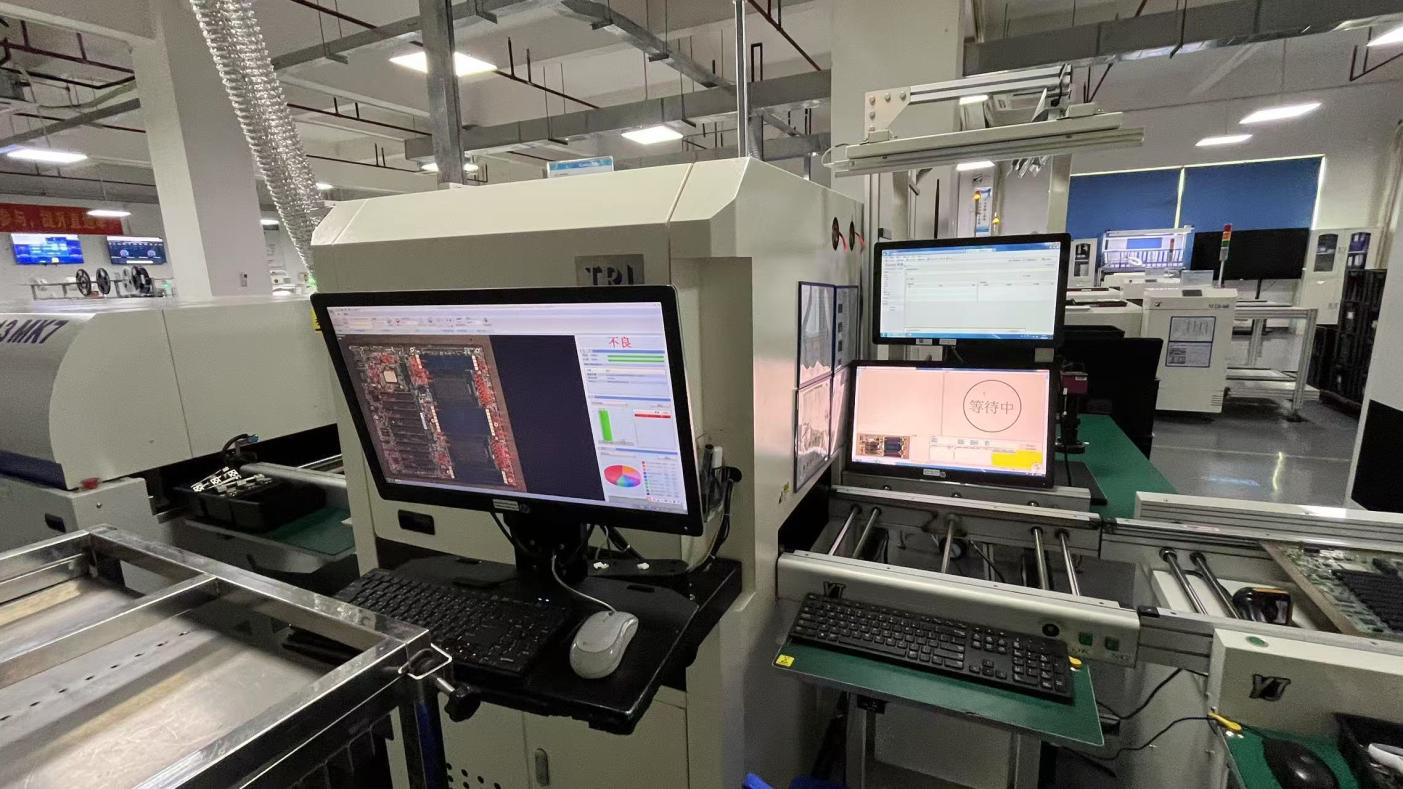
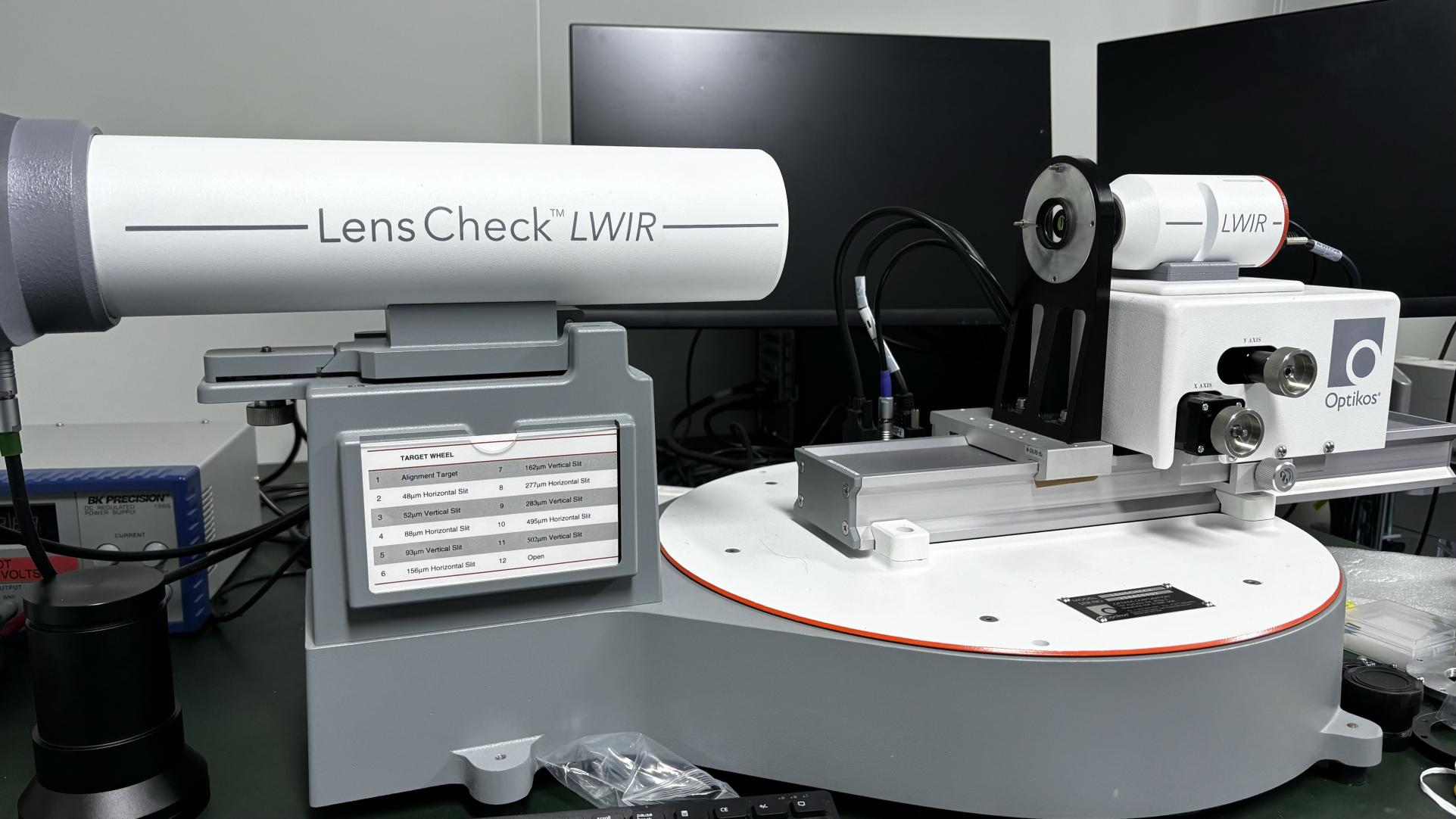
Every server built at BoltGrid is subjected to a continuous thermal loop and burn-in sequence. Our testing floor includes:
By shifting structural design, assembly, and testing tasks to a modern hub in China, global buyers realize direct cost reductions. Savings in labor and component sourcing are directly passed down to customers, allowing them to optimize CapEx while acquiring systems matching OEM specification benchmarks.
"The geographical advantage of BoltGrid allows us to source raw component parts, integrate custom GPU arrays, run functional load tests, and load them into shipping containers within a compressed 14-day turnaround window."
Understanding how V7 platforms and GPU server designs address the compute, memory bandwidth, and thermal dissipation needs of modern Artificial Intelligence models.
Large Language Models (LLMs) like DeepSeek require vast amounts of memory bandwidth. By using PCIe Gen 5 buses found in platforms like the G5500 V7, xFusion servers allow rapid weight distribution between multiple GPU modules, ensuring minimal latency during inference cycles.
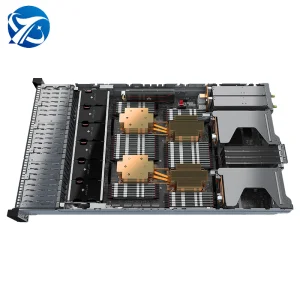
Running deep neural networks forces hardware to function near thermal ceilings. Our server configurations use balanced internal airflow pathways, high-RPM hot-swappable cooling fans, and optimized heat sink geometries to ensure components maintain steady clock speeds without thermal throttling.
With support for up to 64GB DDR4/DDR5 RDIMM modules and high-speed NVMe drive pools managed by LSI SAS RAID controllers, data pipelines stay filled. System wait-times are reduced, accelerating model training and data preprocessing tasks.
From edge analytics in heavy industry to massive multi-tenant hosting environments, modern computing nodes adapt to complex deployment needs.
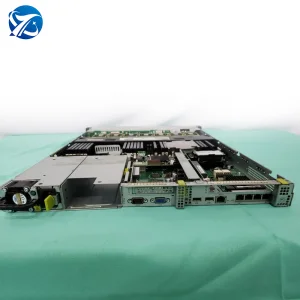
Using platforms like the 1288H V6, datacenter operators can maximize rack space density, offering thousands of virtual instances per rack unit.
Processing sensor telemetry and video feeds directly at the edge, using rugged short-depth server models to withstand dusty or warm factory floors.
Powering predictive analysis, generative models, and computer vision systems by leveraging multi-GPU hardware configurations.
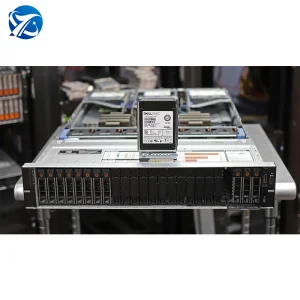
Setting up dependable NAS or SAN networks using high-bay LFF storage chassis run by enterprise-grade RAID controllers.
A structured approach for IT directors, datacenter architects, and purchasing teams to configure, buy, and import compute arrays.
Align processor models, DDR4/DDR5 system memory amounts, storage interface types (SATA, SAS, NVMe), and exact GPU styles to match expected workload demands. Use high-performance PCIe RAID controllers to safeguard data integrity.
Review datacenter power availability. Match server layouts with efficient power supplies (such as 1500W Platinum or Titanium modules) to maximize power usage efficiency (PUE).
Confirm manufacturing partners carry ISO9001, CE, FCC, and RoHS certifications. Ensure every server undergo high-load stress testing prior to packing.
Choose partners experienced in shipping customs requirements, hazardous material rules for lithium CMOS batteries, and handling shock-absorbing pallets.
A detailed guide answering common questions from systems engineers, IT purchasers, and data center designers.
The transition from xFusion V6 to V7 brings support for PCIe Gen 5 expansion buses, Intel Xeon Scalable 4th Gen (Sapphire Rapids) or newer processors, and high-performance DDR5 memory architectures. This upgrade yields up to double the local I/O bandwidth and improves power efficiency ratios, which is vital for multi-GPU setups and complex database clusters.
BoltGrid employs 45 specialized quality assurance inspectors who run comprehensive testing protocols. Each rack server undergoes detailed optical inspections, thermal chamber testing up to 40°C, and software stress tests. This process ensures all components operate correctly under full compute loads before dispatch.
No. The memory standard is determined by the motherboard architecture and processor sockets. V6 platforms are designed for DDR4 RDIMM, whereas V7 systems utilize DDR5 RDIMM. Memory standards are not cross-compatible because of differences in pin layouts, operating voltages, and memory controller requirements.
PCIe RAID controllers, such as the 9540-8i, offload RAID parity calculations from the primary host CPU. This optimizes read/write speeds, improves data protection, and handles multi-drive SAS or SATA arrays. This setup ensures constant uptime and data safety for virtualization platforms.
Chinese manufacturers benefit from close proximity to local component hubs, reducing material transit times. By integrating raw part production, design, and thermal verification under one roof, BoltGrid keeps production efficient. This allows us to supply certified, enterprise-ready servers at competitive price points.
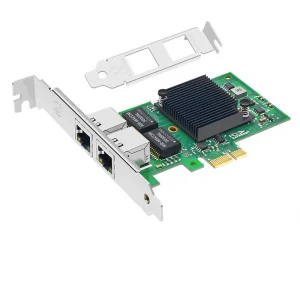
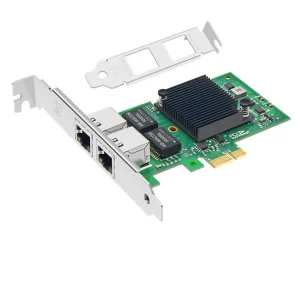
BoltGrid supports extensive customization, including CPU thermal design points, memory capacity layouts, dual/quad GPU riser setups, and targeted storage controllers. Customers can also choose specialized network interface cards (NICs) to align with InfiniBand or high-speed Ethernet fabrics.
Browse our complete list of server modules, high-capacity drives, network expansion cards, and alternative rack designs.