BoltGrid
BoltGrid
BoltGrid
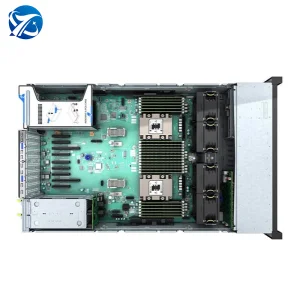
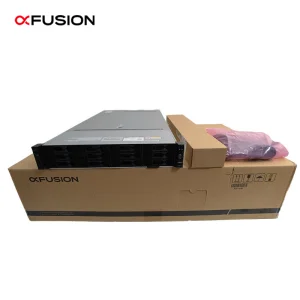
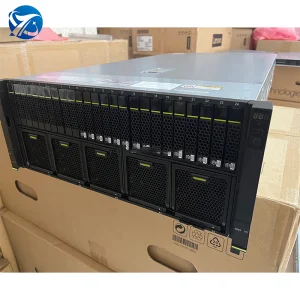
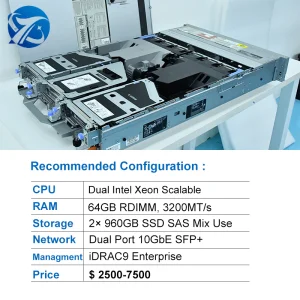
The global enterprise and industrial networking landscape is undergoing a monumental architectural shift. Driven by the exponential demand of large language models (LLMs) like DeepSeek, hyperscale cloud structures, and distributed industrial internet networks, the global market for Layer 2 and Layer 3 Network Switches has reached unprecedented volumes. Enterprise architectures are migrating rapidly from standard Gigabit topologies to ultra-high-speed interfaces featuring 10G, 40G, 100G, and the latest 400G/800G fabrics.
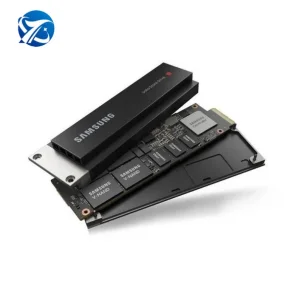
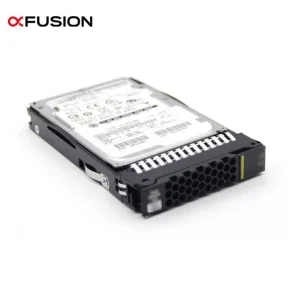
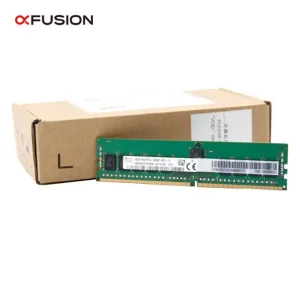
As a leading supplier and global exporter, we observe that network switches are no longer merely passive conduits for data packets. Today, they act as the computational backbone of modern telemetry. In AI supercomputing environments, switches control the distribution of trillions of training parameters across thousands of GPU cluster nodes. Similarly, in industrial production lines, ruggedized switches manage real-time deterministic traffic to avoid millisecond-level drops that can halt automated workflows. Ensuring reliable connectivity requires top-tier component integration, such as the deployment of enterprise-grade storage drives like the Samsung Enterprise SSD for Server and high-bandwidth xFusion DDR5 Memory to minimize data buffer queues inside the networking rack.
BoltGrid Computing Systems Co., Ltd. stands as a premier AI GPU server and high-performance computing network systems manufacturer. Established in 2016, we design, manufacture, and export high-performance hardware structures globally, serving North America, Europe, Southeast Asia, and the Middle East. With a comprehensive industrial presence, BoltGrid bridges the gap between raw compute platforms and complex switch fabrics.
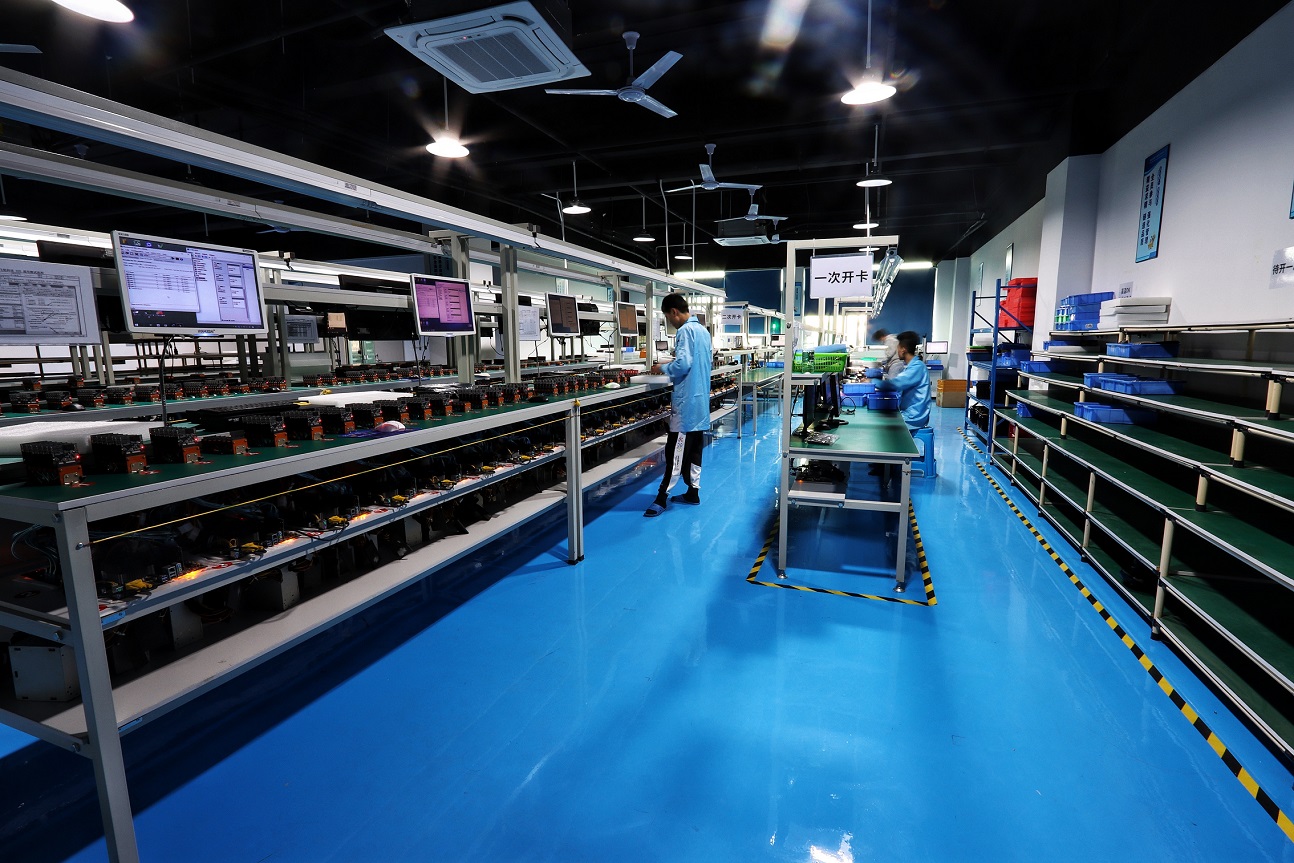
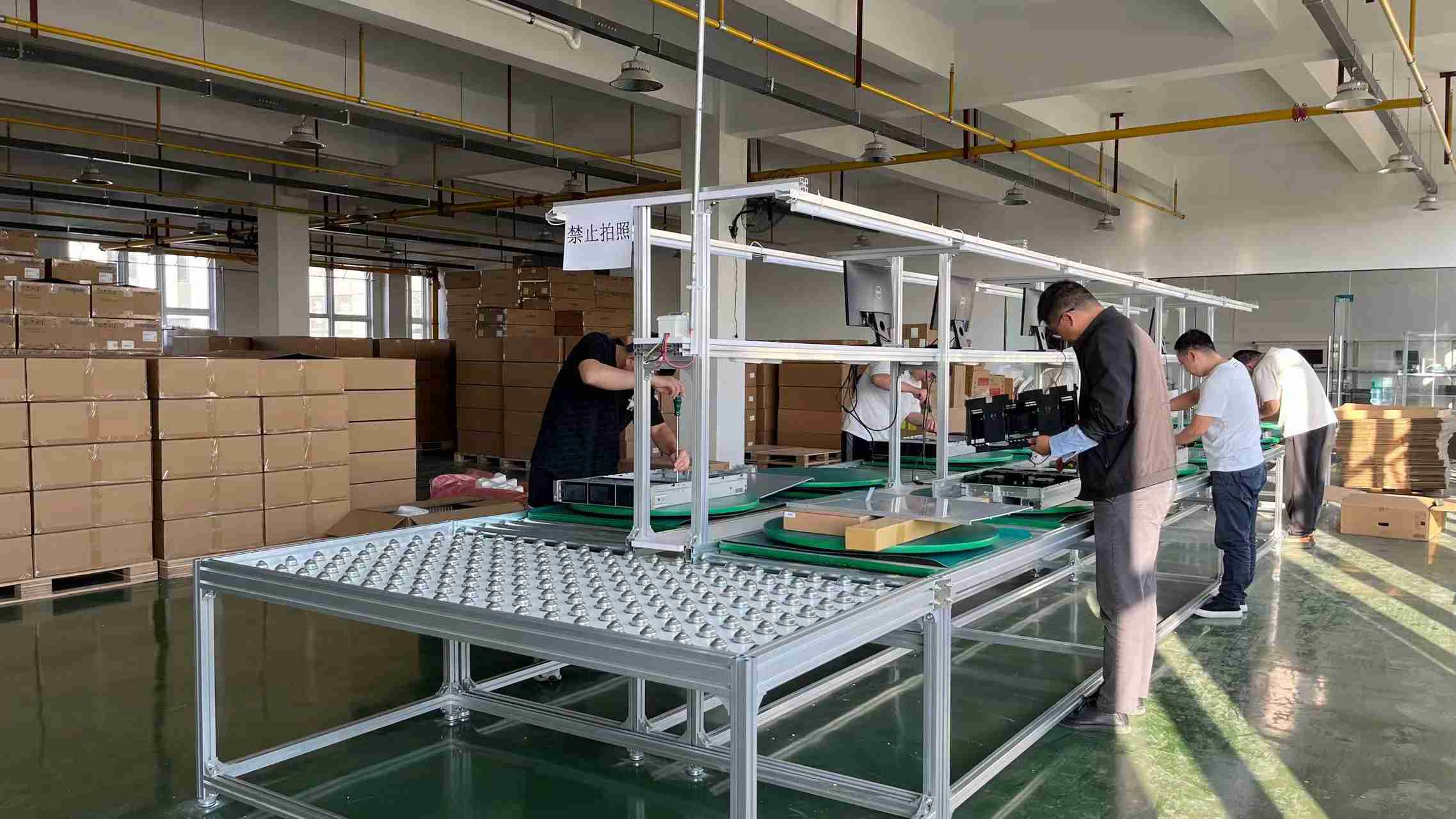
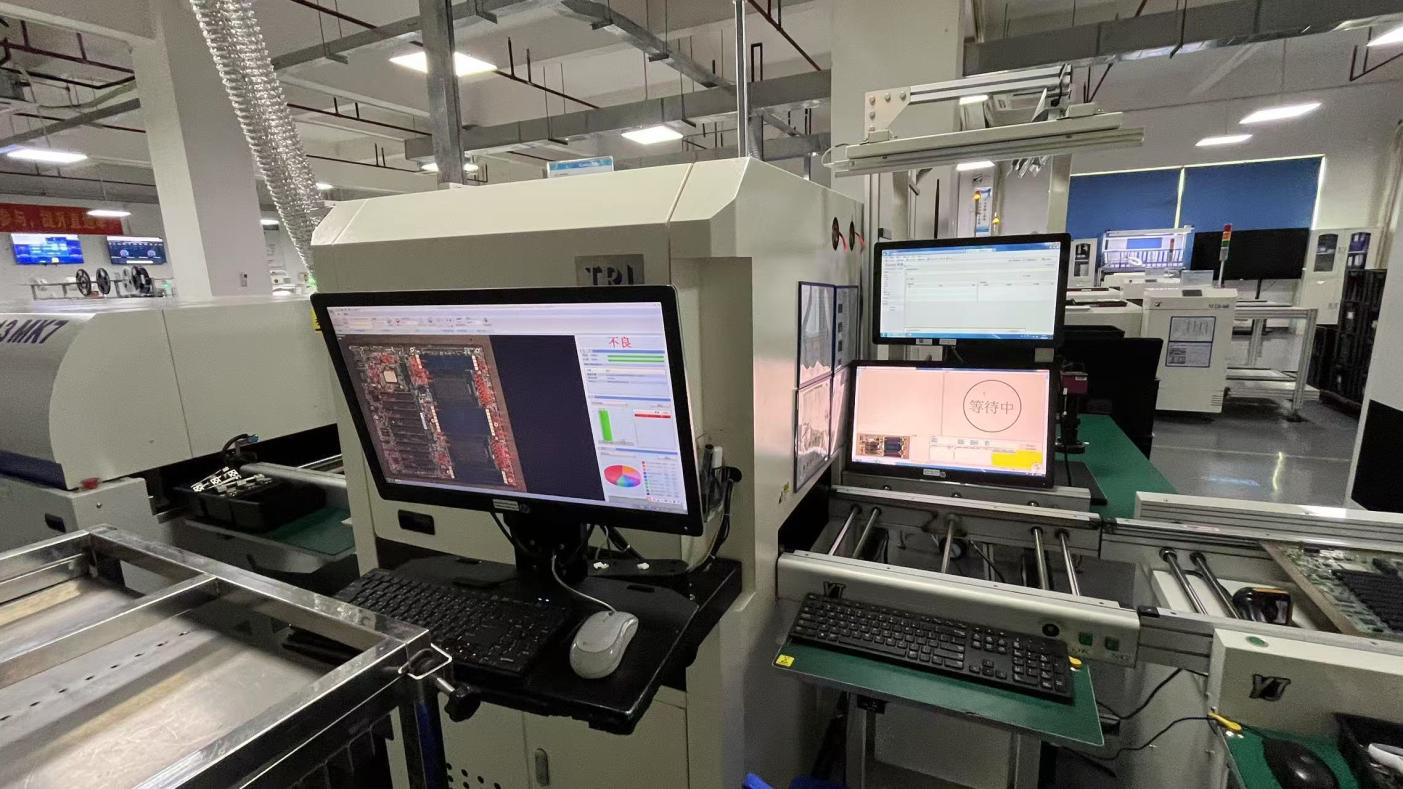
Operating a modernized, large-scale integration facility, we employ 120 dedicated system engineers who optimize network interface cards (NICs), server switches, and GPU clustering modules. We execute rigid quality control protocols governed by a team of 45 certified inspectors. Every system under our control undergoes thermal stress profiling, full load throughput simulation, and persistent network routing stability checks. This deep-domain expertise ensures that when you source enterprise components, you receive fully validated networks optimized for continuous operation.

The trajectory of switch engineering points toward massive scale, lower latency, and highly adaptive power usage. The paradigm of standard package routing has evolved into telemetry-driven active flow control. Here are the core development directions defining the next decade of network interfaces:
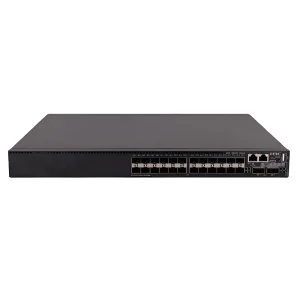
For decades, InfiniBand was the proprietary standard for lossless, low-latency clustering. However, the emergence of RDMA over Converged Ethernet (RoCE v2) has allowed commodity Ethernet hardware to match InfiniBand’s latency profiles. By implementing congestion control protocols such as Priority Flow Control (PFC) and Explicit Congestion Notification (ECN) on switch lines like the H3C S6520X-30QC-EI Core 10G/40G Switch, enterprises can deploy high-speed Ethernet backplanes without sacrificing processing capabilities.
As switch speeds hit 800G and 1.6T, copper traces encounter physical limits due to signal degradation and heat. Silicon photonics integrates optical fibers directly with the ASIC silicon. CPO minimizes physical distances inside the switch, cutting power consumption by up to 30% and significantly reducing latency across wide leaf-spine clusters.
Modern switches utilize In-band Network Telemetry (INT). Instead of relying on passive polling protocols like SNMP, switches inject real-time queue states directly into routing headers. This enables server nodes to dynamically scale back throughput before packet loss occurs, protecting fragile operations during massive computations.
By leveraging custom integrations and top-tier silicon routing layers, BoltGrid bridges these architectural standards into comprehensive customer layouts, matching high-capacity compute systems with robust interconnect backplanes.
Different computational environments call for specialized switching fabrics. Our custom-designed and globally exported switches adapt to diverse deployment parameters:
For training deep learning structures, our high-density switches link high-compute GPU systems, such as the FusionServer G8600 V7 8U GPU Server, with high-performance storage arrays. This prevents inter-GPU synchronization delays during gradient calculation cycles.
In automated manufacturing plants, industrial-grade Layer 3 switches manage TSN (Time-Sensitive Networking) protocols. They provide sub-millisecond control loops for mechanical controllers, ignoring localized EMI noise and handling wide operating temperatures.
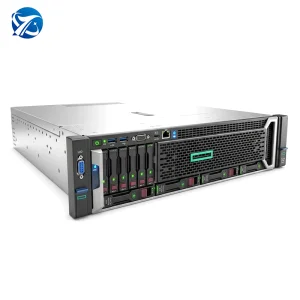
Medium-to-large business hubs need to route local workloads dynamically to public cloud spaces. By incorporating reliable routing hardware like the HPE ProLiant DL360 Gen12 Server into their switch stacks, organizations can support virtualized VXLAN overlays and secure multi-tenant network separation.
As a global solutions provider, BoltGrid understands that switches cannot operate in a vacuum. A high-performance network requires coordinated integration between raw compute power, storage arrays, and network switch fabrics. Our macro industry solution models optimize this dynamic balance:
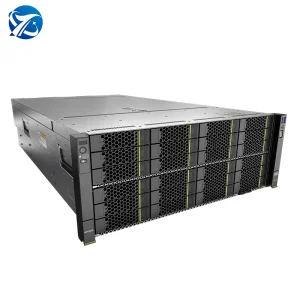
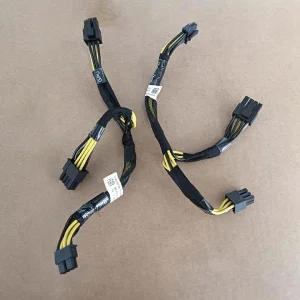
1. Ultra-Low Latency HPC Computing Fabrics: By combining high-bandwidth Layer 3 switches with robust server setups like the FusionServer G5500 V6 NAS Rack Server and optimized power paths like the TR5TP GPU Power Cable for PowerEdge, we eliminate micro-throttling. The switch configuration manages dynamic failovers and uses LACP trunking to group multi-gigabit connections, assuring uninterrupted pipelines.
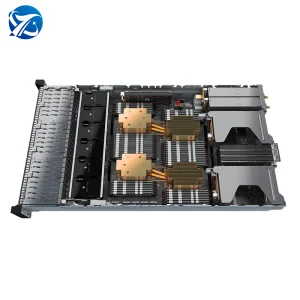
2. Distributed Enterprise Edge Networks: We deploy robust core networks utilizing advanced storage nodes such as the xFusion 2U Rack Storage Server. By using virtual stacking technologies, multiple switches can be configured and managed as a single logical unit. This simplifies setup and ensures consistent security and routing profiles across remote branch sites.