BoltGrid
BoltGrid
BoltGrid
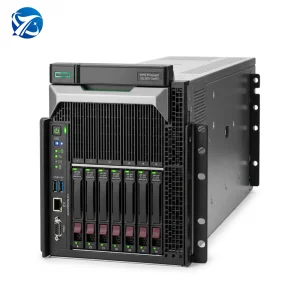
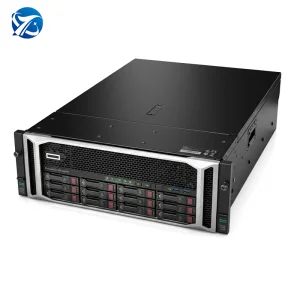
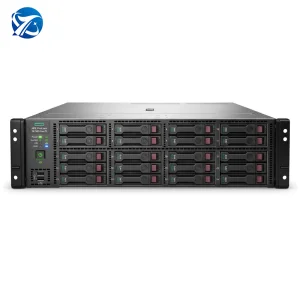
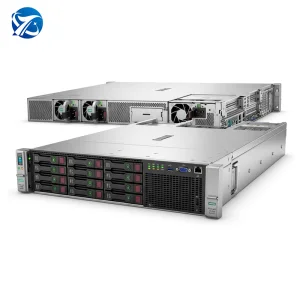
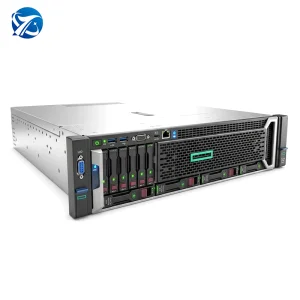
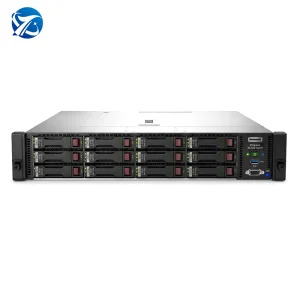
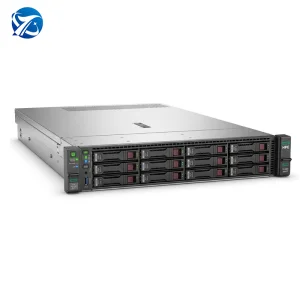
In the contemporary digital landscape, enterprises are facing unprecedented data processing challenges. The rapid expansion of artificial intelligence, large language model (LLM) fine-tuning, complex data analytics, and high-performance computing (HPC) demands hardware infrastructures that go far beyond standard computing boundaries. Organizations globally require robust, secure, and highly scalable server architecture. The HPE ProLiant portfolio (Gen11 and Gen12) stands at the pinnacle of this technological evolution, offering unmatched server designs that balance density, cooling, and processing power.
As a leading hardware integration partner, BoltGrid Computing Systems Co., Ltd. bridges the gap between raw hardware manufacturing and bespoke enterprise solutions. By combining HPE's world-class compute nodes with custom thermal options, high-density storage chassis, and custom integration services, we deliver a optimized computing stack tailored for hyperscalers and edge operators alike. In this whitepaper, we dissect the shifting trends in server architecture, manufacturing dynamics, and procurement optimizations essential for modern technology buyers.
The computing landscape is undergoing structural changes, driven by key architectural innovations:
As these technologies mature, systems integrators must balance component configurations. The integration of high-performance RAID controllers (such as the LSI 9560-16i 8GB PCIe Gen4 cards) alongside robust power modules (Platinum 900W to 2000W redundant supplies) ensures that computing performance is backed by secure data pathways and stable power delivery.
| Feature Profile | HPE ProLiant Gen11 Infrastructure | HPE ProLiant Gen12 Architecture |
|---|---|---|
| Processor Generation | 4th Gen Intel Xeon Scalable / AMD EPYC 9004 Series | 5th/6th Gen Intel Xeon / AMD EPYC Next-Gen |
| PCIe Bus Capabilities | PCIe Gen5 Ready (Up to 80 lanes/socket) | Native PCIe Gen5 (Up to 128 lanes/socket) & CXL 2.0 |
| System Memory Density | DDR5 up to 4800 MT/s (16 DIMMs per Socket) | DDR5 up to 5600+ MT/s (24 DIMMs per Socket, CXL supported) |
| Cooling Ecosystem | Advanced Air Cooling & Direct Liquid Cooling (DLC) optional | Integrated Closed-Loop & Open-Loop Liquid Cooling options |
| Storage Interfaces | Tri-mode NVMe/SAS/SATA (U.3 Form Factors) | EDSFF E3.S / PCIe Gen5 NVMe native slots |
Enterprise procurement teams face complex challenges when sourcing computing infrastructure. Beyond raw hardware specifications, decision-makers must weigh factors like supplier financial health, geographic shipping paths, warranty coverage, and hardware verification protocols. A mistake in any of these areas can lead to project delays, security risks, or high operational costs.
Many organizations now look beyond simple factory-packaged servers. Buyers want customized hardware assemblies, such as systems equipped with 144-core Intel Xeon 6 processors, expanded DDR5 RAM (up to 8TB), and specific GPU acceleration cards. Building these custom configurations requires a supplier with the technical skills to source, integrate, and validate complex hardware components. By partnering with specialist integrators like BoltGrid, buyers gain access to robust, pre-tested server configurations that are ready for immediate deployment.
To reduce risk, procurement specialists should evaluate prospective suppliers using key criteria: quality control certifications (such as ISO 9001 and ISO 27001), component traceability (avoiding counterfeit components), and after-sales support networks (such as 3-year warranty packages with advance parts replacement). Ensuring these safeguards are in place helps protect hardware investments over the long term.
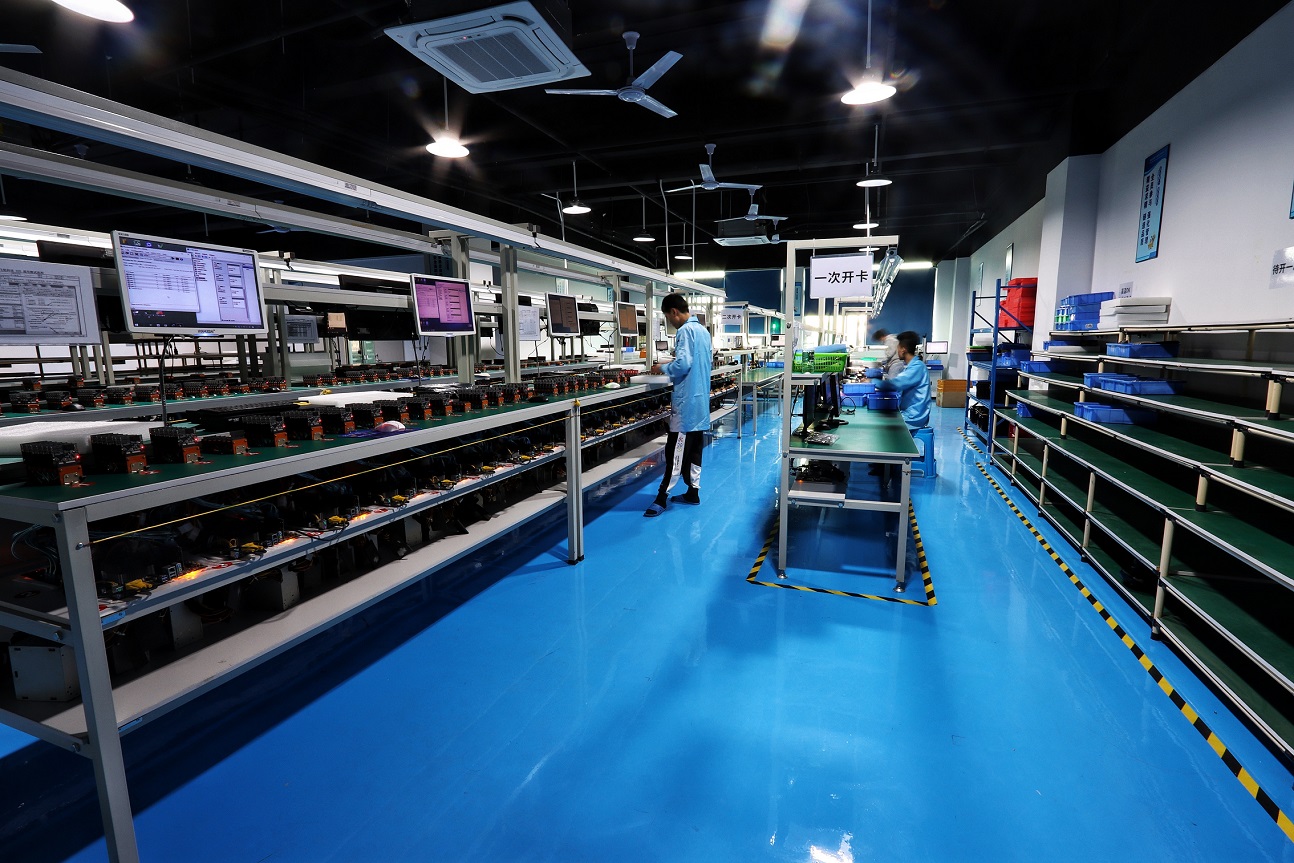
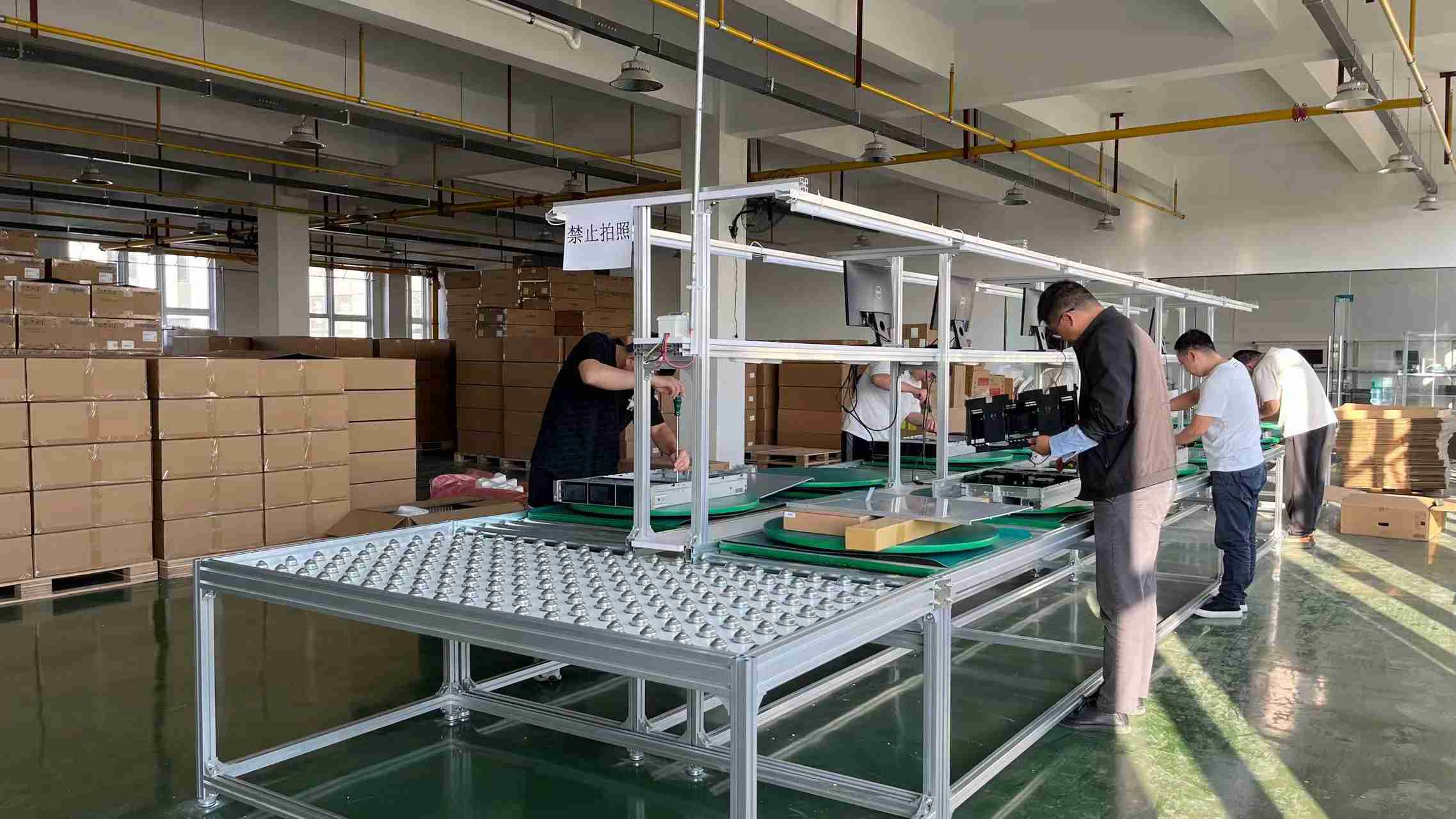
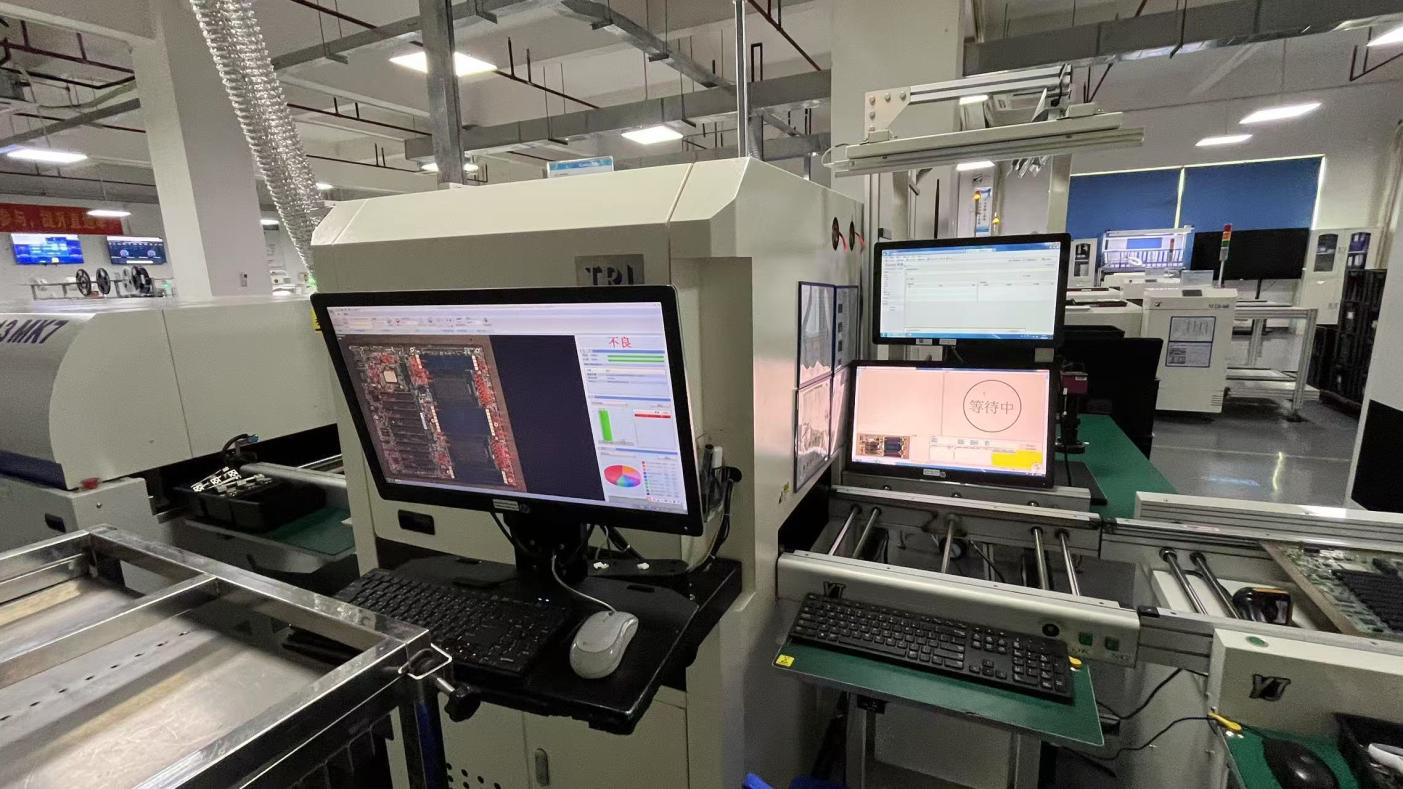
Our state-of-the-art production facilities are at the center of BoltGrid's manufacturing operations. Operating across an 18,500㎡ intelligent facility, BoltGrid integrates advanced robotic assembly line methods, precise ESD-compliant workstation controls, and automated software integration systems to assemble and configure high-density enterprise servers.
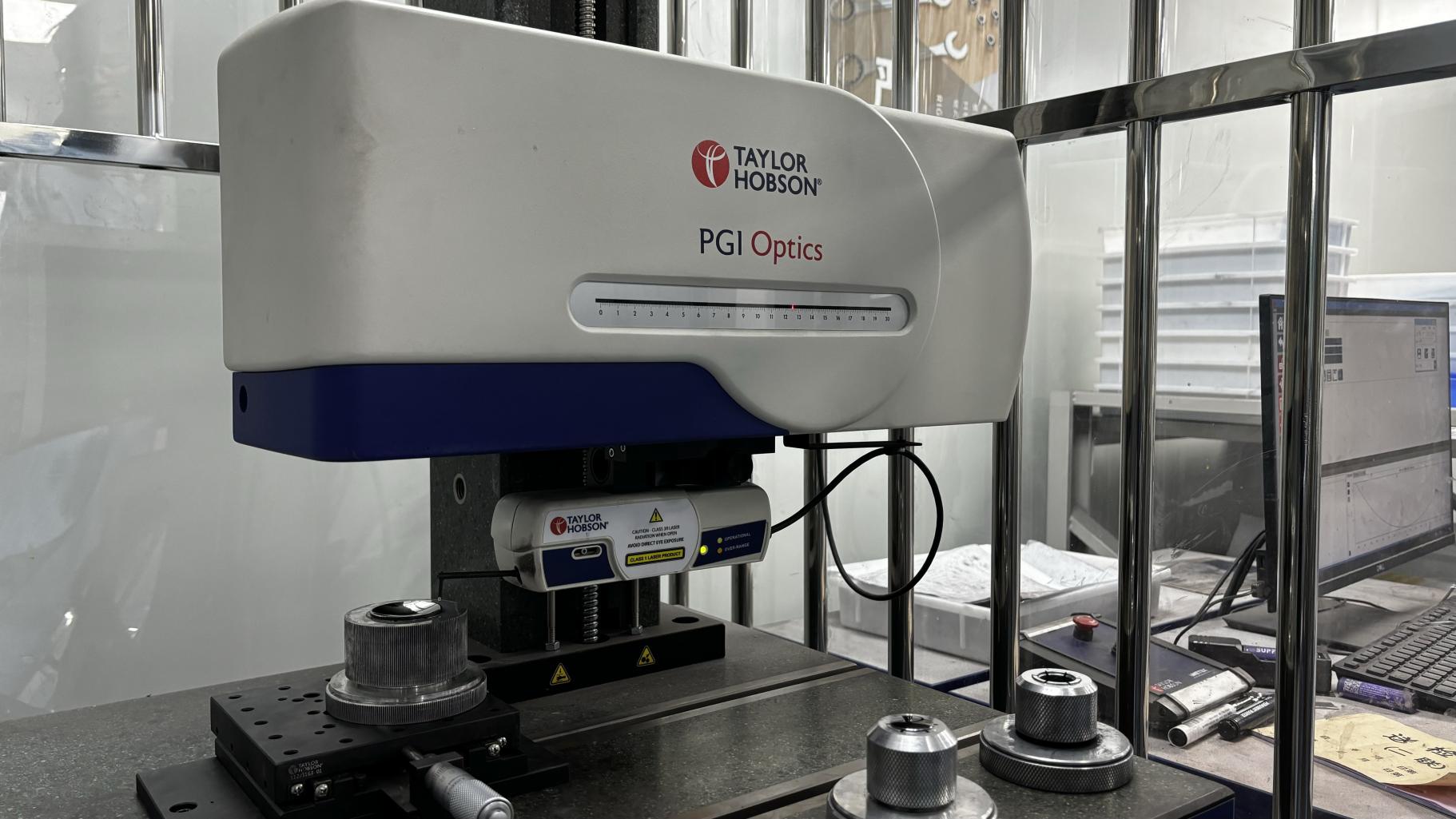
Our quality assurance workflow features a team of 45 certified inspectors. We run multi-phase diagnostic procedures on every server, including extreme thermal testing, high-stress load simulations, and full-system burn-in testing to ensure hardware stability under demanding operating conditions.
By coordinating with more than 850 strategic hardware partners, we secure reliable component supplies. We manage direct sourcing pipelines for key server inputs, including bare chassis, high-power cooling fans, power supply units, RAID controllers, and advanced GPU components.
With an engineering team of 120 specialists, we support extensive hardware modifications. Our customization services range from specialized physical drive configurations and custom PCIe riser card integrations to tailored server cooling systems, matching client-specific data center architectures.
Our production model combines global components sourcing with local manufacturing agility. By using automated production line testing, we maintain high system reliability, keeping hardware failure rates low. This structured assembly approach ensures consistent quality across all shipped systems, whether delivering standard 1U rackmount servers or custom multi-node GPU compute clusters.
Enterprise server deployments vary widely depending on the target workload. Below, we look at three key application scenarios where custom hardware configurations are critical:
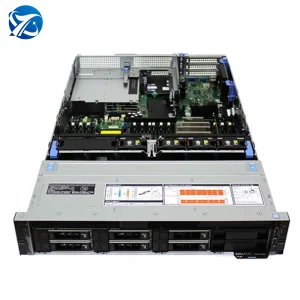
Enterprise private clouds and virtualization hosting require balanced resource allocation across compute cores, memory capacity, and storage access speeds. Modern 2U platforms, such as the HPE ProLiant DL380 Gen11 server equipped with dual Intel Xeon Scalable processors, allow organizations to run multiple virtual machines on a single hardware footprint. Using fast DDR5 memory and high-performance RAID configurations, these systems prevent hardware bottlenecks, ensuring stable performance during spikes in application demand.
Deploying large language models (LLMs) and training deep learning systems requires high computational density. High-throughput platforms, like the FusionServer xFusion G5500 V6 GPU server or HPE ProLiant Gen12 nodes, support multiple acceleration cards within a unified chassis. These platforms are optimized to process massive data arrays in parallel, helping data science teams reduce training times and deliver rapid real-time AI inference at scale.
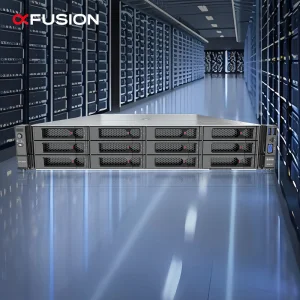
IoT edge nodes, branch office locations, and remote storage installations require localized data management solutions. Using compact 1U compute nodes or systems like the xFusion High Performance NAS platform, remote sites can ingest and store large volumes of data locally. These configurations support real-time data analysis at the edge, reducing data transfer costs and minimizing latency for critical local applications.
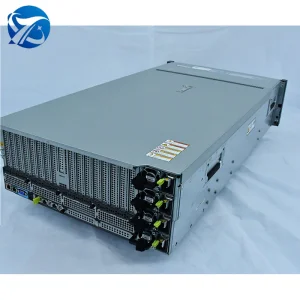
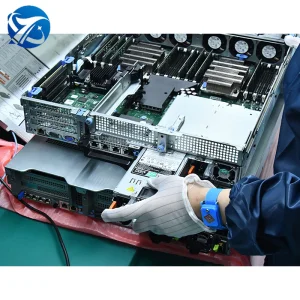
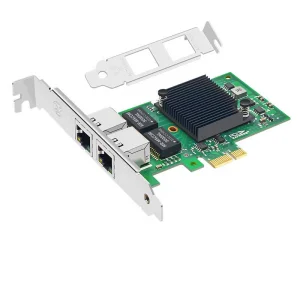
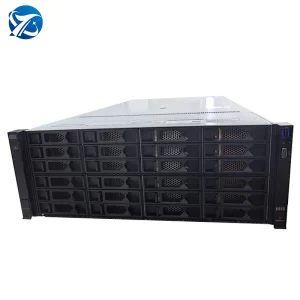
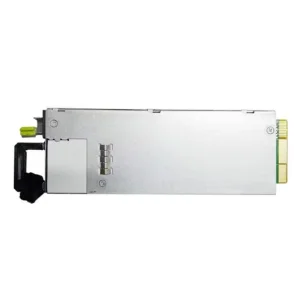
Take a look inside our high-tech assembly workshops, testing chambers, and clean room packaging lines. Here, we build and validate complex server systems to meet rigorous operational standards.