BoltGrid
BoltGrid
BoltGrid
Explore our high-performance 1U, 2U, and 4-socket Intel Xeon rack platforms engineered for mission-critical enterprise workloads.
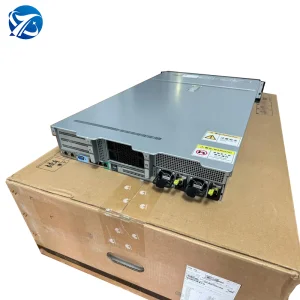
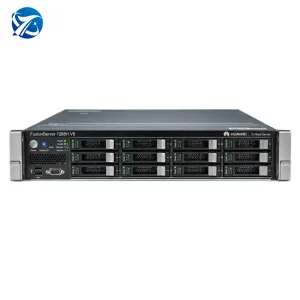
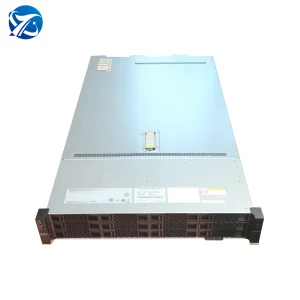
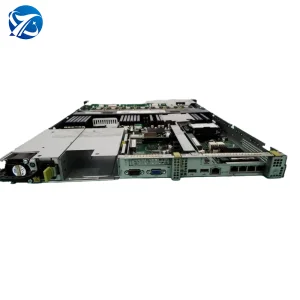
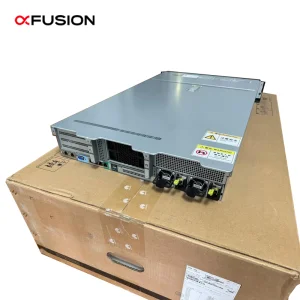
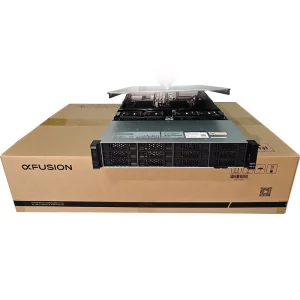
As a premier high-performance computing manufacturer, BoltGrid specializes in robust data center solutions, GPU clusters, and custom server architectures designed for scalability. Since our inception in 2016, we have emerged as an engineering-driven facility committed to mitigating bottleneck operations and delivering hardware that powers advanced compute applications worldwide.
Operating a state-of-the-art 18,500㎡ production facility, BoltGrid integrates end-to-end assembly, strict quality compliance, and hardware-level diagnostics to guarantee the structural integrity of your rack platforms. Our comprehensive testing ensures all critical elements can withstand the intensive computing parameters required by virtualization, enterprise databases, and modern AI algorithms.
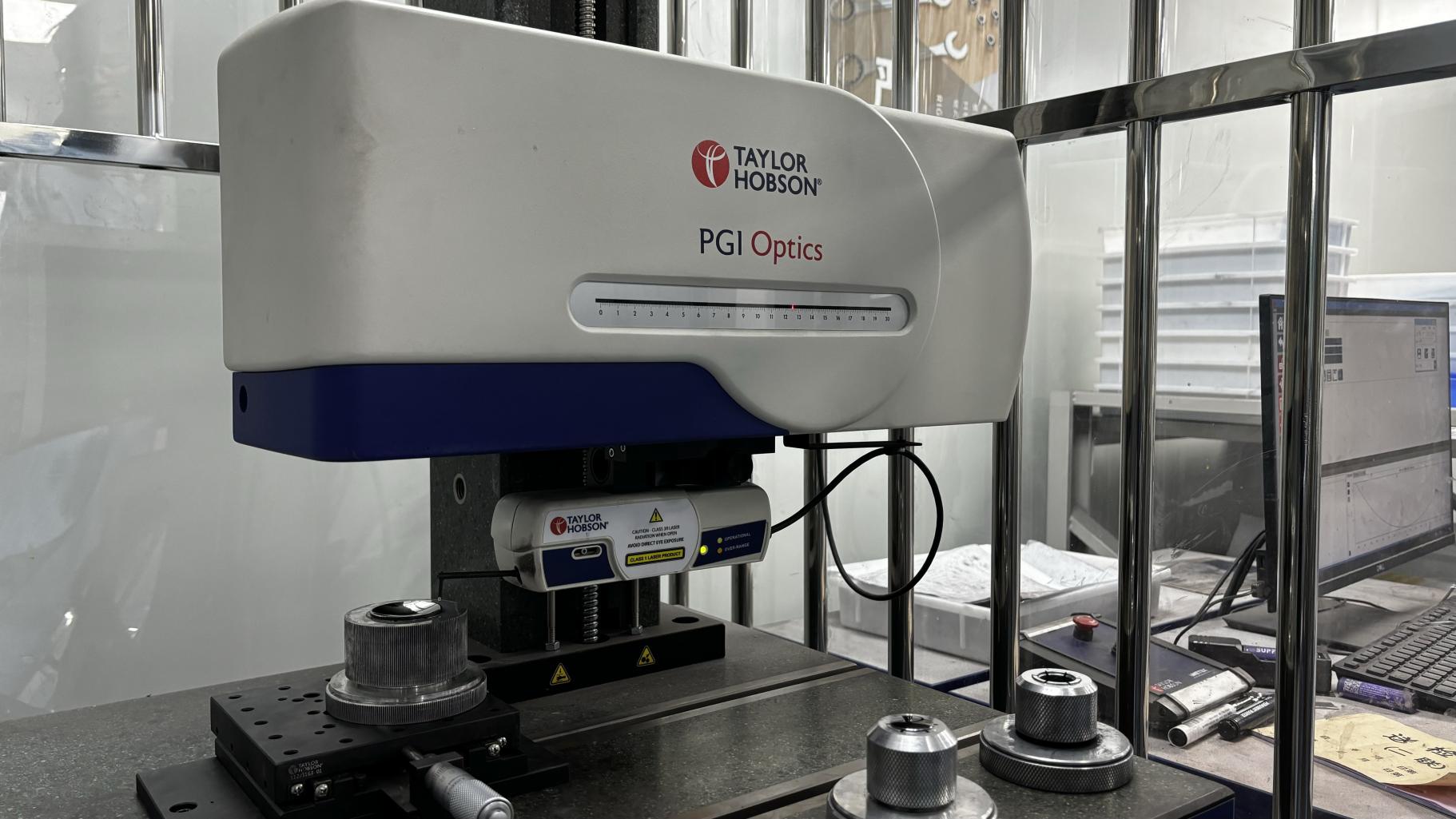
Uncompromising hardware design optimized for virtualization, data processing, and accelerated computing workloads.
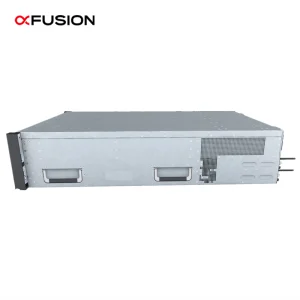
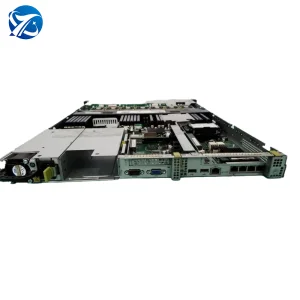
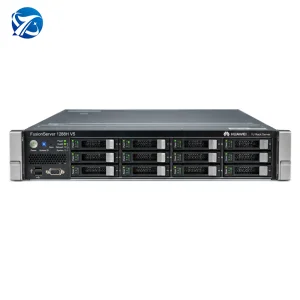
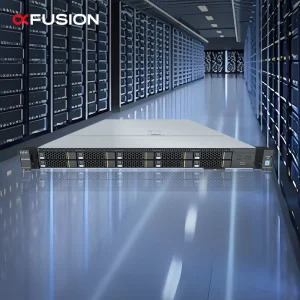
The FusionServer 1288H V5 is a high-density 1U rack server optimized for space-constrained data centers. Powered by dual-socket Intel Xeon Scalable processors, it supports up to 24 DDR4 DIMM slots and dynamic PCIe expansion.
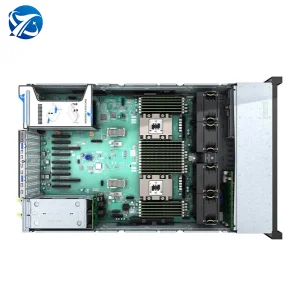
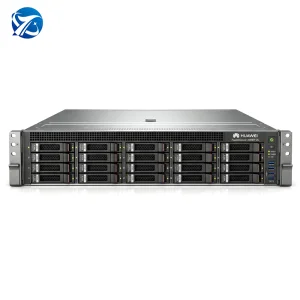
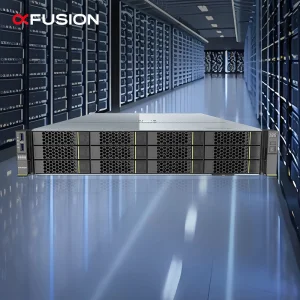
The 2288H V5 represents the workhorse of enterprise IT infrastructure. Offering broad storage capacity with up to 12*3.5" or 24*2.5" drive bays, it accommodates dual accelerator GPUs for AI inferencing tasks.
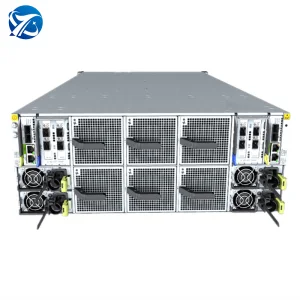
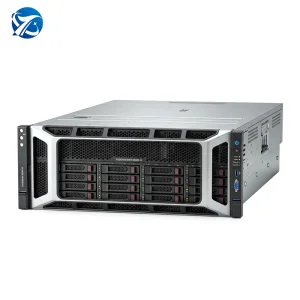
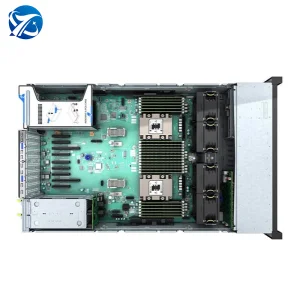
Architected for highly parallelized workloads, the G5200 V5 accommodates multiple high-performance double-width GPU modules, making it a critical element in smart city analytics and AI training matrices.
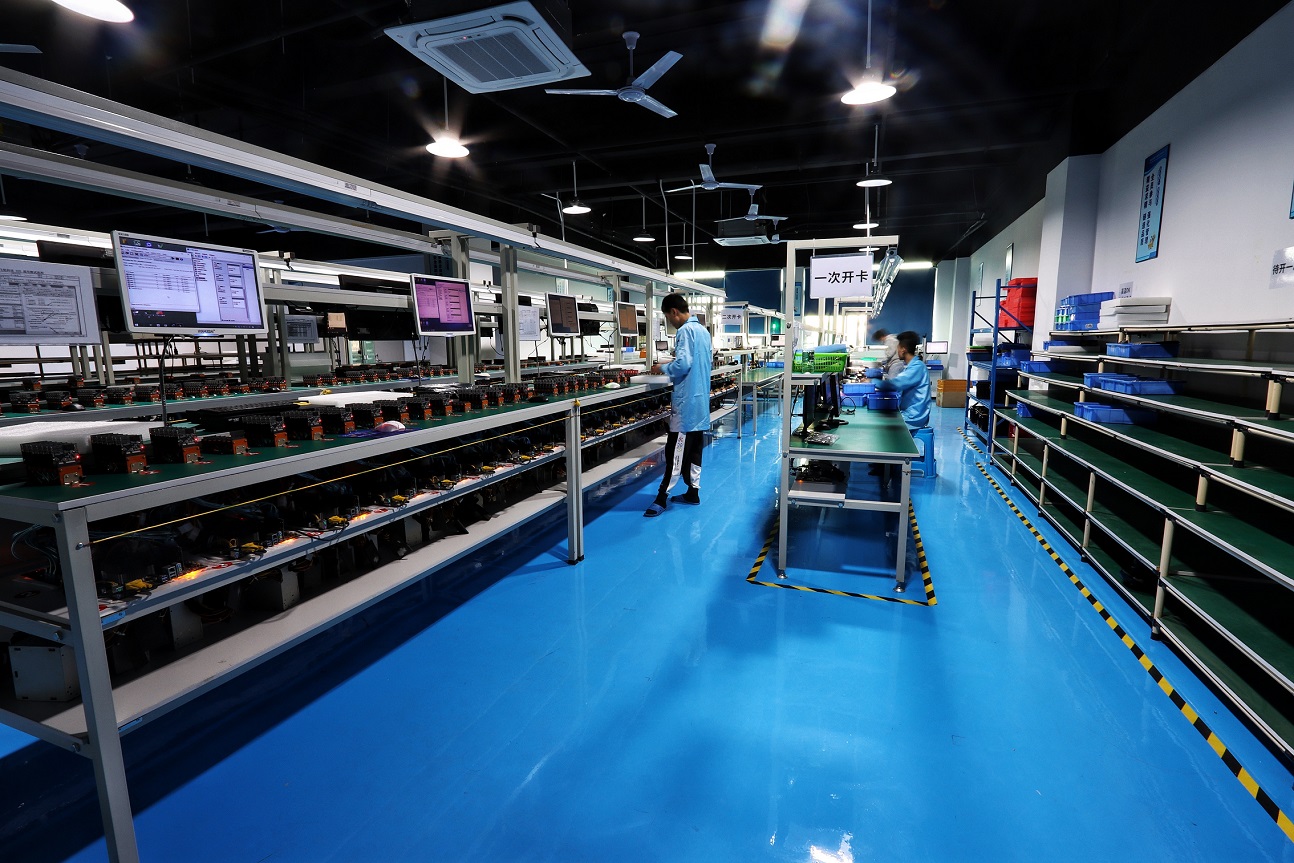
Through strategic factory location inside the primary industrial logistics corridors of China, BoltGrid guarantees outstanding lead times and high material consistency. Our ecosystem integrates with over 850 strategic partners, guaranteeing priority allocation for key critical elements like server chassis components, advanced power modules, active heat sinks, and dense board components.
This localized cluster limits external vulnerabilities. By reducing physical distances between PCB assembly, structural tooling, and dynamic component testing partners, we lower manufacturing costs. Those cost savings translate directly to competitive pricing models for international buyers while optimizing the hardware custom development pipeline.
How global industries configure xFusion Server V5 infrastructure to drive efficiency, automation, and real-time computation.
With the rise of localized LLMs like DeepSeek, data centers require high-density memory pools and efficient GPU pipelines. The G5200 V5 and 2288H V5 systems act as high-speed nodes, handling heavy mathematical parameter processes with reduced latencies.
Municipal networks employ edge-deployed GPU storage nodes to parse thousands of real-time camera streams. The dynamic throughput of these platforms processes visual parameters instantly, enabling traffic optimization, object recognition, and public safety integrations.
Global logistics and industrial companies deploy 4-socket configurations (2488H V5) to process memory-intensive enterprise software like SAP HANA. The multi-socket setup ensures databases stay in-memory, avoiding disk read penalties.
BoltGrid remains focused on matching the development velocity of cloud compute nodes. While the xFusion V5 series utilizing Intel Xeon Scalable Gen 1 & Gen 2 continues to offer exceptional price-to-performance metrics, we are scaling production pathways to transition workloads toward the newer V6 infrastructure platforms. This ensures compatibility with PCIe Gen5 interfaces, DDR5 memory technology, and advanced processing topologies.
Our long-term R&D roadmap focuses on green cooling technology. Liquid cooling manifolds are currently being engineered for high-density servers. This design limits thermal throttling, reduces the power usage effectiveness (PUE) metrics of standard data centers, and lowers the long-term total cost of ownership (TCO) for our global partners.
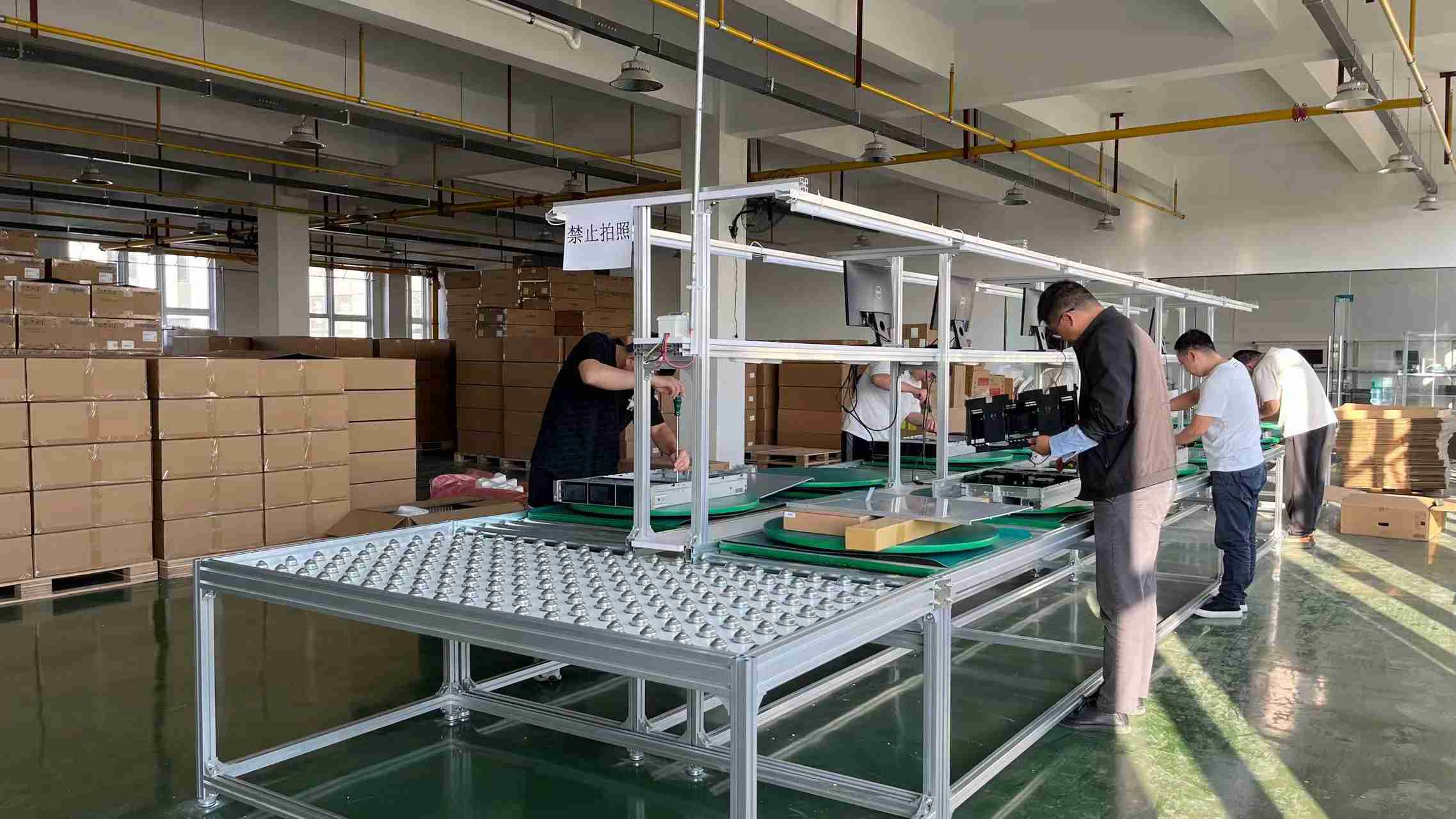
How our dedicated testing infrastructure ensures operational reliability in high-workload scenarios.
Servers are operated inside environmental chambers at temperature boundaries to ensure the physical properties of capacitors, processor nodes, and storage controllers remain safe from failure.
Each server unit runs continuous processing simulations under maximum load parameters for up to 72 hours. This intensive process identifies early component failure patterns before packaging and shipping.
BoltGrid systems conform to major safety directives, including CE, FCC, RoHS, and UL approvals, allowing for quick deployment inside North American, European, and Middle Eastern networks.
Inside the BoltGrid 18,500㎡ facility: advanced testing, precision assembly, and global logistical dispatch.
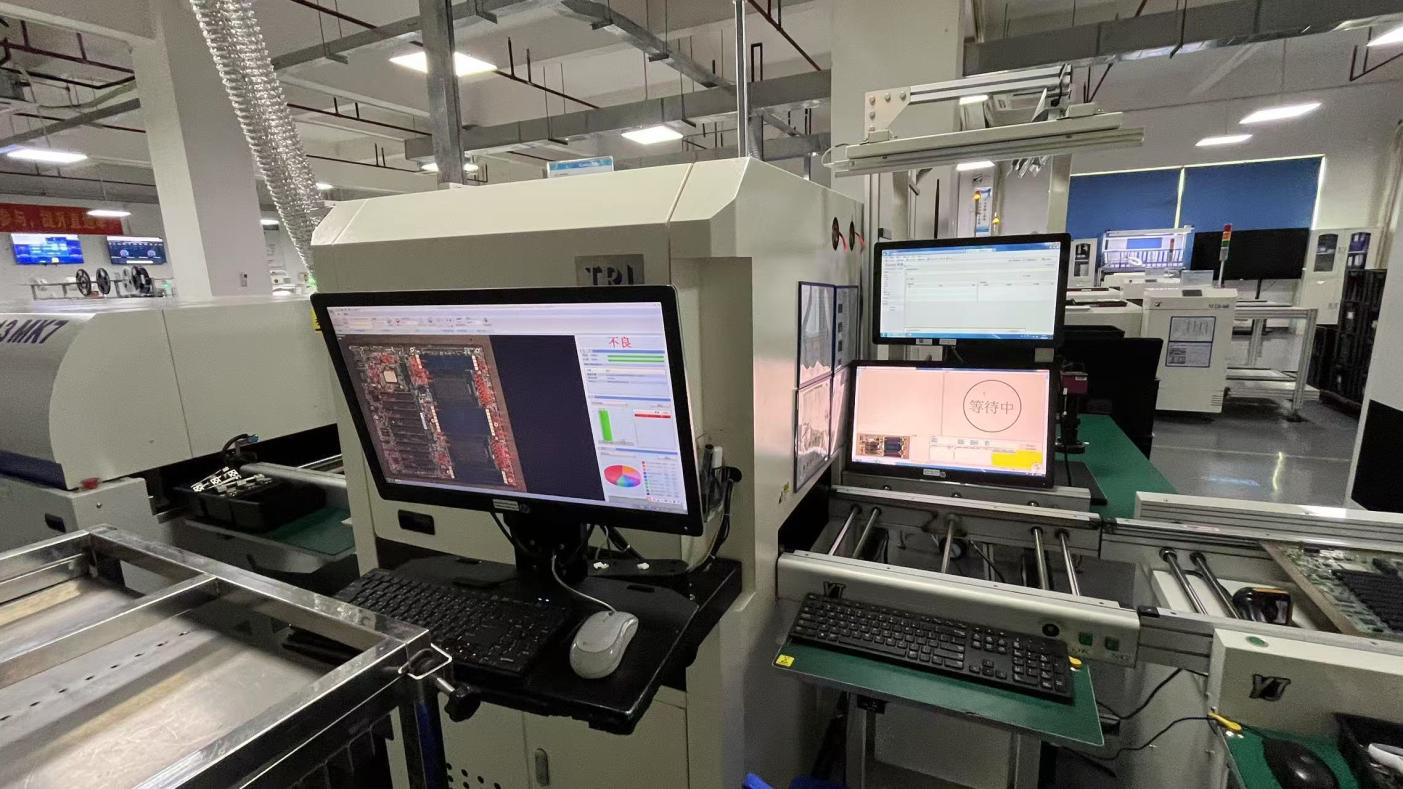
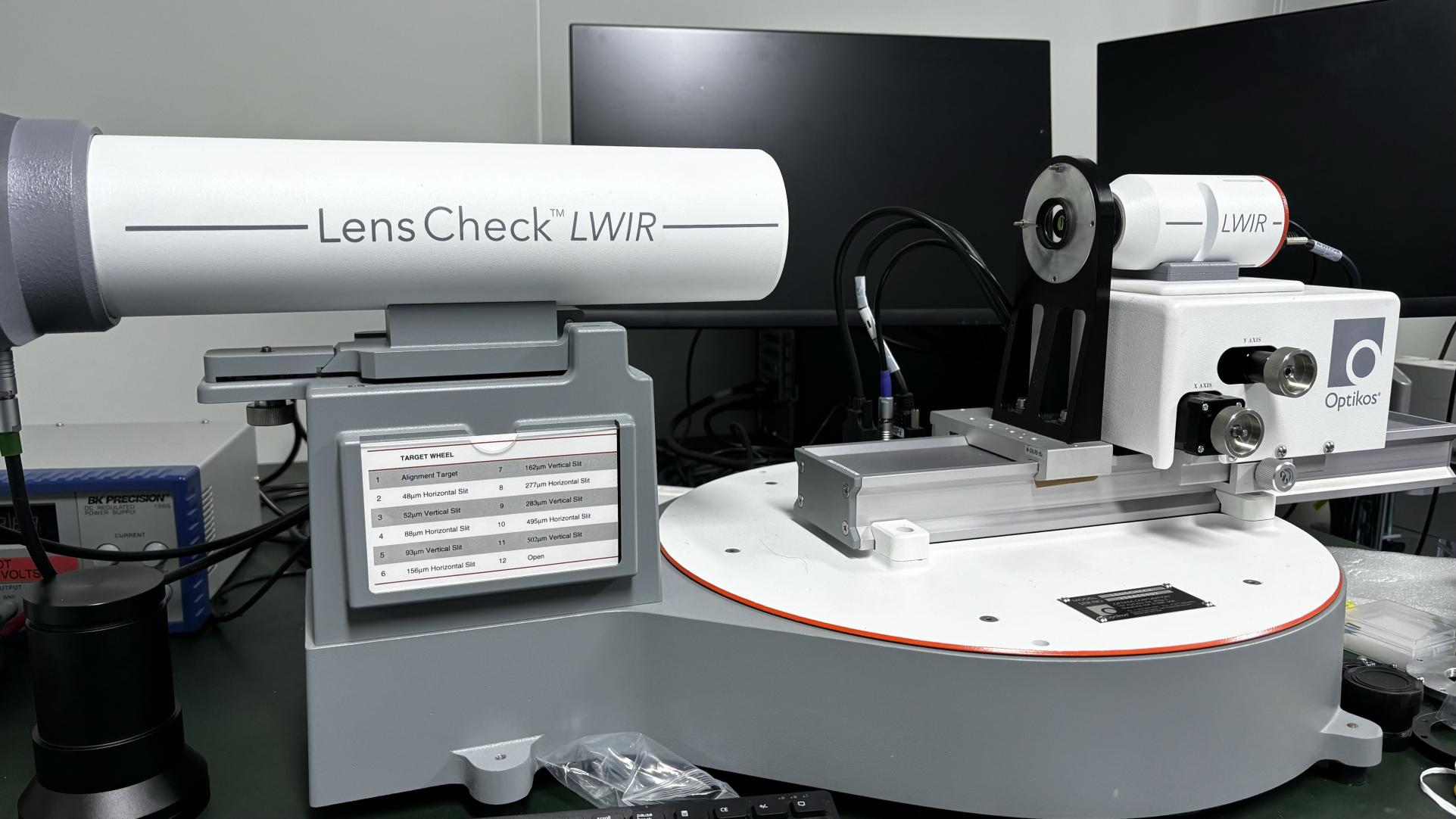
Our 45 QC inspectors test every aspect of performance before dispatch.
Common deployment queries, compatibility concerns, and manufacturing specifications answered by our engineering team.
Our design engineering team runs exhaustive BIOS and BMC validation protocols on all new component integrations. We verify memory channel layouts, PCIe lane assignments, and thermal dissipation levels for Intel Xeon Scalable processor families, NVMe storage drives, and AI accelerators to prevent processing friction or early component wear.
BoltGrid integrates power supply units (PSUs) rated at 80 Plus Platinum or Titanium efficiency. In addition, our firmware configurations support Advanced Dynamic Energy Management Technology (DEMT). This feature balances clock speeds and cooling parameters based on actual CPU loads, significantly cutting power draws when servers are idle.
Yes, they can. While large-scale training setups run on V6 platforms, our xFusion V5 systems (especially the 2288H V5 and the G5200 V5) serve as efficient inference nodes. They handle smaller parameter arrays and process streaming queries at low operational costs, which helps optimize data center TCO.
With over 120 R&D engineers, we customize hardware layouts, storage arrays, fan maps, and bios branding. We build prototypes within 3 to 4 weeks, depending on materials. Those builds go through validation testing inside our 18,500㎡ facility before moving to full-scale assembly.
All systems sent abroad follow standard safety regulations, including CE, FCC, RoHS, and UL guidelines. We carry out high-voltage insulation tests, earth ground bonding reviews, and electrical safety diagnostics to ensure painless customs approval and secure installation inside international data centers.
From GPU-dense systems to virtualization-ready rack platforms, find the exact model for your application profile.