BoltGrid
BoltGrid
BoltGrid
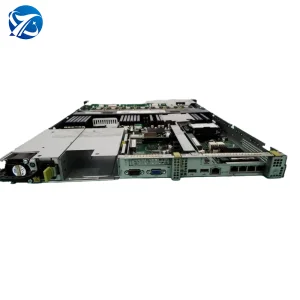
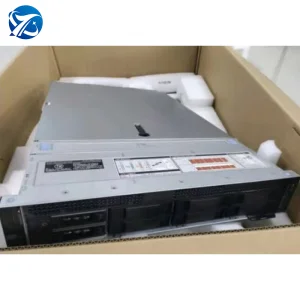
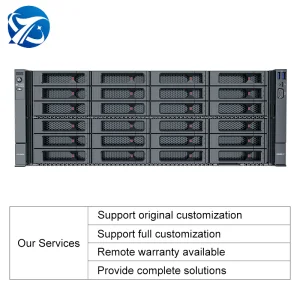
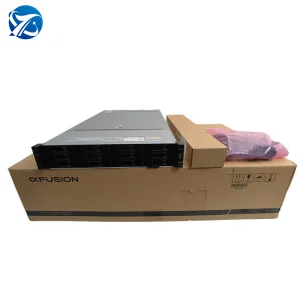
Select from our premium lineup of high-performance servers, optimized for AI model training, massive storage hosting, and critical workloads.

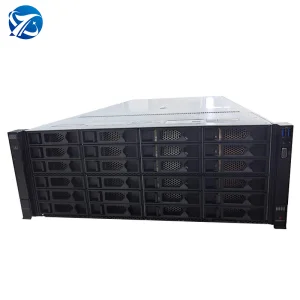
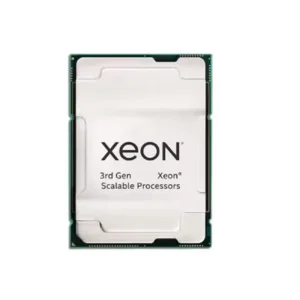

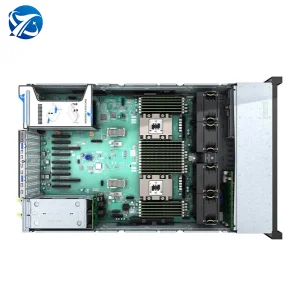

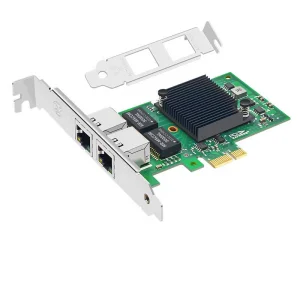
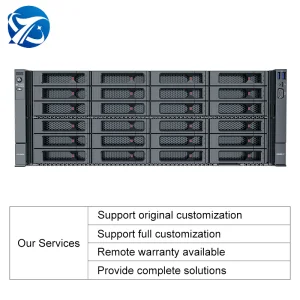
BoltGrid Computing Systems Co., Ltd. stands at the forefront of the AI infrastructure paradigm as a premier wholesale GPU hosting supplier and specialized server manufacturer. Established in 2016, our mission has been to engineer high-density, bare-metal hardware and scalable server systems that empower data centers, research institutions, and enterprises to execute computational models of unprecedented complexity.
With a massive production footprint spanning approximately 18,500㎡, our facility supports full-cycle system integration, hardware acceleration validation, and deep network configuration for AI computing architectures. Guided by over 12 years of industry domain expertise, BoltGrid is uniquely positioned to handle massive high-volume component procurement, architectural design, and global fulfillment.
By controlling both physical system assembly and localized component verification, BoltGrid ensures that every hosted node has been optimized at the silicon and BIOS levels for continuous thermal stability and non-blocking bandwidth operations.
The explosive demand for Large Language Models (LLMs) and deep learning algorithms has catalyzed a fundamental shift in hosting topology.
The rise of architectural frameworks like DeepSeek-R1 and Llama-3 requires thousands of interconnected H100/H800/H20, L40S, and A100 GPUs. Hardware platforms must support high-speed interconnect protocols (NVLink/NVSwitch) to maintain synchronization across distributed clusters during backward propagation training loops.
Standard air-cooling topologies fail as server racks surpass 30kW power thresholds. Modern hosting centers are rapidly shifting toward cold-plate liquid cooling, closed-loop liquid-to-air cooling distribution units (CDUs), and localized immersion systems to run high-TDP accelerators without thermal throttling.
To reduce latency and optimize inference costs, companies deploy hybrid computing grids. Heavy pre-training is maintained in centralized wholesale mega-facilities, while localized micro-clusters handle custom fine-tuning and inference workflows closer to end-users.
Traditional virtualization-heavy public clouds add virtualization overhead hypervisors, causing memory bandwidth degradation and network jitter. High-performance computing demands direct hardware access. Bare-metal GPU servers like the FusionServer G5500 V7 and the xFusion 2288H V6 eliminate this latency, providing raw PCIe lanes, direct peer-to-peer GPUDirect RDMA networking, and dedicated access to high-bandwidth memory (HBM).
For enterprise purchasing departments, CIOs, and datacenter managers, securing dependable GPU capacity is an operational bottleneck. Long lead times, export compliance restrictions, component variance, and structural compatibility challenges consistently disrupt product cycles.
AI compute cannot be deployed as a one-size-fits-all product. Different mathematical operations (e.g., matrix multiplication, vector search, sparse model routing) require carefully balanced CPU-to-GPU ratios, storage media structures, and memory bandwidth parameters.
Requires dense GPU topologies (e.g., 8-GPU nodes) connected via high-bandwidth interconnects (NVLink/NVSwitch). Storage systems must support massive IOPS (using NVMe SSD arrays) to feed model weights and prevent processor stalls.
Focuses heavily on ingestion and spatial data processing. Requires massive raw NVMe storage (like FusionServer G5200 V7 configurations) combined with mid-to-high level compute nodes to parse millions of frames of sensor and camera data.
Employs deep-learning pipelines that demand intense CPU-to-GPU memory transfer rates. Requires servers with multi-channel DDR5 system memory and PCIe Gen 5 expandability to load large genomic datasets without memory overflow.
AI servers are subjected to intense thermal stress, high power fluctuations, and relentless computational duty cycles. A failure in a single resistor or fan module can disrupt a distributed cluster calculation costing thousands of dollars per hour.
BoltGrid's 120-engineer R&D team addresses these operational challenges at the circuit and structure level:
*Metrics denote simulated capacity validation and real-world deployment rates of hardware configurations managed annually by BoltGrid.
Ensuring consistent physical quality and safe global logistics through standardized manufacturing practices.
Navigating international transport rules and cross-border hardware compliance can be complex. BoltGrid simplifies these steps by implementing strict regulatory processes. All finished servers meet key international standards (including CE, FCC, and RoHS certifications), which minimizes customs issues. With an annual export volume of USD 18 million and over 7 years of international trade operations, our logistics department manages complex customs procedures, high-value cargo transport insurance, and multi-modal freight routes to North America, Europe, Southeast Asia, and the Middle East.

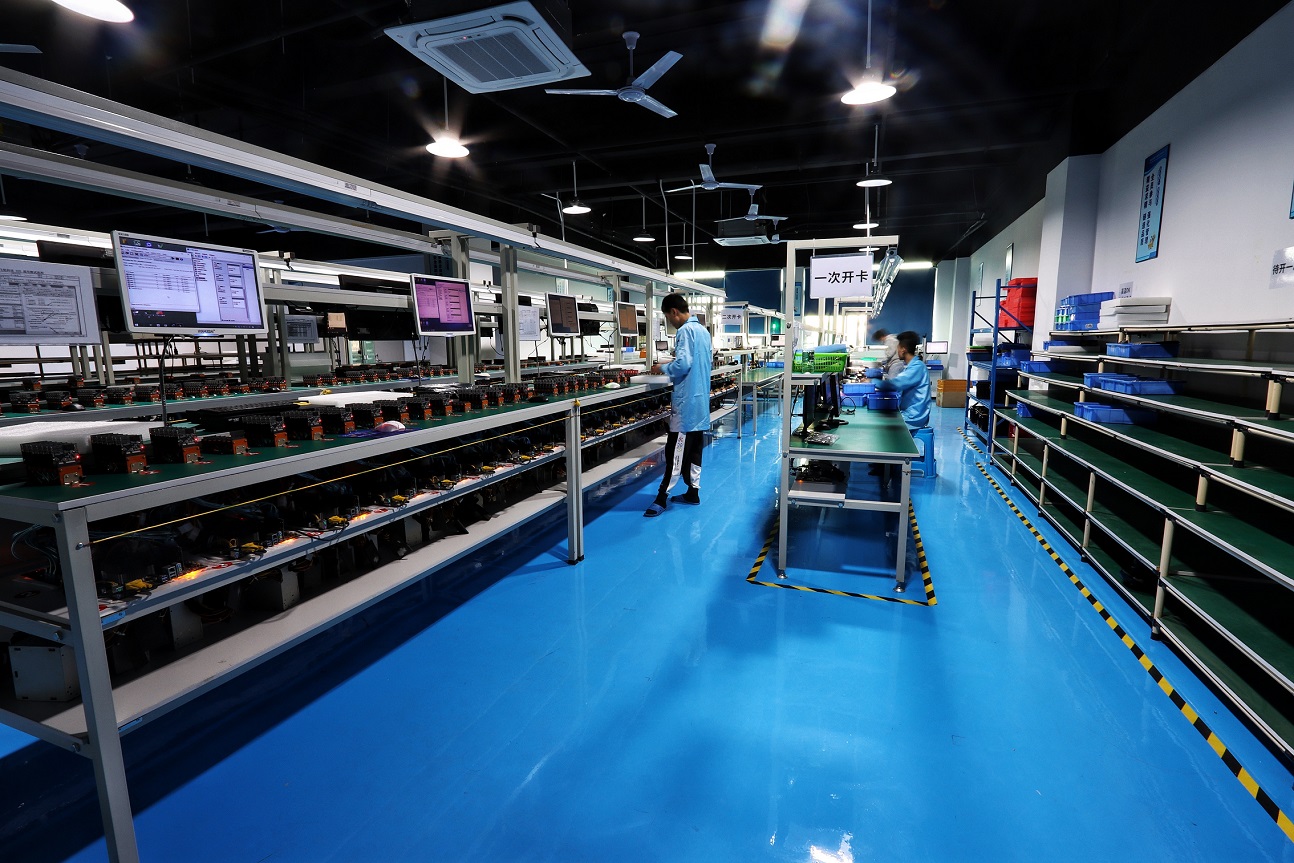
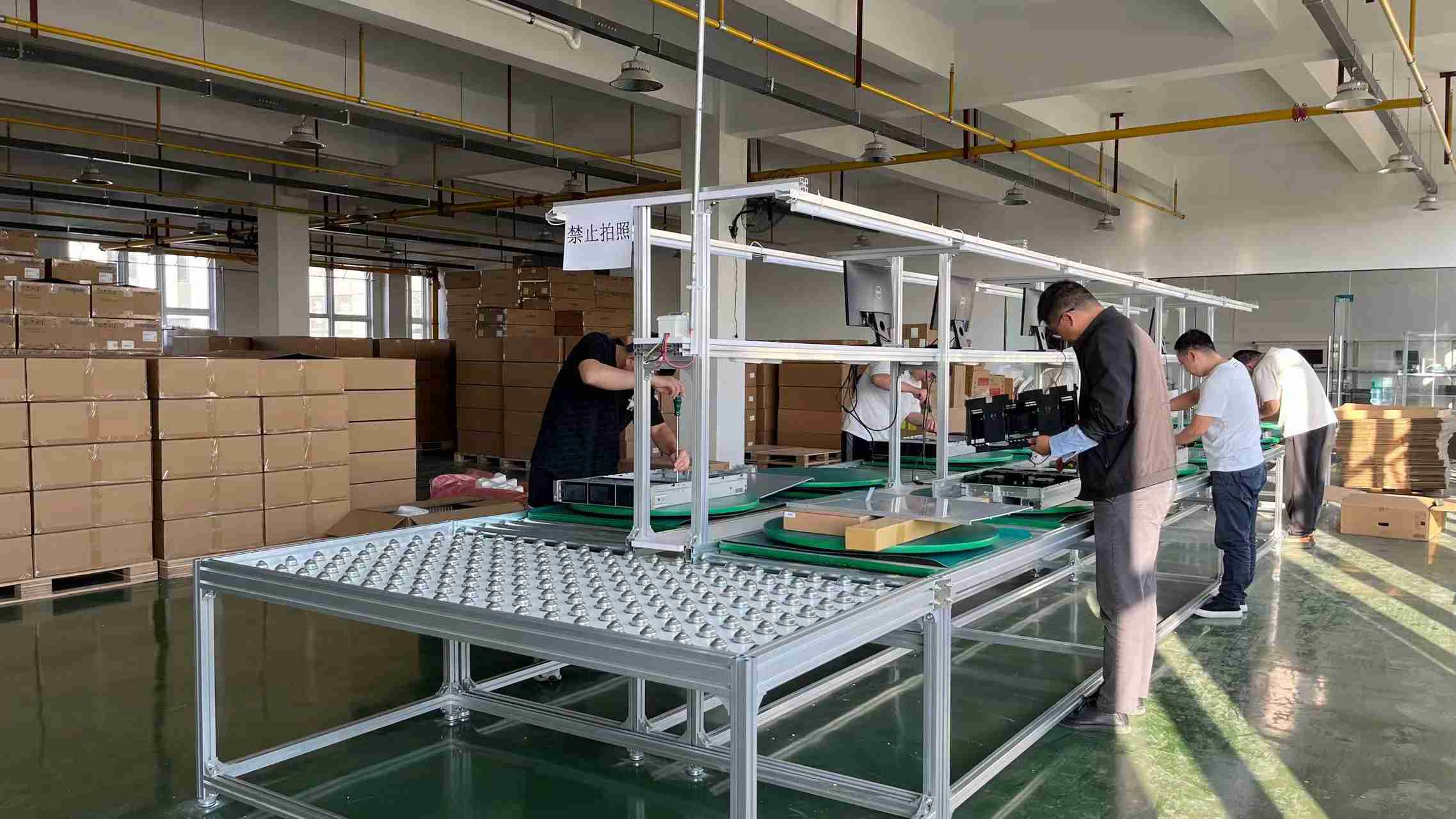
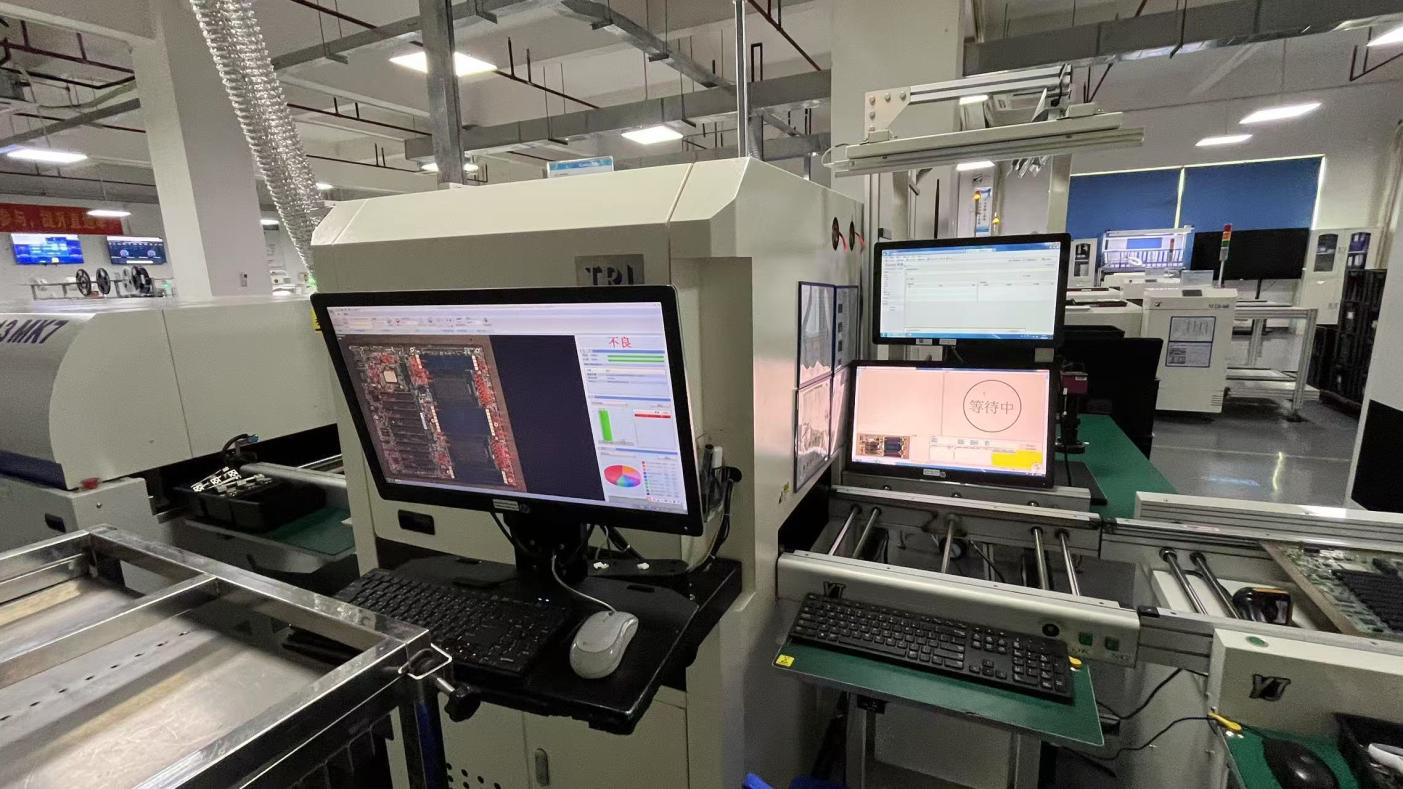
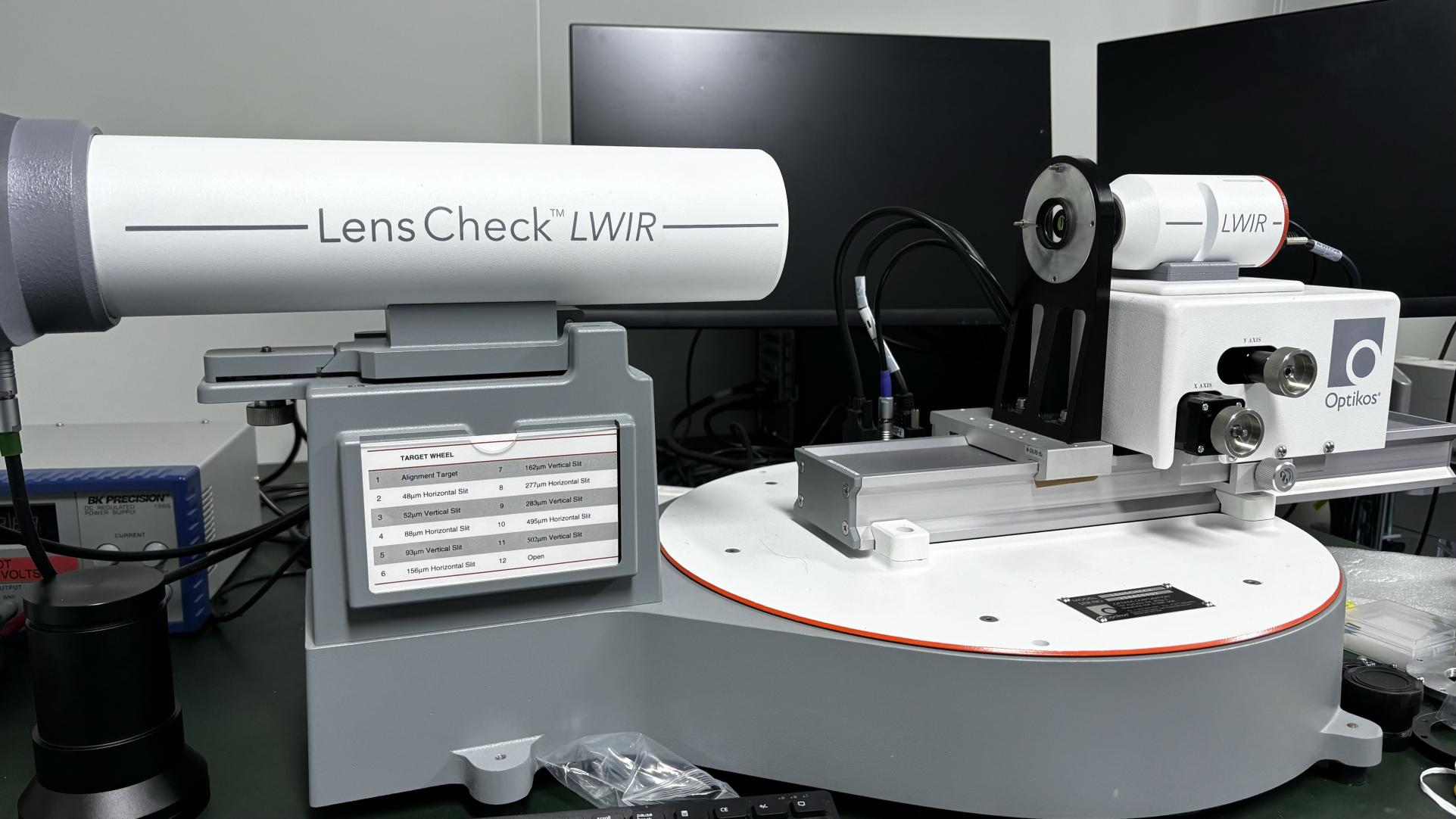
Our advanced manufacturing and testing spaces occupy 18,500m² to ensure high quality and reliable system performance.
Detailed breakdowns of common inquiries regarding GPU infrastructure deployment, compatibility, and procurement logistics.
Review the second half of our hardware lineup, designed for reliable enterprise operations and heavy data processing.