BoltGrid
BoltGrid
BoltGrid
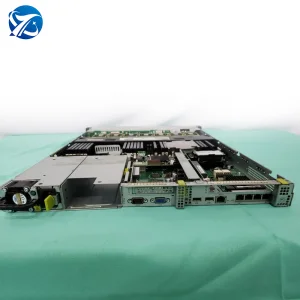
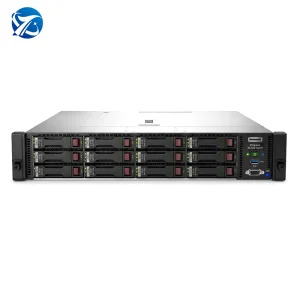
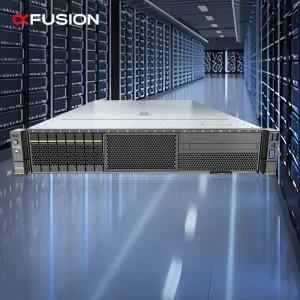
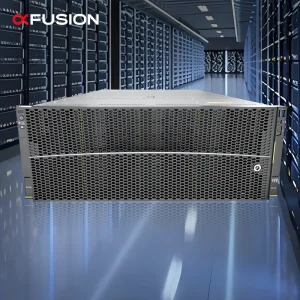
As commercial visual demands shift toward virtual production, UHD broadcasting, and AI-assisted content scaling, traditional matrix switchers are replaced by high-performance data frameworks.
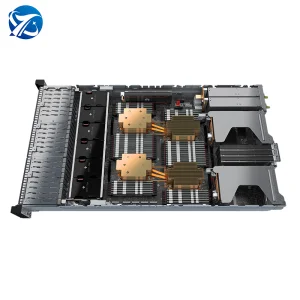
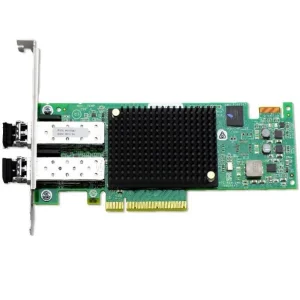
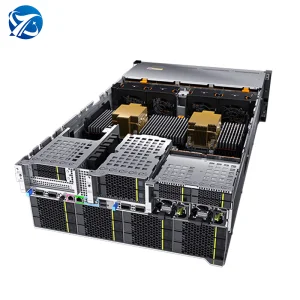
Traditional AV networks have merged with standard Ethernet protocols. Sourcing systems now utilize enterprise-grade GPU servers to transcode raw UHD visual streams over high-speed optical fiber cards, bypassing latency barriers.
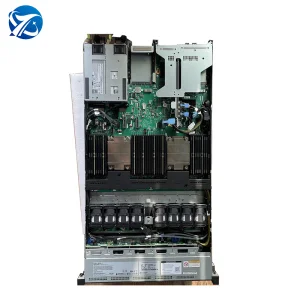
LED volumes, green screens, and interactive environments are powered by complex real-time computational nodes. High-density rack units process spatial audio, photorealistic backdrops, and active light maps simultaneously.
Integration of neural networks like DeepSeek into AV systems enables autonomous metadata tagging, dynamic scaling, multi-language speech generation, and predictive broadcast stream management.
BoltGrid Computing Systems Co., Ltd. (established in 2016) serves as the core infrastructure architect powering global Pro-AV, AI data centers, and advanced broadcasting matrix arrays.
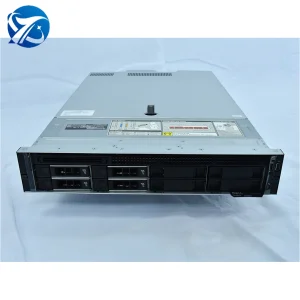
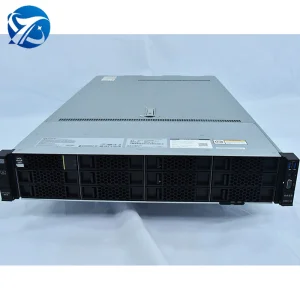
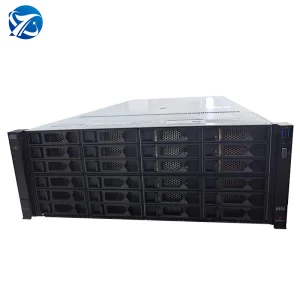
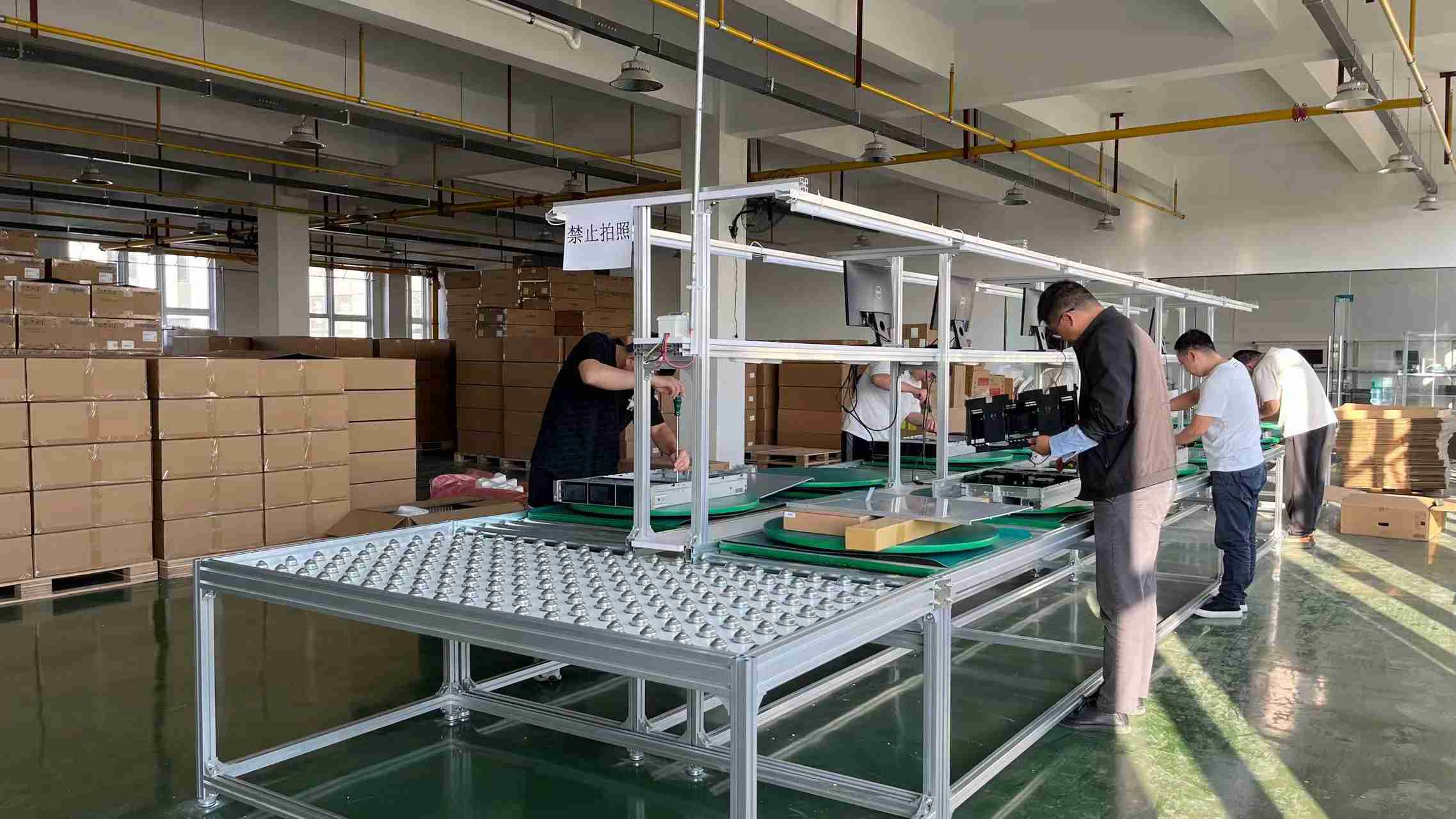
Operating a modern, vertically integrated facility spanning 18,500 square meters, BoltGrid ensures that the processing components fueling modern AV networks are constructed to strict enterprise standards. Our expertise lies in merging raw hardware computing blocks with high-throughput communication paths. This supports advanced virtualization, low-latency live streaming, and high-density rendering workloads required by modern commercial networks.
With an annual export value exceeding USD 18 million and over 7 years of deep international trade operation, our products act as the invisible processing core inside global broadcast control rooms, simulation centers, and smart auditoriums across Europe, North America, and Southeast Asia. Supported by a robust network of 850 strategic hardware partners, BoltGrid ensures constant component availability, even during global supply line fluctuations.

Deploying server-grade processing units directly into the visual and acoustic workflow environment.
Direct driving of massive visual matrices requires real-time rasterization. By utilizing GPU-equipped rack systems, operators process canvas sizes exceeding 16K width while ensuring frame-locked synchronization across hundreds of individual panels without tearing.
Modern stadiums and event spaces run live feeds through translation engines. Neural acceleration modules process multilingual streams, generate instant closed captions, and dynamically mix spatial audio arrays to match localized audience profiles.
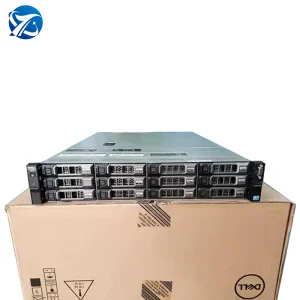
To facilitate global communication pipelines, corporations rely on hyperconverged platforms. These systems run hundreds of high-definition video conferencing streams simultaneously, using intelligent noise cancellation and voice prioritization to optimize collaborative workflows.
Why international system integrators procure critical computing engines from China’s leading industrial clusters.
The global audio-visual space has transitioned from proprietary hardware black boxes to standardized IT equipment. This transition relies on the efficiency of the Chinese electronics and computational manufacturing ecosystem. By placing production facilities inside key technological manufacturing zones, BoltGrid optimizes structural sourcing costs, minimizes transport pathways for raw chips, and speeds up product changes.
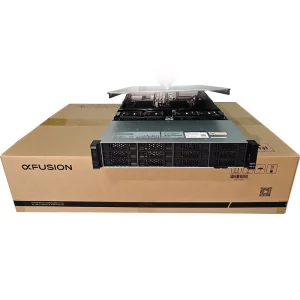
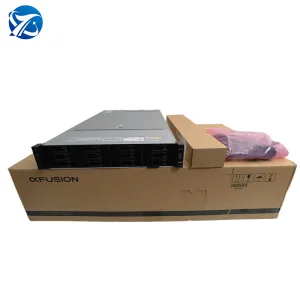
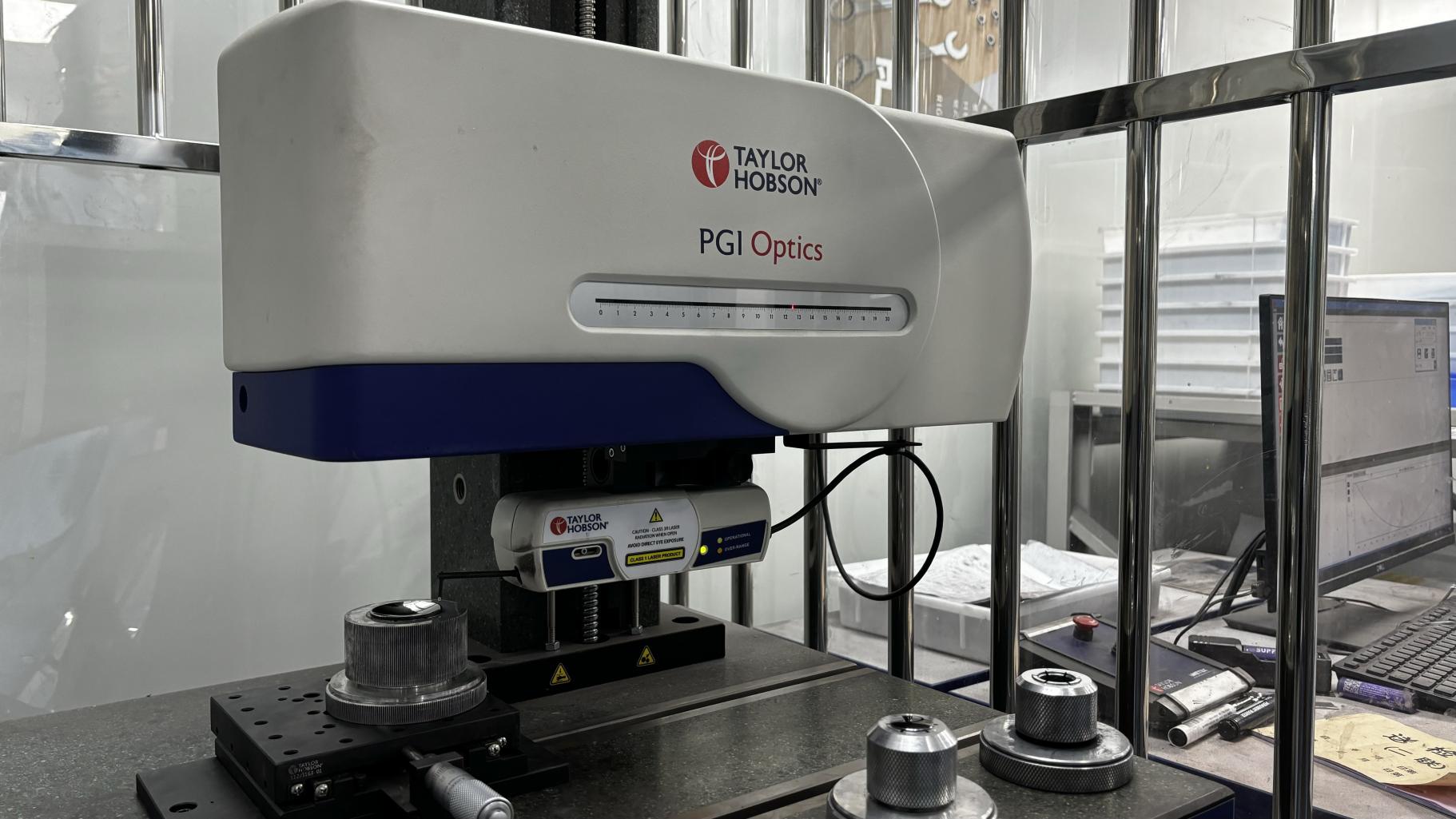
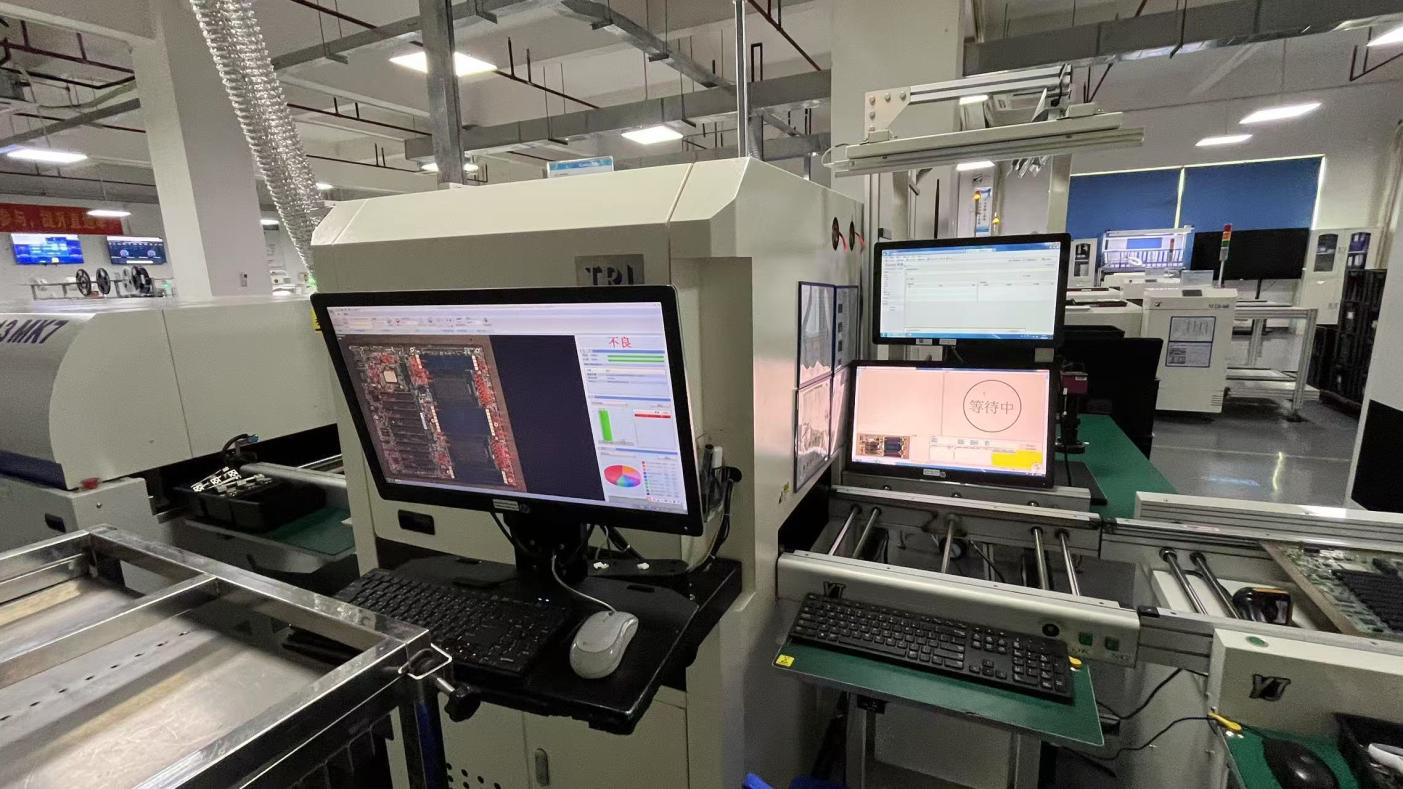
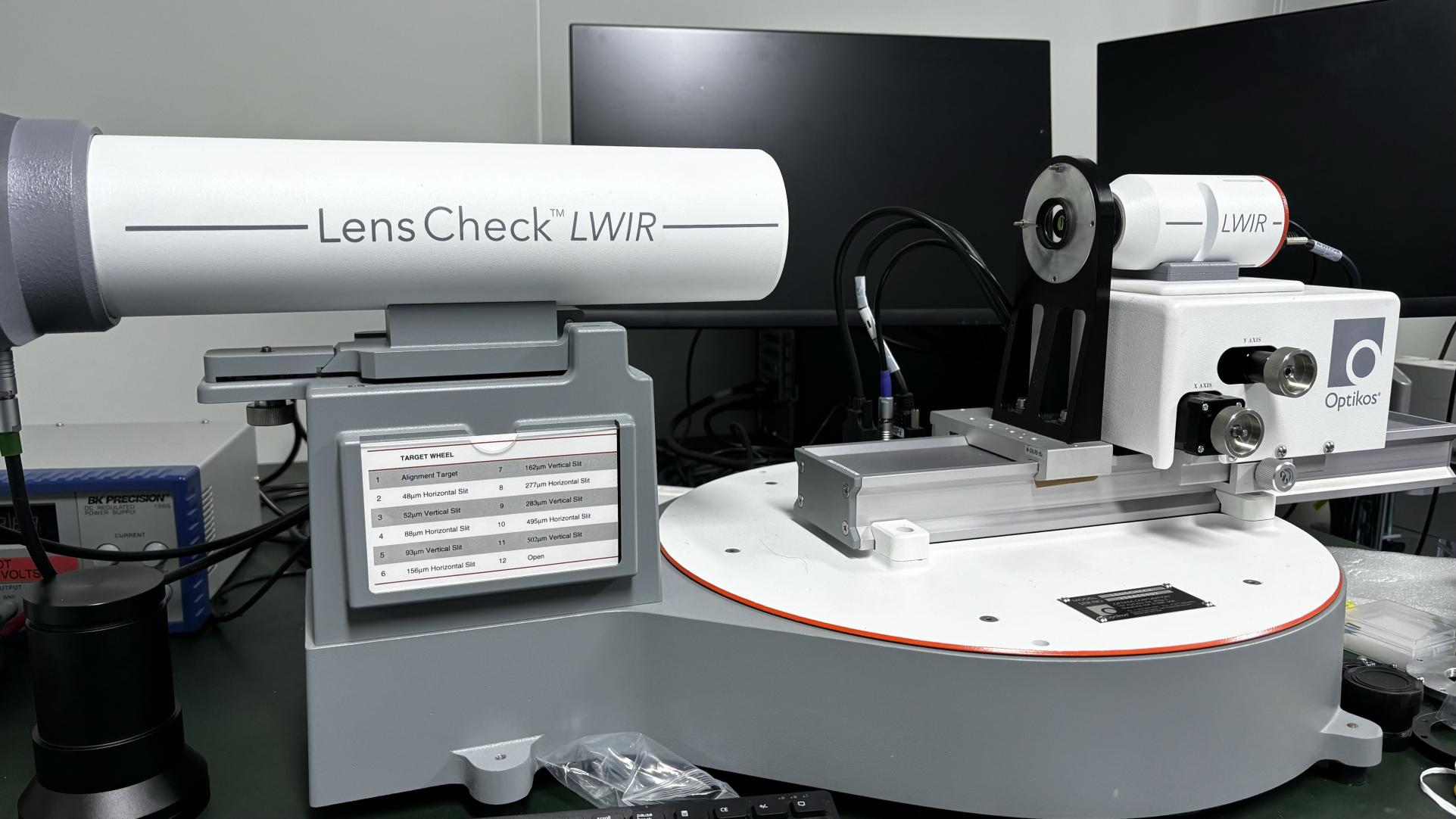
Our Quality Assurance system includes rigorous testing frameworks. Before any processing platform leaves our line, it undergoes thermal performance testing, simulated heavy network loads, and complete system burn-in runs. This process ensures that servers deployed in broadcast control rooms or automated arenas operate continuously without failure.
For custom needs, our R&D team of 120 engineers introduces 85 new product configurations annually. We support deep customizations, including physical dimensions, liquid cooling integrations, specialized PCIe 5.0 expansion buses, and power system modifications to match local regional power grids.
Addressing key questions about modernizing AV architecture with high-performance computing components.
Traditional matrix switchers are constrained by physical ports and fixed signal protocols. Modern AV relies on AV-over-IP architectures. High-performance servers handle decoding, routing, scaling, and video wall management via software, offering scalable integration through standard network switches.
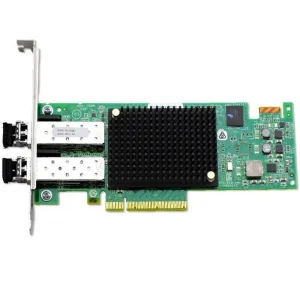
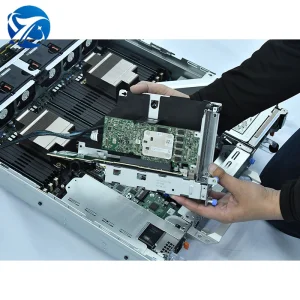
Uncompressed high-definition media files (such as raw 4K/8K formats) require substantial network bandwidth. Network interface cards like Emulex HBA SFP28 cards supply up to 32Gb/s data throughput per port. This allows rendering clusters to access shared storage arrays with zero frame drop or buffering delay.
We use a strict testing regimen managed by 45 QA inspectors. This includes thermal performance cycling inside climate-controlled chambers, stress simulations on CPU and GPU pipelines, and full assembly burn-in testing. We also design redundant power supplies (like 2000W redundant PSUs) and liquid-cooling paths to prevent heat-related failures.
BoltGrid supports full hardware customization. This includes custom server chassis sizes, GPU configuration brackets for high-performance visual processing, memory expansion up to 256GB RAM or higher, custom-branded bezels, and optimized firmware designed for continuous AV processing workflows.