BoltGrid
BoltGrid
BoltGrid
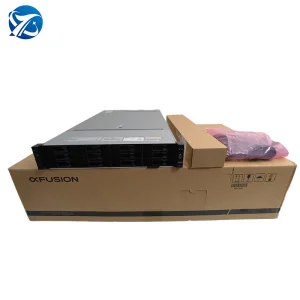
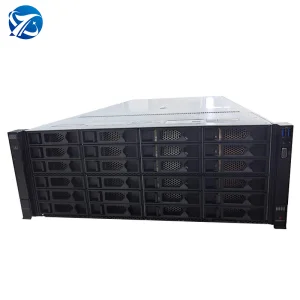
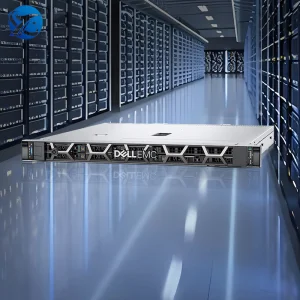
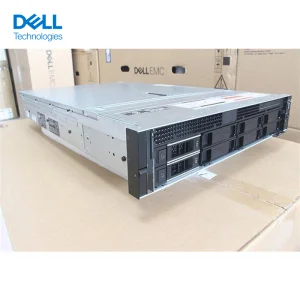
Explore our flagship hardware configurations optimized for deep learning, AI inference, and complex compute pipelines.
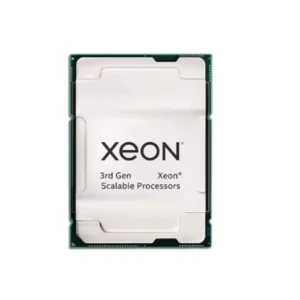
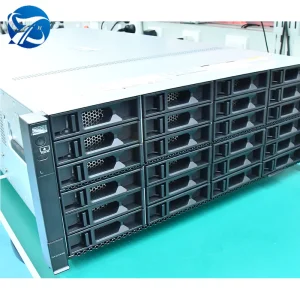
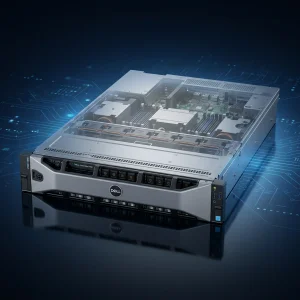

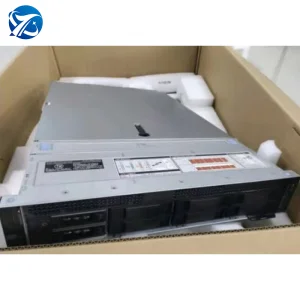
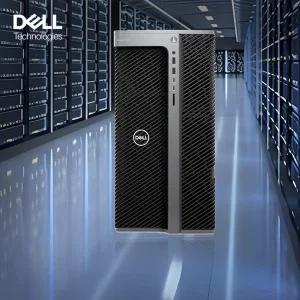
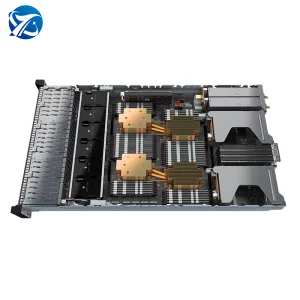
BoltGrid Computing Systems Co., Ltd. is a preeminent developer and manufacturer of high-performance artificial intelligence (AI) GPU servers, customized desktop AI workstations, and industrial-scale deep learning infrastructure. Established in 2016, we have dedicated over a decade to bridging the gap between raw semiconductor advancements and deployable, system-level rack structures for global hyperscalers, LLM labs, and data centers.
Our operational model is built upon deep collaboration with chipmakers, system integrators, and software engineering firms. We enable our partners to execute deep learning models, local LLMs like DeepSeek, and heavy graphic workloads without encountering computational or thermal bottlenecks.
How shifting compute models, local generative AI workloads, and thermal dynamics dictate next-generation hardware designs.
The global developer community is transitioning from cloud API dependencies to local execution of open-weight models (e.g., DeepSeek-V3, Llama-3). This movement necessitates massive VRAM allocations and unified memory pipelines within individual workstations, shifting focus to high-bandwidth multi-GPU arrangements.
As modern TDPs for single GPUs exceed 450W, conventional air-cooling systems reach physical limitations. Leading manufacturers are integrating closed-loop and open-loop liquid blocks to maintain system integrity and sustain peak compute frequencies under continuous loads.
Modern workstations require multi-phase power designs and titanium-grade redundant power supply units (PSUs) to handle transient power spikes common in deep learning operations. Managing power delivery ensures structural longevity and eliminates compute-level throttling.
Sourcing AI workstations on a global scale requires managing varying regulatory, technical, and supply chain constraints. BoltGrid simplifies this deployment phase through unified compliance practices, structured supply contracts, and component verification.
When selecting AI server nodes, procurement directors must evaluate parameters beyond mere TFLOPS:
Ensuring sufficient PCIe lanes (up to 128 lanes per CPU) to prevent lane splitting among multiple high-performance accelerator cards.
Configuring (1+1) or (2+2) redundant titanium units to maintain operations in the event of a PSU failure.
Assessing whether datacenter facilities require standard air-forced rack setups or direct liquid cooling manifolds.
Custom-built hardware platforms tailored to the rigorous demands of specific industrial applications.
Genomic data pipelines require massive memory pools and ultra-fast I/O speed. BoltGrid configurations support high-capacity NVMe drive pools coupled with multi-GPU architectures to accelerate molecular dynamic modeling and gene alignment workflows.
Training neural networks for self-driving applications requires ingestion of petabytes of video data. Our workstations are configured with high-speed network interfaces (up to 400GbE) to ingest raw data directly into the training loop.
Financial firms execute millions of simulations daily. Low-latency memory subsystems and optimized high-frequency core configurations ensure that risk assessment parameters and options pricing models compile in real time.
As AI architectures advance, BoltGrid keeps pace by designing customizable platforms ready for next-generation hardware configurations. Our engineering processes prioritize system stability and thermal optimization, extending the operational life of hardware assets.
Our engineering roadmap emphasizes modular motherboard designs, allowing client organizations to upgrade processor architectures or GPU configurations without replacing the complete chassis. This approach reduces electronic waste and lowers overall total cost of ownership (TCO).
Optimizing server designs to accommodate advanced coherent interconnect networks, facilitating faster communication between adjacent GPU accelerators.
Standardizing direct-to-die liquid plates and quick-release manifolds to streamline maintenance of large-scale liquid-cooled deployments.
A closer look at BoltGrid's manufacturing capability, stress-testing rooms, and components integration lines.
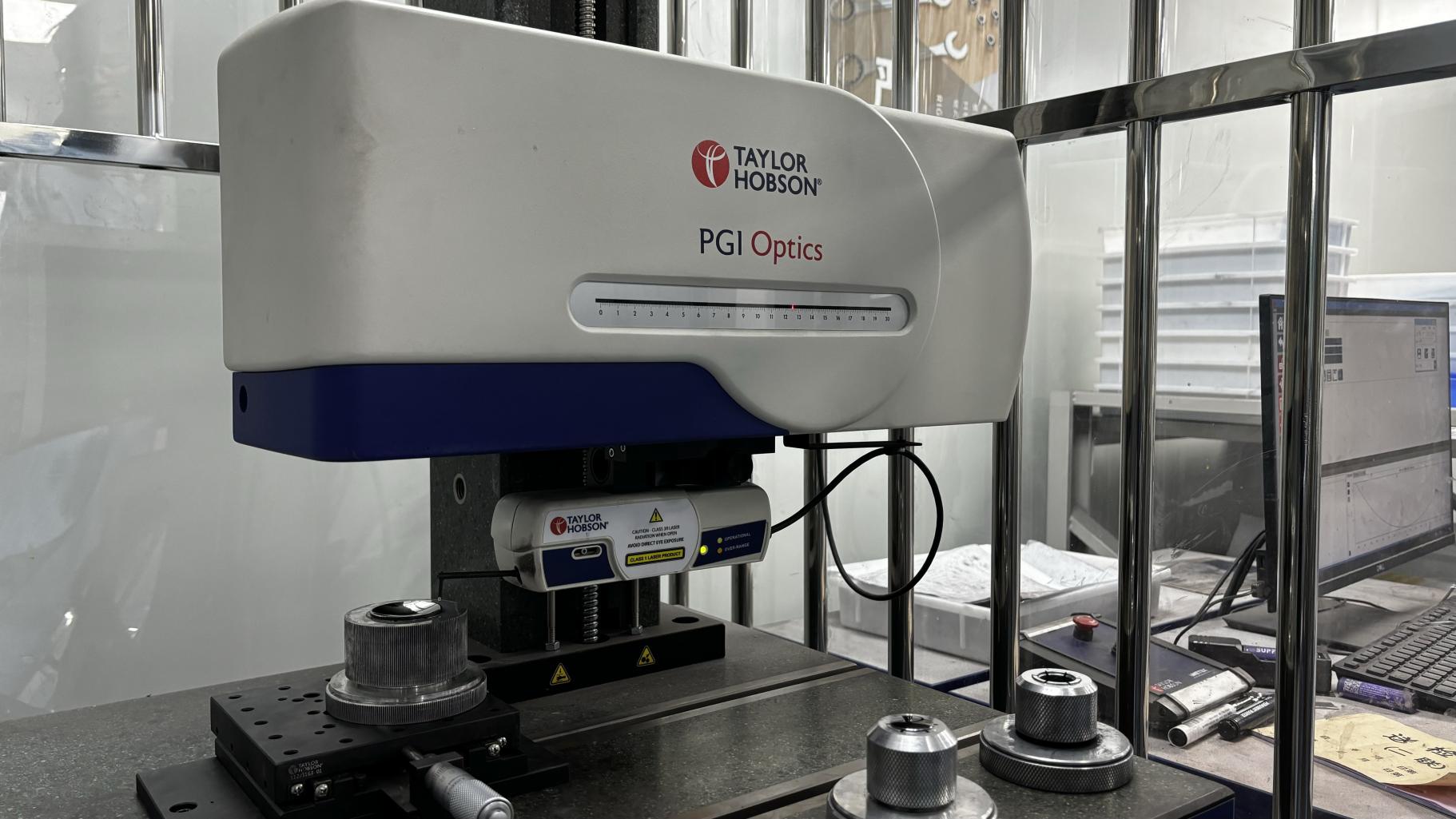

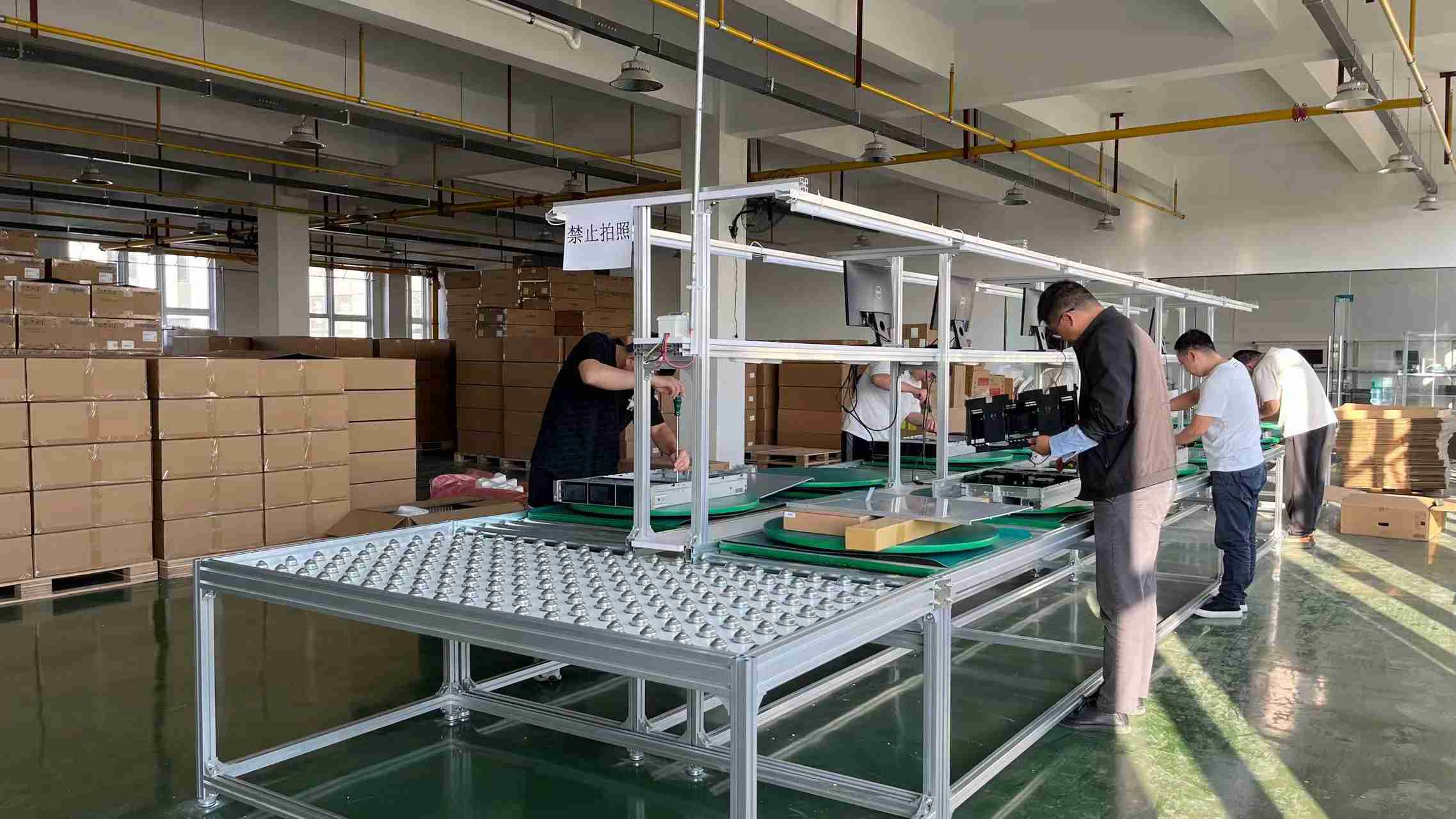
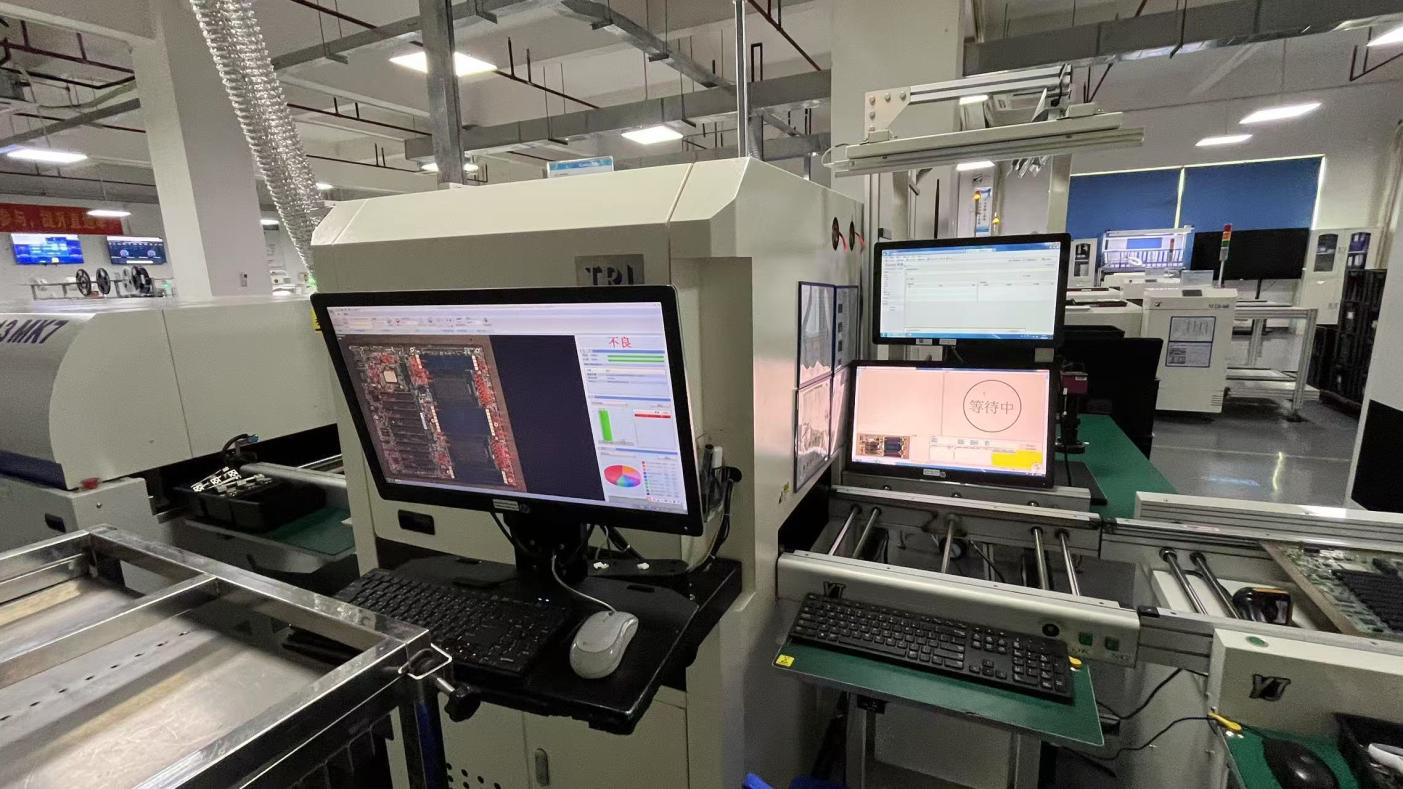
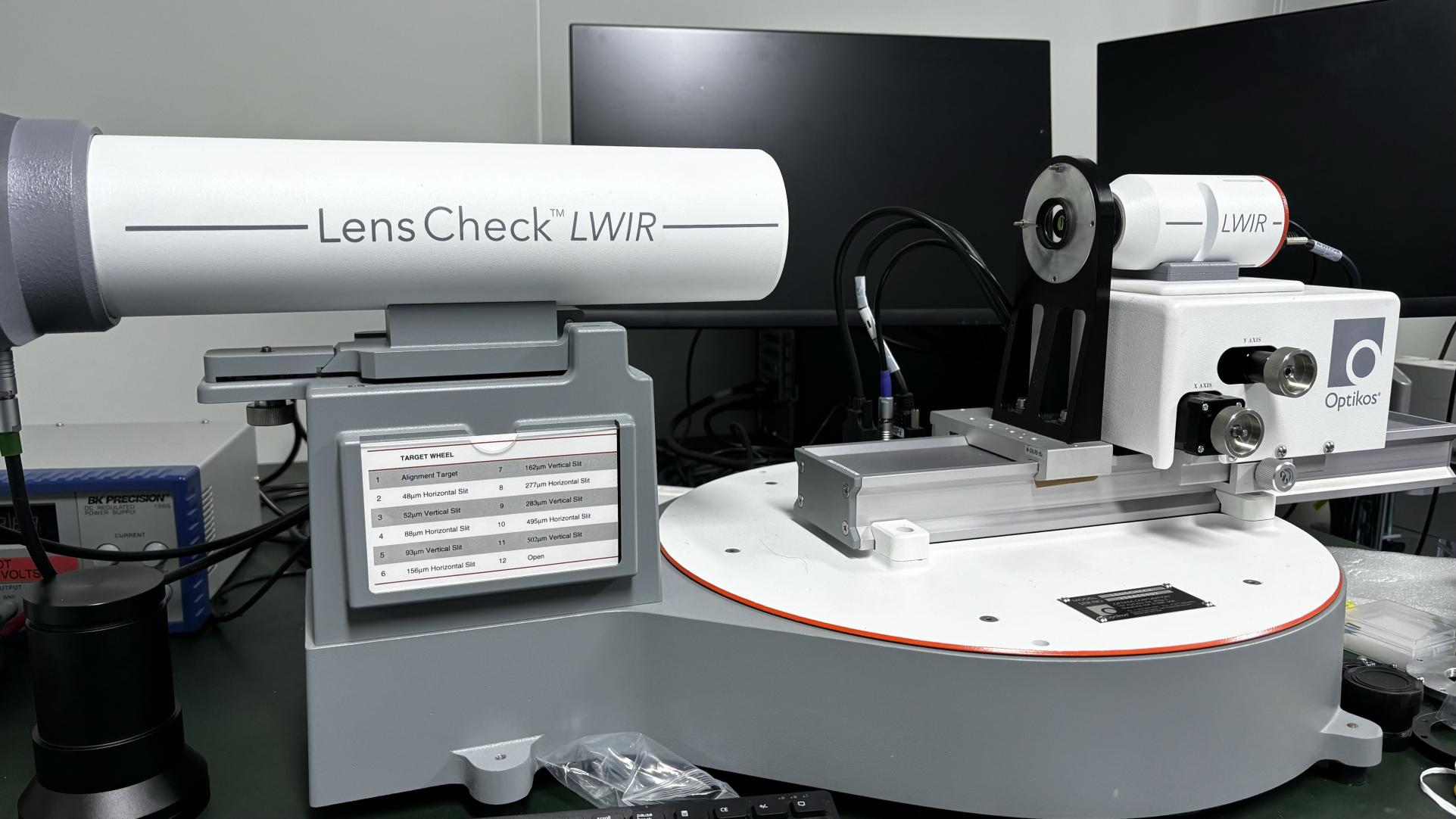
Our dedicated quality assurance team, comprising 45 specialized inspectors, oversees every stage of manufacturing. From raw PCB validation to 48-hour thermal chamber stress cycles, we guarantee that all computing systems leaving our dock are optimized for reliability under continuous compute loads.
Navigating global import regulations, safety certifications, and logistics for heavy, high-value compute equipment requires expertise. Over our seven years of international export experience, BoltGrid has developed logistics systems that minimize customs delays and assure safety compliance at the destination port.
All incoming processors, memory dies, and capacitors undergo automated parameter testing before board placement.
Full assembly units undergo a minimum 24-hour continuous computational load simulation to check for memory leaks or GPU throttle spikes.
Using infrared imaging, we evaluate local hot spots inside the chassis to optimize internal system airflow dynamics.
Get answers to common queries regarding customization, system integration, shipping, and technical specifications.
Yes. BoltGrid offers comprehensive OEM and ODM services. We can modify chassis sizing (1U, 2U, 4U, or tower configurations), design custom power distribution boards, and brand structural components with your corporate identity. Our engineering team will assist in matching your specifications with optimal layouts.
We deploy high-airflow PWM cooling fans, optimized internal ducted baffles, and redundant liquid cooling loops. By running thermal profiling simulation tests during development, we ensure that heat is dissipated efficiently, preventing performance degradation and extending component lifespans.
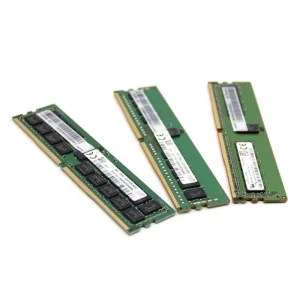
Our platforms support DDR4 and DDR5 ECC RDIMM system memory options, spanning from 16GB modules up to multi-terabyte system configurations. Error-correcting memory is essential for high-performance servers to prevent data corruption during long compute cycles.
Standard system configuration lead times vary between 14 to 30 days depending on component availability. We export globally using air cargo for time-critical setups and ocean freight for bulk chassis deployments, using shock-isolated industrial packaging to protect systems during transit.
Yes. Our hardware is compatible with all major operating systems (RHEL, Ubuntu Server, Windows Server) and virtualized environments (Proxmox, VMware ESXi). We configure BIOS and firmware settings to optimize processing performance across popular deep learning packages, including PyTorch, TensorFlow, and custom inference engines.
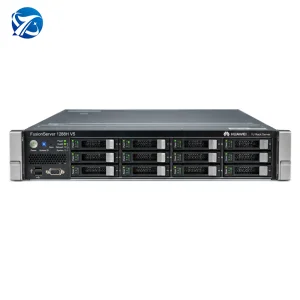
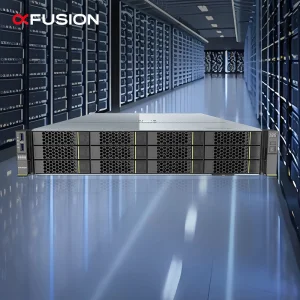
Explore our high-density rack-mounted computing nodes engineered for heavy server deployment and remote computing pipelines.