BoltGrid
BoltGrid
BoltGrid
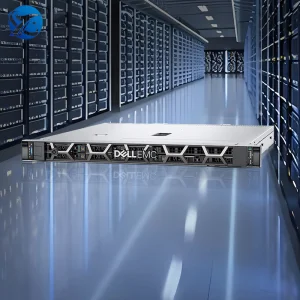
CE-Certified GPU servers, cloud center processors, and rack infrastructure designed for robust remote management and hardware telemetric tracking.
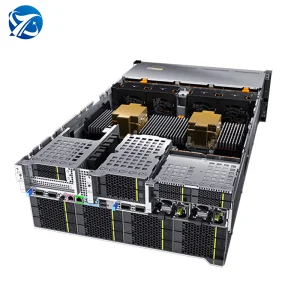
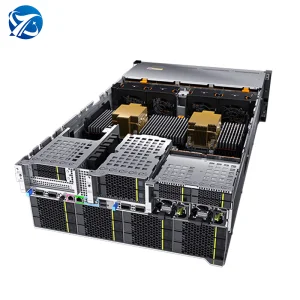
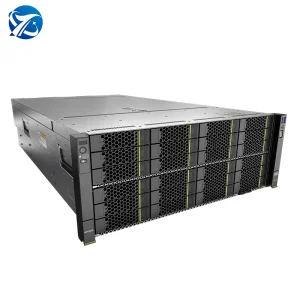
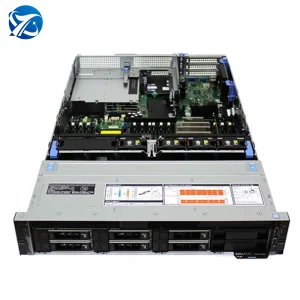
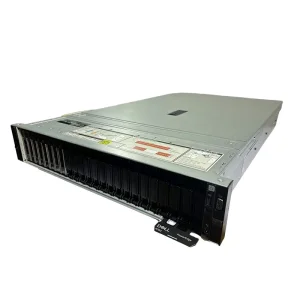
BoltGrid’s operational infrastructure represents top-tier engineering scale, designed to deliver high-availability AI GPU hardware with certified telemetry tools globally.
In modern enterprise data centers, managing compute density and hardware workloads has shifted from standard software agents to hardware-embedded out-of-band (OOB) server monitoring tools. CE (Conformité Européenne) certification is not merely a label; it is a critical regulatory indicator proving that server diagnostic microcontrollers (BMCs), telemetry subsystems, and integrated physical sensors comply with European Union directives regarding electromagnetic compatibility (EMC), low voltage safety (LVD), and RoHS constraints.
Hardware manufacturers must integrate system management chips—like the ASPEED AST2600 baseboard management controller—that interface directly with the IPMI 2.0 and DMTF Redfish APIs. These CE-certified configurations ensure that thermal mapping, voltage regulator monitoring, fan-speed curves, and PCIe slot status telemetry operate reliably without interfering with neighboring equipment or failing under intense EMI (electromagnetic interference) environments commonly found in heavy high-performance computing clusters.
BoltGrid Computing Systems Co., Ltd. stands as a premier global AI GPU server manufacturer, specializing in the engineering, assembly, and testing of high-performance computing infrastructure, custom GPU cluster systems, and optimized AI data center hardware configurations. Established in 2016, our organization has leveraged over 12 years of core engineering and IT hardware supply experience, serving cloud service providers (CSPs) and enterprise integrators in Europe, North America, Southeast Asia, and the Middle East.
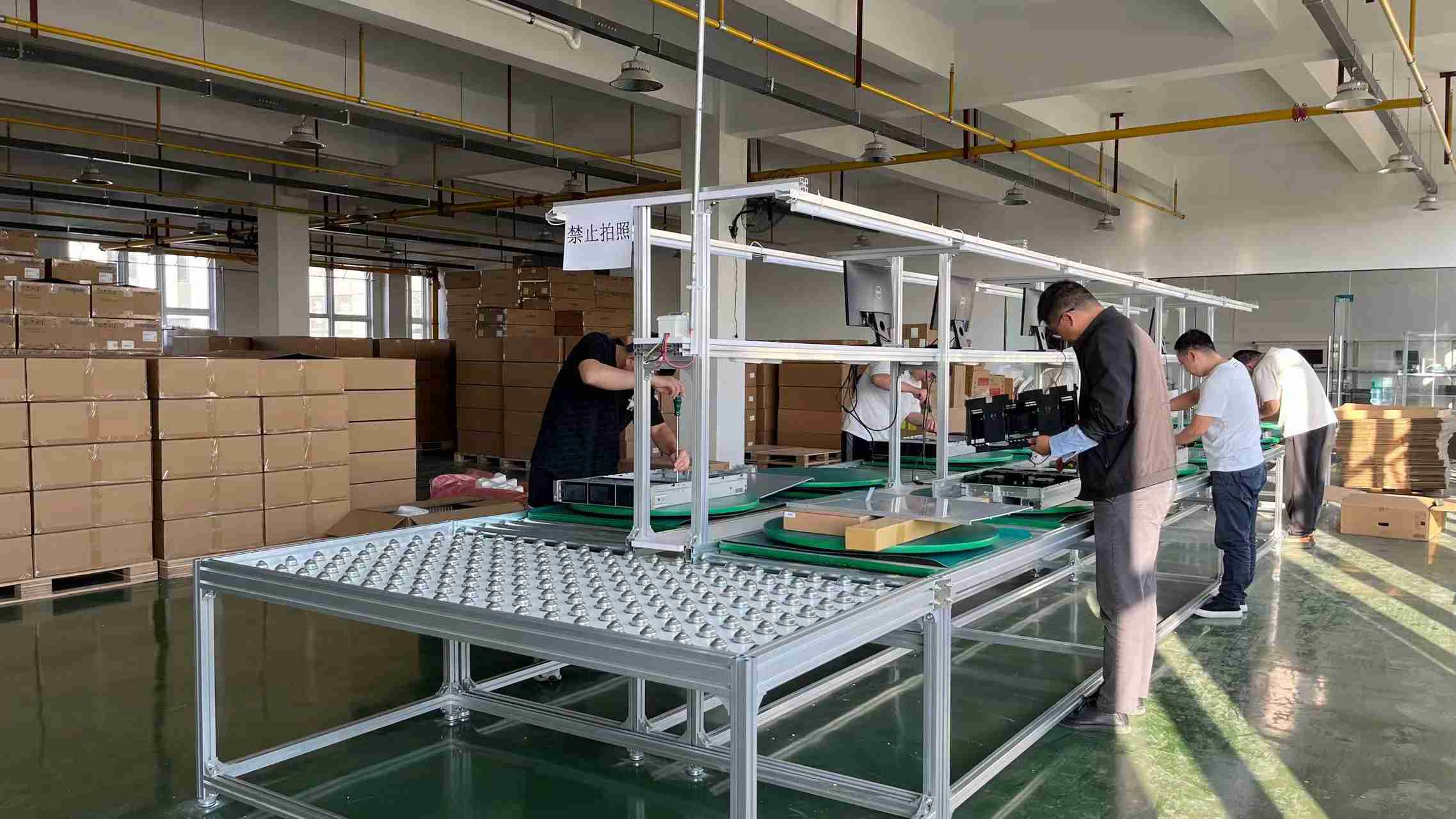
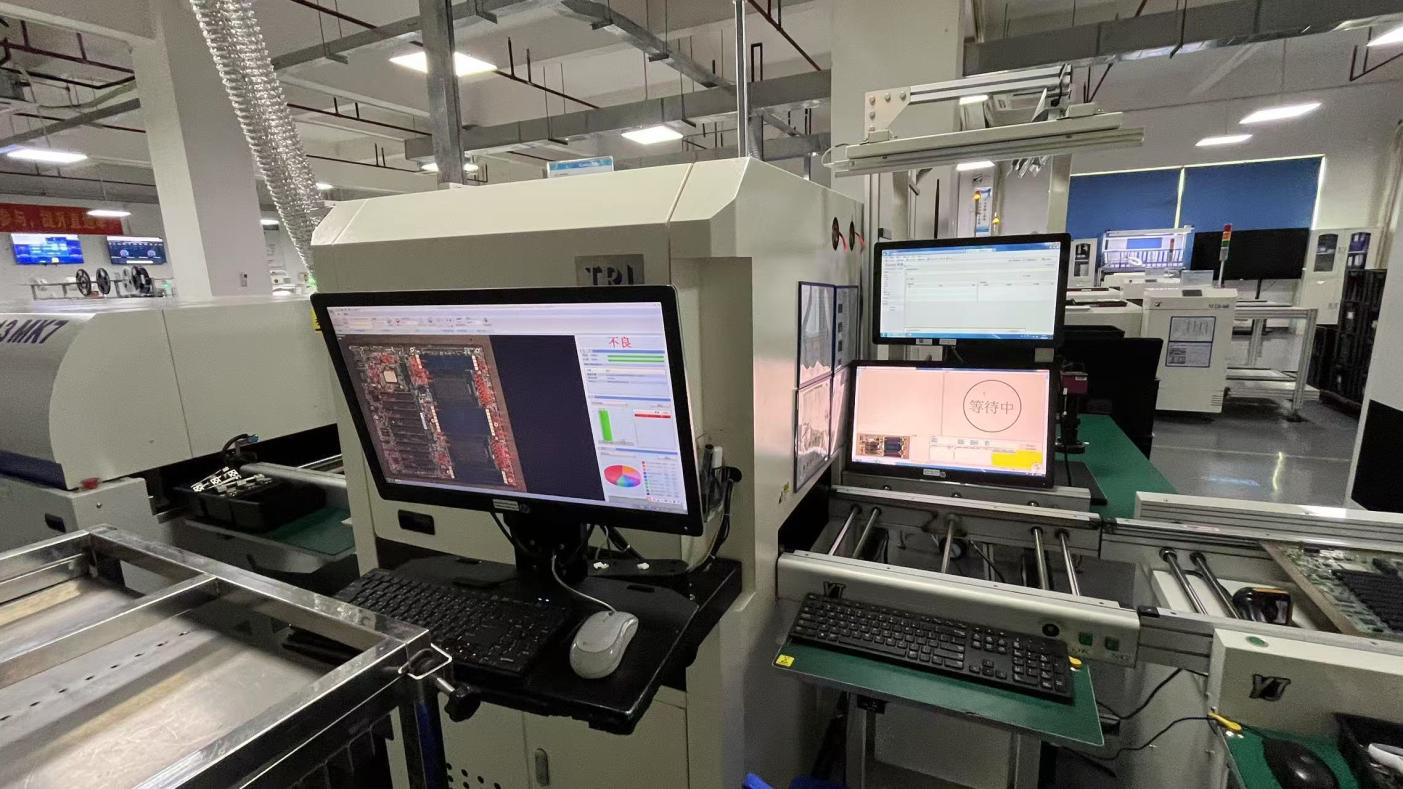
Operating a massive, ISO-certified 18,500 square meter production facility, BoltGrid runs multiple automated assembly lines dedicated to processing advanced GPU architectures and multi-socket CPU rack nodes. Our annual export revenue has consistently surpassed USD 18 million, highlighting our structured logistics networks and compliance pipelines across different maritime, rail, and air trade routes.
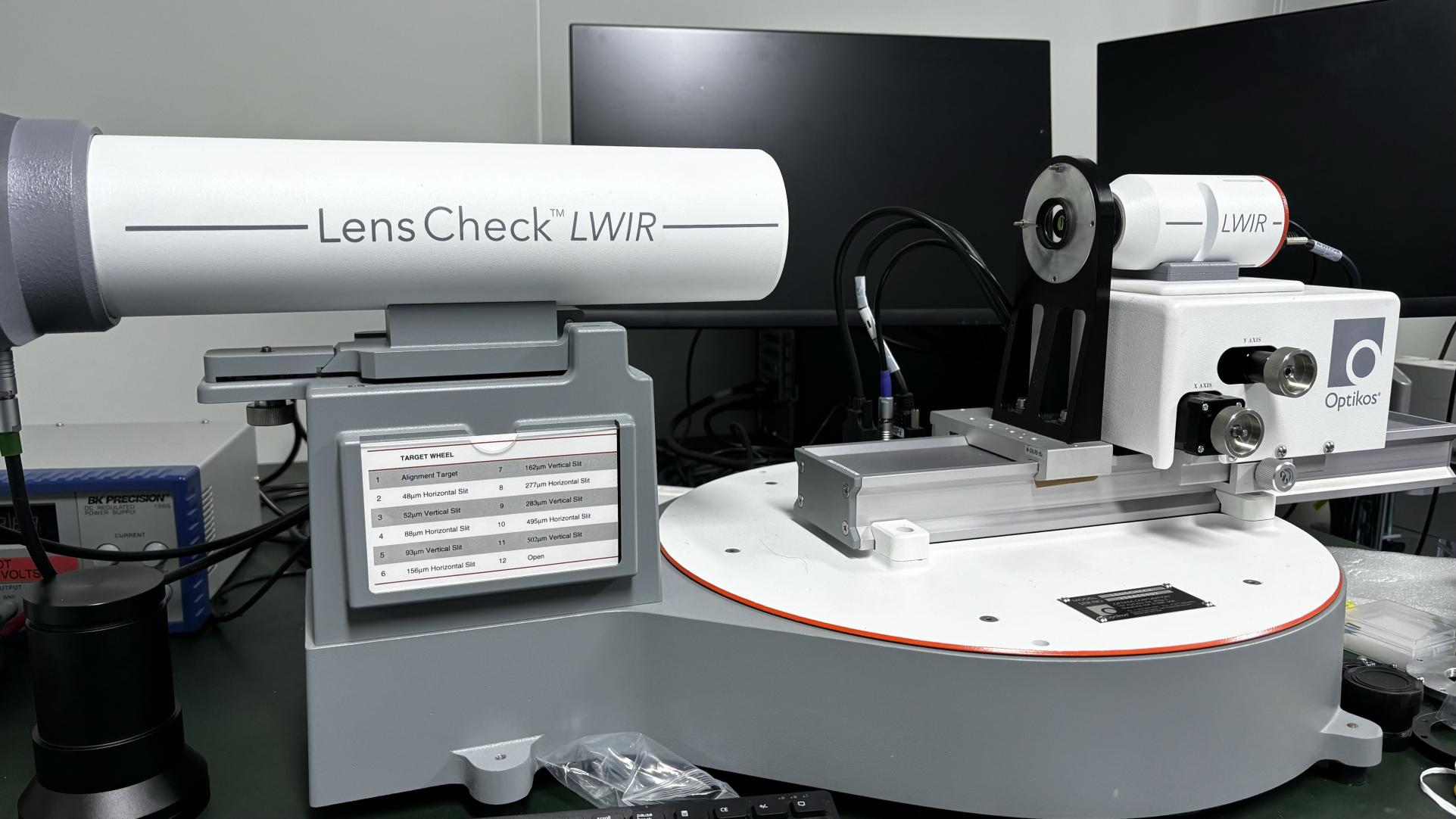
Our Quality Assurance department enforces strict hardware testing. This includes multi-stage load simulations, high-ambient thermal tests, and power-factor correction checking before any platform is packed.
Dedicated engineers focus on hardware telemetry optimization, OpenBMC custom firmware development, power-distribution efficiency, and physical structural modifications for multi-GPU payloads.
We launch approximately 85 new products every year, staying at the absolute forefront of processing advancements, socket changes, and high-frequency PCIe Gen 5 signaling standards.
The efficiency of server manufacturing depends heavily on immediate access to raw components, standard steel chassis, high-reliability capacitors, power supply units (PSUs), and cooling fans. BoltGrid's factory is located within Shenzhen's industrial cluster, providing access to a supply chain network of over 850 strategic partners. This direct access to the world's most dense electronic component ecosystem allows us to source raw parts, design prototypes, and scale volume production faster than Western peers.
This localized integration translates directly to:
Data center compliance demands differ depending on regional regulation and environment. Enterprises based in the European Union rely heavily on CE directives (including EN 55032 for emission standards, EN 55035 for immunity, and EN 62368-1 for audio/video/information technology equipment safety) to secure deployment permission inside multi-tenant co-location spaces.
By pairing CE-compliant telemetry sensors with hardware platforms, global operators can configure automation scripts to query voltage, fan RPM, and individual GPU core temps. This enables automated workloads to move to cold standby racks if thermals cross a specific threshold, preventing physical hardware degradation.
Common implementation scenarios for BoltGrid platforms include:
Deploying deep-learning training workloads utilizing hundreds of GPUs requires constant, real-time power drawing telemetry. BoltGrid's OOB monitoring reports voltage draws on every rail, ensuring power supplies run within safety limits.
Remote edge nodes often lack on-site technicians. Our integrated hardware-level remote monitoring tools allow administrators to mount virtual media files and rebuild storage arrays from a central corporate office.
How server management and hardware-level telemetry is transforming under massive data center expansion.
Global cloud hyperscalers are shifting away from closed, proprietary BMC firmware. BoltGrid is actively designing platforms supporting OpenBMC, providing open-source transparency, rapid security patching, and customized monitoring capabilities.
Polling servers via SNMP or standard IPMI is being replaced by streaming telemetry. System metrics are pushed at millisecond intervals using gRPC, enabling predictive failure analysis via remote AI nodes before components degrade.
As rack power densities approach 50kW and beyond, liquid cooling requires specific leak-detection sensors and pressure monitoring. BoltGrid integrates physical leak alarms and fluid temperature sensors directly into server chassis telemetry.
Answers to complex questions from hardware integration engineers and procurement managers.
A look inside our 18,500㎡ facility, where our systems and sensors undergo rigorous assembly and validation.
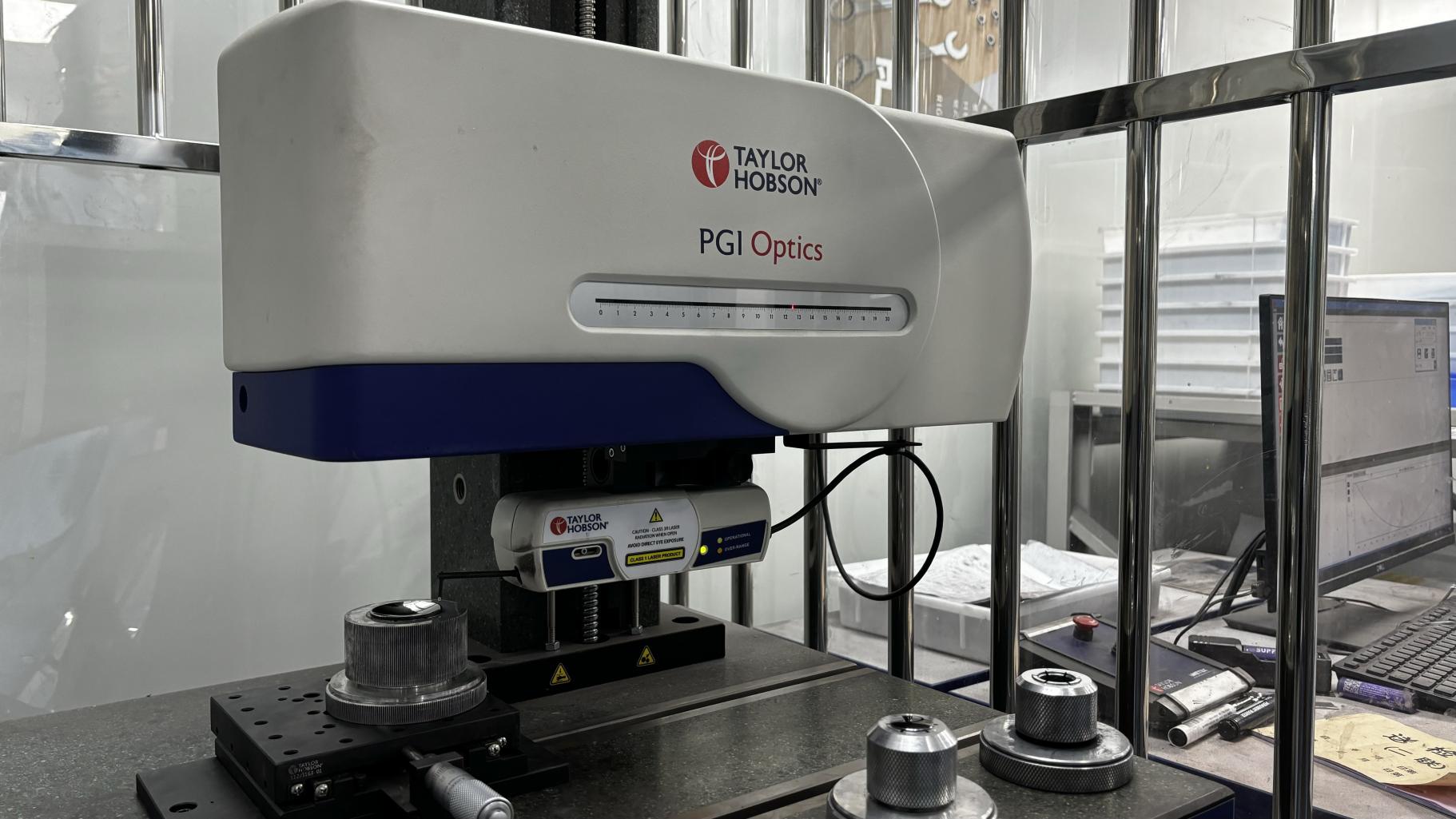
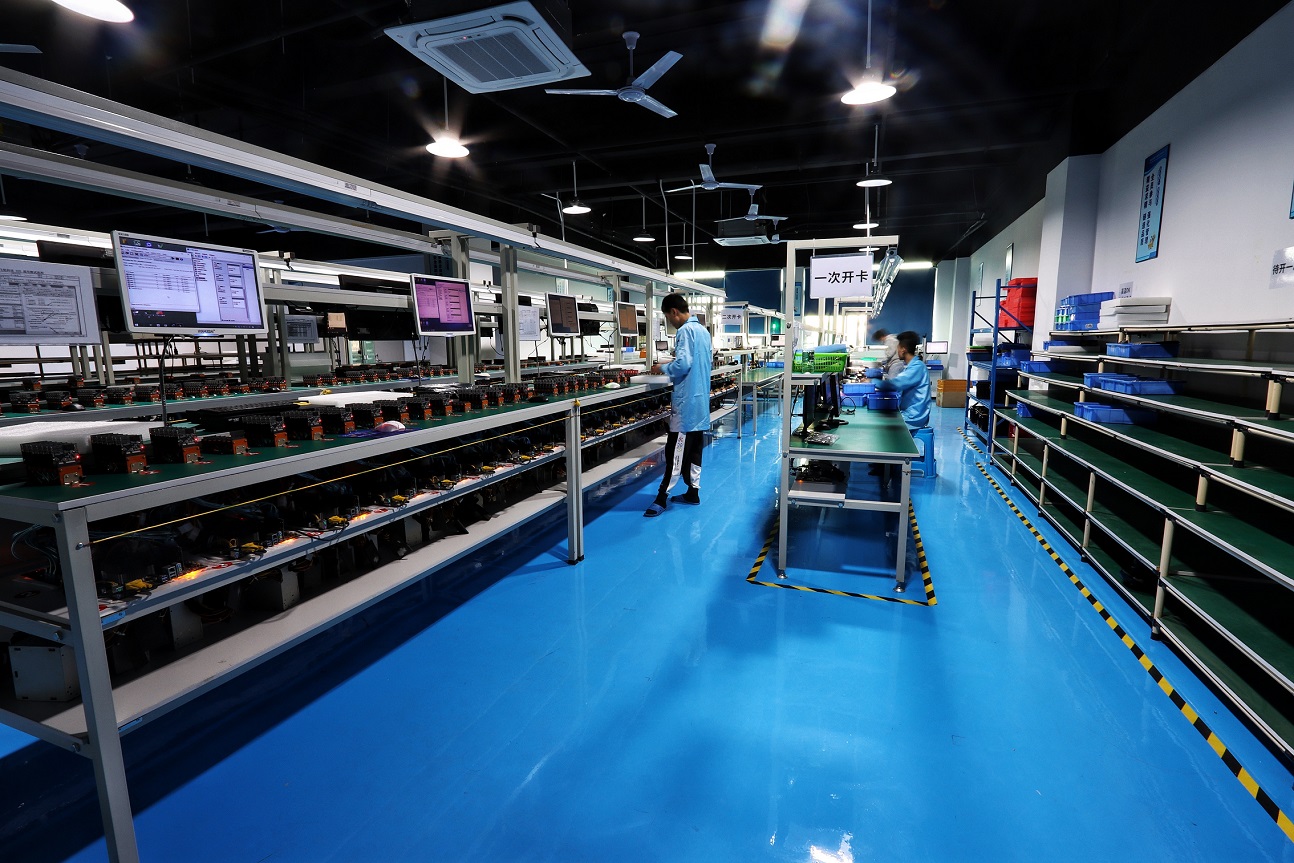
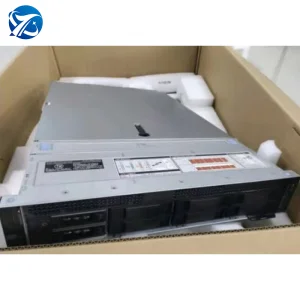
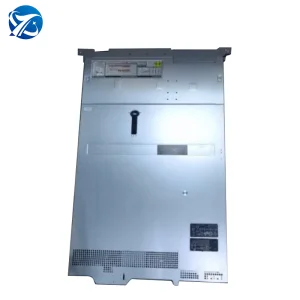
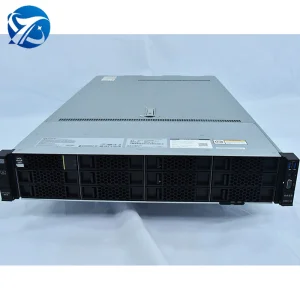
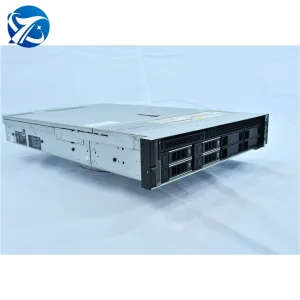
Further server designs, NAS workstations, and rack components equipped with telemetry interfaces.