BoltGrid
BoltGrid
BoltGrid
Highly efficient rack infrastructure engineered to fuel high-throughput AI inference, private enterprise clouds, and localized database management across South Korea.
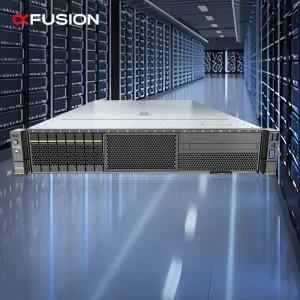
BoltGrid Computing Systems combines industry-leading Chinese manufacturing agility with deep regulatory and compliance insights for South Korea's tech ecosystem.
South Korea stands as one of the world's most advanced telecommunications and computing landscapes. Driven by the government’s K-Cloud Initiative and massive R&D investments from conglomerates like Samsung, SK Hynix, and Naver, South Korea’s request for data processing power is accelerating at an unprecedented rate. This digital growth relies heavily on flexible, high-density server configurations.
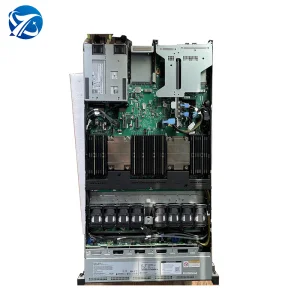
For data centers located in Pangyo Techno Valley and the Seoul Metropolitan Area, power efficiency (PUE) and spatial footprints are primary concerns. Land scarcity and rising electricity tariffs demand high performance-per-watt ratios. xFusion’s server architectures—such as the FusionServer 2288H V7 and 1288H V7—specifically target these concerns. These models optimize power routing through high-efficiency PSU modules (up to 2000W 80 Plus Platinum/Titanium rating) and dynamic cooling algorithms that sync directly with the server’s thermal sensors.
We bridge the gap between Tier-1 component manufacturing in China and the rigorous service requirements of South Korean IT enterprises.
Whether you require specific SAS/NVMe storage configurations, custom BIOS profiles, or high-performance GPU arrays for LLM training, our 120+ engineers tailor each server node to match your workloads.
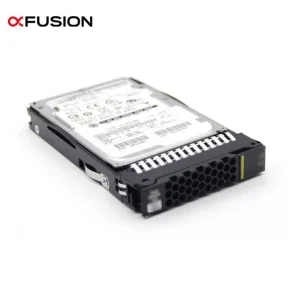
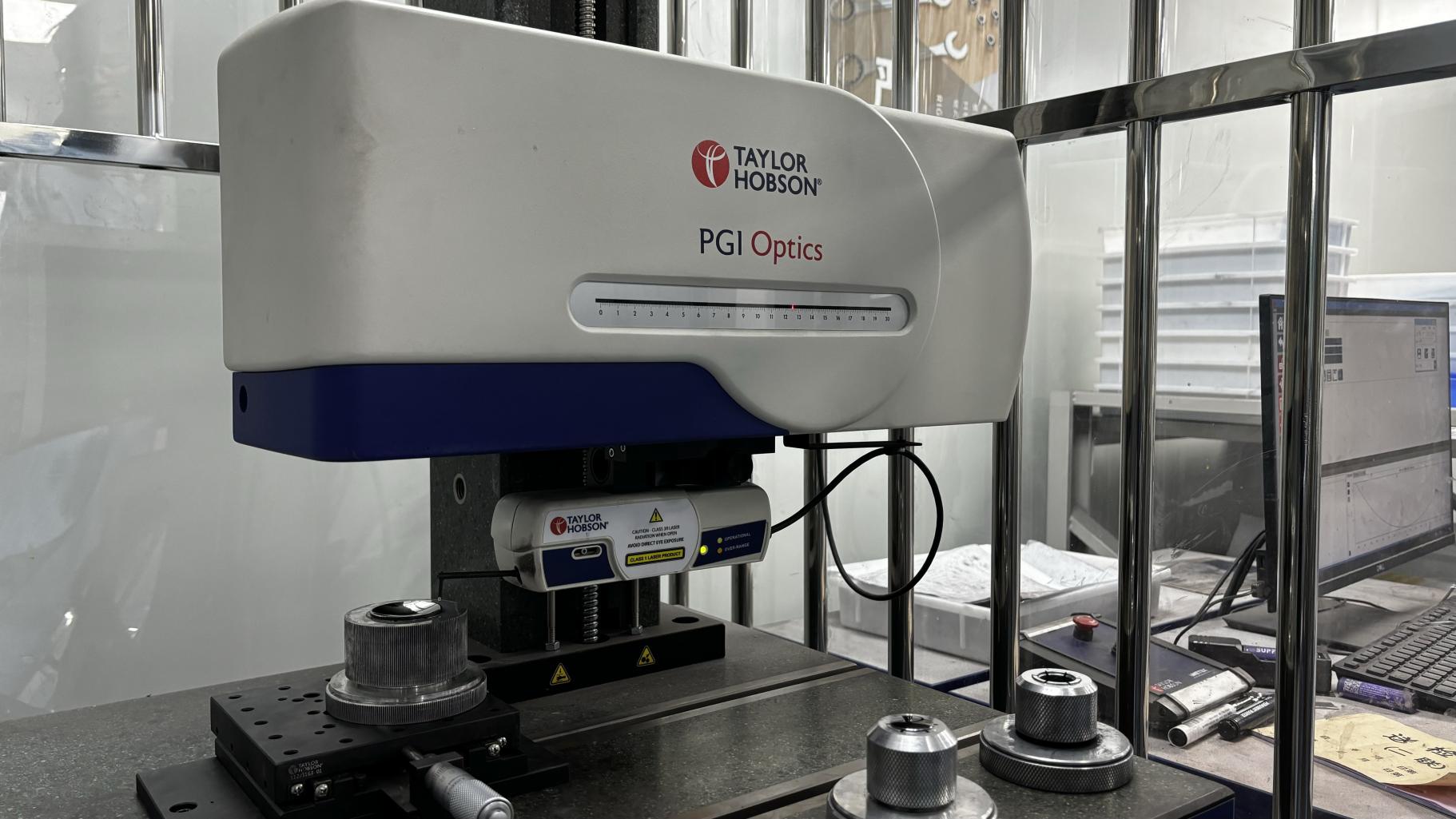
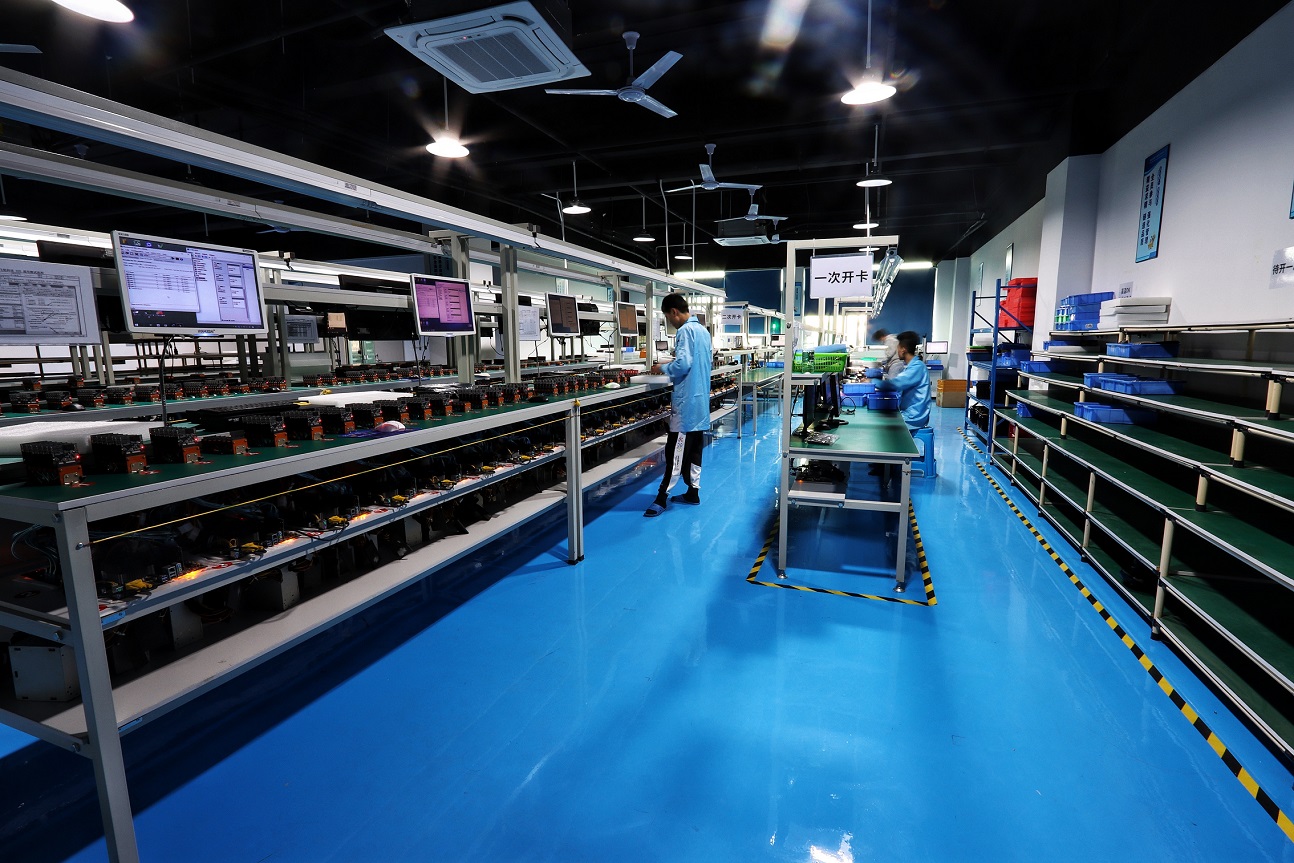
Our QA team conducts 72-hour thermal stress, load simulation, and memory diagnostic tests on all xFusion and Dell units prior to packaging, ensuring out-of-the-box reliability in Incheon and Busan facilities.
Leveraging direct relationships with over 850 strategic partners, we bypass global bottlenecks. We secure priority allocations for crucial processing units, system memory, and solid-state storage.
For South Korean technology integrators, sourcing hardware directly from China’s premier manufacturing zones represents a significant strategic advantage. In Shenzhen, Dongguan, and Suzhou, the high density of semiconductor packaging, PCB assembly, and advanced cooling fabrication facilities allows us to source, build, and ship custom server systems in fractions of typical lead times.
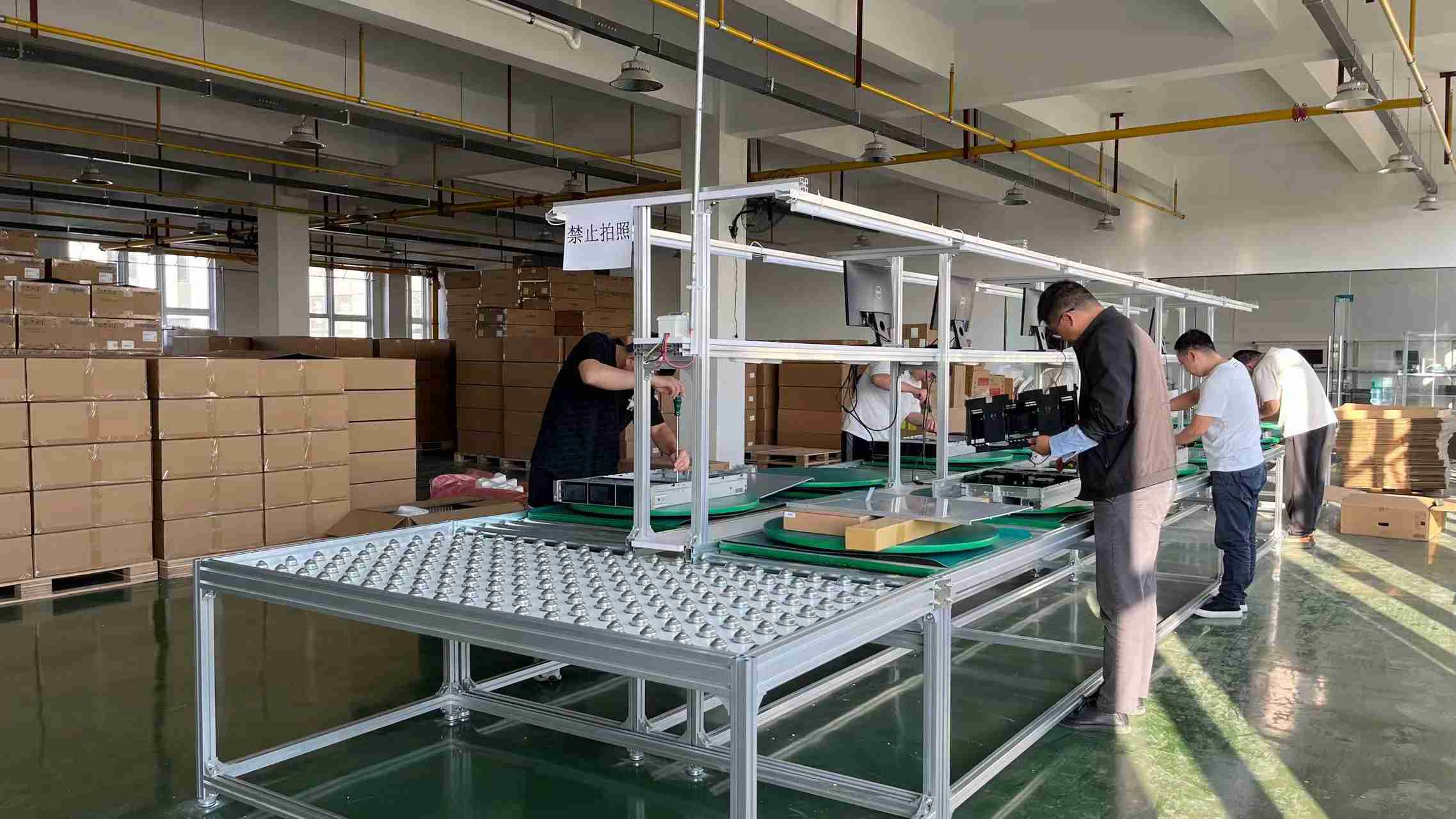
BoltGrid’s modern 18,500 square meter assembly facility acts as a centralized integration and testing hub. By consolidating all assembly processes under one roof, we eliminate intermediate supply chain delays. When shipping to South Korea, this geographic proximity translates to rapid delivery times: shipments departing from China's East Coast ports can arrive at Incheon Port or Busan Port in as little as 2 to 4 days, minimizing latency in server fleet expansion.
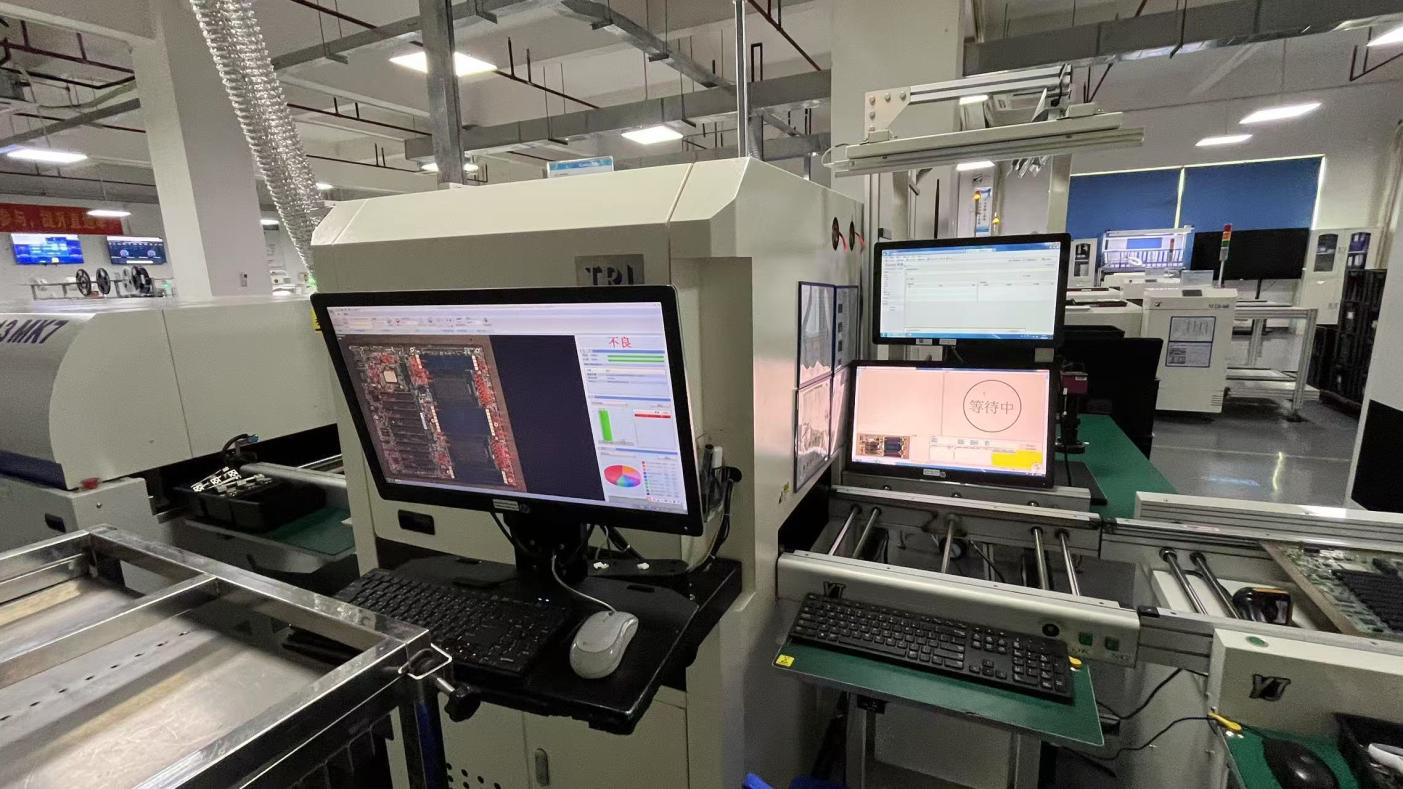
Every server leaving our facility undergoes a strict validation protocol designed by our 45-member quality assurance team. We verify hardware integrity and software compatibility prior to shipment.
Modern enterprises require application-specific server platforms. Generic configurations often lead to over-provisioning or system bottlenecks. Below, we detail how xFusion server systems are deployed across key sectors in the South Korean economy:
South Korea’s manufacturing sector relies heavily on IoT sensors and AI-driven quality inspection. The xFusion 2288H V6 or 2258 V7 serve as rugged, high-performance edge compute nodes deployed directly on-site at smart factories. These systems process machine-vision data in real time, detecting production anomalies without the latency associated with public cloud routing.
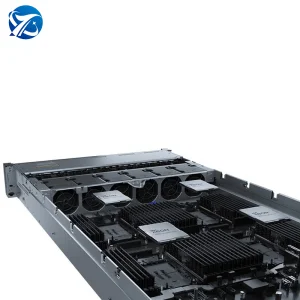
With domestic tech leaders building localized generative AI models, the demand for high-capacity GPU platforms is critical. Systems like the xFusion 2488H V7 and 2288H V7 are engineered with multiple PCIe Gen5 expansion slots, enabling dense configurations of accelerator cards. These servers provide the memory throughput and computational power needed to train and deploy complex neural networks.
Financial service institutions demand ultra-low latency and absolute redundancy. Using customized bios configurations, dual-socket processor layouts, and high-performance NVMe storage arrays on platforms like the FusionServer Pro 1288H V7, financial networks can process transactions securely with minimal latency.
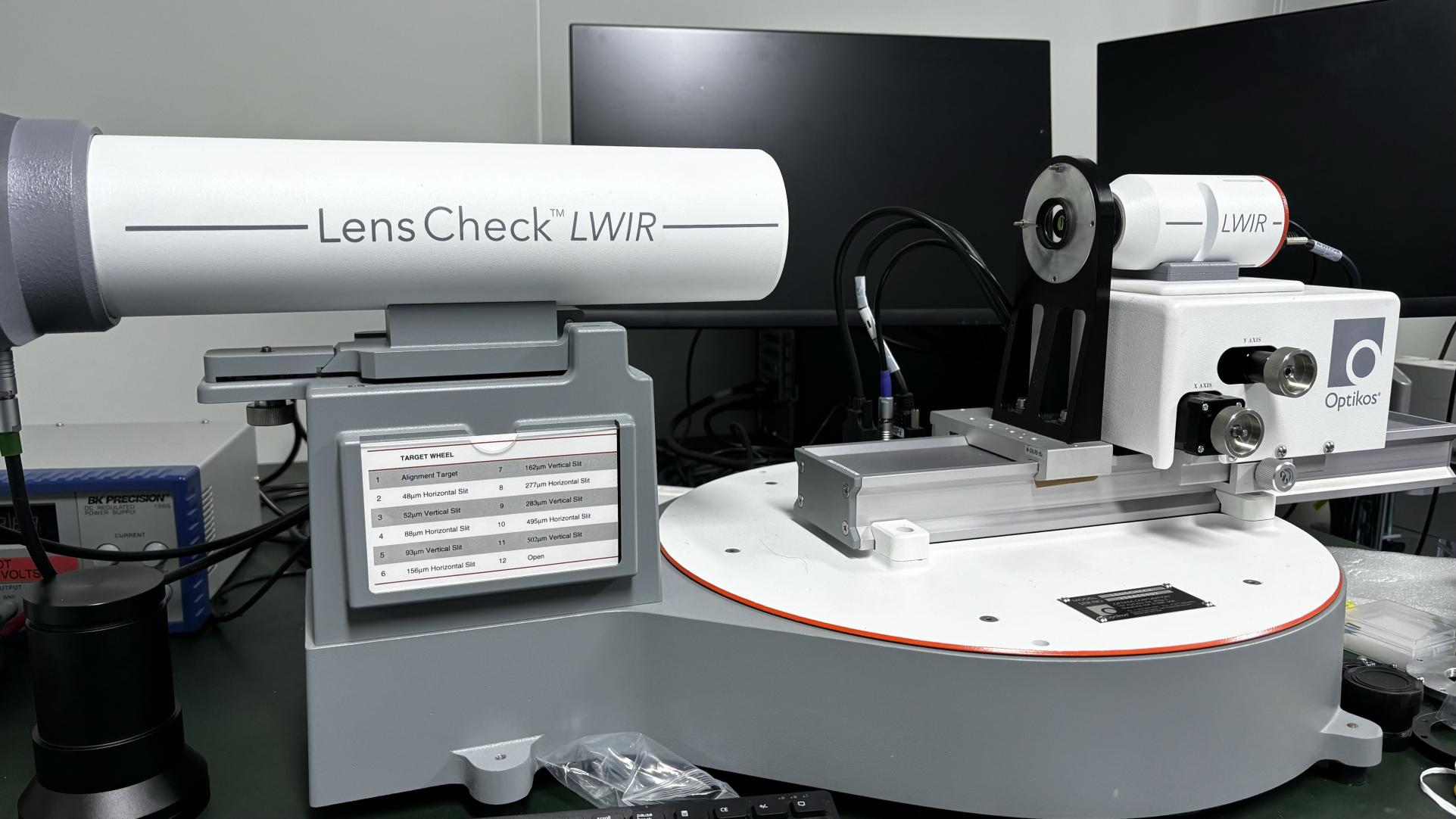
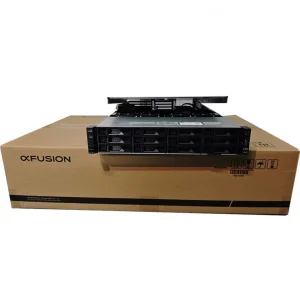
Our export packaging utilizes specialized shock-dampening materials and reinforced custom frames to protect sensitive processing units, RAM, and internal components during transport to South Korea.
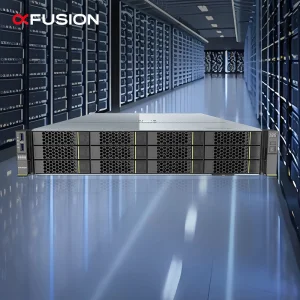
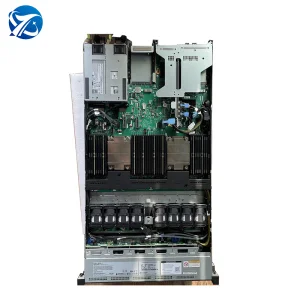
Explore our broader portfolio of rack-optimized compute nodes, scalable storage systems, and specialized workstations configured for South Korea's IT channels.
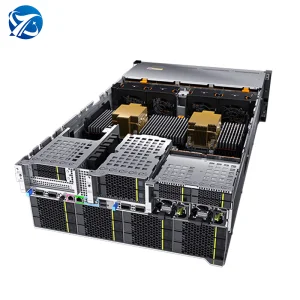
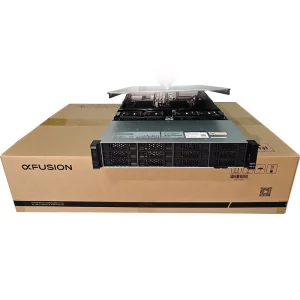
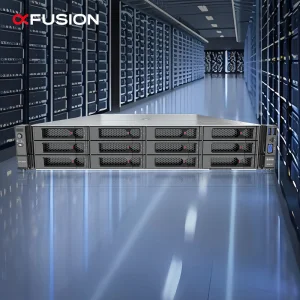
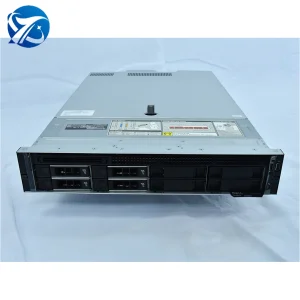
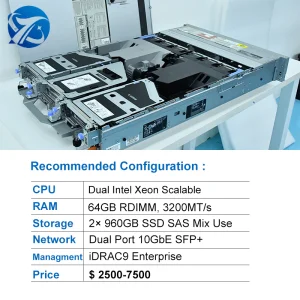
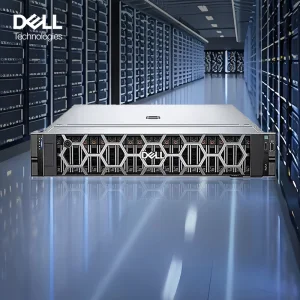
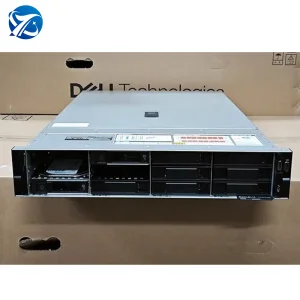
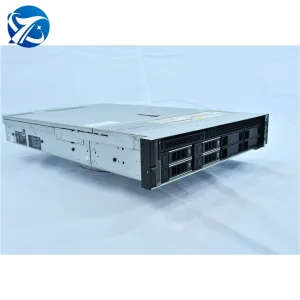
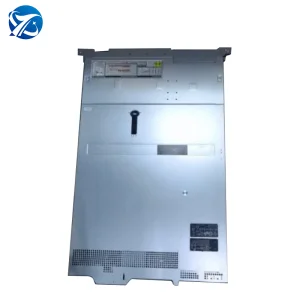
Importing enterprise-grade hardware to South Korea requires strict adherence to local imports laws, including KC (Korea Certification) compliance for safety and electromagnetic compatibility. Sourcing through BoltGrid simplifies this integration process.
Our logistics team handles the documentation required for smooth clearance through Korean Customs Service (KCS). This includes providing precise Harmonized System (HS) classifications, country-of-origin certification under relevant trade agreements, and detailed component listings to prevent processing delays at ports of entry.
We work with trusted logistics partners to offer flexible shipping solutions, including air freight directly to Gimpo or Incheon International Airports for urgent server deployments, and maritime shipping to Busan for larger, high-density server rack rollouts. All shipments feature comprehensive transit insurance and real-time tracking, ensuring your IT infrastructure arrives securely and on schedule.
Everything you need to know about purchasing, importing, and integrating xFusion servers into South Korea.
Yes. We ensure all exported xFusion and customized server packages meet the critical electromagnetic and safety requirements mandated by the National Radio Research Agency (RRA) of South Korea. We coordinate the verification documentation to ensure smooth integration into Korean carrier data centers.
For standard configurations in stock, processing and testing require 3-5 working days. Ocean freight to Busan/Incheon ports takes approximately 3-5 days, while air express can land at Gimpo or Incheon in 24-48 hours. Custom integrations (custom BIOS, high-density GPU nodes) may extend production time by 7-10 days.
All server systems are backed by our standard factory warranty. In the event of a component issue (such as a drive, PSU, or memory card fault), we ship replacement parts directly to your Korean address via express courier. For major system incidents, our technical support engineers provide diagnostics and resolution steps via remote sessions.
Yes. Our engineering division (120+ team members) offers OS pre-installation (Red Hat Enterprise Linux, CentOS, Windows Server, VMware ESXi) and custom BIOS configurations, such as specific power-saving modes, virtualization optimizations, or hardware-level RAID arrays, ensuring plug-and-play capability upon delivery.