BoltGrid
BoltGrid
BoltGrid
Maximize density, scale computational capacities, and decrease operating costs with our elite-tier rack configurations designed for corporate and hyperscale environments in the US.
The United States computing infrastructure market is undergoing an unprecedented structural transition. Drive by large-scale deployments of Large Language Models (LLMs) like DeepSeek, Llama architectures, and complex agentic AI systems, enterprise data centers in core markets—ranging from Northern Virginia and Northern California to the growing technology hubs of Texas, Oregon, and Georgia—are demanding significantly higher compute densities. General purpose, lower-density hardware can no longer keep pace with the massive thermal and power requirements of the modern enterprise.
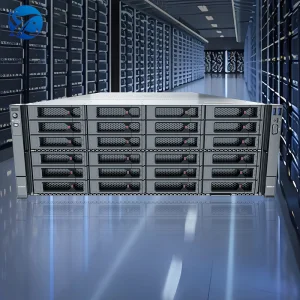
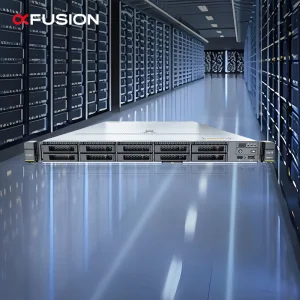
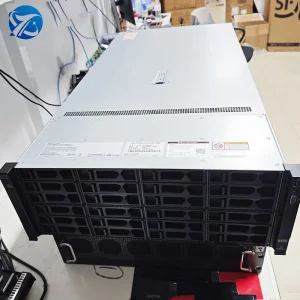
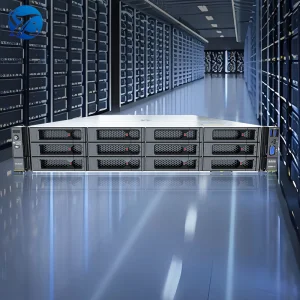
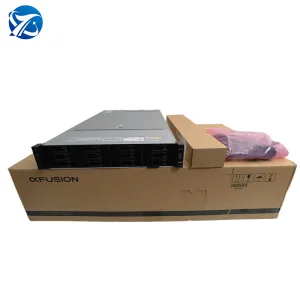
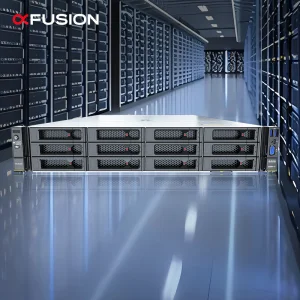
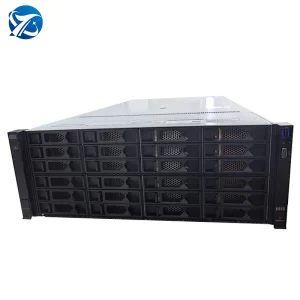
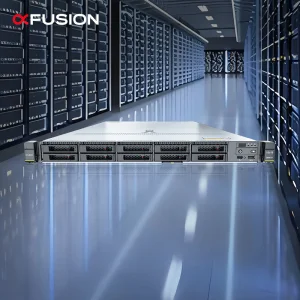
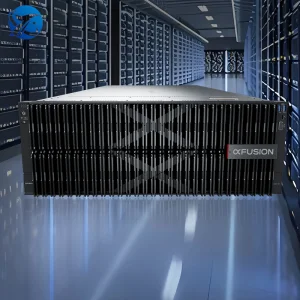
As a premier V7 Rack Server supplier, we address these complex requirements by delivering custom-engineered hardware platforms that natively support PCIe Gen 5 topologies, DDR5 memory pools, and multi-channel system bus architectures. Operating in a market where rack efficiency is evaluated on metrics like Performance-per-Watt and Performance-per-Square-Foot, the V7 hardware lineage provides significant performance advantages. Key industries in the US, including algorithmic financial trading, private healthcare ML pipelines, defense intelligence modeling, and hyperscale public cloud systems, now prioritize modular architectures that integrate both high-capacity local NVMe storage and robust accelerator footprints.
Procurement teams in the United States face persistent challenges: supply chain unpredictability, component-level quality variance, and changing environmental regulations. Modern computing facilities require hardware that meets strict energy efficiency guidelines (e.g., Energy Star Compliant, low PUE operation) while remaining compatible with existing structural constraints.
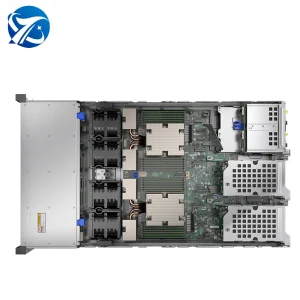
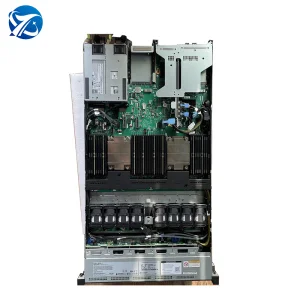
The V7 Rack Server platform represents a generational leap in system bus engineering. Operating on dual socket architectures supporting the latest scalable processor generations, the V7 platform enables deep integration between storage networks and acceleration architectures. By using structured board layouts, the V7 chassis minimizes signal attenuation across high-frequency PCIe 5.0 lanes, facilitating high-speed data transfers between host system memories and dedicated accelerator configurations.
| Feature / Specification | Standard 1U/2U V7 Compute Nodes | Multi-GPU 8U High-Performance Clusters |
|---|---|---|
| Processor Architecture | Dual-Socket Scalable Processors (Up to 350W TDP per socket) | Multi-Processor Optimization Configurations |
| Memory Footprint | Up to 32x DDR5 DIMM slots; support for 4800/5600 MT/s modules | Expanded system memory pools, customized mapping configurations |
| PCIe & Storage IO | 8 to 12 NVMe Gen5 hot-swap bays; support for U.2/U.3 drives | High-density solid-state arrays, dual-link network interfaces |
| Accelerator Support | Multi-channel PCIe graphics controllers or FPGA adapters | Up to 8 high-performance server accelerators in parallel topology |
| Network Interface Cards | Integrated OCP 3.0 cards, supporting 25GbE/100GbE configurations | Quad-channel 200GbE / 400GbE InfiniBand interfaces |
| Chassis Thermal Design | Dynamic counter-rotating hot-swap cooling arrays | Liquid cooling manifolds, high-performance exhaust fan grids |
As organizations adopt modern neural networks (such as DeepSeek-R1 deployments or customized Llama-3 models), they require hardware capable of scaling on demand. Traditional web infrastructure architectures and enterprise NAS setups must connect with hardware-accelerated nodes. Our V7 solutions utilize high-speed storage buses to link high-density SSD storage pools directly to processing engines, minimizing CPU overhead during heavy read/write cycles.
Whether deploying hyperconverged infrastructure (HCI) for virtualization platforms, building out high-performance enterprise NAS environments, or managing high-throughput transaction systems, our customizable chassis options allow customers to adjust PSU capacities, thermal performance profiles, and network IO ports.
Highly customizable architectures optimized for specific network loads, virtual storage systems, and industrial processing pipelines.
Founded in 2016, BoltGrid Computing Systems Co., Ltd. is a leading manufacturer specializing in artificial intelligence hardware architectures, high-performance computing configurations, and scale-out data center servers. With over 12 years of industry engineering experience, we design and manufacture computing solutions that meet the requirements of modern cloud providers, data centers, and advanced laboratories.
Our manufacturing facility spans over 18,500 square meters, allowing us to perform board-level assembly, full-system integration, and rigorous testing on-site. Our dedicated Quality Assurance team, consisting of 45 inspectors, performs multi-phase verification on every server. This includes thermal performance optimization, high-load stress testing, and hardware burn-in protocols to ensure system reliability.
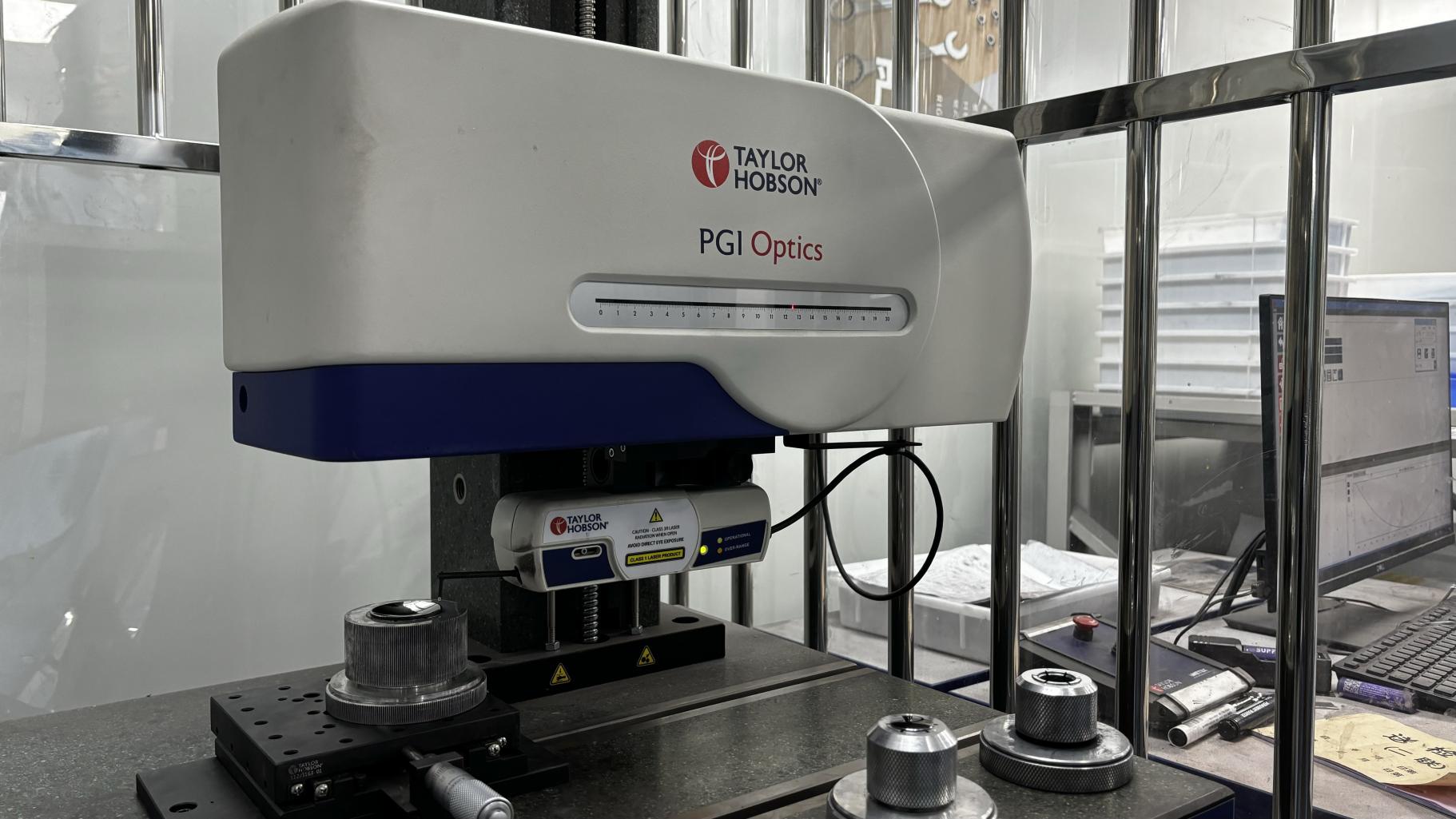

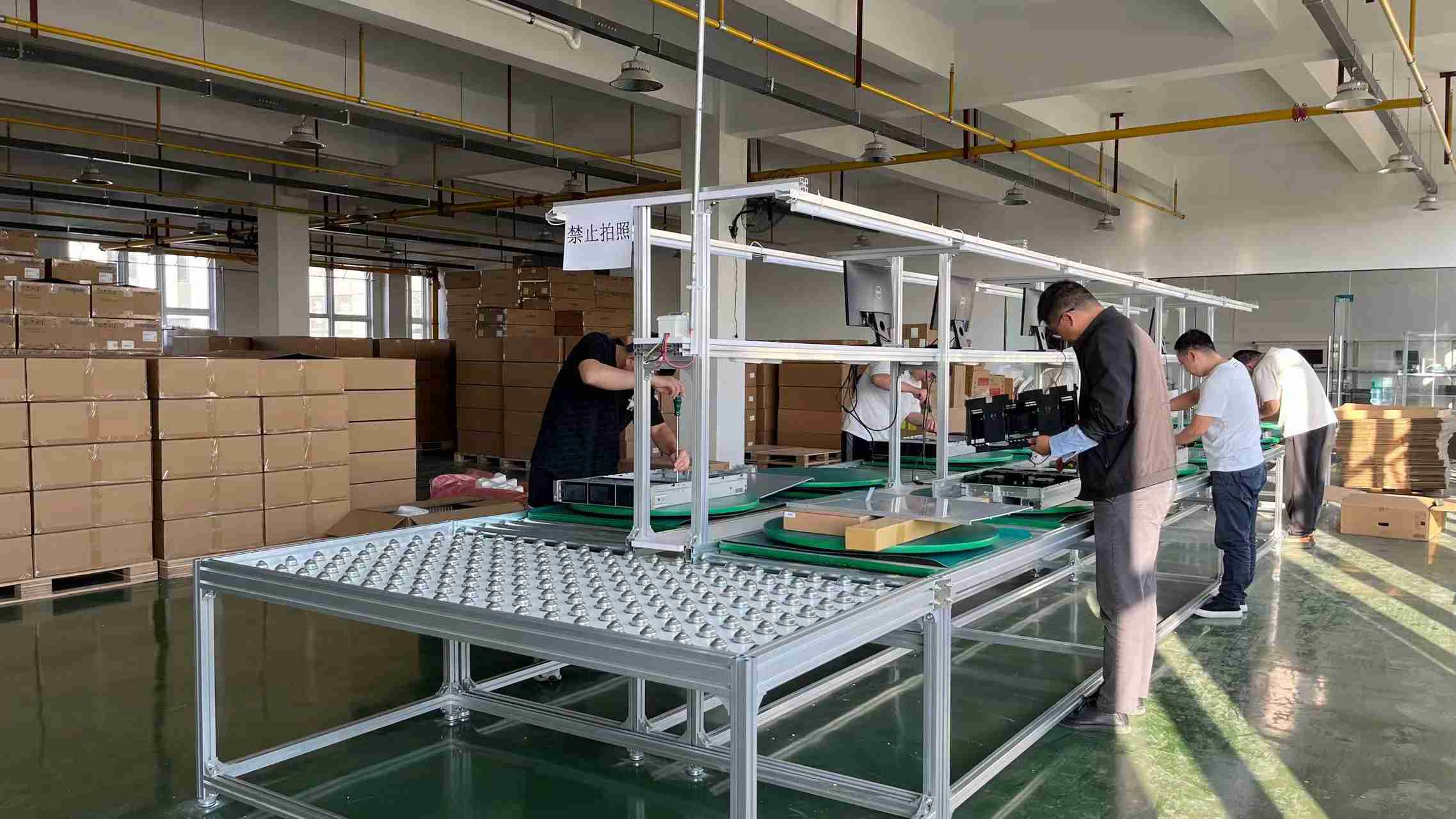
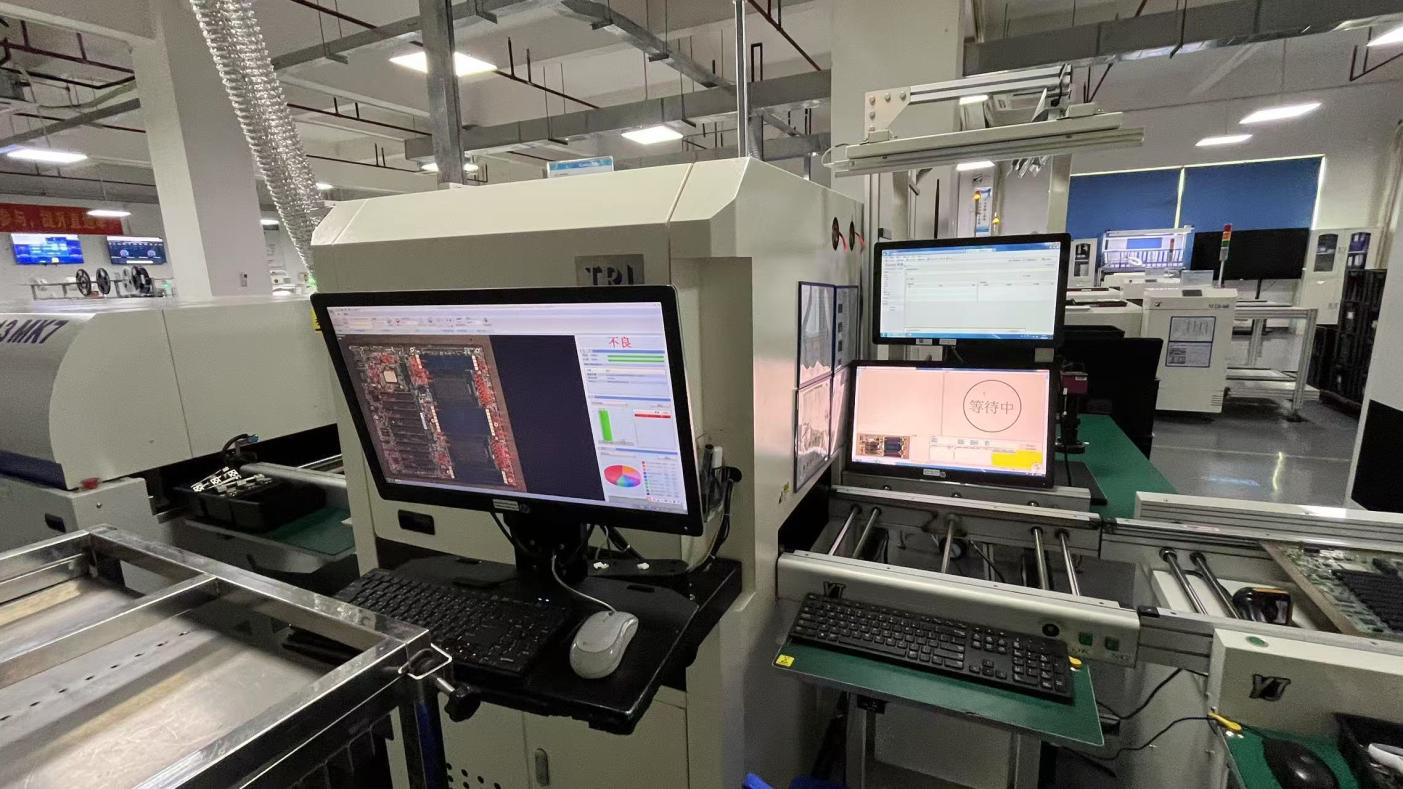

Providing hardware to the United States market requires adherence to regulatory frameworks, emissions standards, and safety certifications. All servers leaving BoltGrid facilities are engineered to comply with FCC Class A requirements, UL safety guidelines, and CE directives, ensuring smooth integration into US data centers.
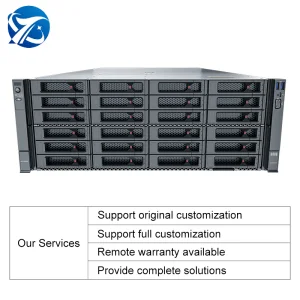
We offer comprehensive hardware customization options. We understand that standard rack configurations may not meet every project requirement. Our engineering team designs custom solutions to support specific thermal ranges, power distributions, expansion layouts, and private branding configurations.
Select from our verified line of computing, virtualization, and storage nodes designed to integrate into standard server racks.
Looking forward, data center density will continue to rise. Power distribution systems must adapt to handle workloads exceeding 50 kW per rack. Standard air cooling is approaching its limits, driving the development and adoption of hybrid and direct liquid cooling (DLC) solutions.
Our development roadmap is focused on adapting the V7 architecture to support higher thermal envelopes and integrated liquid cooling manifolds. We are also preparing for CXL (Compute Express Link) 3.0 integrations, which will allow memory resources to be shared dynamically across multiple processing nodes, reducing latency and hardware redundancy. By designing with sustainable materials and optimizing power supply efficiencies to meet titanium-level standards, we help operators reduce carbon emissions while maintaining compute capability.
Partner with BoltGrid to implement high-performance computing, specialized AI nodes, or scalable data center solutions tailored to your technical requirements.