BoltGrid
BoltGrid
BoltGrid
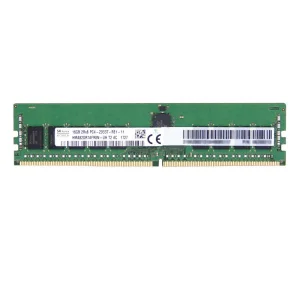
Select high-density, error-correcting memory engineered to accelerate heavy enterprise virtualization workloads and ensure system reliability.
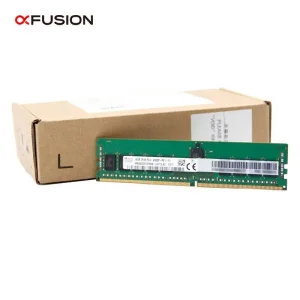
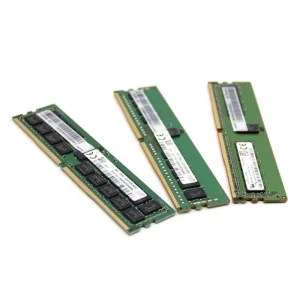
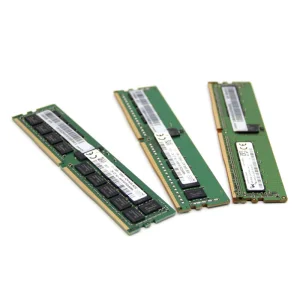
Understanding CEE's high-tech manufacturing corridors and the critical demand for redundant server-class hardware.
Hungary has positioned itself as one of the key central logistics and manufacturing nodes in the Central and Eastern European (CEE) region. Major industrial players in automotive, biotechnology, and financial services have set up high-intensity production and development units within the country. From Audi's advanced manufacturing hub in Győr to Continental's electronic plants and Budapest's bustling fintech core, modern workflows rely on real-time data processing, predictive modeling, and intensive virtualization infrastructures.
As Hungarian enterprises migrate toward hybrid cloud setups and invest in Edge Computing to support IoT-driven factory lines, the demand for enterprise-grade Server RAM has skyrocketed. Organizations operating inside regional data centers require memory technologies that deliver maximum uptime, strict Error-Correcting Code (ECC) capabilities, and high thermal thresholds to resist varying ambient situations. Partnering with a reliable, certified exporter like BoltGrid guarantees that system integrators throughout Hungary obtain tested, certified modules that fit perfectly into mainstream server topologies.
Demystifying 288-pin register technology, timing tolerances, and latency optimization for mission-critical operations.
In consumer systems, memory bit flips (often triggered by cosmic radiation or magnetic interference) cause simple application crashes. In enterprise server systems hosting thousands of virtual machines, a single bit flip can corrupt database records, stall transaction processing, or generate catastrophic security vulnerabilities. ECC memory detects and corrects single-bit errors on the fly using a parity-check algorithm, preventing unscheduled server restarts.
Register (RDIMM) technology adds an hardware register between the system memory controller and the DRAM chips. This register buffers command, address, and control signals, reducing the electrical load on the system memory controller and allowing systems to support a much higher density of memory per motherboard channel.
BoltGrid's DDR4 RDIMM modules operate at a standard memory clock of 3200MT/s (3200MHz equivalent) with an ultra-thin cycle latency of 0.625ns. Operating at a energy-efficient 1.2V, these modules minimize thermal dissipation under full loads, which translates directly to lower utility bills and thermal stress within high-density server environments.
| Parameters | Enterprise DDR4 RDIMM | Enterprise DDR5 RDIMM |
|---|---|---|
| Standard Voltages | 1.2V (Reduced Power Draw) | 1.1V (On-DIMM PMIC) |
| Data Rate Speeds | 2666MT/s to 3200MT/s | 4800MT/s to 6400MT/s+ |
| Register Configuration | External Register Buffer (RCD) | Dual Channel Architecture per DIMM |
| Pin Layout count | 288-pin Gold Contact Fingers | 288-pin High Density Pitch |
| Latency (Typical Cycle) | 0.625ns - 0.75ns | ~0.5ns (Reduced structural delays) |
Architectural Insight: Mixing modules of different sizes, speeds, or memory ranks (e.g., mixing Single-Rank and Dual-Rank) inside the same memory bank is highly discouraged. Always structure your slots according to the motherboard's technical documentation to maximize channel efficiency and maintain stable memory configurations.
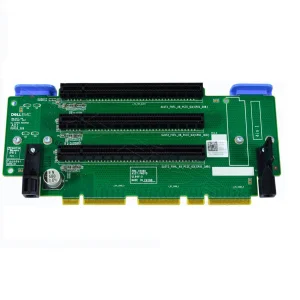
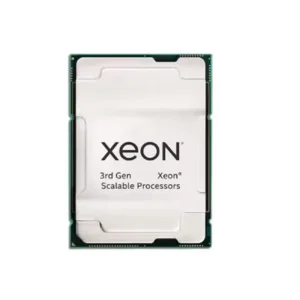
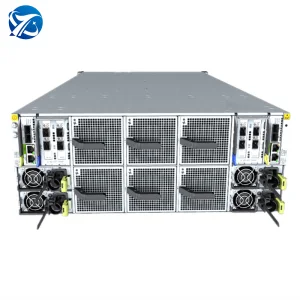
Ensure full system compatibility by matching our premium RAM with OEM barebones, replacement risers, and high-performance Intel CPU packages.
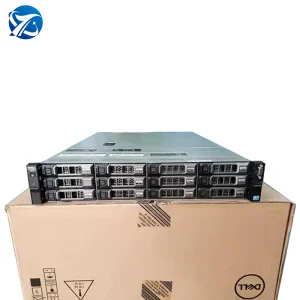

Combining advanced testing systems, direct factory logistics, and massive material reserves to guarantee predictable delivery to Hungary.
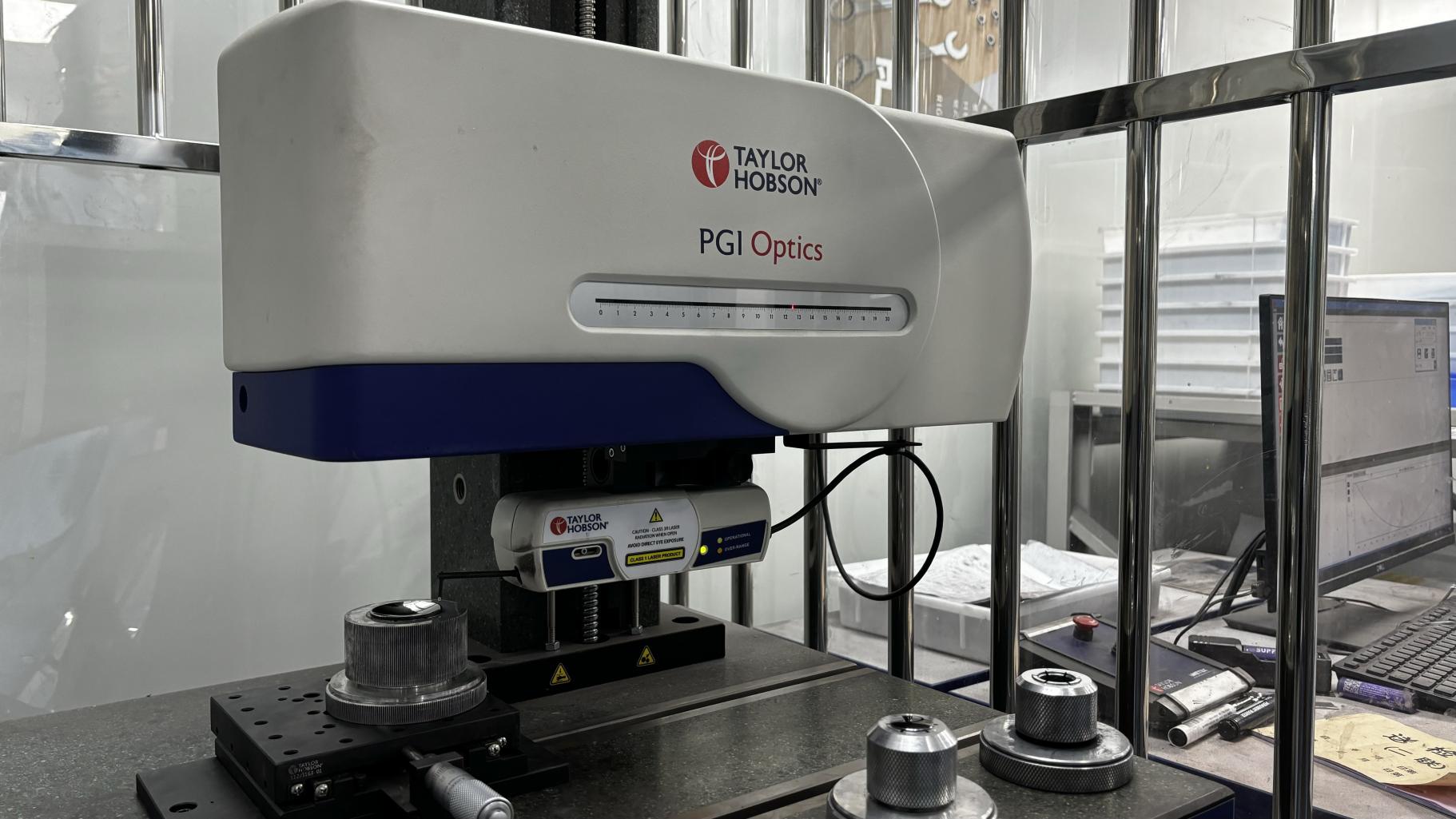
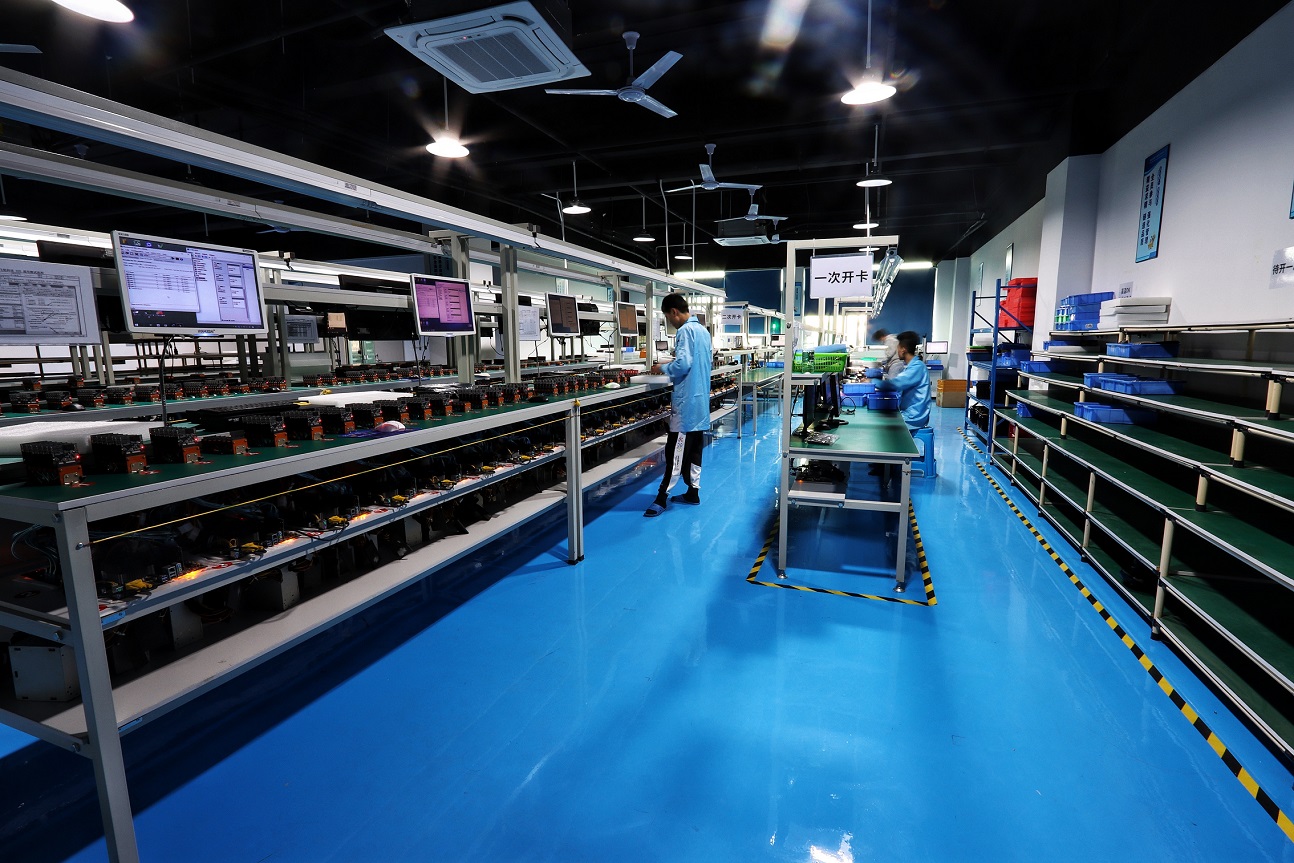
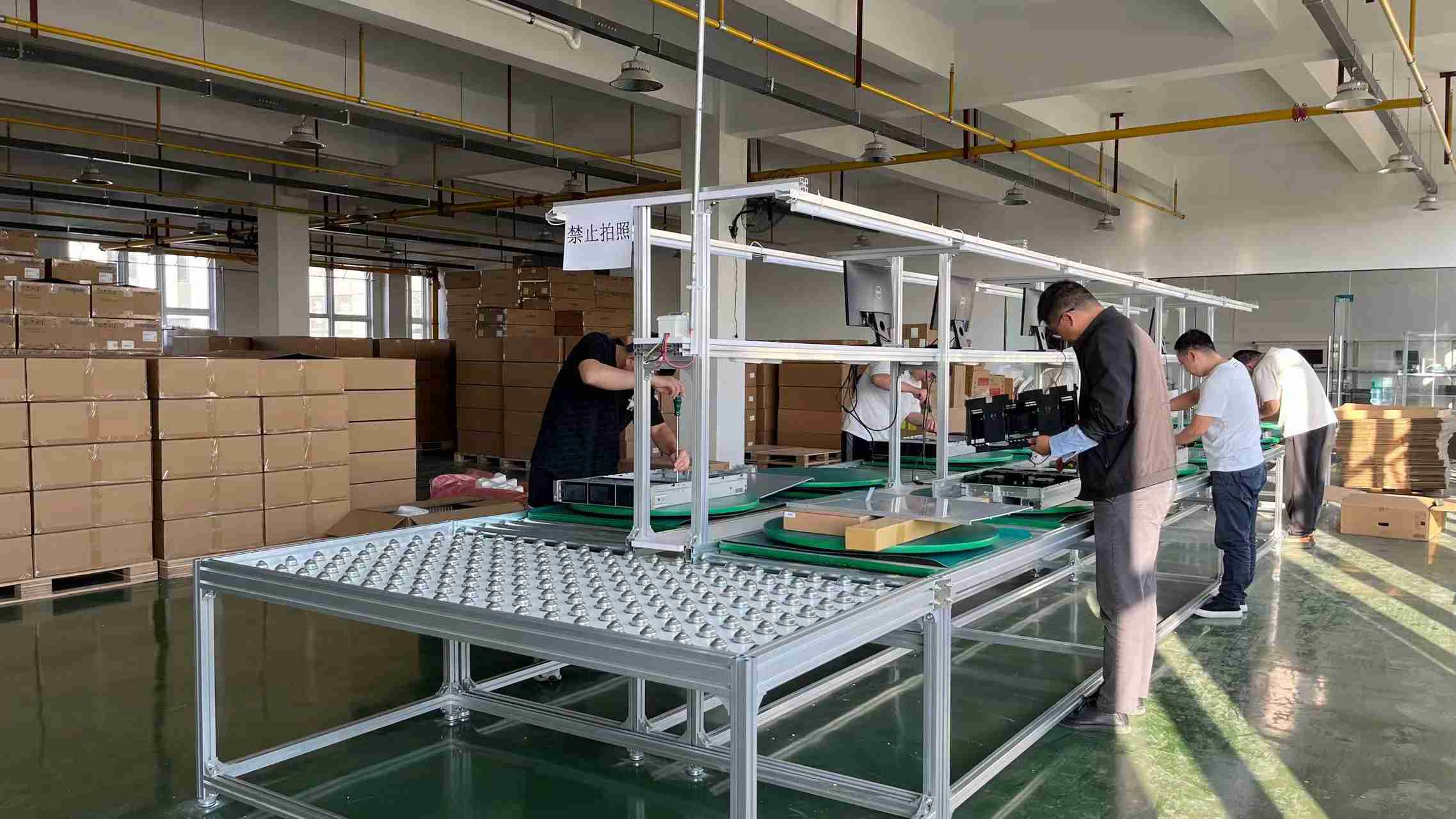
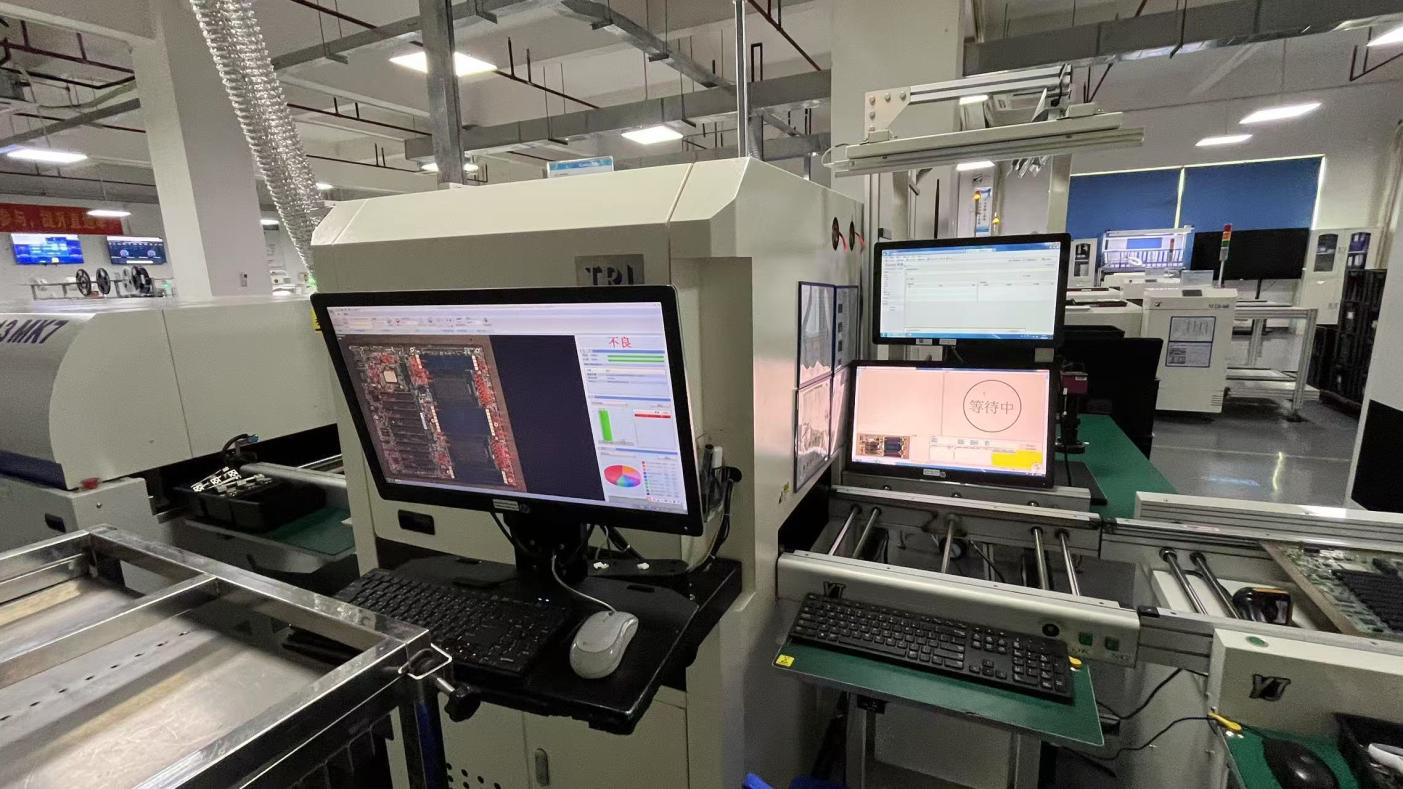
Operating a modernized facility in the high-tech industrial manufacturing heart of Shenzhen and Dongguan, BoltGrid Computing Systems Co., Ltd. builds stability and performance directly into every component. With a total industry experience spanning 12 years and supported by 120 dedicated development engineers, our factory uses highly advanced Surface Mount Technology (SMT) assembly lines. Our production stages are monitored, calibrated, and certified under global computing quality protocols.
Our supply chain robustness allows us to bypass intermediate brokers, purchasing DRAM chips from primary tier-1 wafer factories in massive quantities. This guarantees consistent dye quality (Samsung, SK Hynix, Micron original chips) and maintains cost efficiency. Our quality inspection framework ensures that all server memory and compute platforms undergo rigorous thermal profiling and full-system stress tests before they leave our factory docks.
Navigating European standards, custom procedures, and green declarations for hassle-free hardware importing.
Any electronic hardware imported into Hungary must adhere strictly to European Union environmental and safety guidelines. We ensure all exported RAM modules, CPUs, and server platforms comply with the following standards:
Shipping server memory components from our Chinese manufacturing facility to Hungary is structured to ensure fast delivery. By utilizing direct air-freight corridors connecting Shenzhen/Hong Kong to Budapest Ferenc Liszt International Airport (BUD), our delivery turnaround typically ranges from 5 to 8 business days.
We provide full customs documentation, export invoices, HS code descriptions (HS 84733020 for memory modules), and origin certifications to simplify VAT clearance under the National Tax and Customs Administration of Hungary (NAV).
Deploy enterprise-ready computing setups, GPU deep learning clusters, and high-performance server cabinets across Hungary.
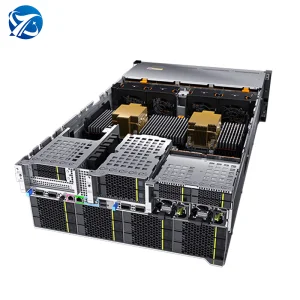
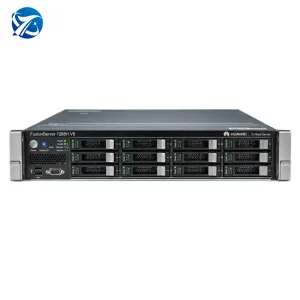
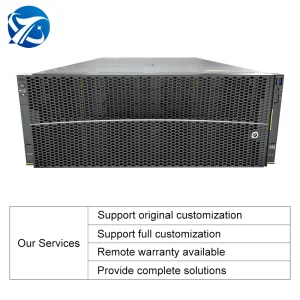

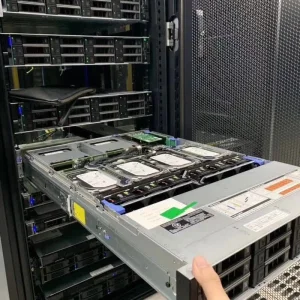
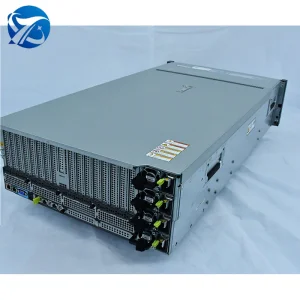
How the shift from DDR4 to DDR5 shapes future high-density cloud networks and computing infrastructures.
The global server landscape is undergoing a massive shift in memory subsystems. While DDR4 RAM remains the workhorse of enterprise IT infrastructures due to its outstanding reliability and lower acquisition costs, next-generation processors like Intel's 4th/5th Gen Xeon Scalable and AMD's EPYC processors require DDR5 memory architectures. This transition is motivated by the need for higher memory bandwidth per core, which is essential to prevent CPU starvation in multi-threaded environments.
For systems deploying advanced databases, virtualized hypervisors, and GPU compute farms, this architectural evolution brings significant challenges. BoltGrid is at the forefront of this transition, engineering memory modules that maximize reliability on existing DDR4 platforms (such as the Dell PowerEdge R740 and xFusion FusionServer V5/V6 lines) while developing next-generation DDR5 configurations to support upcoming server platforms. Our long-term support plans guarantee that whether you are scaling legacy environments or deploying new systems, you will have access to consistent hardware resources.
Our roadmap focuses on lifecycle extension for existing server hardware throughout the CEE region. By offering guaranteed, burn-in tested replacement RAM modules, system operators in Budapest and surrounding areas can easily upgrade system memory, deferring capital expenditures on new servers while maintaining complete system stability.
Everything you need to know about our Server RAM and infrastructure delivery solutions for the Hungarian market.
Partner with BoltGrid for tested, certified, and compliant memory components. Secure your direct pricing quotes and custom configurations today.
Send Inquiry Now