BoltGrid
BoltGrid
BoltGrid
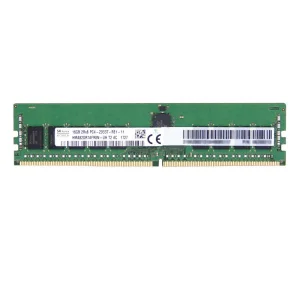
High-reliability double-data-rate synchronous dynamic random-access memory engineered for uninterrupted computational cycles.
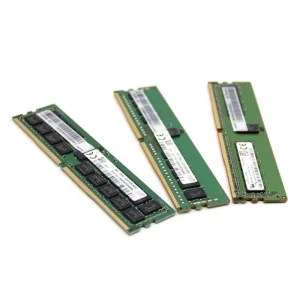
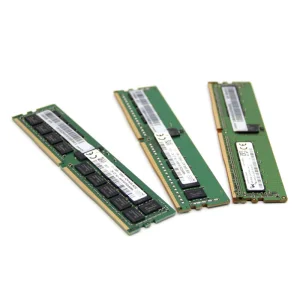
A comprehensive analysis of localized demand drivers, structural server upgrade requirements, and the digital economy roadmap.
As Bangladesh advances rapidly along its strategic path toward the "Smart Bangladesh 2041" framework, the nation's core telecommunications, banking, financial services (BFSI), and enterprise manufacturing sectors are undergoing a massive virtualization shift. Legacy computing arrays no longer suffice. Enterprise workloads—ranging from transactional Core Banking Systems (CBS) to intensive Ready-Made Garments (RMG) global supply chain resource management (ERP) systems—demand unprecedented levels of server reliability, scalability, and bandwidth.
Historically dependent on localized third-party vendors and slow import pipelines for replacement components, Bangladeshi data centers and hosting providers in Dhaka, Chittagong, and Gazipur now demand direct integration with global tier-1 server memory manufacturers. BoltGrid Computing Systems, utilizing advanced semiconductor assembly technologies, addresses this gap by offering high-density, low-latency enterprise-level DDR4 and DDR5 ECC RDIMM memory modules designed to operate reliably under severe temperature fluctuations and power grids common to South Asia.
Major operators like Grameenphone, Robi Axiata, and Banglalink require continuous high-bandwidth server clusters. Our high-frequency (3200MHz - 4800MHz) RAM modules offer the throughput capacity required to process millions of concurrent network calls and microtransactions without cache latency.
With the rise of Mobile Financial Services (MFS) such as bKash, Nagad, and Rocket, memory errors mean lost transactions and compromised data integrity. Multi-rank configurations integrated with advanced Error-Correcting Code (ECC) technology mitigate single-bit and multi-bit faults at the silicon level.
Bangladesh's garment export manufacturing giants rely on real-time inventory systems, automated machinery logs, and global shipping databases. Transitioning local physical servers from consumer-grade unbuffered memory to dual-rank ECC RDIMMs prevents system-wide crashes during peak operational quarters.
Production Facility
R&D Engineers
Annual Export Volume
Expert QA Inspectors
A rigorous engineering comparison outlining the operational paradigms of high-density DRAM architectures in mission-critical environments.
When selecting server RAM memory for systems such as the Dell PowerEdge R760 or high-density FusionServer 2488H V5 AI computing rack units, system administrators must understand physical memory configurations. Registering the data signals via an onboard register buffer (RDIMM) minimizes electrical loads on the memory controller, enabling higher capacities per channel.
| Parameters | DDR4 Enterprise RDIMM (Standard) | DDR5 Enterprise RDIMM (Next-Gen) | Impact on Server Operations |
|---|---|---|---|
| Operating Voltage | 1.2V | 1.1V (on-module PMIC) | Lower power footprint, reduced cooling requirements in warm climates. |
| Maximum Data Rates | Up to 3200 MT/s | Up to 4800 - 6400 MT/s | Critical for high-density virtual machines & heavy database operations. |
| Pin Count & Configuration | 288-Pin layout | 288-Pin (New Pinout Structure) | Architecturally non-backwards compatible; requires mainboard alignment. |
| Error-Correcting Code | Standard Side-band ECC | On-die ECC + Side-band ECC | Unprecedented reliability levels; prevents memory parity execution errors. |
| Density Levels Supported | 8GB, 16GB, 32GB, 64GB | 32GB, 64GB, 128GB, 256GB | Maximizes virtual desktop interfaces (VDI) per single server node. |
Server systems installed in South Asian territories frequently combat high ambient air temperatures and elevated humidity levels, causing hardware components to expand slightly and electrical resistances to fluctuate. Memory modules operating at 1.2V or 1.1V must be engineered with premium PCB layouts (8 to 12-layer designs) to reduce signal crosstalk and preserve signal integrity.
BoltGrid integrates high-grade thermal pads and structural cooling blocks on high-density 32GB and 64GB modules to stabilize DRAM chips during operational loads. By using premium original components (Samsung, SK Hynix, and Micron ICs), BoltGrid modules achieve a mean time between failures (MTBF) rating of over 2.5 million hours under constant high workload states.
How BoltGrid’s automated production lines, rigid quality assurance pipelines, and global distribution logistics minimize deployment cycles.
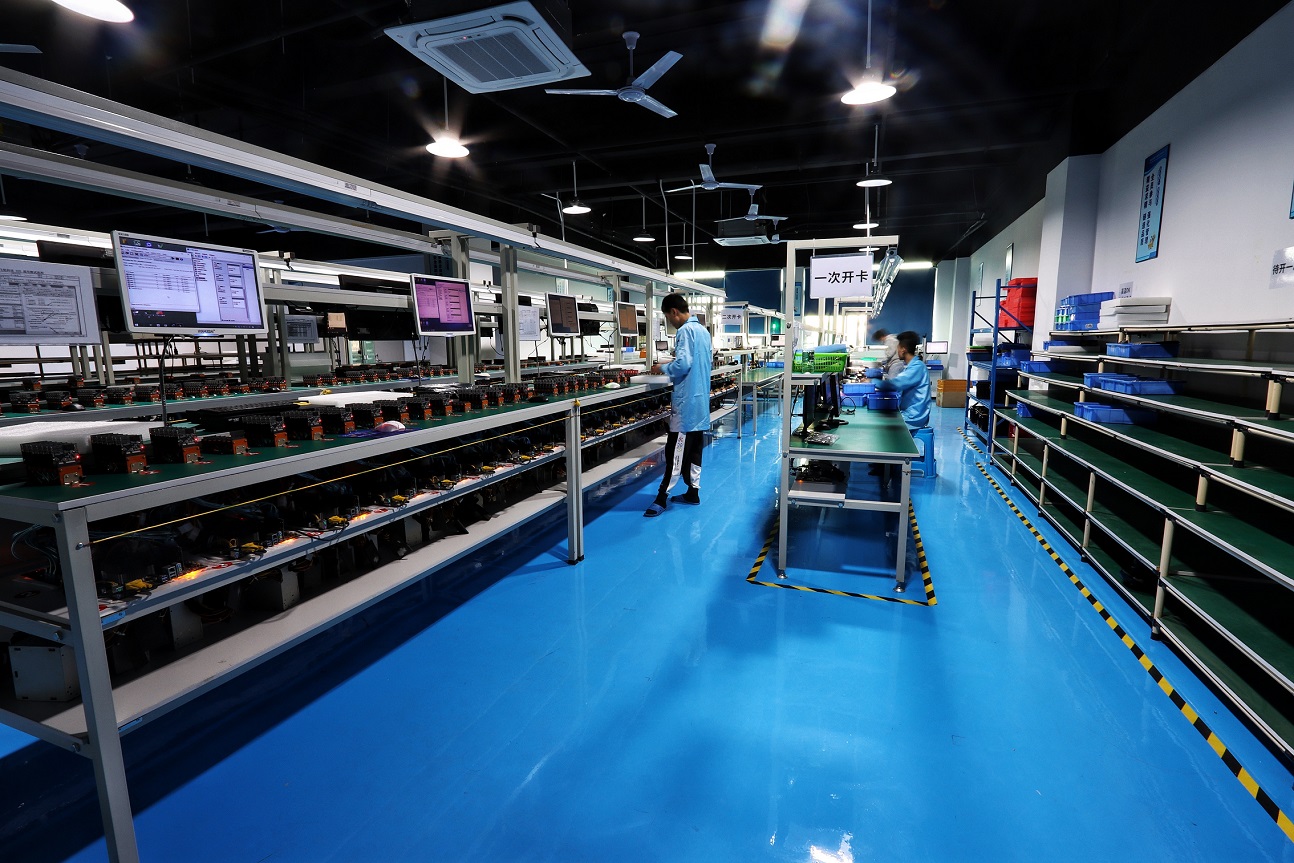
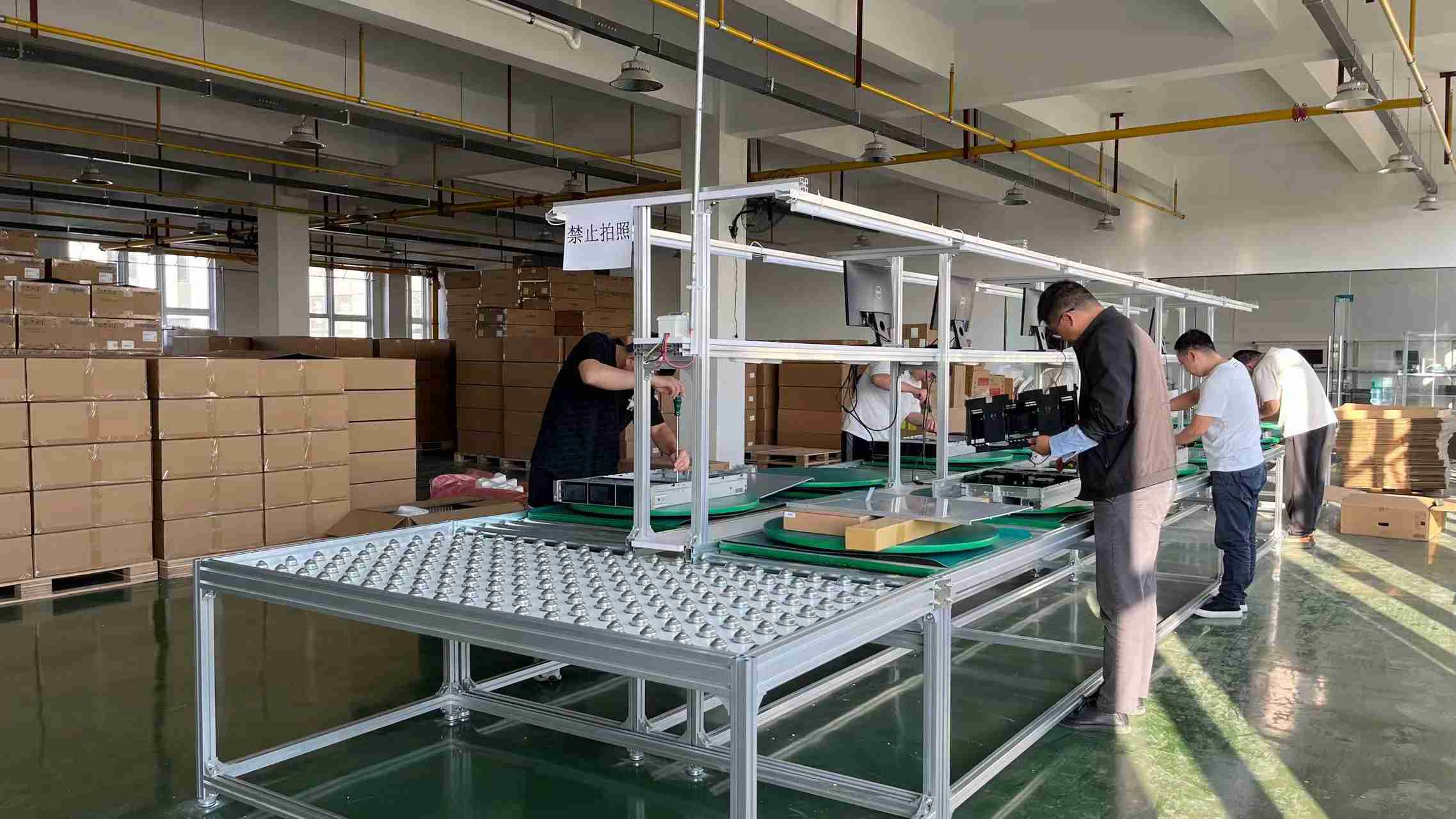
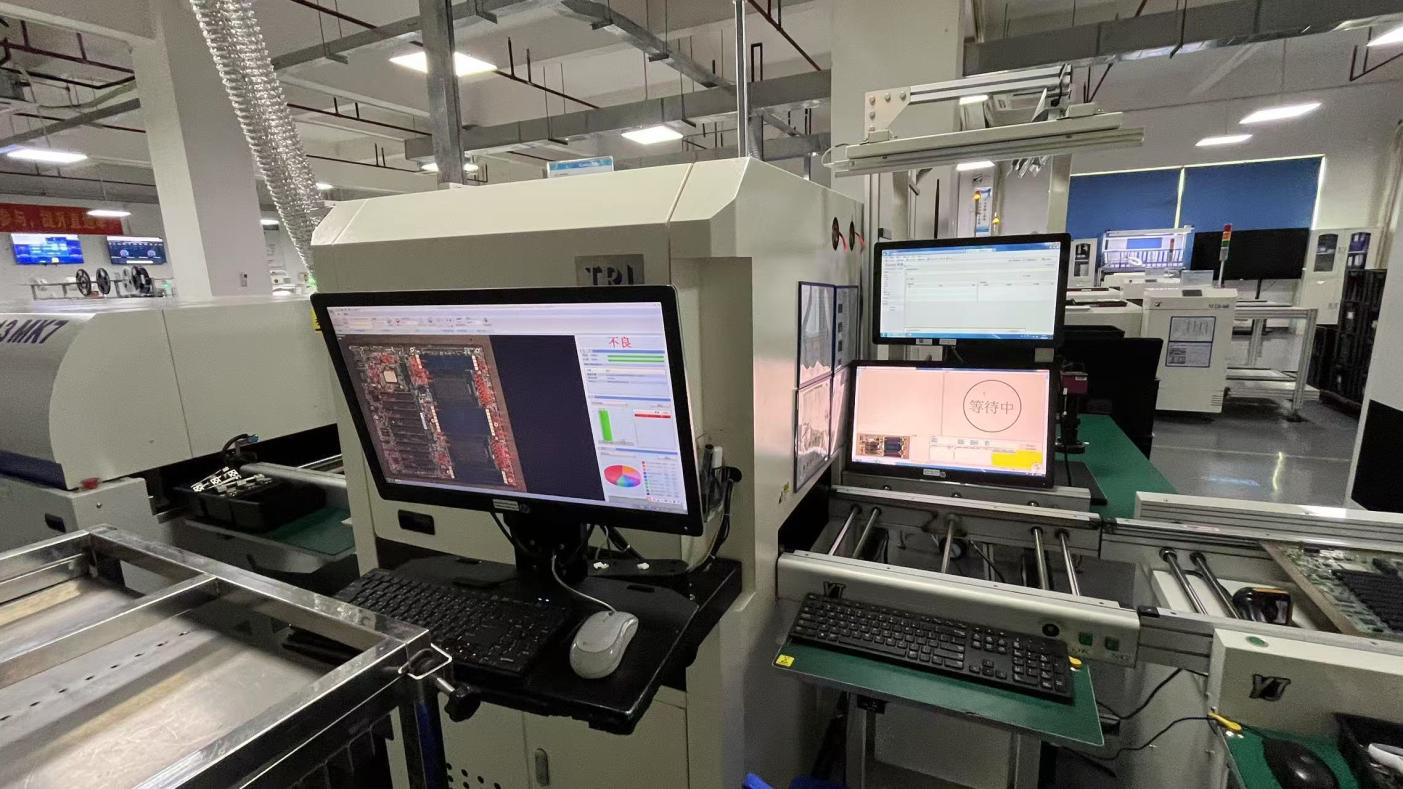
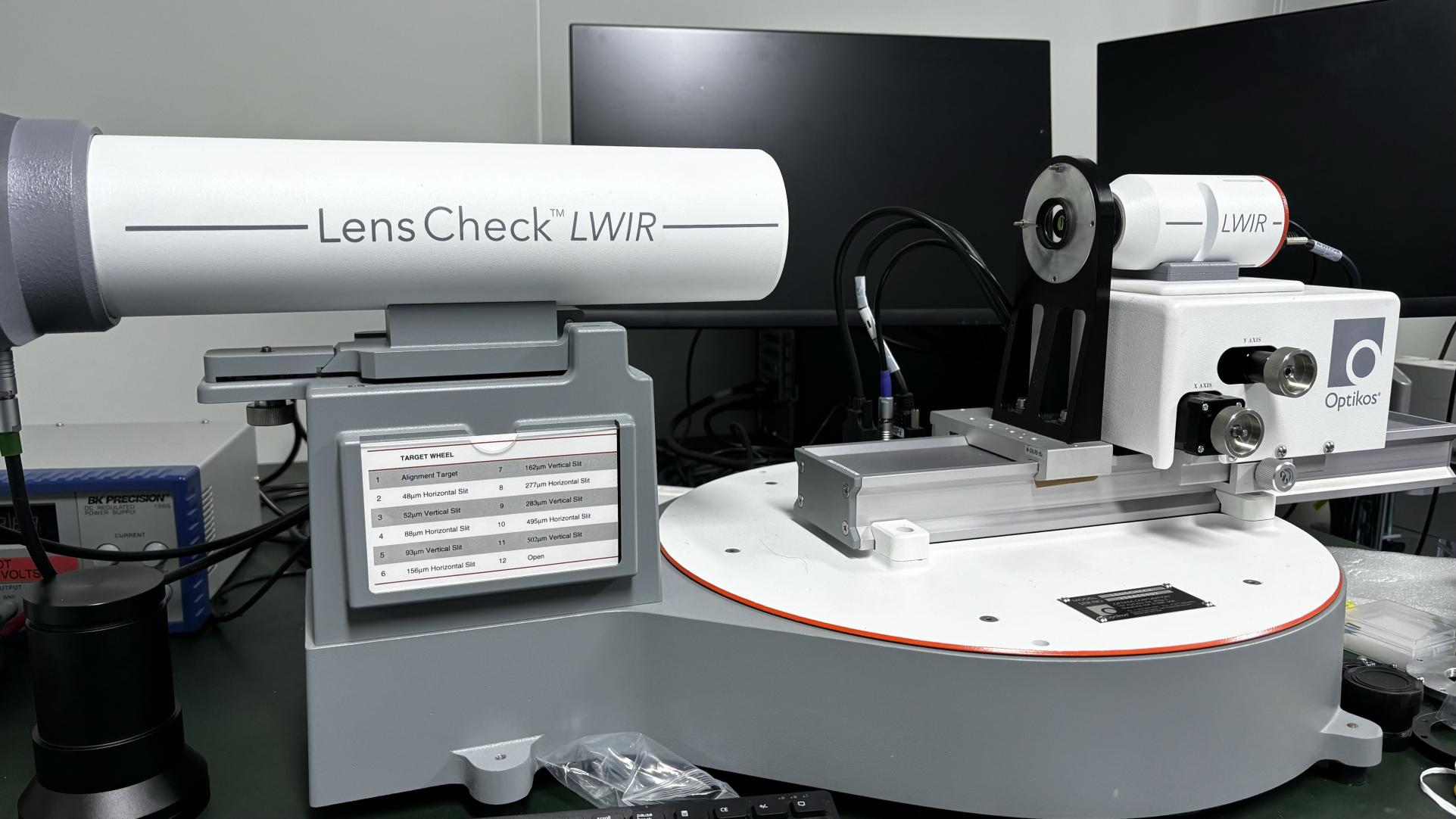
Established in 2016, BoltGrid Computing Systems Co., Ltd. has expanded into a leading manufacturer of high-performance AI GPU servers, network interface equipment, and server memory architectures. Our manufacturing facility spans approximately 18,500 square meters, utilizing cleanrooms, automated SMT lines, and robotic testing units to maintain high manufacturing precision.
By maintaining relationships with over 850 strategic industry partners, BoltGrid secures priority allocations of DRAM wafers and control chips even during global supply shortages. This supply chain resilience enables us to fulfill high-volume OEM/ODM projects for Bangladesh government offices, telecom firms, and corporate structures within 7 to 15 business days.
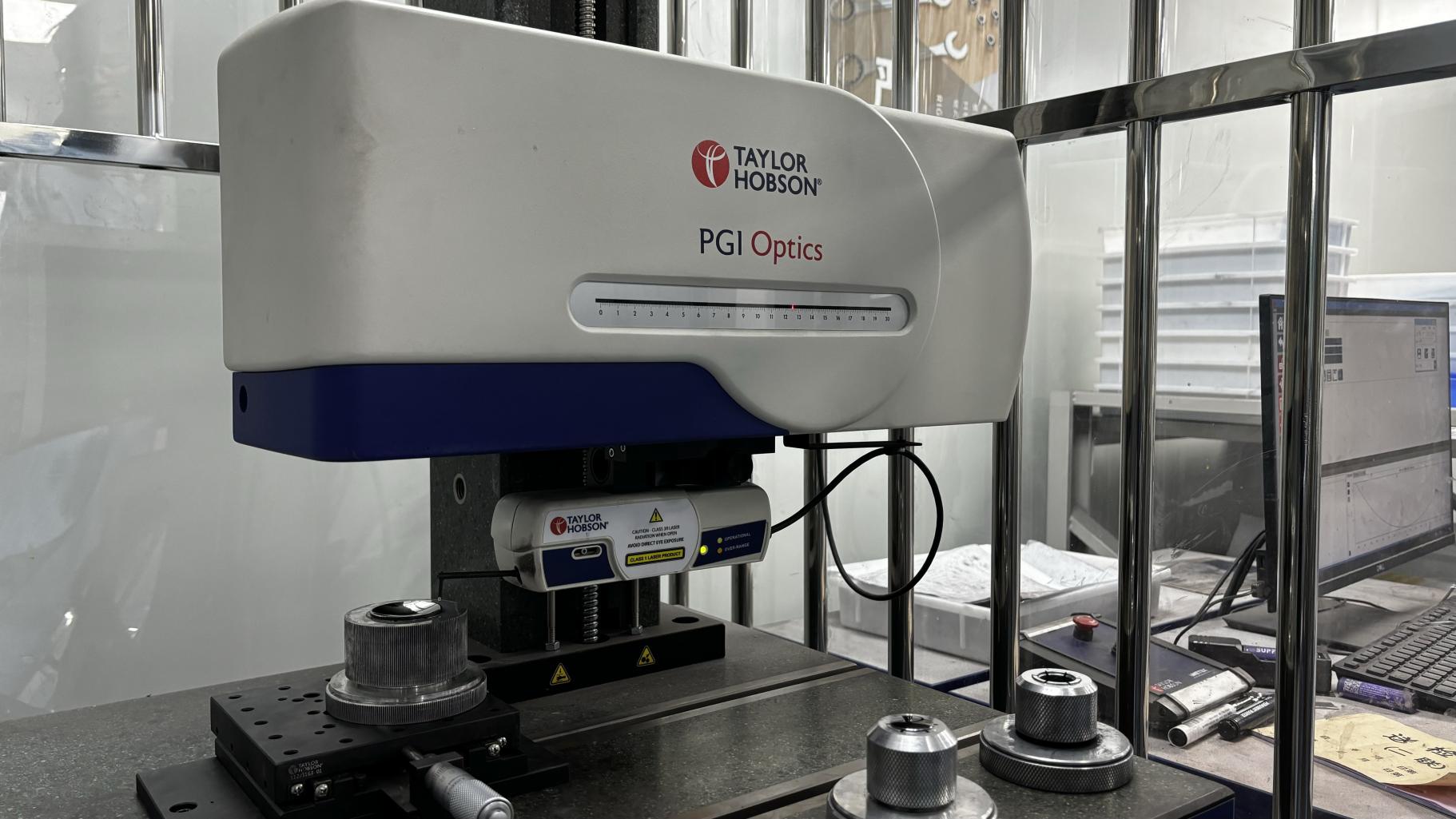
Our testing process includes thermal stress test chambers, heavy load simulators, and system burn-in checks using server hardware configurations like the FusionServer G5500 V6 and Dell PowerEdge R650 systems.
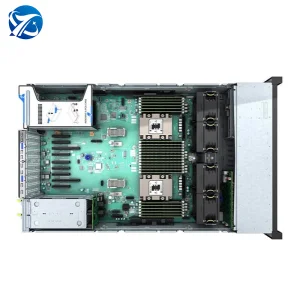
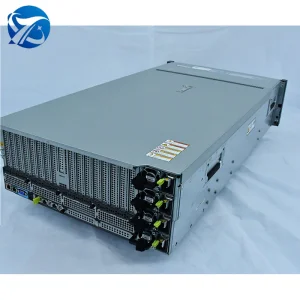
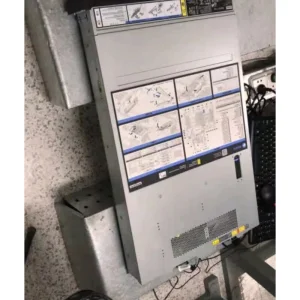
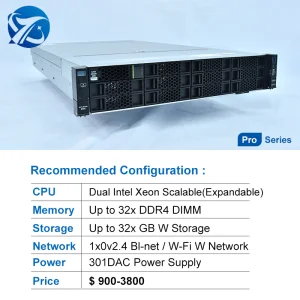
Premium server nodes and components engineered to optimize virtual databases and cloud storage centers across Bangladesh.
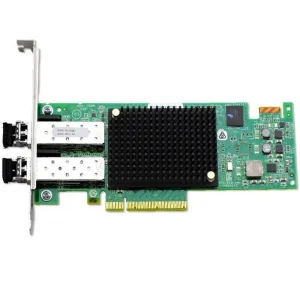
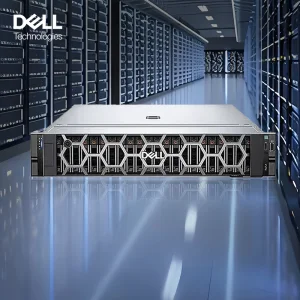
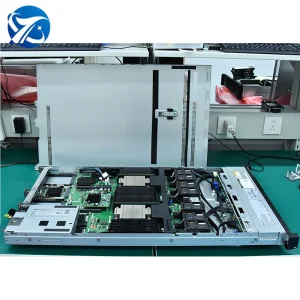
Streamlined importing processes, support documentation, and L/C clearing guidelines for smooth corporate procurement.
Importing high-tech components like server RAM and hardware platforms (such as the DEll PowerEdge R760XD2 or PowerEdge R450) into Bangladesh requires navigating local financial policies and customs guidelines. BoltGrid maintains specialized compliance channels, assisting clients through the issuance of Letters of Credit (L/C) via local commercial banking institutions.
We provide accurate Proforma Invoices (PI), HS Code declarations (typically Chapter 84/85 for memory units), and certificates of origin (CO) to ensure smooth customs processes at Dhaka Air Cargo and Chittagong Port.
Our memory products come with factory warranties. We provide structured hardware replacement policies to minimize operational downtime for local corporate data systems.
We offer specialized memory integration services. BoltGrid tailors RAM configurations to optimize performance for specific platforms, including high-capacity AI nodes like the xFusion 1288H V6 AI servers.
Essential advice for server memory upgrades, importing, and system integration within Bangladesh.
A look inside our 18,500㎡ facility, showcasing automated assembly lines, testing chambers, and warehousing areas.