BoltGrid
BoltGrid
BoltGrid
Engineered for high performance, thermal durability in desert climates, and error-correcting stability. Designed for enterprise servers, telecom networks, and localized data operations.
As Iraq continues its digital transformation across government, telecommunications, banking, and industrial sectors, the demand for robust data center architecture is expanding rapidly. Leading hubs in Baghdad, Basra, and Erbil are transitioning from legacy setups to cloud-native platforms, AI-ready compute nodes, and massive oil & gas database centers. This architectural evolution places extreme pressure on memory infrastructure.
To prevent data loss and system corruption during power fluctuations—a common operating condition in regional power grids—ECC (Error-Correcting Code) server RAM is critical. Regional telecom giants (such as Zain, Asiacell, and Korek) require persistent 24/7 uptime for their core switching centers, demanding memory modules that offer high Mean Time Between Failures (MTBF) and dynamic thermal profiles designed to handle ambient heat loads.
Climate factors inside Iraqi server rooms, particularly in oil-rich regions like Basra, represent a major operational hazard. Peak summer temperatures regularly exceed 50°C, increasing the thermal stress on silicon hardware. If server memory lacks appropriate heat sinks, high-quality components, and robust thermal PCB design, latency spikes and bit-flipping failures will occur.
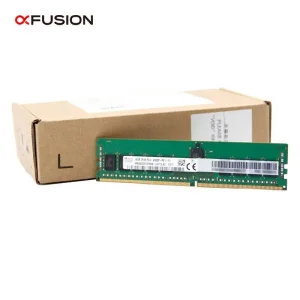
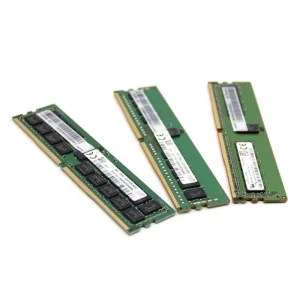
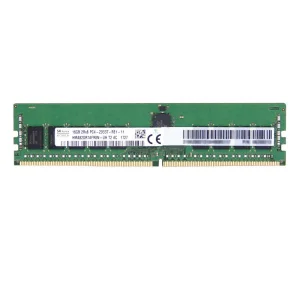
Our memory modules incorporate 288-pin dual in-line architecture, running at 1.2V for DDR4, ensuring optimized power draw and minimized heat generation. The advanced design supports dual-rank arrays that dissipate heat evenly, safeguarding continuous operational reliability even in facilities relying on backup power generators.
Providing global AI GPU servers, network hardware, and enterprise memory components to digital giants in the Middle East and beyond.
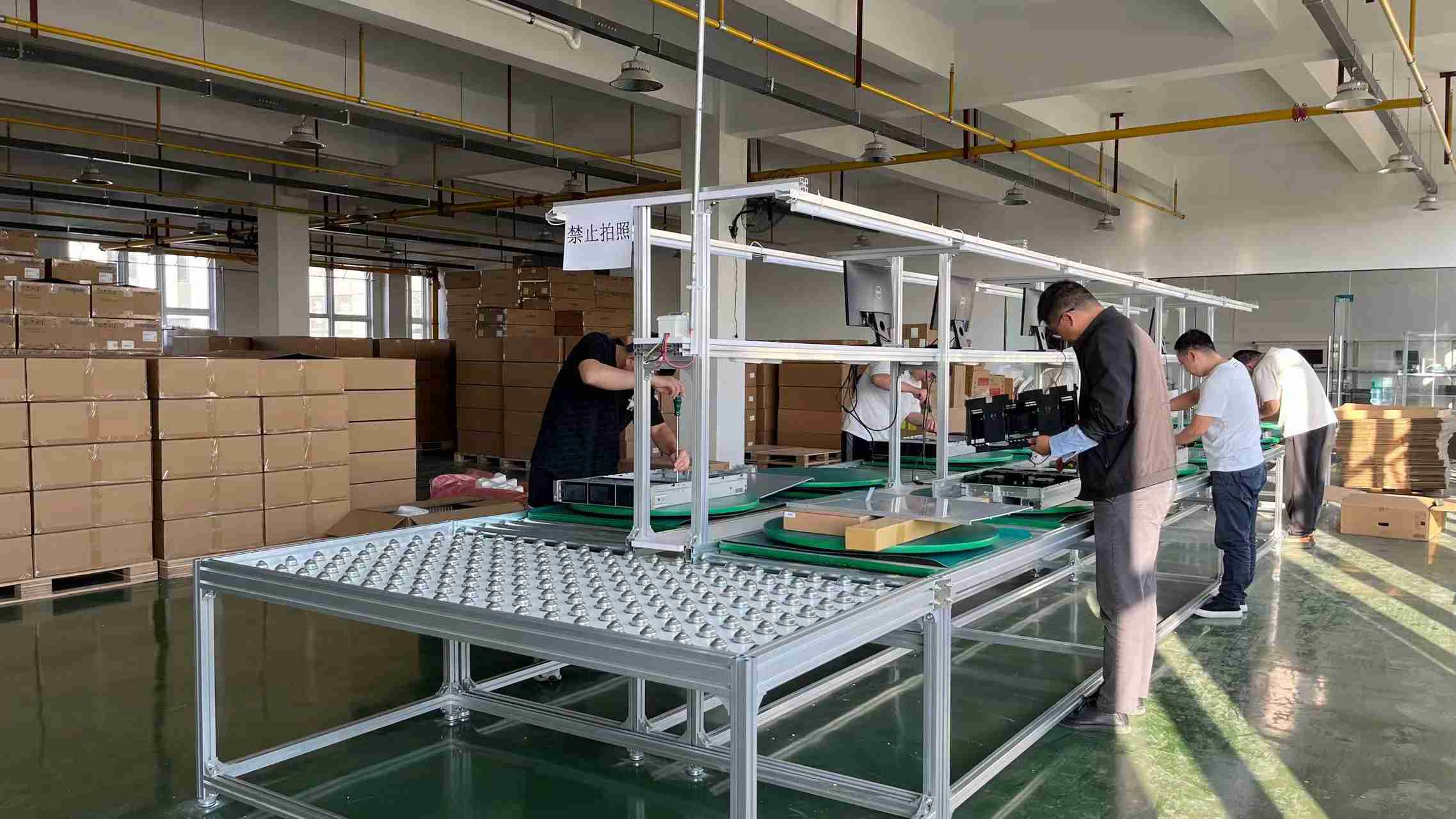
BoltGrid Computing Systems Co., Ltd. is a professional AI GPU server and enterprise component manufacturer specializing in high-performance computing infrastructure, GPU cluster systems, and AI data center solutions. Established in 2016, we have developed strong capabilities in design, manufacturing, and global supply of advanced computing hardware.
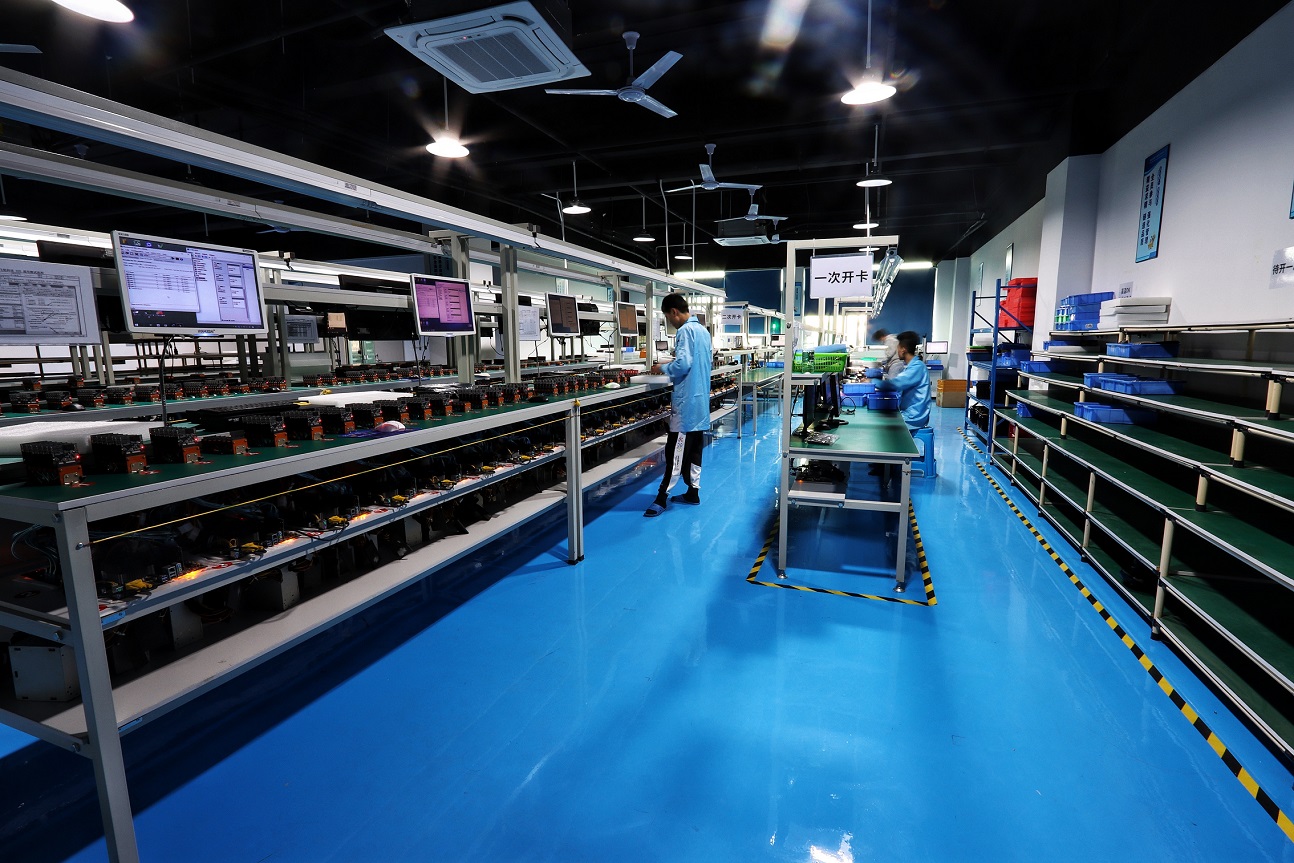
Operating a modern production facility covering approximately 18,500㎡, BoltGrid supports large-scale assembly, testing, and system integration. With annual export revenue reaching around USD 18 million, BoltGrid has built stable international trade experience over 7 years, serving customers across North America, Europe, Southeast Asia, and the Middle East, including localized solutions for the Iraqi market.
Our supply chain ecosystem includes over 850 strategic partners, enabling efficient sourcing of high-quality components such as GPUs, server chassis, power systems, and high-performance server RAM. Backed by 12 years of industry experience, we offer deep expertise in configuring reliable hardware systems.
Our QA framework relies on 45 expert inspectors who implement advanced testing methodologies:

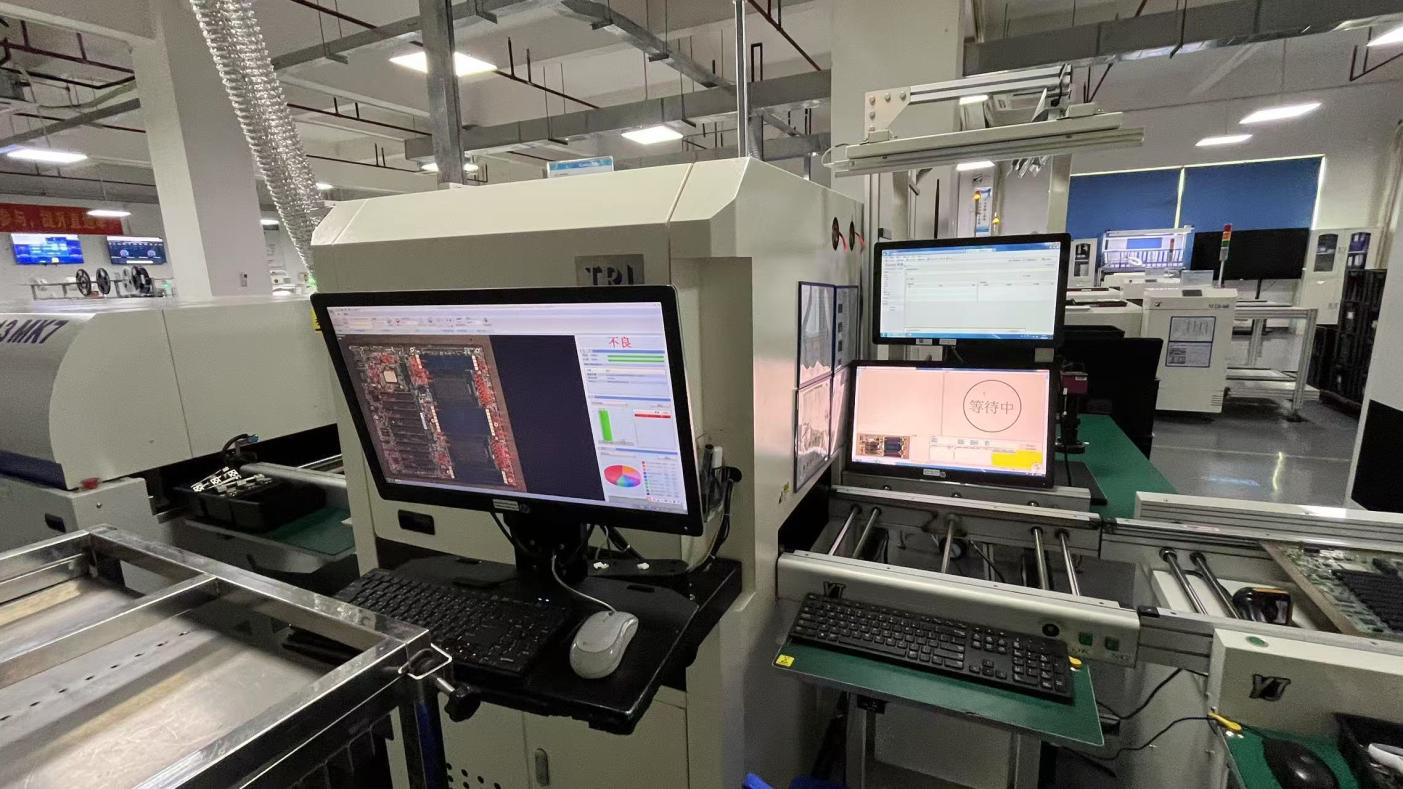

Direct supply paths, customizable configurations, and rigorous testing protocols built to ensure operational continuity.
By bypassing third-party vendors and agents, we supply enterprise-grade memory and AI system configurations direct from our assembly lines to Baghdad, Basra, and Erbil, significantly lowering procurement costs.
We tailor configurations for specific server environments, covering DRAM IC brand choice (Samsung, SK Hynix, Micron), heat spreader thickness, and specific frequency profiles optimized for local workloads.
Leveraging direct air freight to Baghdad (BGW) and Erbil (EBL), alongside sea freight routes via Basra (Umm Qasr Port), we ensure robust protective packaging to prevent moisture and electrostatic damage during transport.
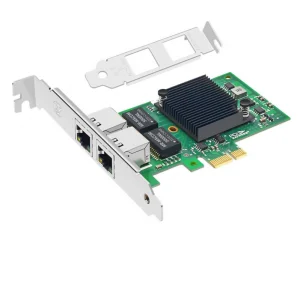
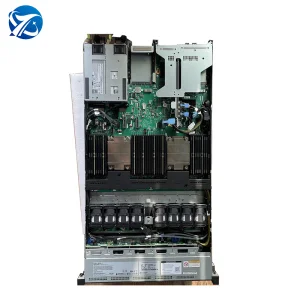
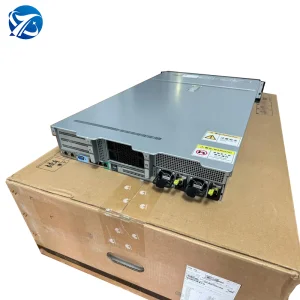
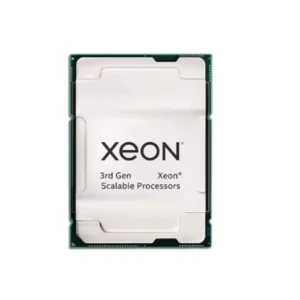
Explore our industrial network systems, GPU clusters, and high-performance server processors customized for Iraqi network deployments.
When engineering memory configurations for modern cloud platforms, selecting between Registered DIMMs (RDIMM) and Load-Reduced DIMMs (LRDIMM) is critical for system optimization. RDIMMs utilize a hardware register that buffers address and command signals. This design lowers electrical loads on the memory controller, enabling stable operations with higher capacity configurations.
For standard high-performance databases, DDR4 RDIMMs (16GB, 32GB, and 64GB) running at 3200MHz deliver an ideal balance of latency and data throughput. In scenarios requiring extremely high density per slot (such as massive AI model training or virtualization hosts), LRDIMMs buffer data signals in addition to control signals, enabling larger memory footprints at the cost of slight latency additions.
Single-bit errors caused by ambient background radiation, electrical fluctuations, or electromagnetic interference can disrupt system stability, causing crashes or silent data corruption. In financial banking sectors or oil refinery control grids, system failures are highly critical issues.
Our ECC-enabled server RAM detects and corrects single-bit errors automatically. The system monitors operations and reports double-bit faults to the OS, ensuring the server runs smoothly without unannounced crashes. The 1.2V low-voltage operations reduce thermal footprints, facilitating stable performance in hot running conditions.
Technical guidance, compatibility queries, and purchasing logistics for server RAM and systems in Iraq.