BoltGrid
BoltGrid
BoltGrid
High-performance network switches and scalable server clusters engineered for immediate export to Vietnam's rapidly expanding tech sectors.
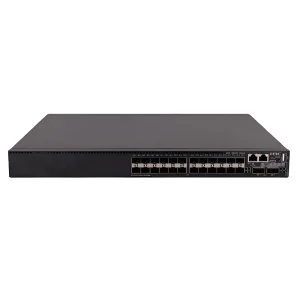
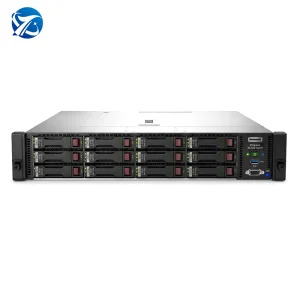
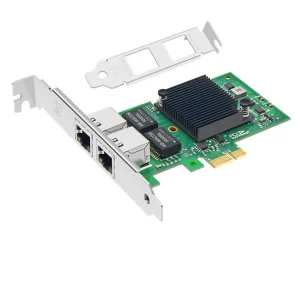
Analyzing local infrastructure demands, digital shifts, and the integration of robust L2/L3 hardware switches.
Ho Chi Minh City (HCMC) has rapidly established itself as the technological and financial locomotive of Vietnam, driving the nation’s Digital Transformation Plan towards 2030. Key industrial zones like Saigon Hi-Tech Park (SHTP), Tan Thuan Export Processing Zone, and regional industrial parks in Binh Duong and Dong Nai have evolved into high-density clusters for semiconductor fabrication, consumer electronics manufacturing, and global cloud database hubs. This concentration of technology-centric operations has driven an unprecedented surge in demand for commercial-grade and industrial-grade networking hardware, primarily Managed Ethernet Switches and Layer 3 Core Routing platforms.
Modern enterprises operating within HCMC require robust networking architectures to support large-scale industrial IoT (IIoT), automated warehousing, and multi-tenant cloud operations. For multinational manufacturers exporting from HCMC ports, network switches are not merely utility devices; they represent the structural backbone of their enterprise resource planning (ERP) systems, product lifecycle management (PLM) systems, and real-time assembly line telemetry. Transitioning from legacy Layer 2 topologies to flexible, Software-Defined Networking (SDN) environments has become the standard operational baseline for organizations seeking to eliminate bottlenecks and optimize packet processing rates.
We supply high-reliability managed switches featuring low-latency backplane designs, ideally suited for cleanroom fabs and multi-sensor industrial monitoring systems.
Our solutions align with global compliance requirements (CE, FCC, RoHS) and meet Vietnam’s strict TCVN networking hardware import criteria.
Support for MSTP, ERPS ring topology, and VRRP ensures 99.999% uptime, even during power instability or physical cable disruptions in tropical manufacturing zones.
How local HCMC system integrators and global enterprises are designing modern high-throughput architectures.
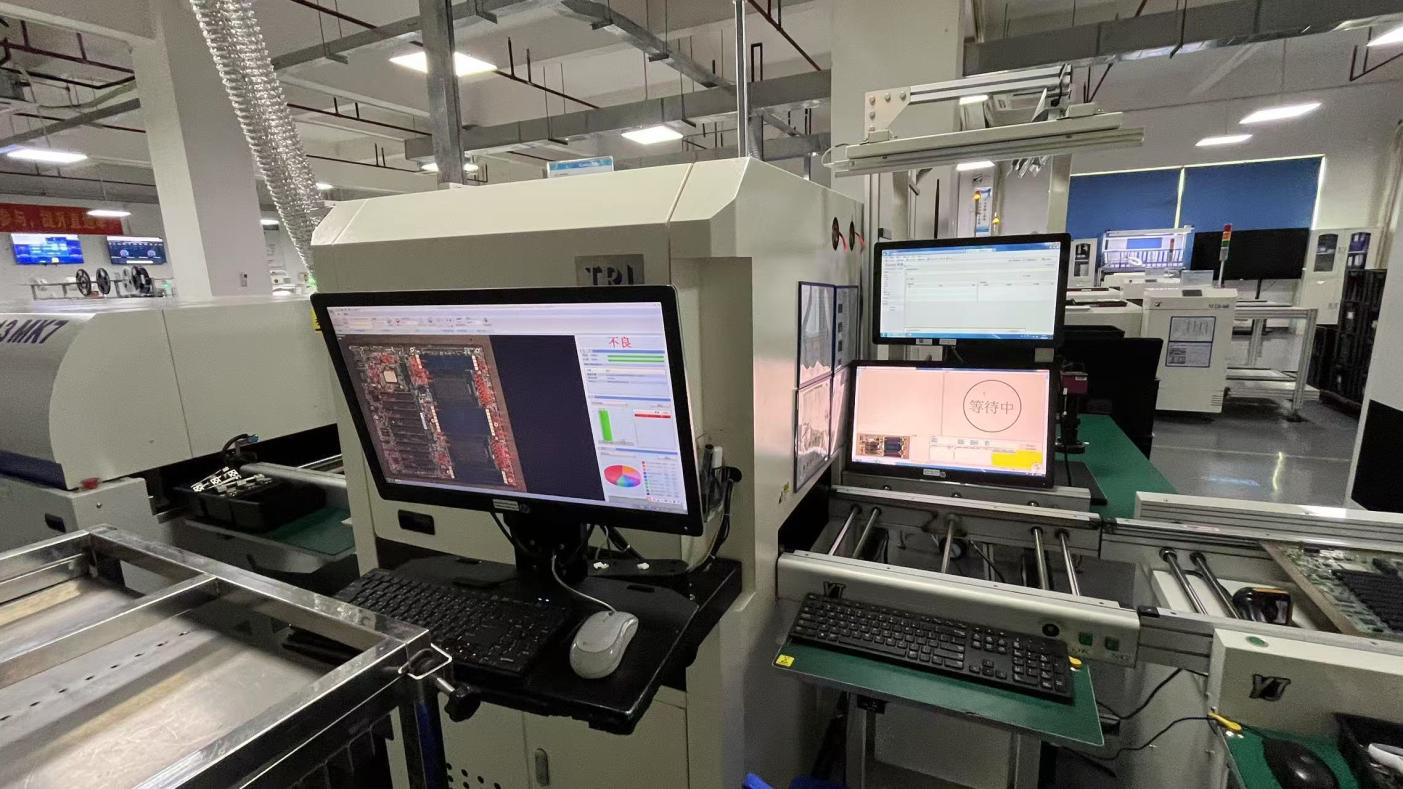
In response to the rapid rise of IoT devices and edge analytics, networks in Ho Chi Minh City are undergoing a fundamental shift. Legacy Fast Ethernet and Standard 1G switches are being replaced by high-capacity 10G, 40G, and 100G switching fabrics. This evolution is vital for local manufacturing facilities that deploy high-definition optical inspection systems (AOI) on their production lines. These systems generate massive streams of image data that must be routed instantly to local AI inspection servers without causing network congestion.
Concurrently, the growth of localized cloud datacenters in Vietnam has driven demand for spine-and-leaf architectures. In these environments, core switches must handle massive horizontal (east-west) traffic patterns. By decoupling the control plane from the data plane, network administrators can dynamically allocate bandwidth across server racks, ensuring that web services, enterprise databases, and virtualized workloads maintain peak performance under load spike conditions.
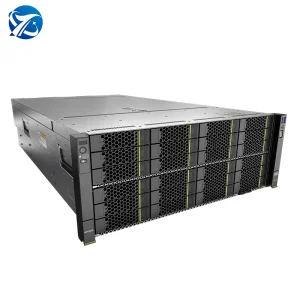
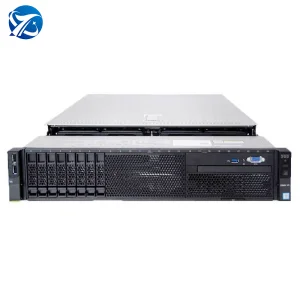
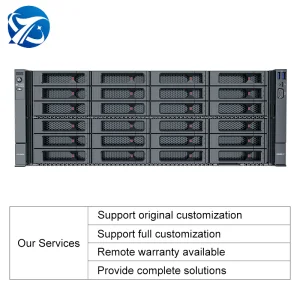
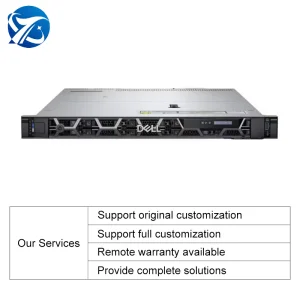
Enterprise-class components and multi-socket servers matching the network throughput of high-density L3 switches.
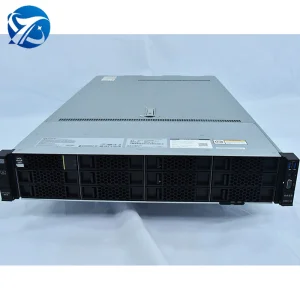
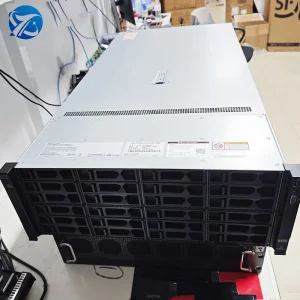
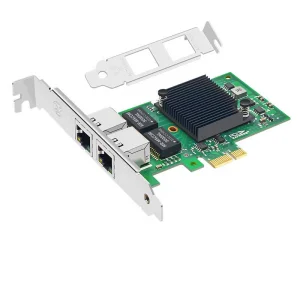
How our global supply model solves the logistical, environmental, and regulatory challenges of importing networking hardware into Vietnam.
Deploying networking equipment in tropical regions like Southern Vietnam requires careful planning. High relative humidity and temperature fluctuations can cause standard consumer-grade components to deteriorate rapidly. Our exported network switches feature anti-corrosion PCB coatings, dust-resistant chassis designs, and optimized cooling pathways to prevent thermal throttling. This design ensures that core networking hardware can run reliably in non-climate-controlled factory offices or edge cabinets throughout HCMC's logistics hubs.
In addition to hardware durability, navigating import regulations and compliance is critical for successful deployment. Importing networking and cryptographic hardware into Vietnam requires compliance with strict Ministry of Information and Communications (MIC) standards. We work closely with local system integrators to provide detailed documentation, including testing reports, certificate declarations, and customs declarations. This proactive support streamlines the import process, helping HCMC projects stay on schedule and avoid costly administrative delays at the border.
Engineered to handle hot, humid climates with dual redundant hot-swappable fans, intelligent speed controllers, and efficient chassis airflow layouts.
Support for advanced cybersecurity standards, including SSHv2, SSL, 802.1X Access Control, and DHCP Snooping to prevent unauthorized network entry.
Our switches integrate smoothly with existing equipment, supporting standard protocols like IEEE 802.3ad LACP, LLDP, and OpenFlow for dynamic SDN environments.
Delivering world-class compute power, scalable GPU clusters, and reliable networking hardware since 2016.
BoltGrid Computing Systems Co., Ltd. is a professional AI GPU server manufacturer specializing in high-performance computing infrastructure, GPU cluster systems, and AI data center solutions. Established in 2016, the company has developed strong capabilities in design, manufacturing, and global supply of advanced computing hardware. With 12 years of overall industry experience, we bring deep technical expertise to customers worldwide.
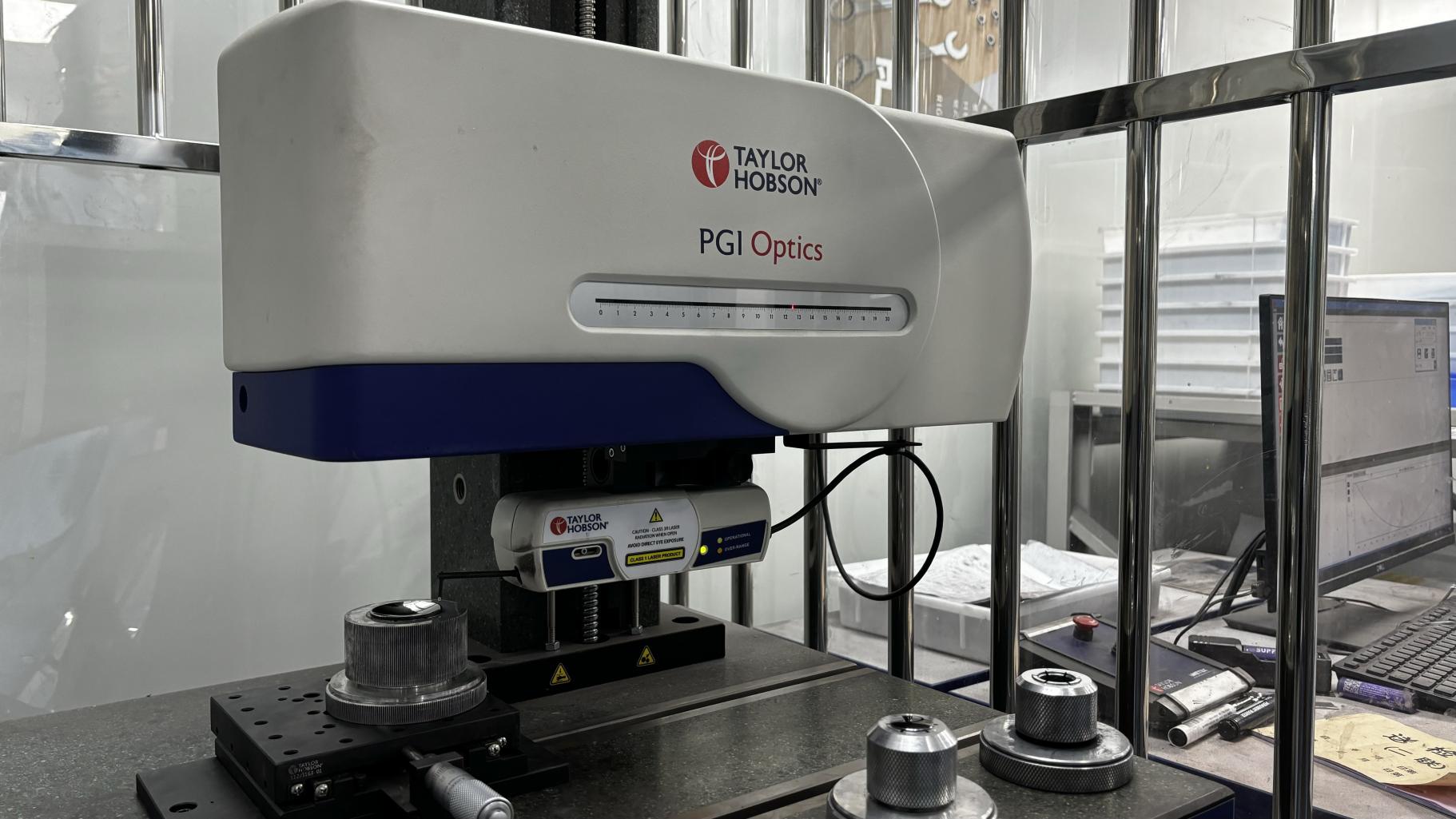
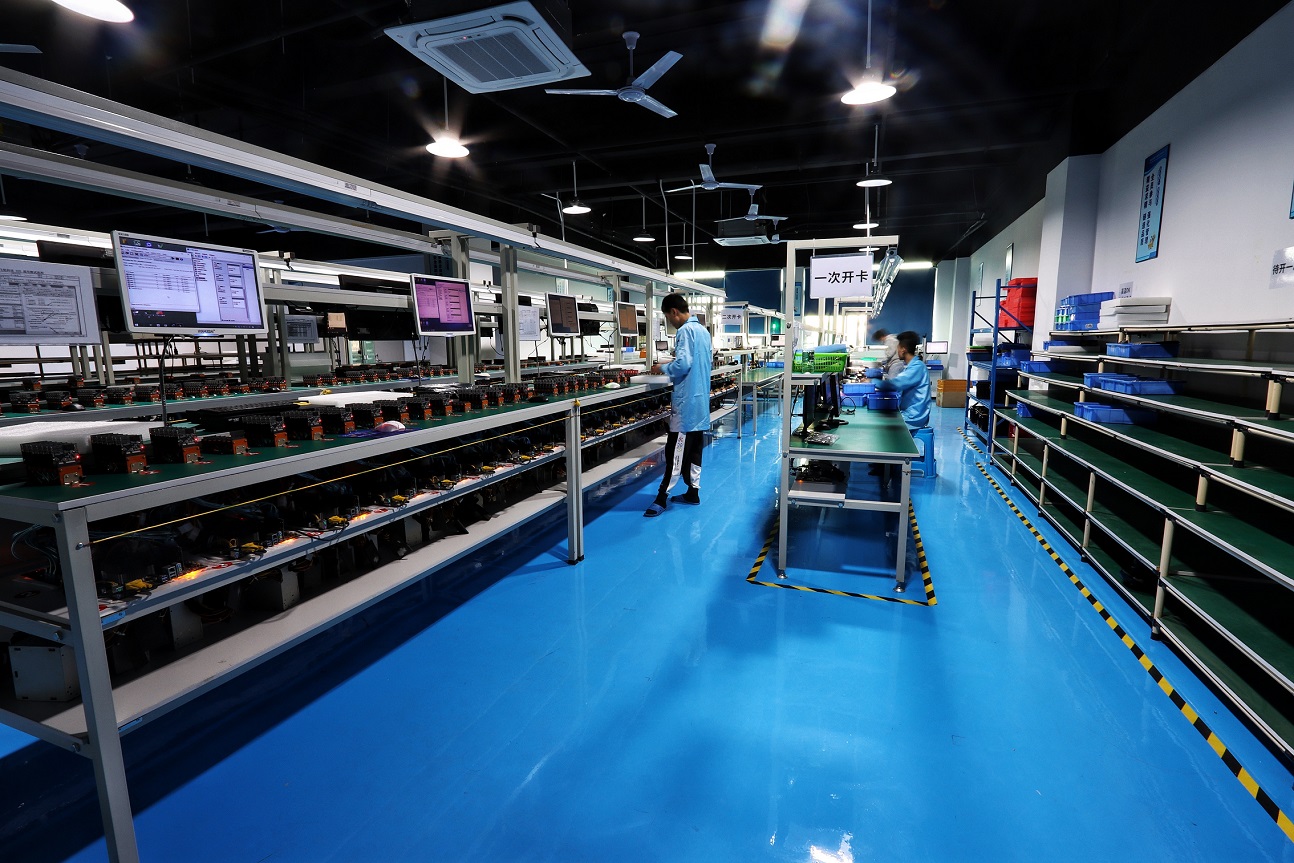
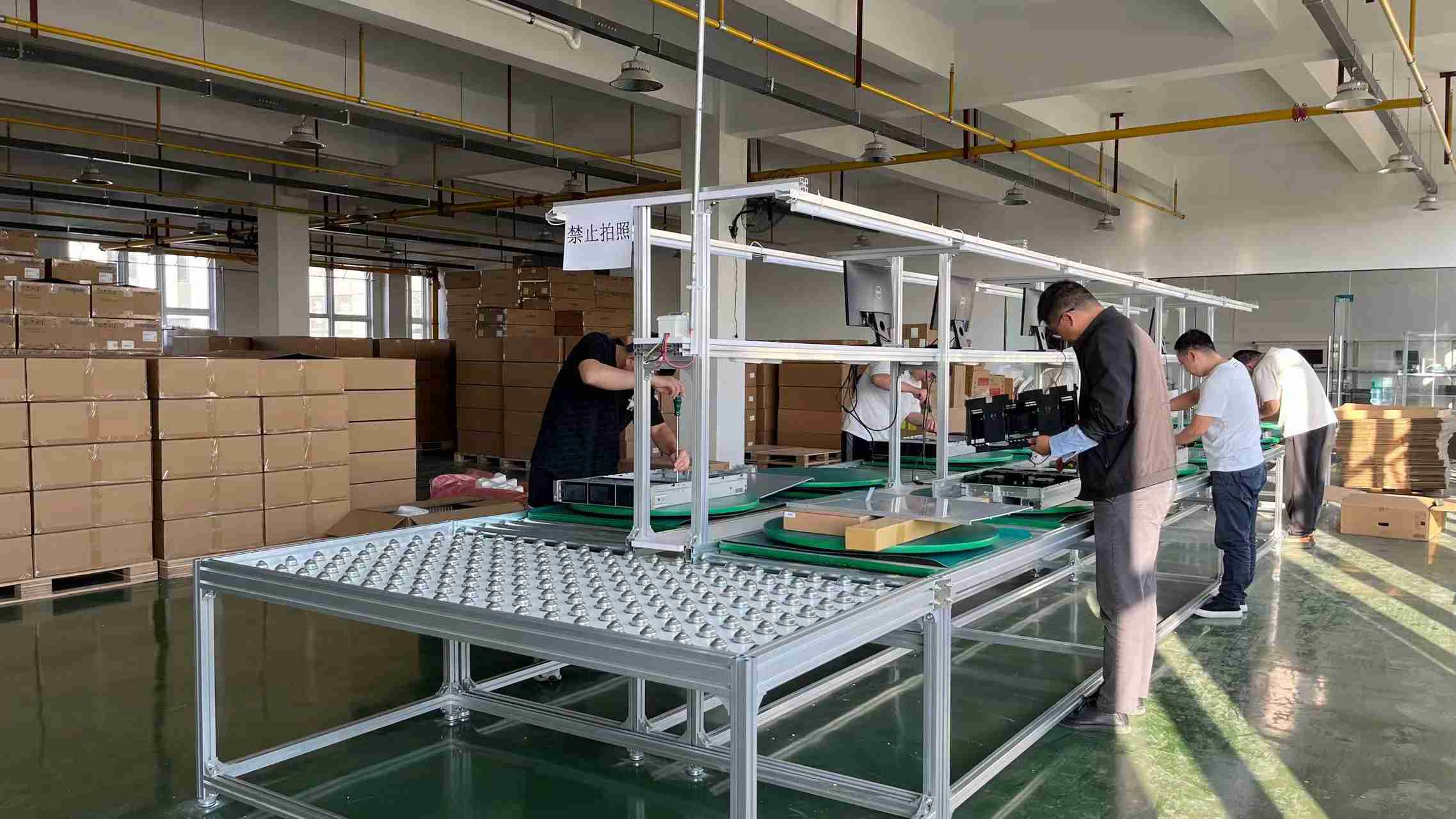
Our modern production facility covers approximately 18,500㎡, supporting large-scale assembly, testing, and system integration for high-density servers and network equipment. Our rigorous quality control program features a team of 45 inspectors who conduct thermal performance testing, stress load simulation, and full-system burn-in testing to ensure reliable operation under demanding workloads.
Backed by a robust supply chain ecosystem of over 850 strategic partners, BoltGrid sources high-quality components, including GPUs, server chassis, power systems, and advanced cooling solutions. We serve a diverse global client base, including AI cloud service providers, datacenter operators, research institutions, and enterprise IT integrators across North America, Europe, Southeast Asia, and the Middle East.
The future of network switches in smart factories, high-speed optical links, and automated network management.
As industrial centers in Ho Chi Minh City transition to high-automation Smart Factories, network switches must adapt to new, demanding requirements. The integration of 5G private networks with wired Ethernet backbones requires switches that support Time-Sensitive Networking (TSN). TSN allows switches to prioritize critical control traffic, enabling real-time robotics and automated guided vehicles (AGVs) to operate without interference from standard data traffic.
At the same time, the transition to Silicon Photonics is reshaping datacenters. By using optical connections inside the switch chassis, newer designs reduce both power consumption and latency. We align our hardware roadmap with these innovations, offering switches and servers with high-speed ports (SFP28, QSFP28) and liquid-cooling compatibility. This configuration supports high data throughput while maintaining a sustainable, energy-efficient operations footprint.
Quality of Service (QoS) engines dynamically allocate bandwidth, prioritizing latency-critical applications like voice, video, and industrial control loops.
Access Control Lists (ACLs) dynamically block malicious traffic patterns, protecting local enterprise networks from unauthorized access.
IGMP Snooping manages multicast streams, delivering data only to requested ports to optimize bandwidth across the local network.
Addressing technical, logistical, and architectural questions from local CTOs and infrastructure planners.
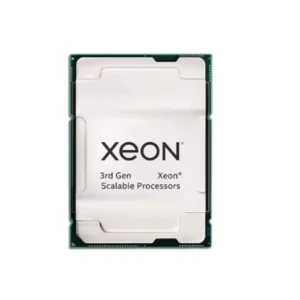
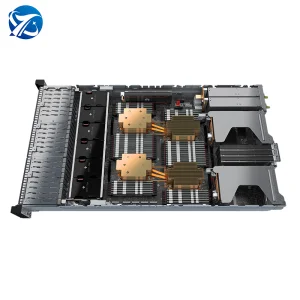
High-capacity processing nodes, dynamic compute systems, and interface components optimized for immediate shipment to HCMC.