BoltGrid
BoltGrid
BoltGrid
High-throughput switches and AI computing clusters certified and optimized for Brazilian enterprise environments and data centers.

As Latin America’s largest economy, Brazil is experiencing a monumental transformation in its digital ecosystem. Guided by national digitization initiatives and driven by massive investments in 5G, cloud services, and AI technologies, companies from São Paulo to Manaus are modernizing their networks. However, provisioning highly reliable enterprise networking hardware requires navigating unique regional complexities, such as local tax regulations (e.g., ICMS, IPI, PIS, COFINS), ANATEL compliance, and the environmental challenge of operating high-power equipment in tropical climates.
BoltGrid Computing Systems Co., Ltd. addresses these specific bottlenecks by serving as a dedicated network switch supplier and exporter tailored to the Brazilian market. We optimize local transport and custom clearance procedures, helping clients from local telecom operators to financial hubs in Campinas deploy robust networks without the typical delays associated with South American imports.
"To scale digital operations in Brazil, enterprises must deploy backbone switches capable of managing huge telemetry loads while resisting fluctuating local power grids and elevated humidity levels."
Exploring the convergence of global networking breakthroughs with South American operational realities.
Globally, the explosive growth of Generative AI, Large Language Models (LLMs), and cloud virtualization is putting unprecedented demands on network fabrics. High-performance computing (HPC) nodes must communicate with minimal latency, driving a transition from traditional TCP/IP stacks to **RDMA over Converged Ethernet (RoCE v2)**. This requires non-blocking Layer 3 switches with high packet forwarding rates and intelligent traffic management protocols to prevent packet loss. Without a robust switching layer, expensive GPU nodes will stall, causing computing bottlenecks.
Furthermore, energy efficiency is now a primary KPI. Modern network switch manufacturers are incorporating energy-efficient silicon, smart fan speed controls, and optimized airflow dynamics to align with international zero-emission targets.
In Brazil, the adoption profile is unique. While major financial centers like B3 in São Paulo require sub-microsecond latency, industries like mining in Minas Gerais and large-scale agriculture in Mato Grosso require networks with extreme mechanical durability, dust-resistant ingress protection, and reliable remote management capabilities.
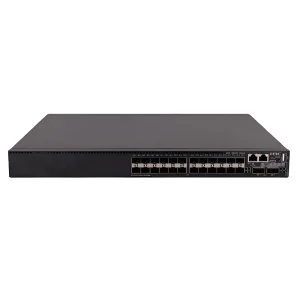
In these setups, optical transmission technology is key. Fiber backbones deployed along extensive rail and electric corridors require flexible optical transceiver support (SFP+, QSFP28, QSFP-DD) to maintain signal integrity over long distances. High-layer core switches with physical expansion modules, such as the H3C S6520X-30QC-EI, enable operators to scale infrastructure from 10G to 40G seamlessly, protecting existing investments from premature obsolescence.
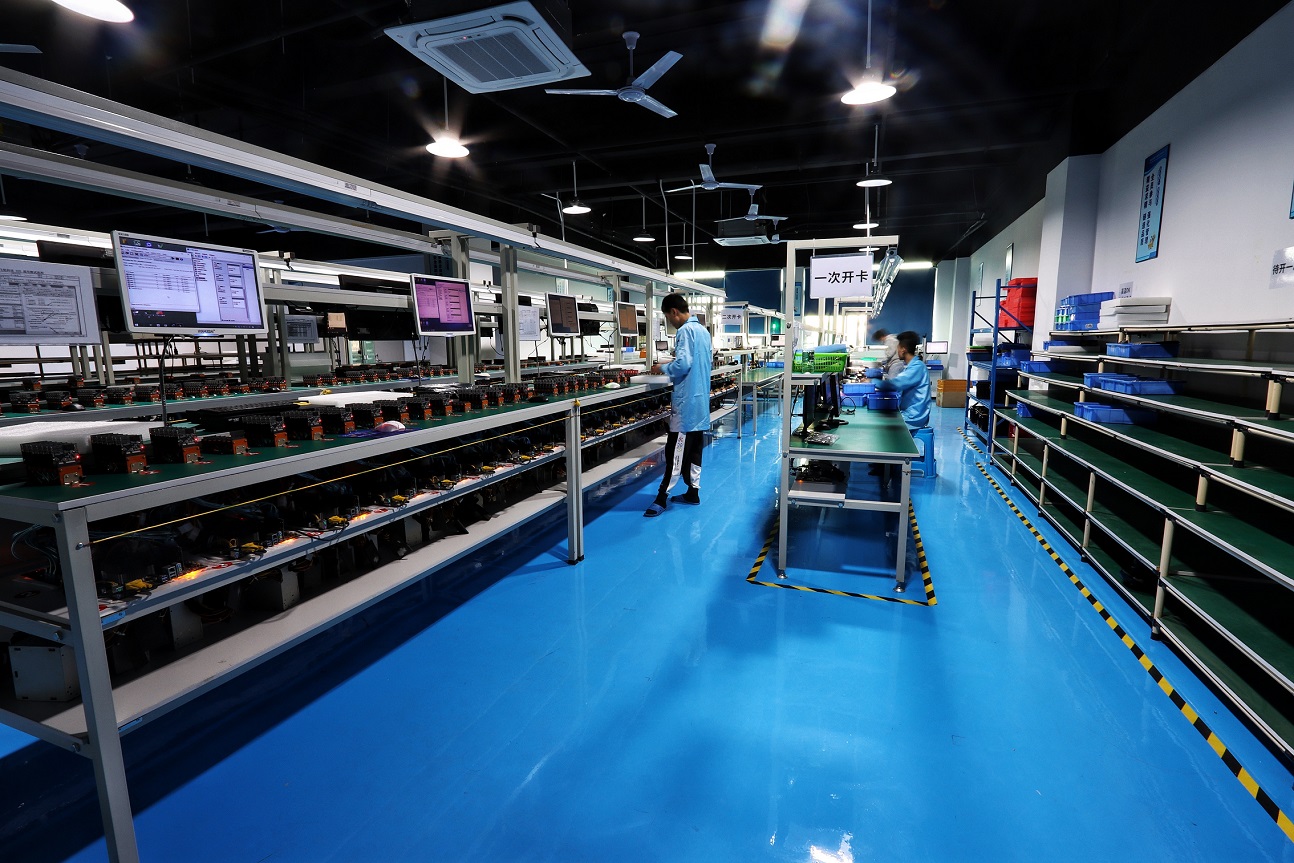
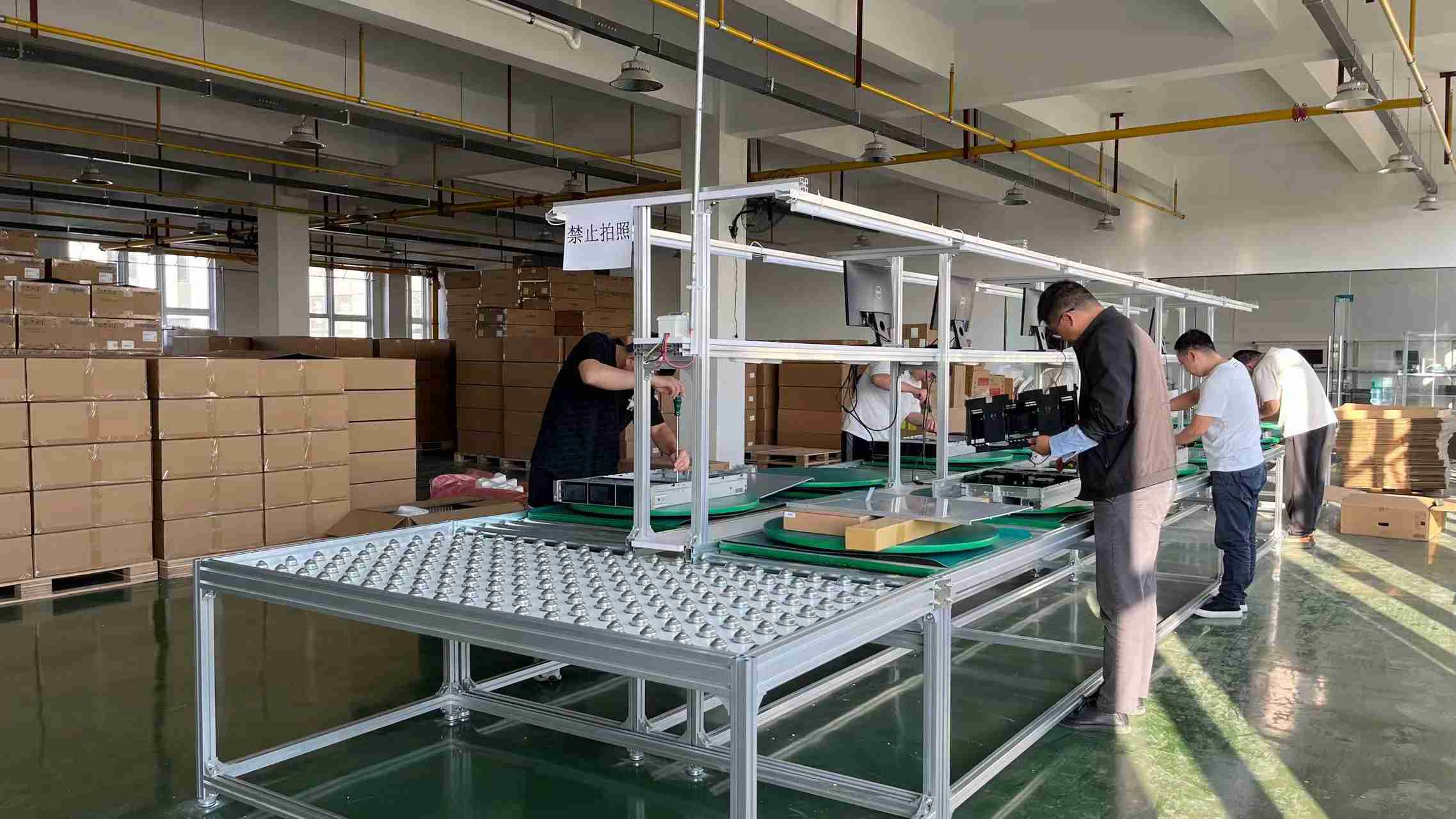
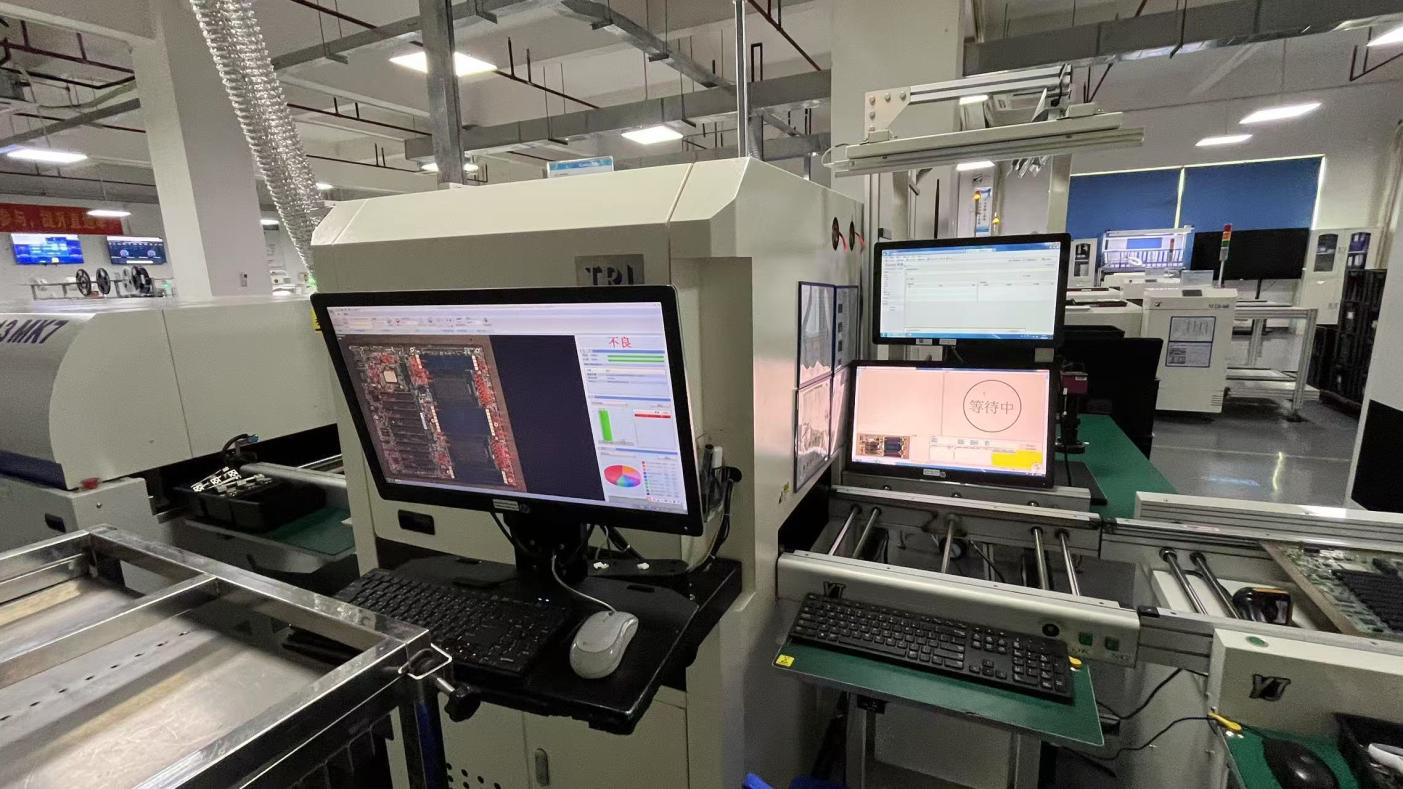
A look at our manufacturing capacity, quality control standards, and global reach.
Established in 2016, BoltGrid Computing Systems Co., Ltd. has developed robust production workflows, exporting USD 18 million in computing and networking hardware annually. With 120 engineers focused on hardware optimization and validation, we guarantee that all network switches and GPU server assemblies undergo strict multi-stage testing before leaving our facility.
How BoltGrid's systems solve complex technical challenges across diverse Brazilian sectors.
São Paulo is home to Latin America's largest financial district. Stock exchange brokers and banking networks require sub-microsecond transaction capabilities. Here, the H3C S6520X-30QC-EI is deployed as an optical aggregator, utilizing its L3 wire-speed forwarding capabilities and non-blocking architecture to interconnect server arrays. By minimizing latency and jitter, our switches ensure that real-time trading and transactional databases function without bottlenecks.
Precision agriculture requires real-time data ingestion from weather sensors, IoT farm machinery, and drone imaging. Our high-density server nodes, coupled with rugged Layer 3 switches, act as edge-computing data storage systems directly on site. These systems aggregate telemetry inputs and forward them to regional centers, enabling real-time yield prediction and optimized water resource allocation.
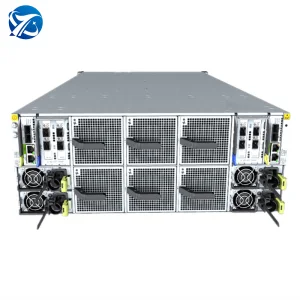
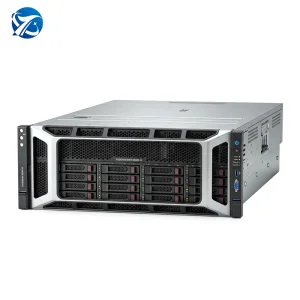
Metropolitan surveillance systems generate massive quantities of high-definition video data that require real-time processing. BoltGrid’s AI-focused servers—such as the G5200 V5 GPU Server—function alongside our high-bandwidth network switches to run real-time video analytics, object detection, and traffic management software, streamlining city municipal operations.
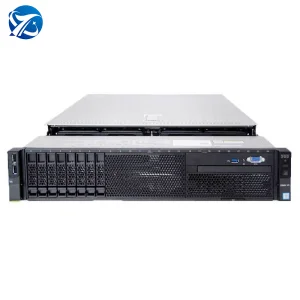
High-Performance Computing (HPC) setups at universities like USP (Universidade de São Paulo) and UNICAMP rely on multi-node GPU clusters to run complex physics models, bioinformatics calculations, and geological simulations. Our xFusion server range, optimized with deep network interconnects, provides the core computing power for these scientific endeavors.
Aligning hardware architecture with the next generation of cloud and telemetry standards.
As modern workloads demand higher performance, simple CPU upgrades are no longer sufficient. Network architecture must adapt alongside processing engines. BoltGrid’s development roadmap focuses on the integration of computing power and high-speed networking:
Quality control is built directly into our manufacturing process. With 45 specialized inspectors monitoring production, we test every port on our switches for traffic integrity and run extensive burn-in sequences on our servers under high load. This prevents onsite hardware failures, which can be costly and difficult to resolve in remote regions of Brazil.
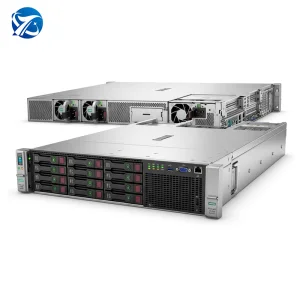
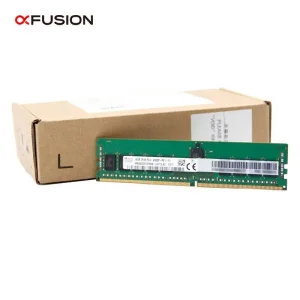
High-performance AI, database servers, and accessory systems configured for Mercosur specifications.

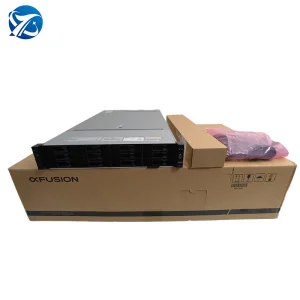
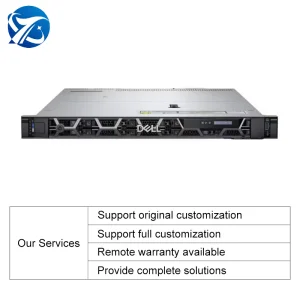
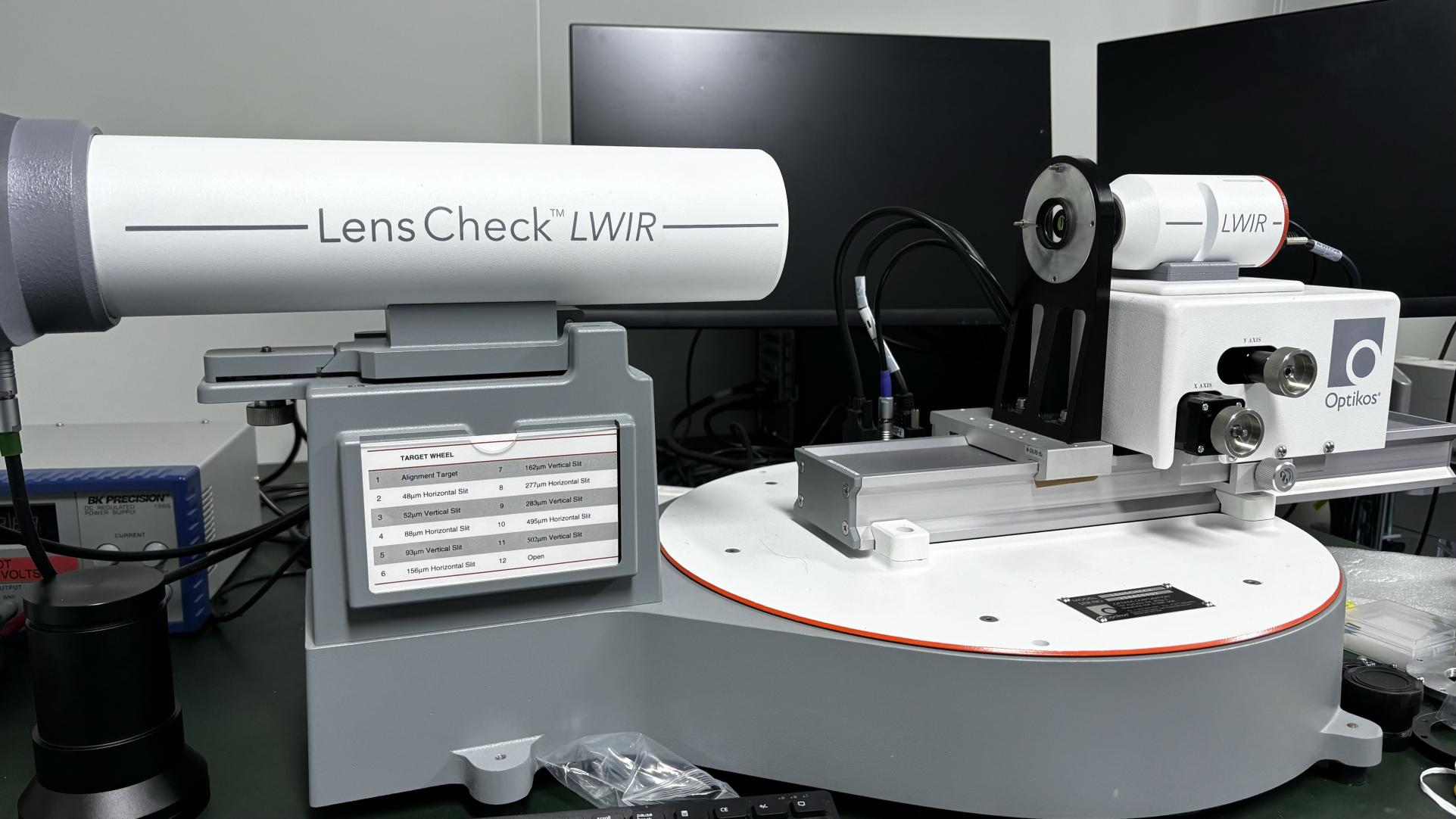
Visual highlights of our production quality control systems, storage capabilities, and packaging lines.

Answers to common technical, commercial, and import questions for Brazilian operators.
Get in touch with our technical sales engineers to discuss system specifications, project integration, and custom shipping options for the Brazilian market.