 BoltGrid
BoltGrid
BoltGrid
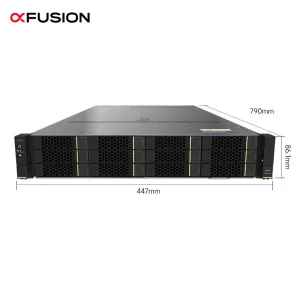
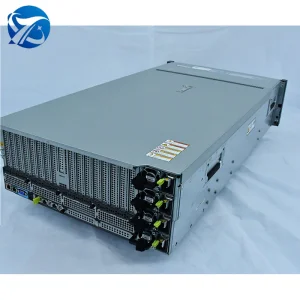
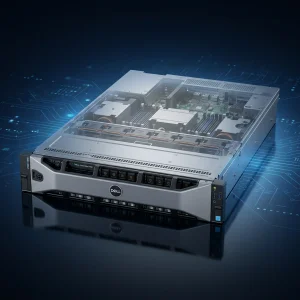
High-performance 2U and 4U GPU server options engineered specifically for ultra-low latency inference and intensive compute matrices in Tokyo's metropolitan data hubs.
The Tokyo metropolitan area, representing the industrial heart of Japan, is undergoing an unprecedented transition to autonomous artificial intelligence, large language model (LLM) fine-tuning, and robotic process automation. As the Japanese government pushes for "Society 5.0" and digital transformation (DX) initiatives, domestic data center footprints in areas such as Inzai (Chiba Prefecture), Mitaka, and Kanagawa are rapidly evolving to handle dense, high-thermal AI compute workloads. The emergence of open-source architectures like DeepSeek-R1 671B and localized Japanese language models has catalyzed a structural shift: enterprises are migrating from generic public clouds to private and hybrid GPU-accelerated server topologies to protect IP and reduce API latency.
Data center operators in Tokyo operate under unique parameters. Unlike rural hyperscale properties in North America, urban Japanese colocation space is expensive, and power distribution per rack is historically constrained to 6kW to 8kW, though new buildouts support up to 20kW+ per rack. This requires AI GPU servers designed for extreme compute-to-density ratios. 2U and 4U chassis that support multi-GPU topologies (including NVIDIA H100/H200/B200 PCIe configurations and alternative OAM accelerators) must implement advanced thermal engineering—including liquid cooling loops, low-vibration chassis dynamics, and highly efficient dynamic power supplies (Platinum/Titanium 80 Plus grade)—to survive the strict PUE regulations enforced by Tokyo metropolitan planning authorities.
Compliance with Japan's VCCI Class A electromagnetic compatibility regulations is critical for integration into Tokyo’s high-density telecommunication zones.
Configured with high-speed SmartNICs and InfiniBand host channel adapters to interconnect clusters at sub-microsecond latency thresholds.
Incorporates PMBus 1.2 compliant power units allowing automated cap limits matching local Tokyo rack energy budgets.
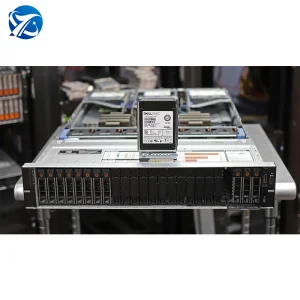
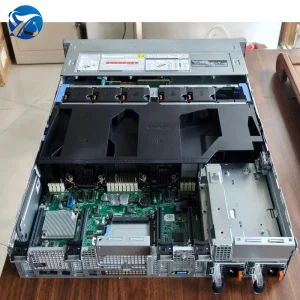
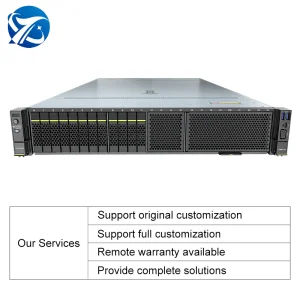
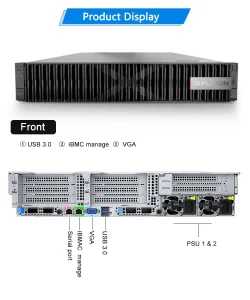
Selected 2U dual-socket architectures optimized for localized inference nodes, remote branch data processing, and enterprise research laboratory deployment.
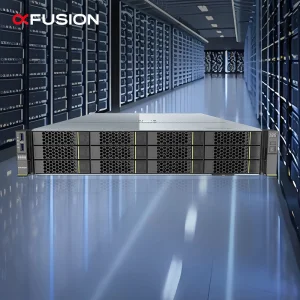
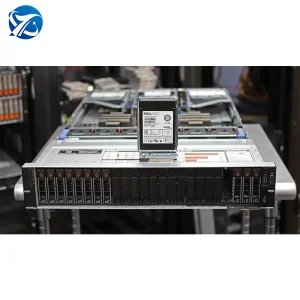
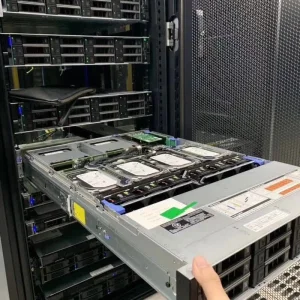
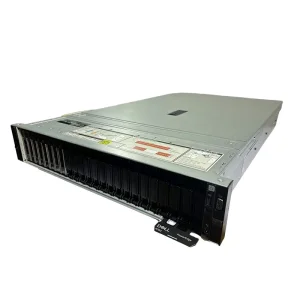
The global AI hardware supply chain is notoriously volatile, characterized by sudden GPU shortages, extended lead times for high-speed memory interfaces, and complex customization cycles. In this highly competitive market, the collaboration between BoltGrid's precision engineering team and China's advanced component ecosystem offers a clear competitive edge for Tokyo-based IT integrators. Centered in Shenzhen, the silicon capital of the world, our supply chain guarantees immediate access to essential raw components: custom-molded server steel cabinets, high-airflow variable-frequency fans, active components, and dynamic liquid-cooling distribution manifolds (CDUs).
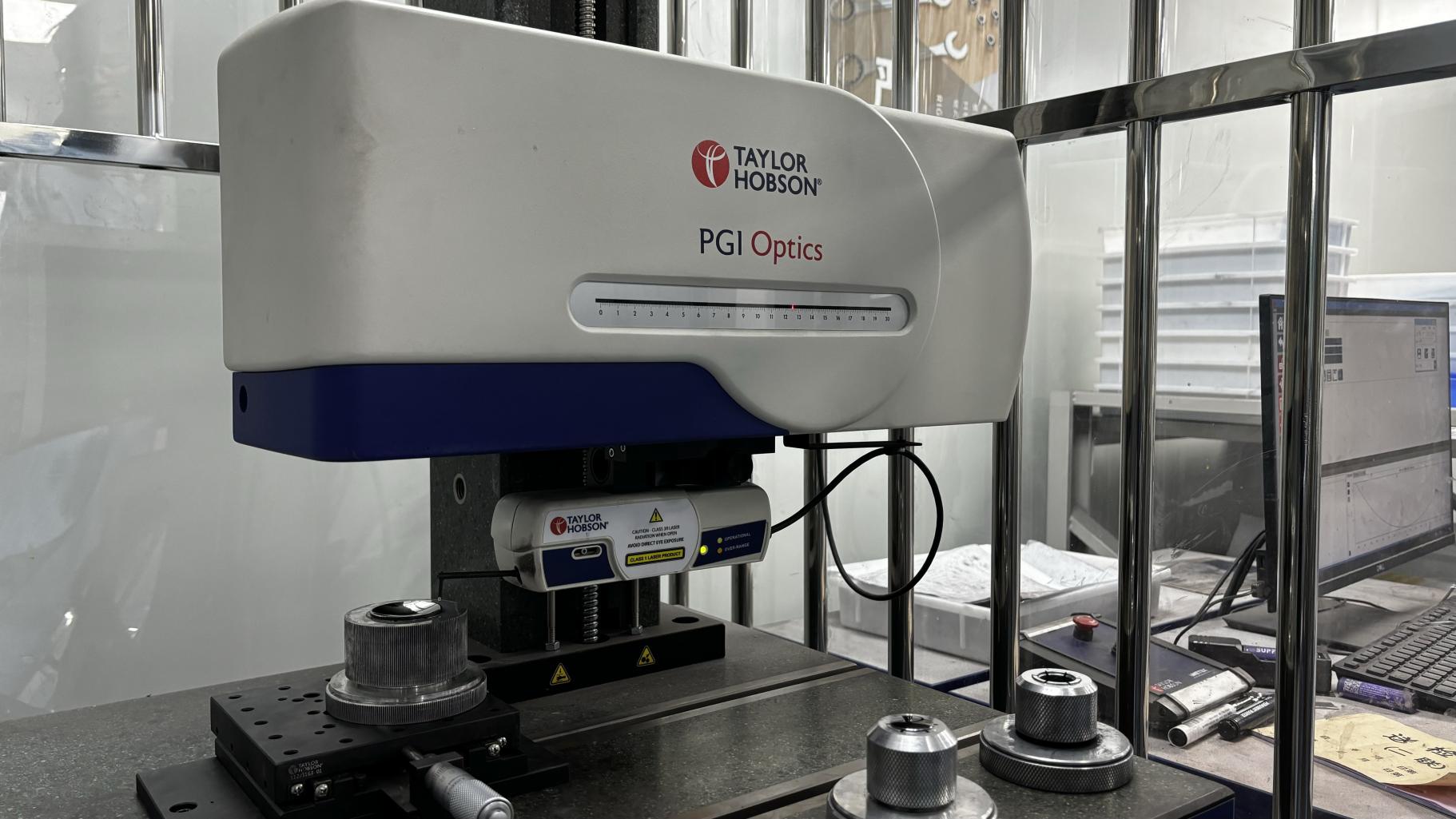
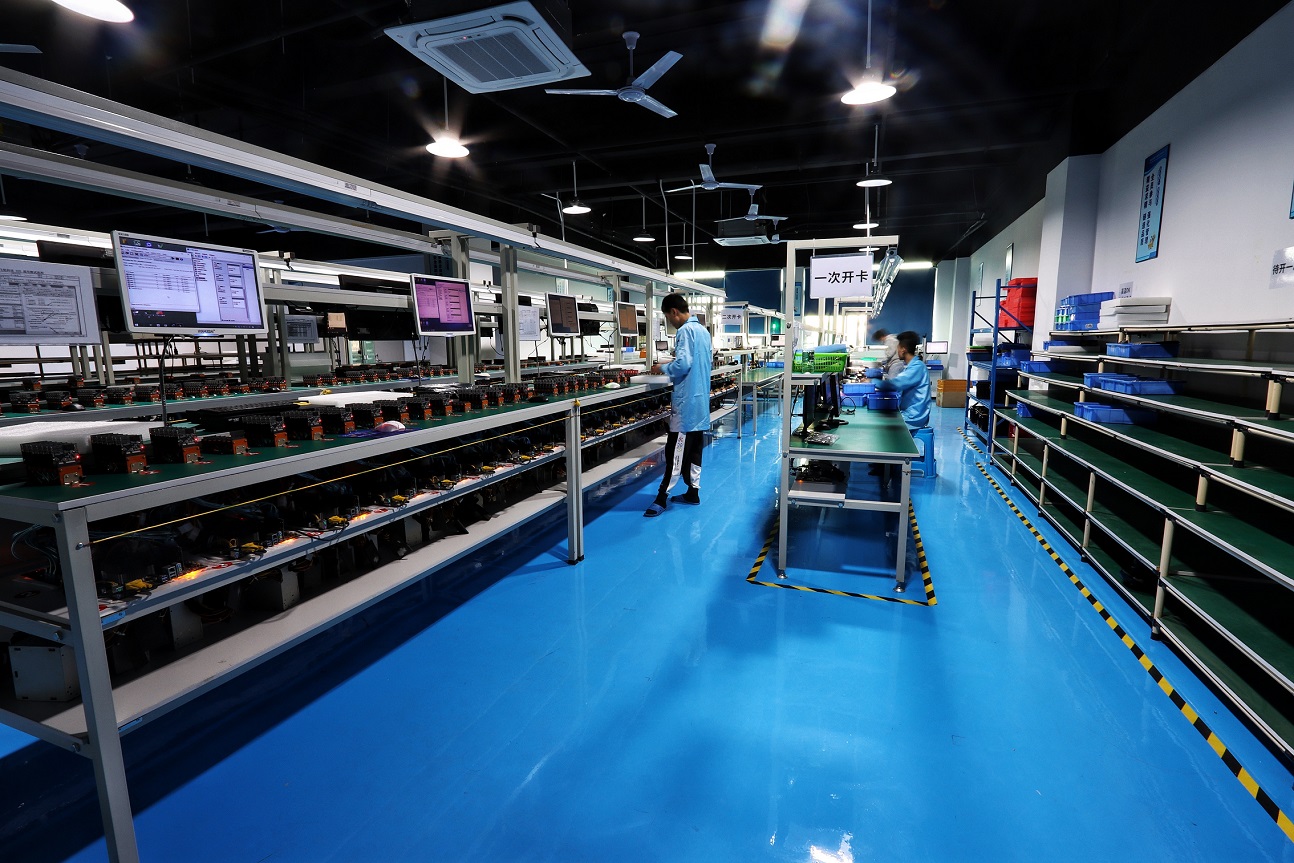
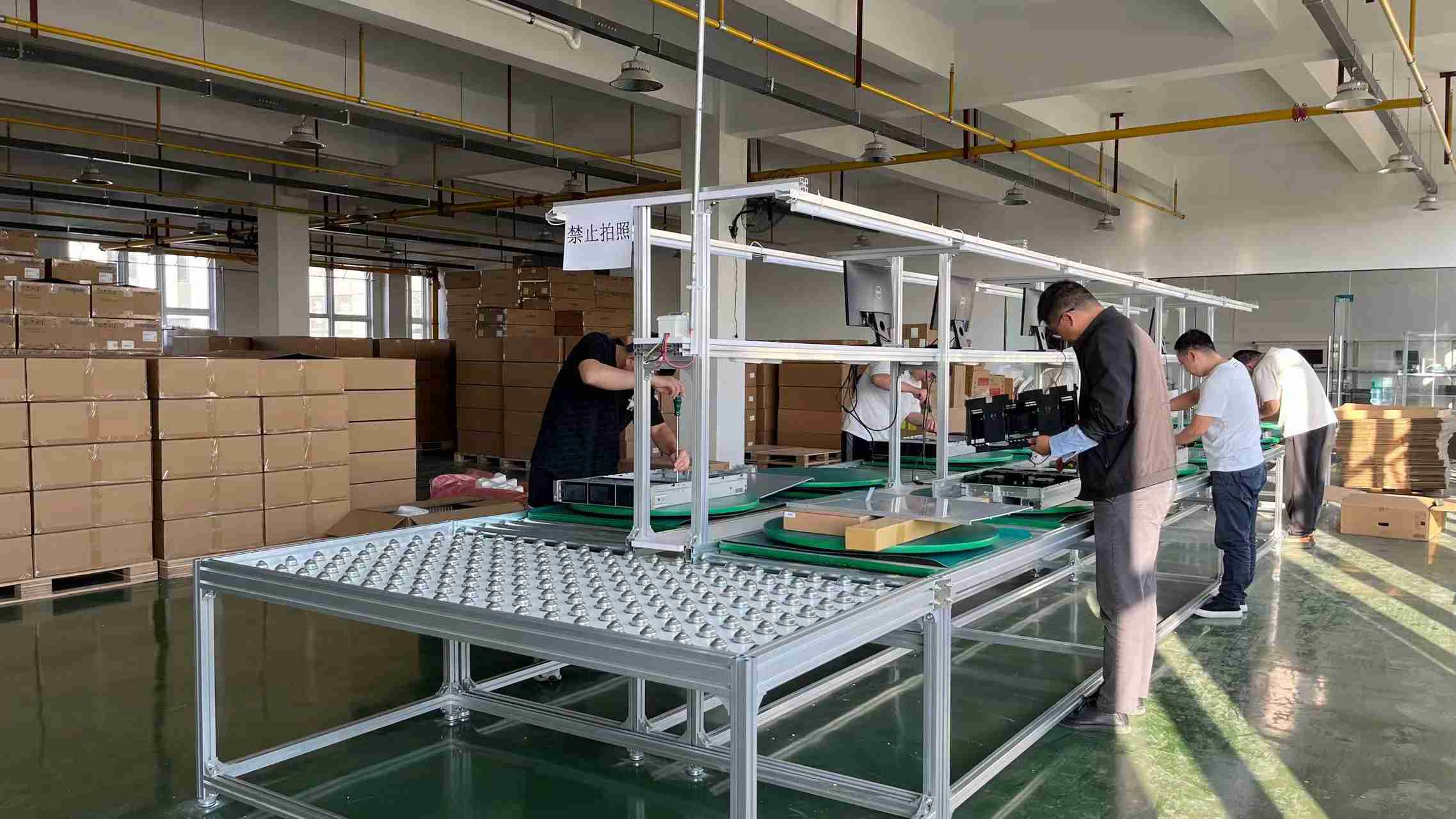
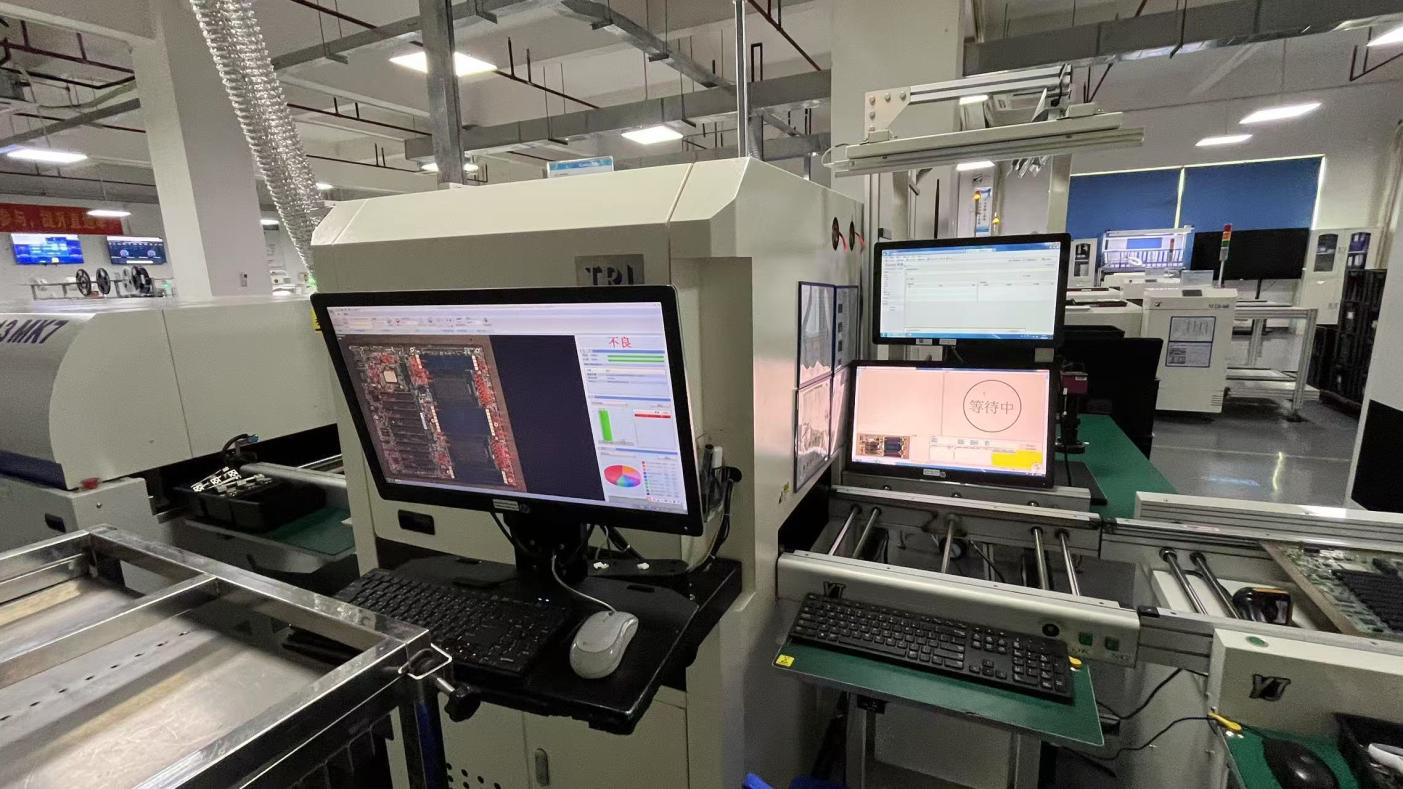
The standard "ship-and-pray" import dynamic does not work for critical enterprise operations in Tokyo. BoltGrid operates under a rigorous hardware validation protocol overseen by our specialized inspection team. Each server undergoes a multi-phase validation routine before leaving the facility floor: 72-hour dynamic thermal load testing under ambient colocation simulators, full PCIe lane structural analysis via diagnostic tools, and extensive power cycle stresses to identify potential failures in power-delivery systems. By filtering out system anomalies before packing and shipping, BoltGrid reduces onsite installation failures to less than 0.12%, ensuring immediate operation upon racking in Japan.
Deploying raw compute is only half the battle; mapping that compute to specific local industrial workloads determines the overall return on investment (ROI). In Tokyo's diverse commercial landscape, AI GPU servers are tailored for specialized, high-demand industrial application scenarios:
Tokyo's financial district demands real-time predictive analytics, fraud risk mitigation, and algorithmic trade calculation. These processes rely on local inference clusters to process high-throughput market streams. Utilizing dual Intel Xeon or AMD EPYC architectures coupled with PCIe-based accelerators, our systems provide low-latency pathways, bypass standard operating system kernels via SR-IOV, and deliver immediate execution for quant developers.
Tech enterprises in Shibuya, Meguro, and Minato are moving away from proprietary cloud models to secure, localized architectures. By hosting customized large language models (LLMs) and Retrieval-Augmented Generation (RAG) models internally, companies protect proprietary user profiles and source code. Our multi-GPU rack servers optimize VRAM distribution, preventing processing bottlenecks when running models with millions of parameters.
Tokyo's leading academic institutions and medical research facilities process large volumetric scans and molecular simulation workloads. Running complex image processing algorithms or protein folding models requires systems with high-density FP64/FP32 processing nodes and massive NVMe arrays. BoltGrid's configurations facilitate rapid read/write sequences, speeding up analysis cycles from days to hours.
Procuring AI hardware for Japanese enterprises requires navigating complex regulatory standards, dynamic customs requirements, and shipping timelines. For IT decision-makers in Tokyo, importing custom GPU systems involves more than just selecting configurations; it requires structured logistical execution:
We ensure all integrated power cords, power distribution systems, and chassis conform to PSE (Product Safety Electrical Appliance & Material) and VCCI requirements, simplifying clearance at customs.
For international buyers without a local legal presence in Japan, we arrange Attorney for Customs Procedures (ACP) services to act as the legal declarant for import consumption taxes.
High-end GPU nodes are sensitive to physical impacts. We use custom shock-absorbing wood crates and ship via air freight directly to Narita or Haneda, or via sea freight to the Port of Tokyo.
By coordinating customs declarations, managing import tax documents, and selecting dynamic freight routes, BoltGrid ensures that your custom compute infrastructure arrives on schedule, completely configured, and ready for immediate rack installation in Tokyo's top colocation centers.
BoltGrid Computing Systems Co., Ltd. is a professional AI GPU server manufacturer specializing in high-performance computing infrastructure, GPU cluster systems, and AI data center solutions. Established in 2016, the company has developed strong capabilities in design, manufacturing, and global supply of advanced computing hardware.
The company operates a modern production facility covering approximately 18,500㎡, supporting large-scale assembly, testing, and system integration for AI server products. With annual export revenue reaching around USD 18 million, BoltGrid has built stable international trade experience over 7 years, serving customers across North America, Europe, Southeast Asia, and the Middle East.
BoltGrid maintains a total industry experience of 12 years, supported by a professional quality assurance team of 45 inspectors. The company implements multiple product inspection methods, including thermal performance testing, stress load simulation, and full-system burn-in testing to ensure stability and reliability under high workloads.
The supply chain ecosystem includes over 850 strategic partners, enabling efficient sourcing of high-quality components such as GPUs, server chassis, power systems, and cooling solutions. The company serves a wide range of clients, including AI cloud service providers, data center operators, research institutions, and enterprise-level IT infrastructure integrators.
With strong R&D capabilities, BoltGrid employs approximately 120 engineers focused on GPU architecture optimization, AI workload acceleration, and system-level integration. The company launches around 85 new products annually and supports extensive customization options, including GPU configuration, memory scaling, cooling systems, and server form factor adjustments.
BoltGrid combines engineering innovation with strict quality control to deliver reliable, scalable, and high-performance AI GPU server solutions for global computing demands.
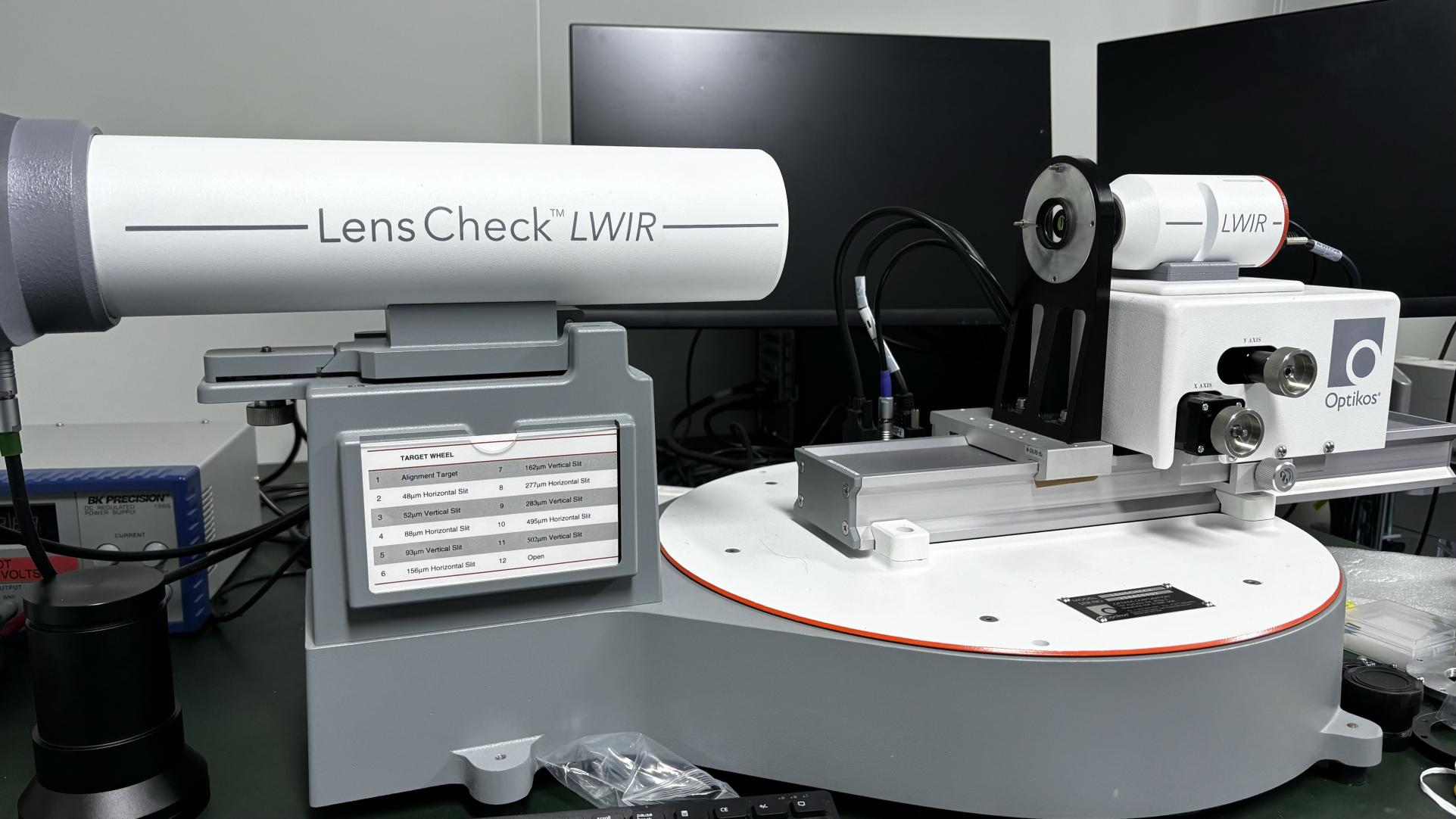
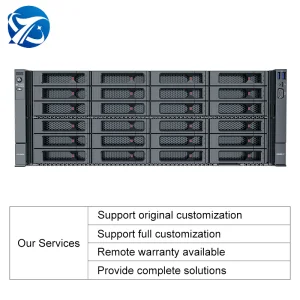
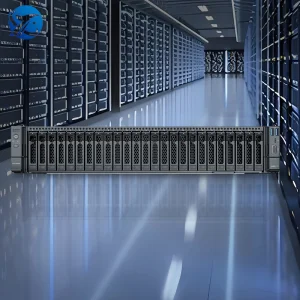
Industrial-grade server models configured for distributed data center clusters, hyperscale cloud instances, and large-scale model inference tasks across Japan.
Direct technical answers addressing latency, configuration, logistics, and compliance rules for Tokyo IT operations.