BoltGrid
BoltGrid
BoltGrid
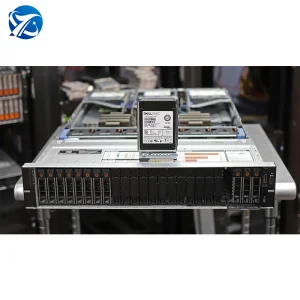
Engineered to excel in high-density rack environments and optimized for regional seismic computing, deep learning execution, and local cloud infrastructure.
Calgary, Alberta, represents the technical engine of Canada's resource sector and a rapidly expanding technological corridor. Traditionally centered around conventional oil and gas, Calgary's energy sector now utilizes complex data pipelines requiring massive localized computational capabilities. The modernization of seismic data processing, reservoir modeling, pipeline integrity simulation, and smart grid systems has shifted Calgary's data processing requirements from legacy mainframes to high-performance AI GPU servers.
With organisations like the Alberta Machine Intelligence Institute (Amii) driving AI research, and local enterprise operations seeking localized datacenter footprints, the requirements for local high-availability infrastructure are crucial. These operations require physical hardware optimized for the specific challenges of local setups—including high-density operations, high dry-bulb temperature cooling profiles, and power load restrictions imposed by regional utility structures.
As a leading developer, BoltGrid Computing Systems Co., Ltd. addresses this segment by providing high-throughput GPU server setups optimized for deep learning models, local large language model (LLM) fine-tuning, and intensive physical simulations. BoltGrid systems are configured to support extreme calculations, allowing operators to run workloads locally, ensuring latency-free environments and full compliance with Canadian data sovereignty laws.
Altitude & Thermal Engineering: Calgary's geographic elevation (approx. 1,045 meters above sea level) results in lower atmospheric density, which reduces standard air-cooling efficiency by up to 10%. BoltGrid customizable server configurations compensate for this altitude deviation by utilizing custom high-CFM variable fans and optimized heatsink distributions, preventing thermal throttling in high-demand environments.
Sourcing mission-critical compute hardware for Calgary operations demands rigid supply-chain transparency, validation metrics, and configuration predictability. BoltGrid matches those strict requirements.
Enterprise purchasers must verify silicon legitimacy. BoltGrid sources core processing architectures directly through certified distribution matrices. All GPU units (including H100, L40S, and A100 architectures) possess auditable silicon hashes, safeguarding systems against counterfeit components or gray-market procurement streams.
AI training matrices require non-blocking interconnect fabrics. Our servers support High-Bandwidth Memory (HBM3e), PCIe Gen 5 routing, and direct compatibility with InfiniBand and RoCE v2 networks. This configuration addresses critical pipeline communication issues during multi-node distributed LLM training sessions.
To support Calgary's continuous simulation setups, servers must provide high reliability. BoltGrid systems are configured with N+1 redundant Platinum-level power supplies (hot-swappable) and are thoroughly tested under prolonged artificial stress to ensure long-term stability.
Modern corporate computing workloads require highly specialized hardware designs. In Calgary's seismic, pipeline simulation, and AI research clusters, generic, standard servers often fall short. They frequently bottleneck on data throughput, storage bus speed, or thermal limits under sustained mathematical simulation loads. BoltGrid addresses these performance limits through carefully designed physical architectures.
| Workload Type | Hardware Bottleneck Solved | Recommended System Layout | Calgary Market Application |
|---|---|---|---|
| Seismic & Reservoir Geo-Simulation | Memory bandwidth limits & FP64 precision degradation | Dual EPYC/Xeon processors, multi-channel DDR5 memory, PCIe Gen5 channels | Oil & Gas modeling, exploratory data sets, pipeline pressure modeling |
| Local LLM (DeepSeek R1 / V3) Fine-tuning | GPU-to-GPU interconnect latency | 8x SXM/OAM GPU configuration with unified NVLink architecture | LegalTech compliance, local customer support pipelines, financial AI models |
| Dynamic Rendering & Computer Vision | Host-to-device dataset movement latency | U.2 NVMe SSD direct access with hardware-assisted RAID setups | Autonomous tracking, drone visual mapping, high-throughput geospatial analytics |
Standard cooling mechanisms are reaching their physics-based limits. To help datacenters manage high heat dissipation, BoltGrid's design direction focuses on Direct-to-Chip (D2C) liquid cooling interfaces. Liquid loops circulate coolant directly over GPU cores, raising server density thresholds to over 100kW per cabinet and lowering overall Power Usage Effectiveness (PUE) ratios below 1.15. This cooling design is highly compatible with dry-climate free-air datacenters in regions like Calgary.
Additionally, we integrate Compute Express Link (CXL) memory protocols. This development allows GPUs to borrow system memory dynamically. This dynamic scaling avoids out-of-memory errors during larger-parameter training runs without requiring a physical, unit-by-unit replacement of the hardware setup.
Founded in 2016, BoltGrid Computing Systems Co., Ltd. is a dedicated AI GPU server manufacturer specializing in high-performance computing infrastructure, GPU cluster systems, and AI data center solutions. Over 12 years of industry experience enables us to manufacture specialized systems tailored to demanding compute environments, serving clients across North America, Europe, and the Middle East.
Operating a modern 18,500m² facility, BoltGrid supports comprehensive component validation, mechanical integration, and system assembly. Our engineering division of approximately 120 specialists focuses on hardware optimization, thermal modeling, and system integration. This deep expertise allows BoltGrid to launch roughly 85 new product configurations annually, enabling customers to adapt hardware builds to their specific performance targets.
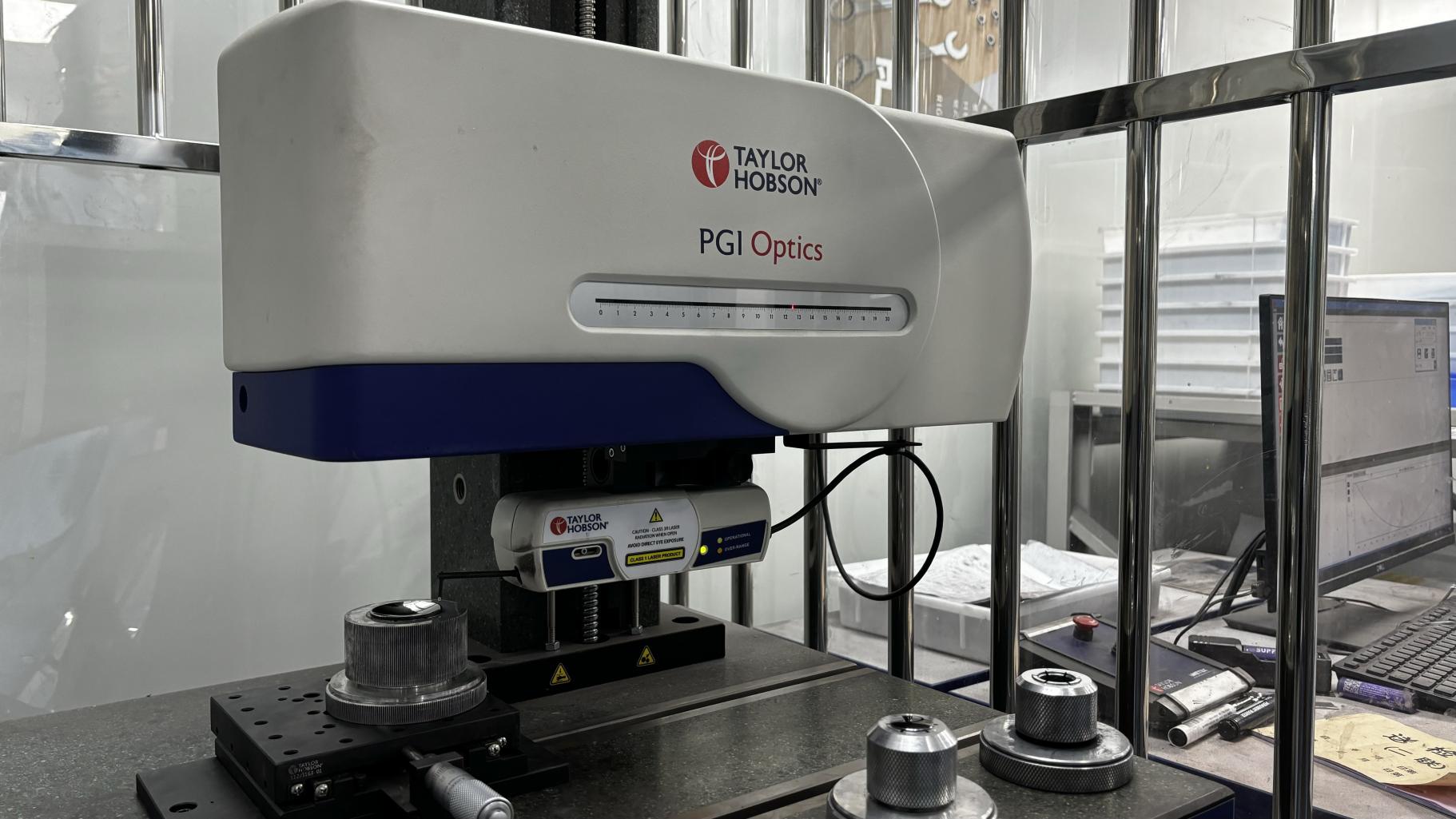

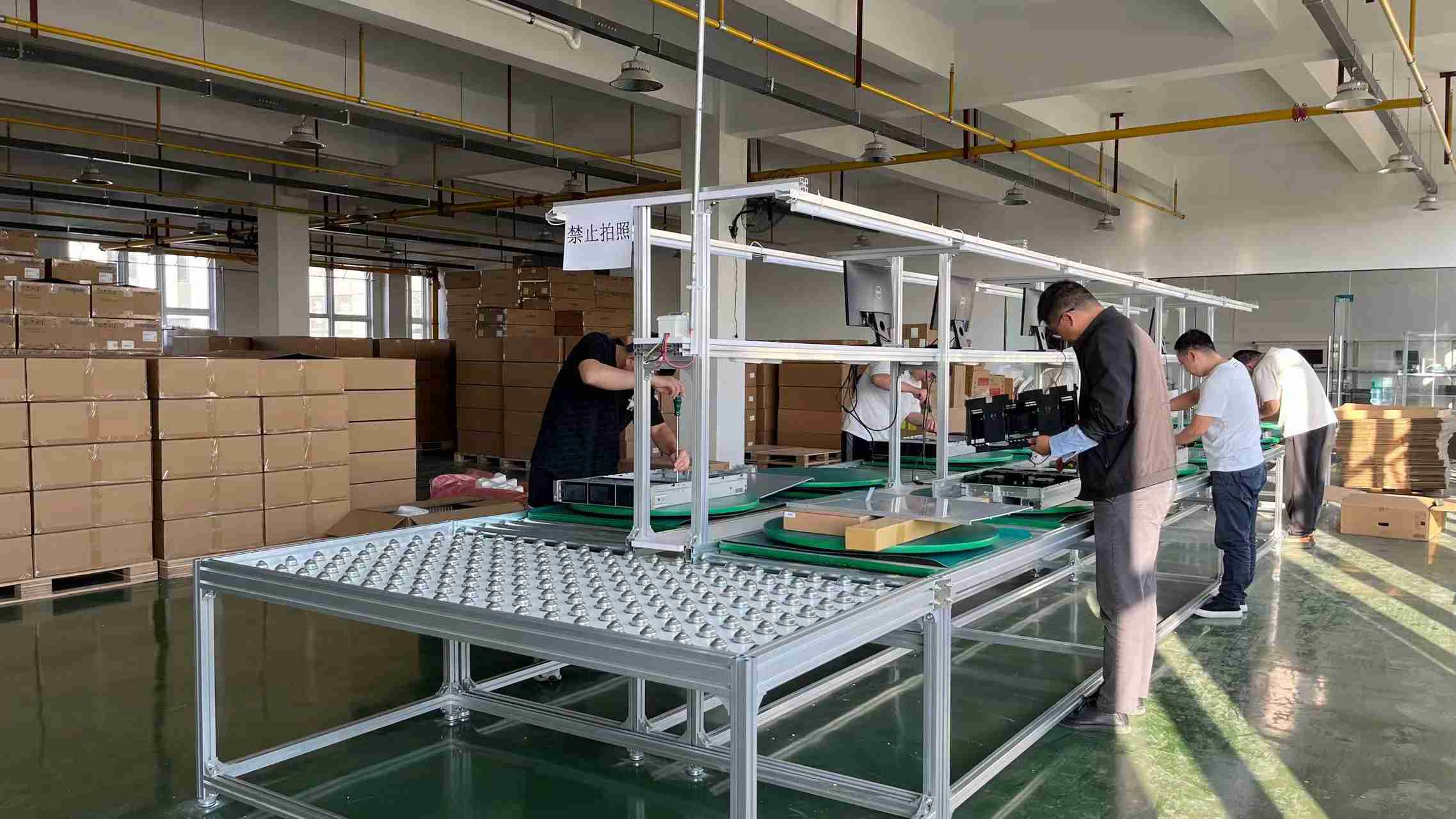
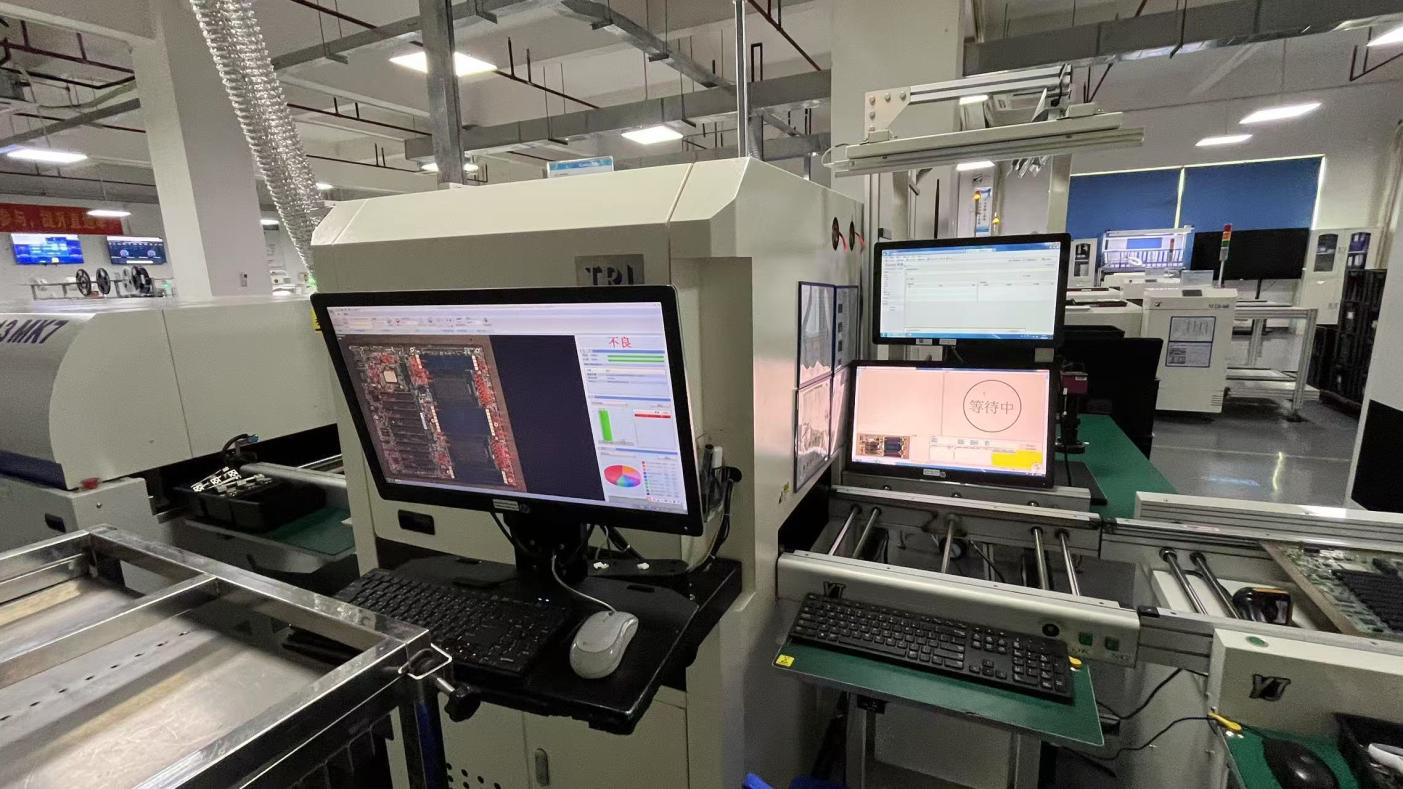
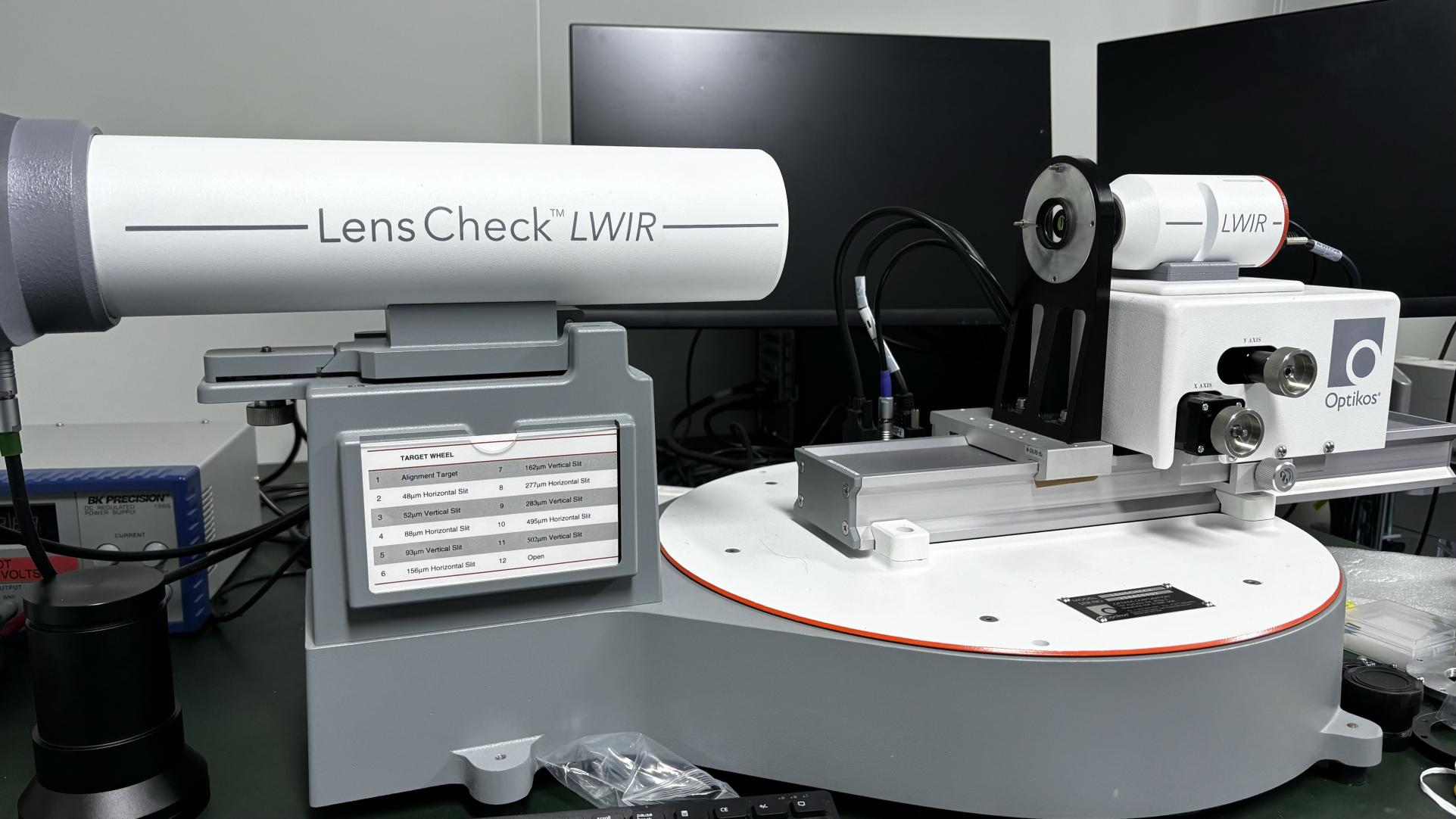
Our modular setups cover everything from entry-level edge processing units to massive multi-node training clusters. This allows local engineers to select hardware configurations optimized for their workload parameters.
Importing high-performance compute hardware into Canada requires compliance with localized safety and electrical standards. BoltGrid ensures all server exports to Calgary comply with standard Canadian engineering requirements:
Our localized support structure includes remote diagnostic interfaces, allowing local IT administrators to address issues at the motherboard layer. In addition, we coordinate with regional logistics hubs to ensure prompt component replacements and prevent disruption to critical operations.
Custom Packaging for Dry Latitudes: Calgary's dry environmental profile increases static risk. BoltGrid ships computing elements in specialized ESD-protective packaging. This prevents micro-abrasions and static damage during transport and deployment.
Discuss your processing requirements with our engineering team. We'll design a GPU server configuration tailored to your Calgary operations.
Send Inquiry Now