BoltGrid
BoltGrid
BoltGrid
Highly optimized computing node configurations, certified for continuous workload execution in modern enterprise setups across Islamabad, Karachi, and Lahore.
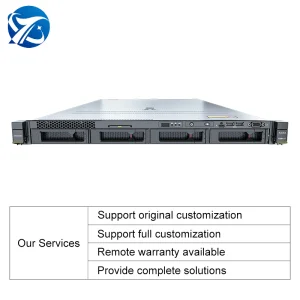
Analyzing local commercial opportunities, policy shifts, and the critical demands for dedicated AI hardware architectures.
Under the framework of the China-Pakistan Economic Corridor (CPEC) Phase II, Pakistan is aggressively transitioning from physical infrastructure growth to a digital economy. This shift places heavy focus on smart city development, digital governance, and industrial automation. To support these national-level software systems, there is an urgent need for localized processing capacity. Offloading high-compute operations to foreign clouds is no longer financially viable due to strict data sovereignty laws and foreign exchange rate dynamics. Local high-performance computing (HPC) centers are now essential.
Moreover, the Ministry of Information Technology and Telecommunication (MoITT) has pushed forward the National AI Policy draft. This policy prioritizes localized AI compute nodes to drive agricultural forecasting, smart water grid management, and local language LLMs (Urdu and regional dialects). By securing a direct supply line from enterprise-grade server factories, Pakistani enterprises can bridge the gap in hardware availability and scale computing platforms quickly.
Deploying AI GPU servers in Pakistan demands specialized designs that account for regional environmental challenges. Major tech hubs in Karachi, Lahore, and Rawalpindi suffer from power grid instabilities and sudden voltage shifts. This requires servers built with high-quality dual or quad redundant power supplies (80 Plus Titanium certification, supporting 2000W to 3200W inputs) that can coordinate seamlessly with localized online Uninterruptible Power Supply (UPS) systems.
Furthermore, ambient temperatures during the summer can climb above 45°C. Without robust local data center HVAC architectures, servers can quickly undergo thermal throttling. Our high-airflow, multi-fan chassis designs, combined with smart thermal management firmware (BMC/IPMI 2.0 controllers), ensure hardware components continue to run efficiently even in difficult operating conditions.
How our manufacturing infrastructure and strict quality assurance processes support mission-critical enterprise workloads globally.
Supported by 120 dedicated system engineers, BoltGrid delivers tailored server chassis layouts, customized PCIe slot placements, and liquid-cooling loop adjustments. We release around 85 new product configurations annually to match the pace of GPU and CPU architecture changes.
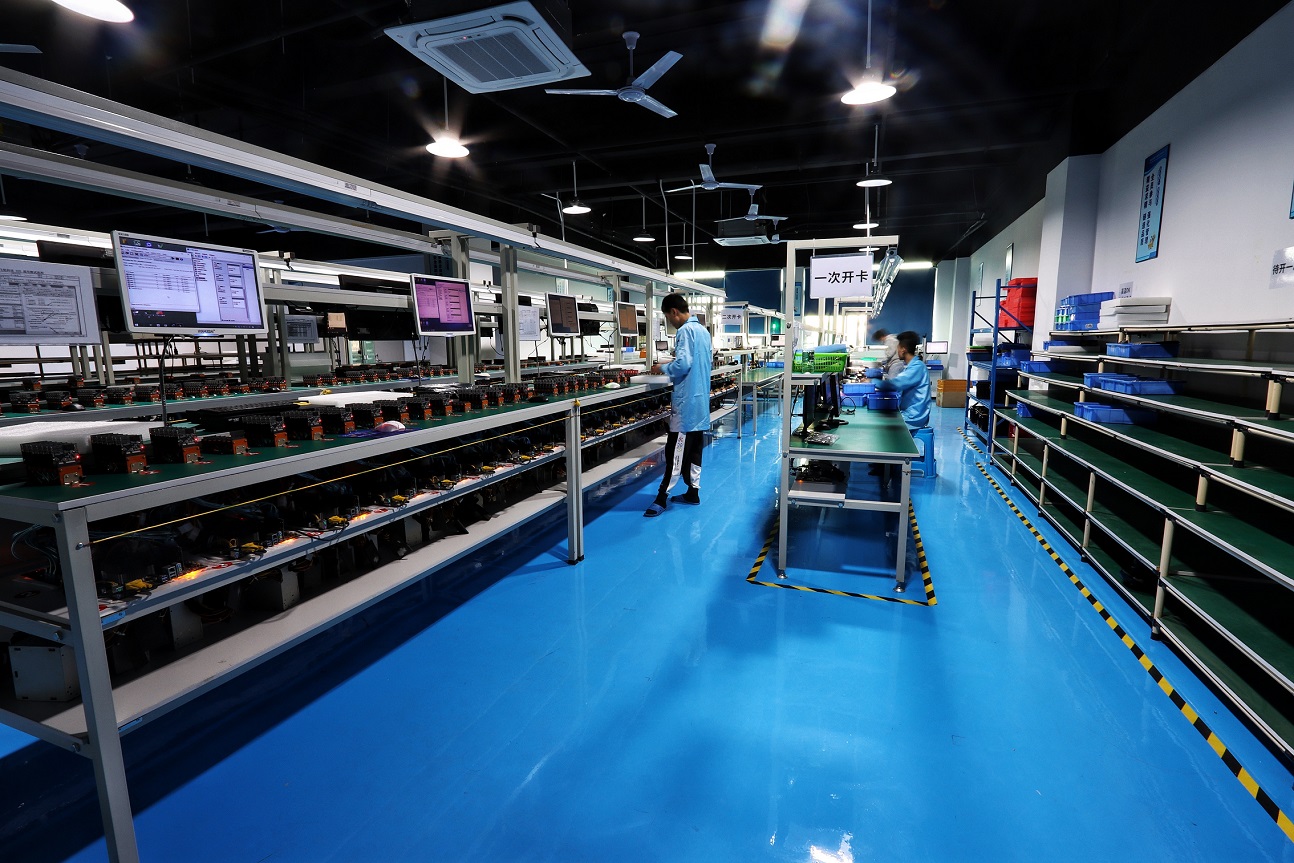
Our quality assurance program is managed by 45 certified inspectors. Every server undergoes full-load stress simulations, thermal Chamber testing, and 72-hour system burn-in procedures to ensure hardware stability before shipping.
We work with a network of over 850 strategic partners. This gives us consistent access to critical sub-components like EPYC/Xeon processors, enterprise SSD storage, high-speed RAM, and specialized server chassis, even during periods of tight supply.
From financial risk profiling to agricultural analytics, we build platforms targeted to specific national economic sectors.
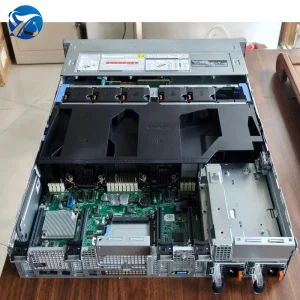
Karachi is the heart of Pakistan's banking sector. Large commercial institutions are looking to integrate AI into fraud detection, credit risk modeling, and customer service automation. Our multi-GPU systems, like the Dell PowerEdge R7625 Dual EPYC, allow banks to run machine learning models directly on premises. This keeps customer data local and ensures compliance with State Bank of Pakistan (SBP) cybersecurity guidelines.
Agriculture contributes significantly to Pakistan's GDP. By using satellite data, weather patterns, and soil sensors, localized AI models can help forecast crop yields and manage water resources. BoltGrid GPU servers run these complex spatial datasets, giving policymakers and agricultural cooperatives the data they need to make decisions on crop planning and water allocation.
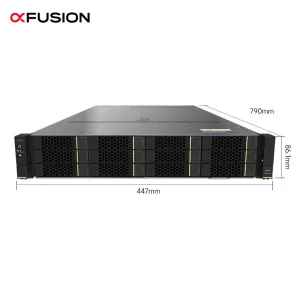
Most commercial conversational AI models are designed for English. There is a growing effort among local software startups and universities to train and fine-tune large language models in Urdu and regional languages. Our xFusion G5500 V7 AI GPU Servers provide the memory bandwidth and high compute densities needed to fine-tune open-source models like DeepSeek-R1 and Llama 3 on local data.
Top academic institutions, such as NUST, FAST-NUCES, and LUMS, are expanding their computer science programs to include AI research. BoltGrid offers scalable GPU workstations and server racks that support deep learning courses and multi-user research workloads, helping train the next generation of engineers in Pakistan.
How hardware architecture and advanced thermal designs prevent performance loss under sustained workloads.
When scaling deep learning workloads across multiple GPUs, hardware interconnect speed is a key performance factor. While PCIe Gen 5 offers high flexibility for standard rack layouts, data-heavy LLM training benefits from SXM interfaces, which provide much higher GPU-to-GPU bandwidth. BoltGrid helps customers balance these configuration requirements:
In regions like Jacobabad, Multan, or Lahore, where summer temperatures can put stress on standard cooling setups, air cooling alone may not be enough. BoltGrid designs hybrid thermal layouts to protect your hardware:
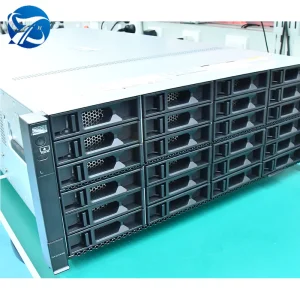
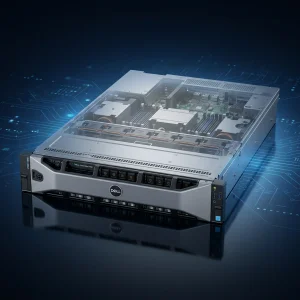
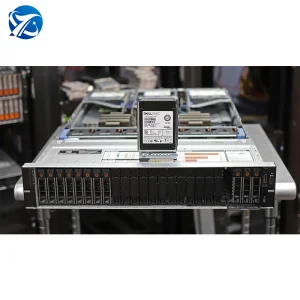
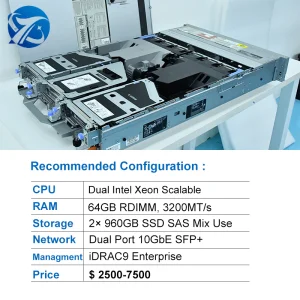
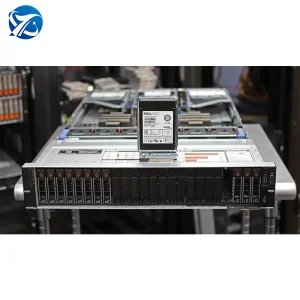
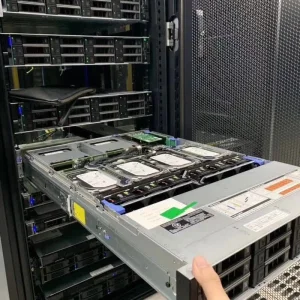
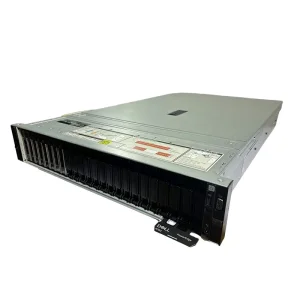
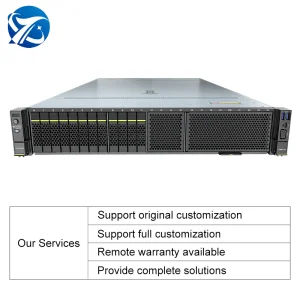
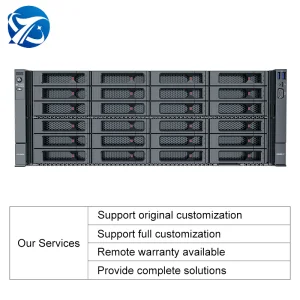
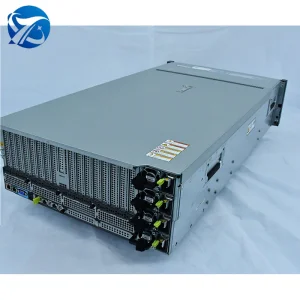
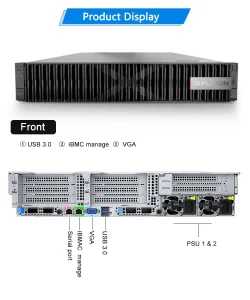
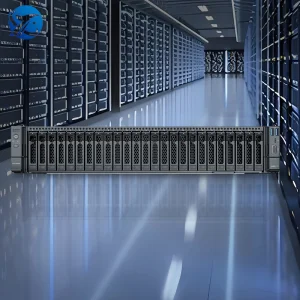
A complete selection of rack servers and GPU acceleration systems configured for AI processing, data storage, and compute cluster nodes.

Understanding import pathways, compliance requirements, and regional technical support.
Importing advanced computing systems into Pakistan requires careful coordination with local customs authorities and banks. Servers are generally classified under HS Code 8471.5000 (Processing units other than those of sub-headings 8471.41 or 8471.49). BoltGrid provides all necessary commercial documentation, certificates of origin, and packed weights to assist our local partners in securing Letters of Credit (LCs) through major Pakistani banks.
We work with international freight forwarders to manage shipping routes to Pakistan. Smaller system components and urgent replacement parts are typically shipped via air freight directly to Islamabad International Airport (ISB), Allama Iqbal International Airport (LHE), or Jinnah International Airport (KHI). Larger, multi-rack data center shipments are sent via ocean freight to the Port of Karachi or Port Qasim, helping keep transport costs manageable.
To support high-priority business operations, BoltGrid offers tiered SLA support structures. While we ship components globally from our main facilities, we work with qualified local systems integrators in Islamabad and Karachi. This model allows us to offer remote diagnosis, firmware updates, and local replacement dispatch to help minimize system downtime.
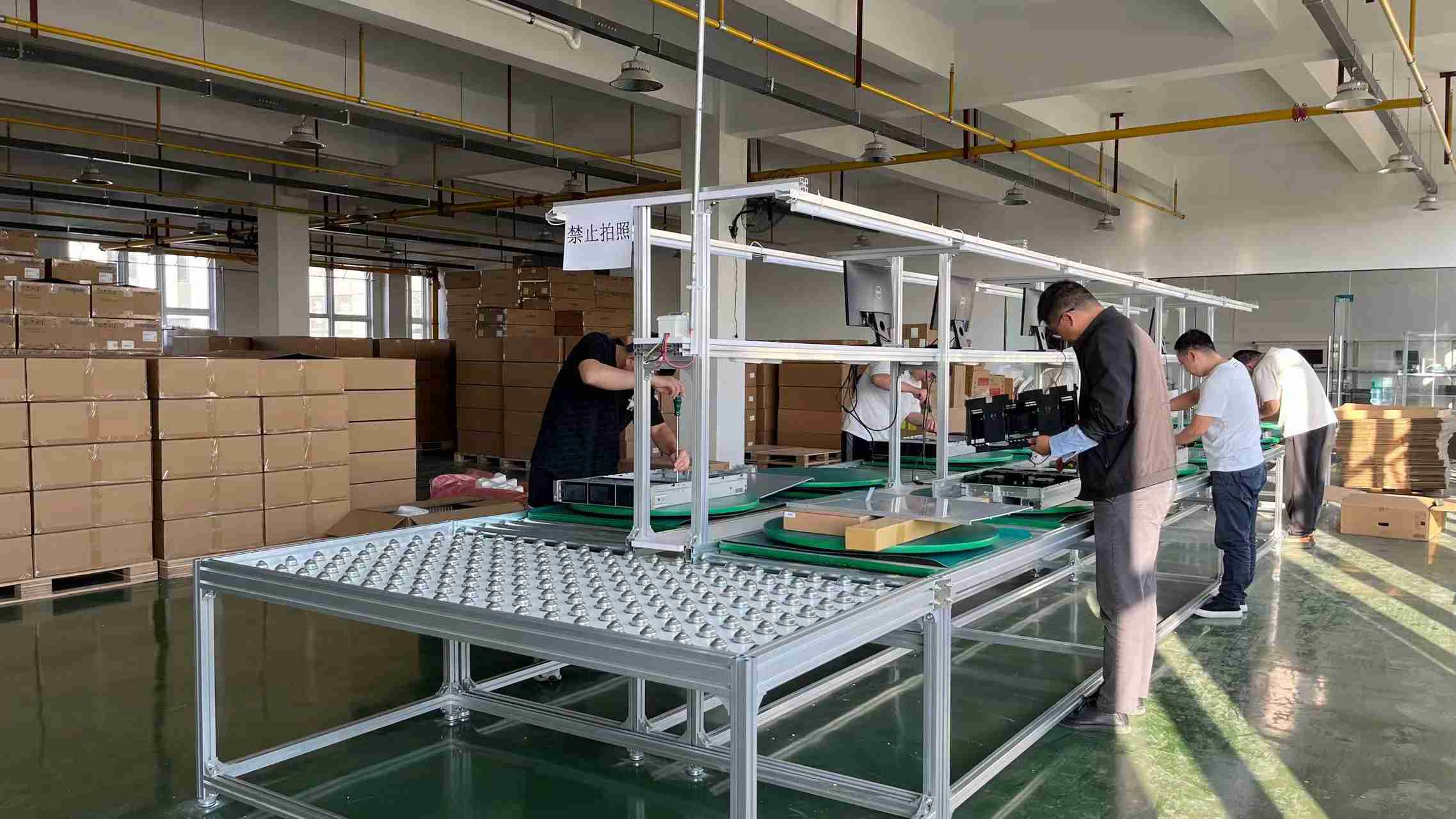
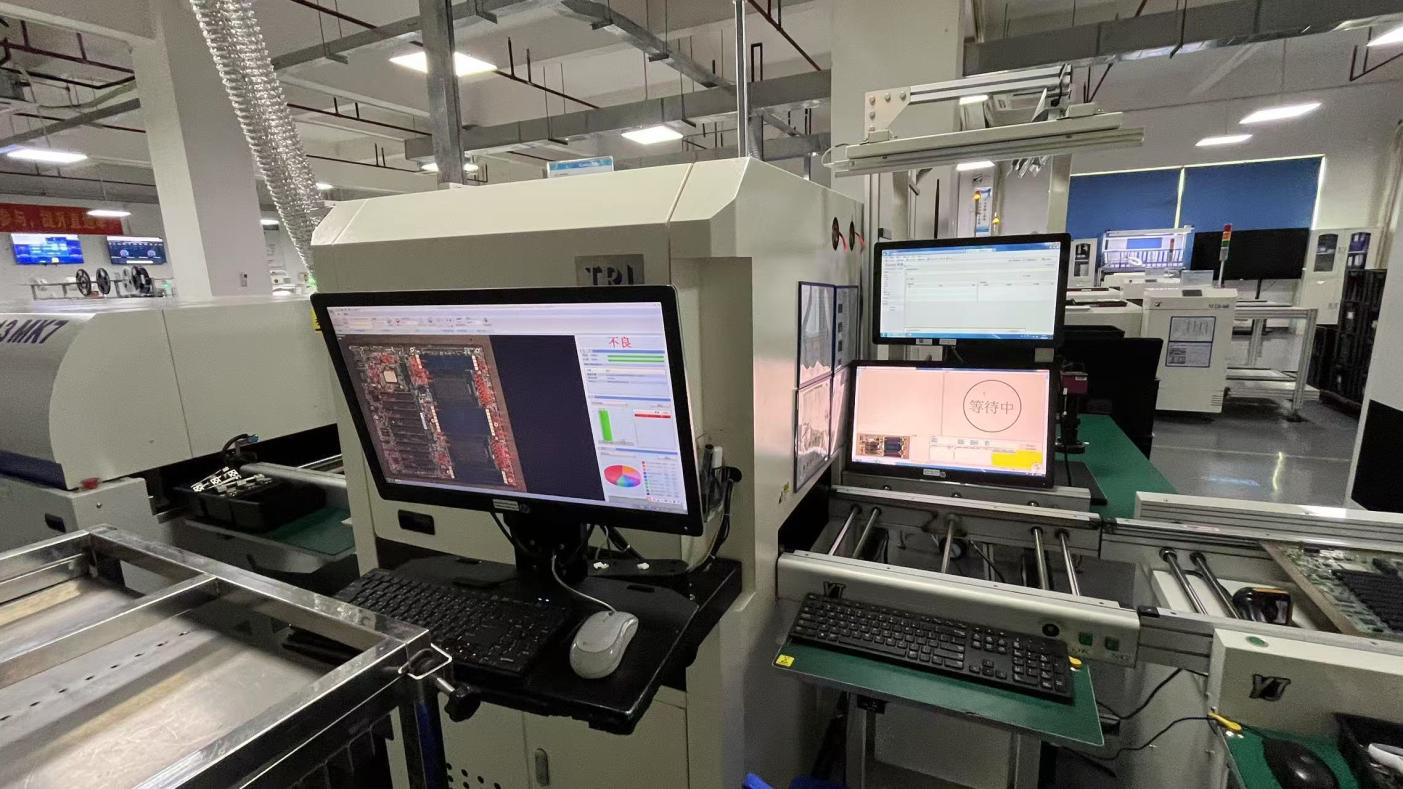
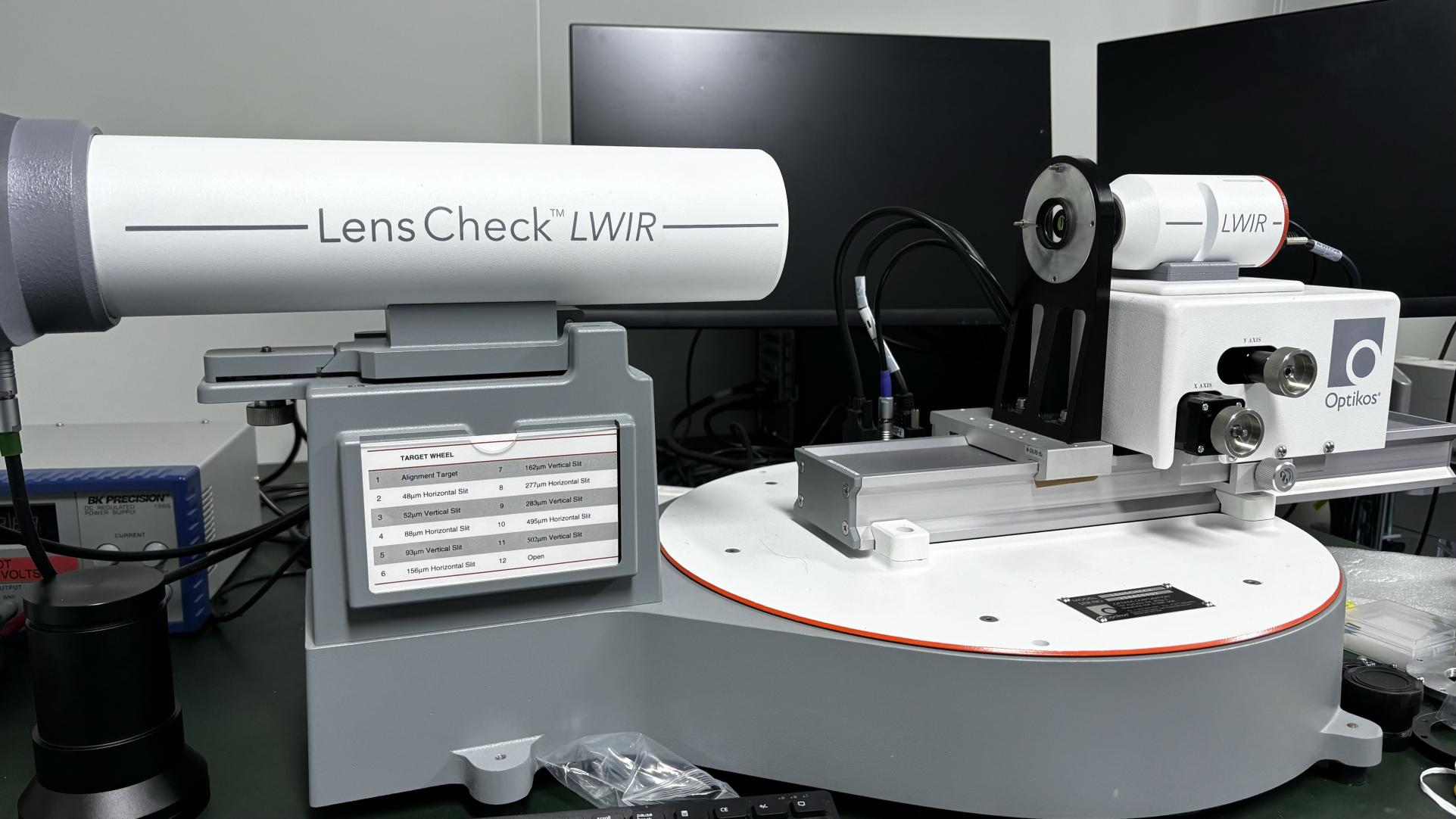
A look inside our 18,500 square meter production facility, where we assemble, configure, and stress-test every server node.

Answers to common technical, logistical, and purchasing questions regarding GPU server deployments in Pakistan.