BoltGrid
BoltGrid
BoltGrid
Engineered for maximum hypervisor efficiency, secure tenant partitioning, and intensive compute workloads.
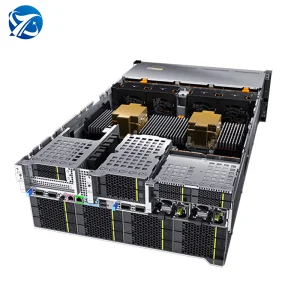
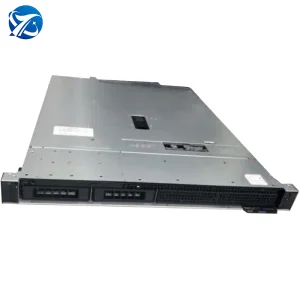
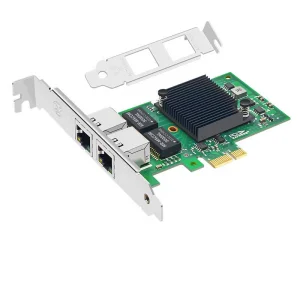
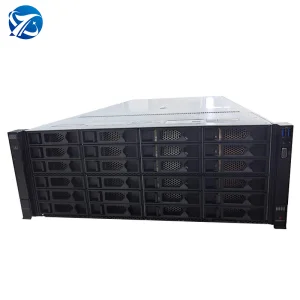
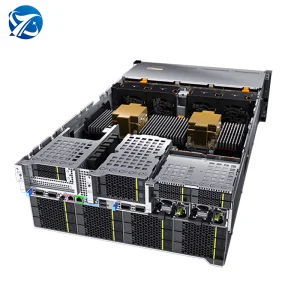
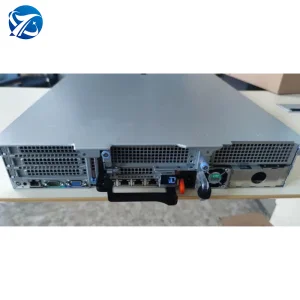
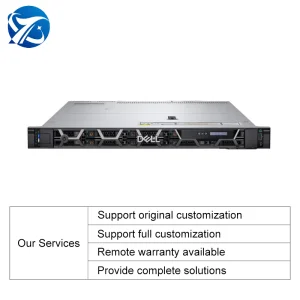
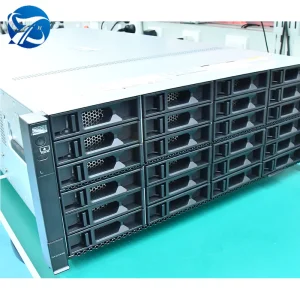
BoltGrid Computing Systems Co., Ltd. is a premier developer and hardware manufacturer specializing in heavy-compute bare metal infrastructures, GPU clustered hypervisors, and specialized system components engineered explicitly for virtualized networks. Founded in 2016, the firm has positioned itself at the cutting edge of industrial computing engineering, bridging raw multi-socket hardware power with the structural safety demanded by modern VPS (Virtual Private Server) networks.
From our modern, specialized 18,500㎡ assembly plants to complex quality inspection lines, BoltGrid guarantees each machine is capable of extreme overcommit runtimes. We supply Cloud Service Providers (CSPs) globally, helping scale high-IOPS VPS systems with low thermal footprints and high storage resiliency.
"Reliability is not an afterthought in VPS hosting; it is the fundamental baseline. Our engineering focuses on ensuring hardware-level segregation and sustained storage output to minimize guest VM noise."
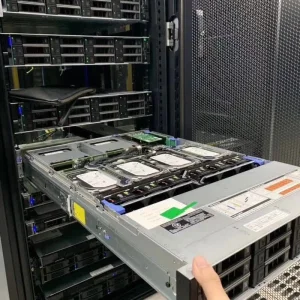
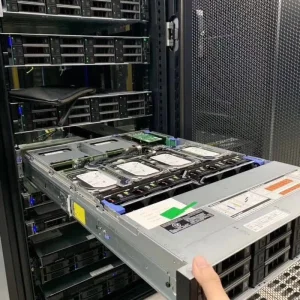
Our engineering structure focuses intensely on mitigating common hardware issues that trigger hypervisor panic. Backed by 45 QA inspectors carrying out thermal cycling and stress testing, BoltGrid produces robust bare-metal setups that act as virtual private server hosts for global data centers.
How hardware architectural transformations shape the capabilities of virtualized cloud hosting (2025–2030).
Compute Express Link (CXL) integration enables virtual private servers to draw from unified external memory chassis. This resolves memory confinement limitations, allowing instant VPS scaling without expensive node migration.
Next-gen silicon features strict encryption keys at the hardware level per virtual machine slice (AMD SEV-SNP and Intel TDX). This eliminates the risk of host-level side-channel memory leaks on shared virtual nodes.
High-density computing nodes generate intensive heat profiles. Integrating localized liquid-to-air cooling structures within rackmount formats reduces localized thermal strain, sustaining performance across dense tenant configurations.
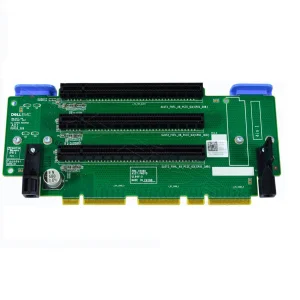
Implementing hardware partitions utilizing single-root I/O virtualization (SR-IOV). Deep integration of high-bandwidth PCIe Gen 5 array architectures (e.g., LSI 9560-16i controller cards) to process localized operations with zero I/O choking for running virtual networks.
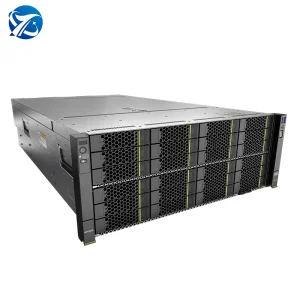
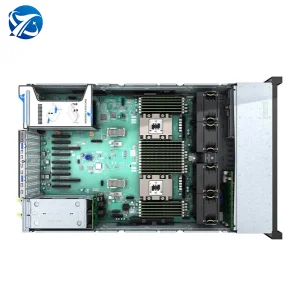
Configuring high-density nodes with multi-socket GPU arrays (such as the FusionServer G8600 V7 setup) allowing automated sharing of computing resources. This ensures dedicated containers running microservices can easily pull processing power on demand.
Standardizing socket designs to accommodate specialized silicon configurations. Compute, GPU, and network logic are isolated into modular modules, decreasing single-unit TDP values by up to 35% while doubling core density for hypervisors.
Diverse industries demand vastly different profiles from virtualized servers. To optimize resource utilization, virtual private server hypervisors must sit on top of hardware designed to withstand targeted operational pressures.
Online stores see massive traffic fluctuations. Our VPS bare-metal systems utilize dual-channel RAID configurations (e.g., LSI caches with integrated capacitor protection) to guarantee uninterrupted database logging during peak periods.
Running custom AI agents or hosting localized LLM queries requires bare-metal servers designed to accommodate modular GPU arrays (such as our FusionServer V6 & V7 series). These platforms support clean partitioning, allowing developers to rent scalable GPU resources via virtualized host structures.
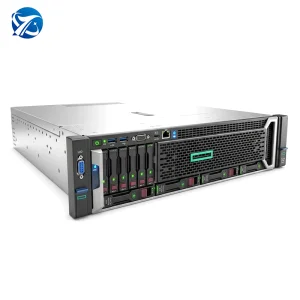
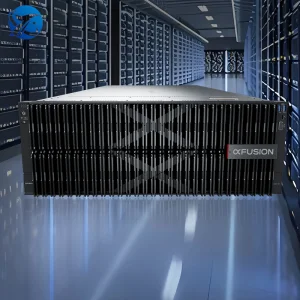
Computational laboratories use virtualization to run multiple modeling scenarios in parallel. BoltGrid designs multi-socket Intel Xeon-capable node units (such as our HPE DL360 Gen12 or xFusion 5885H configurations) that sustain 100% CPU utilization across high core counts without experiencing thermal throttling.
Placing virtual private server hosts closer to end users demands systems with minimal physical footprints. Our specialized 1U chassis (like the PowerEdge R260) deliver full enterprise networking interfaces in compact enclosures, ideal for space-constrained edge locations.
How BoltGrid leverages Shenzhen's manufacturing ecosystems to deliver robust computing hardware globally.
Global supply chains face regular bottlenecks, but BoltGrid utilizes localized component sourcing and strict operational methodologies to keep project schedules on track. With a network of over 850 strategic partners, we secure high-grade parts—from microcontrollers to specialized copper heatsinks—even during high-demand cycles.
Our assembly lines are structured around automated inspection systems. Every single motherboard, interface card, and storage module undergoes detailed visual and signal testing before assembly, reducing physical integration errors at later stages.
Our quality control process requires a minimum 72-hour system burn-in at elevated ambient temperatures, ensuring all components operate reliably under intensive load.
Furthermore, BoltGrid’s engineering facility works with open-standard platform structures. This allows us to modify system configurations—such as adding tailored memory banks, cooling configurations, and power options—without altering the underlying chassis, keeping costs efficient for our customers.
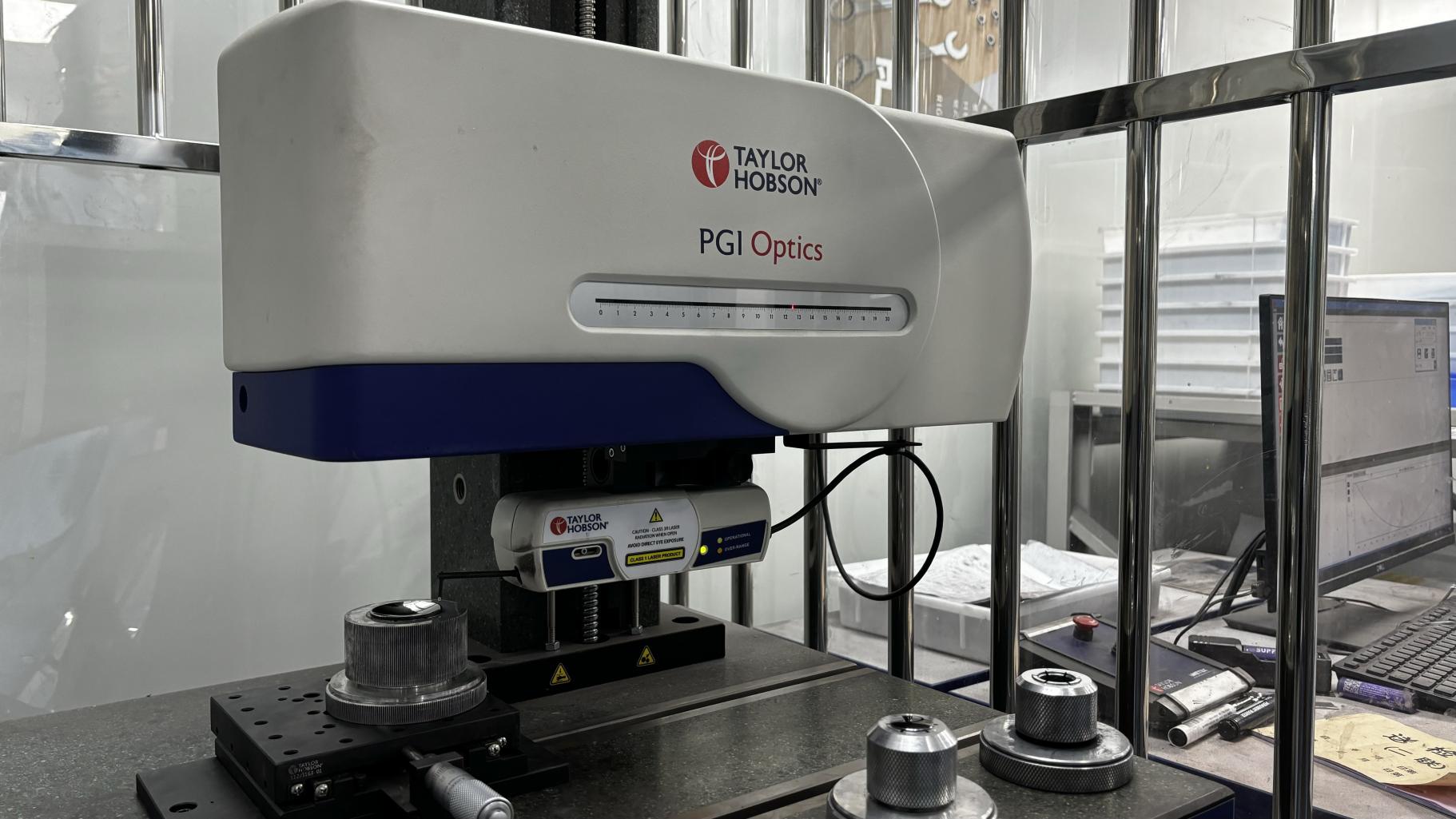
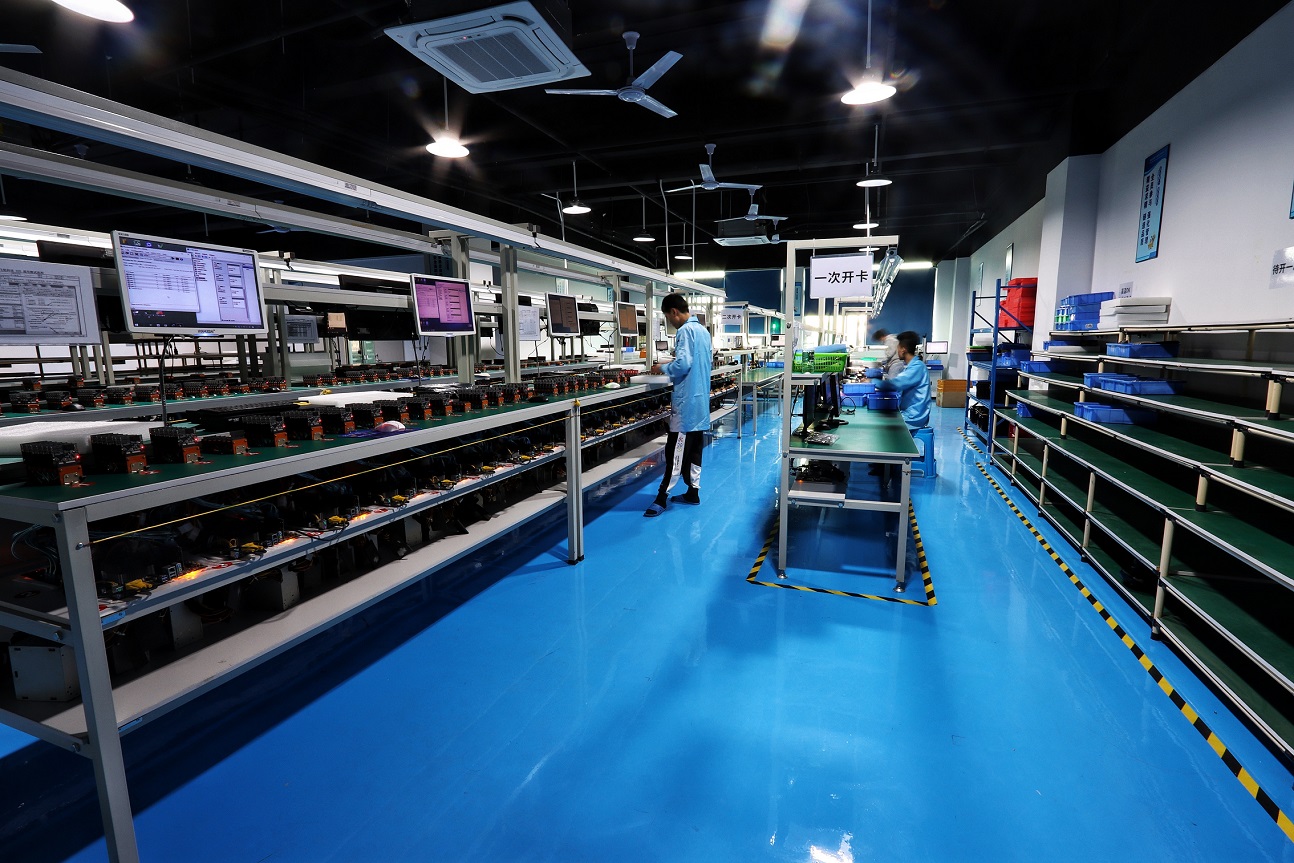
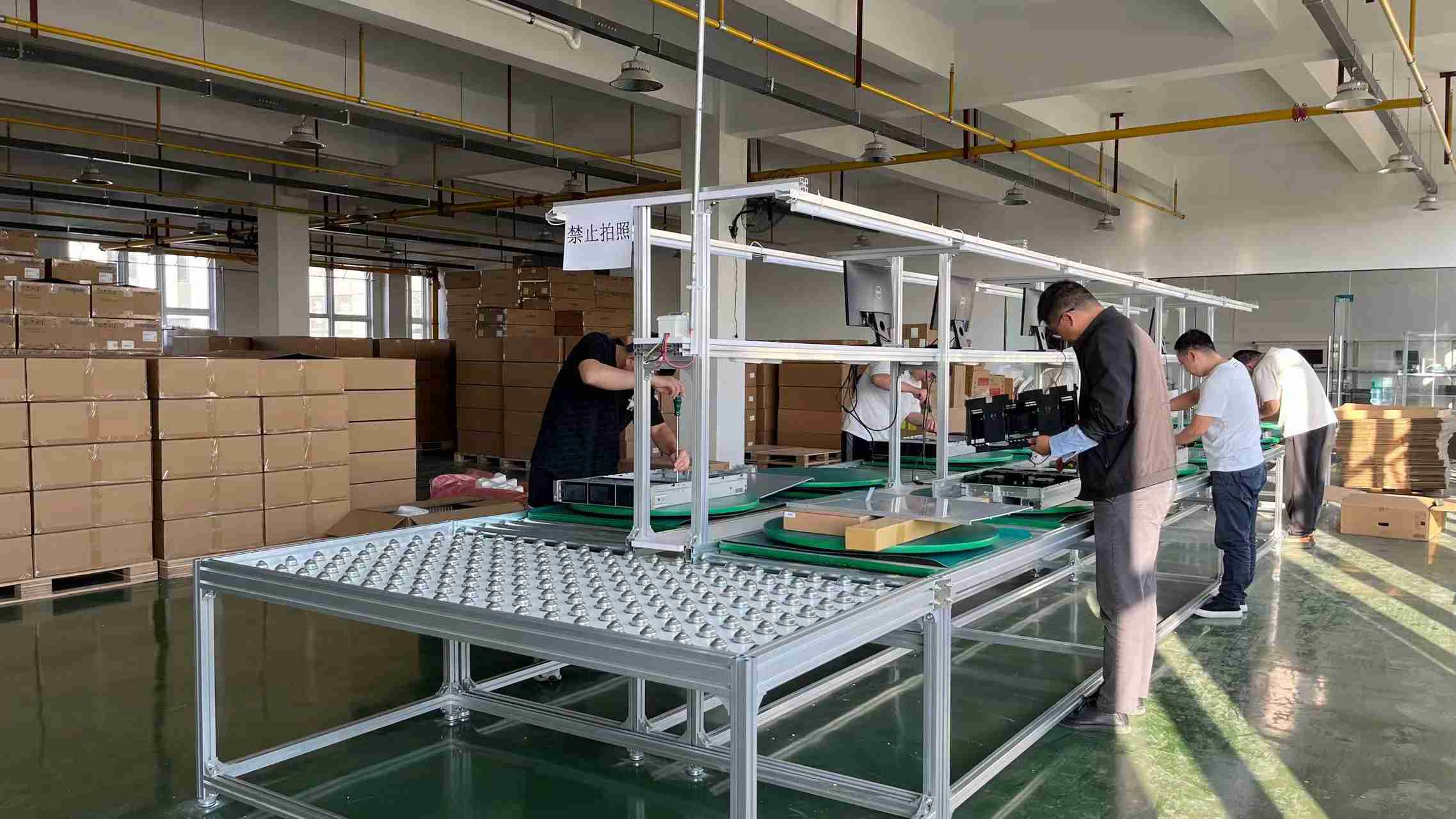
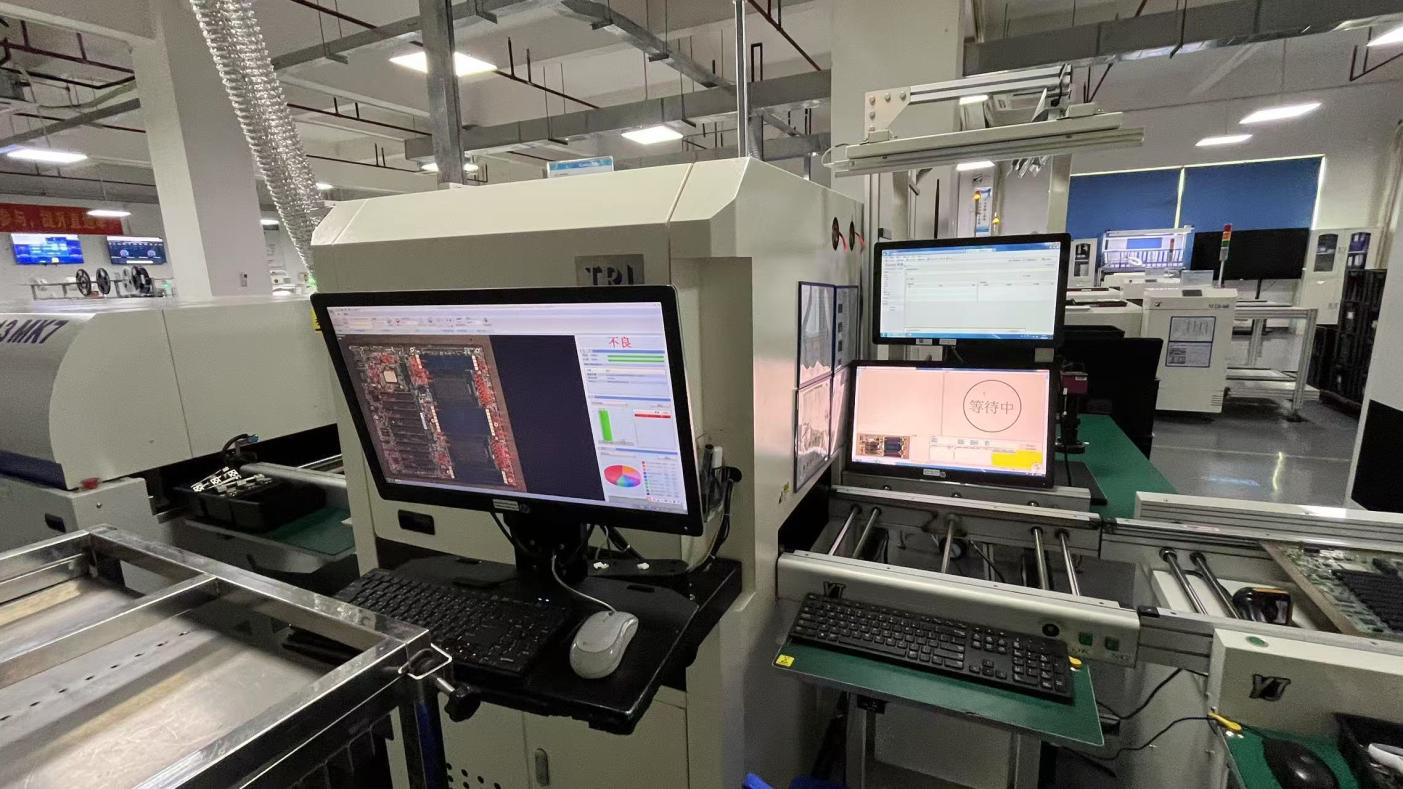
Enterprise-grade computing infrastructure demands adherence to strict regulatory framework networks. BoltGrid systems are built to comply with international electronics and data center safety metrics, including CE, FCC, RoHS, and UL guidelines.
We supply clients globally, ensuring our server configurations align with local environmental and energy efficiency requirements. This helps streamline import procedures and integration into enterprise data centers.
To minimize downtime, we coordinate parts availability and technical support with regional distribution partners in North America, Europe, and the APAC region. This structure ensures users receive rapid replacement components and configuration support when needed.
Our engineering team provides deep firmware customization options, including secure boot configurations and IPMI platform settings. This allows operators to integrate BoltGrid systems seamlessly into their existing monitoring and orchestration tools.
Technical answers to key hardware and procurement inquiries.
Select specialized hardware platforms to scale your cloud and virtualization hosting capacity.