BoltGrid
BoltGrid
BoltGrid
Optimize your compute environments with our premium array of enterprise server platforms, heat pipes, and high-frequency memory designs.
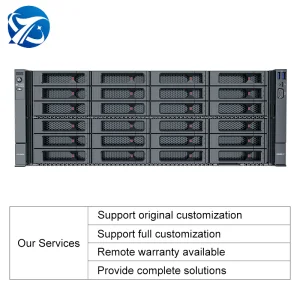
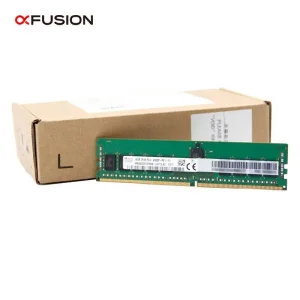
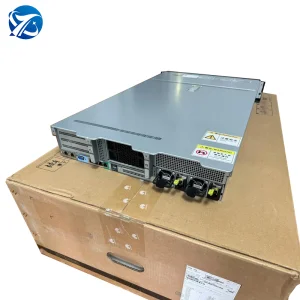
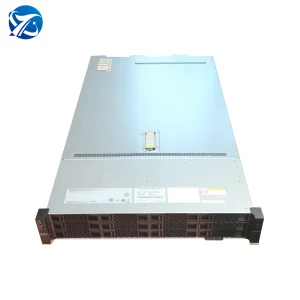
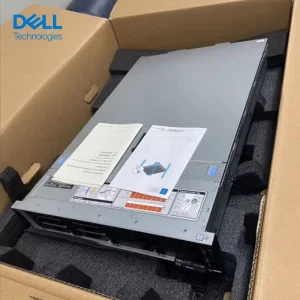
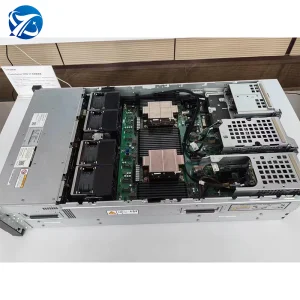

In the digital-first era, datacenters operate under intense computational workloads driven by Large Language Models (LLMs), database transactions, containerized microservices, and big data processing. Enterprise server memory (RAM) is no longer just a passive storage hierarchy component; it is the fundamental conduit that defines system latency, computing density, and overall reliability. From high-capacity RDIMMs to the latest Compute Express Link (CXL) paradigms, selecting a trusted manufacturer determines the long-term scalability of mission-critical environments.
At the center of high-performance computing stands BoltGrid Computing Systems Co., Ltd., a professional AI GPU server and high-speed memory systems specialist. Established in 2016 and leveraging over 12 years of core industry experience, BoltGrid is uniquely positioned to deliver both advanced compute architectures and the scalable, ECC-protected server memory modules necessary to feed modern Intel Xeon, AMD EPYC, and high-performance GPU systems.
Modern inference engines, such as the DeepSeek R1 671B model, rely on massive memory arrays to avoid PCIe bottlenecks. When GPUs execute token generation, the memory interface speed (MT/s) and capacity represent the primary hardware limiting factors. System designers must deploy ECC-equipped DDR5/DDR4 solutions to guarantee fault isolation, thermal thresholds, and zero downtime.
The enterprise memory landscape has experienced a monumental shift with the mainstream deployment of DDR5, pushing speeds past 6400 MT/s while operating at lower voltages compared to legacy DDR4. Below, we examine the physical and architectural shifts that determine capacity, power efficiency, and data integrity.
| Feature Parameter | DDR4 Enterprise RDIMM | DDR5 Enterprise RDIMM | Emerging CXL Memory Expansion |
|---|---|---|---|
| Data Rates (Speeds) | 2400 to 3200 MT/s | 4800 to 6400+ MT/s | Interface dependent (PCIe Gen 5/6 speeds) |
| Operating Voltage | 1.2V | 1.1V | Dynamic system-level negotiation |
| Power Management | On Motherboard | On-DIMM PMIC (High Efficiency) | Integrated PMIC and PCIe controller |
| Error Correction Code (ECC) | Side-band ECC (System level) | On-die ECC & System level ECC | Advanced ECC + Link-level CRC |
| Pin Configuration | 288-pin standard | 288-pin (Optimized pinout) | PCIe AIC or EDSFF Form Factors |
Under heavy workloads, voltage ripples can introduce soft errors. DDR5 shifts the Power Management Integrated Circuit (PMIC) directly onto the memory module (DIMM). This localizes power regulation, mitigating voltage drop across the motherboard traces. Simultaneously, on-die ECC provides error correction at the silicon level before transmitting data to the host CPU, allowing memory factories to achieve higher densification per wafer without compromising signal integrity.
DDR5 dual 32-bit subchannels maximize command protocol efficiency, ensuring multi-core processors like the Intel Xeon 6th Gen aren't starved of data pipelines.
Advanced heat dissipation shielding coupled with low-power thermal sensors prevent localized hot spots, extending memory module lifespans under sustained load.
Built-in Decision Feedback Equalization (DFE) suppresses electrical noise, allowing stable operation at unprecedented high frequency ranges.
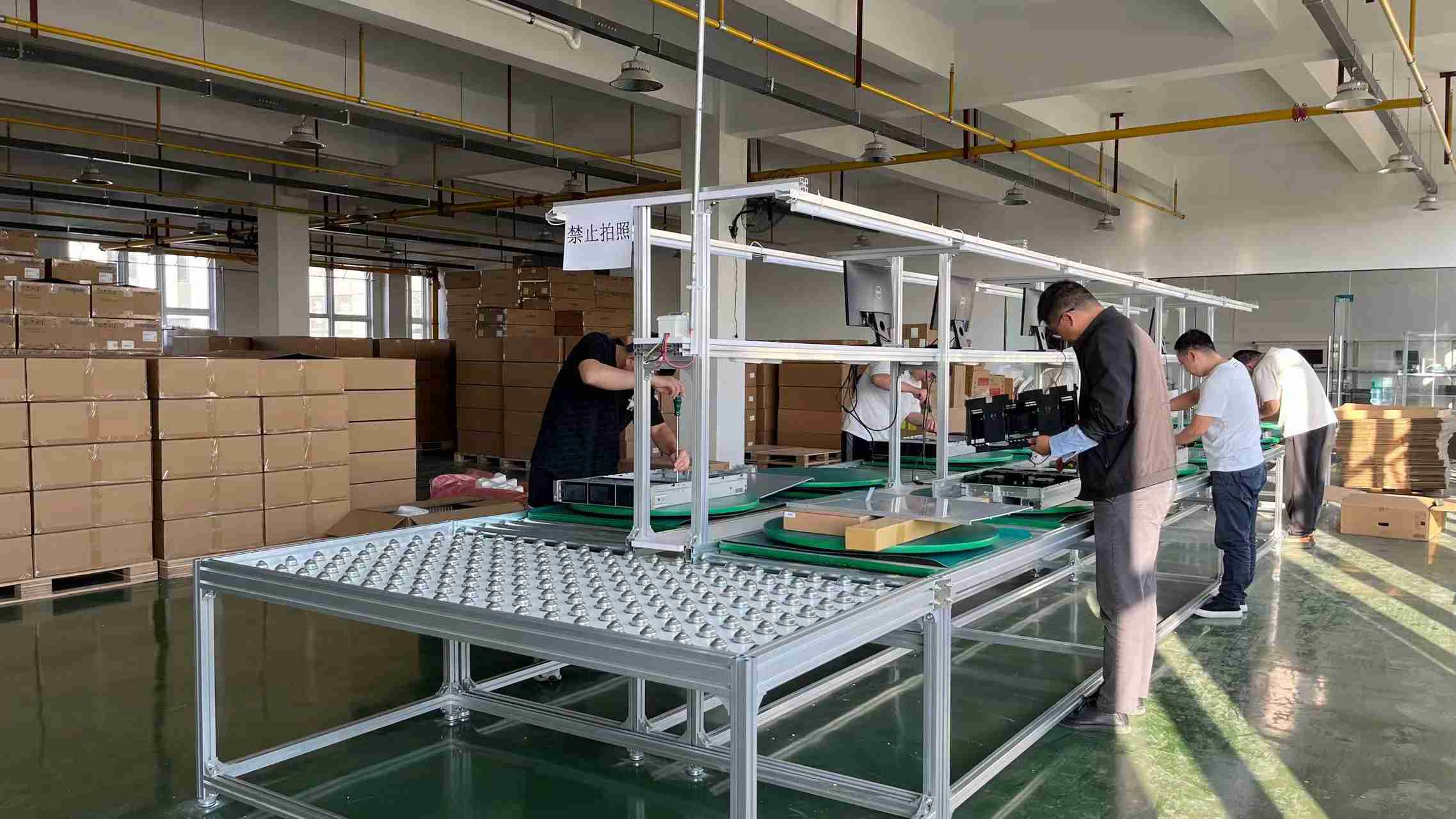
The global technology sector is highly reliant on seamless supply chains. China's electronic manufacturing hubs offer a distinct ecosystem where silicon packaging, component fabrication, high-speed SMT assembly, and comprehensive quality assurance occur in close geographical proximity. This allows for unmatched scaling speeds and cost optimizations for enterprise server memory and AI clusters.
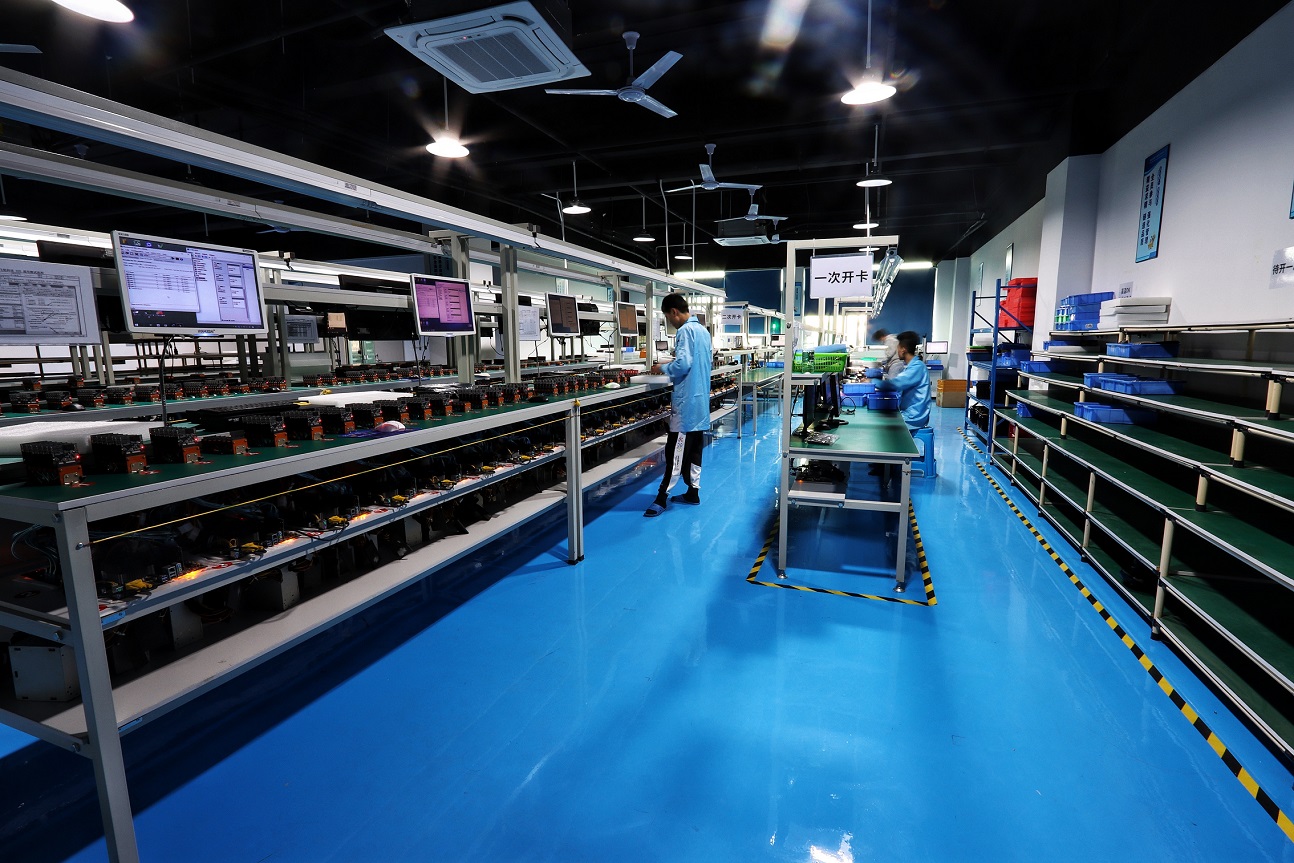
BoltGrid operates a state-of-the-art 18,500 square meter production facility optimized for high-performance computing hardware integration. By cultivating over 850 strategic partners, the factory ensures an uninterrupted supply of DRAM ICs, multi-layer PCBs, custom-designed heatsinks, and complex server chassis components. This massive ecosystem allows BoltGrid to rapidly customize GPU servers and memory scaling modules to match exact data-center needs without long procurement delays.
Key manufacturing and logistics advantages include:
Deploying enterprise hardware internationally requires navigating strict regulatory frameworks. Memory systems and server platforms must meet electrical safety, environmental, and security benchmarks before entering corporate server racks.
From an environmental perspective, server RAM and server systems must strictly adhere to RoHS (Restriction of Hazardous Substances) and REACH regulations, eliminating toxic materials like lead, cadmium, and polybrominated biphenyls from the PCBs and solder joints. For electrical compliance, systems are rigorously certified for CE (Conformité Européenne), FCC (Federal Communications Commission), and UL standards, guaranteeing electromagnetic compatibility and safe power operation under high loads.
Enterprise environments must also address hardware-level security. Trusted memory manufacturers integrate hardware security modules, such as secure boot and physical write-protection on the SPD (Serial Presence Detect) hub, to prevent malicious firmware updates. Additionally, with the rise of strict data residency laws like GDPR, having local engineering and testing support ensures hardware diagnostics do not compromise sensitive stored data.
Enterprise server memories and high-density computing platforms serve distinct roles depending on the workload profile. Below are key deployment environments requiring high-frequency RAM and stable server infrastructure:
AI model training and inference require massive parallel computing power. Running modern models like DeepSeek R1 requires extremely fast memory throughput to prevent GPU starvation. Servers with multi-socket structures and high-speed DDR5 arrays facilitate faster weight processing, enabling real-time response generation in AI cloud setups.
In virtualized clouds, physical RAM is split among hundreds of virtual machines (VMs). A single memory bit-flip can crash the entire hypervisor host, causing outages. Deploying ECC RDIMMs (Registered DIMMs) and LRDIMMs (Load-Reduced DIMMs) ensures single-bit errors are corrected on the fly, keeping multi-tenant environments stable.
For relational databases (SQL, Oracle) and financial transactions, memory latency dictates query performance. Utilizing high-frequency DDR4 or DDR5 low-latency modules minimizes CPU wait cycles, allowing instant payment processing, database lookups, and transaction logging.
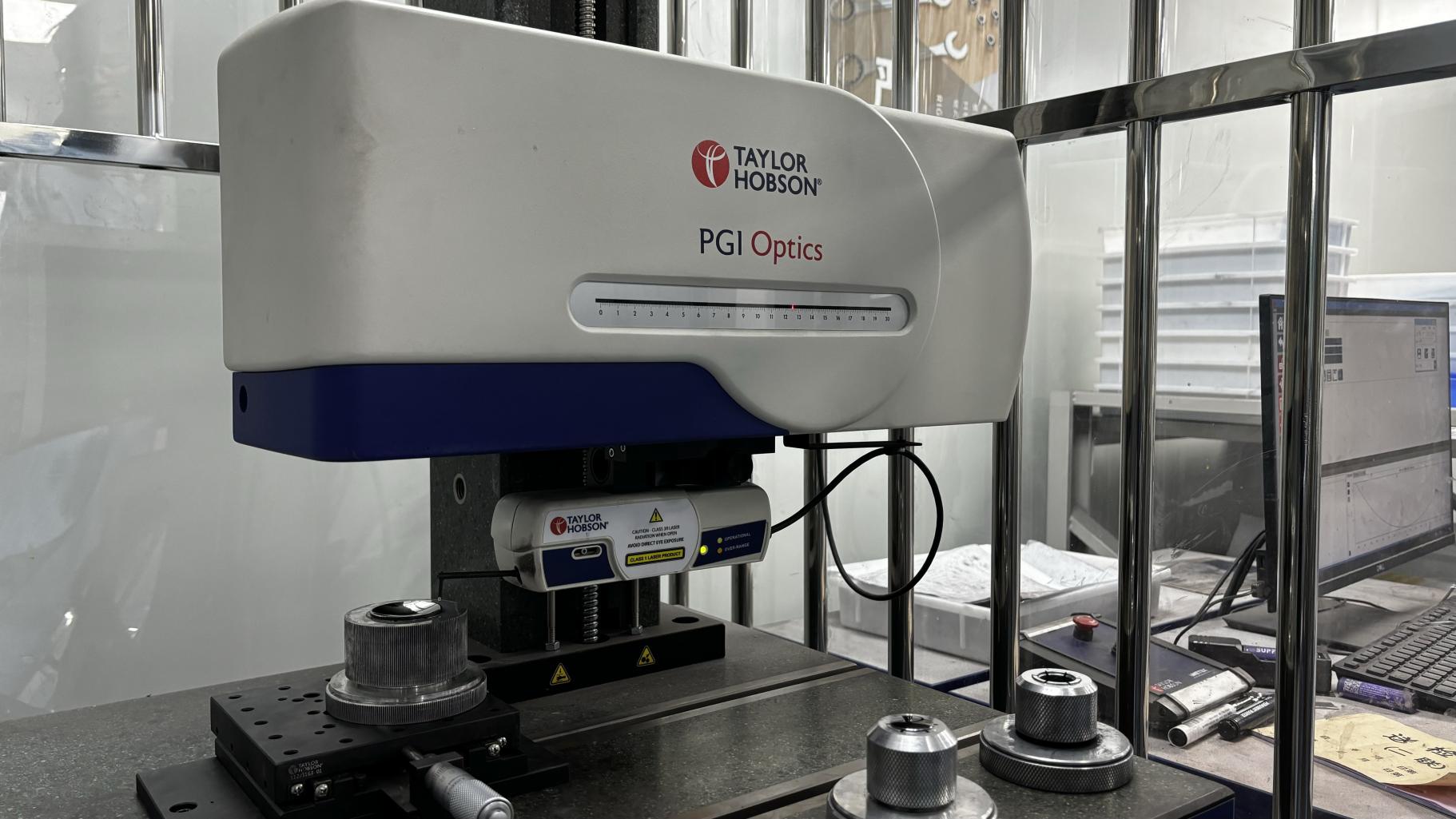
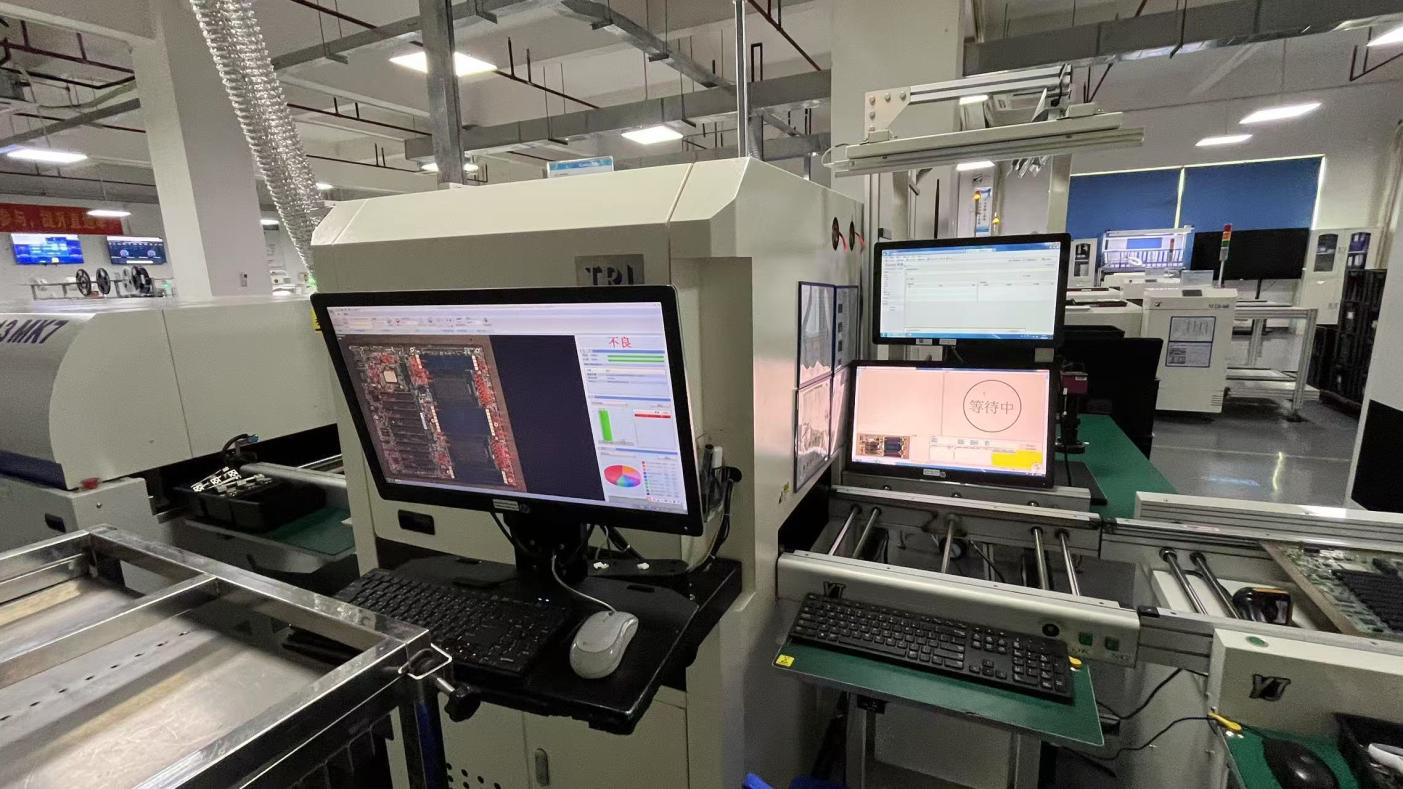
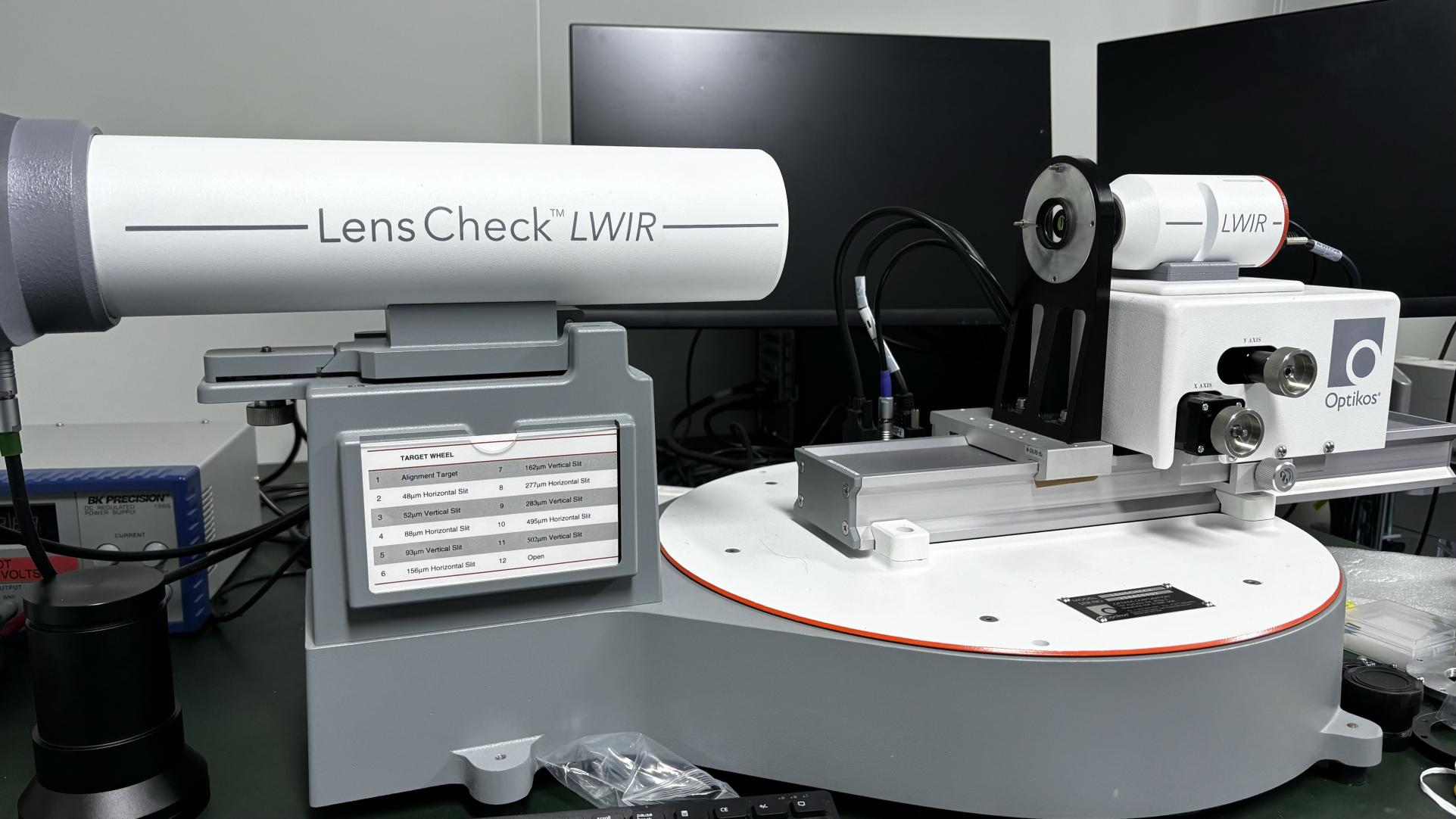
Hardware failures in enterprise systems lead to significant data loss and downtime. BoltGrid mitigates these risks through a robust quality assurance framework. The factory employs a dedicated team of 45 specialized inspectors who enforce rigorous, multi-tiered verification workflows.
Our quality control process includes:
With an engineering team of 120 specialists focused on GPU optimization, memory scaling, and thermal design, BoltGrid provides customized solutions that bridge the gap between memory silicon and high-performance computing hardware.
Explore our high-performance AI rack servers, hardware acceleration systems, and expansion cards engineered for mission-critical deployments.