BoltGrid
BoltGrid
BoltGrid
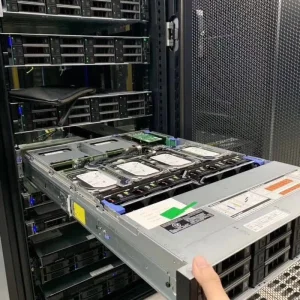
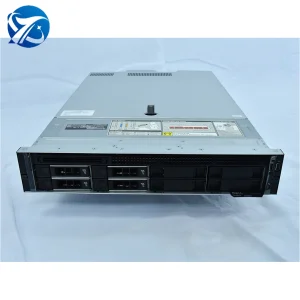
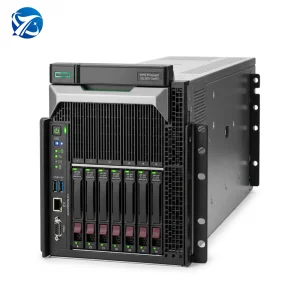
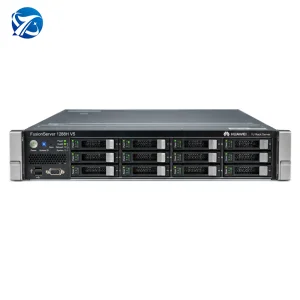
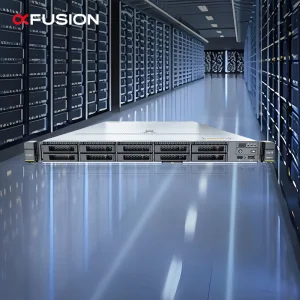
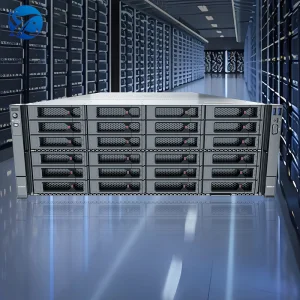
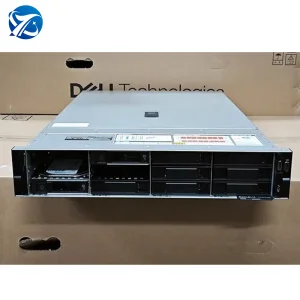
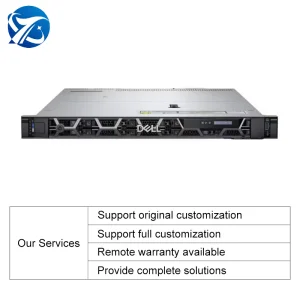
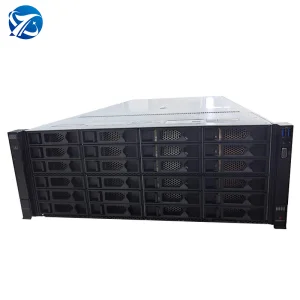
Select 1U, 2U, and 4U systems optimized for massive deep learning, containerized deployments, and cloud computing architectures.
Decoding key trends pushing physical hardware design to support exponential computational workloads.
The global datacentric economy is experiencing an architectural paradigm shift. As workload profiles transition from standard web-hosting protocols to highly heterogeneous environments, the demand for customizable rack mount servers has surged. Modern setups require microsecond latency, multi-tenant container isolation, and extreme thermal resilience. Our strategic development has pinpointed three main transitions dictating current data center infrastructure procurement:
Standard CPU-centric layouts are yielding to hybrid, dense GPU models. Modern server systems require PCIe Gen 5 configurations to bypass host-to-device communication bottlenecks, running frameworks like DeepSeek and custom LLMs natively.
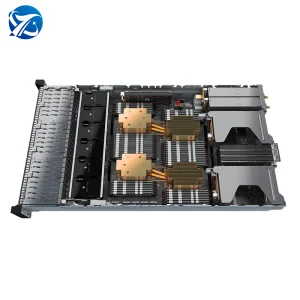
As processor Thermal Design Power (TDP) hits and exceeds 350W-400W limits, standard chassis require advanced aerodynamic modeling. Counter-rotating fan arrays, dedicated ducting, and liquid-cooling paths are now baseline requirements.
Data supply lines demand compliance with Zero Trust principles. Modern secure rack systems utilize TPM 2.0 cryptoprocessors alongside signed UEFI firmware validations to safeguard enterprise networks at the physical bare-metal layer.
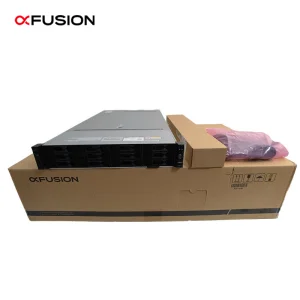
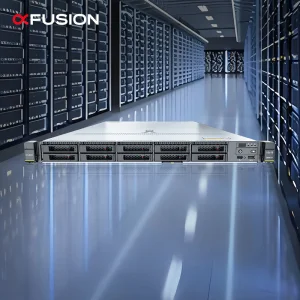
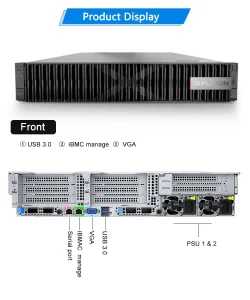
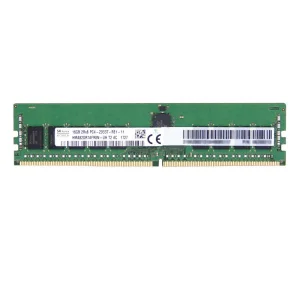
The standard architectural trade-offs between 1U and 2U rack form factors are shrinking due to advances in component consolidation. 1U systems utilize ultra-dense system boards that maximize computed performance per rack unit (RU), fitting seamlessly into hyper-scale compute nodes. However, 2U configurations support larger storage slots, additional PCIe slots, and extensive memory arrays (supporting multi-channel DDR4/DDR5 options) that are vital for enterprise database engines, virtualization, and hybrid cloud topologies.
Built on 12 years of core industry experience, we specialize in high-performance hardware, GPU clusters, and reliable global distribution.
Established in 2016, BoltGrid Computing Systems Co., Ltd. has expanded into a leading designer and manufacturer of enterprise GPU cluster setups and high-density rack computing infrastructure. Drawing on 12 years of industry experience, the company operates a state-of-the-art facility supporting complex systems integration, reliability testing, and global logistics optimization. BoltGrid's strategic ecosystem involves more than 850 strategic partners, offering verified channels for raw components like high-performance GPUs, specialized server chassis, reliable power distribution units (PDUs), and enterprise cooling systems.
Balancing Total Cost of Ownership (TCO), supply security, and architecture customization in worldwide server sourcing.
For data center operators, enterprise IT managers, and system integrators, sourcing server hardware is not merely a transaction—it is a long-term strategic decision. Procurement officers face high stakes when designing infrastructure. A system crash or high latency could mean millions in lost revenue, while purchasing rigid off-the-shelf components can restrict processing efficiency.
Global procurement metrics are shifting beyond simple hardware costs. Leading-edge operators analyze four key pillars:
How advanced production ecosystems, structural testing protocols, and robust component sourcing protect your compute investments.
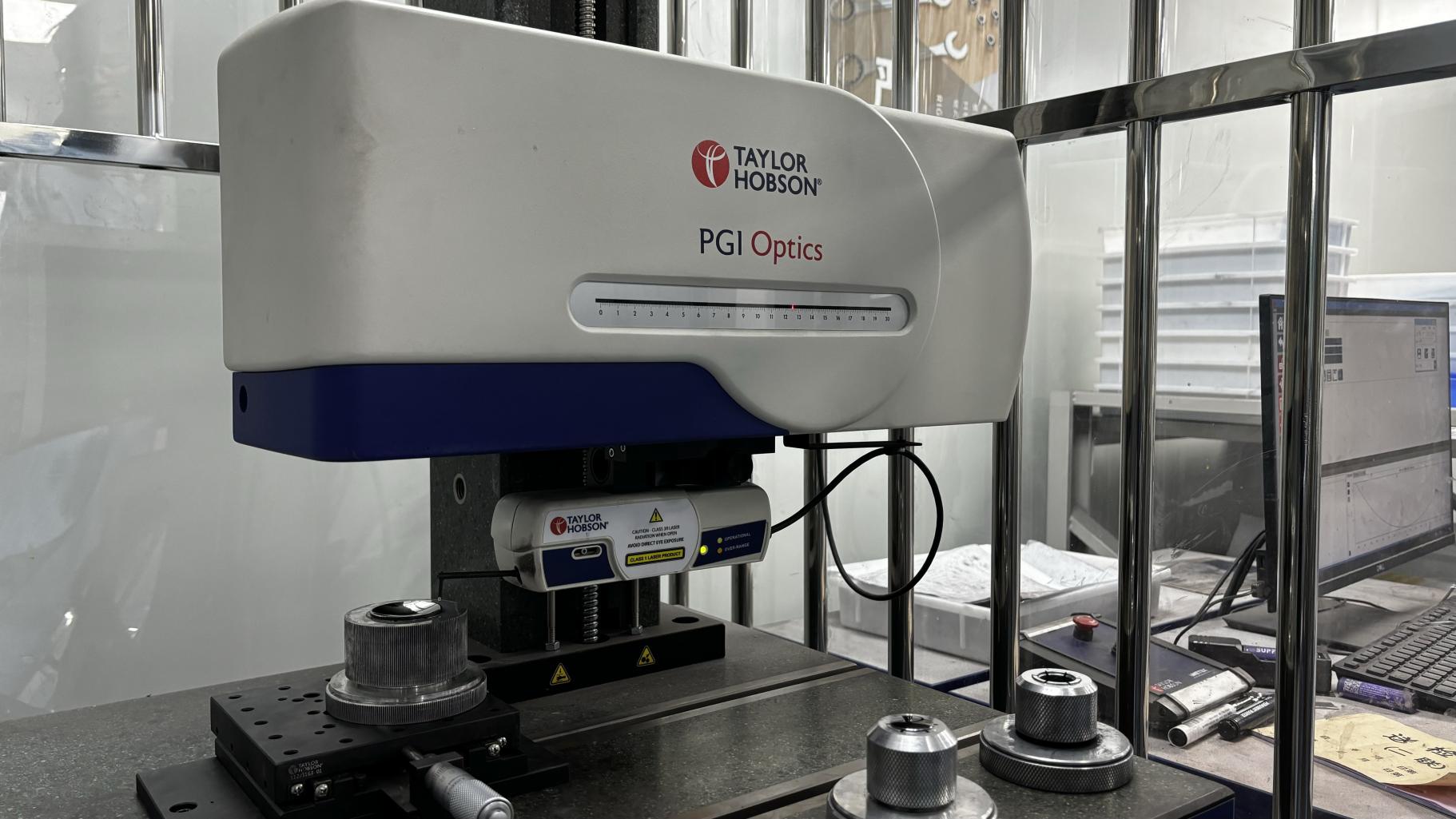
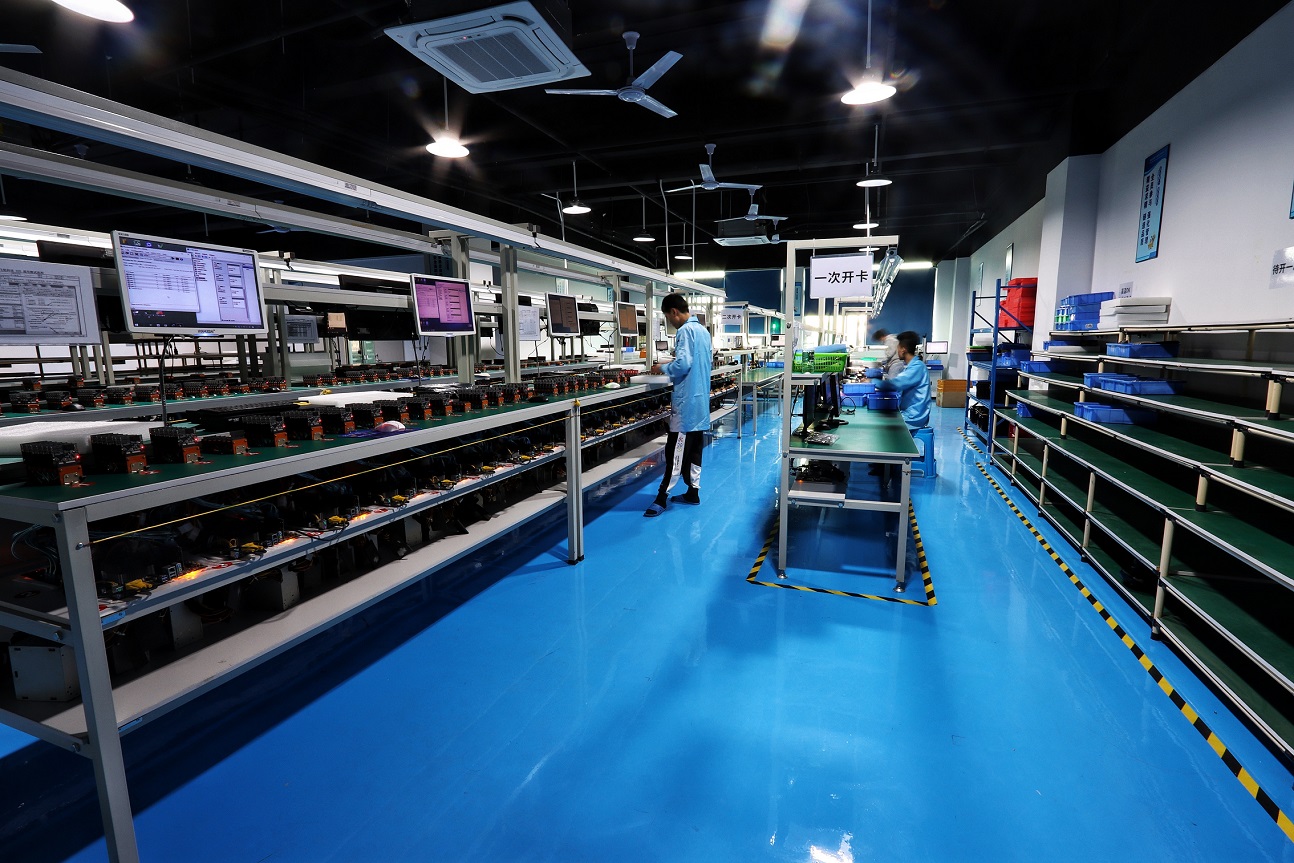
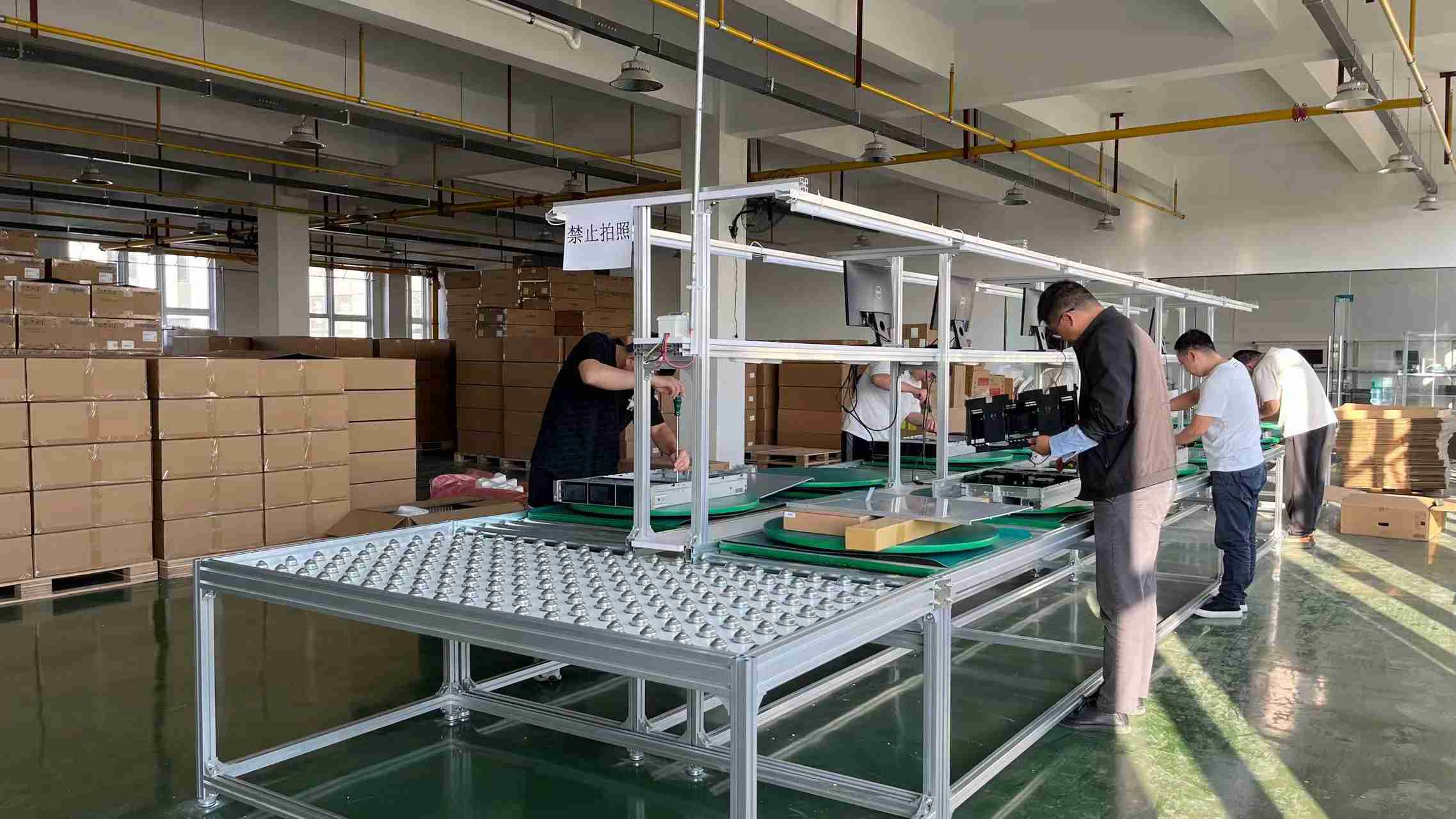
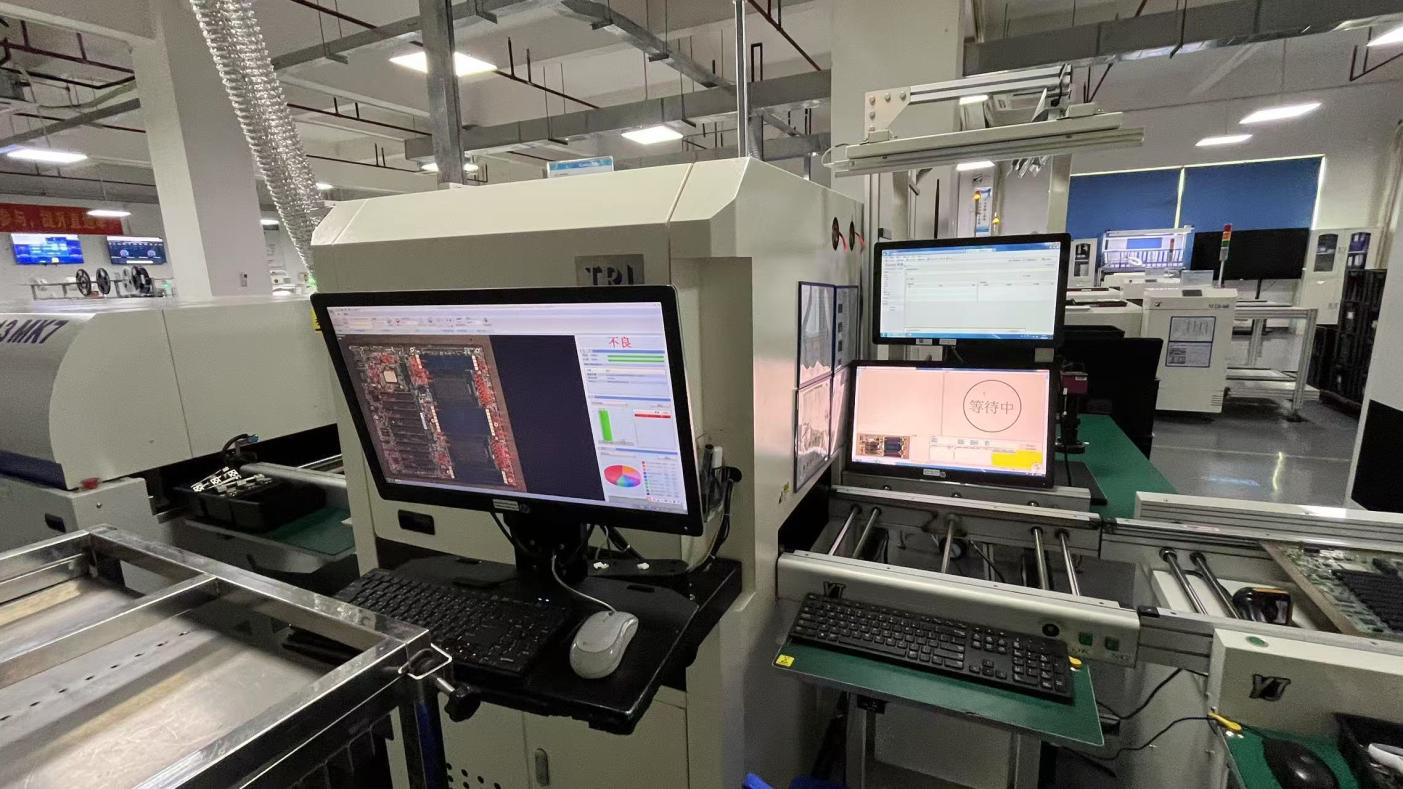
Operating in key technology hubs allows BoltGrid to leverage dynamic supply channels, reducing system manufacturing times while maintaining strict international quality standards. BoltGrid's quality assurance process relies on 45 dedicated inspectors running rigorous physical validation pipelines. Each server node undergoes three key checkpoints prior to export dispatch:
Matching specialized rack server configurations to real-world commercial and industrial use cases.
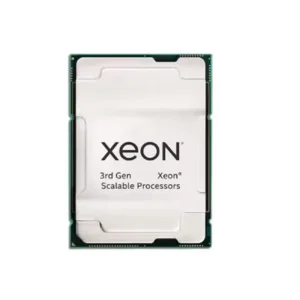
High-density 1U setups running Xeon multi-core processors maximize virtualization ratios. Redundant power supplies and hot-swap drive bays minimize physical maintenance overhead.
Multi-GPU 2U/4U servers equipped with PCIe Gen 5 interconnects manage massive parameter sets, processing complex language processing pipelines without system bottlenecks.
Short-depth chassis designed for manufacturing cells, power systems, and remote transport hubs, facilitating raw data logging under high dust and temperature levels.
Technical clarifications to help global sourcing managers make informed equipment decisions.
The main differences lie in thermal limits, PCIe expansion, and storage capacity. 1U systems maximize computing density in hyper-scale racks, though their small chassis confines drive bays and limits expansion cards. 2U servers support multiple GPUs, extensive disk arrays, and passive cooling options, reducing dynamic fan power consumption.
Through our network of over 850 strategic partners, we secure direct components and priority allocations for high-performance GPUs, DDR4/DDR5 system memory, and server controllers. Our regional proximity to central sourcing clusters allows us to buffer inventory changes and manage lead times effectively.
Yes, our R&D group of 120 engineers supports customized configurations. We modify memory capacities, storage arrays (SATA, SAS, NVMe), power allocations, and custom cooling setups to align with your platform requirements.
Every integrated server runs through detailed testing protocols under the oversight of 45 QA inspectors. This includes thermal testing inside automated chambers, system stress testing, and 24-to-72 hour burn-in validation at full compute load to secure against infant mortality failures.
Select hardware platforms designed for cloud scaling, edge telemetry, and enterprise processing arrays.