BoltGrid
BoltGrid
BoltGrid
Explore our flagship lineup of Edge AI servers, rack units, and performance accelerators engineered for severe workloads.
Decentralizing compute architectures to mitigate latency, optimize localized bandwidth, and safeguard telemetry processing.
In the contemporary digital landscape, the paradigm shift from centralized hyperscale data centers to distributed edge Topographies is accelerating. Global enterprises are realizing that raw bandwidth capacity alone cannot sustain the demands of instantaneous intelligent processing. Real-time data synthesis, driven by deep learning networks, requires compute power positioned geographically adjacent to physical interfaces. As a premier Edge Computing Supplier & Exporter, BoltGrid is at the forefront of this industrial revolution, engineering GPU servers and dedicated processing clusters designed specifically for the extreme conditions characteristic of localized edge sites.
Edge architecture trends highlight a critical shift toward heterogeneous computing. Modern edge deployments are no longer confined to low-power, single-board computers. Instead, they require robust systems capable of parallel execution for deep learning models, advanced machine vision, and real-time sensor fusion. Industry experts predict that by 2027, over 70% of enterprise-generated telemetry will be processed at the edge, a staggering increase from the historical average. This transformation is driven by several systemic factors:
By routing data processing locally, businesses bypass the round-trip delay associated with fiber optics transit to centralized clouds, achieving latency intervals below 5 milliseconds, vital for closed-loop industrial controls.
Transmitting vast streams of high-resolution video telemetry to a distant cloud consumes massive network bandwidth. Localized edge nodes filter and synthesize telemetry, transmitting only essential analytical metadata.
Operating critical processing within local server frameworks ensures strict alignment with local data security regulations. Physical containment within enterprise perimeters mitigates external interception threats.
Addressing the rigorous technological requirements, compliance protocols, and long-term durability metrics defined by multinational procurement boards.
Enterprise IT directors and network engineers look beyond raw hardware specifications when reviewing international hardware providers. Procurement is heavily based on total cost of ownership (TCO), long-term system stability under high-stress conditions, and component consistency. The operational environment of an edge node varies widely; a system might be installed in a climate-controlled rack room, an industrial plant floor with heavy vibration, or an outdoor terminal subject to thermal shifts.
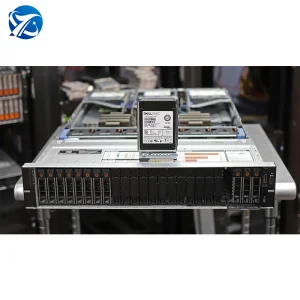
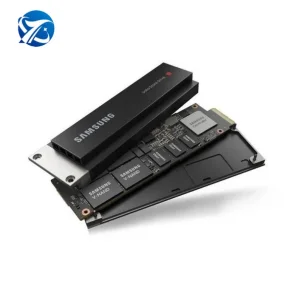
Consequently, global enterprises prioritize edge servers built with high-tolerance components. This includes industrial-grade storage configurations (such as Sam Sung PM883/PM893/PM9A3 enterprise SSDs), specialized RAID layouts managed by advanced controller chips (like the PCIe Gen 4.0 9540-8i RAID controller), and modular chassis designs. BoltGrid addresses these strict procurement standards by certifying every export container for continuous operation in complex commercial setups.
A snapshot of our global export operations, technological resource allocation, and quality verification standards.
Leveraging advanced manufacturing clusters and localized semiconductor integration to secure hardware supply chains.
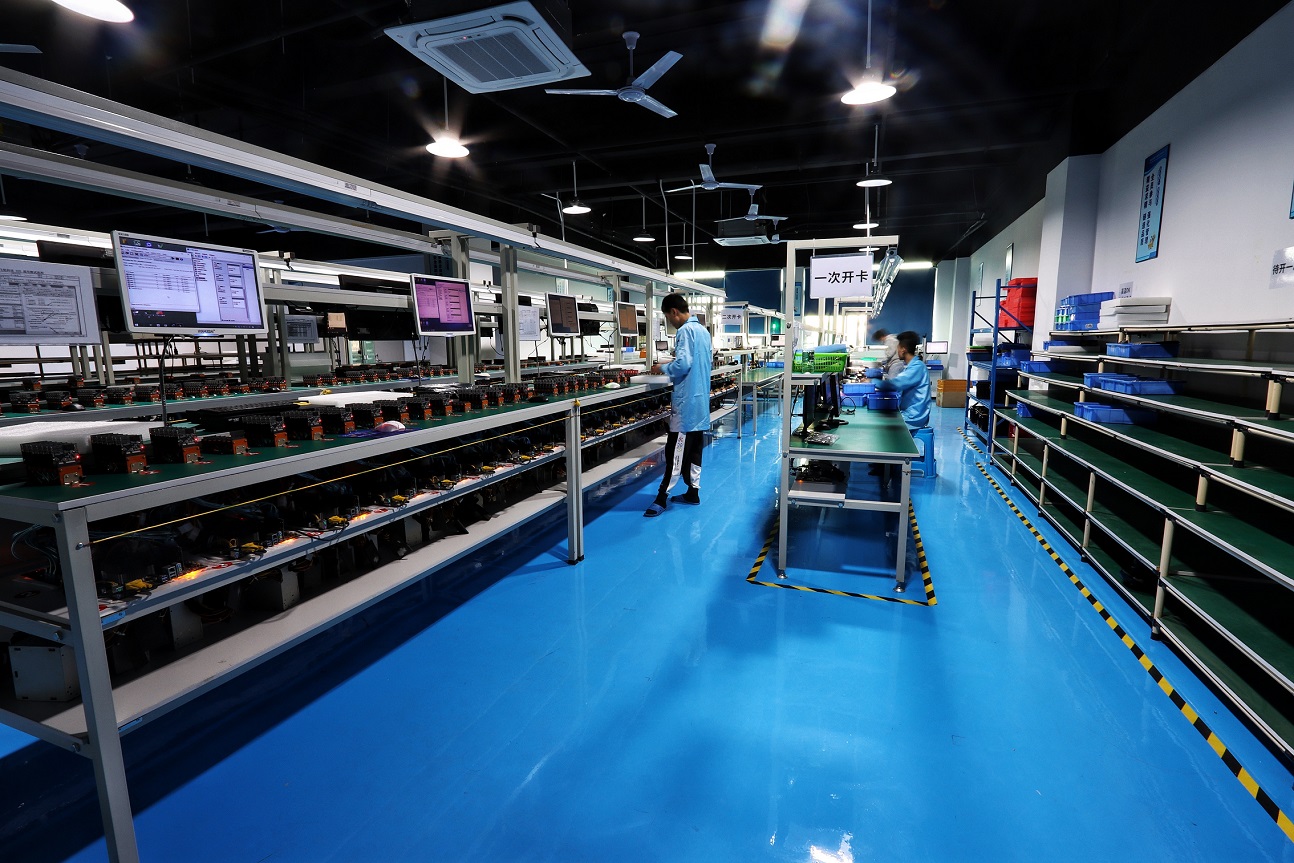
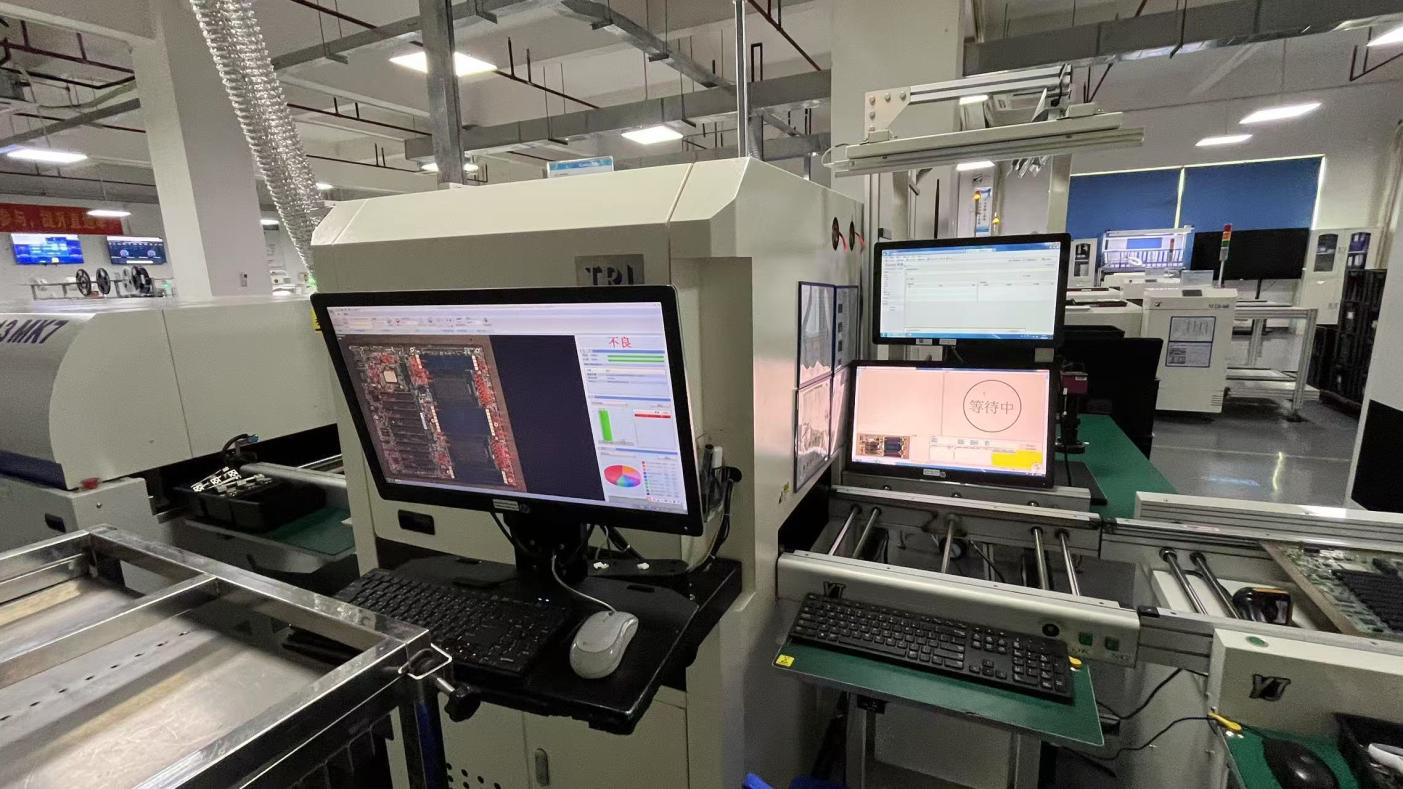
In an era marked by fluctuating component markets, securing a resilient hardware manufacturing partner is critical. BoltGrid's main operations are situated within one of the world's most dense technology hubs, allowing the company to implement a modern Factory 4.0 system. This setup links electronic component procurement, automated surface-mount assembly (SMT), testing, and shipping into a unified process.
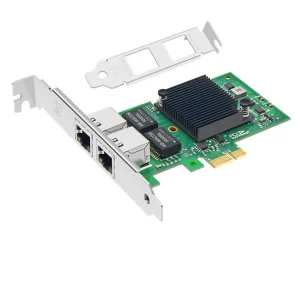
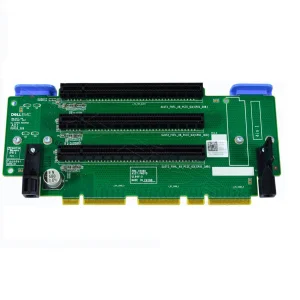
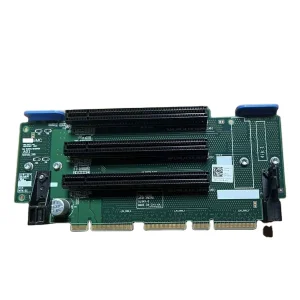
Our localized supply ecosystem includes over 850 strategic partners. This ensures that essential parts—such as PCIe 3.0/4.0 riser boards (like the PM3YD right riser card for Dell PowerEdge), network interfaces, and chassis frames—remain consistently in stock. When global semiconductor supply chains face disruptions, BoltGrid leverages its local network to secure allocations of processors, memory chips, and high-performance power modules. This structured supply chain provides distinct business advantages:
By housing design engineers and component warehouses within the same ecosystem, custom engineering modifications (such as GPU riser configurations) can be designed, prototyped, and tested in days rather than weeks.
Every server built undergoes an intensive QA process led by our 45-inspector quality division. This includes thermal performance monitoring, complex stress load simulations, and full-system burn-in testing to ensure hardware stability under demanding enterprise workloads.
With 7 years of international trade experience, our export division coordinates with global shipping networks. We manage trade compliance, secure customs clearances, and deliver edge servers directly to ports across North America, Europe, and Asia.
How modern industrial sectors utilize high-density servers to run local workloads and real-time operations.
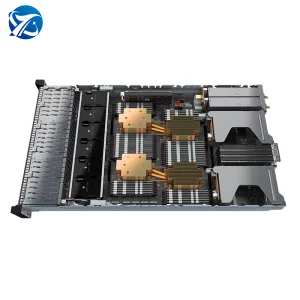
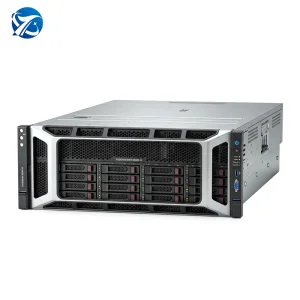
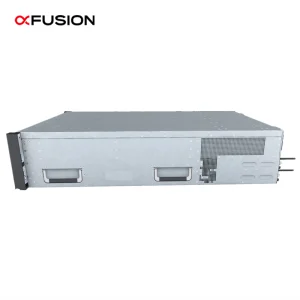
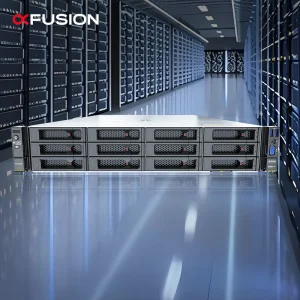
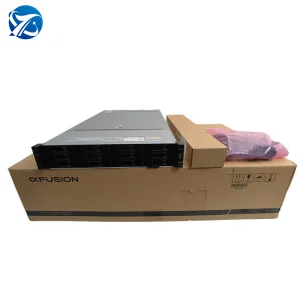
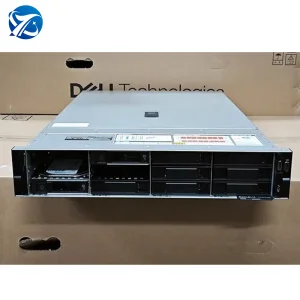
To fully understand the role of edge systems, we must look at how these platforms function across key business sectors. Our edge servers, including the custom xFusion FusionServer 2288H V7 and Dell PowerEdge platforms, are engineered to run demanding software workloads at the edge of the network.
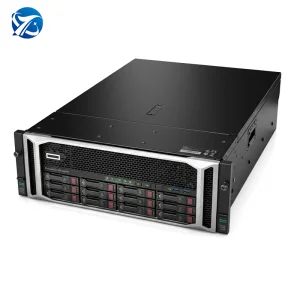
Urban planning networks use AI inference servers to process feed data from thousands of traffic and security cameras. The G5200 V5 GPU Server processes multiple video streams simultaneously, running object detection and classification models locally to help optimize traffic flow and improve public safety.
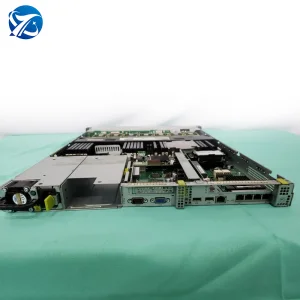
Factory 4.0 sites deploy high-density servers (such as the FusionServer 1288H V6) adjacent to assembly lines. As components pass through production, high-resolution cameras capture images analyzed by local deep learning models. This system flags defects in milliseconds, triggering immediate sorting actions to maintain high quality control.
Offshore oil platforms and remote wind fields use rugged edge systems to monitor equipment sensor data. These edge servers process vibrational and pressure metrics locally, using predictive algorithms to identify potential failures before they occur. This localized approach prevents costly downtime without relying on unstable satellite connections.
A look at our design capabilities, technical resource allocation, and quality validation standards.
BoltGrid Computing Systems Co., Ltd. is a professional AI GPU server manufacturer specializing in high-performance computing infrastructure, GPU cluster systems, and AI data center solutions. Established in 2016, the company has developed strong capabilities in design, manufacturing, and the global supply of advanced computing hardware.
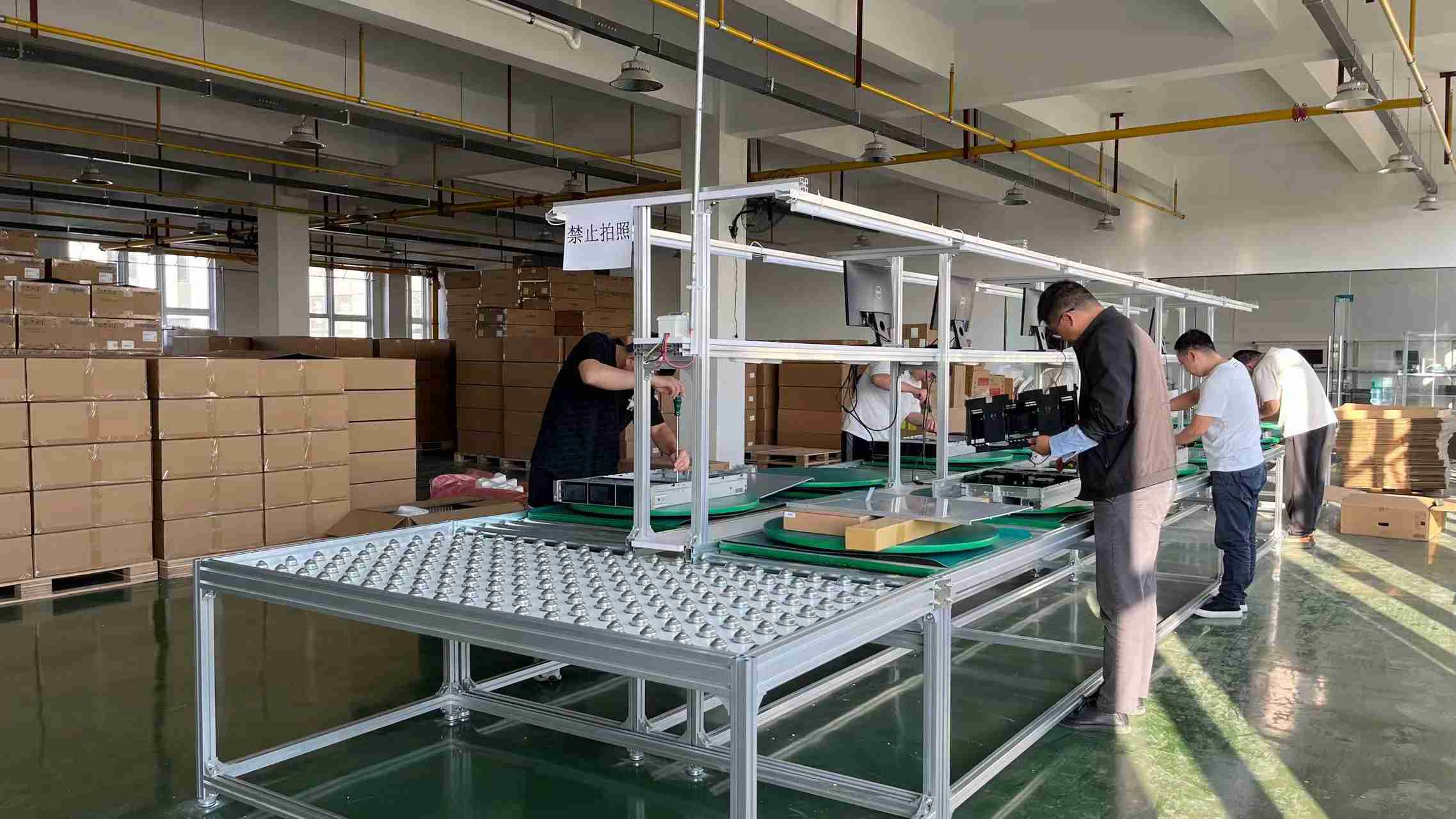
The company operates a modern production facility covering approximately 18,500㎡, supporting large-scale assembly, testing, and system integration for AI server products. With annual export revenue reaching around USD 18 million, BoltGrid has built stable international trade experience over 7 years, serving customers across North America, Europe, Southeast Asia, and the Middle East.
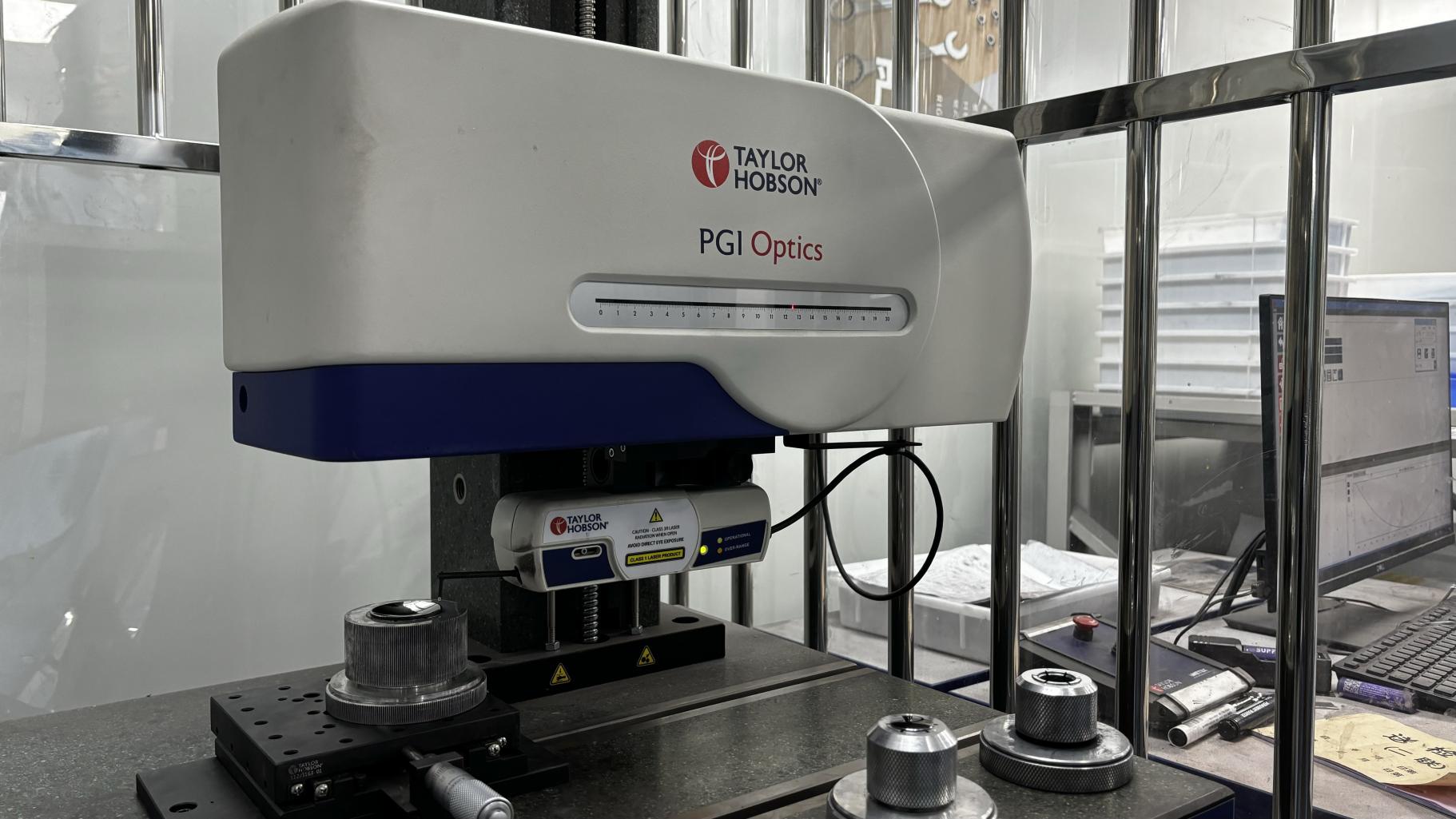
BoltGrid maintains a total industry experience of 12 years, supported by a professional quality assurance team of 45 inspectors. The company implements multiple product inspection methods, including thermal performance testing, stress load simulation, and full-system burn-in testing to ensure stability and reliability under high workloads.
The supply chain ecosystem includes over 850 strategic partners, enabling efficient sourcing of high-quality components such as GPUs, server chassis, power systems, and cooling solutions. The company serves a wide range of clients, including AI cloud service providers, data center operators, research institutions, and enterprise-level IT infrastructure integrators.
With strong R&D capabilities, BoltGrid employs approximately 120 engineers focused on GPU architecture optimization, AI workload acceleration, and system-level integration. The company launches around 85 new products annually and supports extensive customization options, including GPU configuration, memory scaling, cooling systems, and server form factor adjustments.
BoltGrid combines engineering innovation with strict quality control to deliver reliable, scalable, and high-performance AI GPU server solutions for global computing demands.
Addressing key technical questions regarding hardware compatibility, design specifications, and export procedures.
Our servers are built with features designed specifically for industrial environments. This includes reinforced metal chassis to absorb mechanical shock and vibration, redundant hot-swappable power supplies to safeguard against power fluctuations, and specialized dust-filtration systems. Additionally, our thermal designs use dynamic fan control and high-performance copper heat sinks to maintain stable operating temperatures in environments with limited airflow.
The 9540-8i RAID controller uses a PCIe 4.0 x8 host interface and Broadcom's SAS3808 controller architecture. Operating at 12Gbps SAS speeds, it provides hardware-based RAID configurations (such as RAID 0, 1, 5, and 10) to secure data against single-drive failures. This hardware-based processing unloads storage management tasks from the host CPU, ensuring fast, reliable access to local storage in latency-sensitive applications.
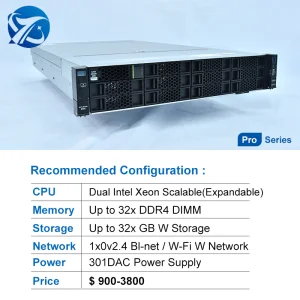
We offer flexible system configurations to meet varying project needs. Our 2U systems, such as the xFusion FusionServer 2288H V7, support multiple memory configurations using DDR5 and DDR4 ECC RDIMMs, along with diverse drive layouts (including 3.5-inch and 2.5-inch SAS/SATA/NVMe storage options). This modular layout allows clients to tailor storage capacity and access speeds to their specific local workloads.
Our QA process is led by 45 dedicated quality inspectors. Each server configuration undergoes a series of validation tests, including high-temperature burn-in chambers, electrical load testing, system-level stress simulations, and physical shock tests. These procedures verify that the fully integrated system remains stable under heavy compute workloads before leaving the factory.
Yes, our team of 120 R&D engineers supports a range of custom configurations. This includes modifying PCIe riser cards for specific expansion needs, tailoring cooling systems for tight spaces, and offering custom branding options. We work with clients from initial design stages through final production to meet specific deployment requirements.
We recognize the importance of stability in enterprise deployments. BoltGrid offers extended lifecycle support for our server models, ensuring a reliable supply of replacement components, memory modules, and expansion accessories for 5 to 7 years post-purchase. This approach helps minimize maintenance disruption and protects your long-term infrastructure investment.
Explore our selection of riser cards, enterprise-grade storage drives, and modular compute platforms.