BoltGrid
BoltGrid
BoltGrid
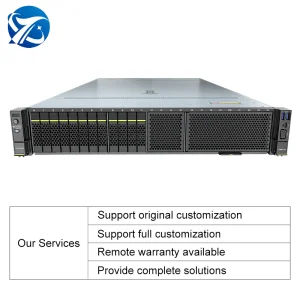
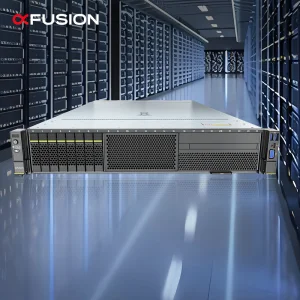
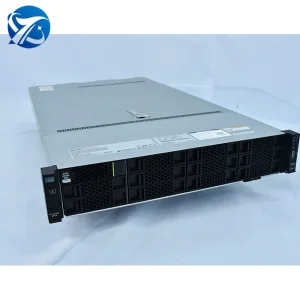
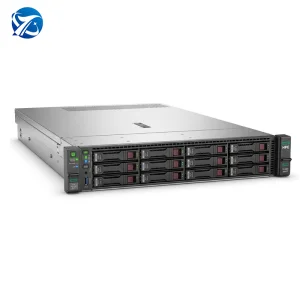
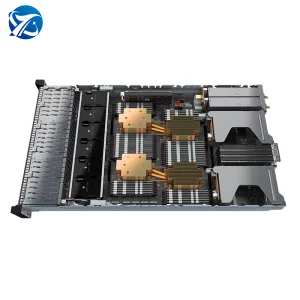
Enterprise rack-mount systems and component arrays optimized for dense computing environments and cognitive workloads.
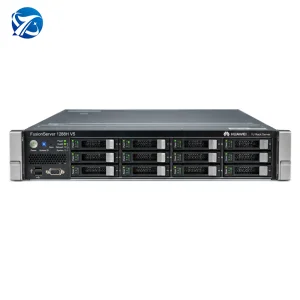

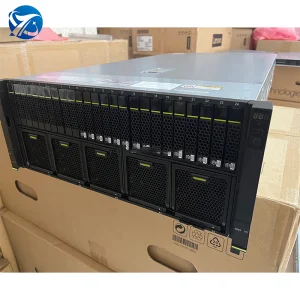
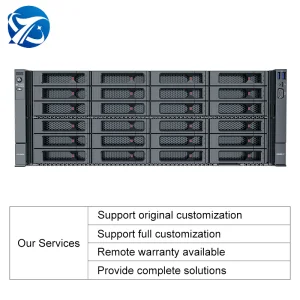
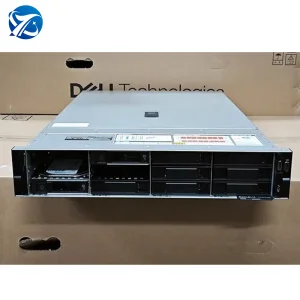
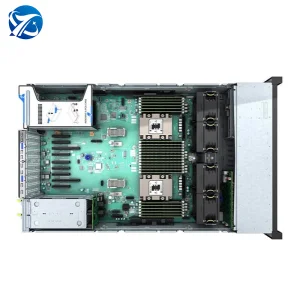
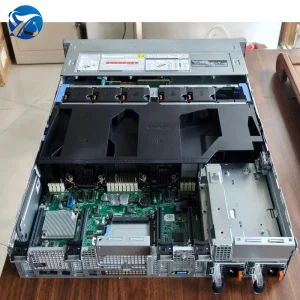
BoltGrid Computing Systems Co., Ltd. stands as a premier global AI GPU server manufacturer, dedicating resources to the realization of high-performance computing (HPC) infrastructure, specialized GPU cluster systems, and scalable AI data center deployments. Since our inception in 2016, we have strategically aligned computational engineering and manufacturing pipelines to offer reliable custom computing solutions.
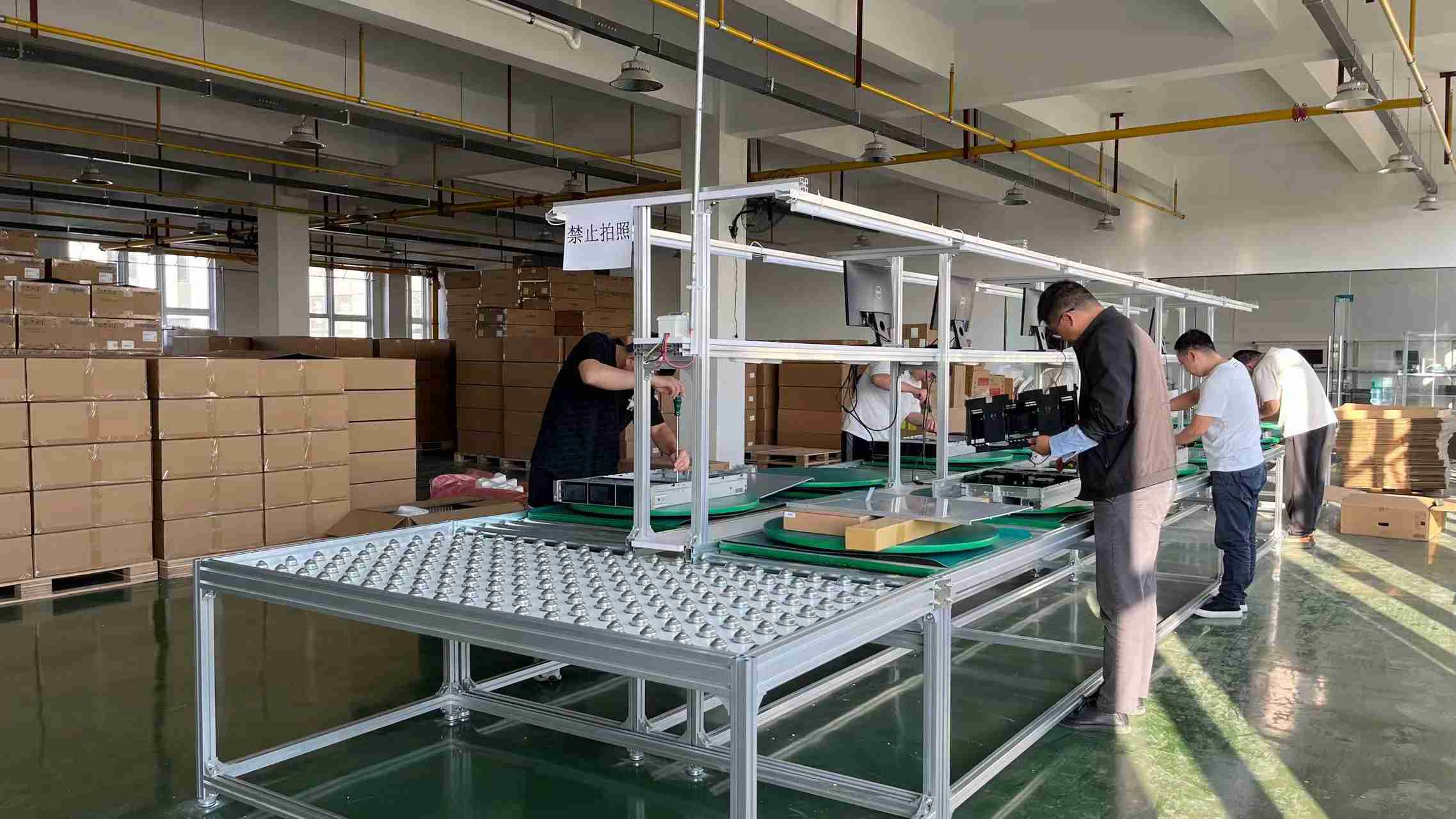
Our state-of-the-art facilities span over 18,500 square meters, optimized to process continuous assembly, rigorous functional calibration, and full system-level integration. With a robust strategic network containing over 850 Tier-1 component partners, BoltGrid ensures uninterrupted access to essential silicon, storage controllers, power distributions, and structural materials.
Combining robotic automation, dynamic structural testing, and end-to-end trace documentation for zero-defect compute deployments.
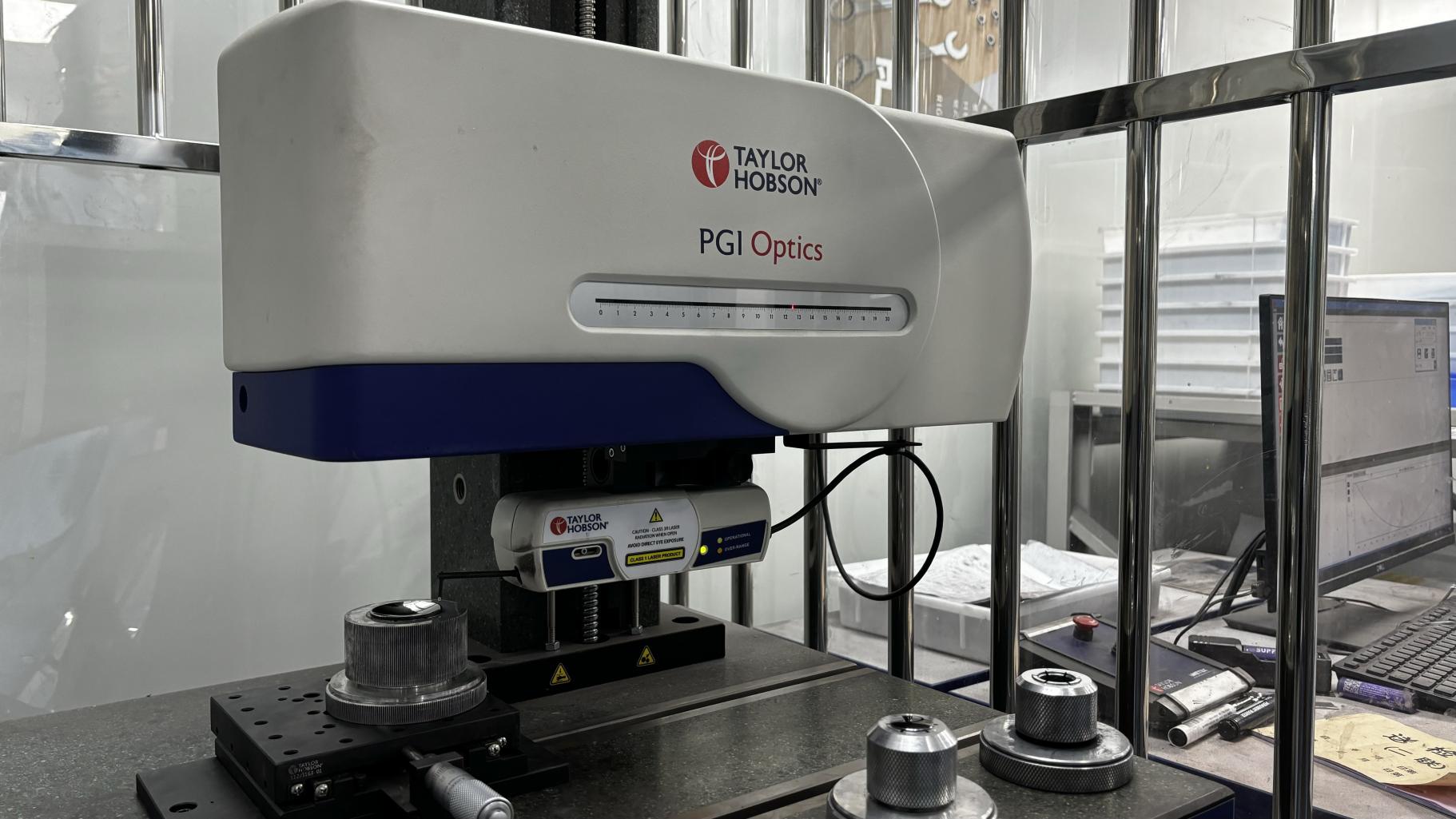
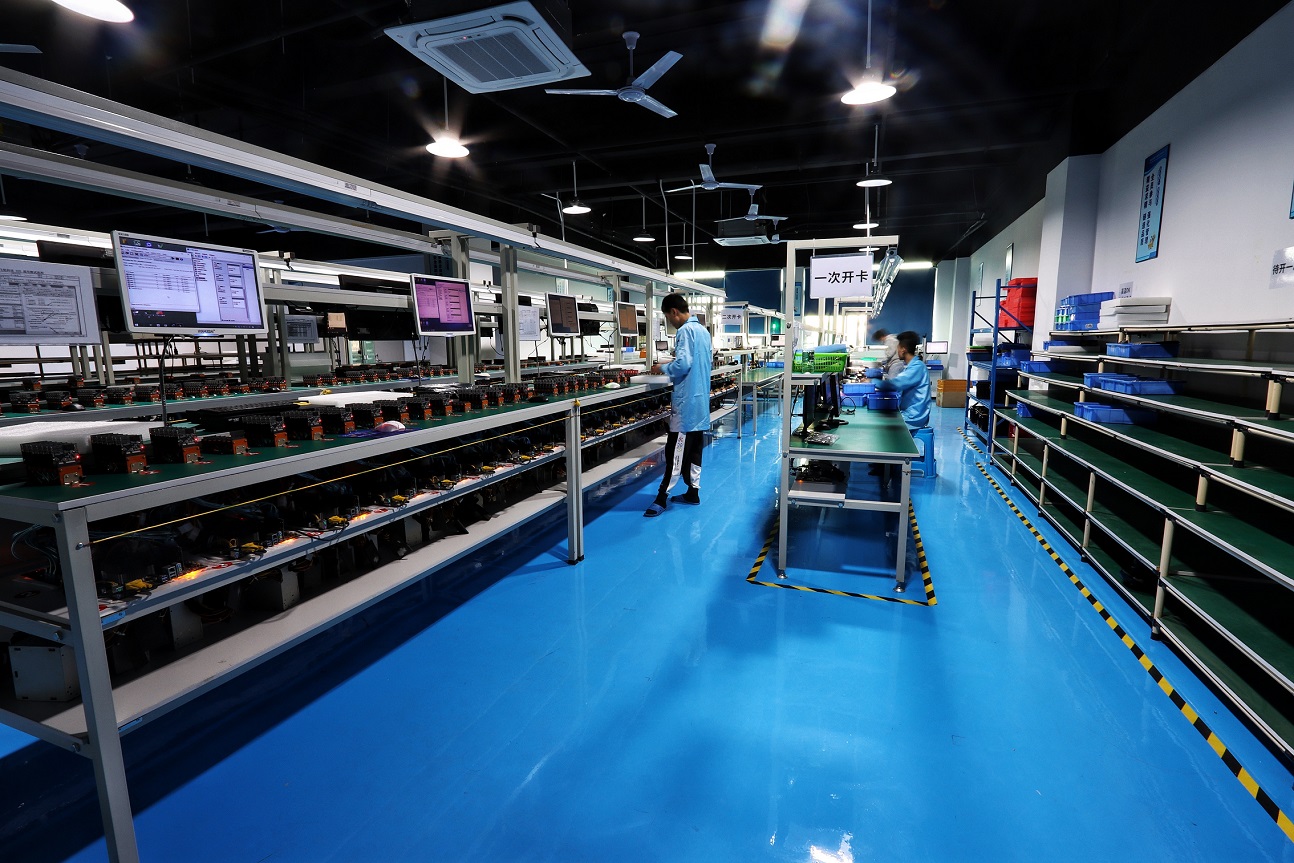
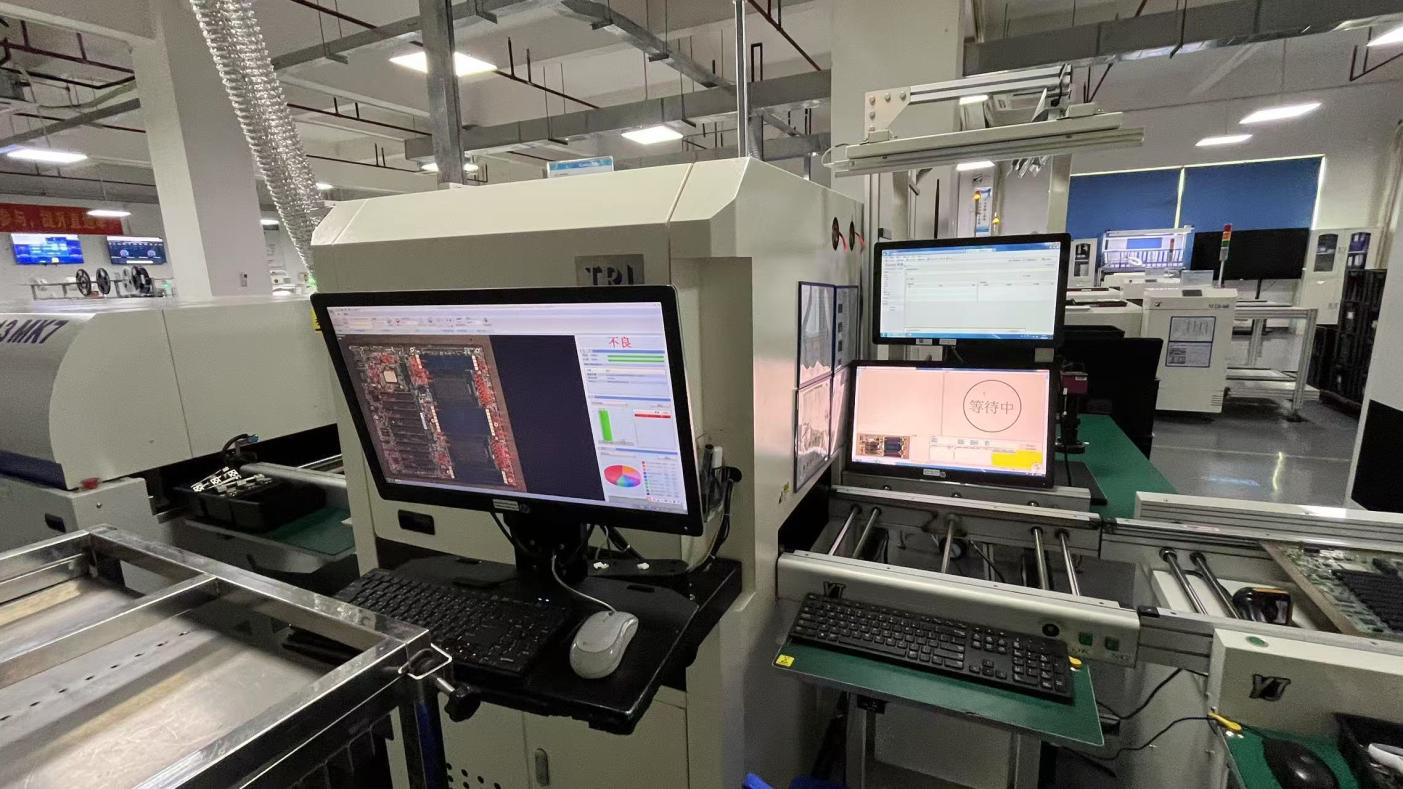
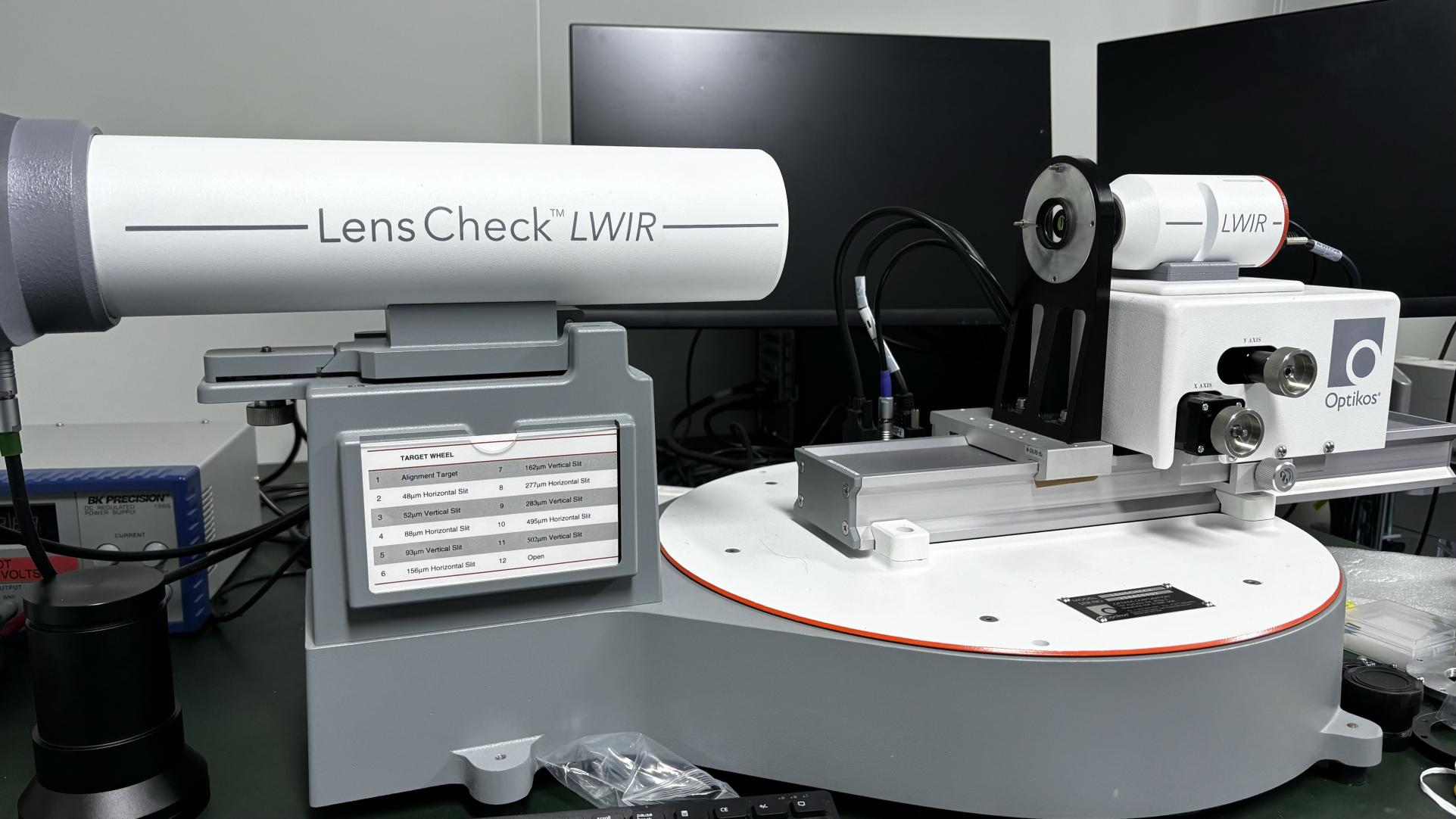
BoltGrid's assembly line represents the integration of Smart Factory 4.0 architectures. Hardware units undergo comprehensive stress testing that exceeds basic diagnostic assessments. Every GPU node, storage expansion unit, and server chassis must satisfy strict parameters across a sequence of environmental and stress simulation cycles:
Our team of 45 professional quality assurance inspectors controls every single stage of production. By relying on a strategic inventory base spanning 850 strategic partners, components like solid-state storage, PCIe bus controllers, and redundant system fans undergo individual inspection before integration.
Adapting compute layout interfaces to transition alongside higher silicon wattages and advanced computing architectures.
As global demands transition towards ultra-large LLM systems and low-latency vector databases, BoltGrid’s R&D department (comprising 120 structural and physical design engineers) is currently implementing high-density layouts supporting PCIe Gen 6.0 interfaces. These developments prevent communication bottlenecks between CPU core registries and co-processor accelerators. By leveraging strategic layout designs, internal component layout distance is shortened, decreasing trace attenuation and maintaining signal stability over 64 GT/s signaling rates.
Thermal management has shifted from a support concern to a core design element of enterprise computing infrastructure. BoltGrid is expanding its capabilities in cold-plate liquid cooling structures and closed-loop direct-to-chip heat dissipation layouts. Designed to manage TDPs exceeding 700W per accelerator chip, our emerging cooling models enable global cloud operators to drive Power Usage Effectiveness (PUE) down to target levels below 1.15, achieving higher environmental compliance and energy efficiency.
Bespoke bare-metal architectures and rack deployments optimized for distinct commercial workloads.
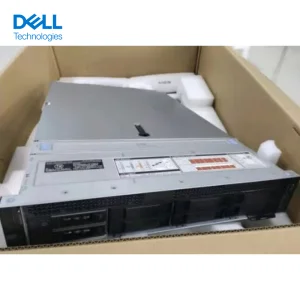
Highly standardized multi-node systems offering space efficiency, redundant power configurations (CRPS 80 Plus Platinum/Titanium), and remote baseboard management controllers (IPMI 2.0/Redfish compliance).
Multi-GPU compute configurations configured to run framework models (including DeepSeek, LLaMA, and PyTorch operations) with dedicated high-bandwidth memory (HBM) and inter-processor bridges.
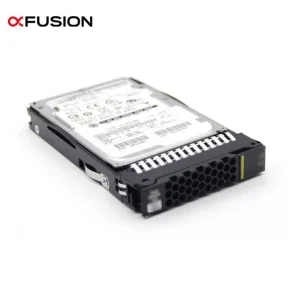
Low-latency arrays utilizing SAS 12Gb/s, NVMe over Fabrics, and high-performance PCIe RAID controllers to safeguard database read/write actions from network bottlenecks.
Sourcing server nodes for enterprise workloads requires balancing capital expenditure with customized technical configurations. BoltGrid offers a structured customization framework designed to align system designs with client requirements.
Buyers can define board layouts, PCI extension slots, thermal solutions, and redundancy parameters. Whether you require specific component configurations (such as tailored Intel Xeon, AMD EPYC, or Nvidia GPU layouts) or custom chassis branding, our engineering team handles the transitions from prototyping to functional production runs.
Leveraging our supply chain networks and shipping hubs, we offer clear timelines for container-load and batch shipments, along with complete trace documentation to simplify international customs clearance.
Meeting international quality and safety benchmarks to ensure reliable cross-border delivery and deployments.
Our hardware platforms are engineered and manufactured in compliance with international standards, including CE, FCC, RoHS, and UL safety directives. This compliance simplifies system integration into cloud facilities and corporate networks across Europe, North America, and the Asia-Pacific region, while minimizing risk for procurement managers.
Leveraging over 7 years of international trade operations and managing an $18M B2B export volume, our logistics department coordinates shipping routes, container allocations, and customs clearance procedures, minimizing potential transit delays.
Addressing engineering, compatibility, customization, and warranty questions from B2B sourcing agents.
We use a multi-phase validation process that includes thermal testing, mechanical vibration simulation, and full-system stress tests. Systems run continuous diagnostic cycles under high-load conditions to identify potential performance drops, ensuring stability before leaving our facility.
Yes, our R&D engineering team provides customization services for BIOS parameters, IPMI control interfaces, security settings, and specific RAID setup options to ensure seamless integration into existing IT environments.
By partnering with over 850 strategic component suppliers, we maintain a buffer inventory of essential chips, power units, and storage controllers. This supply network helps us mitigate market disruptions and maintain reliable production timelines.
Yes, we manufacture computing infrastructure across multiple form factors (1U, 2U, 4U, and modular configurations) that align with standard EIA-310 and Open Compute Project (OCP) cabinet dimensions.
We offer cooling configurations ranging from high-RPM redundant fan arrays for air-cooled environments to customized cold-plate liquid cooling options for high-density, low-PUE data centers.
All shipments are accompanied by detailed quality inspection reports, certificates of conformity (CE, FCC, RoHS, or UL depending on the model), packing lists, and export clearance documentation.
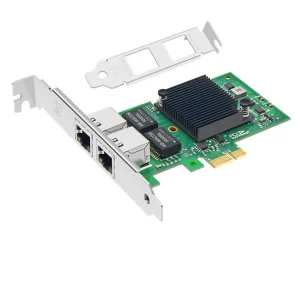
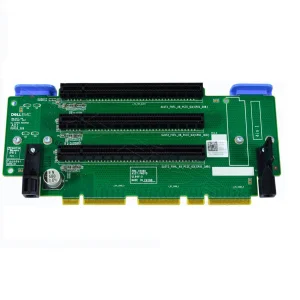
Optimized interface configurations, high-capacity SAS hard disks, and high-performance server boards.