BoltGrid
BoltGrid
BoltGrid
Engineered for extreme performance workloads demanding optimized thermodynamic profiles and continuous system reliability.
In the contemporary digital epoch, data centers are the unsung engines of artificial intelligence, high-performance computing (HPC), and enterprise cloud operations. However, as silicon architectures push the boundaries of density and processing speeds, a physical barrier looms: thermal generation. Modern GPU clusters and multi-socket CPU systems generate unprecedented levels of heat flux. Consequently, thermal management is no longer merely a utility concern; it is a critical axis of computing uptime, energy efficiency (PUE), and environmental sustainability.
This reality has triggered a structural pivot in how global infrastructure is designed. Hyperscale operators and enterprise organizations are rapidly adopting specialized liquid cooling architectures. Direct-to-chip (D2C) cold plate arrays, immersion cooling systems (both single-phase and two-phase), and rear-door heat exchangers (RDHx) are transitioning from niche laboratory installations to mainstream global blueprints. BoltGrid stands at the leading edge of this industrial transformation, ensuring that thermal dissipation capacities match the computational scalability of GPU and CPU server units.
Delivering cooling liquid directly to the processor's copper cold plates. This allows maximum heat transfer efficiency at the source, preventing localized hot spots in high-density rack configurations.
Submerging complete server systems in specialized dielectric fluids. By removing the thermal resistance of air entirely, it dramatically simplifies thermal paths and lowers overall facility power draw.
Installing water-cooled coils at the rear of server cabinets to capture heat exhaust before it enters the hot aisle. This facilitates hybrid air-liquid system topologies with minimum capital retrofits.
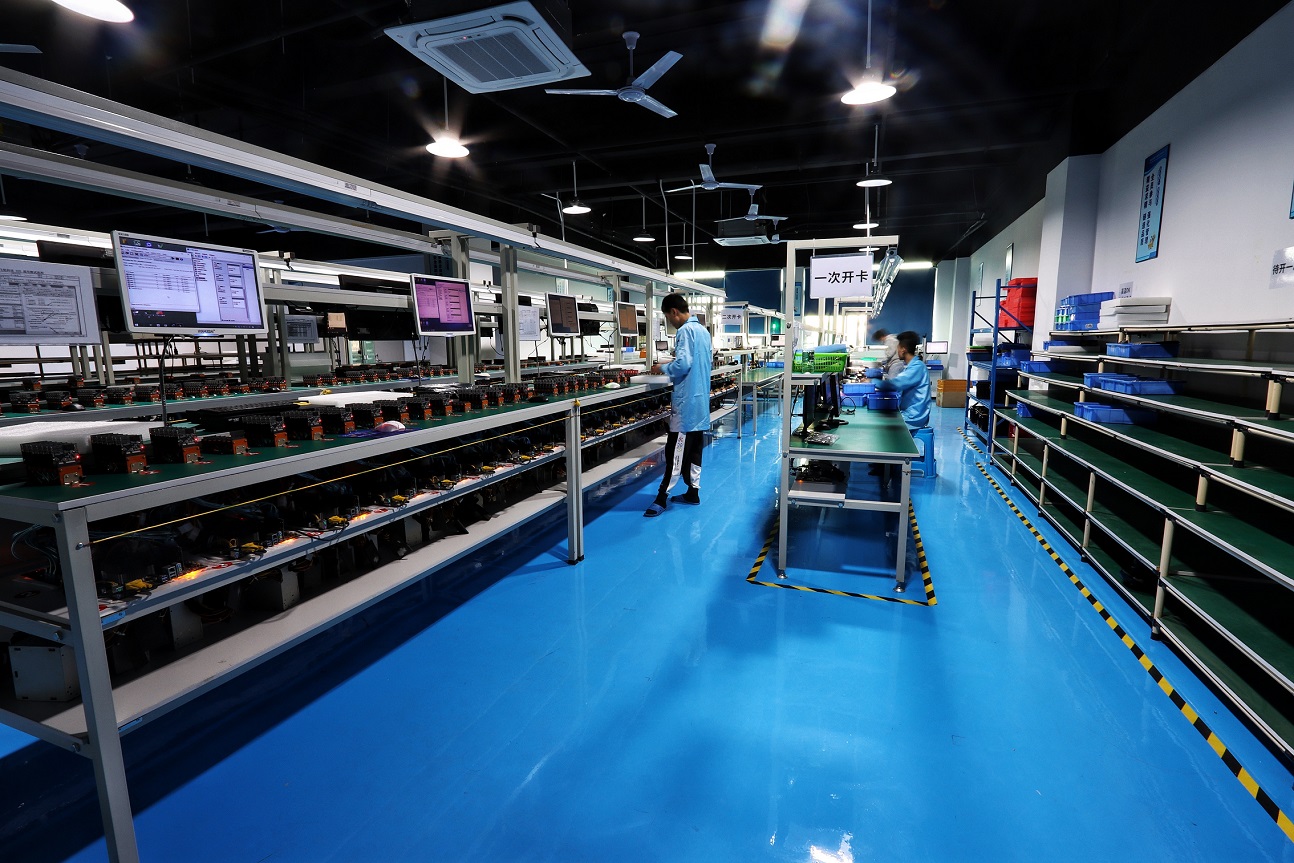
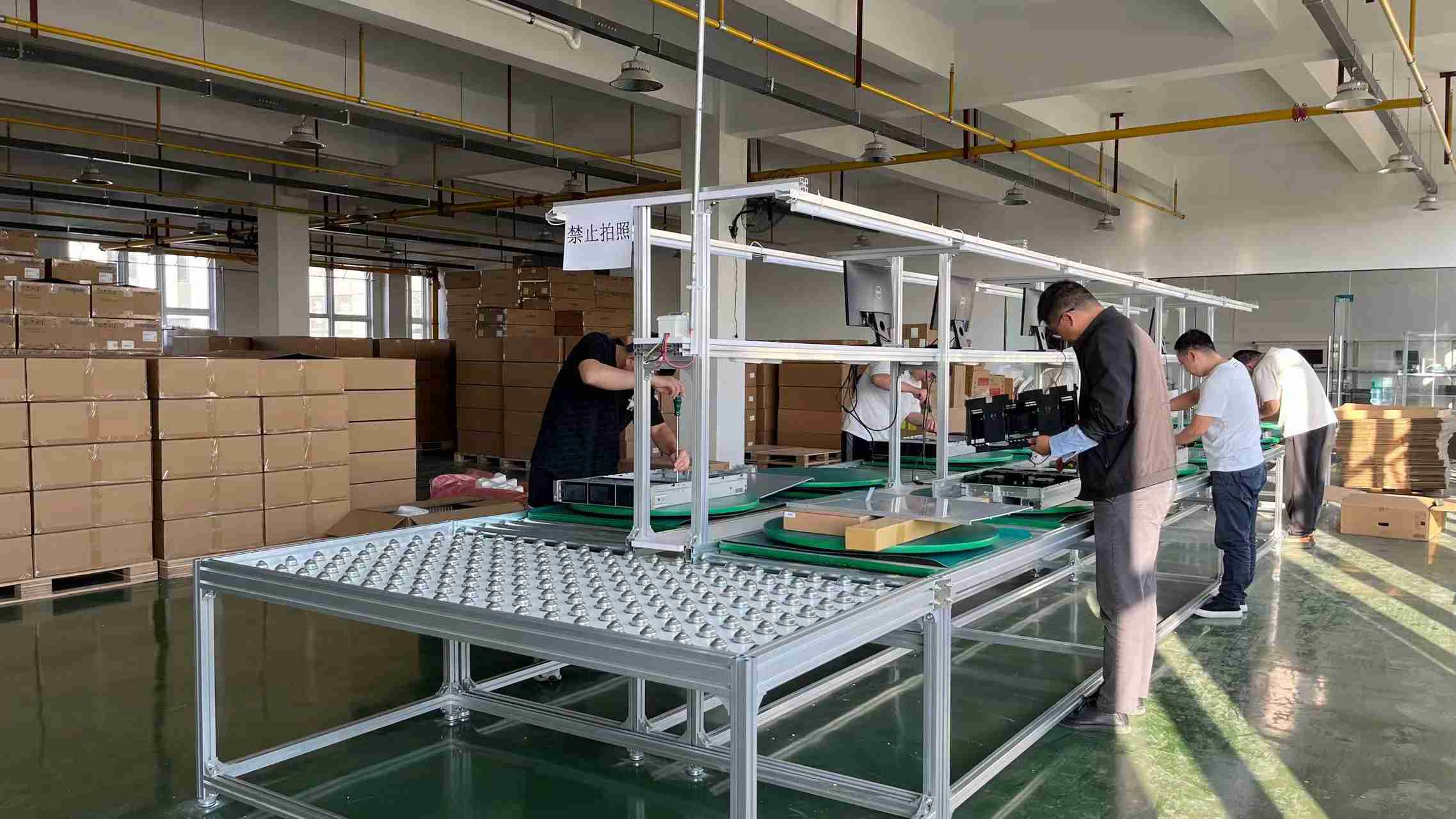
BoltGrid operates complex systems manufacturing facilities configured for high-performance thermal performance verification.
BoltGrid Computing Systems Co., Ltd. is a professional AI GPU server manufacturer specializing in high-performance computing infrastructure, GPU cluster systems, and AI data center solutions. Established in 2016, the company has developed strong capabilities in design, manufacturing, and global supply of advanced computing hardware.
Operating out of a modern production facility covering approximately 18,500㎡, BoltGrid supports large-scale assembly, testing, and system integration for AI server products. With an annual export revenue reaching around USD 18 million, BoltGrid has built stable international trade experience over 7 years, serving customers across North America, Europe, Southeast Asia, and the Middle East.
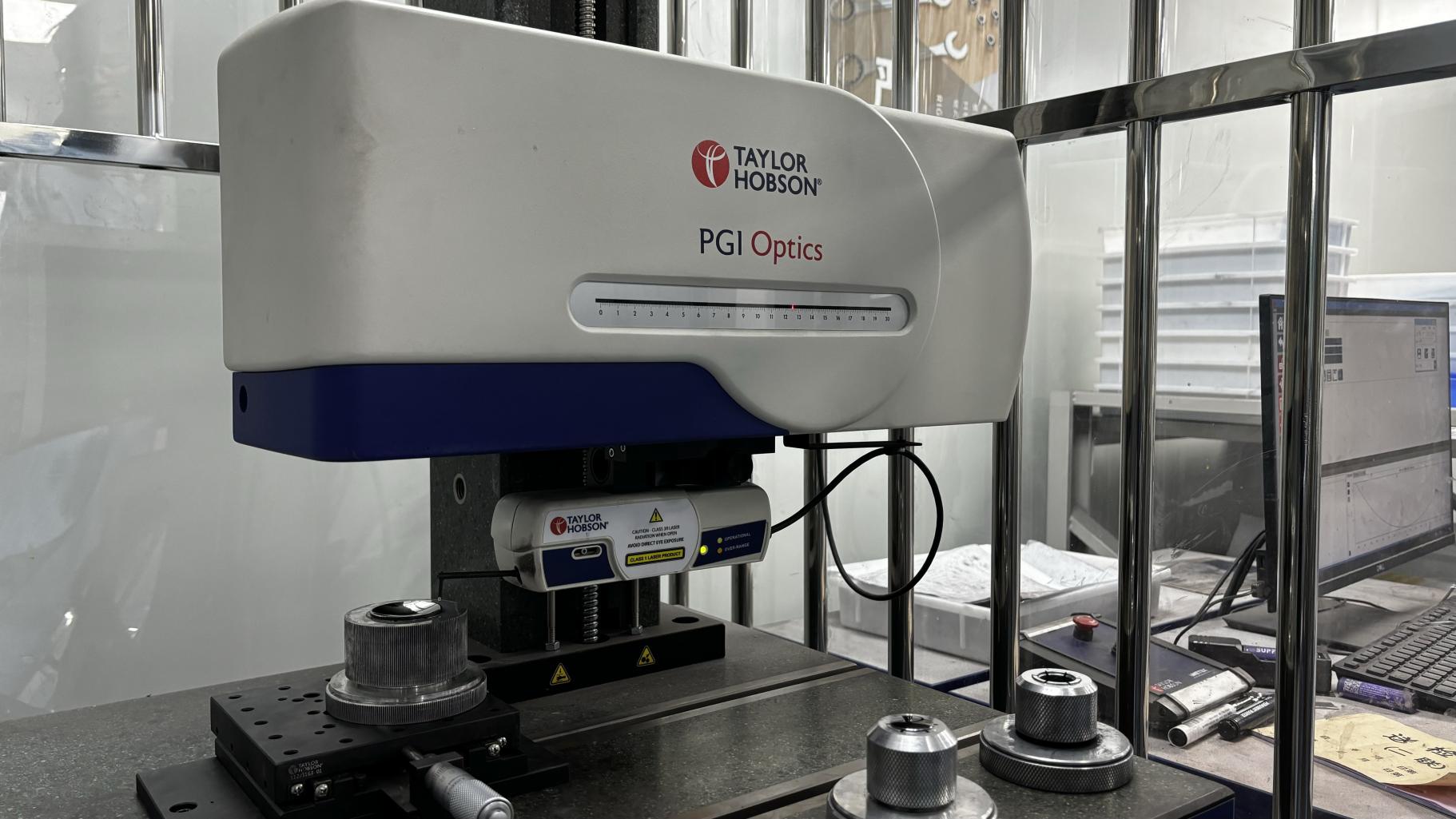
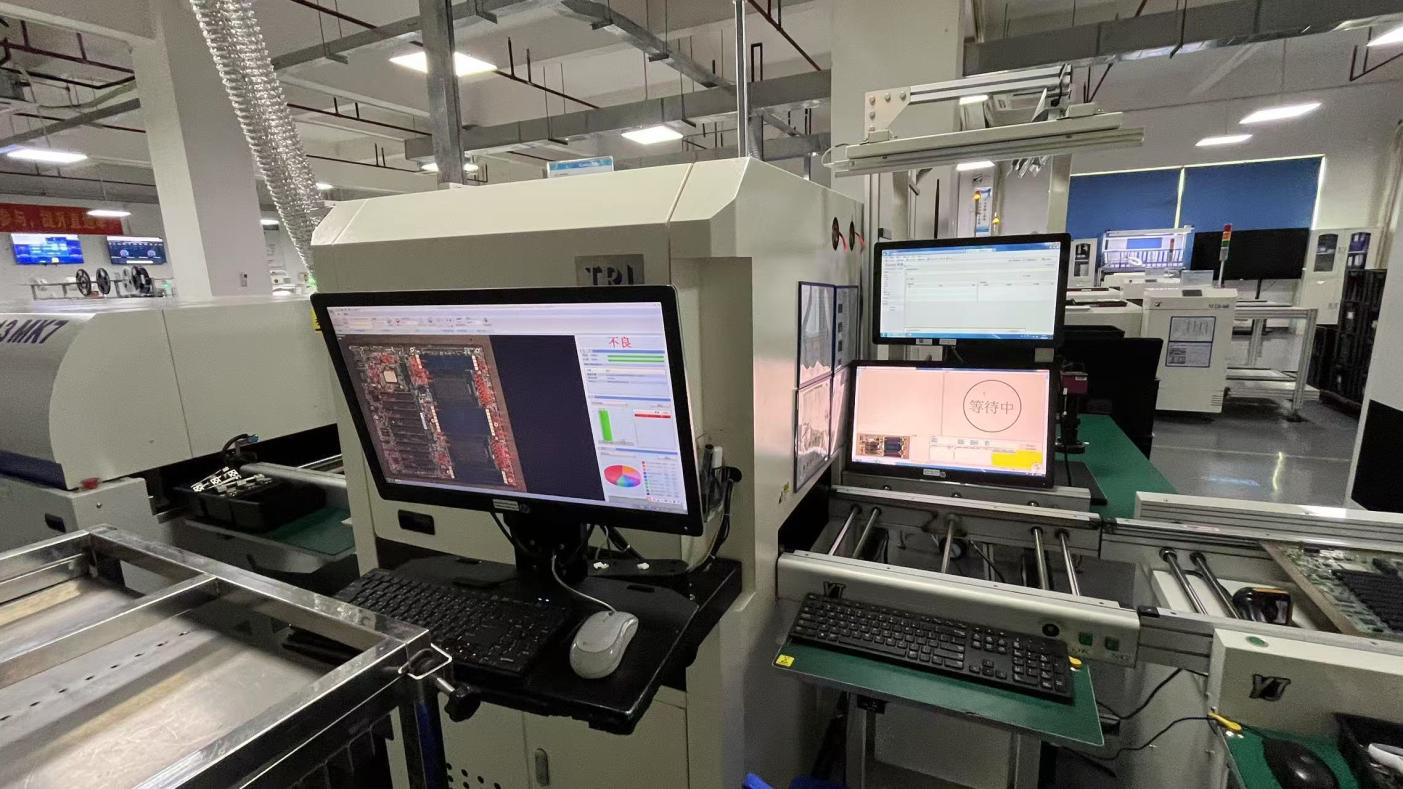
A key vector of our market differentiation is our rigorous attention to structural and thermal engineering. Quality assurance is integrated into every step, led by a dedicated team of 45 QA inspectors. Every server module is tested via intensive stress load simulations and full-system thermal burn-in protocols, evaluating flow characteristics, joint integrity, and thermal interface materials under peak GPU/CPU compute loads.
How our strategic operational location optimizes cost structures and delivery lead times for global clients.
The manufacturing capabilities in China offer significant operational advantages for data center hardware and thermal management systems. With direct access to over 850 strategic partners, BoltGrid's supply chain ecosystem ensures continuous sourcing of raw metals, high-precision cooling blocks, advanced manifolds, liquid distribution pumps, and robust silicon materials. This integration reduces component lead times, allowing fast turnaround cycles for custom GPU infrastructure configurations.
BoltGrid integrates design, tooling, CNC machining, metal finishing, and electronic system assembly in-house. This centralized control accelerates product updates, enabling our 120 engineers to introduce roughly 85 new products every year. Our facilities adapt to changes in hardware profiles, customizing dimensions and cooling paths to fit specific customer parameters.
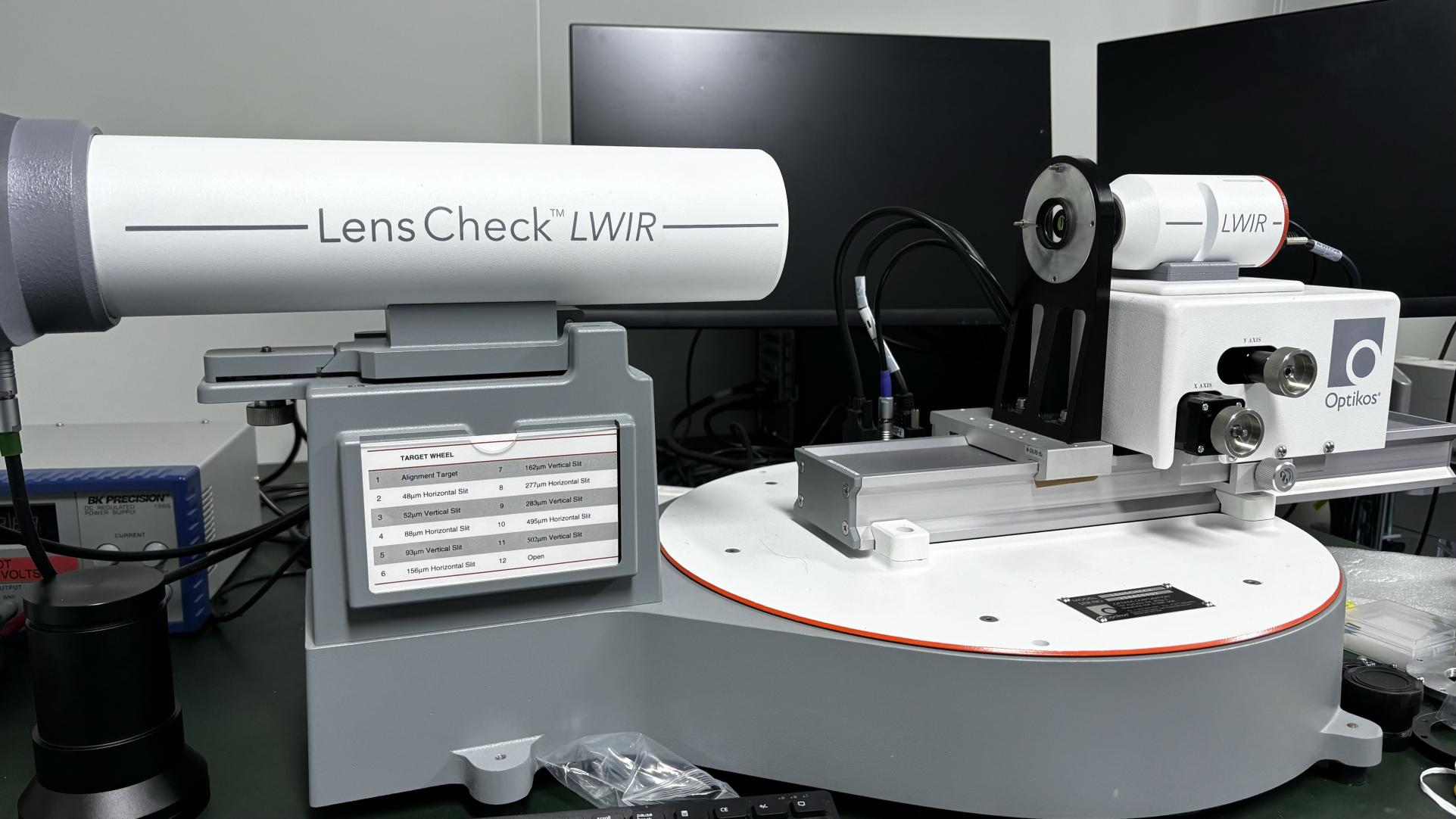
Operating inside China's technology manufacturing cluster allows BoltGrid to leverage advanced test benches. Our QA procedures include helium leak detection for liquid loops, high-pressure flow testing, and environmental chamber testing. This ensures every cooling array and server node operates within strict specifications, lowering system failures and securing long-term reliability for global data center deployments.
Customized system designs configured for specific workloads, physical facilities, and operational constraints.
Designed for environments utilizing intensive model training and DeepSeek deployments. These setups incorporate Direct-to-Chip cold plates and CDUs to maintain optimal processor temperatures during sustained compute peaks.
Optimized for high-density 1U/2U multi-socket servers. Focused on lower energy metrics (PUE) and structured airflow management to control operating costs at scale.
Compact, dust-resistant compute cabinets configured for remote and industrial settings. Liquid-to-air cooling options allow reliable server operation without dedicated cleanrooms.
Critical performance parameters that purchasing officers and data center architects prioritize.
Purchasing server systems and cooling setups involves balancing performance goals, cost limits, and operational lifespans. Global procurement managers use structured parameters to evaluate thermal hardware compatibility and quality:
Technical answers addressing system installation, operational metrics, and thermal configurations.
An inside look at our 18,500 square meter ISO-certified manufacturing footprint, validation chambers, and logistics system.
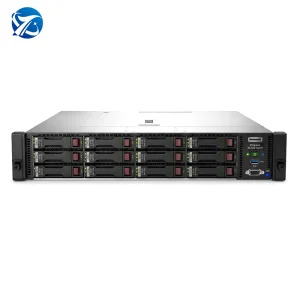
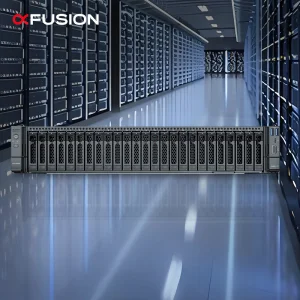
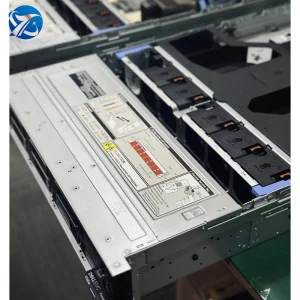
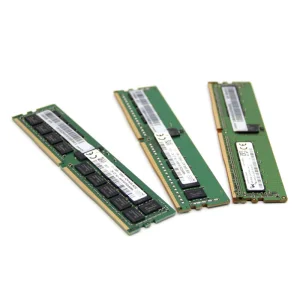
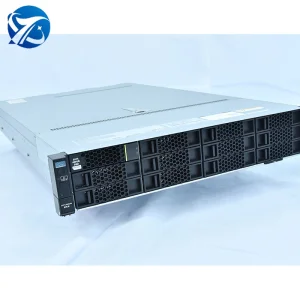
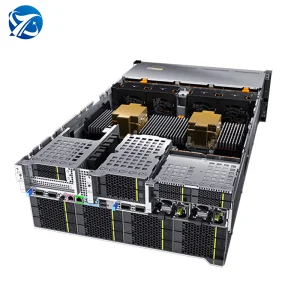
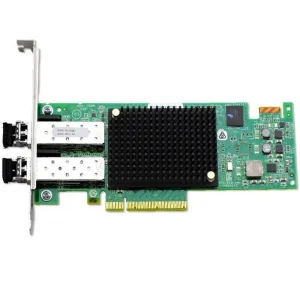
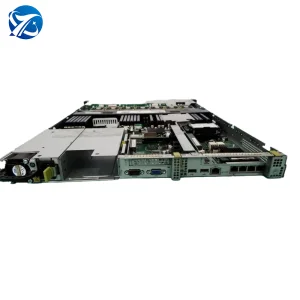
Additional system components and server options optimized for complex workloads and integrated cooling solutions.