BoltGrid
BoltGrid
BoltGrid
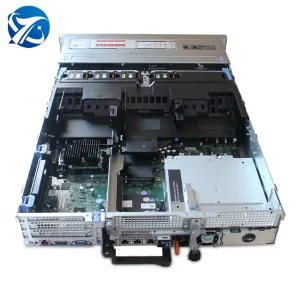
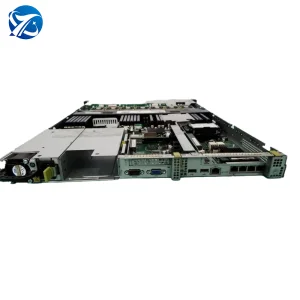
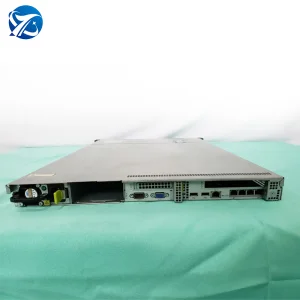
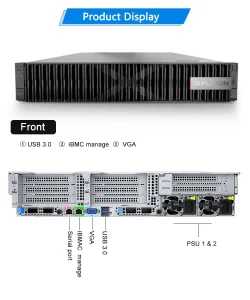
High-performance rack servers, Deepseek AI workloads nodes, and cluster nodes configured for next-level compute workloads.
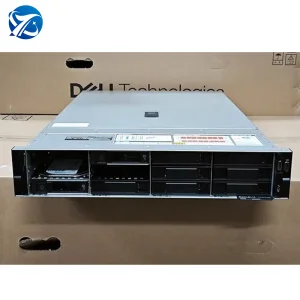
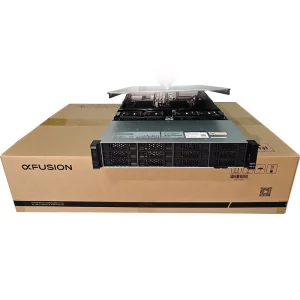
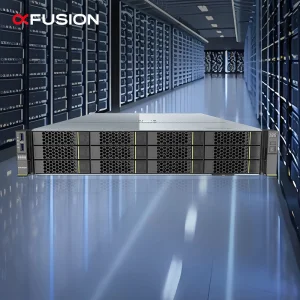
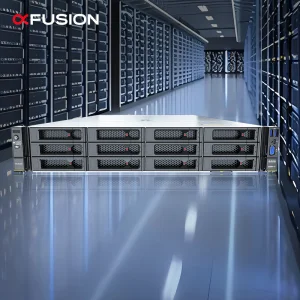
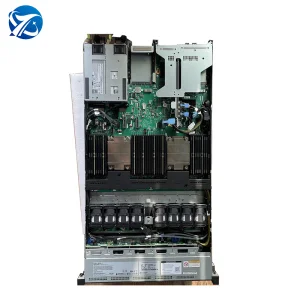
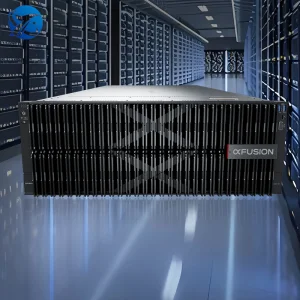
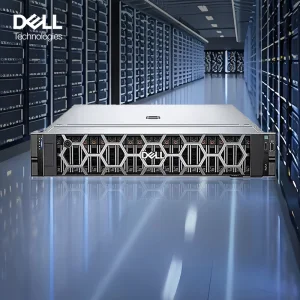
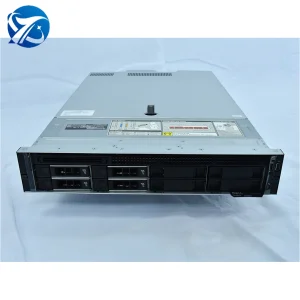
BoltGrid Computing Systems Co., Ltd. stands as a premier AI GPU server manufacturer and specialized hardware supplier, spearheading developments in high-performance computing (HPC) infrastructure, complex GPU cluster systems, and optimized enterprise data center solutions. Since our founding in 2016, our core mission has been delivering hardware platforms engineered to support next-generation workloads.
Operating a state-of-the-art 18,500㎡ production facility, we manage end-to-end server lifecycle processes—ranging from bare-metal architecture design and complex system integration to dynamic thermal stress analysis. Over our 7 years of active global trade, our annual export revenue has consistently expanded, reaching USD 18 million across vital markets in North America, Europe, Southeast Asia, and the Middle East.
By pairing 12 years of core industry experience with a specialized team of 45 quality assurance inspectors, BoltGrid guarantees zero-defect server deployment. We work closely with chip makers, software developers, and research institutes to ensure seamless compatibility with complex frameworks, including modern DeepSeek LLM applications, Kubernetes clusters, and hyperscale virtualization layers.
The global computing landscape has shifted. Standard, off-the-shelf configurations no longer meet the efficiency standards required by modern machine learning and big data infrastructures.
With frameworks like DeepSeek, LLaMA, and custom transformers scaling rapidly, standard servers face immediate memory bandwidth bottlenecks. Hardware must be custom-tailored with high-speed interconnects (NVLink, NVSwitch, PCIe Gen 5) and specialized RAM configurations to handle massive parameters.
Thermal management is the single biggest bottleneck in high-density rack computing. Standard enterprise racks struggle to cool multi-GPU setups. Custom chassis design, optimized internal airflow shrouds, and direct-to-chip liquid cooling systems are necessary to keep PUE ratios low.
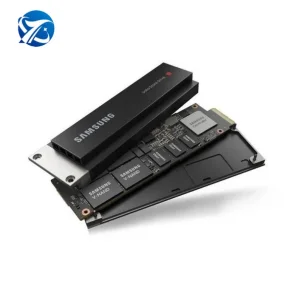
Sourcing essential chipsets, enterprise SSDs (like Samsung PM series), and DDR5 ECC RAM requires a solid ecosystem of partners. Custom server factories bridge the gap by sourcing components, testing compatibility, and building custom systems that minimize procurement bottlenecks.
Enterprise procurement departments, cloud providers, and government research bodies do not buy off-the-shelf boxes; they source value, security, and scalability. The critical requirements include:
Generic hardware is built to meet average enterprise workloads, resulting in unused components, mismatched power-draw values, and inefficient cooling systems.
By customizing at the hardware level, we build servers matching your precise math calculations. If your software uses pure memory-bound training models, we maximize high-bandwidth memory (HBM) and DDR5 pathways. For storage-bound workloads, we deploy ultra-dense, low-latency enterprise SSD arrays utilizing Samsung PM series modules.
Step inside BoltGrid's 18,500㎡ facility, where our teams run system integrations, custom testing setups, and thermal performance testing.
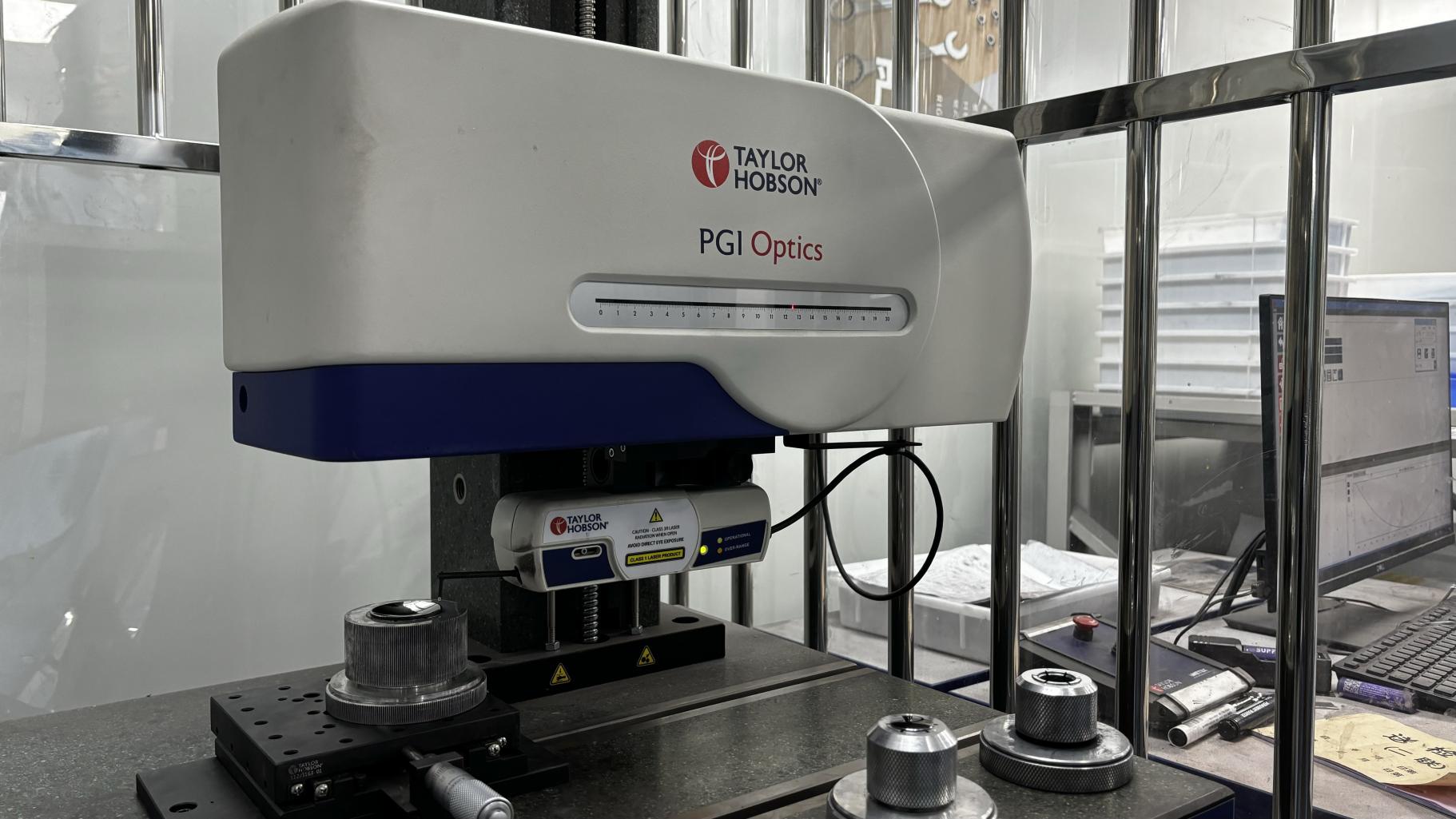
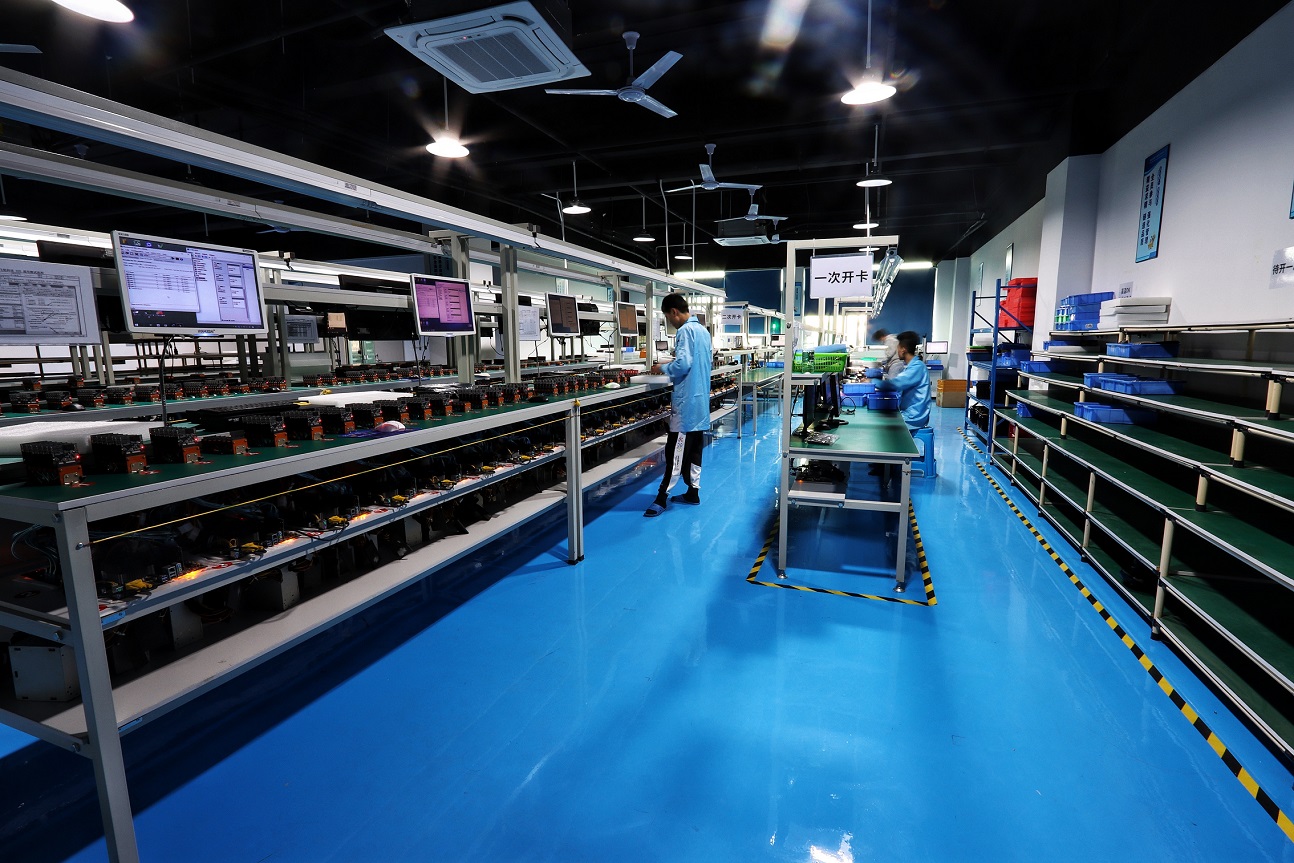
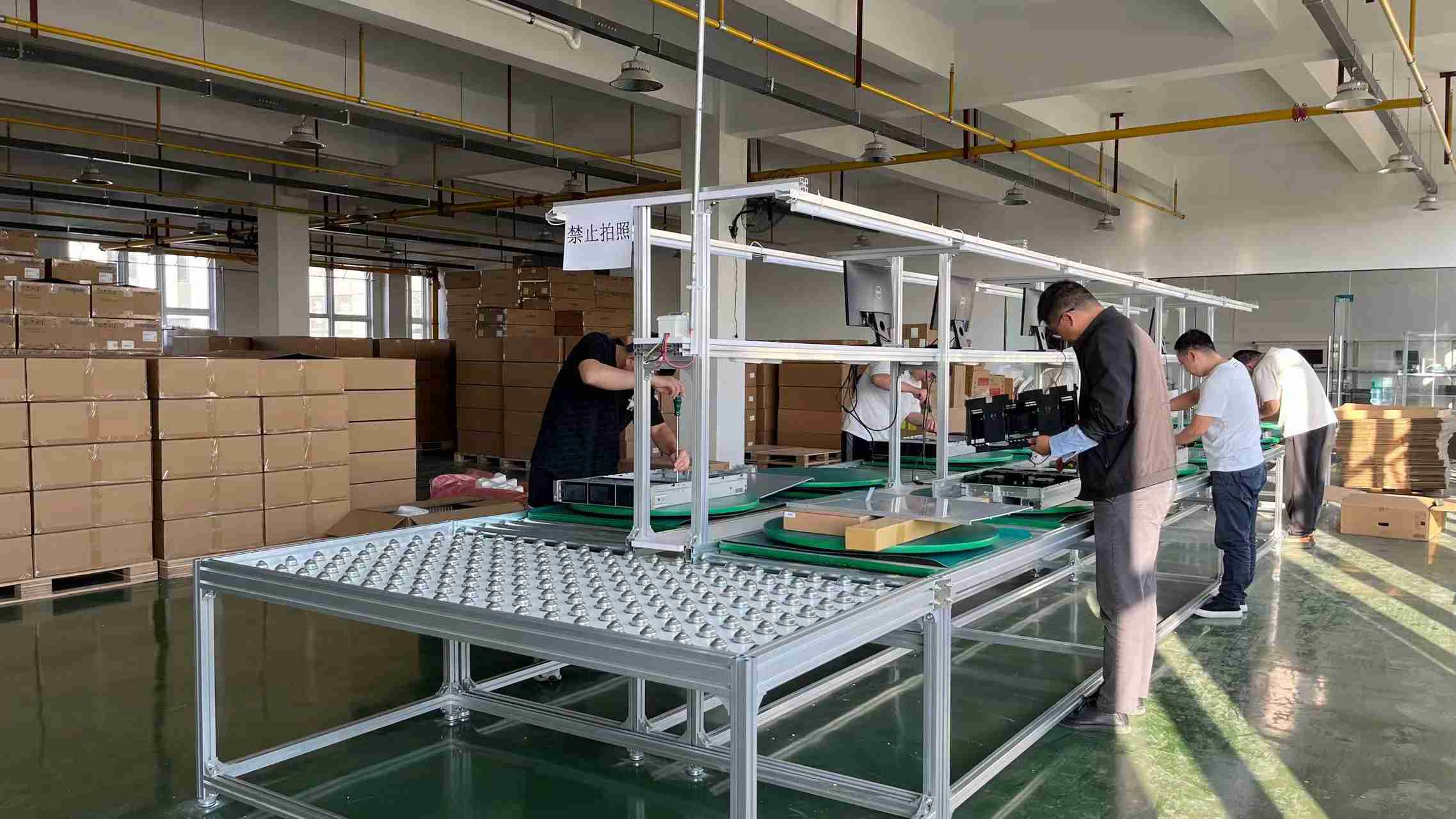
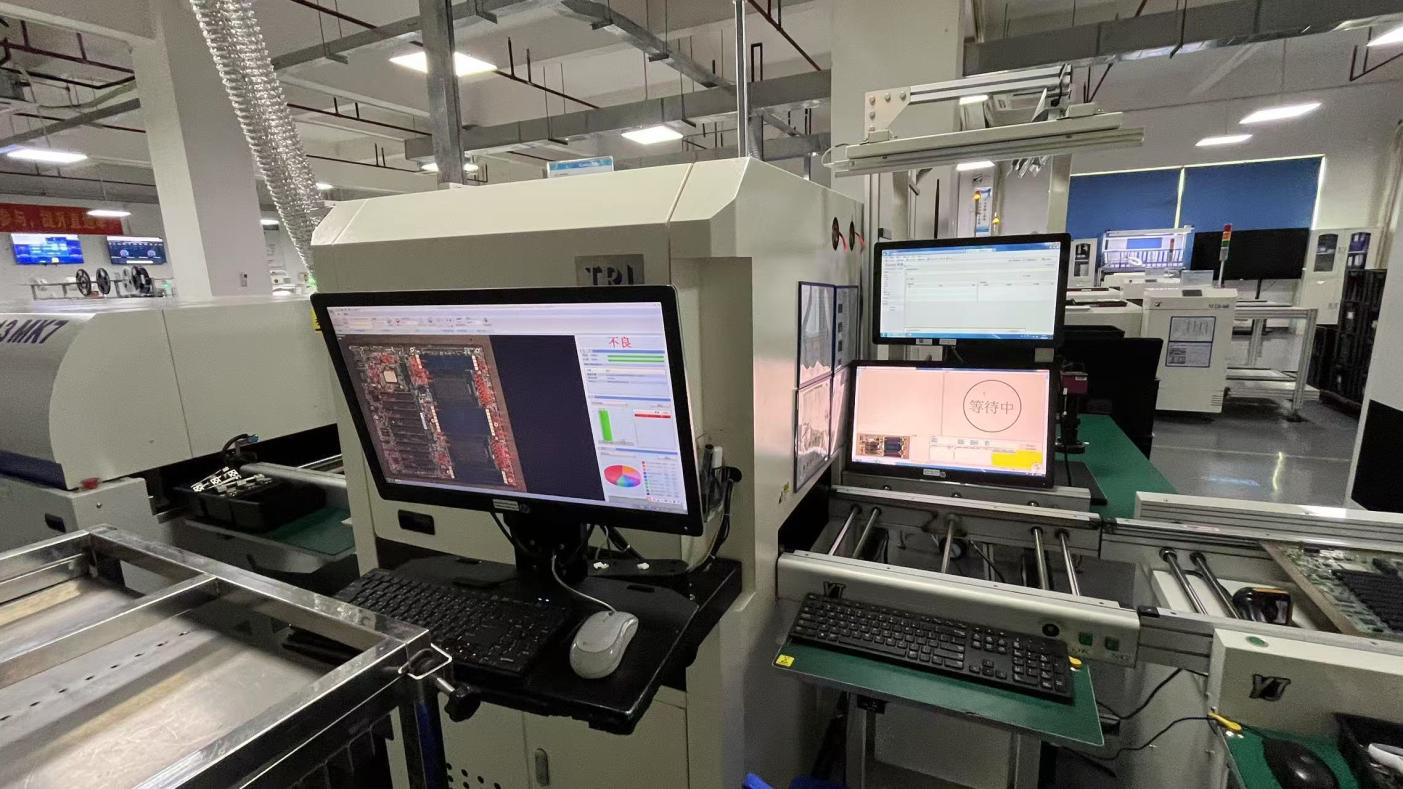
How BoltGrid integrates future technology upgrades into present-day hardware platforms.
As network interfaces transition to 400G and 800G standards, server mainboards must handle high-frequency, low-latency signals without data loss. BoltGrid uses high-TG PCBs, signal-integrity simulation tools, and retimer placements to guarantee clean signal paths for multi-GPU arrays and high-speed NVMe storage systems.
Training large models like DeepSeek demands continuous peak operations. We configure custom GPU servers with redundant 80-Plus Titanium power supplies, smart PMBus power distribution boards, and heavy copper busbars to handle transient power spikes without triggering thermal shutdowns.
To reduce infrastructure lock-in, BoltGrid aligns server designs with OCP standards. This approach simplifies maintenance, standardizes rack space utilization, and eases integration into existing hyperscale environments, lowering operations costs for data center managers.
Control is critical when managing remote nodes. Our systems include OpenBMC firmware, supporting detailed component telemetry, remote power cycling, automated BIOS updates, and API-driven control systems, helping IT teams manage platforms securely.
Quality assurance is baked into every production step. Our testing protocols include:
Certifications: CE, FCC, RoHS, ISO9001, and customized local safety compliances.
Hardware deployments require reliable supply chains. BoltGrid operates with a strategic ecosystem of over 850 partners, enabling rapid sourcing of components and reliable international delivery:
Annual Export Revenue: USD 18 Million across 75+ countries.
Answers to critical integration, manufacturing, and sourcing questions from enterprise buyers.
We customize servers to match the heavy math and memory needs of AI models. This setup includes configuring multi-GPU clusters, high-speed interfaces (like NVLink and PCIe Gen5), and system components to prevent data bottlenecks. We also tune cooling systems and BIOS options to ensure stable performance under heavy workloads.
Yes. Our engineering team can modify depth dimensions, connector placements, airflow designs, and rails to match different rack standards, including standard 19-inch racks and OCP-compliant cabinets.
Our 45 QA inspectors run a multi-step test process: initial visual inspection, detailed connection checks, 72-hour thermal testing, and full stress tests. We provide complete test logs and certification documents with each shipped server.
Lead times depend on the complexity and volume of the order. Standard custom servers usually ship in 2 to 4 weeks. Specialized designs or large orders may take 6 to 8 weeks, as we work with our 850+ partners to secure component supplies.
Yes, we provide BIOS/BMC customization, including custom splash screens, pre-configured settings, secure boot keys, and specialized OpenBMC firmware profiles tailored for remote system management.
We offer structural warranties on all builds. In case of issues, our engineering offices coordinate diagnostics, ship replacement components, or arrange on-site servicing through our local support networks.
High-performance rack servers, Deepseek AI workloads nodes, and cluster nodes configured for next-level compute workloads.