BoltGrid
BoltGrid
BoltGrid
Premium server appliances optimized for low-latency WAN workloads, traffic encryption offloading, and edge virtualization.
Traditional Wide Area Network (WAN) optimization relied on dedicated, single-purpose appliances designed strictly for caching, compression, and basic protocol optimization. Today, with the rise of Multi-Cloud Architectures, AI inference deployment (such as DeepSeek at the network edge), and globally distributed databases, WAN optimization has transformed into a compute-intensive paradigm. To drive network efficiency, modernize data paths, and reduce bandwidth overhead, enterprise architects are now leveraging highly virtualized, GPU-accelerated computing nodes situated directly at the network edge.
As a leading computer systems partner, BoltGrid Computing Systems Co., Ltd. plays a pivotal role in this modernization. Founded in 2016, we build the robust processing engines, GPU-accelerated workloads, and high-performance server clusters that power next-generation SD-WAN controllers, application delivery networks, and latency-sensitive caching architectures. By positioning hyperconverged compute appliances at key regional nodes, enterprises can perform real-time packet inspection, deploy deep learning traffic models, and scale database replication over the WAN without suffering latency bottlenecks.
BoltGrid's integration capabilities optimize throughput by matching raw compute resources to strict network service-level agreements (SLAs).
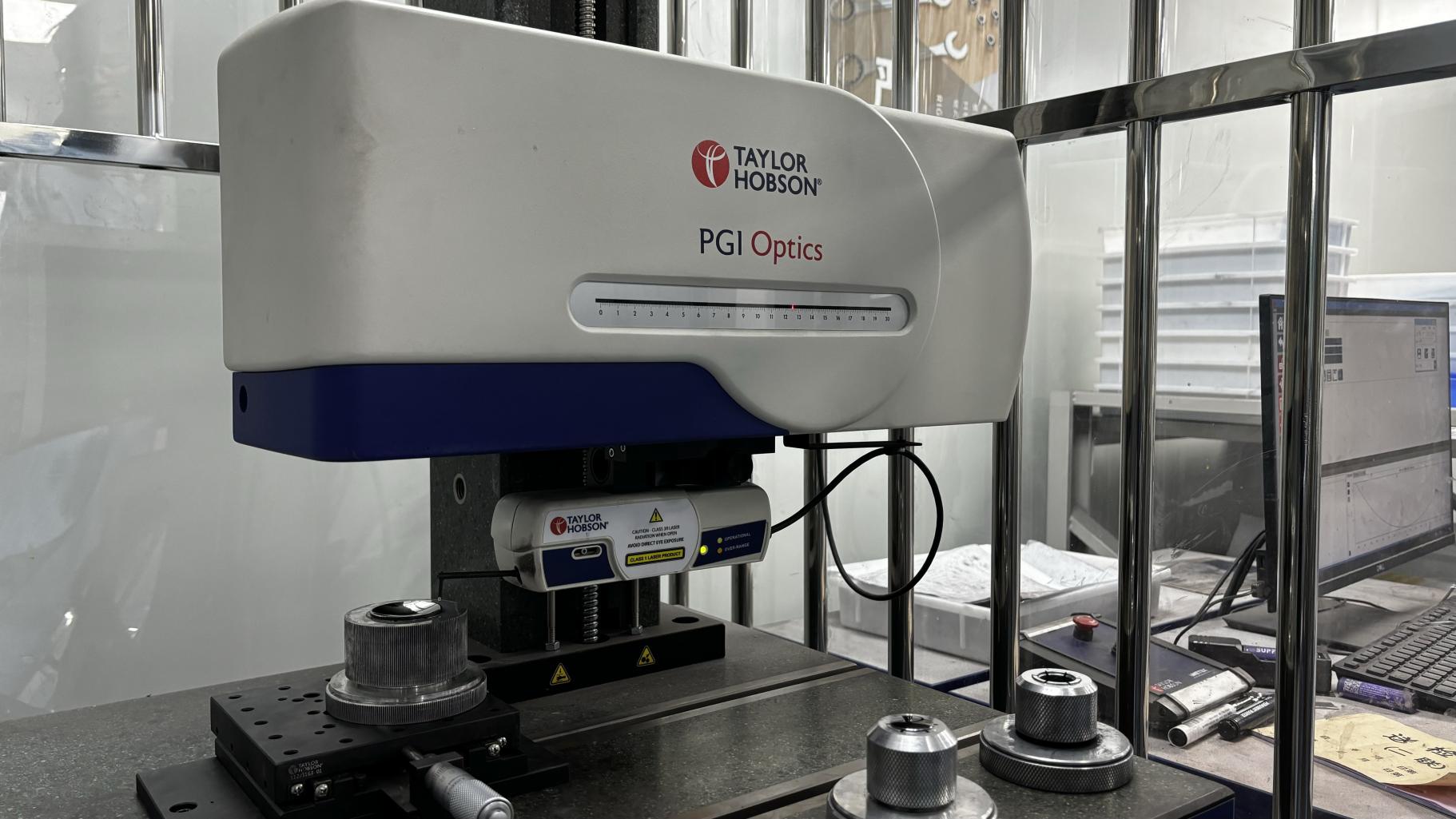
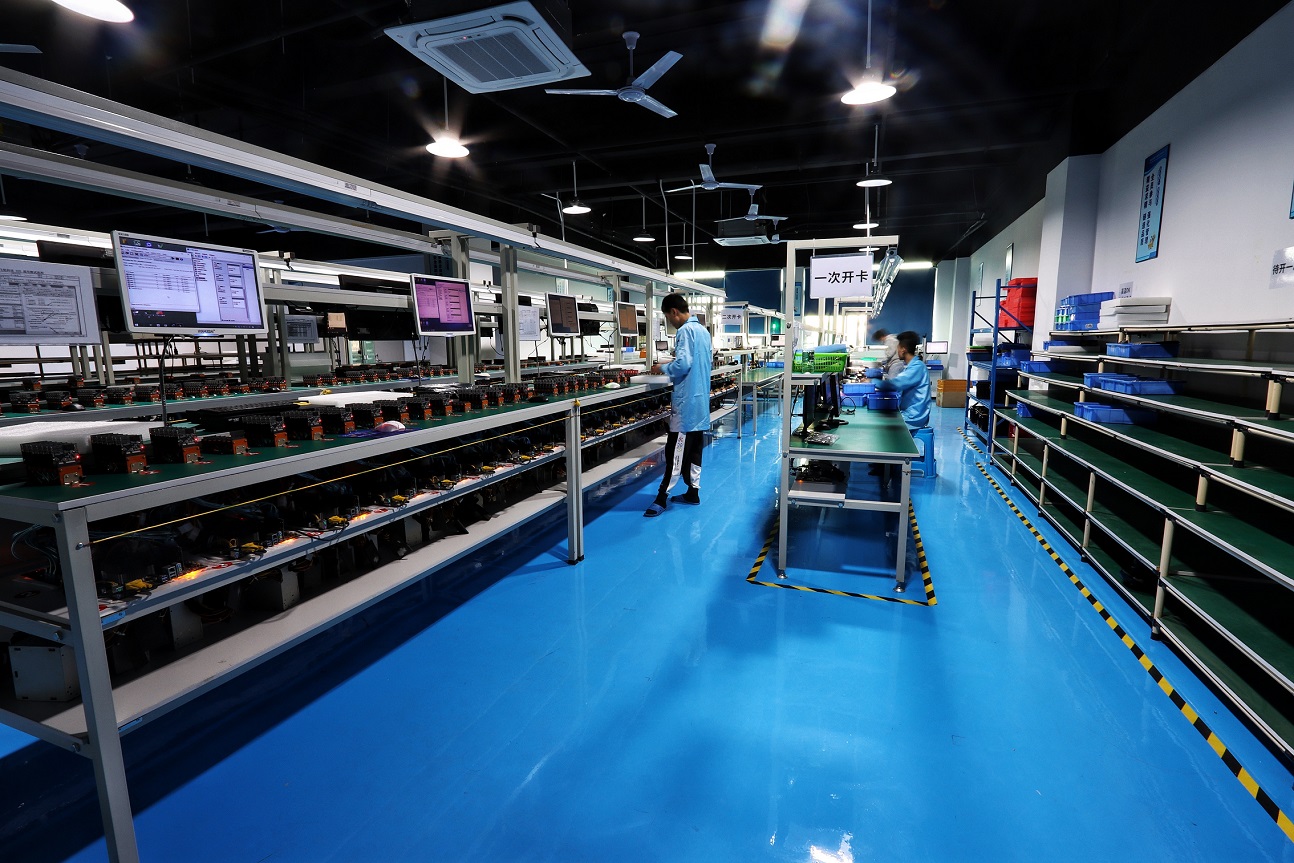
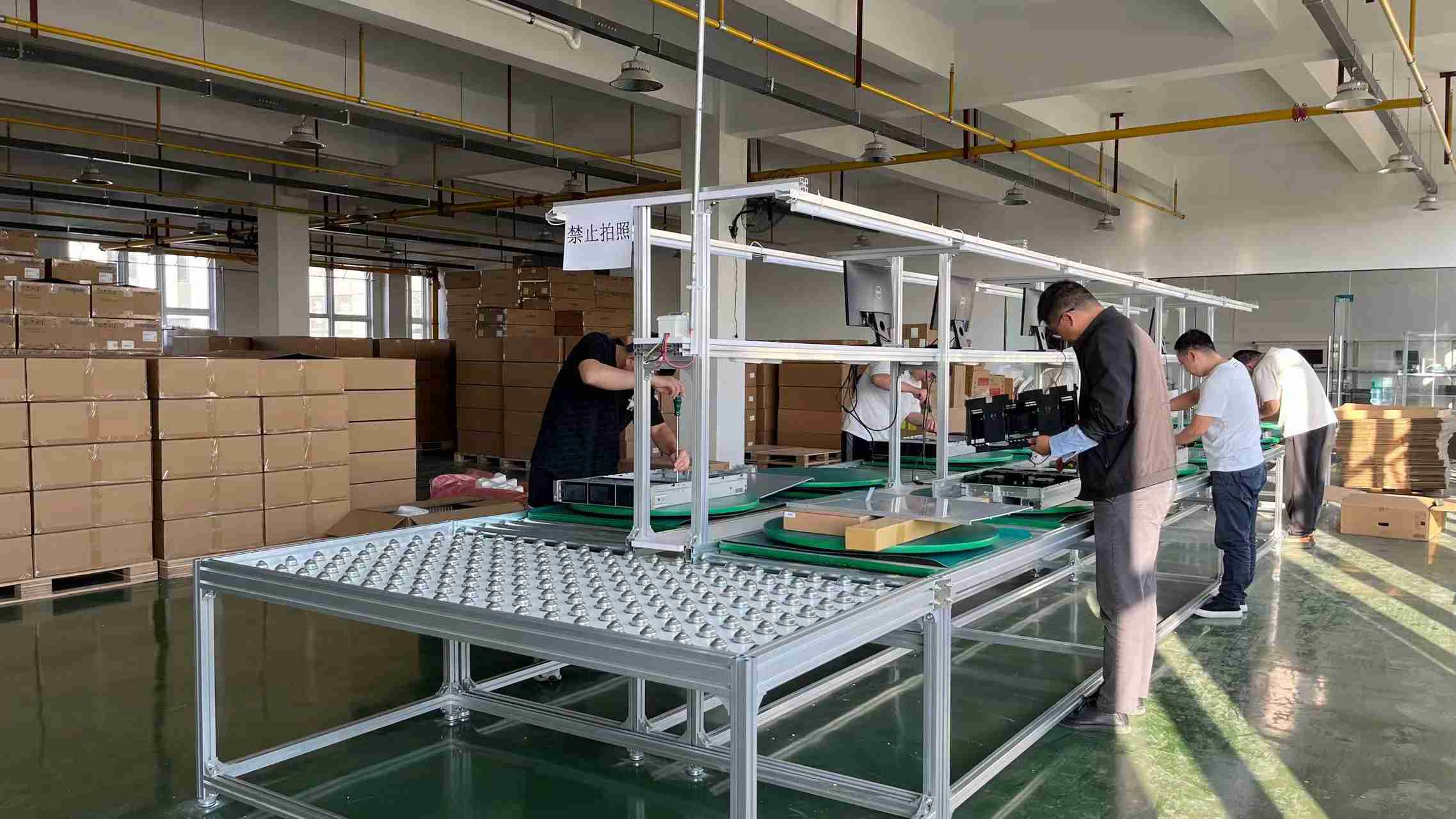
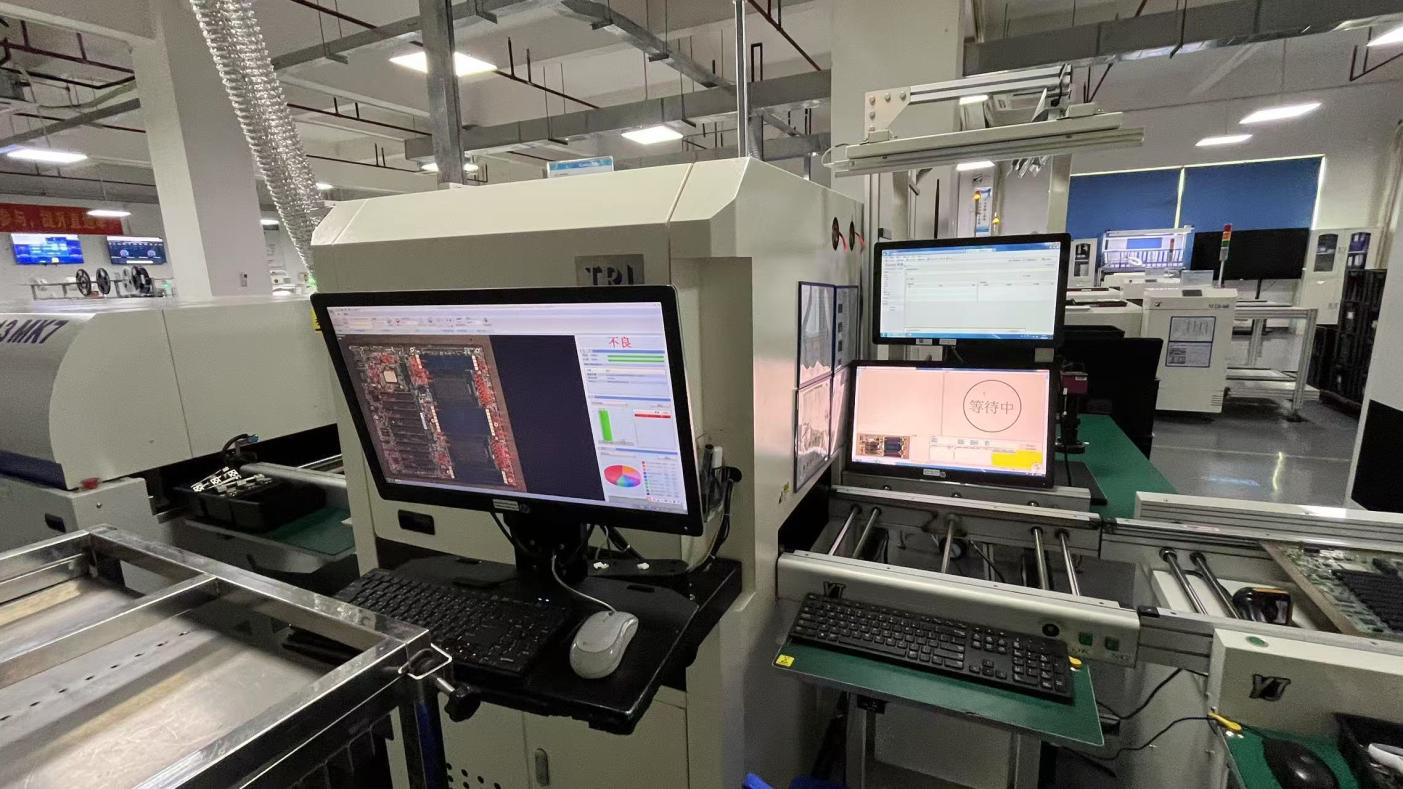
A look at BoltGrid's engineering footprints and quality standards that power global IT infrastructures.
How top-tier enterprises utilize modern high-performance servers to execute WAN efficiency protocols.
Global corporations face extreme latency penalties when synchronizing petabyte-scale databases across AWS, Azure, and private datacenters. Deploying 1U/2U server platforms as dedicated synchronization gateways minimizes synchronization cycles through real-time data deduplication algorithms, maintaining low RPO/RTO parameters.
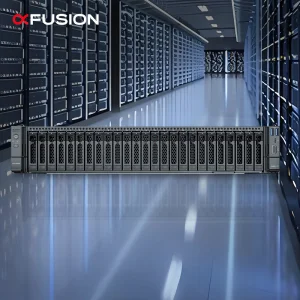
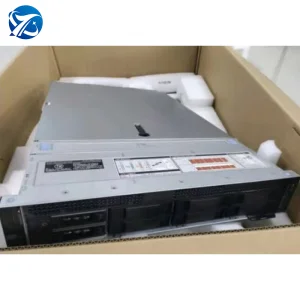
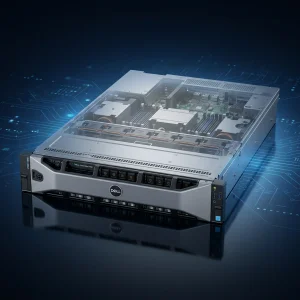
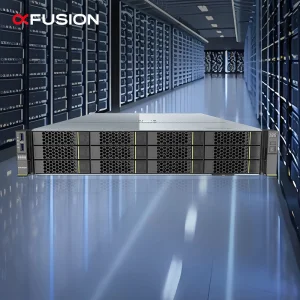
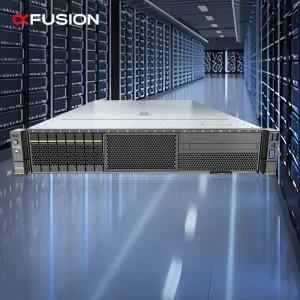
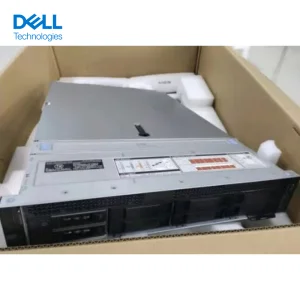
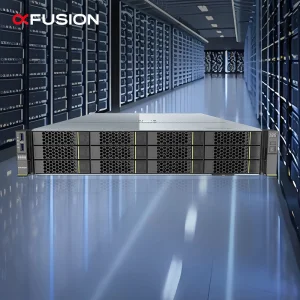
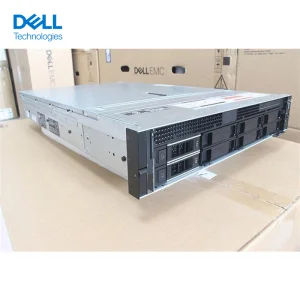
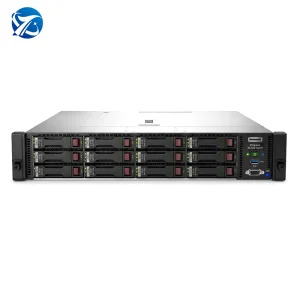
Modern branch-office connectivity relies on Virtualized Network Functions (VNFs). The xFusion 2288H V6 and Dell PowerEdge platforms function as universal customer premises equipment (uCPE), running firewall policies, SD-WAN controllers, and regional caching engines inside virtualized environments without performance degradation.
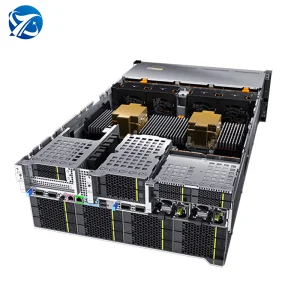
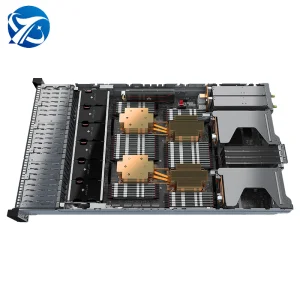
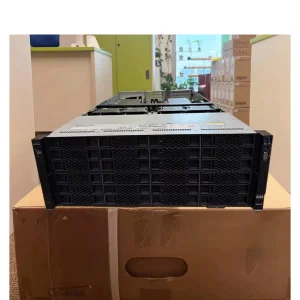
Implementing real-time AI modeling at the edge allows routers to predict packet drops and proactively re-route latency-sensitive traffic. Utilizing high-density GPU computing platforms (such as the FusionServer 5288 V6), systems execute traffic diagnostics locally, ensuring packet path alignment at microsecond intervals.
Global procurement teams face challenges concerning customization limits, long lead times, and inflated hardware markups. Partnering with a comprehensive Chinese infrastructure manufacturer solves these operational problems:
Data transmission across wide-area links is bottlenecked by the speed of light. To overcome this latency barrier, modern optimization systems rely on local caching and pre-positioning of files. When a branch office requests a massive file or dataset, a local caching node serves the request instantaneously, bypassing the WAN. This architecture requires rapid read/write performance at the storage layer.
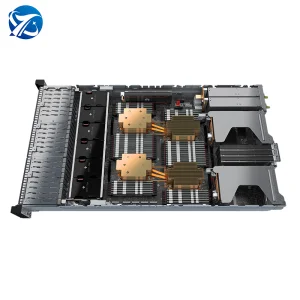
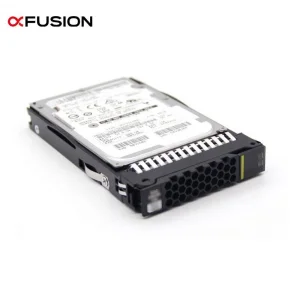
Integrating high-speed read-intensive enterprise drives, such as the PM893 series SATA SSDs, directly into network cache servers removes I/O bottlenecks. These storage nodes process multiple user requests simultaneously, delivering rapid data access. Combined with Hyperconverged Infrastructure (HCI) systems (like the xFusion 2288H V6), enterprises can scale compute and storage resources horizontally. Adding an HCI node extends both local edge storage capacity and overall compute capabilities, allowing networks to process and optimization traffic locally.
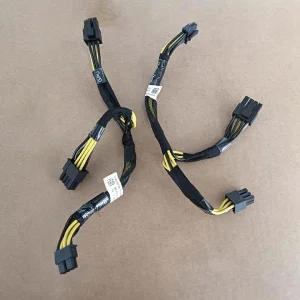
Furthermore, standard workloads—such as deep learning inference networks processing video streams or transactional logs at the edge—require localized acceleration. Deploying servers configured with dedicated GPU power cables and power distribution units, such as the TR5TP GPU Power Cable on Dell PowerEdge platforms, ensures continuous power delivery for GPU accelerators. These accelerators process complex traffic profiles, run local AI agents, and manage real-time translation pipelines directly at the edge, reducing backhaul traffic over core WAN connections.
Technical guidance for global IT procurement managers, infrastructure architects, and system integrators.
Deploy scalable enterprise storage, hyperconverged servers, and optimized power solutions to support intensive WAN operations.
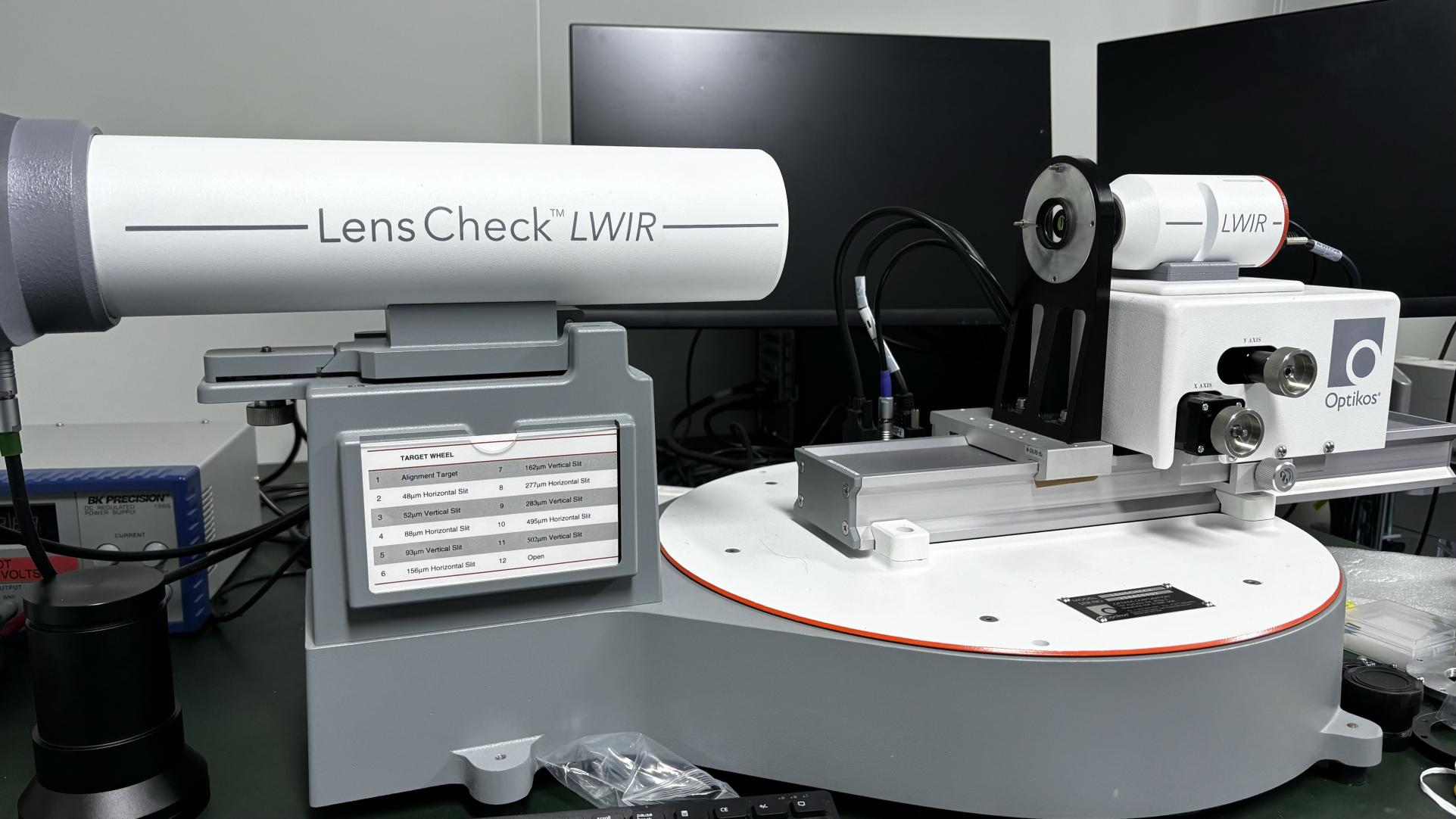
Inside our modern 18,500㎡ facility, where hardware systems are manufactured, customized, and tested to meet international quality standards.