BoltGrid
BoltGrid
BoltGrid
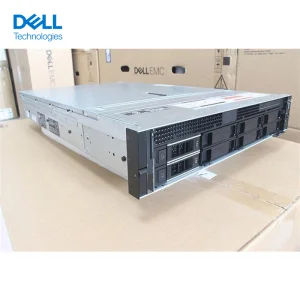
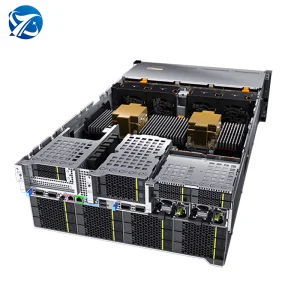
Explore our core enterprise-class processing nodes and GPU acceleration platforms optimized for mission-critical operations.
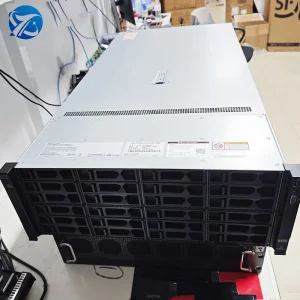
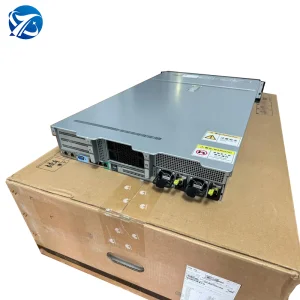
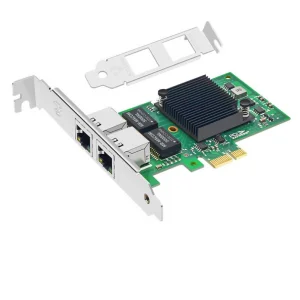
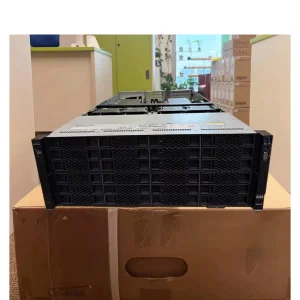
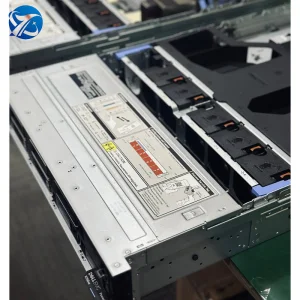
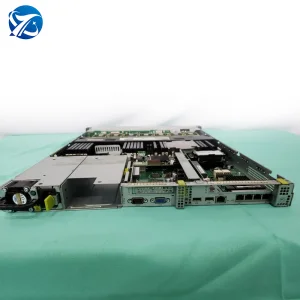
As the digital economy shifts towards complex workloads like large language models (LLMs), real-time edge processing, and massive data analytical streams, the hardware architecture running these tasks must adapt. Historically, V5 architectures marked a critical standard in structural system engineering—pioneering multi-channel DDR4 memory pathways, hybrid NVMe storage planes, and advanced thermal zoning. Today, these innovations form the baseline for enterprise infrastructure, creating a bridge to modern V6 and V7 heterogeneous compute arrays.
Globally, organizations require servers that balance initial capital expenditures (CAPEX) with long-term operational efficiency (OPEX). While hyperscale public cloud providers lead the adoption of custom accelerators, the backbone of standard enterprise datacenters remains modular rack servers. Innovations in V5 architecture—such as high-efficiency power delivery systems (CRPS) and optimized heat sink designs—have scaled to support contemporary AI systems. Consequently, legacy compatibility paired with next-generation processing power represents a primary concern for IT decision-makers.
Modern deployments require high-speed communication between host processors and specialized GPU acceleration planes, utilizing low-latency fabrics and optimized PCIe switches.
Since 2016, BoltGrid has developed enterprise-class compute hardware, supporting large-scale cloud projects, government infrastructure, and global system integration partners.
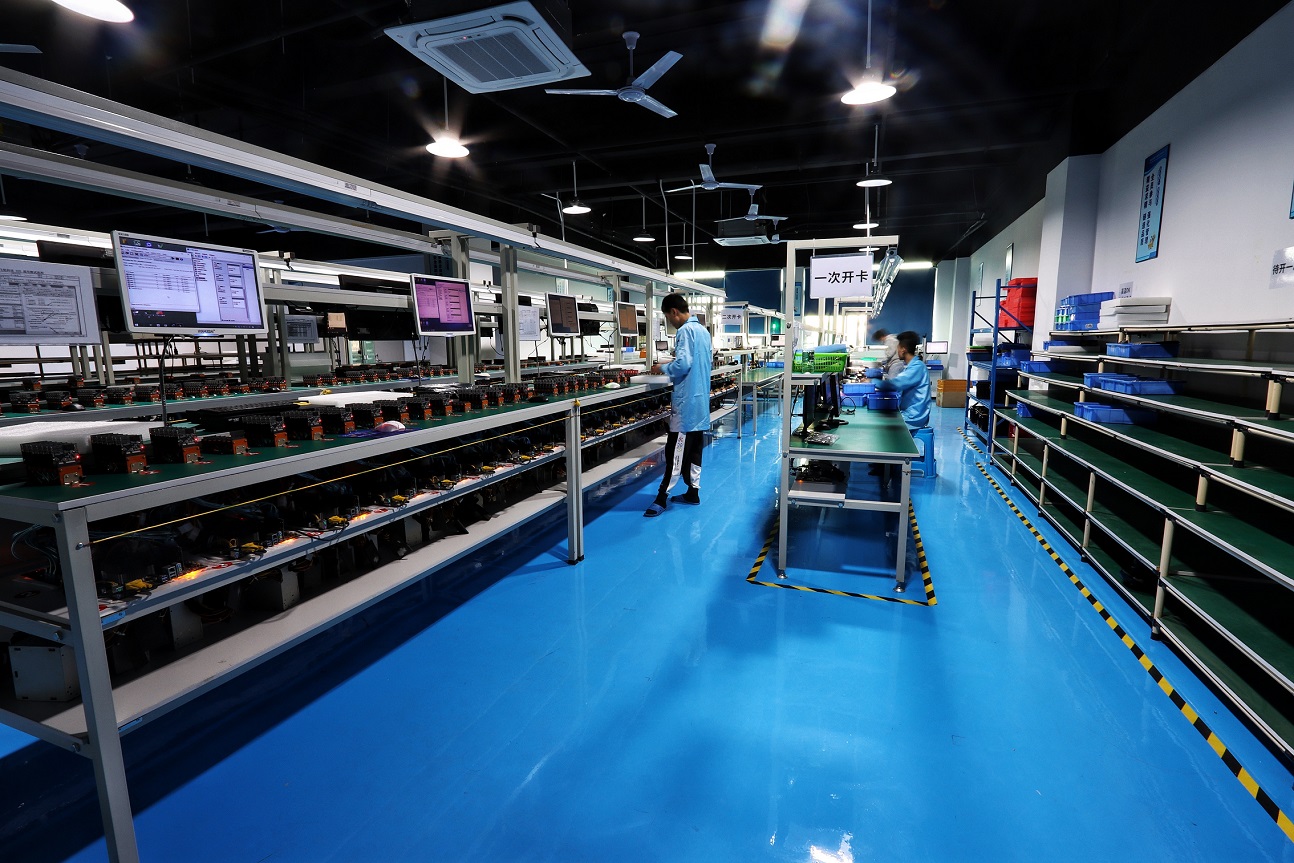
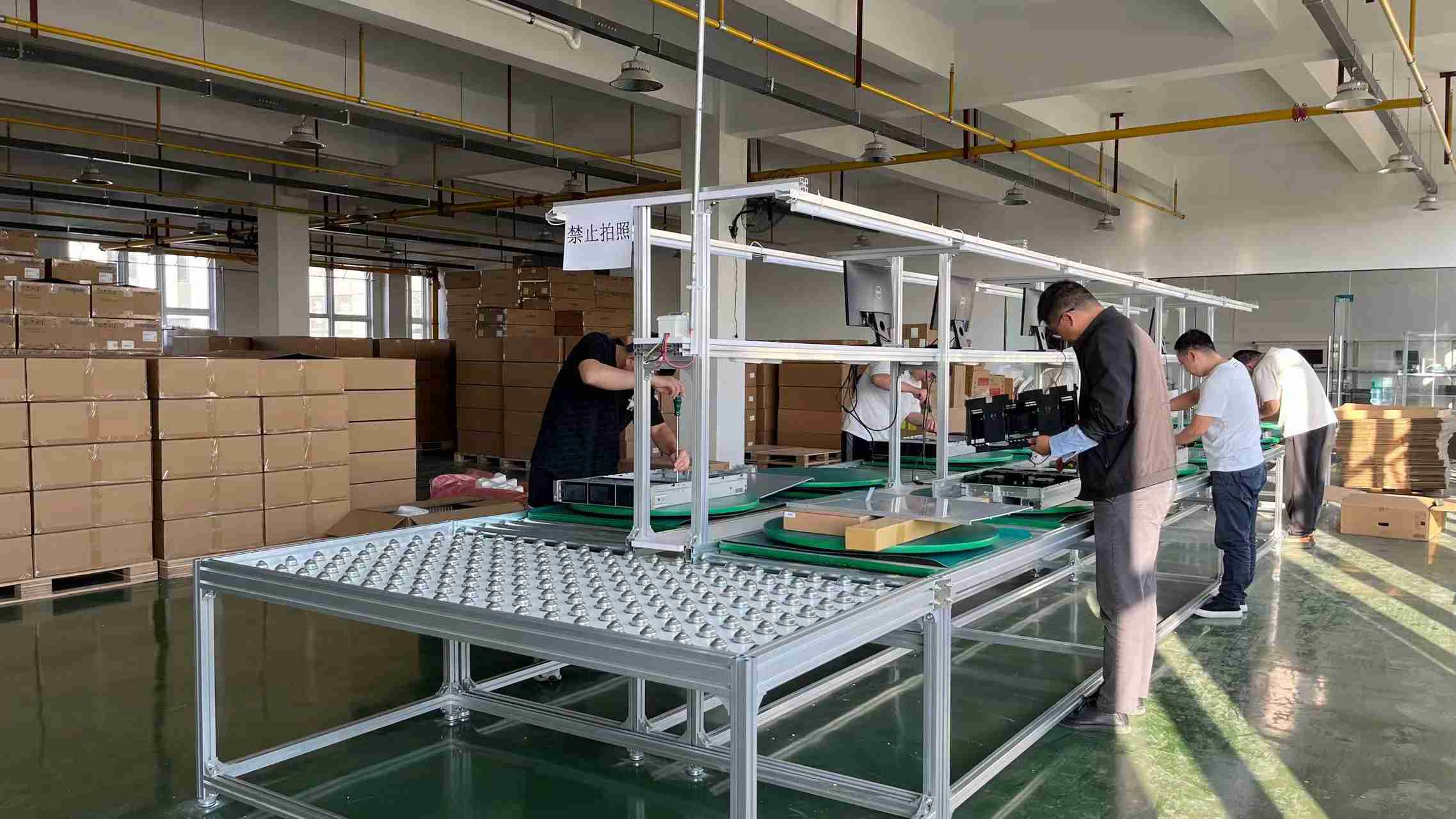
Operating from an expansive 18,500 square meter engineering and manufacturing footprint, BoltGrid manages component procurement, board assembly, metal fabrication, systems integration, and strict quality control operations. With an annual export capacity of USD 18 million, our global operations bridge critical compute demands across North America, Europe, Southeast Asia, and the Middle East.
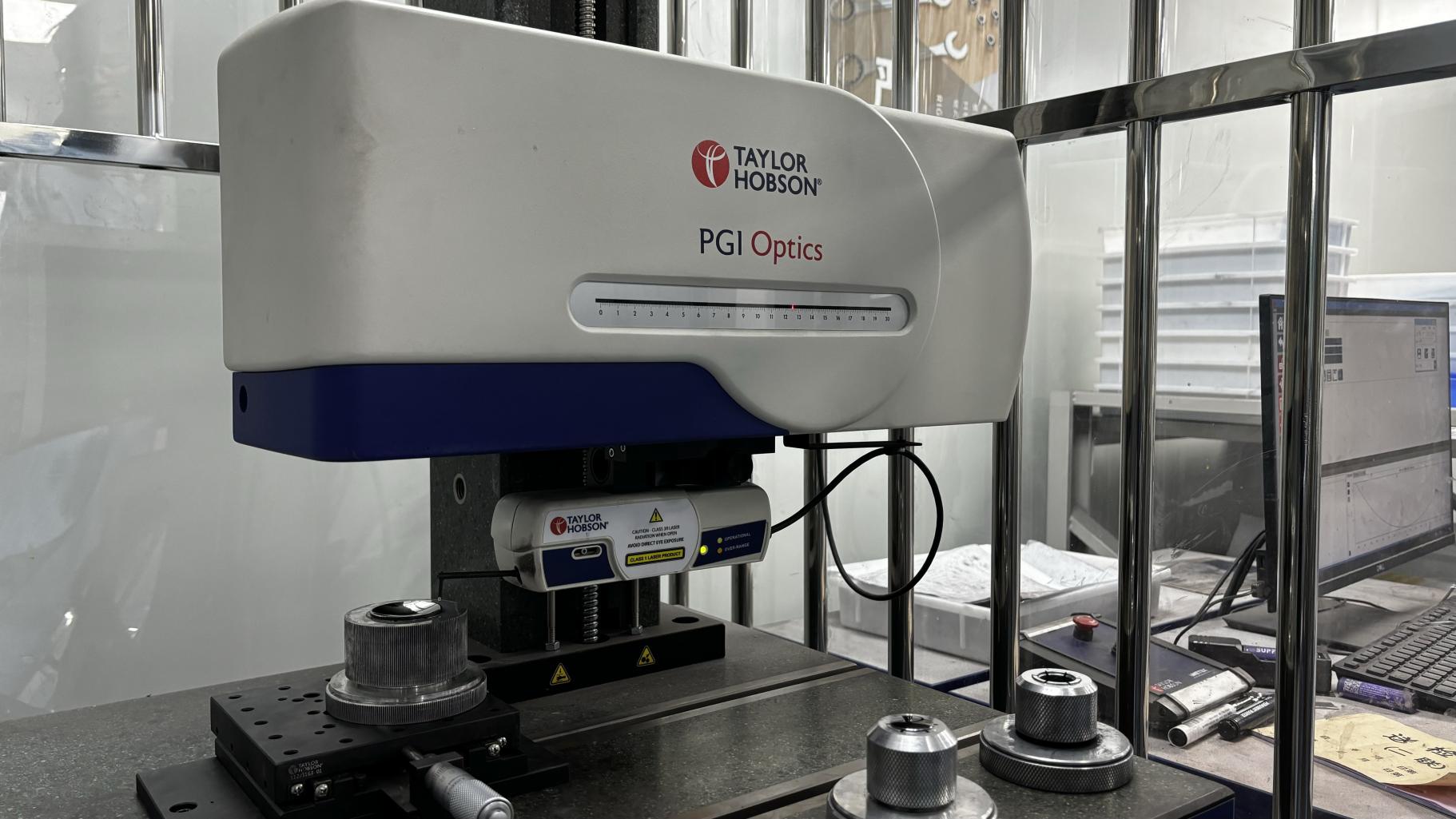
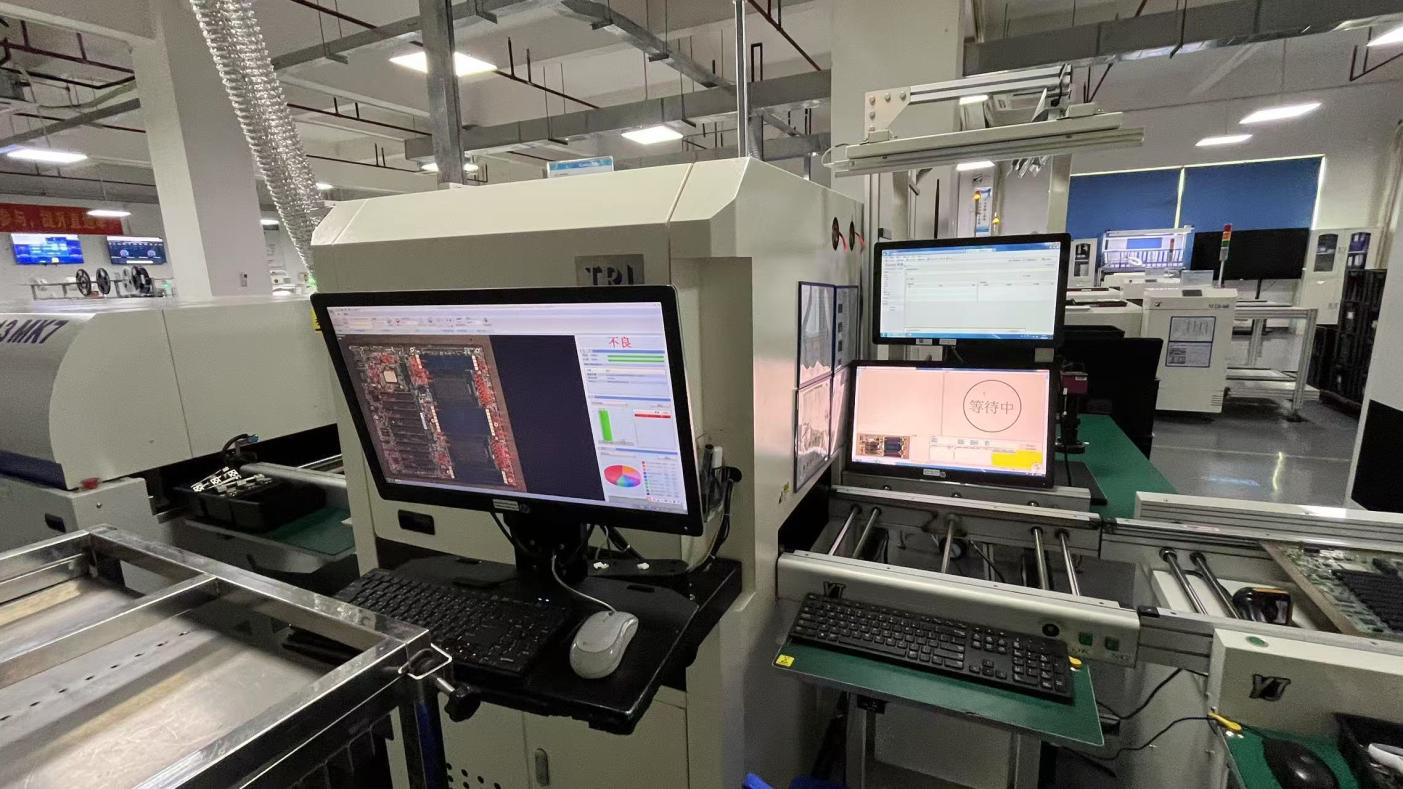
We deploy a specialized team of 45 QA inspectors executing full-spectrum electrical safety, high-humidity operations simulation, thermal performance profiling, and load burn-in procedures.
BoltGrid leverages proximity to component suppliers in Southern China's electronics clusters to secure memory chips, controller components, storage devices, and raw PCB fabrics at optimal volume pricing.
China’s server manufacturing industry provides significant advantages in scaling compute hardware production. Beyond sheer volume, these strengths include comprehensive supply chain integration, automated testing systems, and high engineering flexibility.
At our factory, our 120 R&D engineers optimize custom bios designs and modify chassis physical layouts to match specific datacenters. We launch approximately 85 customized products annually, responding to direct buyer demands for varied storage footprints, non-standard power supplies, and specialized network interface card (NIC) layouts.
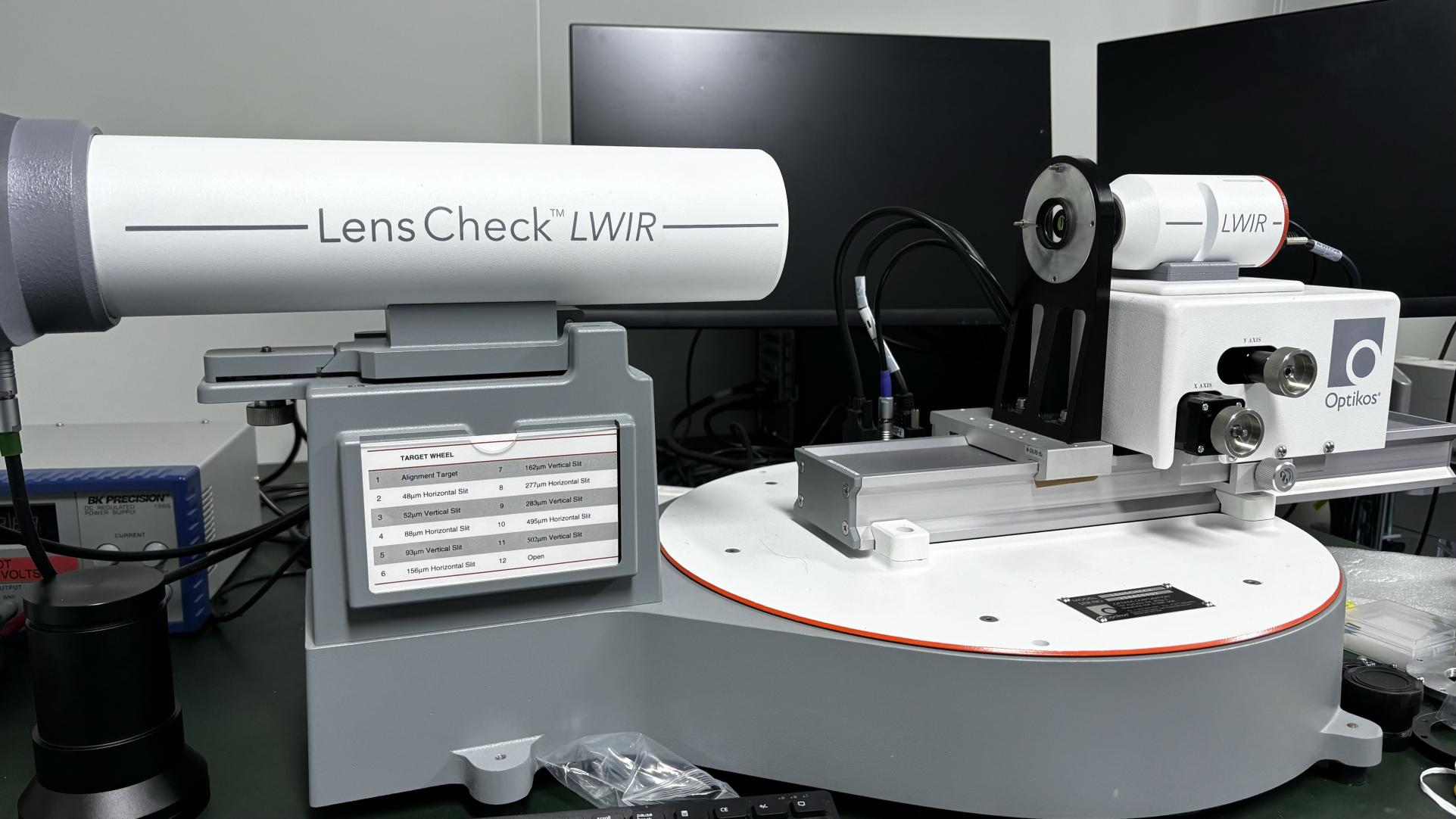
Direct views of our manufacturing floors, hardware diagnostics cleanrooms, and testing facilities.
As AI models scale down to open-source architectures like DeepSeek R1 and Llama series, enterprises deploy local GPU clusters. Our optimized servers utilize custom riser geometries and power distribution lanes to support multi-GPU setups without bus saturation.
Deploying compute power at local network nodes requires servers that handle dust, variable temperatures, and power shifts. Our custom short-depth systems fit standard telecom racks, providing high processing density outside traditional datacenters.
Virtual environments demand balanced memory bandwidth and CPU core scaling. Utilizing advanced network daughter cards and high-port RAID controllers (such as the 9560-8i), our hardware supports dense multi-tenant setups while minimizing resource contention.
The compute hardware sector is undergoing significant change driven by two main demands: higher energy efficiency and enhanced thermal performance. As processor thermal design power (TDP) exceeds 350W per socket, and GPU accelerators surpass 700W, traditional air cooling is reaching its physical limits. Datacenters are transitioning to liquid cooling technologies, including cold-plate architectures and full immersion cooling tanks.
Simultaneously, the adoption of PCIe Gen 5 and Gen 6 interfaces, CXL (Compute Express Link) for unified memory pools, and NVMe-over-Fabrics (NVMe-oF) is reshaping storage design. BoltGrid's engineering teams integrate these high-speed interfaces directly into our manufacturing lines. We design chassis that accommodate liquid manifold piping, high-current power cables, and optimized airflow routing to keep pace with changing industry standards.
A framework for sourcing and evaluating enterprise servers from China.
Verify that servers meet international compliance certifications like CE, FCC, RoHS, and UL. Standard manufacturing procedures should produce servers with uniform electromagnetic compatibility shielding and certified electrical insulation.
Baseboard Management Controllers (BMCs) must use secure, cryptographically signed firmware. BoltGrid supports standard OpenBMC installations, giving administrators complete control over remote management features while reducing security vulnerabilities.
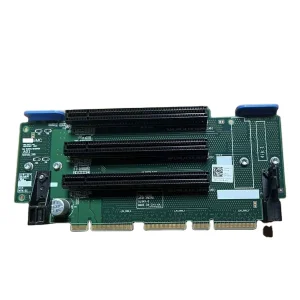
Assess the manufacturer's capacity to supply replacement parts (such as riser cards, drive trays, hot-swap fans, and system boards) for up to 5–7 years after initial system deployment. This helps extend operational lifespans and improves overall TCO.
Key answers to technical questions about architecture compatibility, customization options, and factory processes.
We optimize workloads like DeepSeek R1 by designing motherboards with wide PCIe lanes, using dedicated PCIe Gen 4.0/5.0 switches to support direct GPU-to-GPU communication (GPUDirect RDMA). We also design systems with high thermal thresholds and stable power delivery to prevent thermal throttling during long training cycles.
Our 45 QA inspectors run each integrated system through a comprehensive testing protocol. This includes thermal chamber profiling, multi-hour full-load stress tests (CPU, memory, and GPU), network traffic test runs, and electrical testing to ensure reliable operation under continuous workload conditions.
Yes. BoltGrid offers extensive OEM and ODM customization. Our R&D engineering team can modify physical chassis layouts, customize motherboard firmware, optimize storage drawer arrays, and configure systems for liquid cooling setups to meet specific datacenter requirements.
Standard configurations are processed quickly using our components inventory. For customized OEM designs, the typical timeline is 4–6 weeks, which covers layout design, testing, quality assurance checks, and final preparation for export shipping.
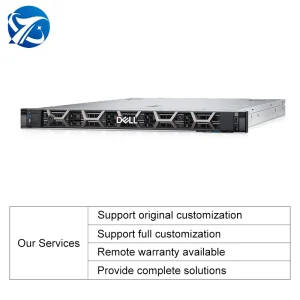
Review our complete list of server options, including dense 1U rack deployments and flexible storage expansion platforms.