BoltGrid
BoltGrid
BoltGrid
Explore our premium computing architectures, engineered for heavy AI rendering, large-scale deep learning models, cloud computing infrastructure, and critical datacenter nodes.
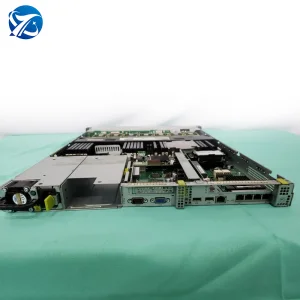
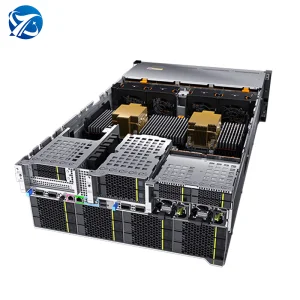
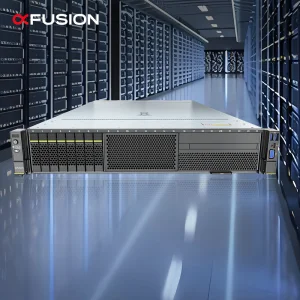
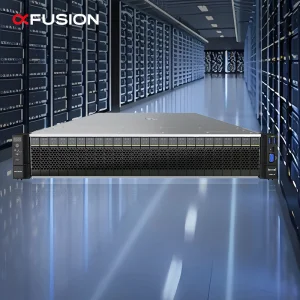
Analyzing the paradigm shift in industrial server cooling, addressing rising TDP constraints, and strategic implementations for thermal efficiency.
In the contemporary landscape of high-performance computing (HPC) and artificial intelligence deployment, thermal management has transitioned from a supportive utility to a primary structural pillar of server design. The rapid escalation of processor TDP (Thermal Design Power) – with modern enterprise GPUs exceeding 700 watts and custom ASIC clusters reaching far beyond – has pushed traditional air-cooling architectures to their physical limits. Datacenter operators are increasingly facing strict environmental mandates, demanding Power Usage Effectiveness (PUE) ratios below 1.25, a threshold that conventional CRAC (Computer Room Air Conditioning) units cannot consistently satisfy.
“The fundamental limitation of air-based heat extraction lies in the volumetric heat capacity of air compared to liquid. Water is roughly 3,500 times more effective at absorbing heat by volume than air. Transitioning to hybrid or total liquid topologies is no longer a futuristic choice; it is an immediate physical necessity.”
This macro industrial trajectory is driving global demand for advanced cooling technologies manufactured in China, the world's leading ecosystem for hardware innovation and production scalability. From micro-channel cold plate designs to complex Coolant Distribution Units (CDUs) and direct-to-chip (D2C) implementations, Chinese manufacturers are defining standard benchmarks for density, thermal conduction efficiency, and reliability under extreme continuous workloads.
Targeted heat dissipation at the silicon die level. Uses high-thermal-conductivity copper base plates and micro-skived fins to draw heat away from dual-socket CPUs and multi-GPU configurations efficiently, preventing thermal throttling.
Submerging complete mainboards into dielectric fluids. Eliminates server chassis fans entirely, resulting in near-silent operation, lowered ambient building noise, and dramatic reductions in cooling infrastructure power requirements.
Liquid-to-air cooling coils integrated directly into the cabinet door. Intercepts hot exhaust air from standard server fans and cools it before it leaves the rack, allowing high-density computing loads within air-cooled spaces.
A global leader in high-performance AI GPU servers, hardware integration, and comprehensive thermal control architectures.
Established in 2016, BoltGrid Computing Systems Co., Ltd. has grown to become a professional AI GPU server manufacturer specializing in high-performance computing infrastructure, GPU cluster systems, and AI data center solutions. With over 12 years of industry experience embedded in our design DNA, our capabilities extend from custom hardware design to massive global supply chain integration of advanced computing components.
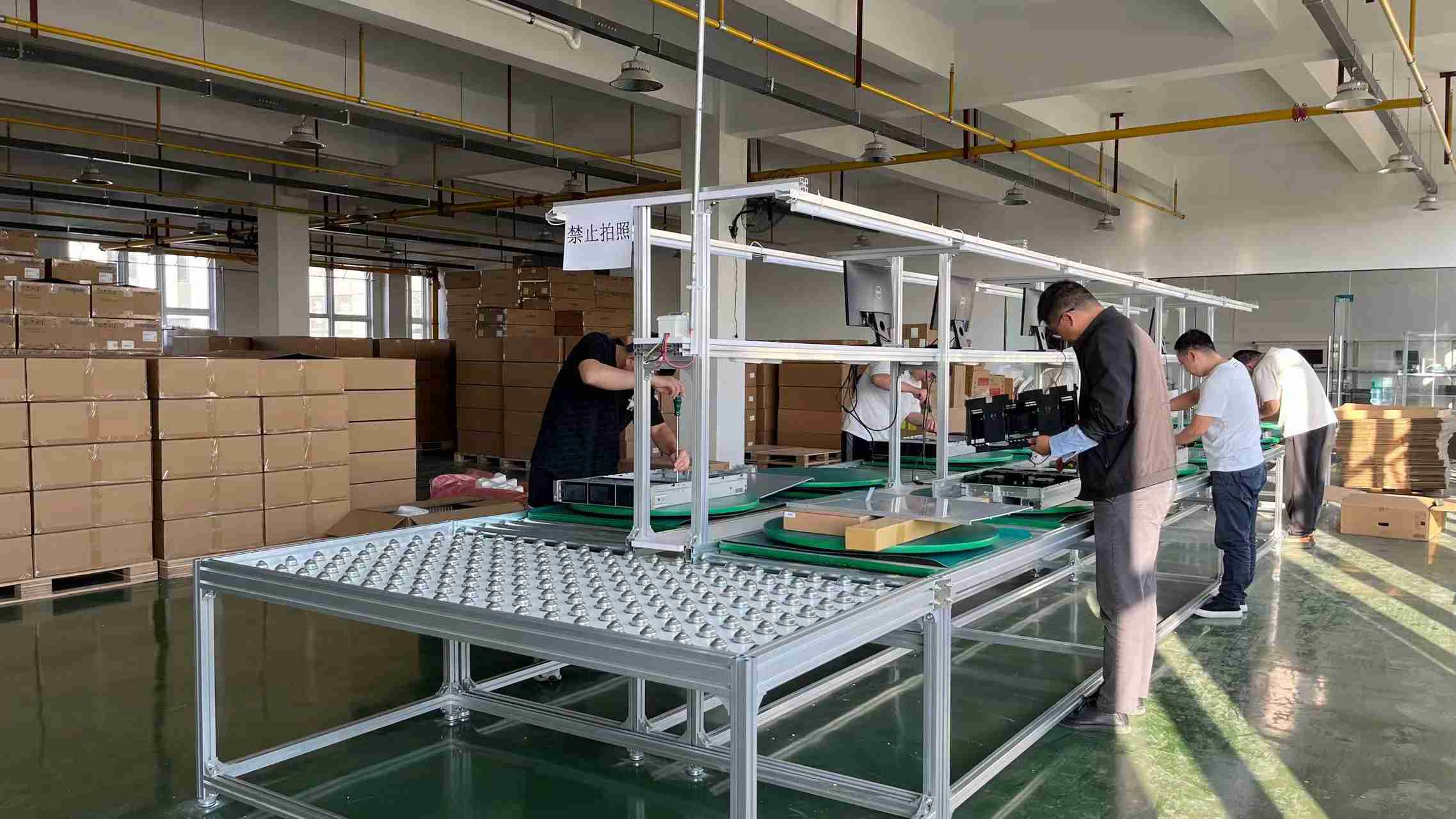
Operating out of a modern 18,500㎡ facility, BoltGrid handles complete system integration, structural analysis, assembly, and exhaustive quality stress testing. We sustain stable international trade operations, generating around USD 18 million in export revenue annually, delivering robust hardware configurations to clients across North America, Europe, Southeast Asia, and the Middle East.
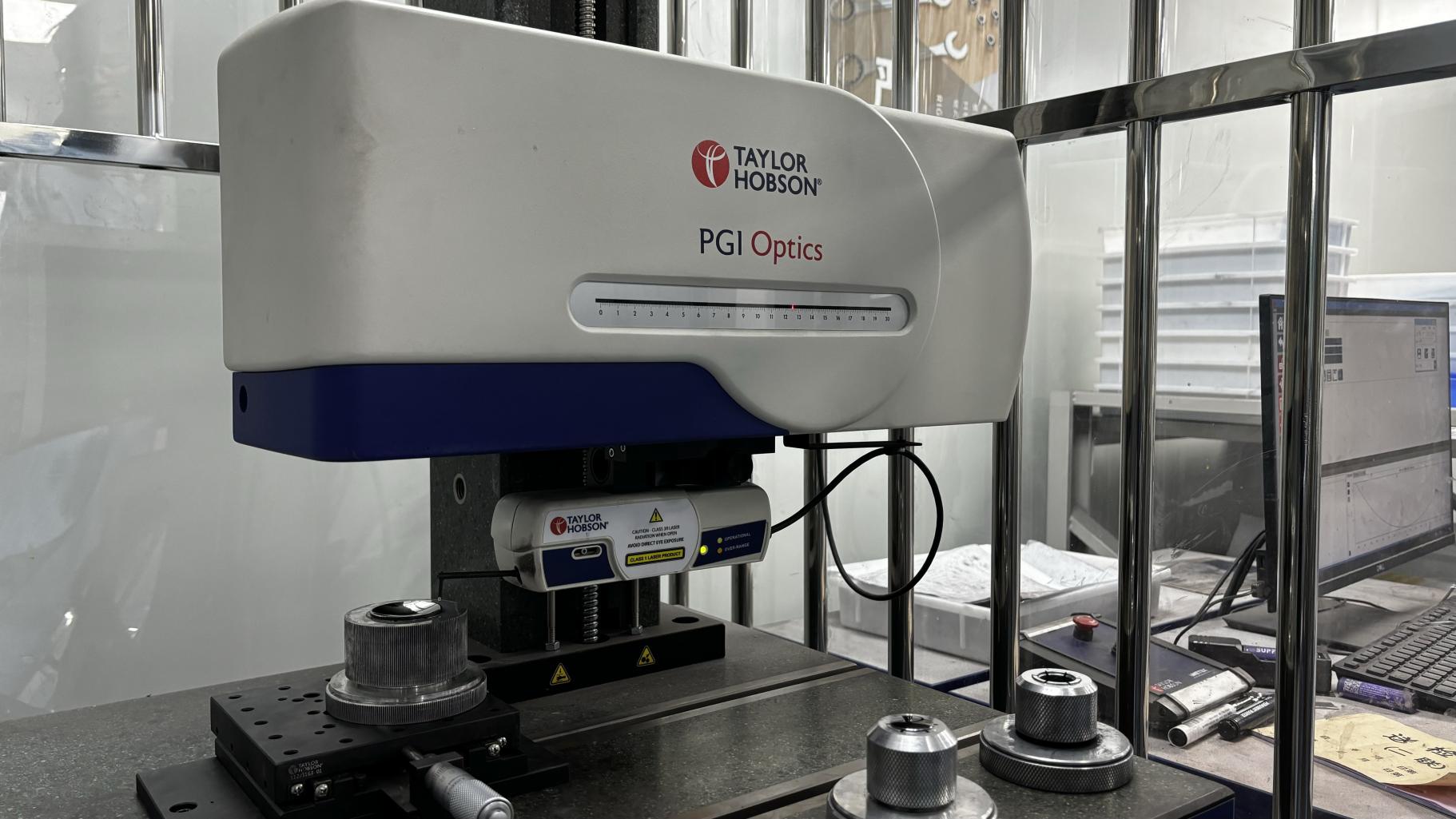
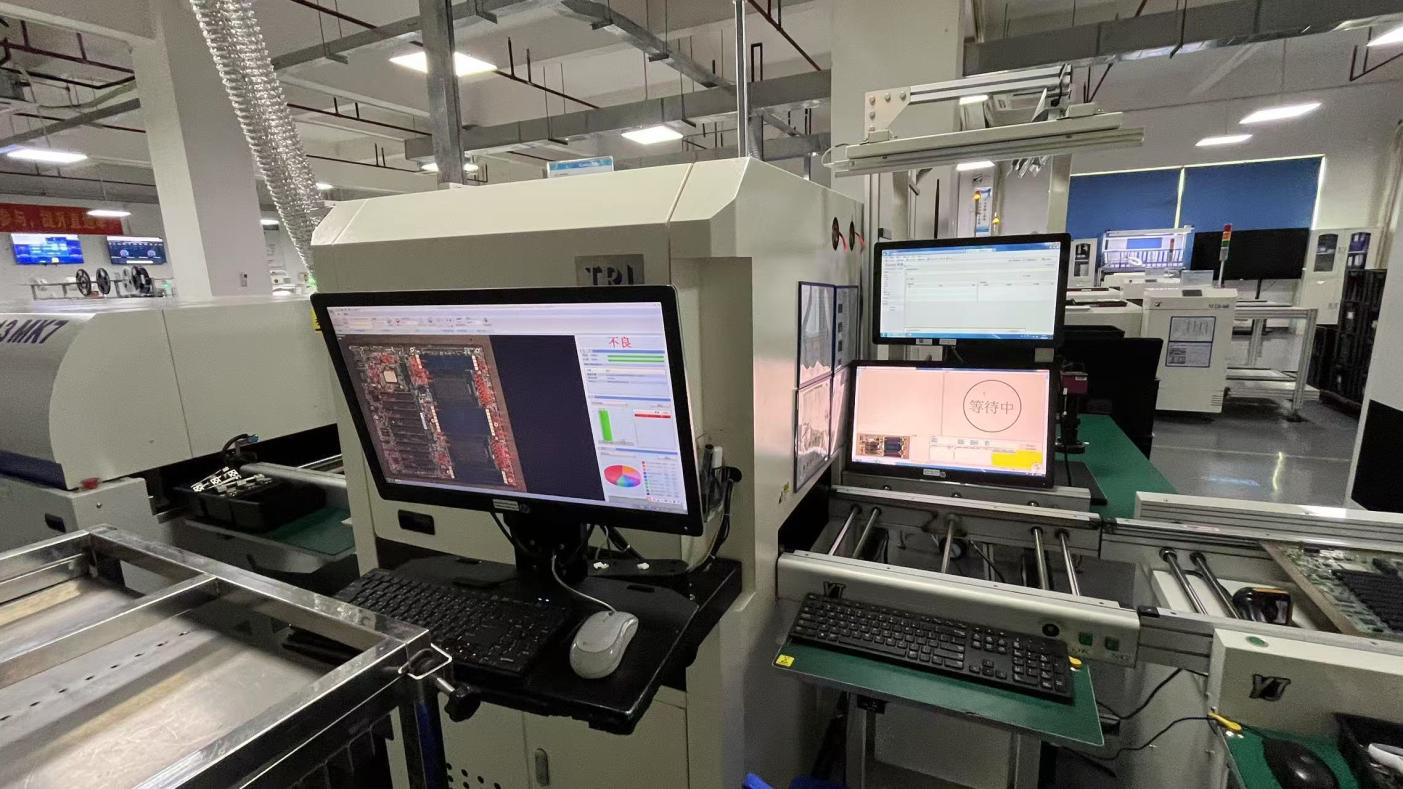
Our commitment to excellence is maintained by a specialized Quality Assurance team consisting of 45 inspectors. Utilizing proprietary thermal performance testing chambers, realistic stress load simulations, and full-system high-temperature burn-in protocols, we guarantee system stability under continuous maximum workloads.

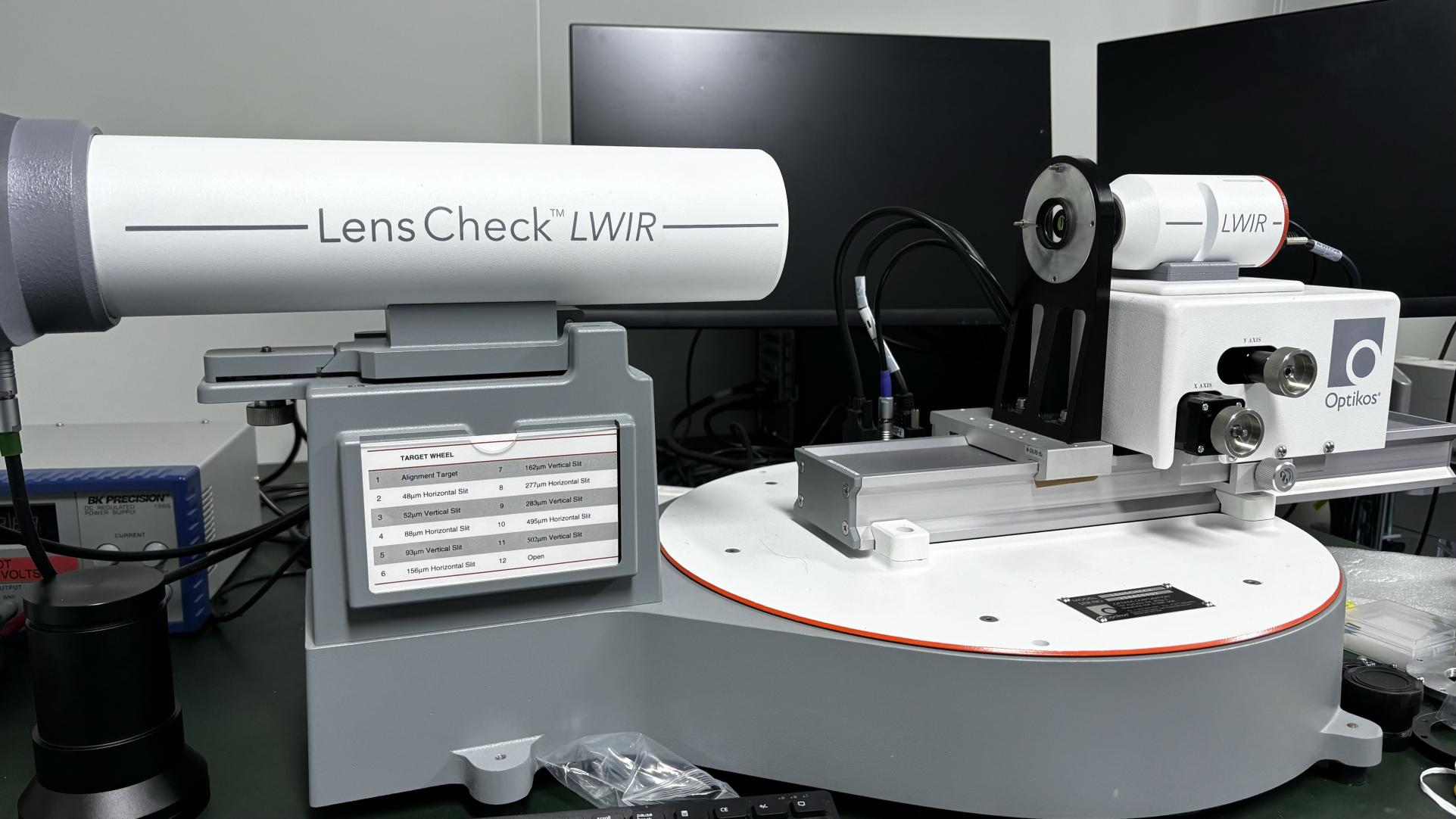
How physical parameters translate into real-world efficiency gains. Detailed roadmap outlining material sciences and flow dynamics.
In high-density server configurations, cooling efficiency is dictated by the thermal transfer coefficient of the copper interfaces, coolant flow rate, and pressure stability. BoltGrid engineers design custom high-capacity cold plates with fin pitch configurations down to 0.15mm. Reducing the fin width limits liquid boundary layers, minimizing overall thermal resistance from the silicon die surface to the circulating liquid medium.
| Cooling Category | Typical PUE Range | Supported Power Density (kW/Rack) | Ideal Application Case |
|---|---|---|---|
| Advanced Air Flow Optimization | 1.35 - 1.50 | Up to 15 kW | Standard general computing, local enterprise clusters, storage servers |
| Rear Door Heat Exchanger (RDHx) | 1.18 - 1.25 | 20 - 45 kW | Hybrid clouds, data center retrofitting, scale-out virtualized networks |
| Direct-to-Chip (D2C) Liquid Cooling | 1.08 - 1.15 | 40 - 100 kW+ | High-performance GPU computing clusters, deep learning nodes |
| Two-Phase Immersion Cooling | 1.02 - 1.05 | Over 120 kW | Supercomputers, AI training complexes, low-emission datacenters |
To support customizable solutions, our engineers launch approximately 85 new products annually. These configurations accommodate scaling requirements, including direct-to-chip modifications, high-power server power supply unit (PSU) options, PCIe 5.0 high-bandwidth data paths, and dedicated high-frequency memory integration. With a strategic network of over 850 ecosystem partners, we ensure access to essential system components, maintaining stable production timelines even during volatile global market conditions.
Aligning advanced cooling architectures with international regulatory structures and site-specific operational needs.
Our solutions align with strict regional criteria, such as EU Energy Efficiency Directives, US LEED certifications, and China's "Eastern Data, Western Computing" carbon-neutral policies, ensuring low PUE compliance.
Every CDU and liquid loop undergoes rigorous testing, including high-pressure nitrogen hold tests and helium mass spectrometer leak detection. This protocol eliminates leakage risks in enterprise production areas.
From seismically isolated mounting frames for active fault zones to specialized closed-loop evaporative units for arid regions, we tailor thermal architectures to operate reliably in diverse climates.
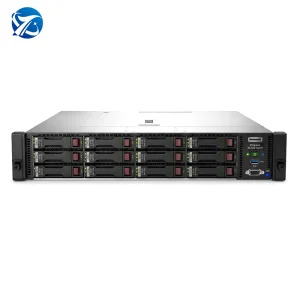
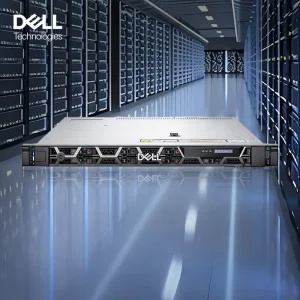
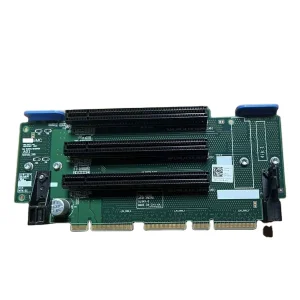
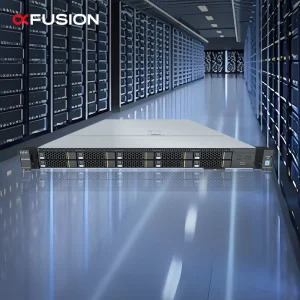
Complete your deployment with rack-optimized server frameworks, hardware expansions, and modular cooling nodes.
In-depth answers to critical architectural questions commonly asked by data center operators and integration engineers.
By removing the requirement for large, high-airflow aluminum heatsinks and intermediate physical baffles, D2C cooling reduces the spacing needed between adjacent components. This allows system architects to house higher-TDP CPUs and accelerator cards in 1U or 2U form factors. This capability can double or triple rack-level compute density, taking it from 15kW up to 60kW or 100kW per cabinet, without creating hotspots in the rack row.
In single-phase immersion cooling, the dielectric fluid remains in its liquid state throughout the heating cycle, using pumps and external heat exchangers to cycle heat. In two-phase immersion cooling, the fluid boils when in contact with hot silicon chips. The resulting vapor rises, condenses on an integrated cold plate in the chamber lid, and drops back down. Two-phase systems offer higher thermal efficiency but require a completely sealed chamber to prevent coolant evaporation loss.
Air conditioning systems consume considerable energy powering high-CFM chassis fans and facility chillers. Liquid cooling bypasses much of this load by transferring heat directly to water loops that operate at higher temperatures. This allows facilities to use dry coolers instead of energy-intensive chillers, reducing cooling-related power use and bringing data center PUE closer to 1.05 to 1.15.
Yes, but they require dedicated modification. The system motherboard layout must accommodate custom routing channels for the fluid hoses, and standard heat sinks must be replaced with copper cold plates. Rear structural layouts must also adapt to fit quick-disconnect couplings (QDs) to allow secure connection to fluid lines during server maintenance.
System security relies on leak-free Quick Disconnect (QD) couplings and non-conductive dielectric coolants where necessary. Additionally, modern CDUs maintain negative pressure inside the chassis cooling loop. In this setup, if a minor crack develops, air is pulled into the system rather than spraying liquid out onto sensitive circuitry, allowing operators to schedule maintenance without causing unplanned downtime.
When workloads spike, silicon junction temperatures rise almost instantly. Smart CDUs monitor real-time GPU load signals to adjust pump speeds and increase the flow rate of the coolant. This preemptive thermal management absorbs energy surges at the source, preventing localized heat build-up and thermal throttling.
Premium synthetic dielectric fluids are engineered to resist chemical breakdown, remaining stable for 10 to 15 years under normal operating conditions. Regular fluid health checks, including particle filtration and chemical stability analysis, help ensure reliable long-term performance without degradation.
Yes. Because liquid cooling loops run efficiently at hot-water inputs (e.g., 32°C to 45°C), they can dissipate heat to the ambient air using basic dry coolers, even when outdoor temperatures exceed 35°C. This eliminates the need for expensive chemical chilling cycles, making green operations viable in hot and dry climates.