BoltGrid
BoltGrid
BoltGrid
High-bandwidth SAS storage, advanced hardware RAID controllers, and dual-socket CPU systems engineered for high-availability workloads.
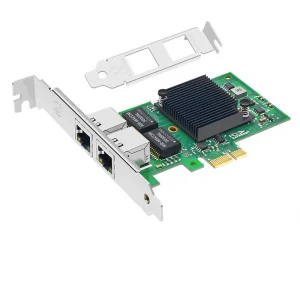
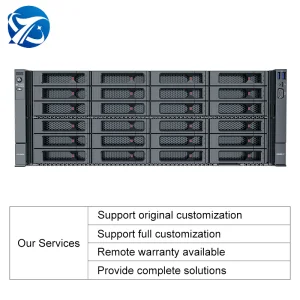
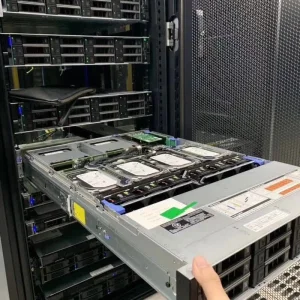
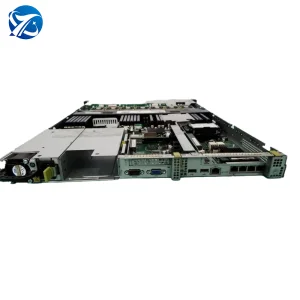

Since 2016, BoltGrid has developed enterprise-grade high-performance computing (HPC) ecosystems, bridging the gap between raw AI processing needs and stable thermal dissipation.
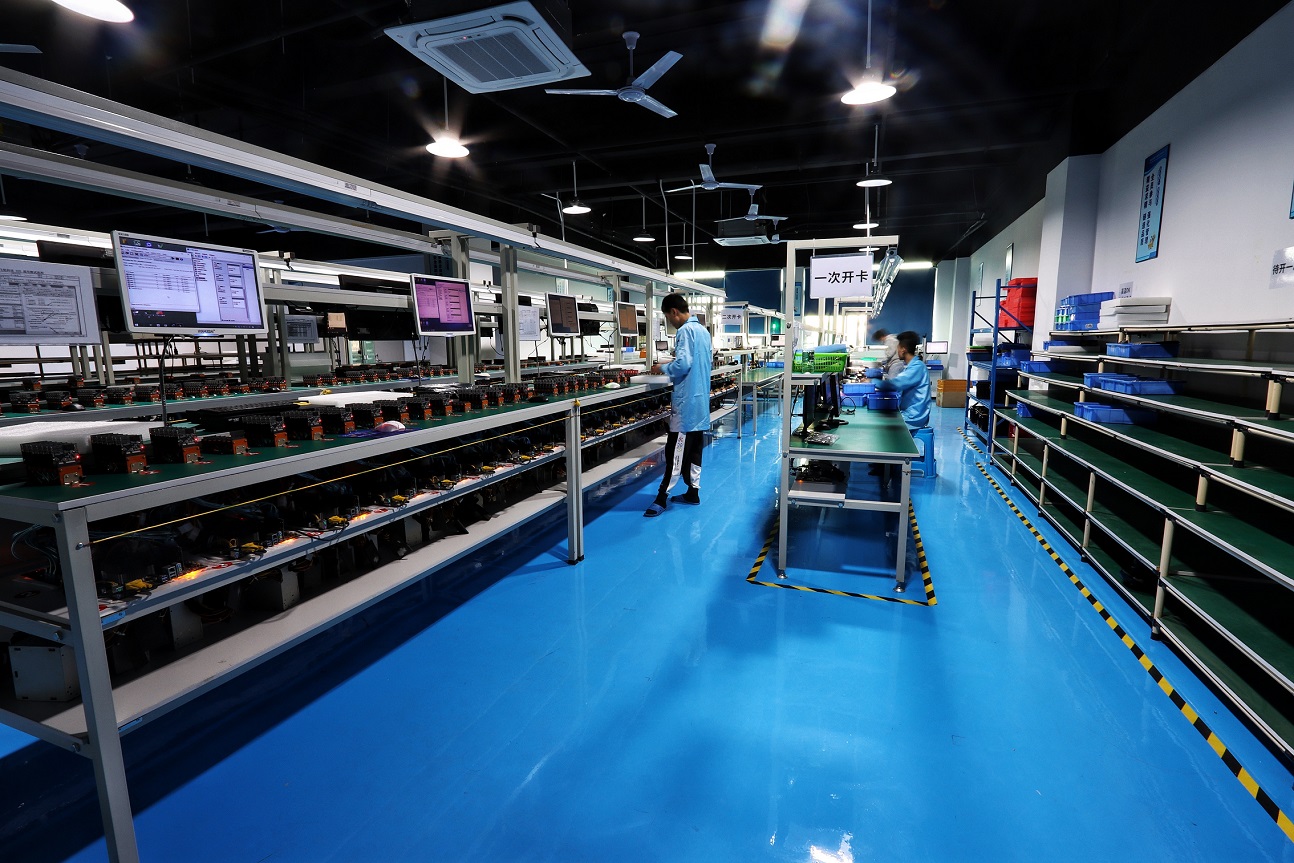
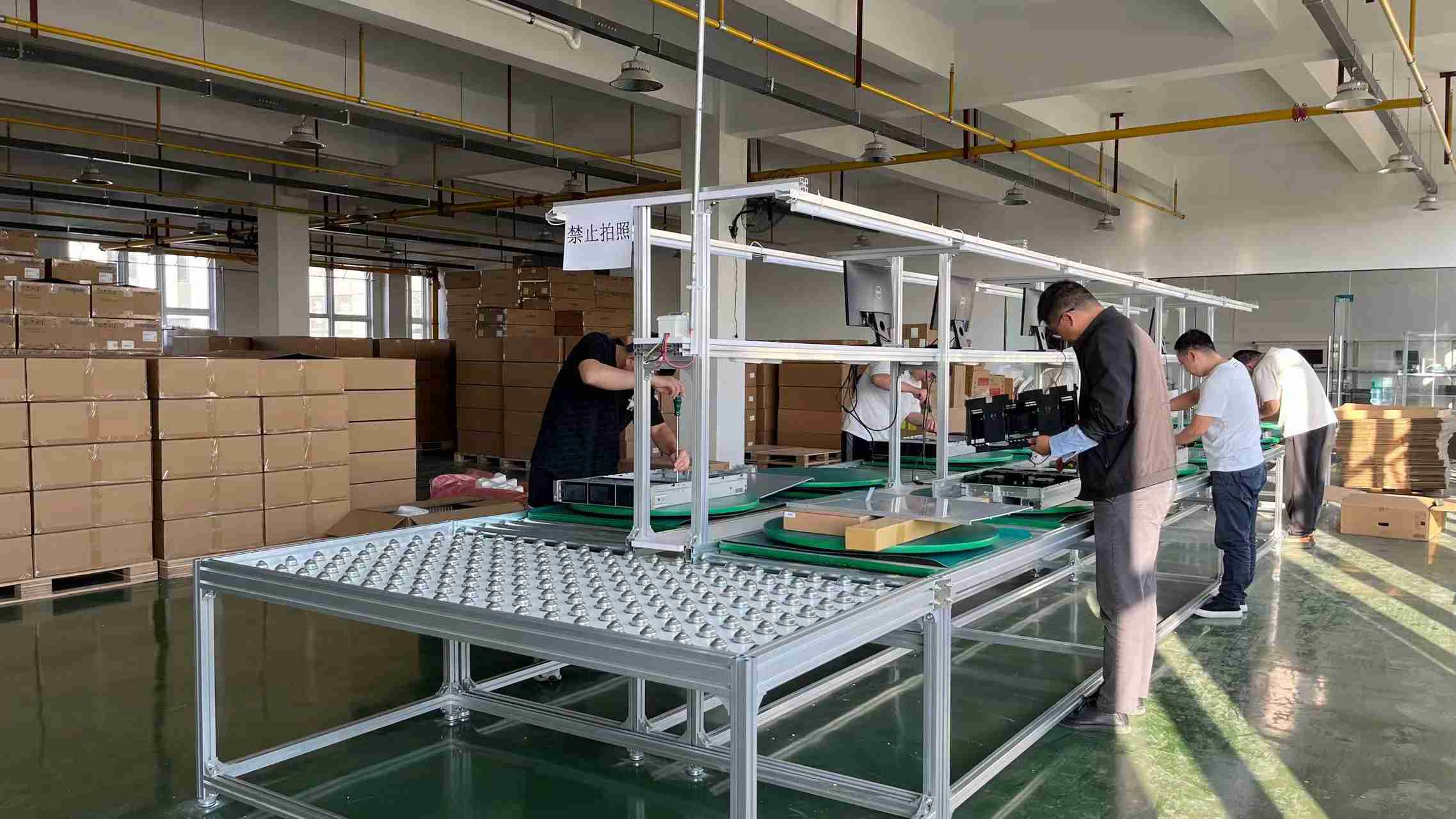
BoltGrid Computing Systems Co., Ltd. is a dedicated high-performance AI GPU server manufacturer specializing in critical GPU cluster systems, deep learning configurations, and enterprise-level AI data center hardware deployments. Backed by 12 years of core industry expertise, our team operates a modern factory facility covering approximately 18,500 square meters. This setup enables unified assembly, precise hardware calibration, thermal-chamber performance analysis, and automated component stress loading.
We work in collaboration with over 850 global strategic partners to optimize server component routing, high-density power supply sourcing, and cooling solutions, preventing hardware bottlenecks during large-scale AI model training and inference. To ensure zero-defect shipment, we employ 45 professional quality inspectors executing precise hardware evaluation protocols.
The global computational demand has shifted significantly from legacy general-purpose CPUs to parallel heterogeneous acceleration. This transformation is driven by Large Language Models (LLMs), deep neural network training, and complex agentic inference workloads. Key focus areas include:
Deployment of high-speed interconnect protocols such as NVLink, NVSwitch, and PCIe Gen 5.0 to maximize GPU-to-GPU peer communication bandwidth, preventing data transmission bottlenecks during training.
Transitioning to closed-loop cold plate technologies and direct-to-chip immersion cooling. These technologies efficiently dissipate TDP loads exceeding 700W per accelerator, lowering overall data center PUE values.
Developing server chassis configurations that support x86, ARM, and OpenPower processor platforms alongside custom ASIC accelerators to meet varied enterprise workloads.
As neural network architectures evolve toward mixture-of-experts (MoE) models and trillion-parameter operations, BoltGrid is aligning its hardware design pipeline with next-generation memory standards. Our roadmap includes integrating HBM3e / HBM4 memory profiles, deploying CXL (Compute Express Link) protocols to expand physical memory space, and utilizing unified management software to optimize cluster resource scheduling.
How BoltGrid delivers tailor-made computing configurations to support specialized deployment paradigms across complex industries.
AI Cloud systems require high server density, unified management, and high hot-swap reliability. BoltGrid supplies 4U and 8U rackmount GPU server configurations designed for multi-tenant virtualization. Built-in IPMI 2.0 modules enable remote telemetry and power cycle scheduling.
Genomics mapping, molecular dynamic simulation, and astrophysical calculation require immense FP64 precision computing power. BoltGrid designs high-performance computing (HPC) nodes that bridge multicore Intel Xeon or AMD EPYC host processors with dual/quad GPU processing modules.
Autonomous driving simulation and video analytics require real-time processing of high-definition camera feeds and sensor inputs. We provide optimized edge servers and rack nodes featuring robust chassis designs capable of handling high-vibration environments.
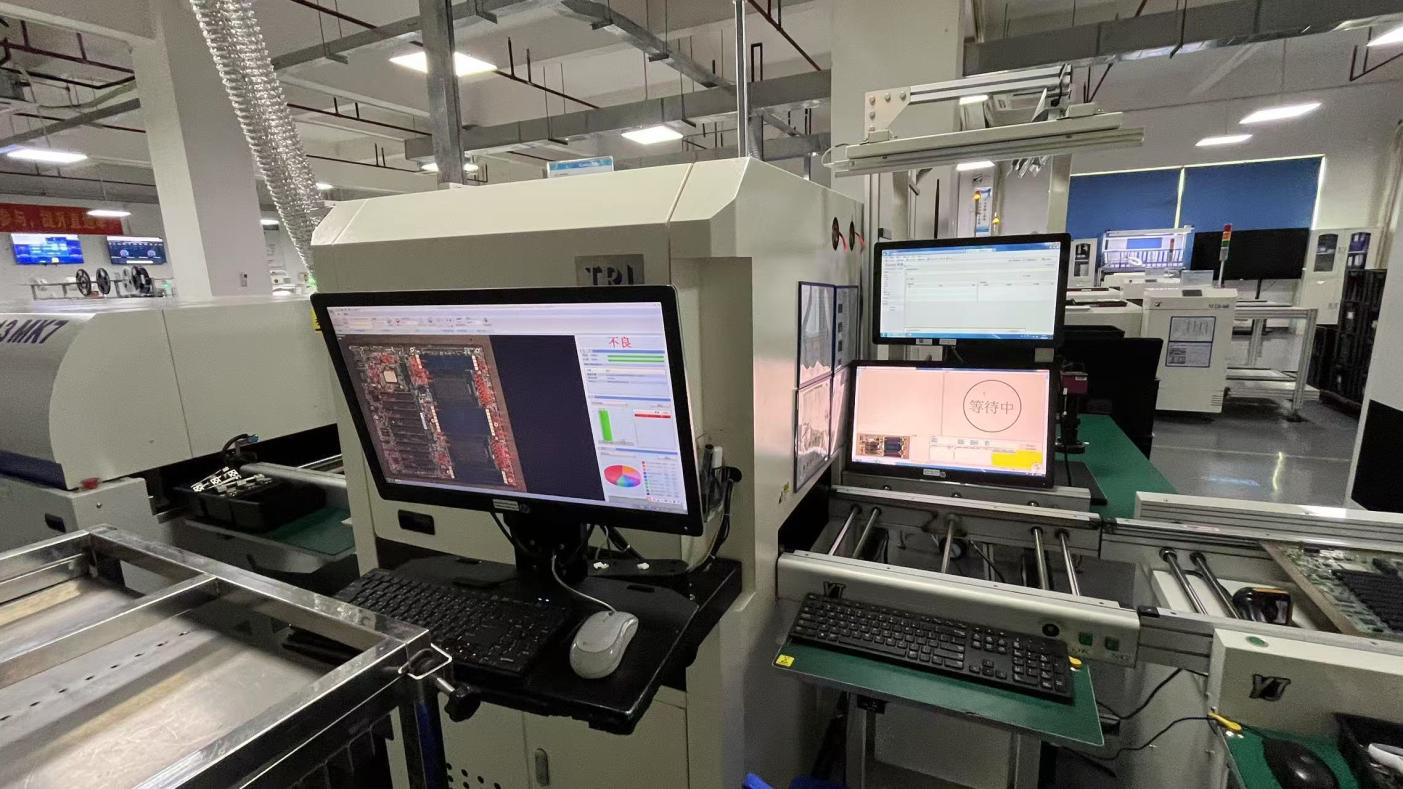
BoltGrid’s operational core is built on China’s advanced industrial manufacturing ecosystem. We combine digital control systems, automated inspection protocols, and long-term relations with component foundries to secure our hardware pipeline against sudden supply changes.
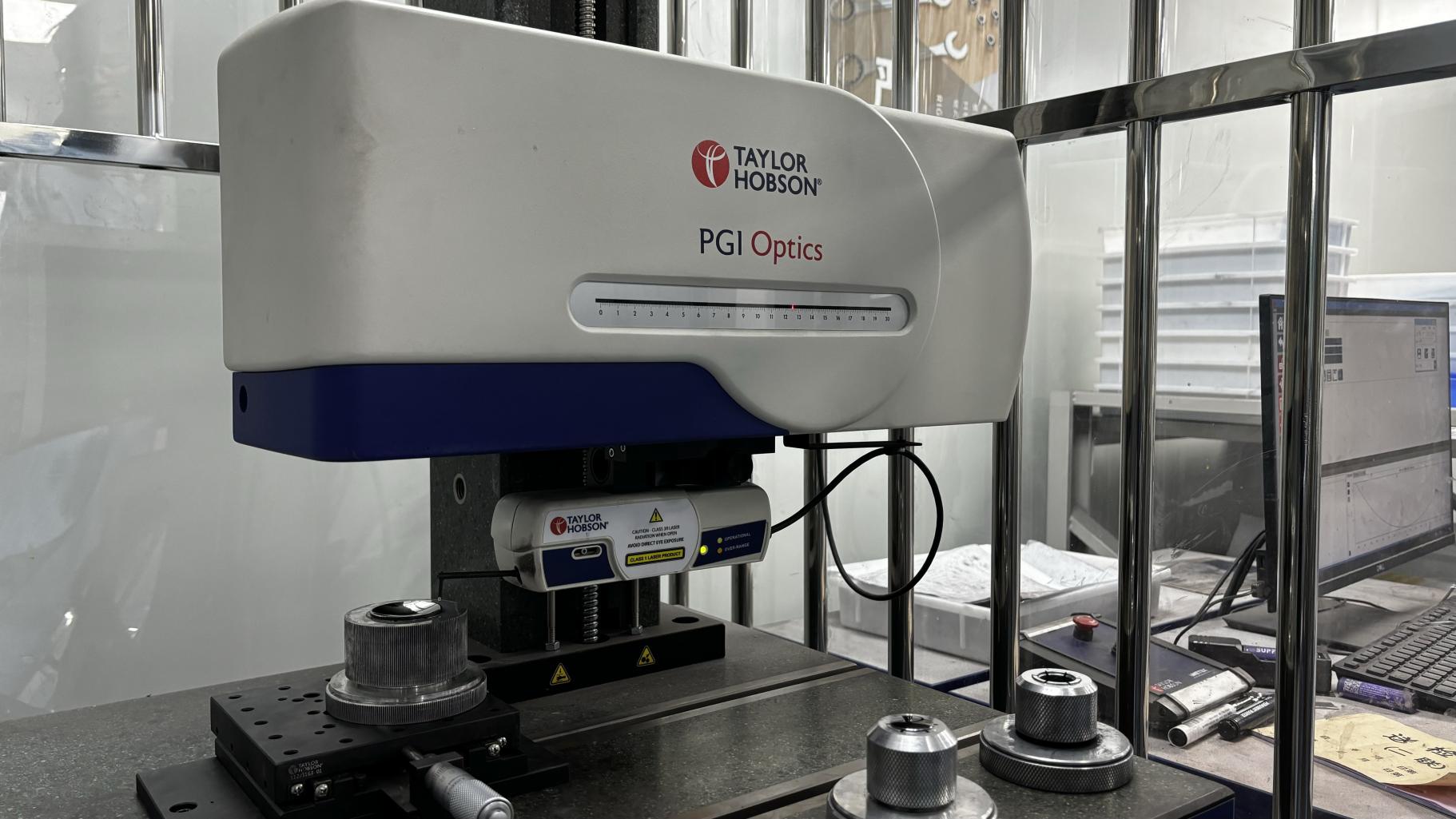
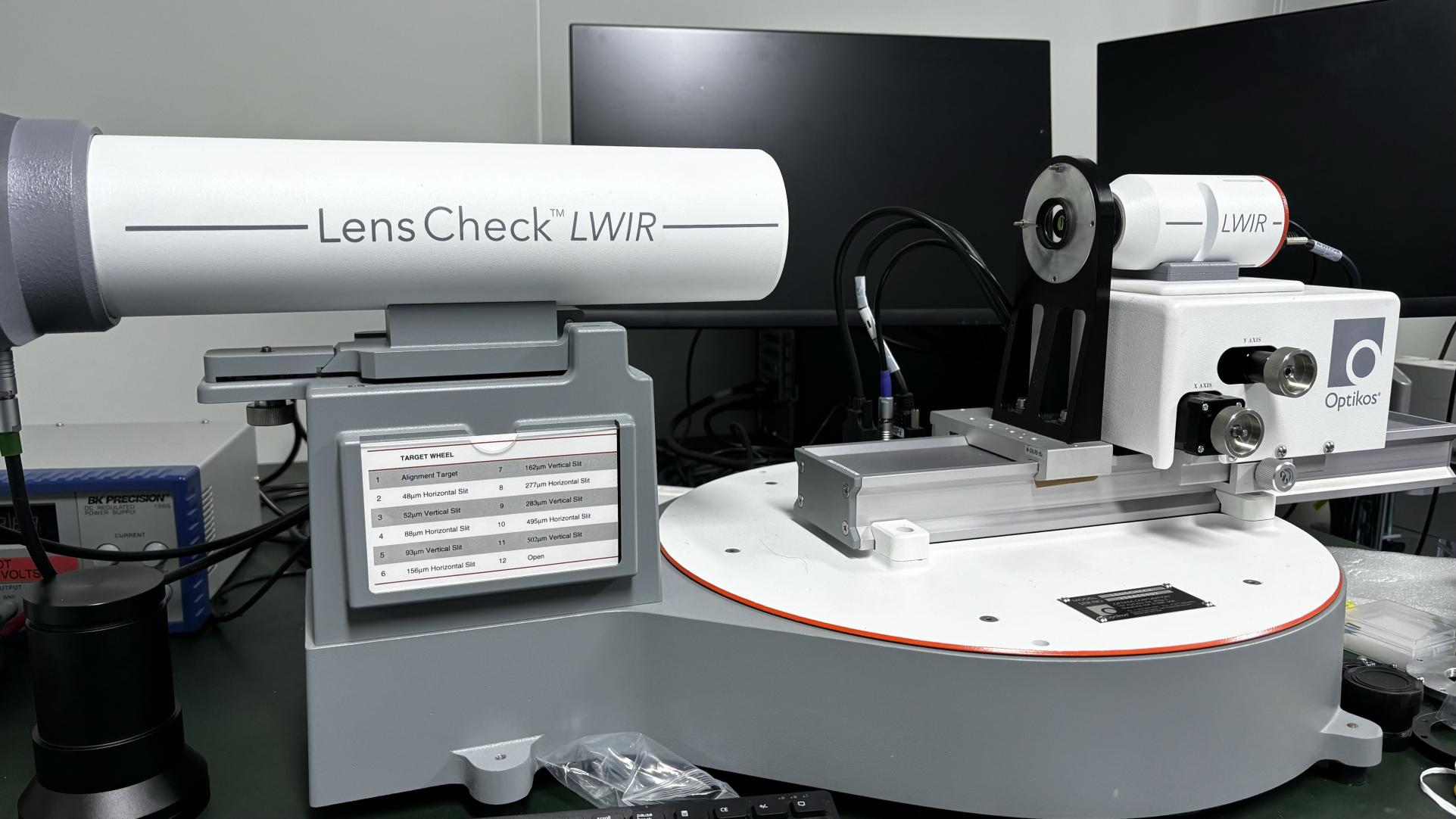
Every compiled server undergoes a full 72-hour burn-in phase inside specialized environmental test chambers. Here, ambient temperatures are systematically elevated to test motherboard stability under maximum computational load.
We deploy automated optical inspection (AOI) equipment alongside X-ray solder testing to inspect high-density PCB boards. This system detects micro-fractures, misaligned tracks, and dry solder joints before assembly.
With a verified roster of over 850 strategic partners, BoltGrid mitigates single-source dependencies. We maintain multiple channels for critical components such as high-current power distribution units (PDUs), logic boards, and chassis components.
This strict approach to assembly and testing keeps out-of-box component failure rates under 0.15%. It also allows us to sustain a steady R&D output, developing around 85 new product configurations each year to keep pace with changing chip structures and cooling specifications.
Navigating complex international customs, cross-border electronic certifications, and providing reliable on-site or remote field integration.
Our server hardware complies with standard international benchmarks including CE, FCC, RoHS, and CCC. This ensures smooth clearance through import customs and simple integration into active corporate data centers.
We provide full customization for host configuration, memory capacity, storage bus topology, and chassis color schemes. We also configure and pre-install server management software to match client network configurations.
We partner with specialized logistics providers to ensure safe transport. High-density foam inserts, moisture-barrier wrapping, and shock-indicating transit labels are standard for shipping high-value computing components.
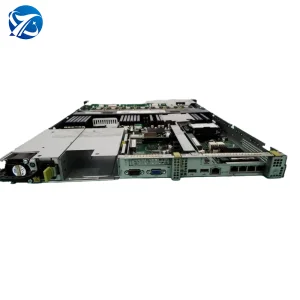
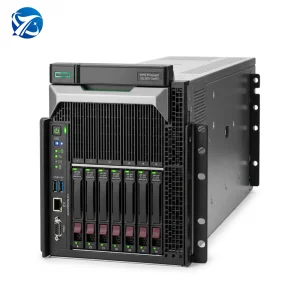
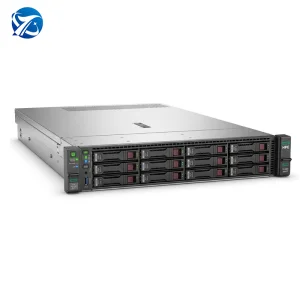
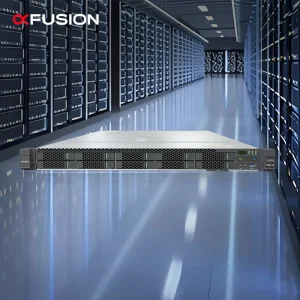
High-performance computation systems, custom 1U/2U configurations, and high-density deep learning nodes.

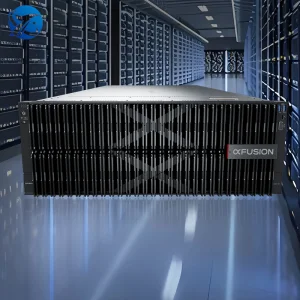
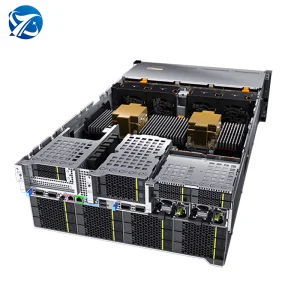
To help you evaluate suppliers, we have detailed the core technical requirements that global buyers demand during technical review.
PCIe Gen 5.0 lanes require low-loss dielectric PCBs and precise impedance matching to prevent packet re-transmissions and signal attenuation over longer copper runs.
AI server loads fluctuate significantly. We use Titanium-grade PSUs (up to 96% efficiency) with dynamic phase-shedding to minimize energy waste during low-demand periods.
Support for Redfish API and standard IPMI 2.0 protocols allows network administrators to manage power, monitor temperatures, and update firmware remotely.
An inside look at our assembly lines, quality control stations, and system testing areas.
Everything you need to know about our AI GPU servers, supply capabilities, customizations, and warranty terms.