BoltGrid
BoltGrid
BoltGrid
Optimized compute nodes engineered for virtualization, high-density hypervisors, and cloud execution.

Virtualization is no longer just about consolidating multiple operating systems on a single physical machine. It has evolved into the cornerstone of hybrid multi-cloud systems, high-density edge networks, and AI-driven industrial intelligence.
Integrating compute, software-defined storage, and virtual networking into unified, cluster-ready hardware units to reduce administrative complexity.
Deploying virtual GPUs (vGPU) and partitioned neural processing pipelines to run distributed large language models (LLMs) with minimal hypervisor overhead.
Delegating virtual switch execution and data routing tasks from the host CPU directly to dedicated silicon interfaces to maximize compute density.
Modern virtualization relies heavily on physical platforms capable of running dense, multi-socket hypervisors. System integrators and hypervisors need hardware that minimizes latency while maximizing memory bandwidth and I/O throughput. The transition from DDR4 memory systems to DDR5 platforms supporting speeds up to 6400MT/s is a critical milestone, allowing hypervisors to host more virtual instances per physical motherboard.
Furthermore, virtualized containers running deep learning frameworks require bare-metal-equivalent performance. This is achieved by utilizing advanced PCIe Gen 5 configurations and high-performance networks. As enterprise demands shift toward local compliance, high availability, and dynamic scaling, selecting the right virtualization solutions provider has become a critical strategic decision.
Procurement processes in the hyper-scale datacenter era demand careful planning. IT directors and infrastructure specialists focus heavily on performance-to-cost ratios, thermal reliability, and long-term hardware support.
Currently, international companies require virtualization servers that offer both hardware-level security (such as TPM 2.0 and cryptographically signed firmware boot paths) and robust physical construction. This combination ensures long-term operational stability and protection against data leaks in multi-tenant environments.
Consequently, buyers look for hardware manufacturers who can customize hardware configurations (custom CPU configurations, memory sizes, custom BIOS values, and specific power distribution designs) to fit their unique deployment environments.
Leveraging advanced automation, strategic sourcing, and rigorous quality testing to deliver enterprise-grade server systems.
BoltGrid Computing Systems Co., Ltd. is a professional AI GPU server manufacturer specializing in high-performance computing infrastructure, GPU cluster systems, and AI data center solutions. Established in 2016, the company has developed strong capabilities in design, manufacturing, and global supply of advanced computing hardware.
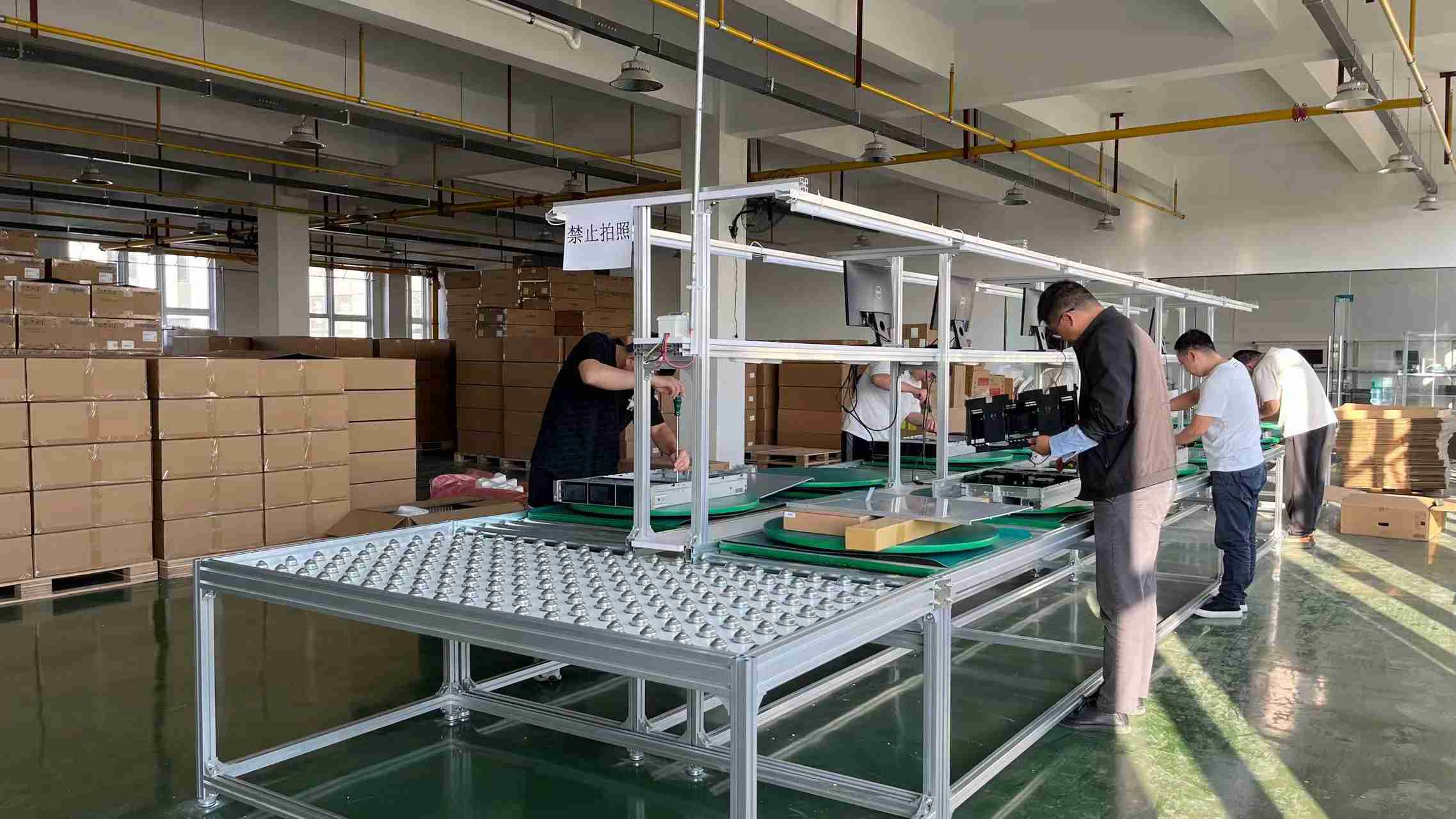
Operating a modern production facility covering approximately 18,500㎡, BoltGrid supports large-scale assembly, testing, and system integration for AI server products. With annual export revenue reaching around USD 18 million, BoltGrid has built stable international trade experience over 7 years, serving customers across North America, Europe, Southeast Asia, and the Middle East.
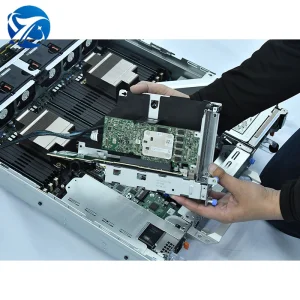
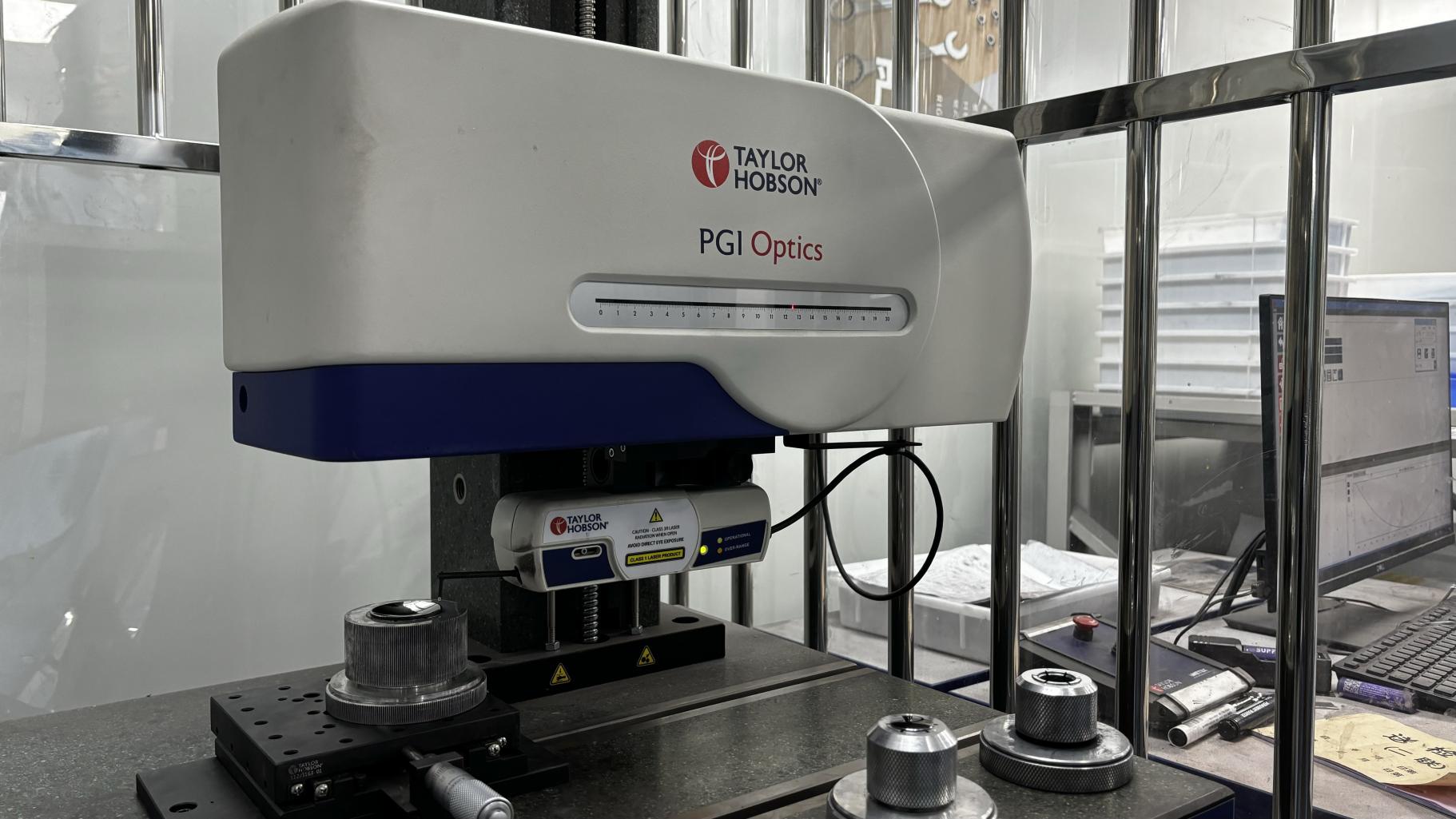
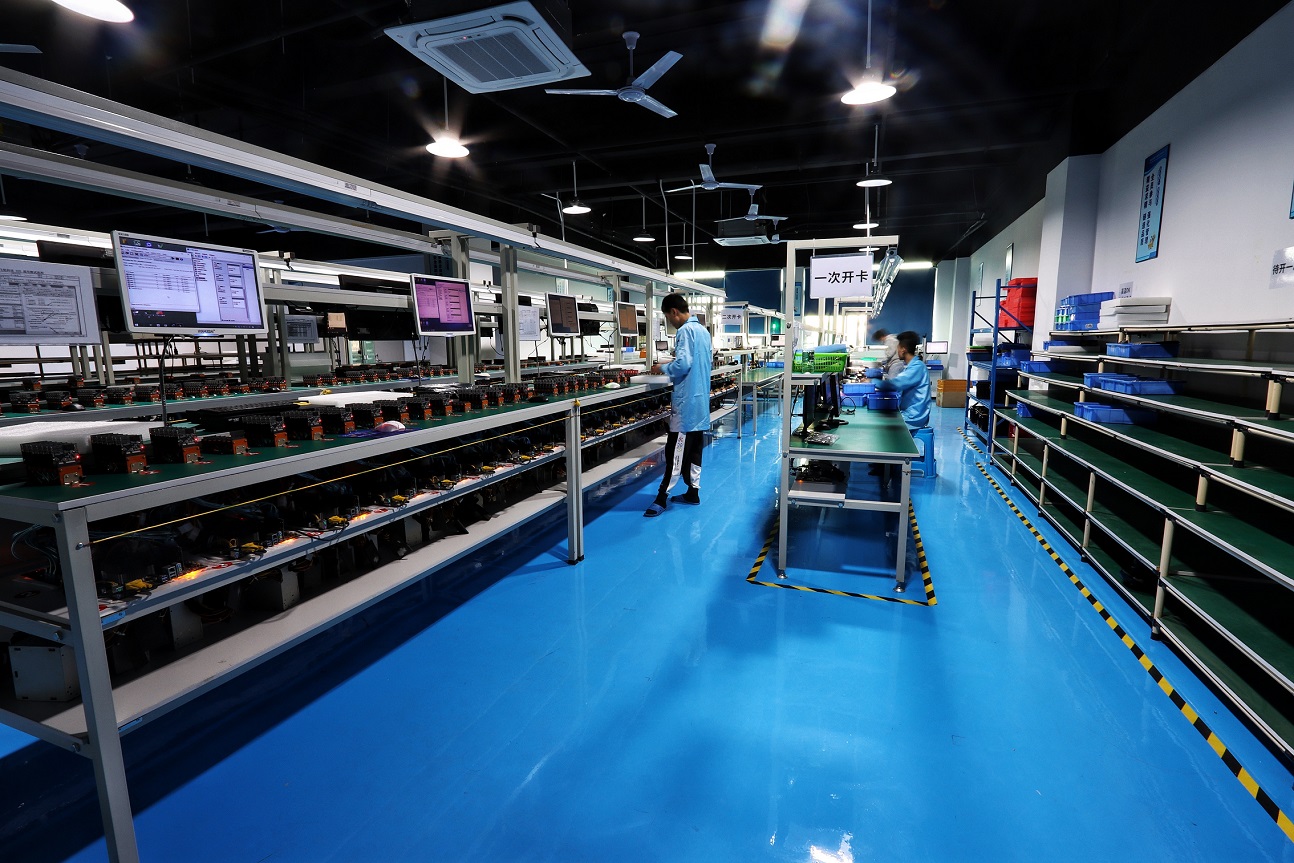
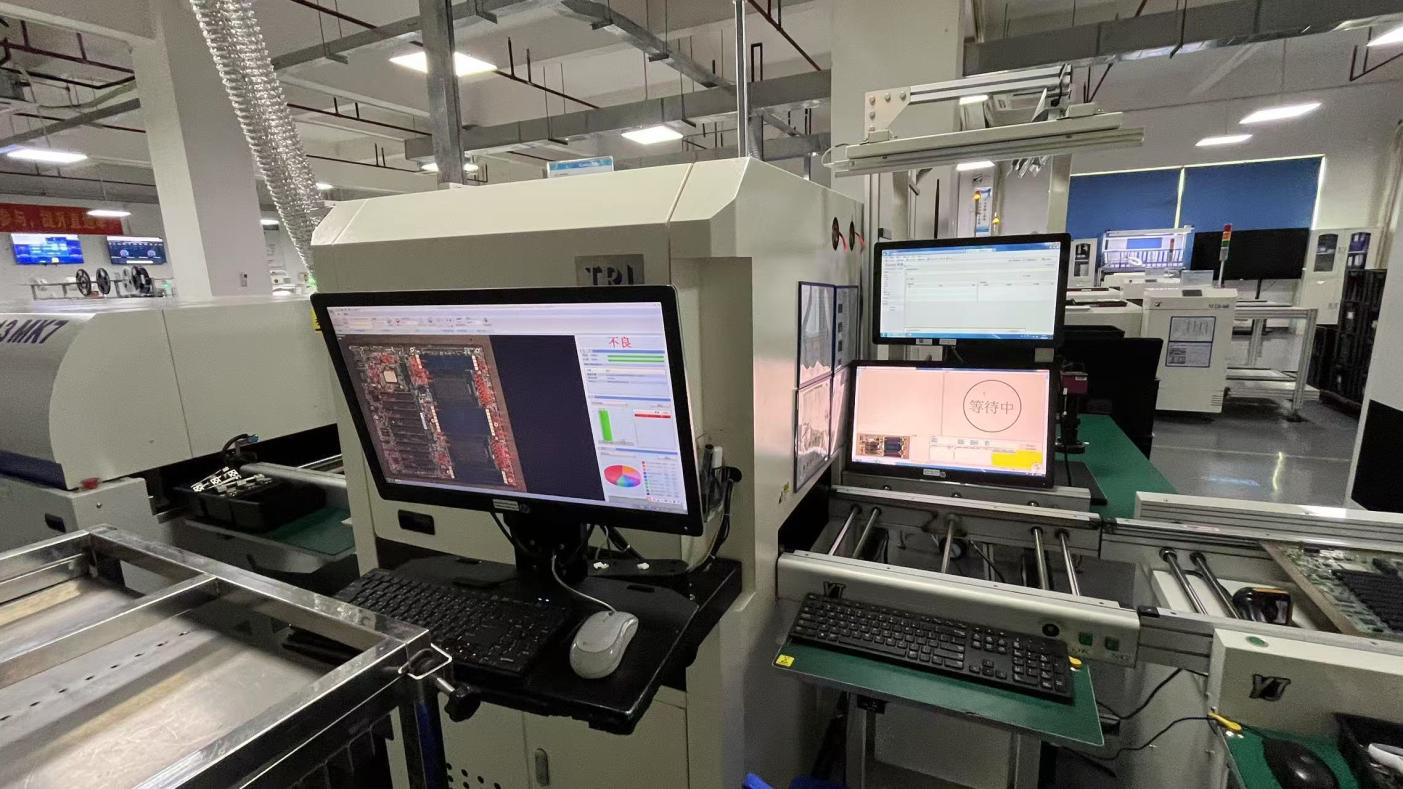
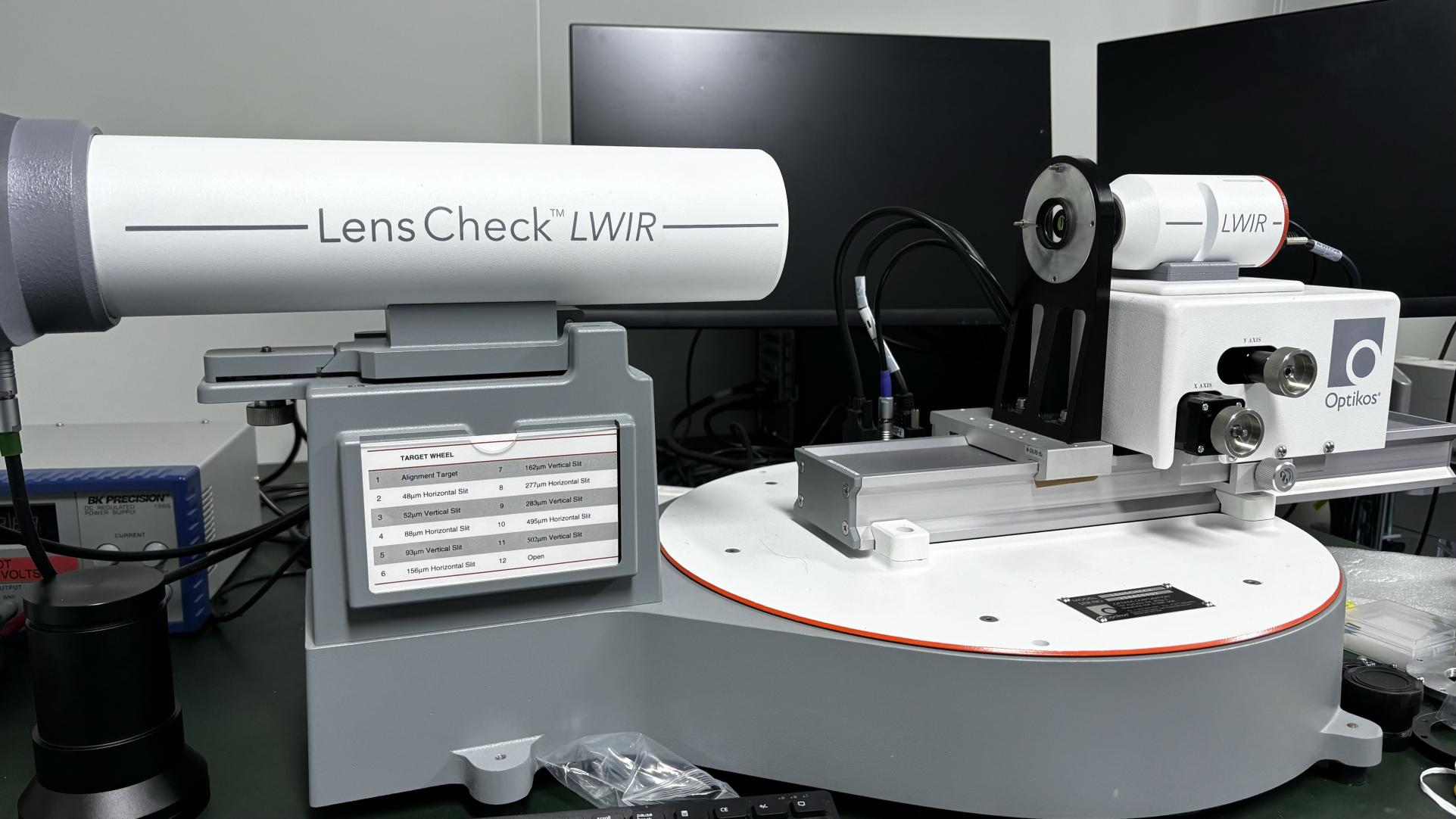
BoltGrid maintains a total industry experience of 12 years, supported by a professional quality assurance team of 45 inspectors. The company implements multiple product inspection methods, including thermal performance testing, stress load simulation, and full-system burn-in testing to ensure stability and reliability under high workloads.
The supply chain ecosystem includes over 850 strategic partners, enabling efficient sourcing of high-quality components such as GPUs, server chassis, power systems, and cooling solutions. The company serves a wide range of clients, including AI cloud service providers, data center operators, research institutions, and enterprise-level IT infrastructure integrators.
With strong R&D capabilities, BoltGrid employs approximately 120 engineers focused on GPU architecture optimization, AI workload acceleration, and system-level integration. The company launches around 85 new products annually and supports extensive customization options, including GPU configuration, memory scaling, cooling systems, and server form factor adjustments.
By integrating engineering innovation with strict quality control, BoltGrid delivers reliable, scalable, and high-performance server solutions designed to meet the growing global demand for computing power.
Modern virtualization platforms are deployed across a wide range of operating environments, each requiring distinct hardware configurations.
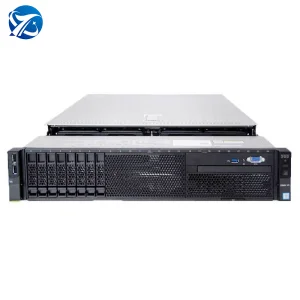
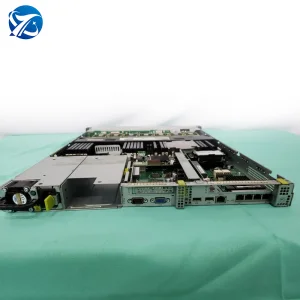
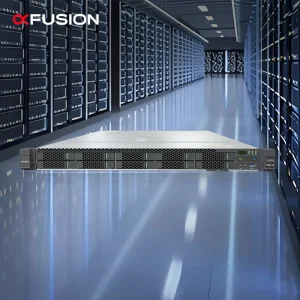
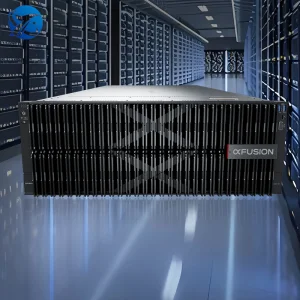
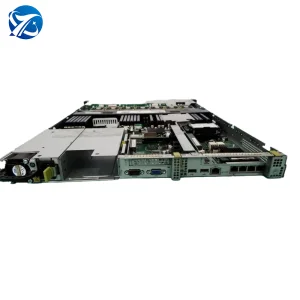
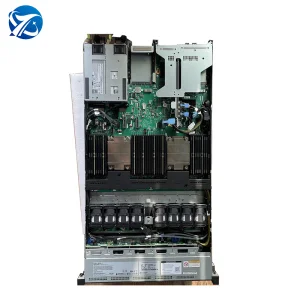
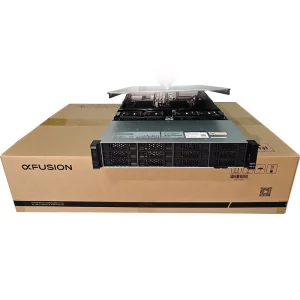
Service providers use high-density 1U servers (such as the FusionServer 1288H series) to host thousands of virtual machines (VMs). In these environments, Maximizing compute density per rack unit, ensuring fast I/O speeds, and maintaining efficient power usage are top priorities.
Integrating AI framework workloads requires servers that support multiple GPU interfaces. By virtualizing these GPU resources, developers can run containerized AI workloads and manage deep learning applications on shared physical hardware.
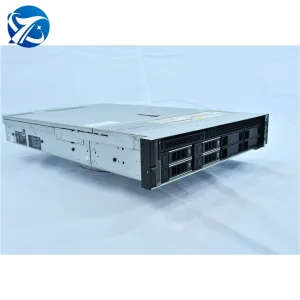
Edge environments require rugged, reliable hardware. Using 2U nodes with redundant power configurations, remote branches can run local databases, virtualization environments, and container applications with high availability and resilience.
To prevent localized failures from causing widespread downtime, modern IT designs emphasize component-level redundancy. This includes dual-socket motherboards, redundant power supplies (such as 1500W or 2000W 80-Plus Platinum configurations), and hot-swappable enterprise NVMe drives. High-quality physical hardware provides the foundation for virtualization layers to run reliably, even during peak utilization periods.
Inside our quality assurance facilities: thermal labs, cleanroom assembly lines, and system burn-in chambers.
Technical clarifications regarding virtualization deployments, sourcing hardware, and quality assurance standards.
Explore our specialized hardware configurations for high-density computing, GPU integration, and enterprise virtualization.