BoltGrid
BoltGrid
BoltGrid
Virtual Desktop Infrastructure (VDI) has transitioned from an operational alternative for desktop deployment to a mission-critical cybersecurity and operational flexibility strategy. As global enterprises shift workloads to centralized clouds, the computational and storage capabilities required by host servers have grown exponentially. Today's VDI setups demand architectures capable of delivering consistent Input/Output Operations Per Second (IOPS), high thread counts, enormous RAM allocation, and robust graphics acceleration capabilities.
Achieving this structural stability depends entirely on the design, optimization, and reliability of the physical servers operating in the data center. By examining the world's leading hardware manufacturers, cloud architects can map deployment blueprints that minimize Total Cost of Ownership (TCO) while satisfying strict user experience performance thresholds. This whitepaper analyzes the capabilities, product configurations, and hardware innovations of the top manufacturers enabling VDI and Hyperconverged Infrastructure (HCI) deployments globally.
Historically, virtual desktop solutions suffered from latency and storage bottleneck issues. However, the adoption of Hyperconverged Infrastructure (HCI)—which clusters compute, storage, and networking directly into a single commodity hardware chassis—has revolutionized performance scaling. Organizations no longer require complex Storage Area Networks (SANs). Instead, they deploy rackmount servers packed with enterprise Solid State Drives (SSDs) and Non-Volatile Memory Express (NVMe) flash drives configured using virtualized storage software.
Key drivers behind the global growth of VDI hardware demand include:
When selecting hardware to host VDI deployments, virtualization administrators typically target enterprise rackmount servers that integrate seamlessly with VMware Horizon, Citrix DaaS, Microsoft Azure Virtual Desktop (AVD), or open-source KVM hypervisors. Below are the top ten hardware manufacturers driving this ecosystem.
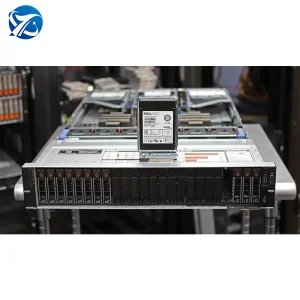
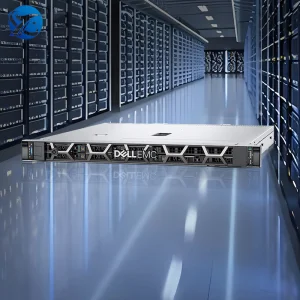
Dell EMC is an undisputed leader in enterprise server hardware. Its flagship PowerEdge line, including the PowerEdge R740, R750, and R760xs, is recognized worldwide as the gold standard for high-density virtualization. Dell provides dedicated hyperconverged infrastructure platforms under the VxRail brand, co-engineered with VMware to simplify lifecycle management and automate VDI provisioning.
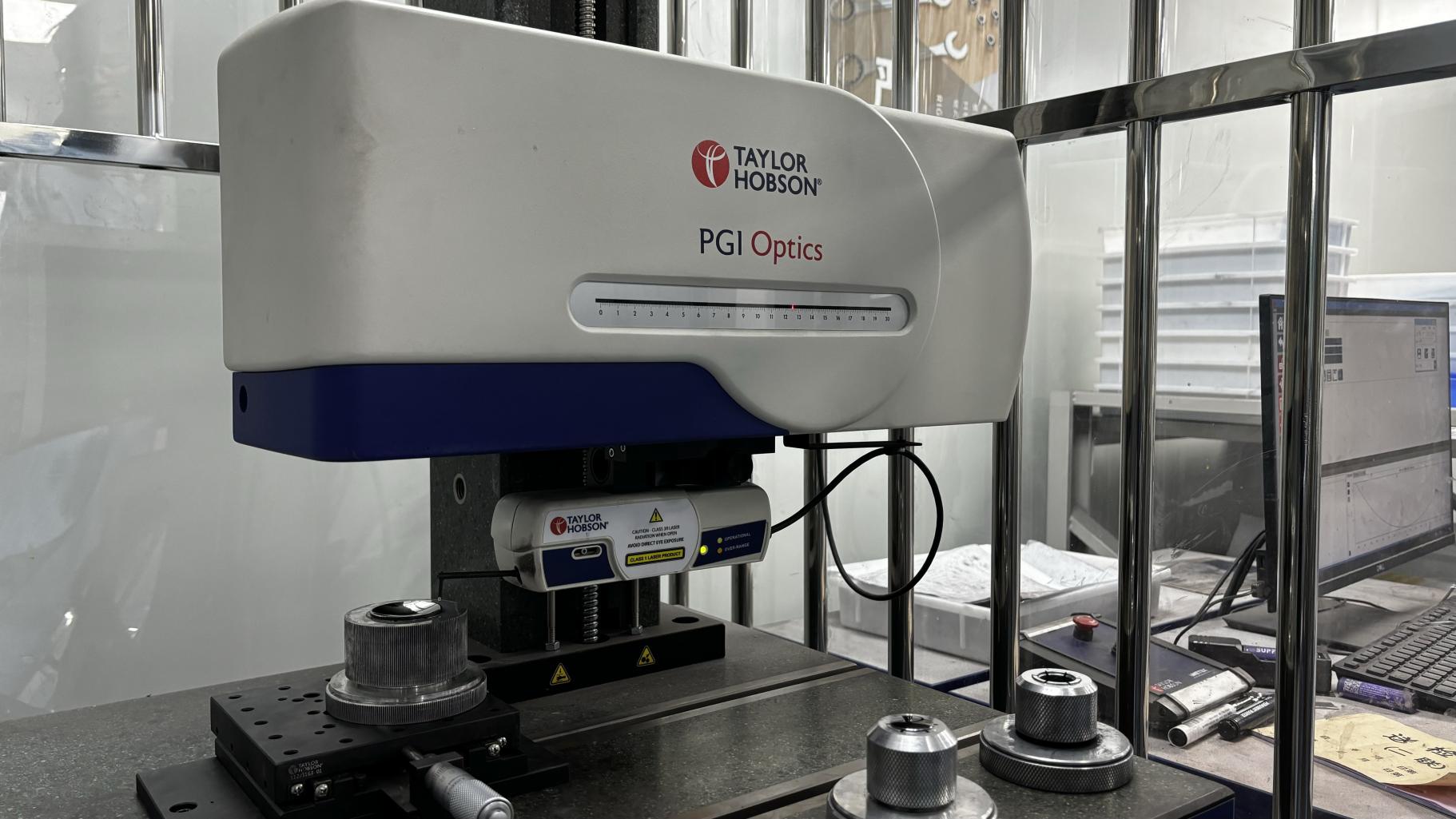
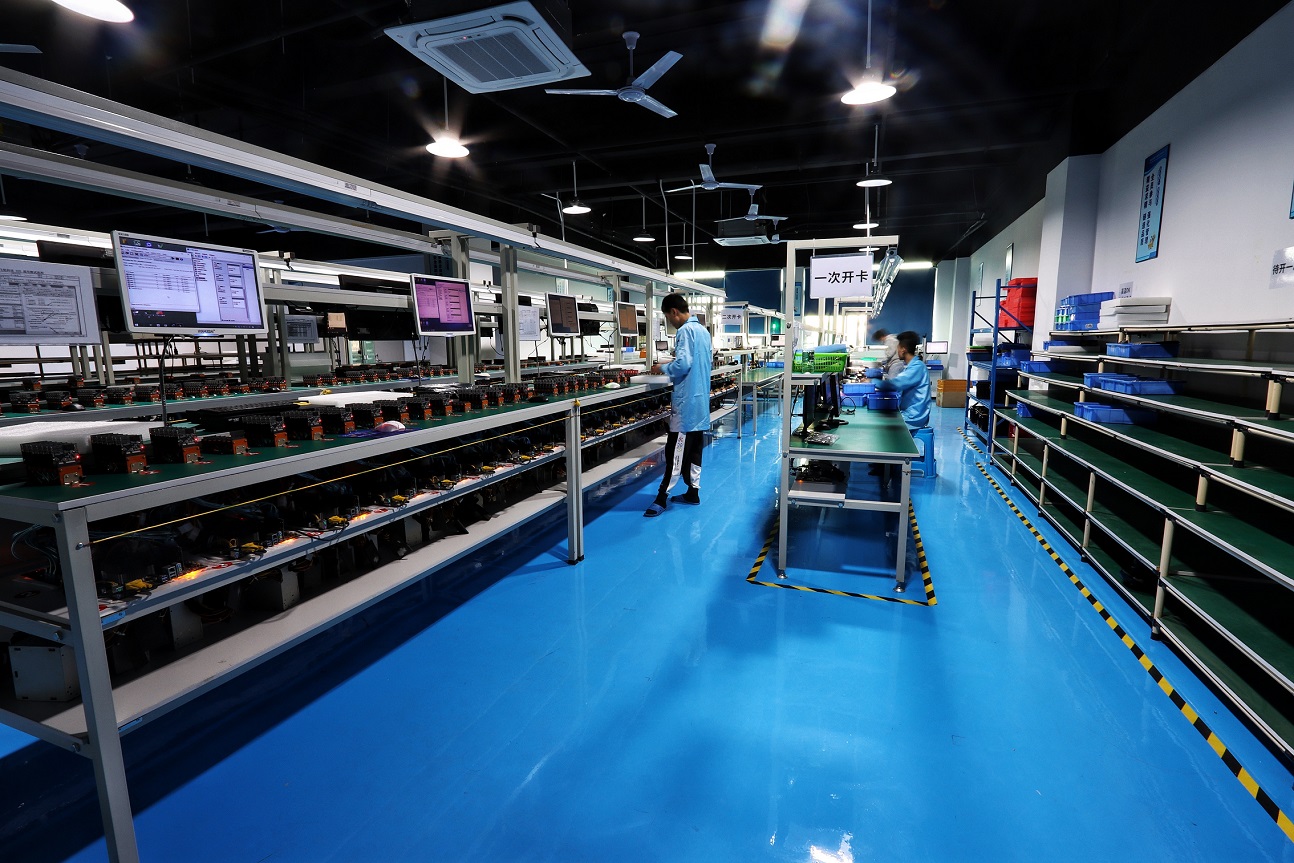
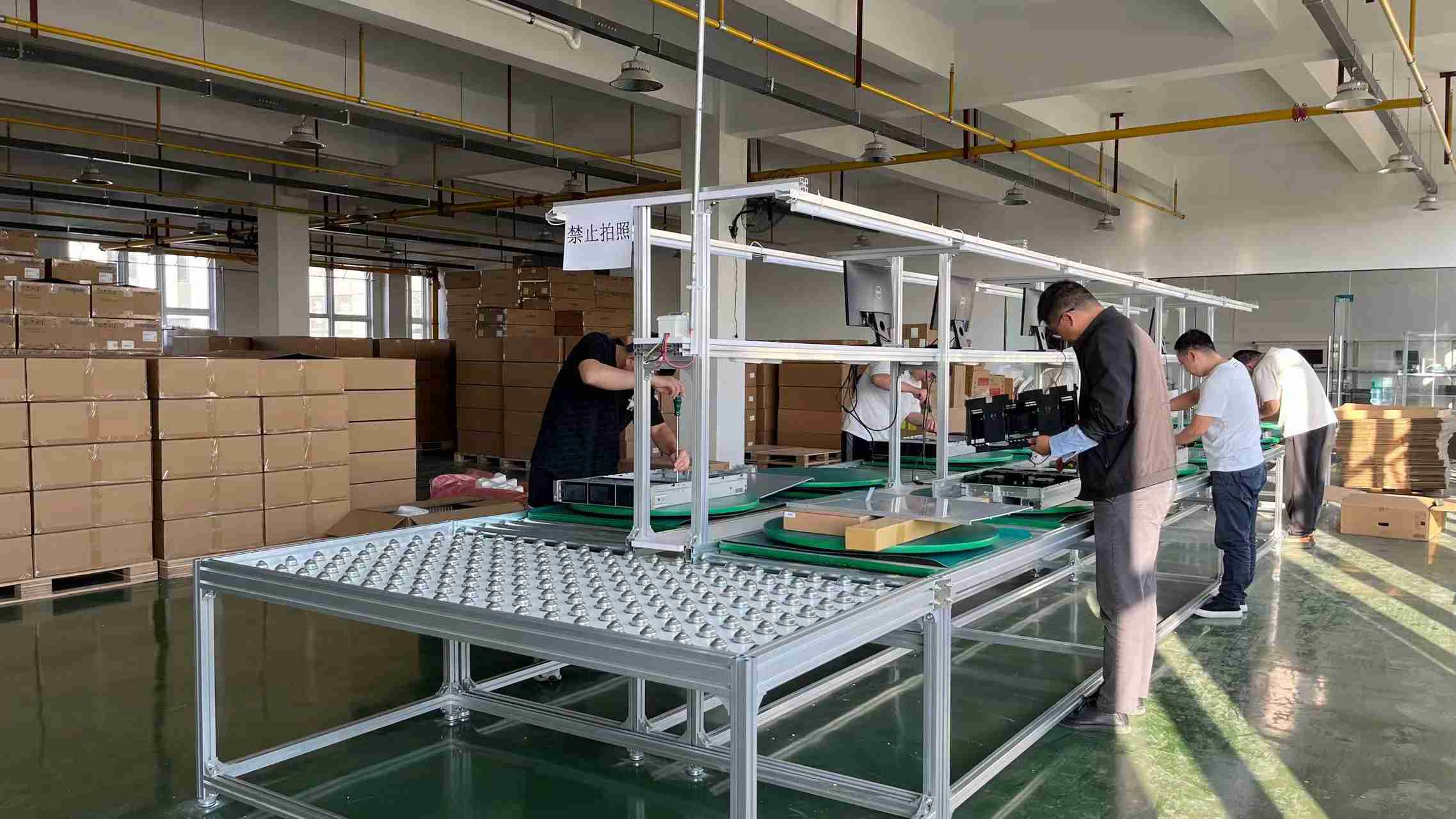
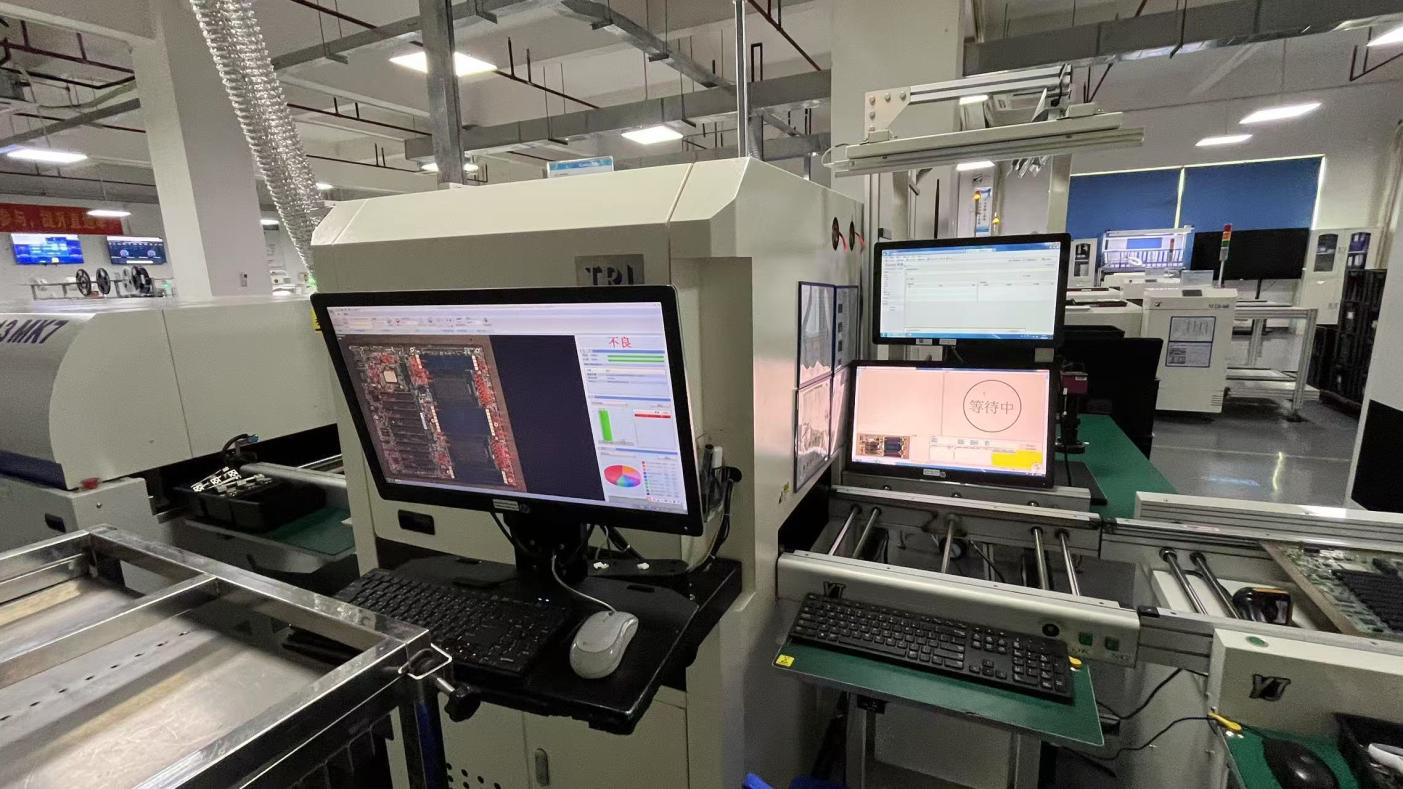
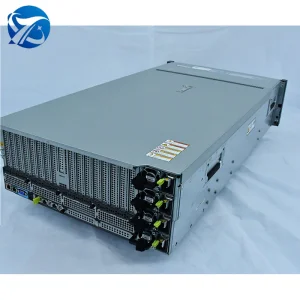
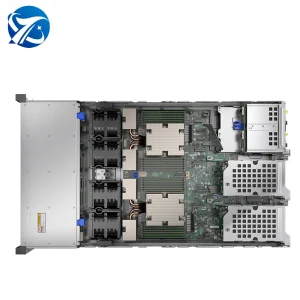
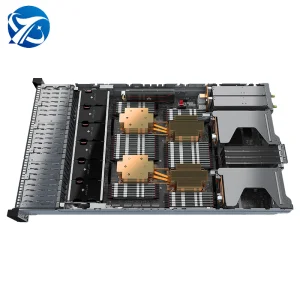
Established in 2016, BoltGrid has emerged as a powerhouse in customized, high-performance computing hardware and AI GPU clusters. BoltGrid operates an 18,500㎡ modern manufacturing facility, providing optimized GPU server designs that act as the backbone for heavy-duty VDI, scientific computing, and virtualization clusters. With deep expertise in thermal simulation and custom chassis design, BoltGrid allows enterprises to configure server builds with targeted RAM layouts, high-capacity power supplies, and customized cooling systems to handle high-density user virtualization with minimal heat-throttling.
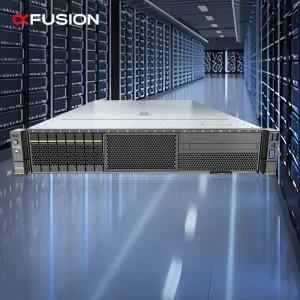
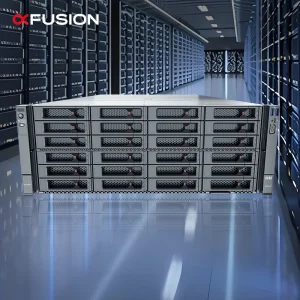
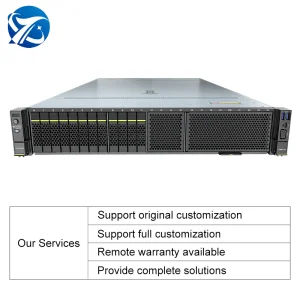
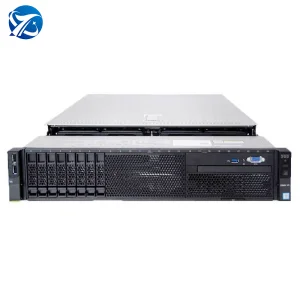
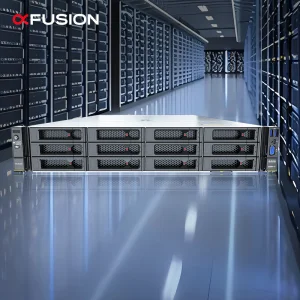
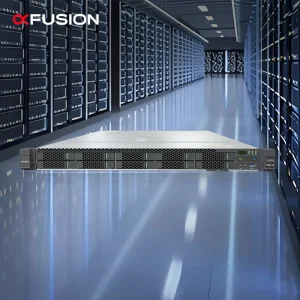
xFusion Digital Technologies Co., Ltd. focuses on providing advanced computing infrastructure. Offering systems like the FusionServer 2288H V6 and V7, xFusion builds highly reliable hyperconverged servers featuring dual-socket Intel Xeon Scalable or AMD EPYC processors. Designed to maximize memory density and PCIe expansion, these systems are highly valued by corporate data centers seeking scalable rack solutions for massive virtual desktop seat counts.
HPE ProLiant DL380 and DL360 series are staples in enterprise VDI deployments. By pairing high-performance ProLiant servers with HPE SimpliVity—their proprietary hyperconverged software platform—HPE offers advanced data deduplication, built-in backups, and rapid VM restoration capabilities, making VDI administration exceptionally simple.
Lenovo's ThinkSystem rack servers consistently secure top benchmarks for performance, reliability, and security. Utilizing their ThinkAgile HX (powered by Nutanix) or VX (powered by VMware) systems, Lenovo delivers ready-to-scale VDI solutions that eliminate the complexity of configuring storage arrays and network fabric switches separately.
As one of the world's largest server producers, Inspur specializes in hyperscale data center designs. Their hardware solutions focus on extreme density, providing multi-node rack servers that pack high-density compute capacity into minimal rack space. This design approach is ideal for service providers hosting Desktop-as-a-Service (DaaS) offerings.
Supermicro is known for its "first-to-market" hardware cycles, integrating new generation processors and GPU architectures faster than many competitors. Their resource-saving server designs are highly popular among engineering teams configuring VDI profiles that require dense multi-GPU virtualization arrays.
Cisco Unified Computing System (UCS) servers offer a unique advantage by combining network fabric management with compute resources. For organizations that rely on high-speed network connections and low-latency virtual experiences, Cisco UCS provides a unified system that is easily controlled via automated profiles.
Huawei’s enterprise server lineup provides high-capacity, high-reliability systems built to serve large-scale virtualized infrastructures. With custom-developed SSD controller chips and high-performance PCIe capabilities, their servers are optimized for handling the volatile boot storms and high write-cycles associated with thousands of concurrent VDI users.
Fujitsu PRIMERGY servers offer Japanese-engineered reliability and energy efficiency. These platforms are designed for green data centers looking to minimize the power draw of running massive VDI configurations 24/7/365, with built-in advanced management utilities for rapid troubleshooting.
| Manufacturer / Series | Form Factor | Processor Compatibility | Max RAM Capacity | VDI Workload Target |
|---|---|---|---|---|
| Dell PowerEdge R760xs | 2U Rack | Intel Xeon Scalable (4th Gen) | Up to 1.5TB DDR5 | Medium to High-Density Corporate Users |
| BoltGrid GPU Server Series | 2U / 4U | AMD EPYC / Intel Xeon | Up to 4TB System RAM | GPU-Accelerated VDI & AI Developers |
| xFusion 2288H V6 / V7 | 2U Rack | Dual Intel Xeon Scalable | Up to 8TB (PMEM support) | Enterprise HCI & Virtual Database Nodes |
| HPE ProLiant DL380 Gen11 | 2U Rack | Intel / AMD Options | Up to 3TB DDR5 | General Corporate & Remote Branches |
| Supermicro TwinPro | 2U Multi-Node | Intel Xeon / AMD EPYC | Up to 2TB per node | Hyperscale DaaS & High-Density Virtual Desktops |
The procurement of VDI and HCI server hardware represents a massive capital expenditure. To balance budget limits with the need for high-performance hardware, global enterprises look to Chinese manufacturing ecosystems. China's advanced industrial parks offer unmatched supply chain integration, allowing components like high-layer PCBs, server chassis, custom power supplies, and thermal assemblies to be sourced, assembled, and tested within a highly localized geographic radius.
BoltGrid Computing Systems Co., Ltd. serves as a prime example of this industrial efficiency:
Enables doctors and nurses to access patient charts and PACS imaging systems from any terminal securely. Using secure thin-clients connected to back-end hyperconverged servers like the xFusion 2288H ensures HIPAA compliance while speeding up patient care delivery.
Financial firms handle sensitive trade and client data daily. Deploying locked-down virtual desktops on high-availability server clusters prevents localized data downloads, mitigates malware vectors, and offers redundancy against physical hardware issues.
Historically, engineers required bulky local workstations. Modern GPU-accelerated server configurations (such as BoltGrid's custom multi-GPU servers) split physical GPU engines into vGPU profiles, delivering fluid 3D modeling and rendering via remote desktops.
Purchasing agents and infrastructure managers must look past basic processor speeds when sourcing VDI host nodes. Balancing system resources is critical to avoiding localized user latency or boot delays. When compiling your procurement specifications, focus on these critical variables:
VDI hypervisors benefit from high core-and-thread-count processors. Systems utilizing Intel Xeon Scalable or AMD EPYC platforms are optimal, allowing administrators to allocate 2 to 4 virtual CPUs (vCPUs) per user profile. Modern multi-socket 2U platforms allow organizations to host up to 150+ standard office users on a single physical host node.
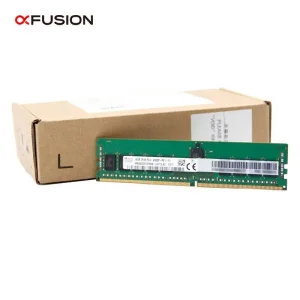
RAM exhaustion is one of the most common causes of VDI performance degradation. Deploying high-speed DDR4 or DDR5 ECC Server RAM ensures that system memory handles high active user counts without latency spikes. A recommended benchmark is to allocate a minimum of 8GB to 16GB of host physical RAM per expected virtual user desktop.
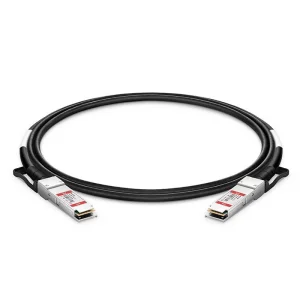
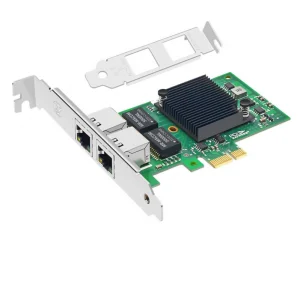
High-density VDI clusters require reliable network throughput. Utilizing standard Gigabit ethernet interfaces quickly creates traffic bottlenecks during shift start-times. Sourcing systems pre-configured with QSFP+ 10G or 40G High-Speed Direct-Attach Cables secures the low-latency bandwidth needed to handle concurrent user interactions and background profile syncs without packet loss.
A virtual desktop infrastructure generates intense write-activity, especially during "boot storms" (when hundreds of users log in simultaneously). Deploying all-flash hyperconverged configurations utilizing SAS or NVMe enterprise SSDs, combined with hardware controllers (like the XP270-M2 RAID Standard Card), protects against storage latency and ensures rapid desktop response times.