BoltGrid
BoltGrid
BoltGrid
Explore the essential industrial servers, storage devices, and networking HBAs designed to handle extreme workloads for modern UC platforms.
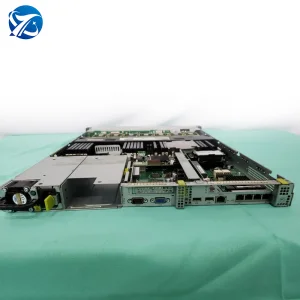
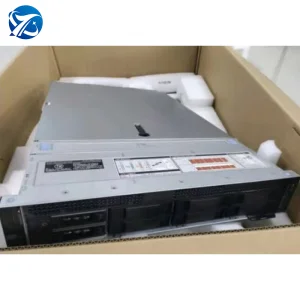
Unified Communications (UC) has shifted from a convenience tool to a fundamental pillar of global business operations. In an era dominated by distributed workforces and hyper-connected enterprise environments, UC technologies integrate real-time voice, high-definition video conferencing, instant messaging, and collaborative workspace tools into a singular ecosystem. However, the performance of these tools relies heavily on the physical infrastructure operating behind the scenes.
As organizations incorporate machine learning models for live translation, automated meeting transcription, and generative AI features (like localized DeepSeek and LLM integrations), the computing requirements for UC hosting environments have surged. It is no longer just about network bandwidth; it is about processing density, database storage latency, and GPU virtualization. Modern UC infrastructures must rely on high-performance rack servers and Fibre Channel networking to ensure minimal packet loss and zero-latency audio/video packet delivery.
Hardware manufacturers globally are forced to evolve beyond generic computing units to specialized, scalable platform designs that support specific communications protocols, WebRTC gateway deployments, and high-density NAS systems for secure record storage.
Understanding why top global tech brands and system integrators select Chinese factories for high-performance server assembly and supply chain resilience.
Proximity to component manufacturers is a key driver. From precision structural components and cooling fans to advanced high-layer PCBs and power supply units, every node of the supply chain exists within a tight industrial radius. This drastically minimizes raw material transport times and enables immediate adjustments in product design.
Chinese server manufacturing hubs, particularly in Shenzhen and neighboring technology clusters, employ advanced industrial automation, high-precision surface mount technology (SMT) lines, and automated optical inspection systems. This structural design lets factories scale production from prototype to thousand-unit runs with highly predictable lead times.
Enterprise buyers rarely use out-of-the-box servers. Modern UC networks demand custom firmware, pre-configured RAID settings, proprietary software image deployment, and specific port layouts. Chinese server factories offer flexible OEM/ODM integration, allowing purchasers to configure specific PCI-E slots, custom chassis designs, and specialized power supplies.
BoltGrid Computing Systems Co., Ltd. is a professional AI GPU server manufacturer specializing in high-performance computing infrastructure, GPU cluster systems, and AI data center solutions. Established in 2016, the company has developed strong capabilities in design, manufacturing, and global supply of advanced computing hardware.
The company operates a modern production facility covering approximately 18,500㎡, supporting large-scale assembly, testing, and system integration for AI server products. With annual export revenue reaching around USD 18 million, BoltGrid has built stable international trade experience over 7 years, serving customers across North America, Europe, Southeast Asia, and the Middle East.
BoltGrid maintains a total industry experience of 12 years, supported by a professional quality assurance team of 45 inspectors. The company implements multiple product inspection methods, including thermal performance testing, stress load simulation, and full-system burn-in testing to ensure stability and reliability under high workloads.
The supply chain ecosystem includes over 850 strategic partners, enabling efficient sourcing of high-quality components such as GPUs, server chassis, power systems, and cooling solutions. The company serves a wide range of clients, including AI cloud service providers, data center operators, research institutions, and enterprise-level IT infrastructure integrators.
With strong R&D capabilities, BoltGrid employs approximately 120 engineers focused on GPU architecture optimization, AI workload acceleration, and system-level integration. The company launches around 85 new products annually and supports extensive customization options, including GPU configuration, memory scaling, cooling systems, and server form factor adjustments.
BoltGrid combines engineering innovation with strict quality control to deliver reliable, scalable, and high-performance AI GPU server solutions for global computing demands.
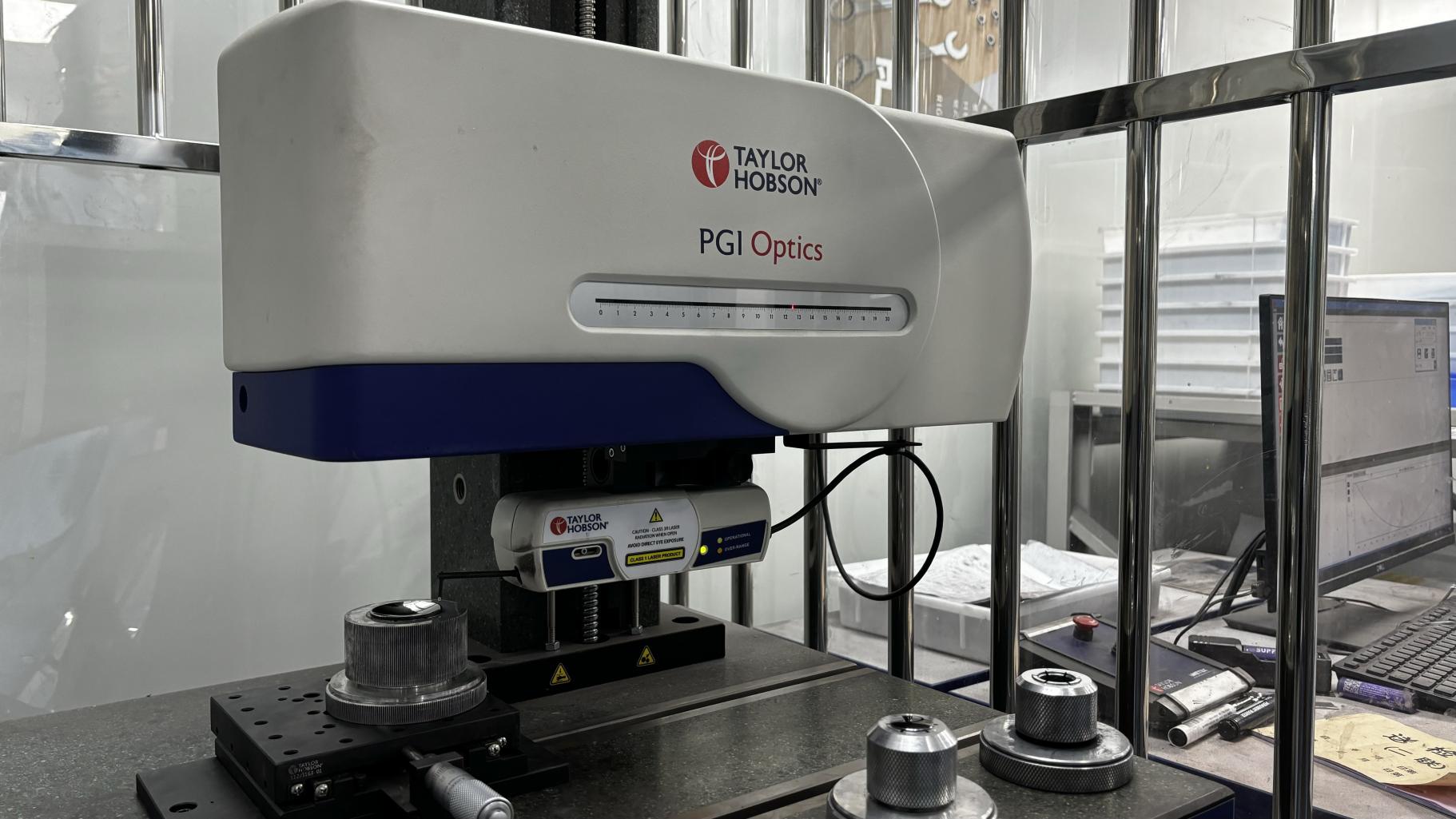

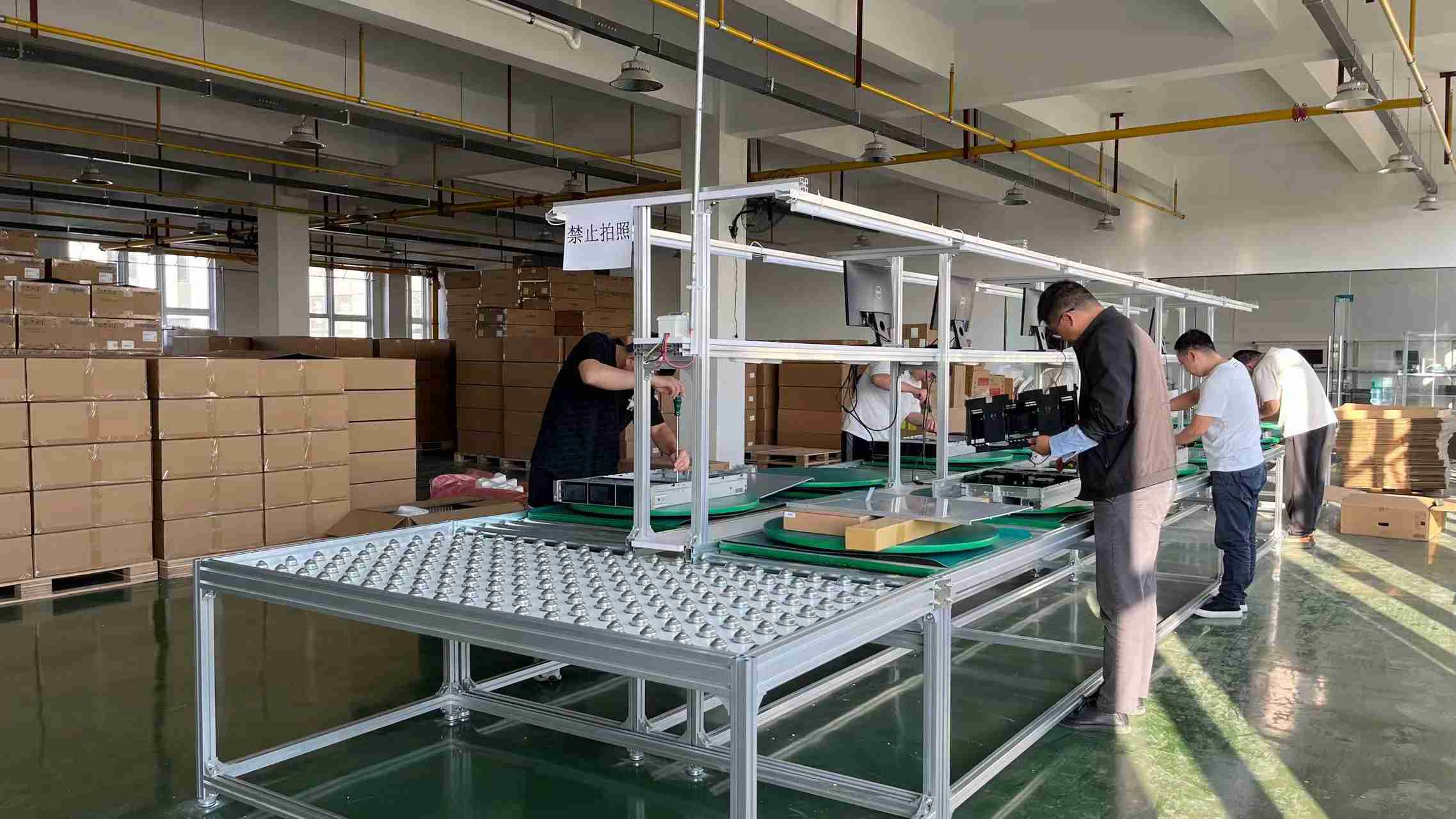
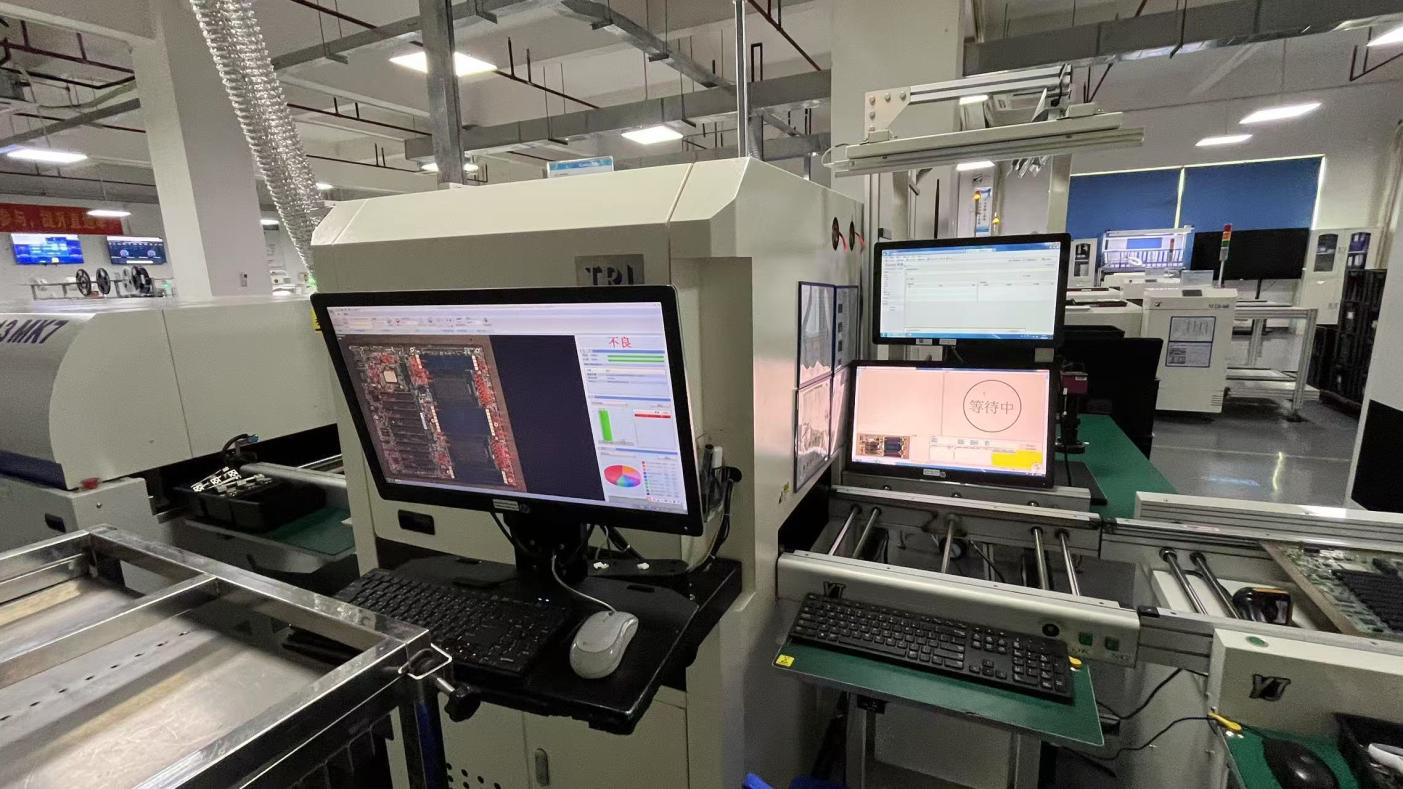

Deploying tailored communication infrastructure architectures across specific regulatory and technological landscapes.
In jurisdictions governed by GDPR, CCPA, or China's Cyber Security Law, localized storage is non-negotiable. Modern enterprise UC software needs to run on on-premise private cloud clusters or localized hybrid nodes. Using high-capacity, multi-socket servers ensures communications logs, system databases, and shared media are housed securely within national boundaries, satisfying compliance audits.
High-security institutions, such as military departments, banks, and utility providers, utilize local communication loops. Deploying high-throughput GPU rack servers with advanced RAID storage arrays locally allows organizations to run speech-to-text, meeting transcripts, and security filters behind air-gapped corporate firewalls without sending audio packets to third-party APIs.
For real-time voice synthesis and interactive video feeds, physical proximity between the processing cluster and client terminals is essential. Short-depth rack servers deployed at local telecom carrier offices function as WebRTC edge units, ensuring low packet delay and stable video connection frames during multi-party corporate conference calls.
The convergence of artificial intelligence, high-density storage, and sustainable hardware engineering is reshaping the UC manufacturing landscape.
Generic CPUs cannot efficiently run real-time audio isolation, gesture detection, and visual translation during video conferences. Future UC host nodes require integrated AI accelerators and high-memory GPU configurations to support large language models (LLMs) like DeepSeek, optimizing real-time natural language processing and agentic automation.
As servers consume more power, energy efficiency becomes vital. Power Usage Effectiveness (PUE) requirements are driving factories to engineer custom cooling frameworks, including liquid cooling manifolds, energy-saving server fans, and advanced thermal dynamic pathways that dissipate heat efficiently in high-density rack configurations.
With modern corporate standards mandating recording of all enterprise meetings, webinars, and customer support sessions, the necessity for high-density NAS is escalating. Enterprise systems require petabyte-scale local storage setups with 12Gb/s SAS architectures and SSD cache arrays to handle rapid input/output read-write cycles.
When procurement officers evaluate factories and systems for unified communications infrastructure, they look past raw specifications. Enterprise infrastructure projects demand long-term stability, guaranteed component lifespans, and strict compliance with international security standards. Sourcing teams must prioritize hardware suppliers who prove their reliability through validated QA practices, thermal strain analysis, and comprehensive system burn-in runs.
Additionally, the supply chain ecosystem of the factory must show resilience. A disruption in the sourcing of key silicon chips, network components, or chassis models can halt a global project roll-out. The ideal hardware manufacturing partner must offer transparent material tracing, flexible OEM engineering, and robust carrier-grade support contracts.
Expert answers addressing the core concerns of IT directors and procurement managers sourcing server and storage systems.
A1: Legacy VoIP platforms only processed simple audio data packets. Today's UC systems run real-time background noise dampening, virtual background masking, live transcript generation, and facial alignment features. By utilizing GPU clusters, the system shifts high-overhead vector math and neural networks off the main host CPU, keeping the CPU available for concurrent user connections and web database calls.
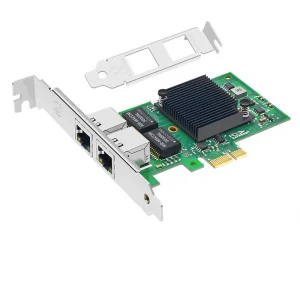
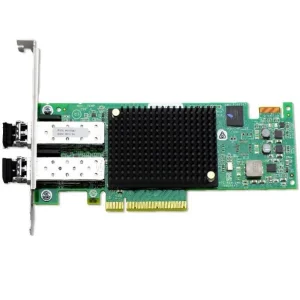
A2: When managing hundreds of simultaneous video calls, the underlying media servers retrieve user assets, profiles, and record data concurrently. Regular network connections suffer from packet collision under such load. A 32GB Fibre Channel HBA (Host Bus Adapter), like the Emulex LPe35002-M2, guarantees reliable, low-latency, dedicated transport paths between the physical servers and storage area networks (SAN), eliminating frame drops and jitter.
A3: A large production plant guarantees that assembly line setups, component aging tests, burn-in setups, and logistics handling are executed in separate dedicated zones. This scale enables the factory to meet large batch orders without sacrificing quality control checks, ensuring that even large-scale system deployments are systematically tested, packaged, and shipped on time.
A4: Industry-standard validation involves a multi-tier testing protocol: SMT quality verification via automated optical systems, structural checks, and dynamic thermal analysis. Additionally, completed systems run under full synthetic computation loads in climate-controlled test chambers for 24 to 72 hours, verifying that the mainboards, memory modules, GPUs, and power supplies can run continuously at high operating temperatures without degradation.
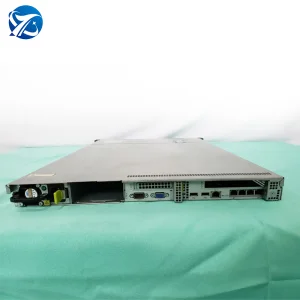
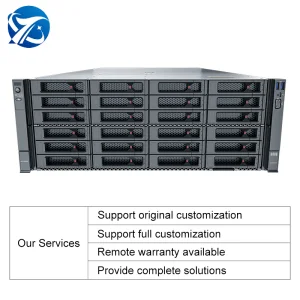
A5: 1U servers are optimized for compute density, acting as web servers or media routers. For deep file systems and video archiving, a 2U or 4U rack server with multi-drive backplanes or dedicated network-attached storage (NAS) is recommended. However, 1U systems are perfect for distributed edge deployment hubs where physical rack space is limited and compute efficiency is paramount.
A6: Non-cache RAID controllers (or Host Bus Adapters in IT mode) pass disk read-write commands directly to software-defined storage systems (like Ceph or ZFS) running on the host OS. This approach avoids write-corruption risks if power fails, reduces hardware cost, and leverages the server's high-speed RAM for caching, which is ideal for real-time data sync in cloud-based UC setups.
A7: BoltGrid leverages its engineering division of 120 specialists to customize system configurations. Customers specify core details like GPU options, RAM capacity, custom BIOS configurations, and disk partitioning. BoltGrid's engineering team designs and tests prototypes to ensure they meet local electrical and security compliance standards before kicking off volume production.
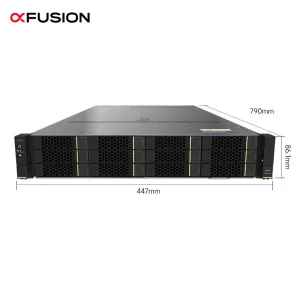
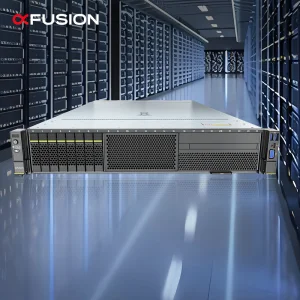
A8: Integrating localized LLMs like DeepSeek directly into enterprise communication platforms allows for private, high-speed automated meeting summaries and chat assistance. Running these models locally requires substantial VRAM and specialized hardware architectures, making servers like the xFusion 2258 V7 or 1288H V6, configured with optimized AI co-processors, necessary for low-latency inference.
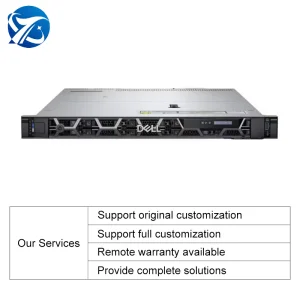
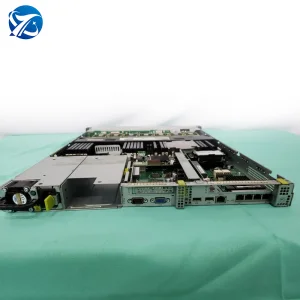
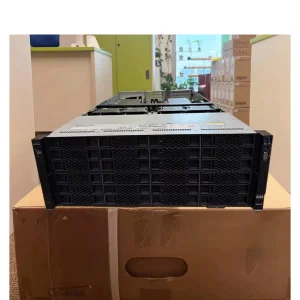
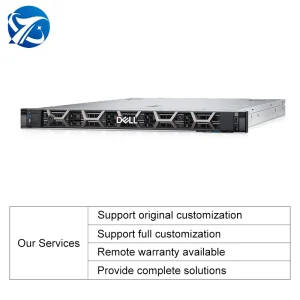
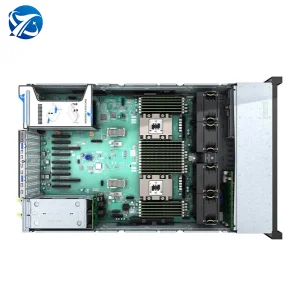
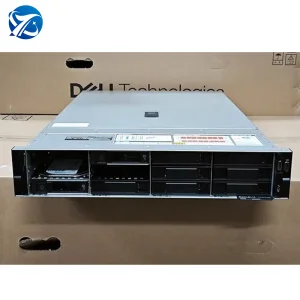
Select from our high-density computing platforms, rack systems, and dual/quad-socket workstations engineered to handle heavy backend processing workloads.