BoltGrid
BoltGrid
BoltGrid
Explore raw compute platforms specifically engineered to process large-scale industrial sensor streams, vibration analyses, and Deep Learning training models.
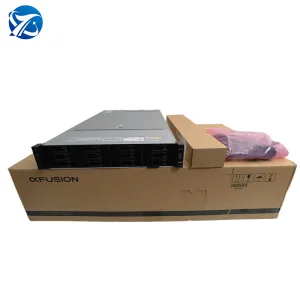
The manufacturing sector is undergoing an unprecedented shift from reactive and preventive maintenance strategies to dynamic, machine learning-driven Predictive Maintenance (PdM) Solutions. Rather than performing routine schedules that disrupt active supply chains, modern industrial hubs deploy arrays of IoT vibration, acoustics, magnetic, and thermal sensors directly to critical mechanical joints.
However, processing hundreds of gigabytes of raw, high-frequency time-series telemetry data poses a severe computing bottleneck. Predictive algorithms based on Deep Neural Networks (DNN) require real-time signal processing and complex anomaly detection models. This shifts the industrial landscape from simple cloud databases to localized Edge Computing Clusters and high-performance server architectures.
"Without localized computing infrastructure capable of processing high-frequency sensor streams, predictive maintenance solutions fail due to latency and data transmission costs. Hardware is the critical foundation."
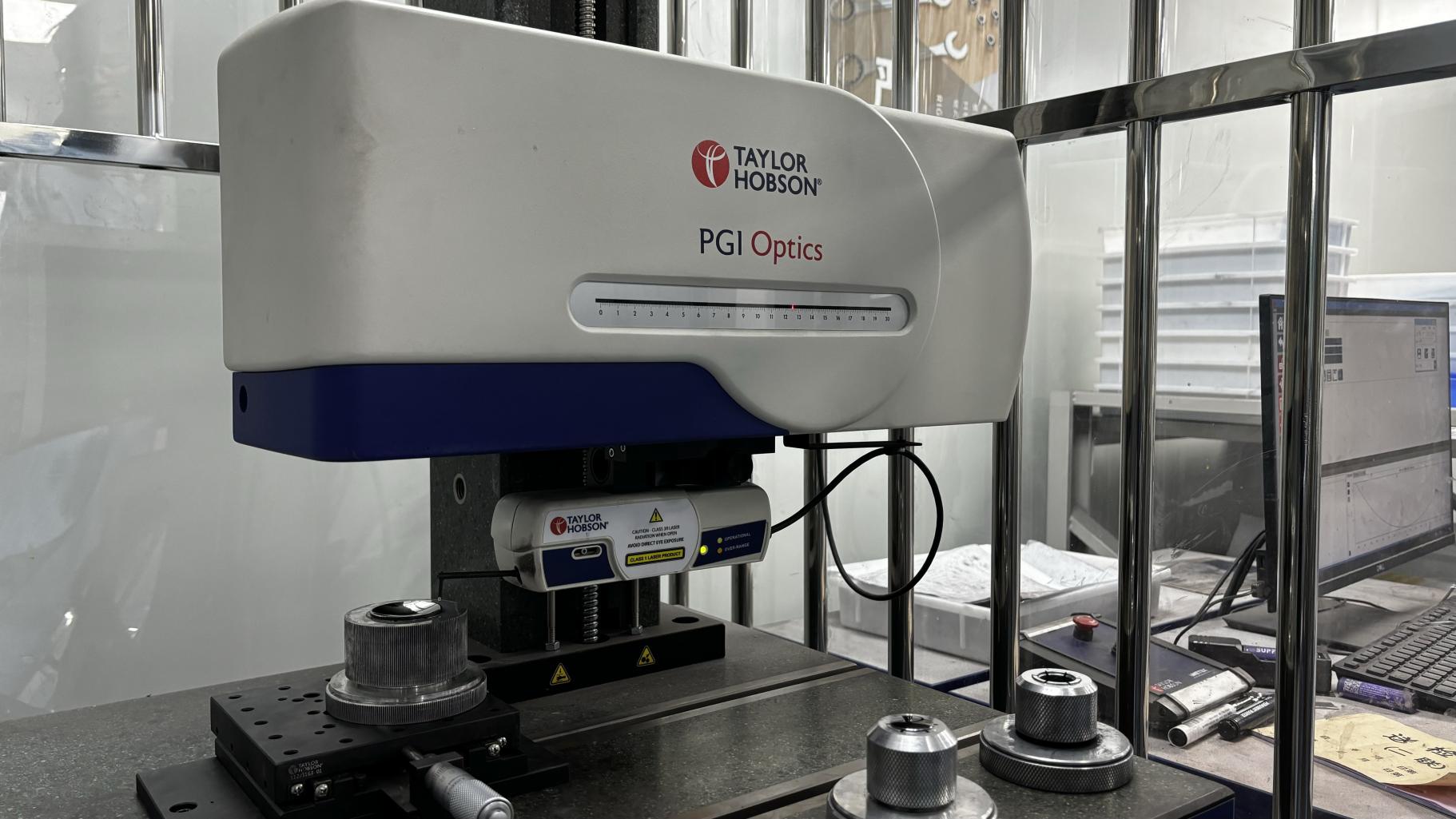
How global system integrators and server manufacturers collaborate to build fault-tolerant predictive maintenance frameworks.
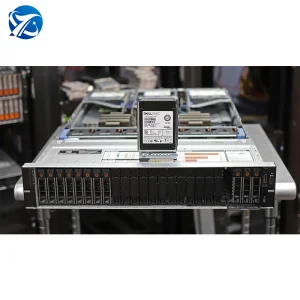
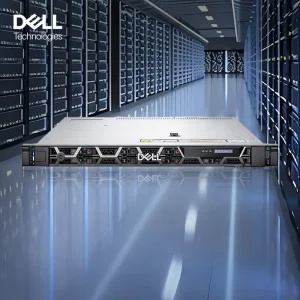
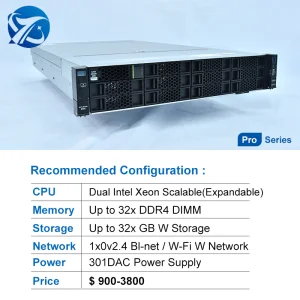
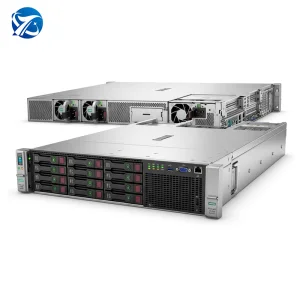
Deploying high-frequency 1U and 2U rack servers equipped with modern Intel Xeon or AMD EPYC architectures allows factories to continuously ingest multi-axis vibration signals without data dropping.
Training DeepSeek and transformer-based time-series models for pattern matching requires enterprise GPU power (such as NVIDIA H100 or optimized GPU clusters) to establish machine failure baselines.
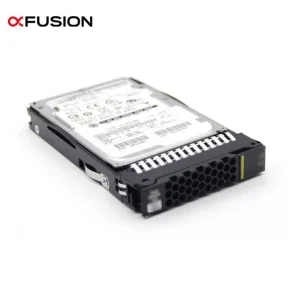
Raw sensor telemetry must be logged over years to train highly accurate predictive models. Large-capacity NL-SAS and SAS HDD configurations (like 10TB/12TB arrays) are critical for cost-effective storage.
Industrial PLC systems require millisecond-level inference times. High-performance rack servers placed locally on the factory floor process anomaly classification algorithms directly at the edge.
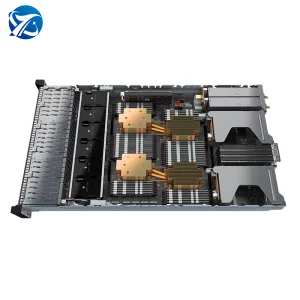
Fusing data from diverse sources (e.g., thermal imagery, oil spectroscopy, acoustics) requires high core-count processors to execute concurrent thread operations without system slowdowns.
Factory environments are prone to power fluctuations. Utilizing hot-swappable dual 2000W redundant PSUs guarantees continuous runtime for predictive algorithms during electrical inconsistencies.
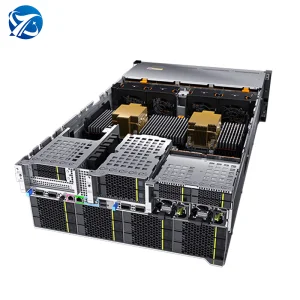
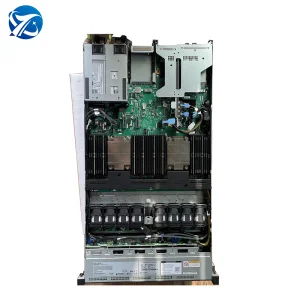
Factory-floor operations subject computer hardware to elevated ambient temperatures. Servers must incorporate targeted multi-fan active cooling configurations to prevent thermal throttling.
Processing concurrent machine learning inference tasks from thousands of factory components requires fast DDR5 RAM (scalable up to 64GB or more per socket) to avoid page-file bottlenecks.
Interfacing with legacy SCADA or distributed control systems (DCS) demands customizable PCIe expansion slots to host high-performance network interface cards (NICs) or fieldbus interface modules.
No two factories are alike. The predictive maintenance framework must support extreme personalization, including GPU node matching, varying drive enclosure configurations (e.g., 36-drive storage arrays), and custom BIOS level micro-tweaks for specific industrial software environments.
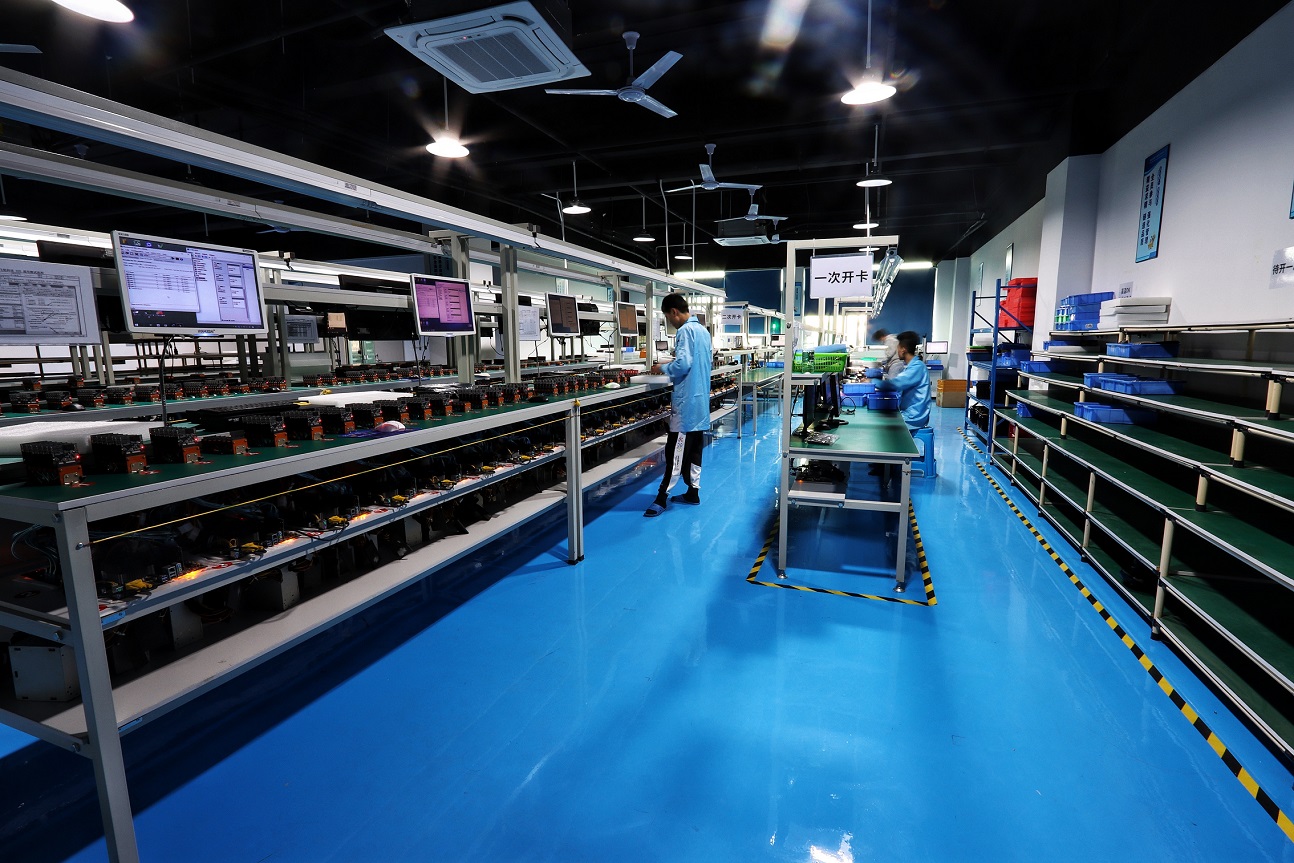
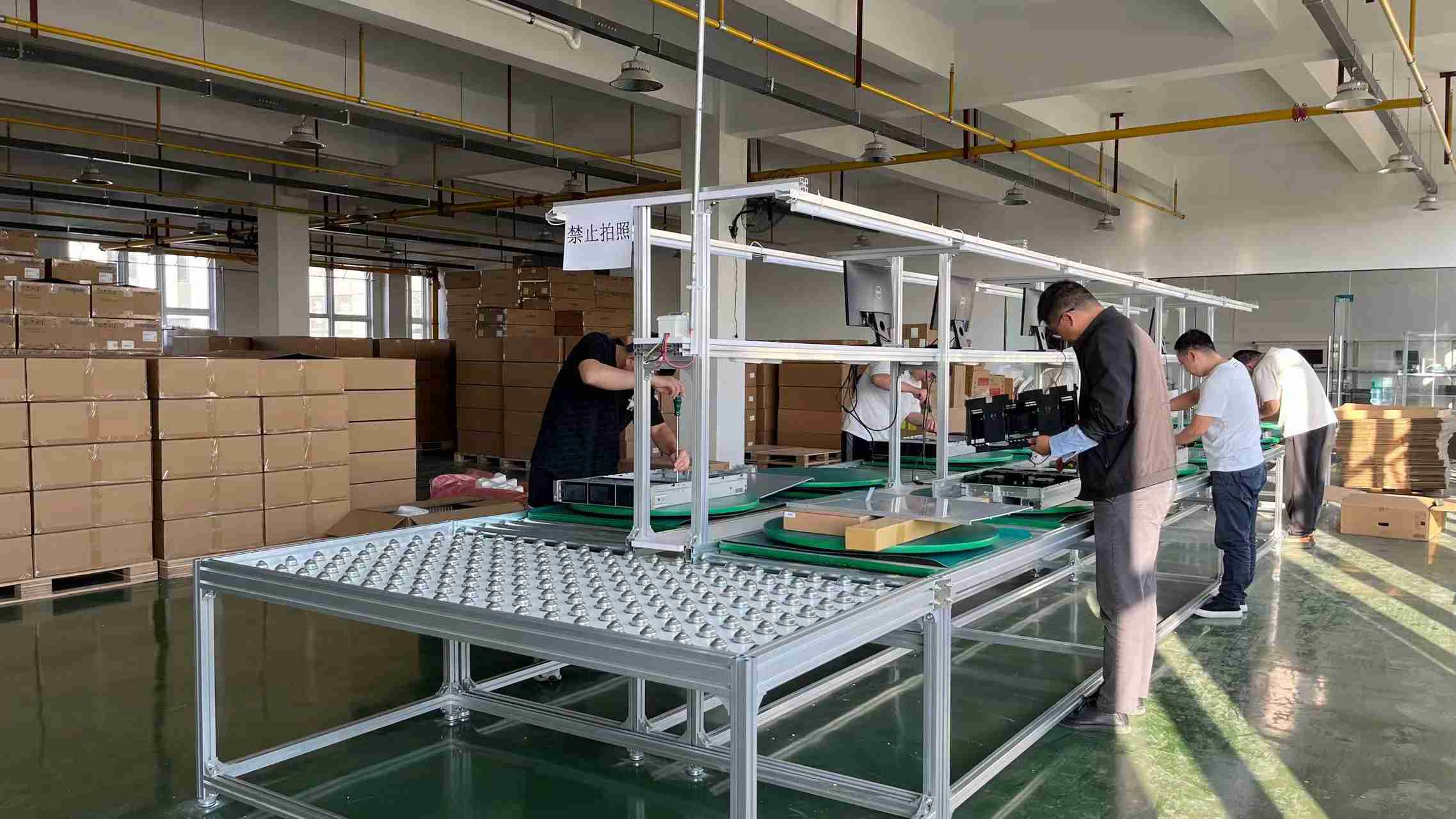
BoltGrid Computing Systems Co., Ltd. is a professional AI GPU server manufacturer specializing in high-performance computing infrastructure, GPU cluster systems, and AI data center solutions. Established in 2016, the company has developed strong capabilities in design, manufacturing, and global supply of advanced computing hardware.
Operating a modern production facility covering approximately 18,500㎡, BoltGrid supports large-scale assembly, testing, and system integration for AI server products. With annual export revenue reaching around USD 18 million, BoltGrid has built stable international trade experience over 7 years, serving customers across North America, Europe, Southeast Asia, and the Middle East.
The company maintains a total industry experience of 12 years, supported by a professional quality assurance team of 45 inspectors. The company implements multiple product inspection methods, including thermal performance testing, stress load simulation, and full-system burn-in testing to ensure stability and reliability under high workloads.
China's rapid transition towards intelligent manufacturing (Smart Factory 4.0) has created a robust ecosystem for hardware component sourcing and hardware customization. BoltGrid's integration within this ecosystem enables fast lead times for complex, custom GPU and enterprise server builds that are critical to predictive maintenance platform deployment.
Our network of over 850 strategic partners guarantees access to enterprise components (high-density RAM, specialized power units, hard drive controllers) even during global component supply crunches. This resilience minimizes risk for global industrial groups looking to rapidly scale their predictive maintenance hardware footprints across multiple regions.
Additionally, BoltGrid launches around 85 new products annually, proving our engineering flexibility. This high output allows us to quickly update our rack server configurations to align with the newest CPU generations from Intel and AMD, as well as the latest GPU architectures used for deep learning inference.
Analyzing how different global environments implement hardware compute resources depending on regulatory, network, and environmental criteria.
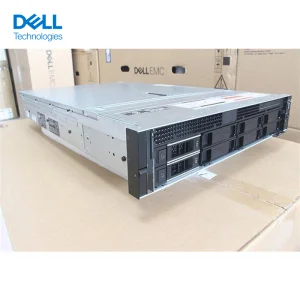
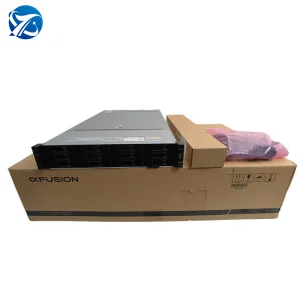
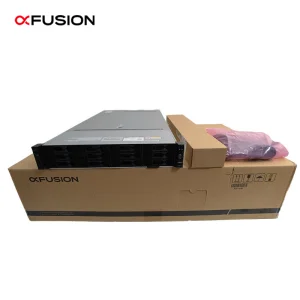
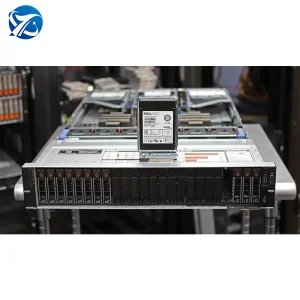
In highly automated automotive factories, robotic welding arms operate continuously. Edge compute units (such as Dell PowerEdge and xFusion 2U servers) sit in localized control cabinets, analyzing vibration and current logs to preempt actuator breakdown, minimizing assembly stoppage.
Offshore wind farms experience harsh environmental conditions with limited bandwidth. Remote telemetry requires heavy, on-turbine edge inference via compact, high-reliability rack servers configured for thermal resistance and equipped with long-duration SAS HDD storage for offline telemetry collection.
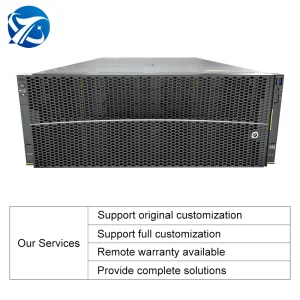
Refineries present hazardous zones where computing systems must be housed in central, climate-controlled control centers. Hundreds of sensor nodes connect via fiber to highly scalable 4U servers (such as the FusionServer 5288 V6) carrying massive internal storage arrays to monitor critical compressors.
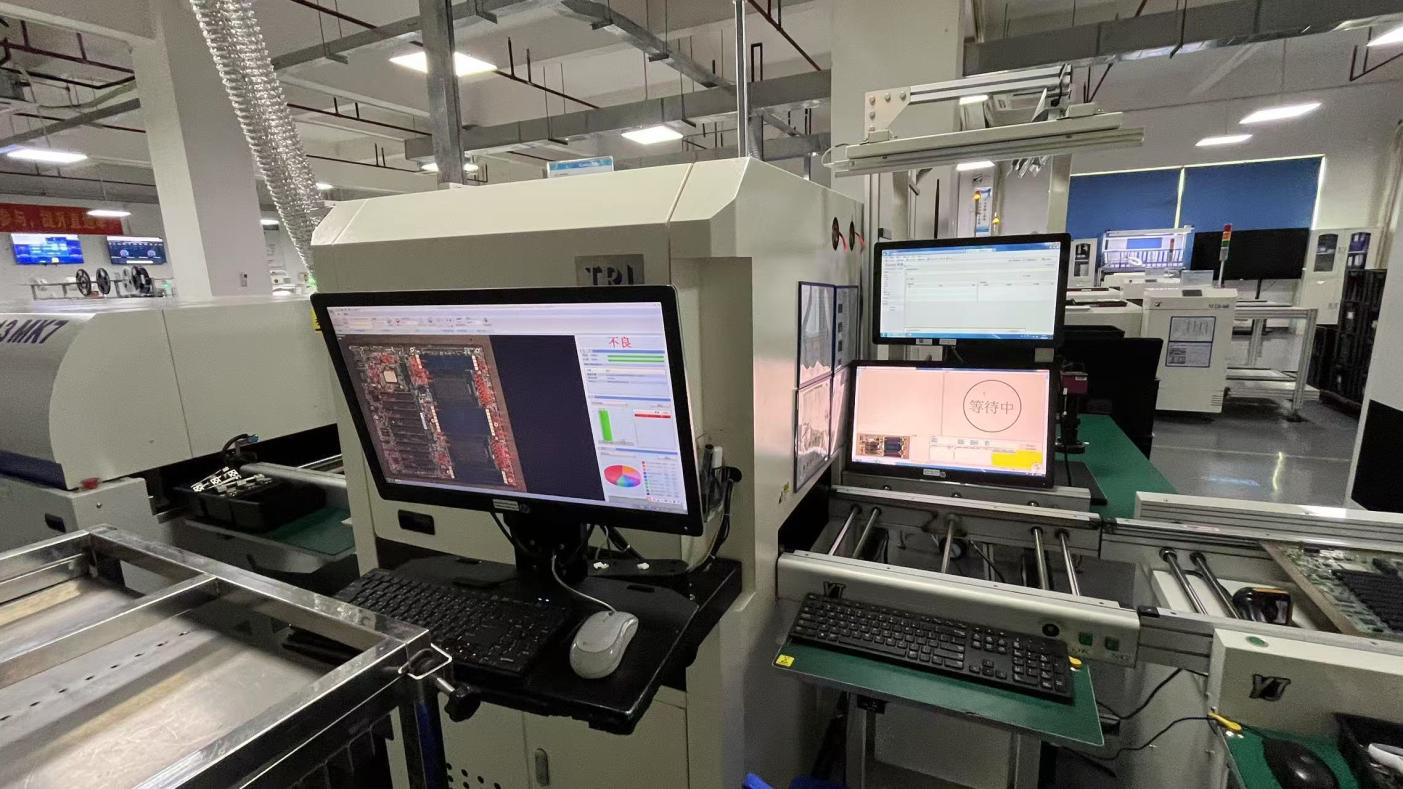
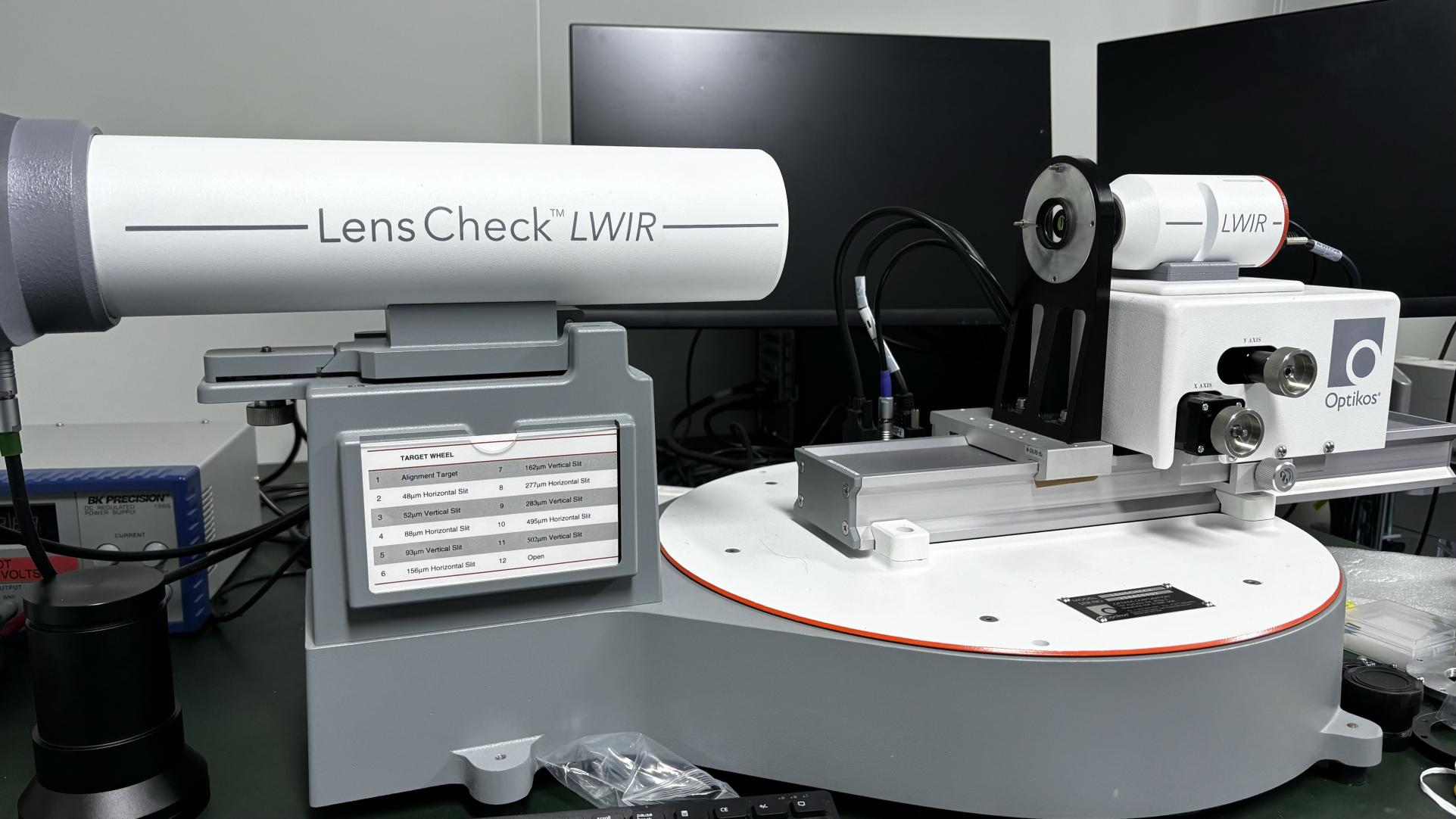
Complete your deployment with deep-learning AI servers, High-Performance storage servers, and enterprise-grade network hardware.
Detailed answers from BoltGrid's engineering and QA teams on selecting and configuring servers for industrial predictive maintenance.