 BoltGrid
BoltGrid
BoltGrid
Explore high-performance computing hardware, multi-socket Intel Xeon architectures, and GPU-driven servers optimized for low latency trading applications.
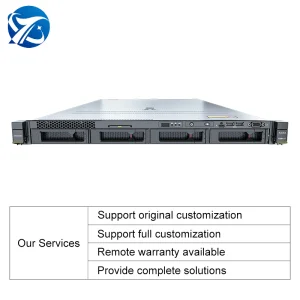
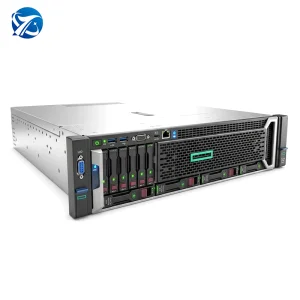
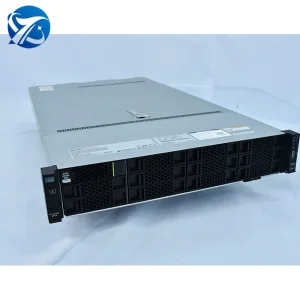
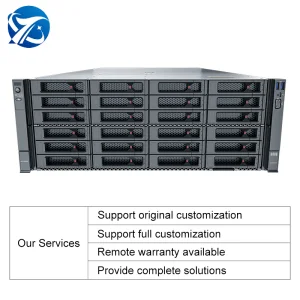
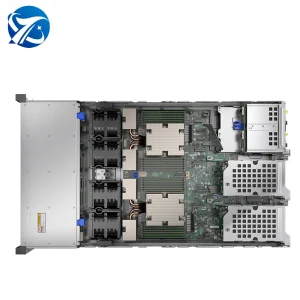
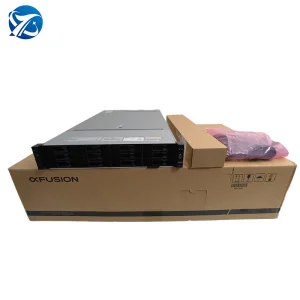
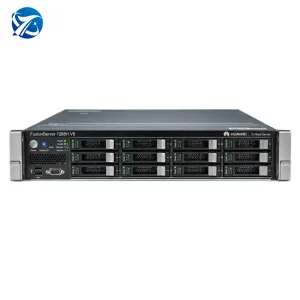
In the realm of quantitative trading, execution speed is measured not in milliseconds, but in microseconds and nanoseconds. High-frequency trading (HFT) servers must process hundreds of thousands of messages per second with deterministic latency. Standard off-the-shelf servers cannot support the rigid throughput and timing consistency required by major global exchanges. Modern HFT server design requires extreme optimizations across multiple layers: custom BIOS profiles with zero C-state CPU latency, specialized network interface cards (NICs) incorporating field-programmable gate arrays (FPGAs), high-frequency memory subsystems, and liquid-cooling solutions designed to control thermal spikes during sudden market volatility.
To achieve ultra-low-latency (ULL) execution, server architectures are simplified to reduce CPU-to-network path lengths. System designs favor single-socket configurations to eliminate Inter-Processor Communication (IPC) overhead, using high-IPC CPUs overclocked to sustained frequencies of 5.0 GHz or higher. High-density server platforms, such as those provided by leading suppliers, serve as the baseline processing chassis. These systems are stripped of unnecessary management agents and hypervisors, establishing direct-mapped memory interfaces to maximize cache locality and minimize page translation tables.
The critical path in any HFT infrastructure is the network ingress and egress channel. Traditional TCP/IP network stacks within standard operating system kernels introduce variable jitter. HFT servers overcome this limitation by deploying Kernel Bypass techniques through specialized Network Interface Cards (NICs), such as AMD Solarflare or Exablaze platforms. In-line FPGA processors perform hardware-level packet processing, parsing market data feeds directly in the NIC logic. This layout reduces ticks-to-trade response times to sub-nanosecond intervals, preventing queue congestion during high-volume trading sessions.
BoltGrid Computing Systems Co., Ltd. is a professional AI GPU server manufacturer specializing in high-performance computing infrastructure, GPU cluster systems, and AI data center solutions. Established in 2016, the company has developed strong capabilities in design, manufacturing, and global supply of advanced computing hardware.
The company operates a modern production facility covering approximately 18,500㎡, supporting large-scale assembly, testing, and system integration for AI server products. With annual export revenue reaching around USD 18 million, BoltGrid has built stable international trade experience over 7 years, serving customers across North America, Europe, Southeast Asia, and the Middle East.
BoltGrid maintains a total industry experience of 12 years, supported by a professional quality assurance team of 45 inspectors. The company implements multiple product inspection methods, including thermal performance testing, stress load simulation, and full-system burn-in testing to ensure stability and reliability under high workloads.
The supply chain ecosystem includes over 850 strategic partners, enabling efficient sourcing of high-quality components such as GPUs, server chassis, power systems, and cooling solutions. The company serves a wide range of clients, including AI cloud service providers, data center operators, research institutions, and enterprise-level IT infrastructure integrators.
With strong R&D capabilities, BoltGrid employs approximately 120 engineers focused on GPU architecture optimization, AI workload acceleration, and system-level integration. The company launches around 85 new products annually and supports extensive customization options, including GPU configuration, memory scaling, cooling systems, and server form factor adjustments.
BoltGrid combines engineering innovation with strict quality control to deliver reliable, scalable, and high-performance AI GPU server solutions for global computing demands.
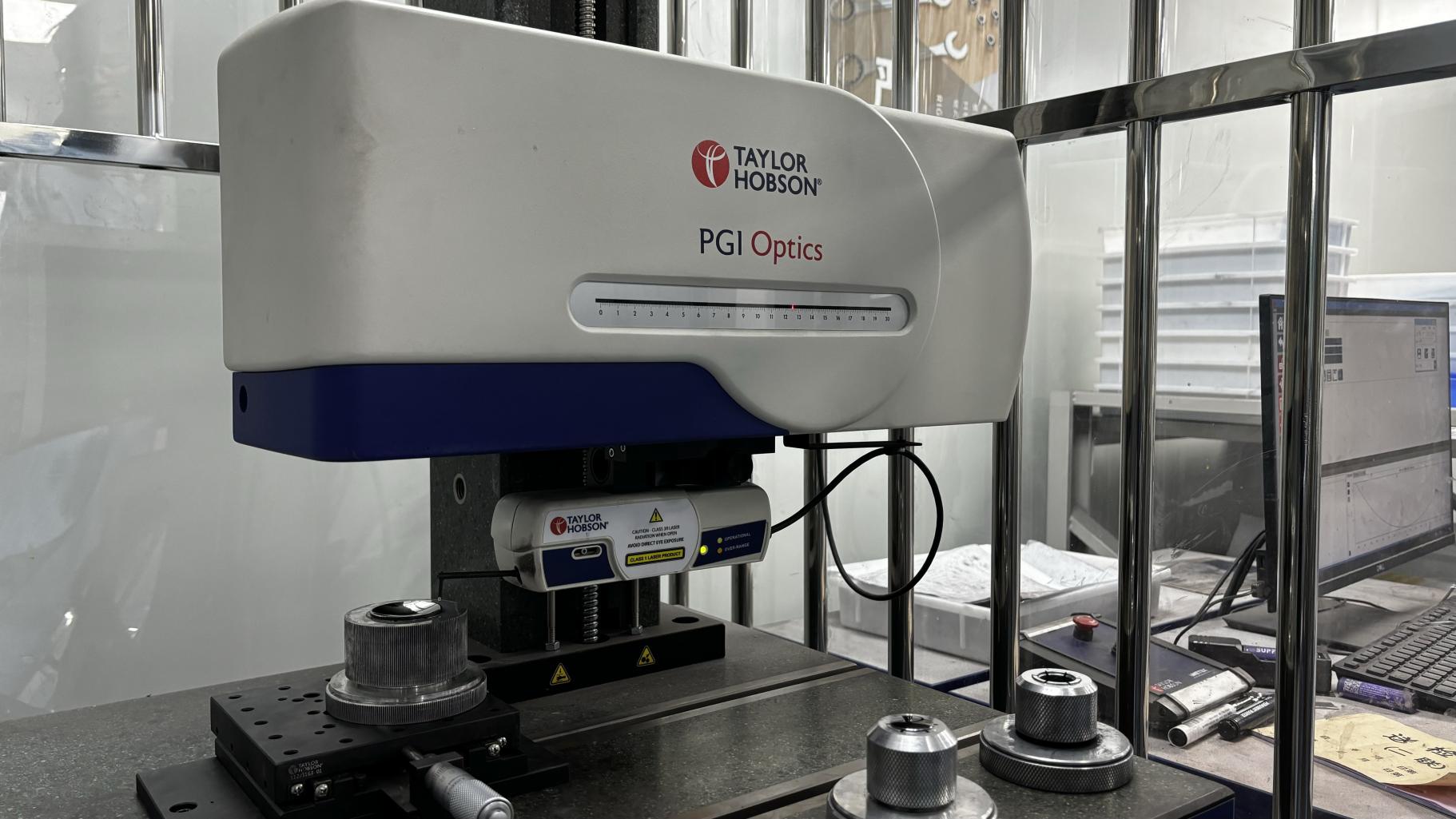
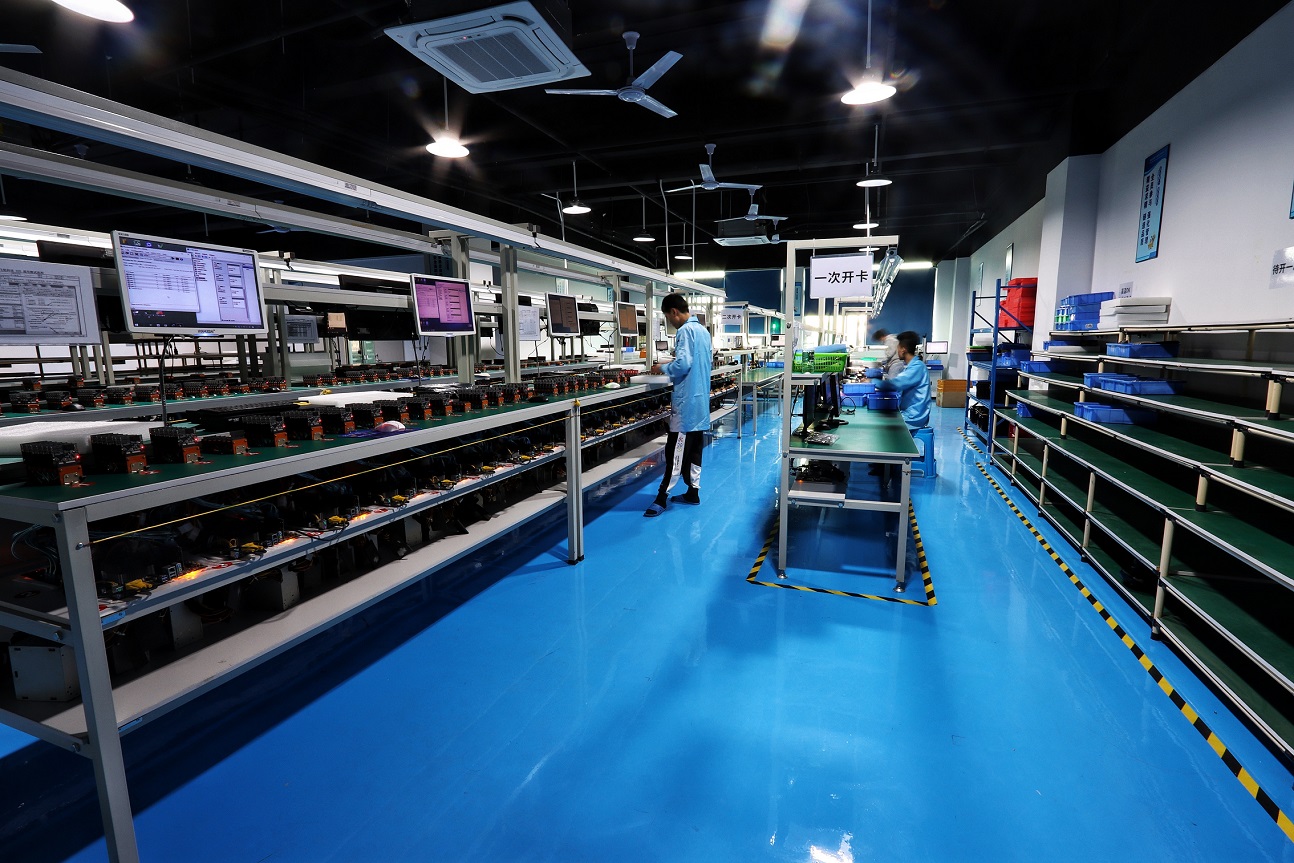
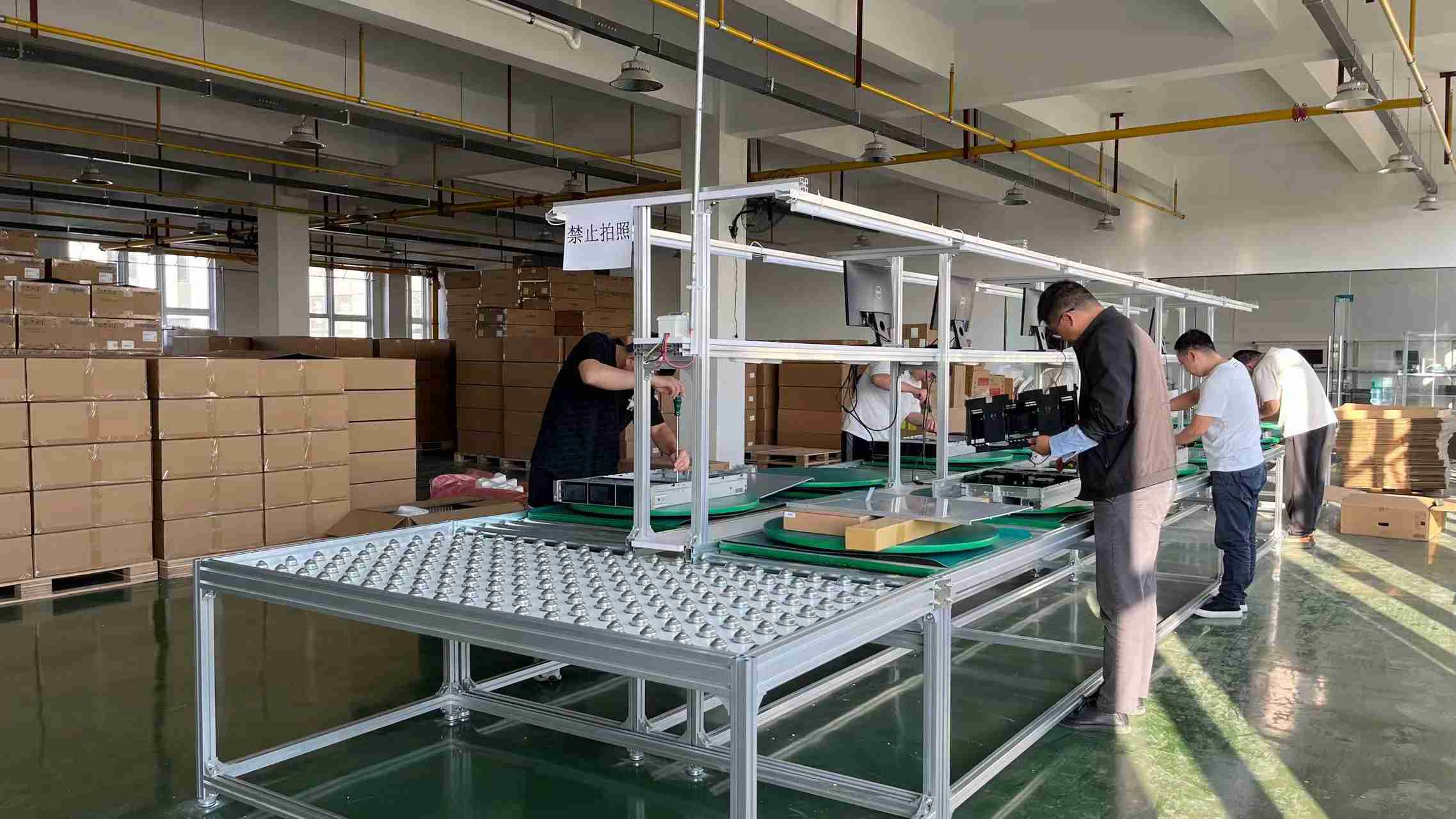
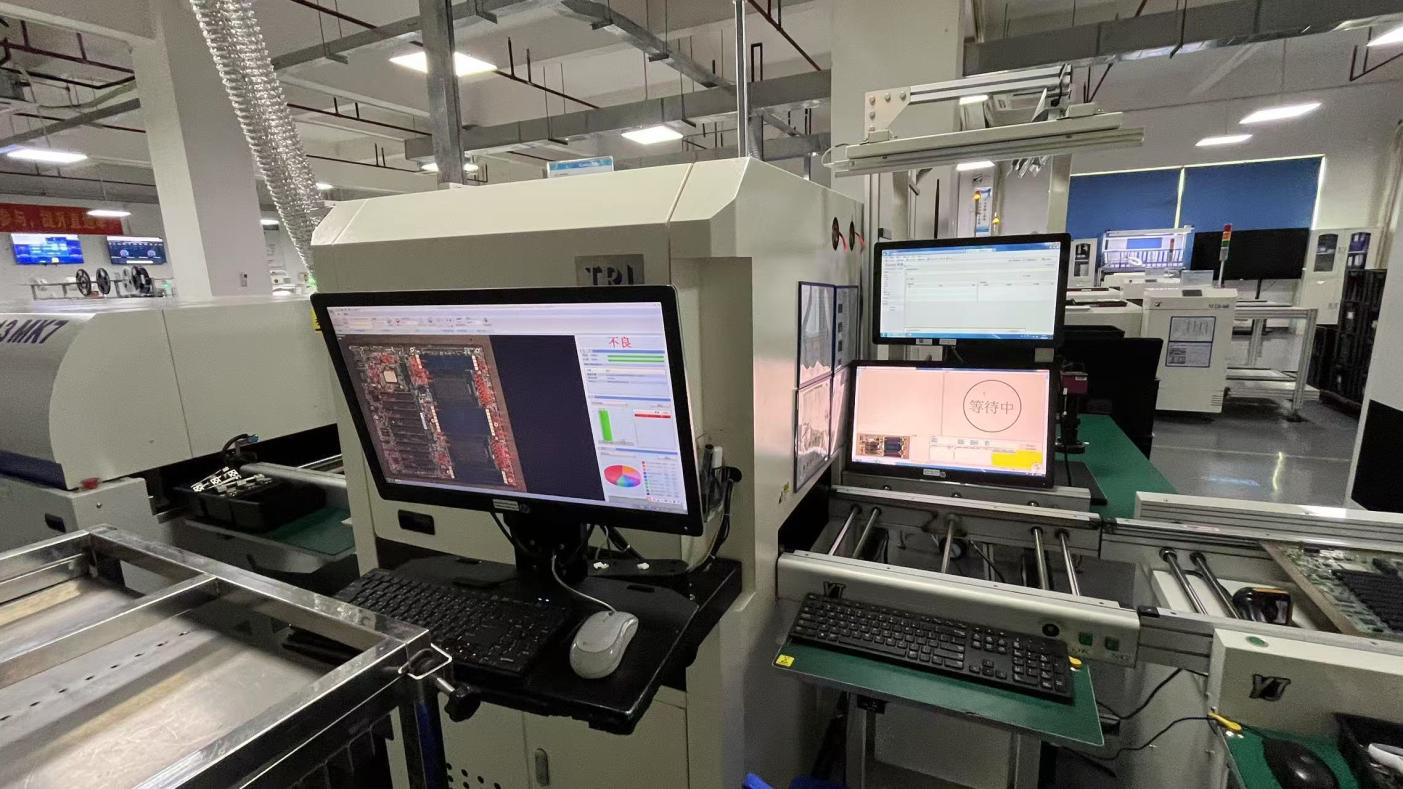
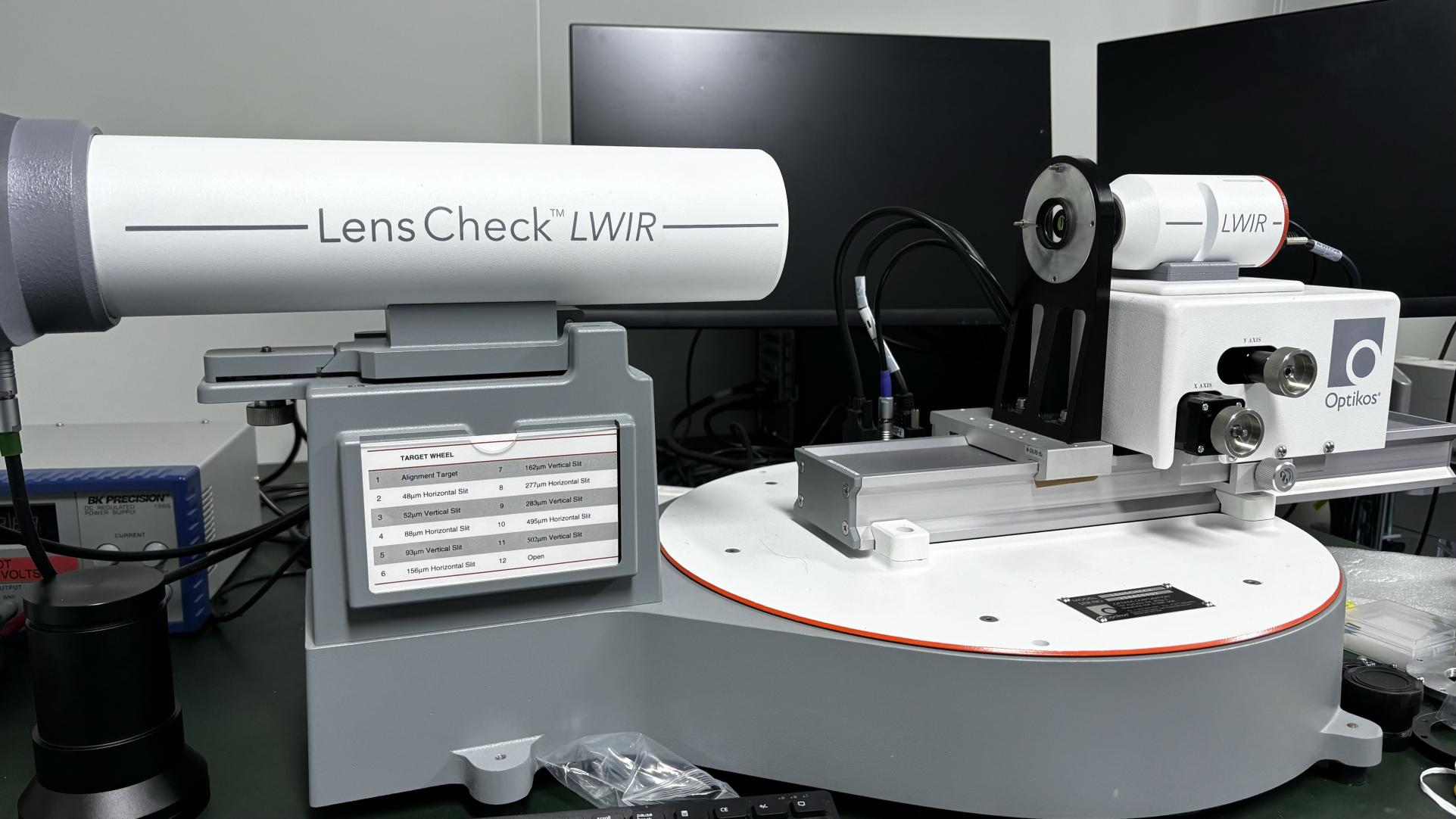
Operating high-frequency computing fabrication facilities under Industry 4.0 guidelines allows Chinese server factories to optimize product delivery times and maintain quality metrics. BoltGrid's manufacturing ecosystem in China leverages adjacent component supply chains, spanning multi-layer high-frequency glass-epoxy PCBs to high-wattage titanium power units. Co-locating critical component suppliers reduces manufacturing lead times for customized chassis.
Signal integrity and mechanical stability are monitored throughout production. Micro-soldering processes for dense LGA sockets and high-frequency PCIe slots use optical inspection systems. Automatic Test Equipment (ATE) checks motherboard signaling traces, identifying circuit anomalies before systems move to thermal burn-in. Our factory's quality assurance framework guarantees that custom server configurations perform reliably in active deployment.
| Infrastructure Quality Aspect | Traditional Server Assembly | Factory 4.0 Overclocked HFT Assembly |
|---|---|---|
| PCB Layer Count & Substrate | 6 to 10 Layers / Standard FR-4 Material | 14 to 20+ Layers / Low-loss PTFE & Halogen-free High-speed Substrate |
| High-Speed Interconnects | PCIe Gen4 / Standard Connectors | PCIe Gen5 & Gen6 Compatibility / Direct-attach Copper / MCIO Cabling |
| BIOS Profile Customization | Standard ACPI profiles, auto frequency scaling | Disabled C-States & P-states, fixed core frequencies, custom memory timings |
| Thermal Cycle Qualification | Standard room-temperature power-on check | 72-hour operational simulation inside thermal chambers (0°C to 50°C) |
Strategic milestones and emerging architectural paradigms shaping the next generation of HFT computing platforms.
Compute Express Link (CXL) technologies allow servers to access shared pools of external memory over high-speed PCIe fabrics. Next-generation HFT architectures utilize CXL 2.0/3.0 to bypass traditional memory access limits, providing host processors with low-latency memory paths.
As processors exceed thermal design envelopes of 350W+, air cooling becomes insufficient. Future platform roadmaps include liquid-to-air cooling options. Submerging processors or mounting direct-to-chip water blocks stabilizes temperatures and limits performance throttling.
Transitioning to PCIe Gen6 allows signaling rates of 64 GT/s per lane using PAM4 modulation. Physical signal loss limits trace lengths, accelerating the adoption of optical-to-chip interconnects that route high-speed signals directly to the processor package.
Deploying low-latency computing infrastructure requires alignment with localized exchange regulations. Trade execution platforms depend on co-location hosting services. In facilities operated by Equinix (such as NY4 in Secaucus, LD4 in Slough, and TY3 in Tokyo), space and power allocation are constrained. Hardware configurations must balance compute density against power thresholds.
Custom system form factors allow deployment of multi-node servers within single rack positions. 1U chassis options provide space-efficient solutions without compromising thermal headroom. Redundant, hot-swappable titanium power modules prevent downtime while meeting exchange facility requirements.
Enterprise server systems require international compliance certifications before import and deployment. BoltGrid conforms to major global technical and safety benchmarks, including CE, FCC, RoHS, and UL approvals. Exporting IT hardware requires alignment with dual-use import regulations, trade classification guidelines, and local technology standards.
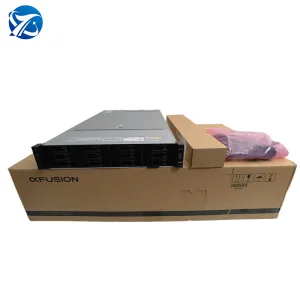
Hardware components are tracked using asset management systems that document origin and manufacturing data. Product shipments are protected against transit shock and static discharge through specialized packaging materials. Logistics partners manage customs procedures, minimizing delivery friction for global data centers.
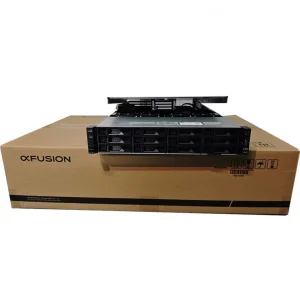
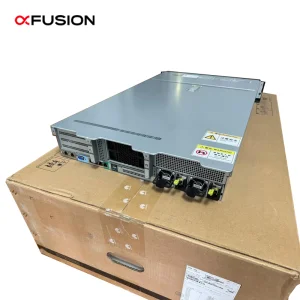
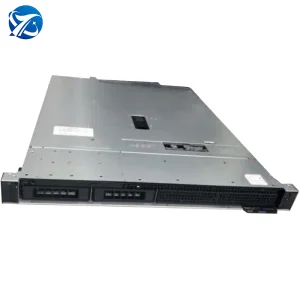
Select from advanced 1U/2U configurations, enterprise Dell PowerEdge solutions, and high-capacity storage platforms optimized for backtesting database engines.


Frequently asked questions concerning latency optimization, hardware configurations, and global supplier evaluation metrics.