BoltGrid
BoltGrid
BoltGrid
Discover industrial-grade enterprise rack platforms, local GPU cluster engines, and high-density NAS arrays engineered to run multi-stream 4K/8K rendering engines, content management systems (CMS), and real-time interactive digital signage.
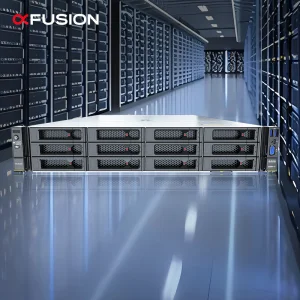
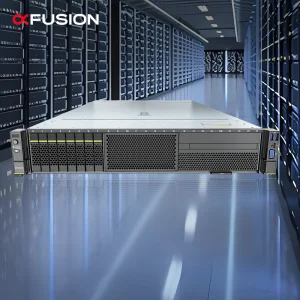
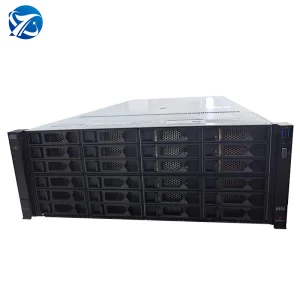
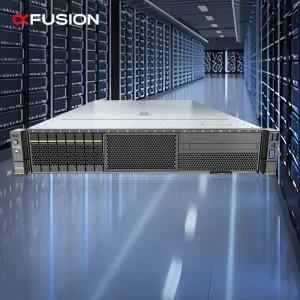
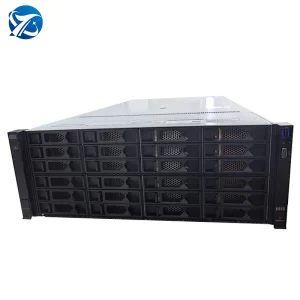
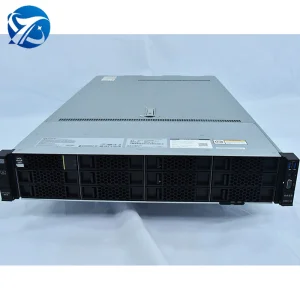
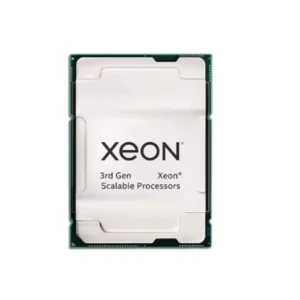
Modern digital signage is no longer just static image carousels; it is an interactive, real-time data visualizer powered by computer vision, deep neural networks, and high-performance server clusters. BoltGrid Computing Systems Co., Ltd. (est. 2016) is a professional AI hardware and high-performance computing manufacturer dedicated to supporting massive commercial display networks and CMS clouds.
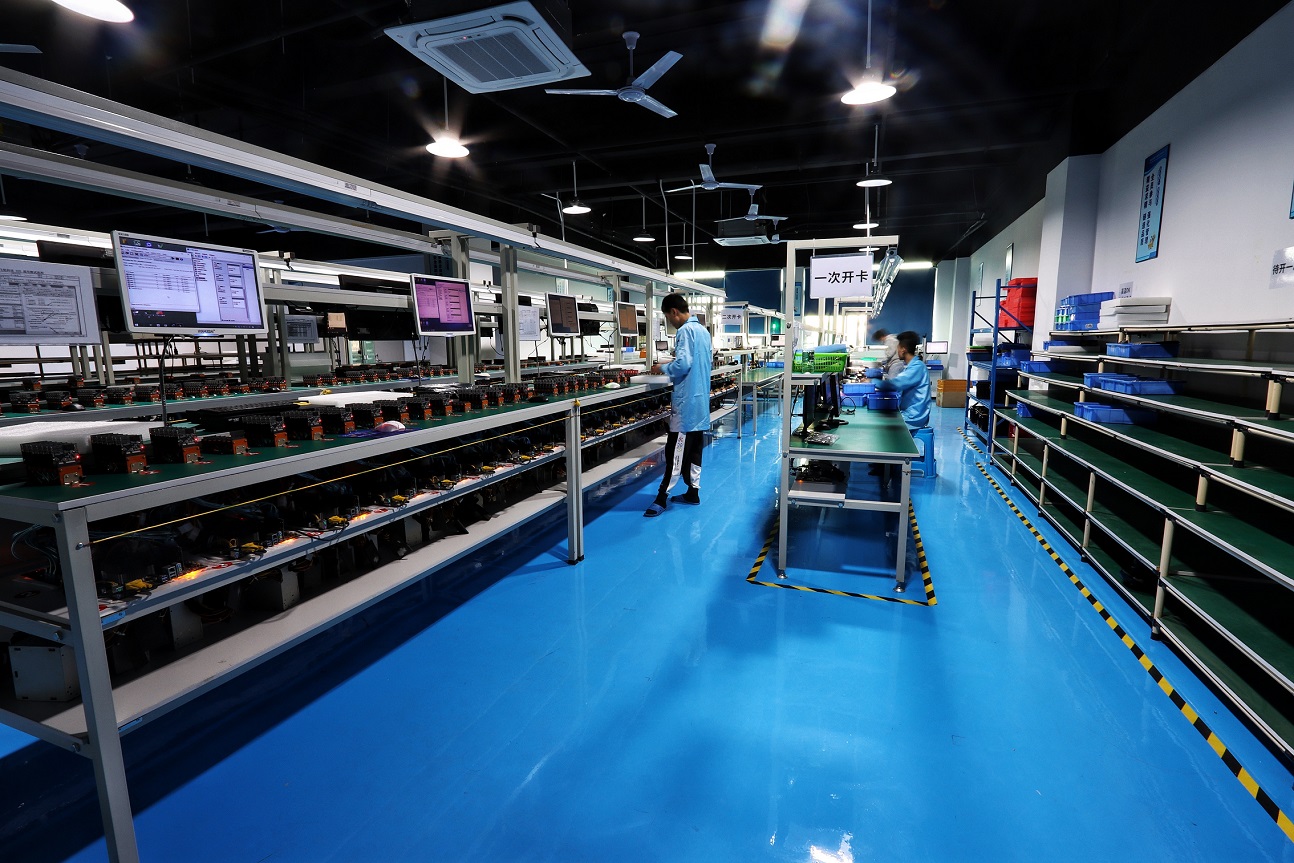
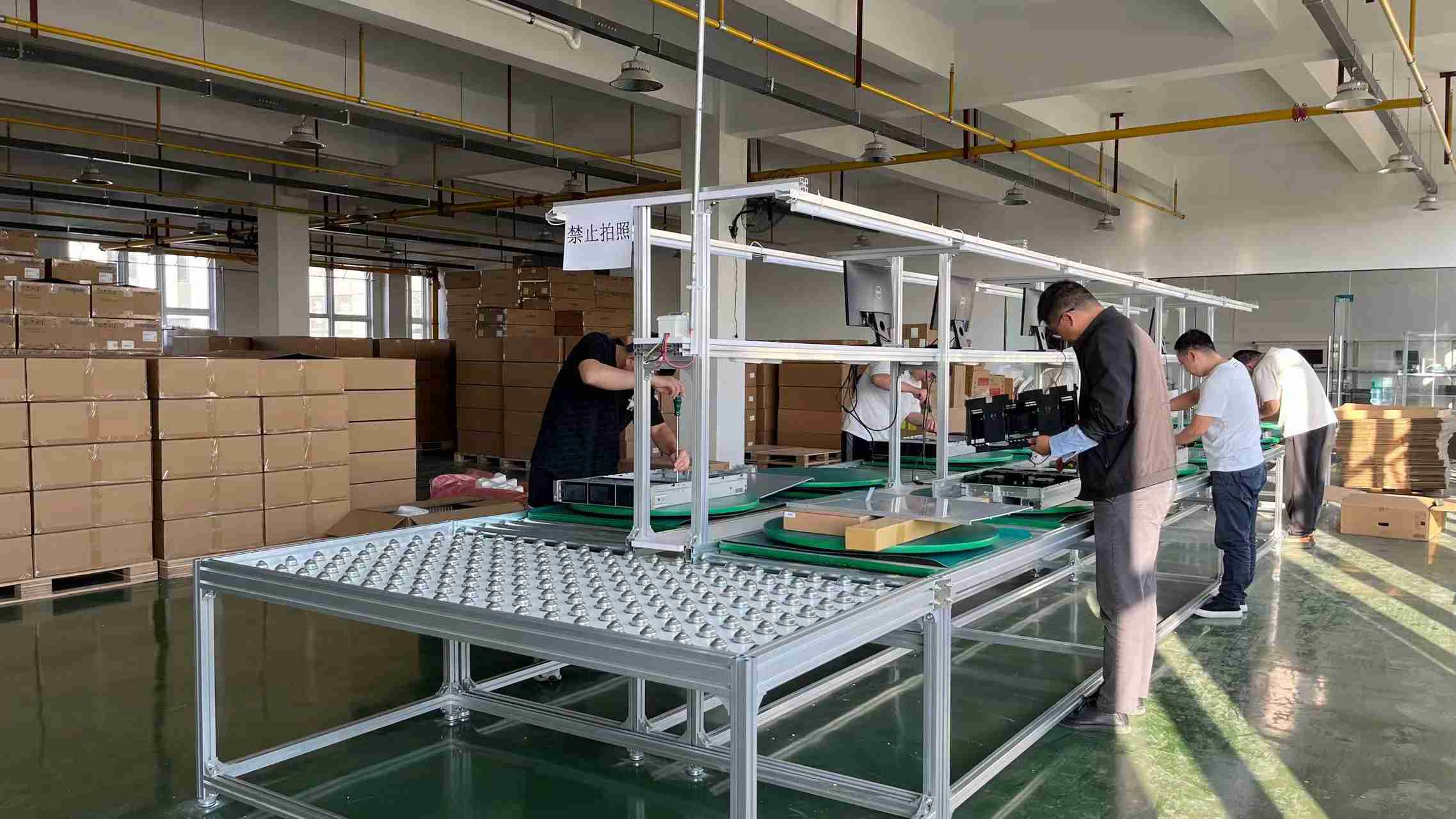
Operating a modernized 18,500㎡ facility, BoltGrid specializes in integrating highly complex GPU racks, storage servers, and data center structures that serve as the backbone for top-tier digital signage solutions exporters globally. With an annual export volume reaching USD 18 million and a robust 12-year presence in server industrial design, BoltGrid remains the reliable partner for massive deployments in retail, transit, enterprise, and public domains.
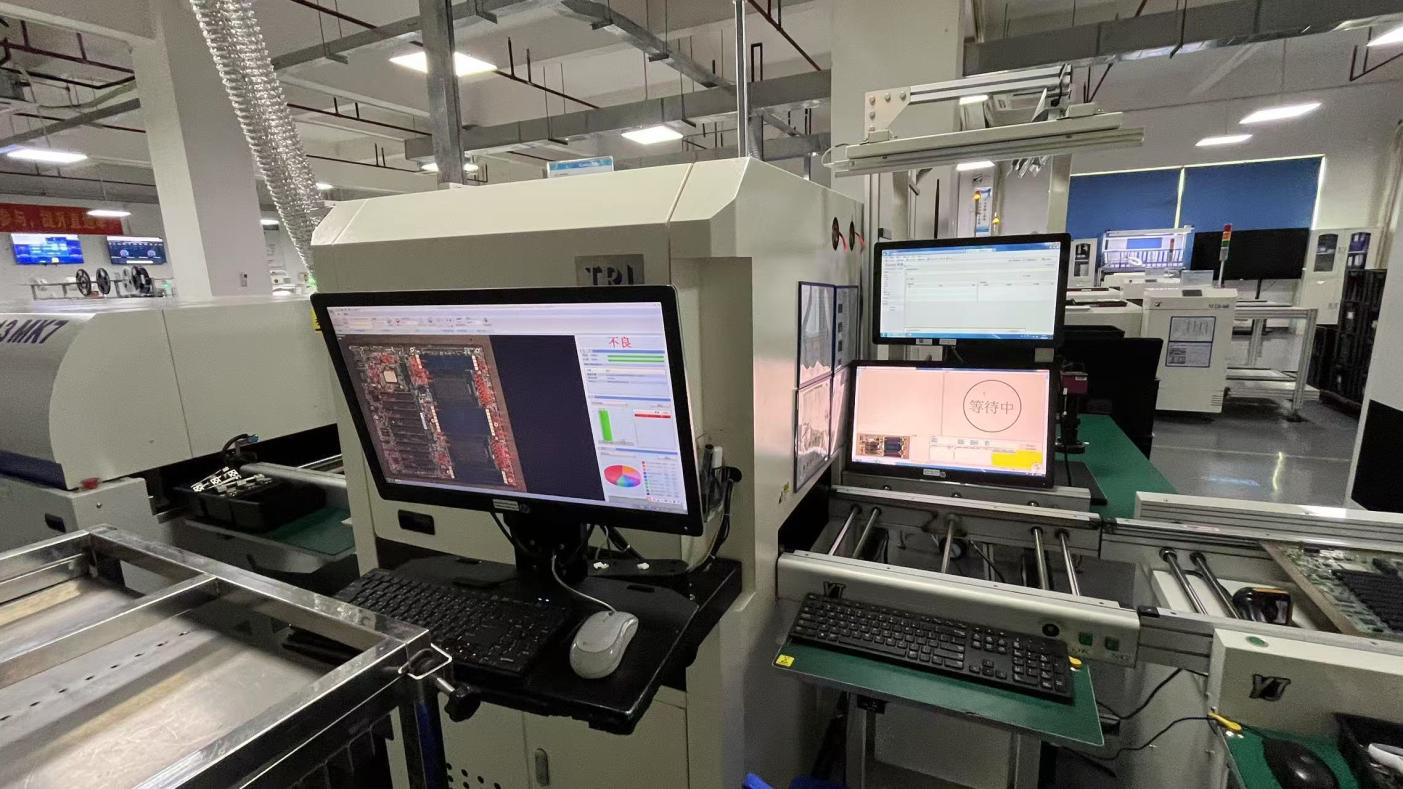
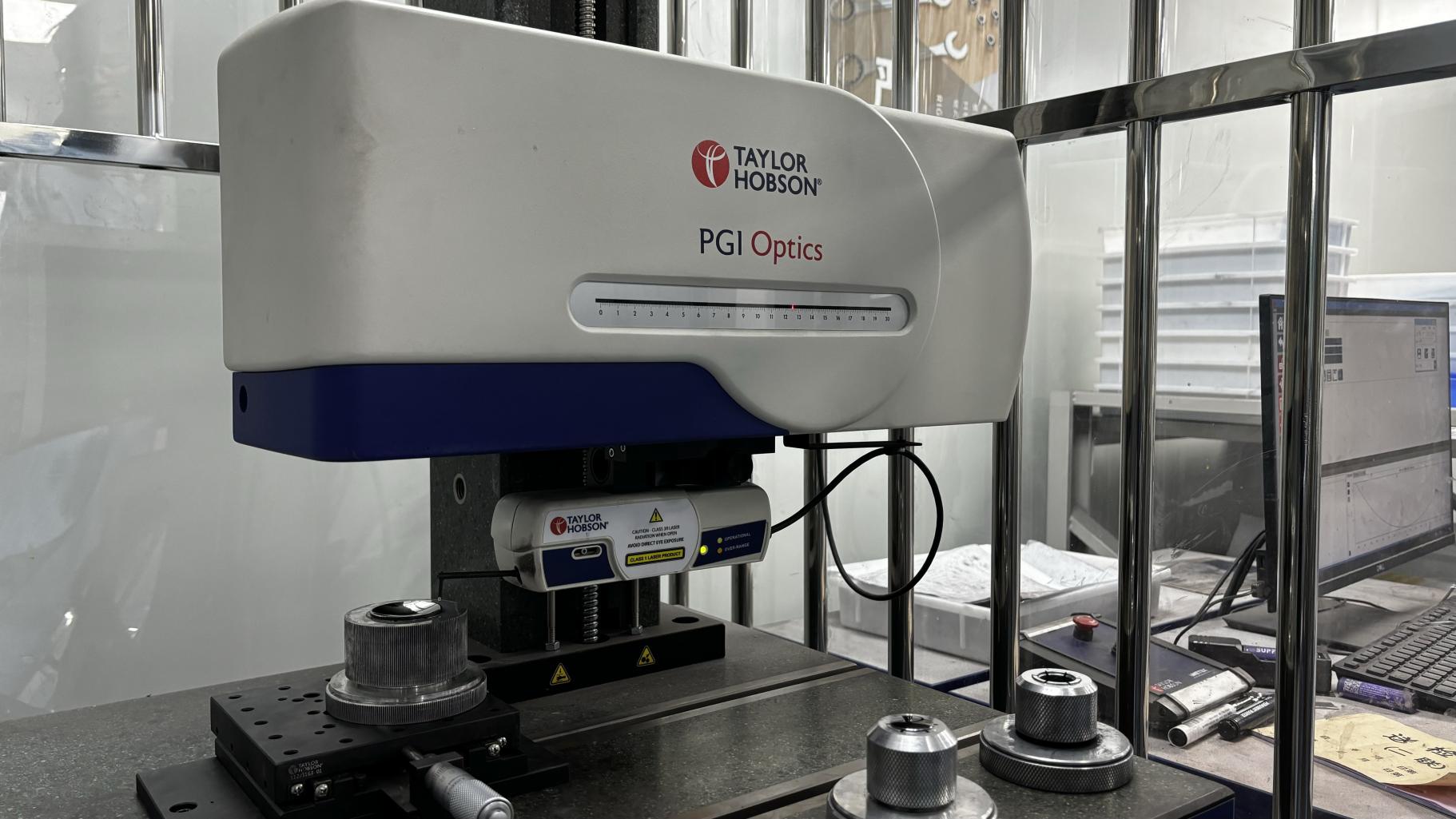
To guarantee seamless uptime in public DOOH (Digital Out-of-Home) networks where server failures equal immense revenue loss, BoltGrid employs 45 specialized Quality Inspectors running strict system protocols:
Continuously running extreme 48-hour operations under max CPU/GPU stress load.
Simulating real-world server closet conditions without air conditioning to test cooling efficiency.
Verifying multi-threaded video stream decoding capacity to avoid buffering or packet drops.
How leading system integrators, municipal projects, and multinatonal retail chains evaluate infrastructure vendors for digital signage displays.
With display units transitioning from 1080p to UHD 4K and 8K, central content distribution nodes need GPU-optimized structures capable of rendering concurrent interactive 3D media, real-time data feeds, and localized dynamic advertisements.
Digital display networks are highly vulnerable to network disconnections and external cyber-attacks. Modern procurements demand edge appliances equipped with robust RAID configurations, dual redundant power supplies, and firmware-level cyber defenses.
Media distribution platforms like retail store displays or public transport information systems require real-time updates. Procured backend systems need high-performance networking cards (10GbE to 100GbE) and advanced caching architectures.
Integrating state-of-the-art server infrastructure to power various industrial and commercial digital display topologies.
For large shopping complexes and outdoor billboard networks, BoltGrid provides server systems integrating high-throughput GPU configurations (e.g., NVIDIA high-performance cards) to run programmatic advertisement algorithms. This allows real-time bidding platforms to analyze demographic telemetry at the display site via optical cameras, adjust the content dynamically in milliseconds, and render highly-targeted advertisements.
Additionally, high-performance local storage and high-speed memory modules allow seamless transitions of complex 3D anamorphic displays without video stuttering.
Airports, subways, and municipal stations demand 99.999% system availability. A central server cluster manages thousands of displays distributing dynamic schedule boards, terminal updates, and audio-visual evacuation announcements.
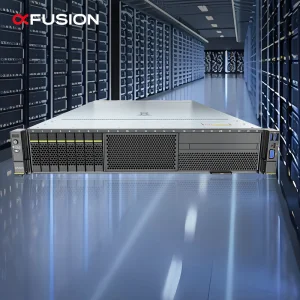
BoltGrid’s hyper-converged solutions (like the xFusion 2288H V7 series) integrate storage virtualization and dynamic load-balancing capabilities, ensuring that if one node drops, backup virtual nodes spin up within milliseconds to keep transit screens active and synchronized.
The future of digital signage centers around human-machine interfaces. Intelligent kiosks now leverage large language models (such as Deepseek) to communicate naturally with users via voice and screen interactions. This requires specialized deep-learning model-inference backends located on-premise or within private clouds to bypass latency limitations of public API calls.
BoltGrid GPU servers support extensive scaling configurations to run these intensive localized LLM operations with minimized latency, driving smart conversational digital kiosks in luxury hospitality, hospital check-ins, and public service bureaus.
The trajectory of visual presentation platforms, AI hardware convergence, and sustainable edge infrastructure.
As rack density climbs to handle complex interactive graphics, liquid-cooled cooling units will replace traditional high-RPM fans, dropping server energy overhead by up to 35% in digital signage server enclosures.
Implementing high-bandwidth buses maximizes data transfers between CPUs, GPUs, and NVMe drives, removing bottlenecks when streaming raw 8K uncompressed streams to large LED mesh facades.
Rather than sending sensitive camera feeds back to central clouds, future digital signage servers will run federated edge analytics, analyzing demographic segments locally while protecting user privacy.
Integrating media servers with server management platforms (IPMI/BMC) to let system operators monitor both display diagnostics and server health metrics through a unified dashboard interface.
Ensuring seamless distribution, physical system safety, and network compliance in all destination jurisdictions.
Expert answers regarding computational hardware selection, media server deployment, and procurement procedures.
While basic signage runs on simple micro-media players behind the TV screens, massive display walls, holographic kiosks, and interactive programmatic networks require powerful local or cloud-based GPU servers to render multiple simultaneous 4K streams, run real-time camera-based audience telemetry algorithms, and handle low-latency rendering of complex interactive assets.
BoltGrid utilizes 45 professional quality inspectors running full-system burn-in testing, thermal simulation, and component verification. In addition, our strategic partnership with over 850 world-class supply chain partners ensures we use top-grade components like Xeon processors, high-performance RAID controllers, and enterprise-grade SAS hard drives that undergo rigorous testing before shipping.
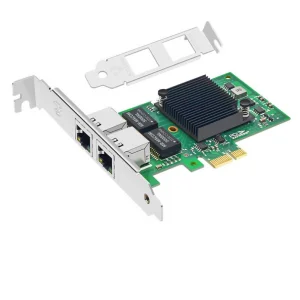
Yes, BoltGrid employs 120+ hardware engineers and launches around 85 new systems annually. We support full custom configurations, including custom memory expansion, GPU configuration choices, high-density PCIe layout designs, dual 10GbE network cards for optimized streaming, and specific RAID setup options to perfectly match the throughput requirements of your CMS platform.
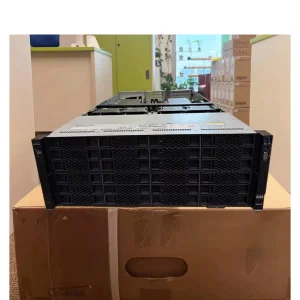
Complete your deployment architecture with industrial-grade RAID controllers, high-speed SAS hard drives, and dense multi-socket server chassis designed for reliable 24/7/365 hardware operation.
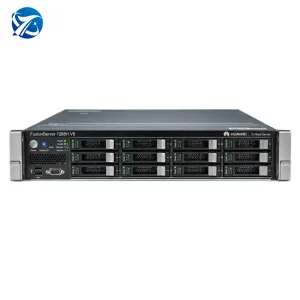
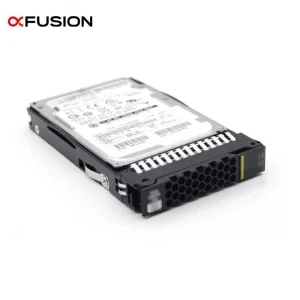
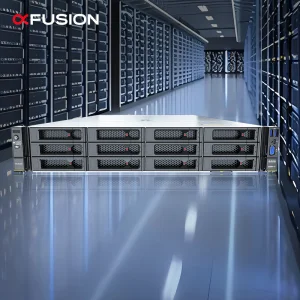
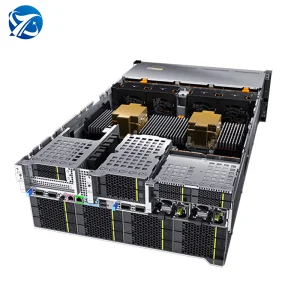
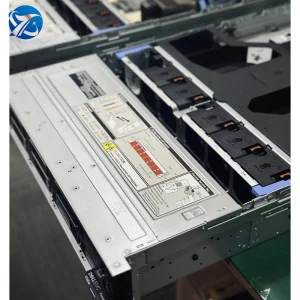
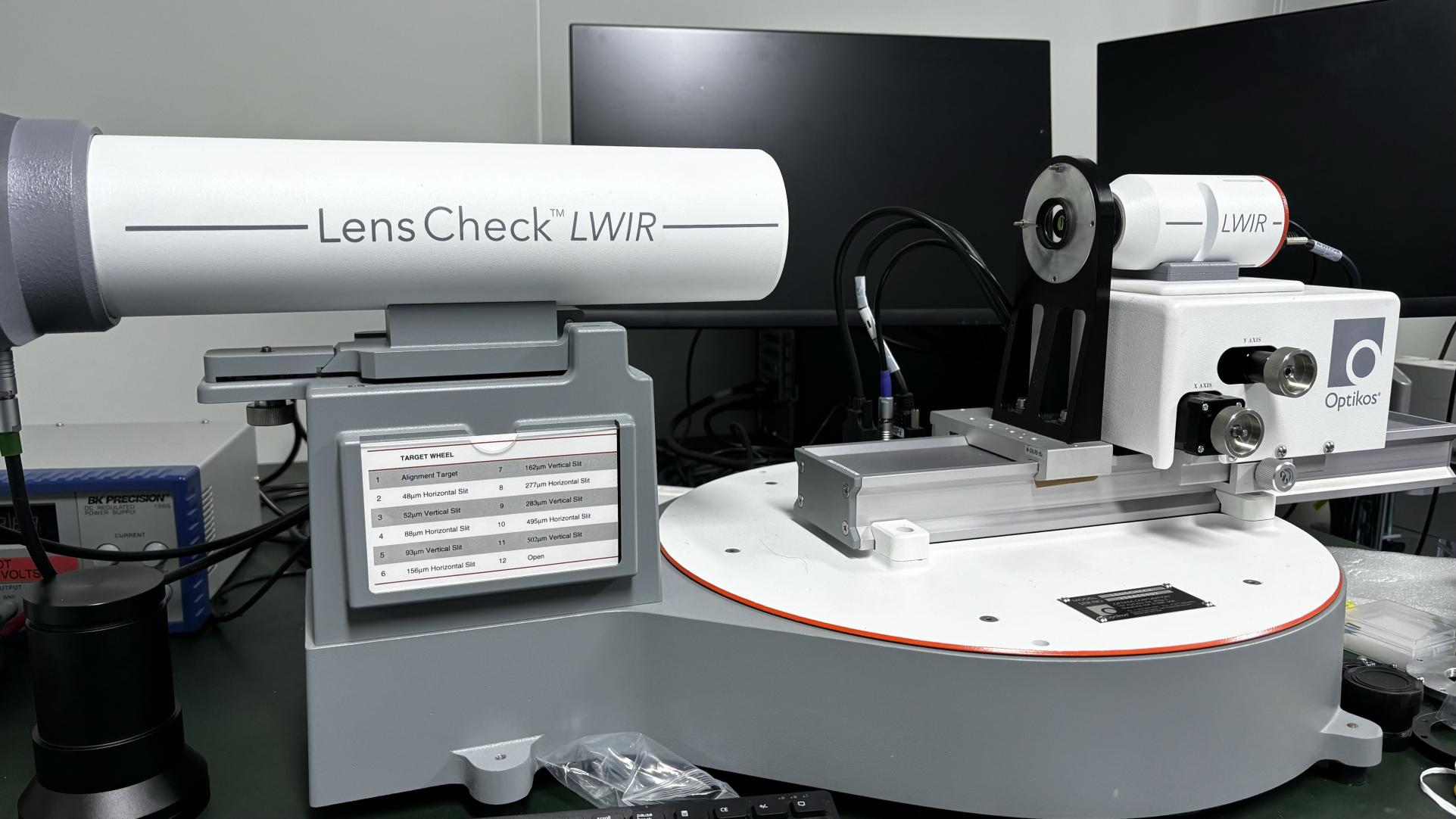
A visual walk-through of BoltGrid's state-of-the-art testing facilities, system assembly labs, and modern infrastructure complexes.