BoltGrid
BoltGrid
BoltGrid
Explore our top-tier server configurations engineered for computational intelligence, deep learning optimization, and high-performance network storage deployment.
The global data center infrastructure sector is undergoing an unprecedented architectural shift. Driven by the explosive demand for Artificial Intelligence (AI) model training, Large Language Models (LLMs) like DeepSeek, LLaMA, and complex edge intelligence architectures, traditional CPU-centric systems are giving way to high-density GPU computing clusters. High-performance data centers are no longer just storage silos; they are now the localized brains powering global enterprise operations.
Across the Americas, Europe, and the Asia-Pacific region, stringent compliance mandates around Power Usage Effectiveness (PUE) are forcing operators to redesign power distribution units (PDUs) and thermal management frameworks. This dynamic has elevated custom rack builders and system integrators to critical strategic partners. From 2U high-density configurations to massive multi-row hot aisle containment systems, the demand for scalable, robust hardware has skyrocketed, highlighting the vital role of specialized manufacturers.
Thermal management and power rails specifically engineered to sustain multi-GPU configurations under sustained workloads, preventing throttling during intense deep learning cycles.
Seamless regulatory alignment with CE, FCC, RoHS, and UL guidelines ensures worry-free integration across multi-regional cloud nodes and corporate private networks.
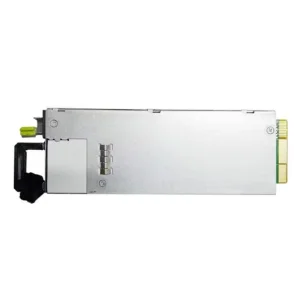
Smart PSU configurations (Platinum/Titanium 94%+ efficiency) aligned with open compute standards (OCP) to drastically lower localized power consumption footprints.
Unifying engineering intelligence and massive manufacturing scales to deploy the next generation of AI compute infrastructures globally.
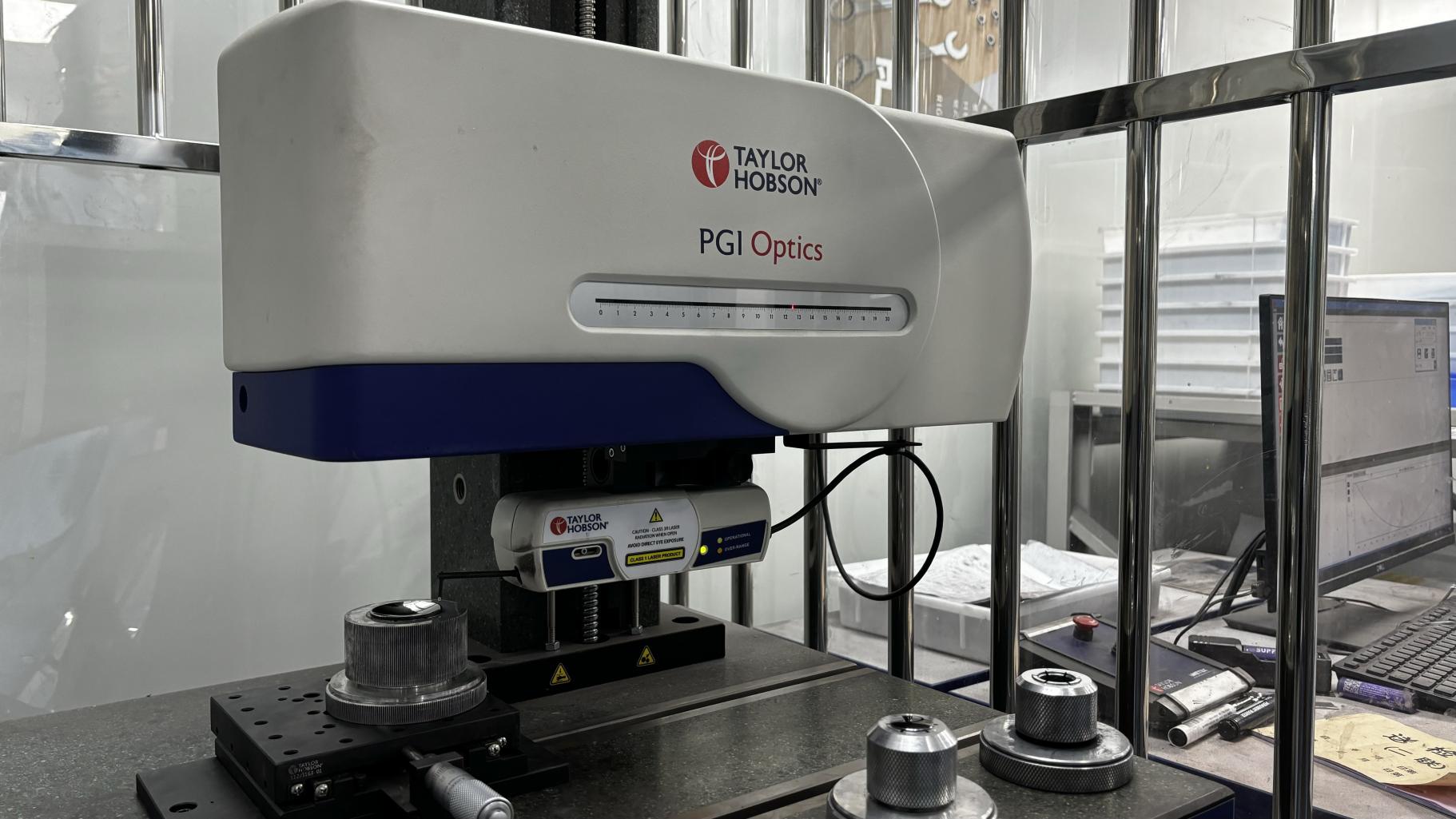
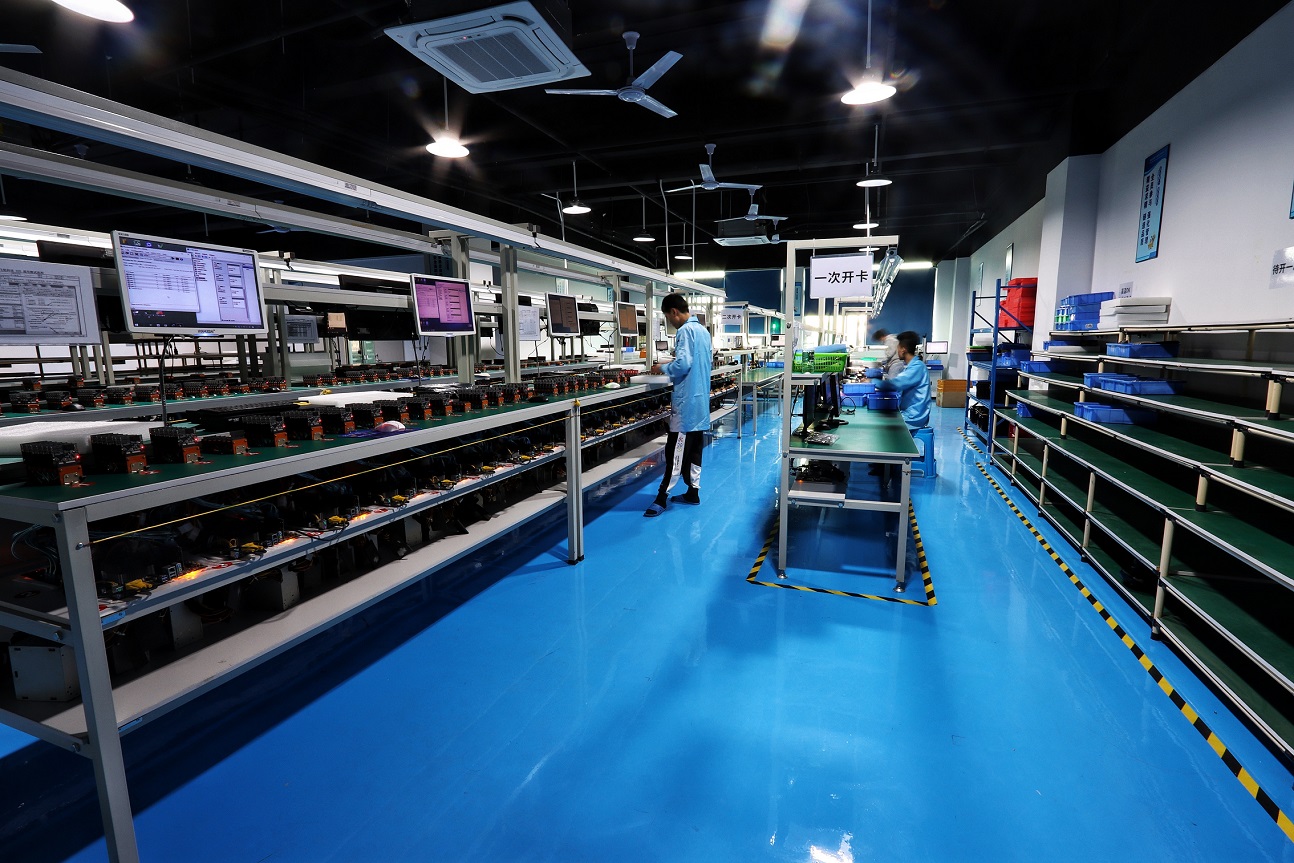
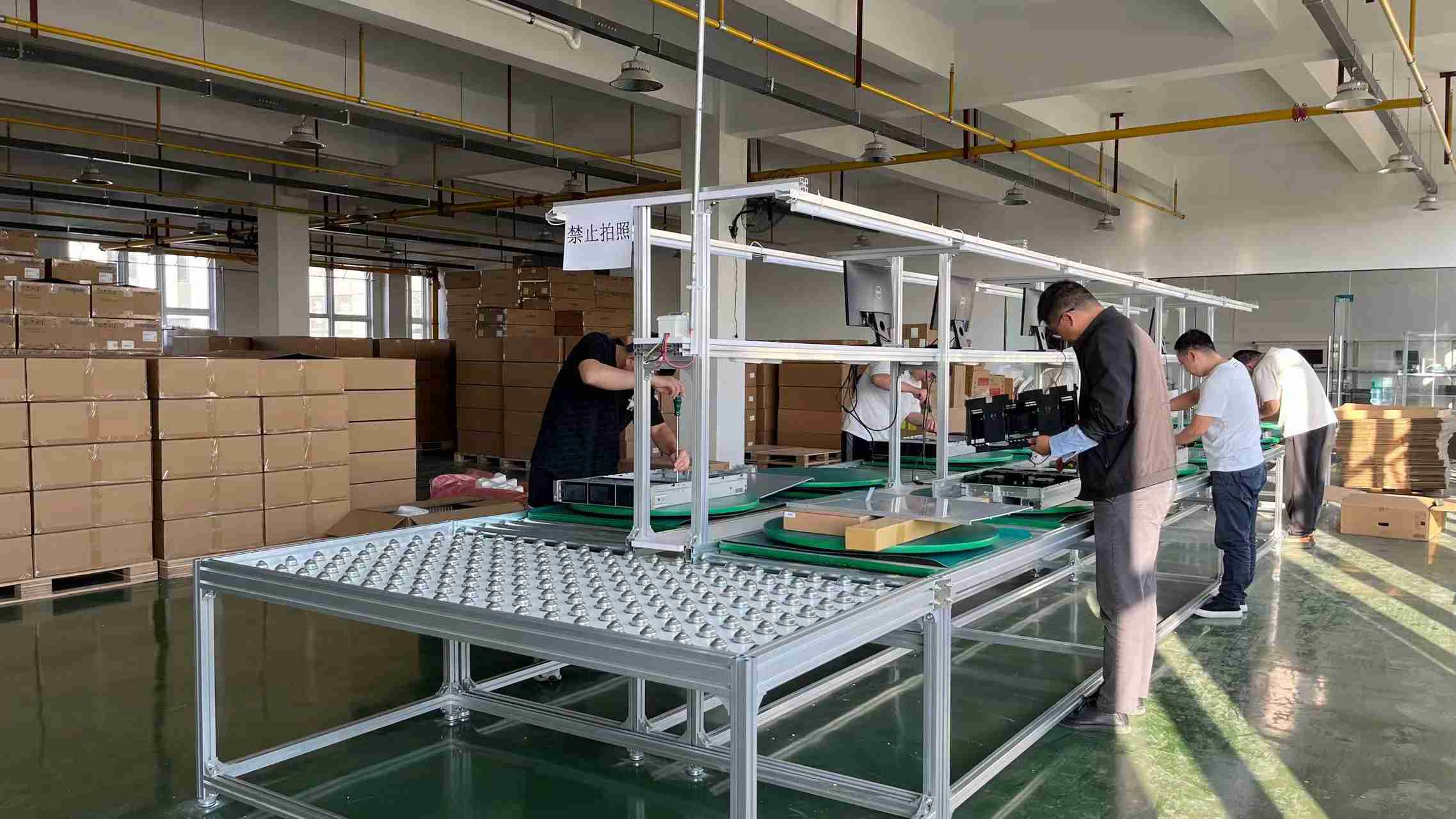
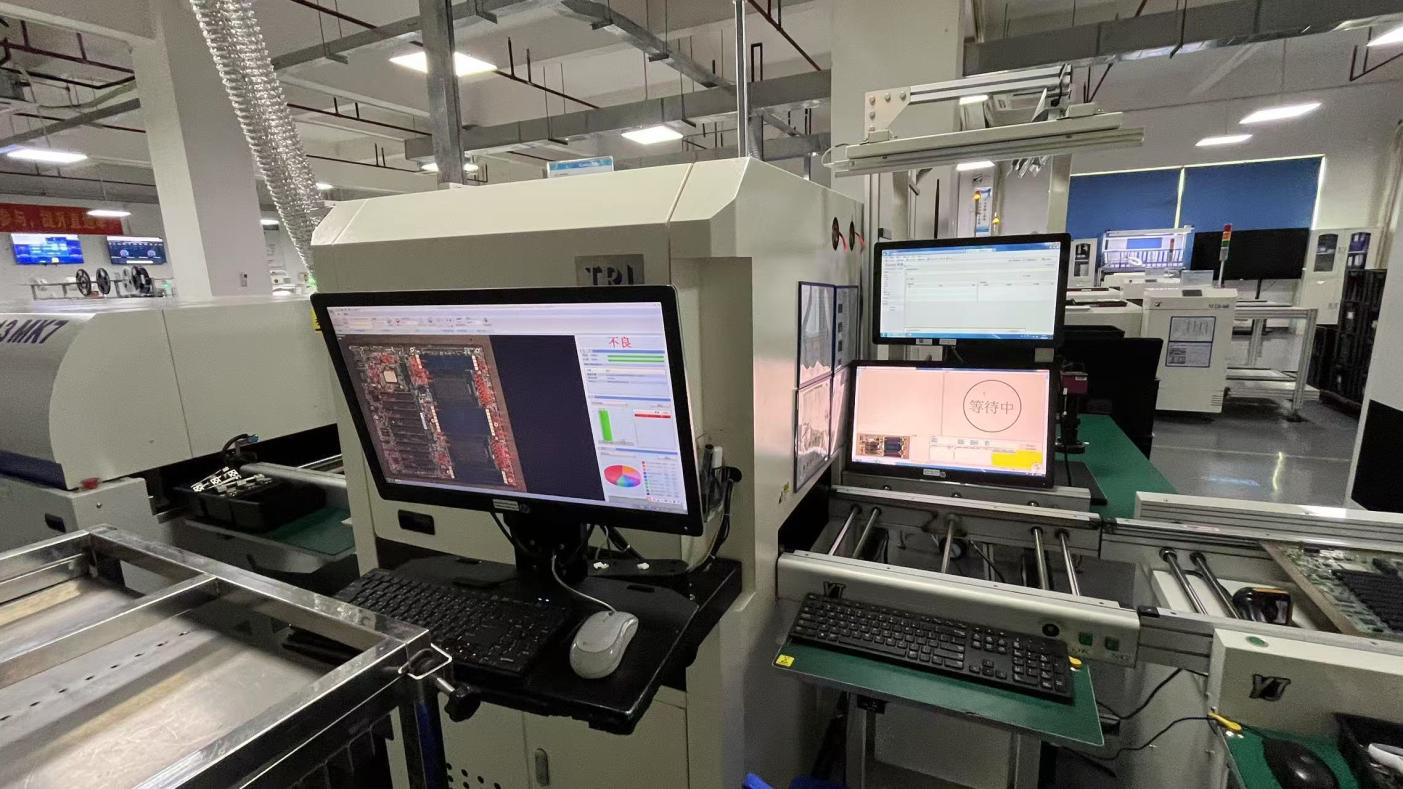
BoltGrid Computing Systems Co., Ltd. stands at the forefront of AI GPU server design and high-performance computing infrastructure. Operating a specialized 18,500㎡ facility, the company delivers high-density system integrations, rigorous stress-load burn-in testing, and thermal evaluations to guarantee extreme compute stability under persistent enterprise workloads.
With an annual export turnover of USD 18 million and a legacy spanning over a decade of domain expertise, BoltGrid coordinates component logistics through a strategic web of 850+ trusted suppliers. This extensive network enables us to secure critical components—including advanced GPU chipsets, high-efficiency system-on-chips, and smart power modules—even during supply constraints, ensuring predictable delivery timelines for our global clientele.
The concentration of precision component manufacturers, circuit board fabricators, and metal sheet workshops within key Chinese high-tech clusters ensures unparalleled development velocity. For global data center operators, sourcing from China-based innovators like BoltGrid offers distinct operational advantages:
Modern computing solutions require highly customized deployments based on physical environment constraints, network latency requirements, and regional energy limitations:
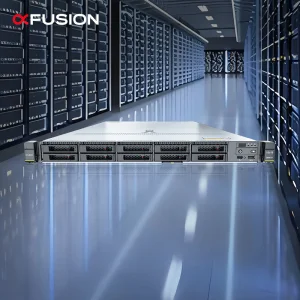
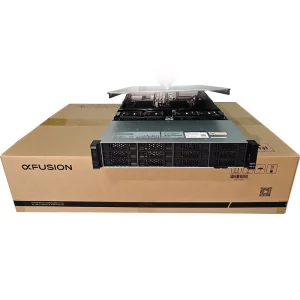
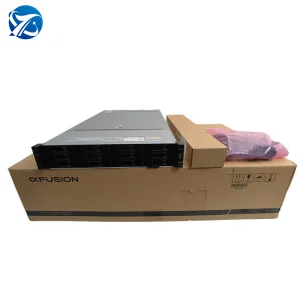
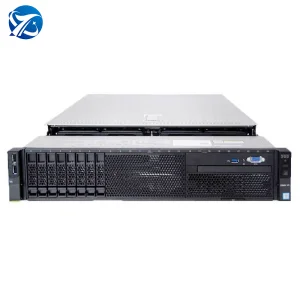
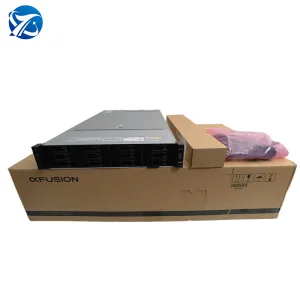
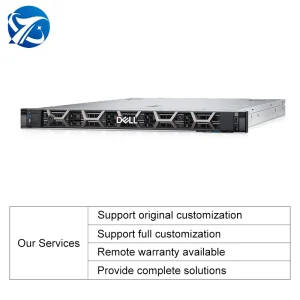
Deploying clustered nodes (using xFusion 2288H V6 or PowerEdge configurations) inside standardized rack footprints. These setups utilize liquid-to-air cooling systems, allowing racks to exceed 30 kW power density thresholds without risking regional thermal overruns.
Compact, ruggedized 1U/2U servers placed inside regional distribution hubs, utility centers, or maritime transport ports. These systems process complex visual inspection feeds and localized telemetry calculations locally, bypassing cloud latency penalties.
Financial, healthcare, and state-backed research labs rely on customized, non-public NAS-coupled GPU servers. These units feature hardware-level root-of-trust authentication and custom storage configurations to satisfy localized data residency mandates.
To stay competitive over a typical 5-year hardware amortization cycle, buyers must build with emerging technological vectors in mind:
As single processor units push past 350W TDP, conventional air-cooling systems are reaching their limits. D2C cooling designs pump dielectric fluid directly across copper blocks to maintain optimal silicon operating temperatures.
Transitioning from rigid legacy server chassis layouts to flexible, disaggregated OCP components. This shift simplifies hardware refreshes, allowing operators to swap compute boards while keeping existing power assemblies.
Smart titanium-rated power units communicate real-time grid metrics to control systems, optimizing power allocation to reduce carbon footprints during non-peak compute cycles.
Securing high-tier data center equipment requires careful alignment of international transport logistics, regulatory clearances, and final system integration steps. Successful procurement managers focus on three main operational pillars:
1. Hardware Standardization & Customization: Work with manufacturers to specify exact BIOS versions, IPMI settings, and custom drive cages before shipping to reduce configuration overhead upon arrival.
2. Transit Shock Mitigation: High-performance computing nodes contain heavy components like heatsinks and GPUs that are vulnerable to shipping damage. Top-tier manufacturers mitigate this risk by using custom-molded high-density foam packaging, internal shipping braces, and shock-monitoring sensors on transit crates.
3. Import Certification & Compliance Checklists: Verify that export documentation aligns perfectly with local regulatory bodies (such as FCC, CE, RoHS, and CCC) to avoid shipping delays at customs checkpoints.
Technical insights, regulatory guidance, and configuration strategies for mission-critical computing infrastructure.
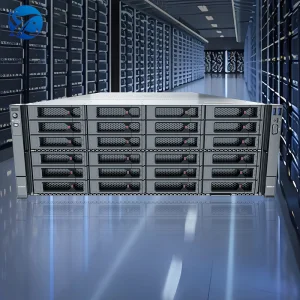
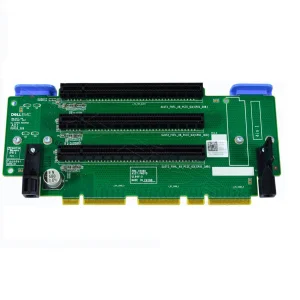
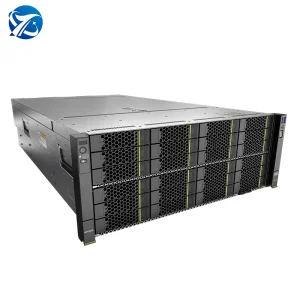
Explore our specialized server line, engineered for seamless integration into enterprise clouds and high-density computing centers.
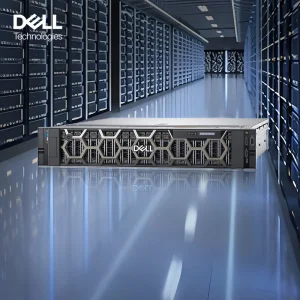
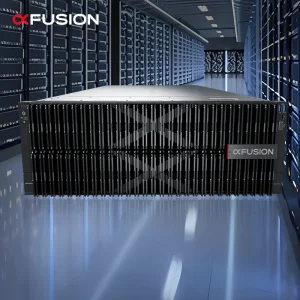
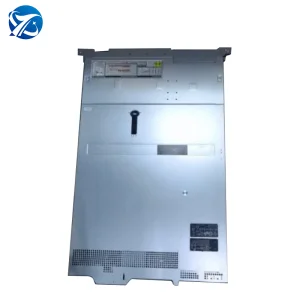
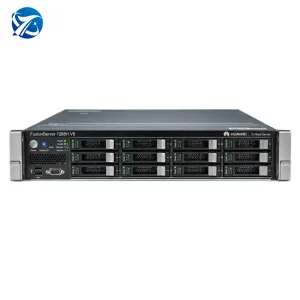
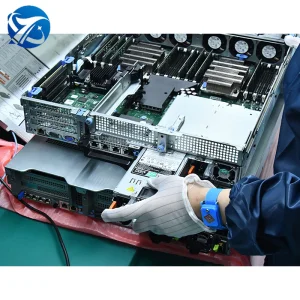
Take a look inside BoltGrid's manufacturing facility and integration floor, where high-density compute nodes are assembled and tested.