BoltGrid
BoltGrid
BoltGrid
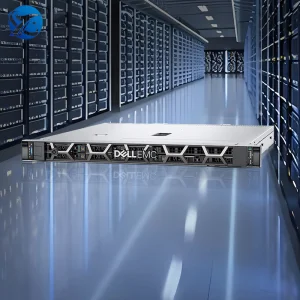
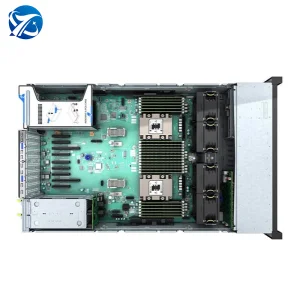
Explore high-density server configurations engineered to process petabytes of unstructured data, manage complex machine learning scripts, and support advanced databases.
Historically, the phrase "Data Analytics Tools" invoked images of isolated software suites, spreadsheets, and SQL query consoles. However, as the world transitions into the era of big data, real-time telemetry, and LLMs like DeepSeek AI, data analytics has fundamentally evolved. Modern analytics requires high-performance computational hardware that can process complex neural networks, perform multidimensional analytics at scale, and reduce data processing latency from hours to milliseconds.
Without hardware accelerators, enterprise-scale data analytics tools simply cannot execute. Global enterprises, research institutions, and digital platforms are increasingly looking at high-density computing clusters, multi-socket rack servers, and GPU-equipped nodes as the primary structural engines of their analytical departments. These systems represent the literal backbone of modern big data systems, allowing enterprises to ingest, clean, store, and analyze diverse data pipelines seamlessly.
As a leading supplier of physical analytics infrastructure, BoltGrid Computing Systems Co., Ltd. has positioned itself at the center of this shift, manufacturing top-tier computational hardware engineered specifically for high-capacity analytical processing and complex machine learning datasets.
Committed to strict global quality standards, BoltGrid manufactures custom computing architectures that power high-concurrency enterprise workloads.
Established in 2016, BoltGrid Computing Systems Co., Ltd. has established a formidable presence in the international hardware landscape. By specializing in high-performance computing (HPC) infrastructure, complex GPU cluster systems, and enterprise data center solutions, BoltGrid bridges the gap between software requirements and raw computing power. Over the past 7 years of active international trade, we have expanded our reach to North America, Europe, Southeast Asia, and the Middle East.
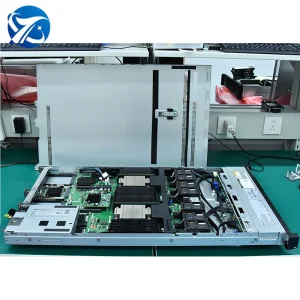
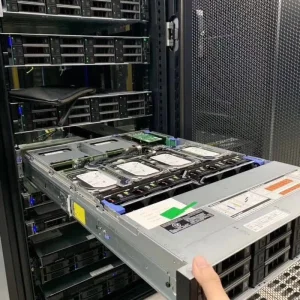
Operating from a state-of-the-art 18,500㎡ facility, the company maintains advanced capabilities in clean-room board-level integration, automated system assembly, and thermal chamber testing. Our dedicated team of 45 professional quality inspectors enforces a rigorous testing protocol, ensuring every server node meets strict performance thresholds under continuous load. Through thermal performance testing, multi-day stress load simulation, and comprehensive full-system burn-in procedures, BoltGrid guarantees maximum uptime and system durability in high-demand analytical hubs.
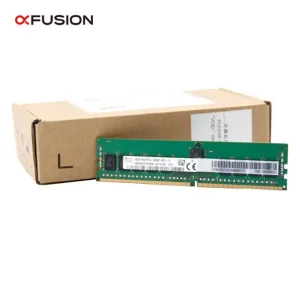
An essential component of BoltGrid's success is its deep supply chain. With a strategic network of more than 850 partners, we secure high-grade processors, memory modules (such as DDR5 RDIMM), durable server chassis, efficient power supplies, and customized liquid-cooling solutions. Driven by a dedicated engineering squad of approximately 120 specialists, BoltGrid introduces about 85 new customized products annually, offering flexible customization options for GPU architecture configurations, memory scalability limits, and form-factor modifications.
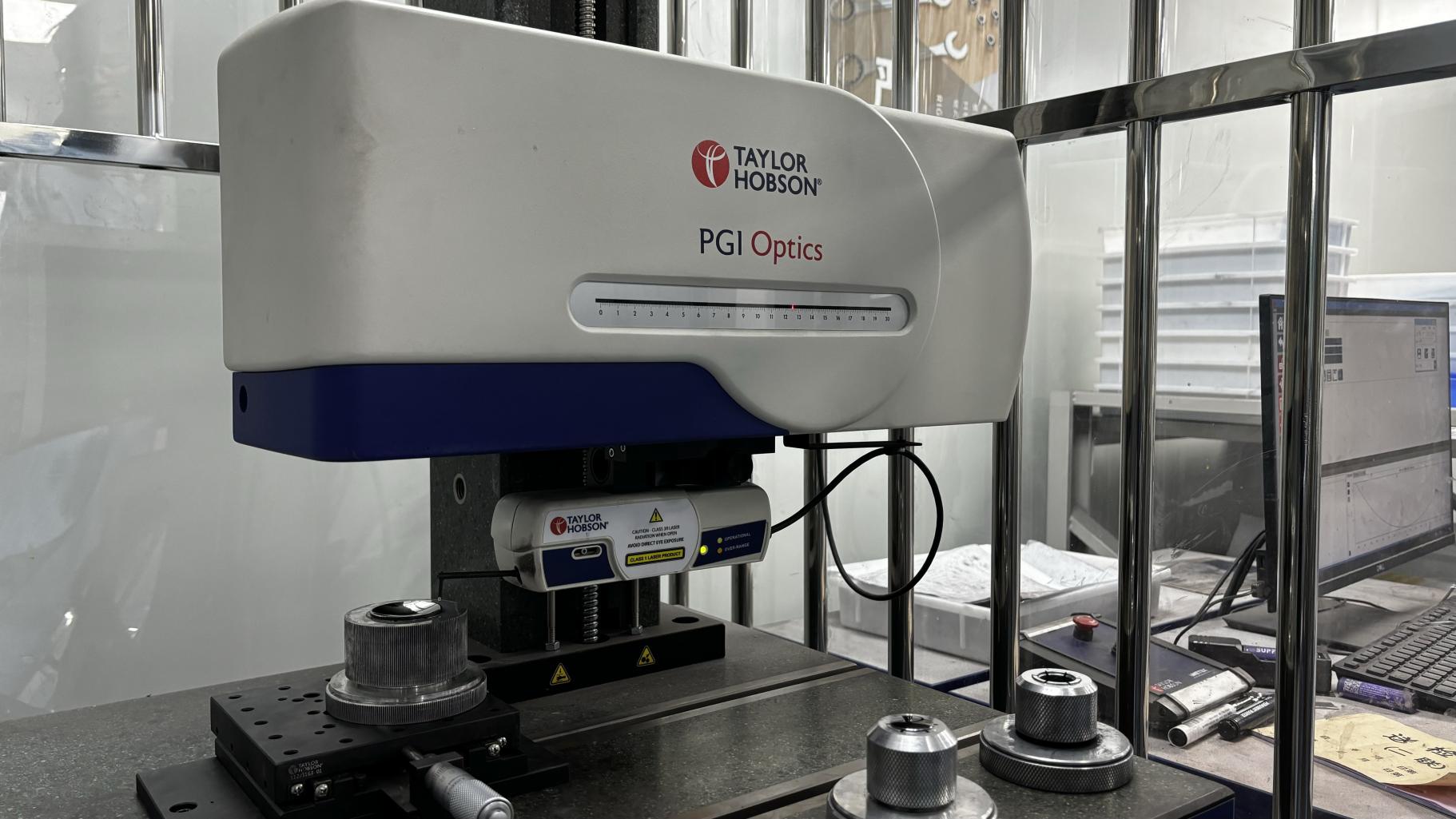
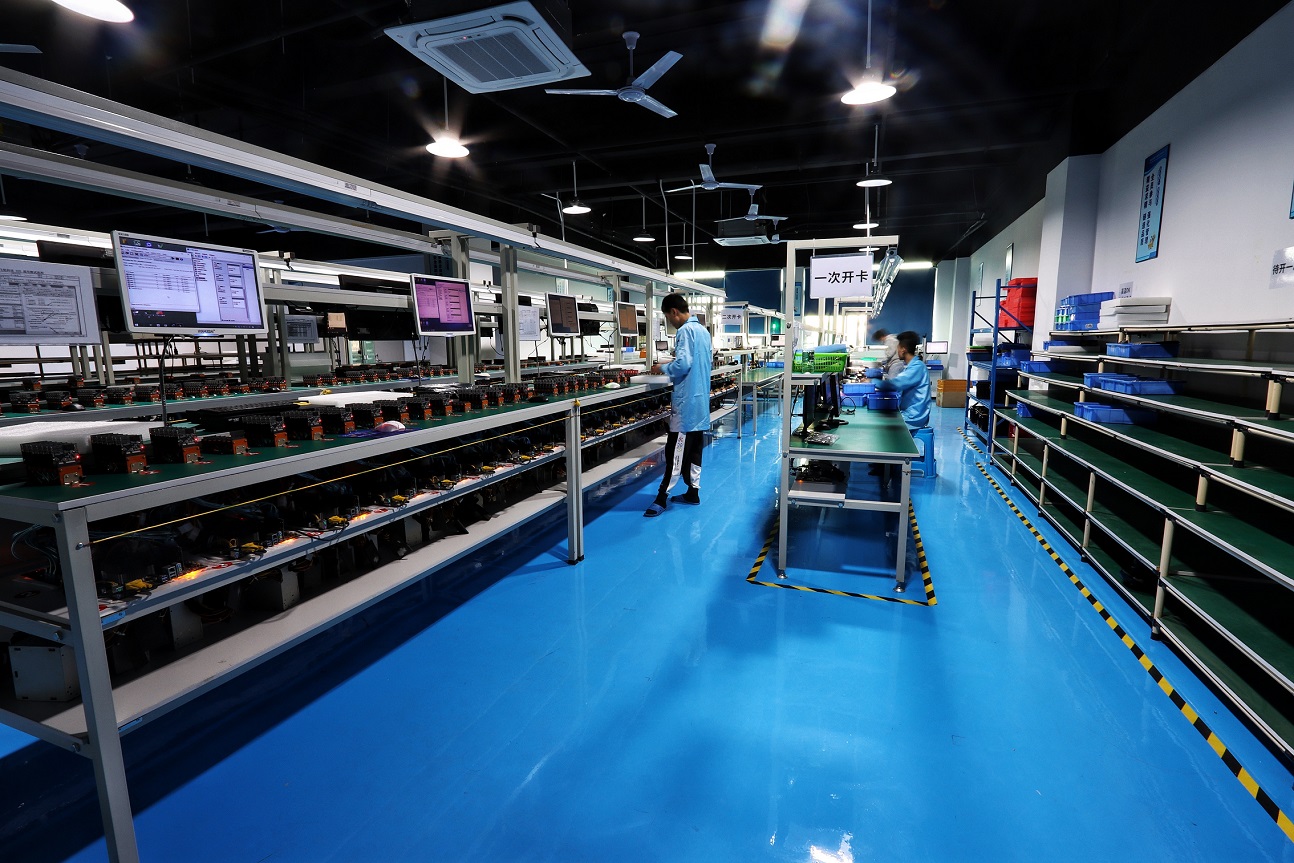
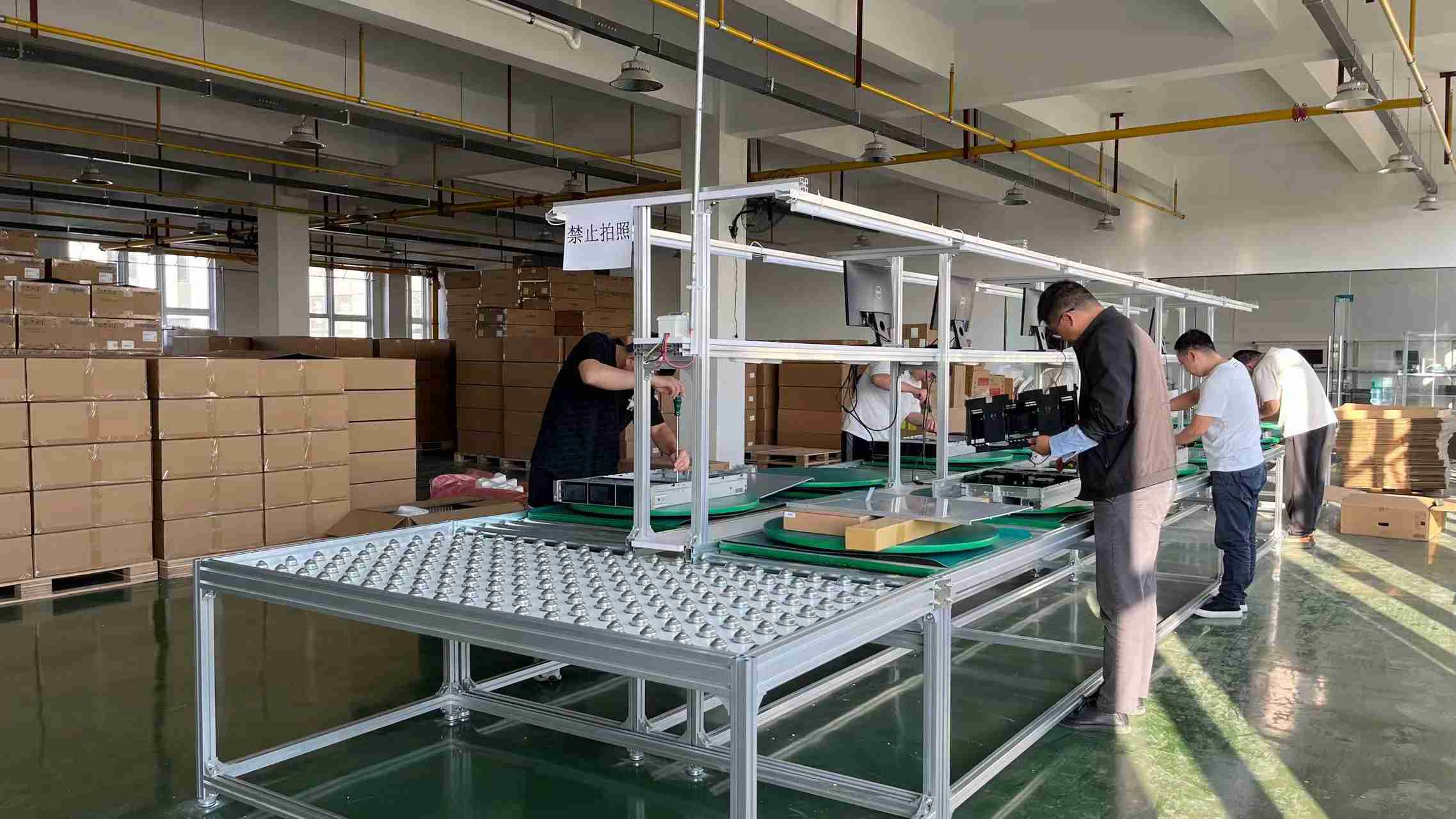
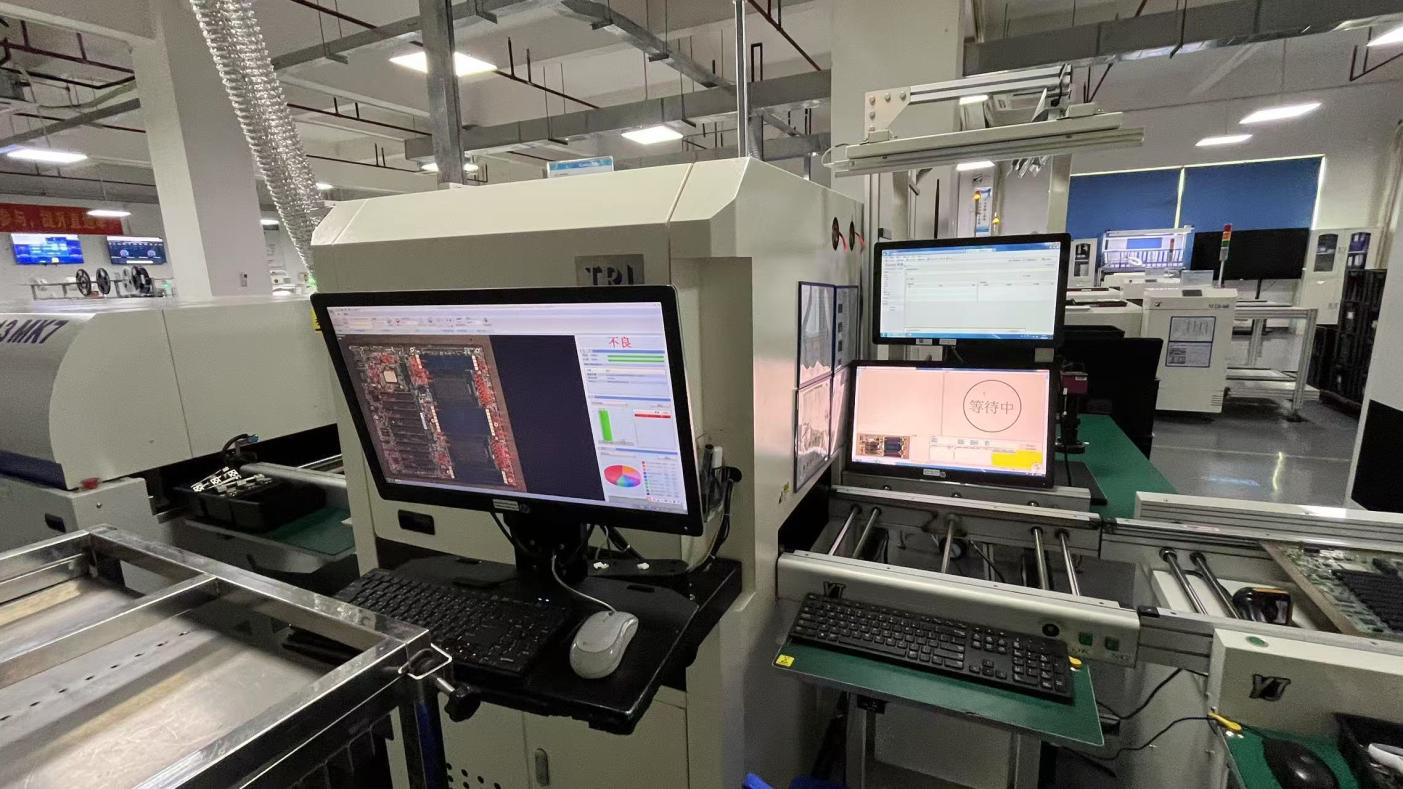
Why global enterprises look to Chinese manufacturing hubs like Shenzhen and Dongguan for high-density, highly customizable server solutions.
Our localized cluster in South China places us minutes away from major chip packaging, PCB fabricators, high-end capacitors, and precision metal-stamping suppliers. This significantly shortens production lead times and reduces supply chain risks.
By streamlining structural configurations and utilizing highly automated assembly lines, Chinese manufacturers deliver comparable or superior compute density at a fraction of the capital expenditure (CapEx) of Western alternatives.
BoltGrid's R&D engineering team can modify board designs, cooling channel pathways, and power distribution boards within weeks, allowing international buyers to construct customized hardware tailored to specific analytical applications.
Deploying specialized computational servers to solve real-world industrial complexities and accelerate complex query workloads.
In the modern financial sector, latency represents lost revenue. By deploying enterprise-grade servers powered by dual Intel Xeon Scalable processors and low-latency DDR5 RDIMM memory modules, financial institutions can model algorithmic risk models and trace fraudulent patterns in real time across millions of concurrent trading pipelines.
Mapping complex genomic structures requires processing hundreds of terabytes of unstructured sequence data. Utilizing hyperconverged hardware platforms loaded with NVMe SSD configurations allows researchers to read and analyze massive datasets simultaneously, accelerating medical research and vaccine development projects.
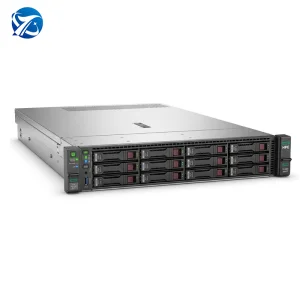
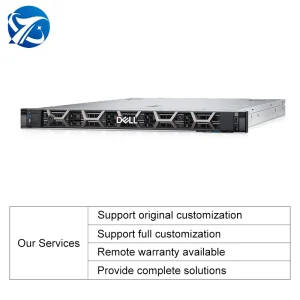
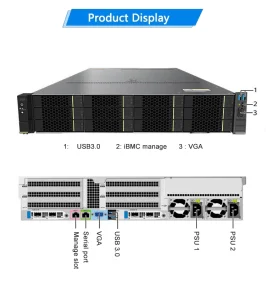
Metropolitan areas with thousands of smart traffic monitors, environmental sensors, and public utility nodes require robust edge-computing centers. BoltGrid's 1U and 2U rack servers serve as the localized data collation nodes, processing stream-data patterns before shipping consolidated packages to the main cloud.
As international organizations re-evaluate their IT budgets and search for long-term reliability, hardware procurement criteria have shifted significantly. Modern IT decision-makers prioritize several key attributes:
1. Total Cost of Ownership (TCO) Optimization: Beyond initial CapEx, the cost of power and cooling over a server's lifecycle represents a major operational expense. High-efficiency power supplies and optimized thermal pathways directly impact overall server reliability and energy bills.
2. Interoperability and Hybrid Cloud Adaptability: Systems must integrate with existing server environments, hypervisors, and orchestration platforms (such as Kubernetes and VMware). Standardized dimensions and standard firmware architectures (IPMI 2.0, Redfish) ensure seamless remote management.
3. Supply Chain Security and Dynamic Customization: Global distributors seek direct access to original manufacturers to secure guaranteed lead times, custom branding (OEM/ODM), and local engineering support to troubleshoot custom installations.
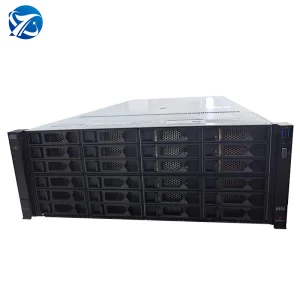
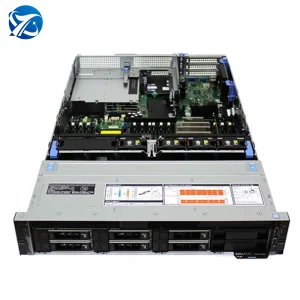
Premium compute hardware optimized for heavy machine learning engines, neural networks, and massive databases.
Discover the next technological leaps that will redefine performance benchmarks in data centers over the next decade.
As processor thermal design power (TDP) surpasses 350W and GPU demands grow, traditional air cooling is reaching its physical limits. Liquid-to-chip direct-contact cooling and immersion cooling configurations will become standard for energy-efficient data centers.
CXL technology will dismantle traditional memory bottlenecks, enabling dynamic memory pooling between multiple CPUs and accelerators. This resource disaggregation helps optimize memory capacity and reduces latency across high-concurrency tasks.
Global ESG regulations are pushing centers to achieve lower Power Usage Effectiveness (PUE) ratings. Hardware manufacturers are refining power supply unit (PSU) conversion efficiency, using biodegradable packaging, and designing hardware for simplified recycling.
Get professional, detailed answers regarding the design, operation, customization, and global shipping of enterprise-grade compute platforms.