BoltGrid
BoltGrid
BoltGrid
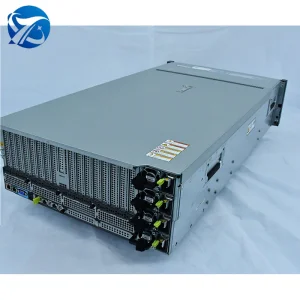
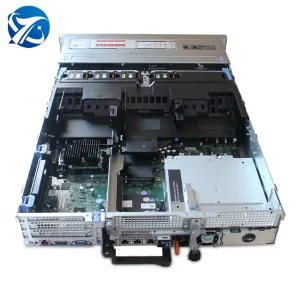

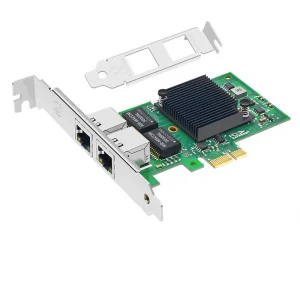
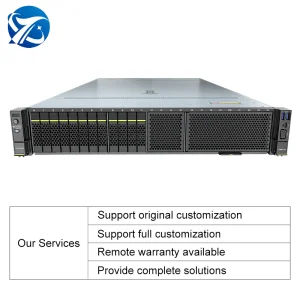
An industry-leading OEM/ODM hardware systems manufacturer specializing in GPU cluster setups, carrier-grade VoIP hardware platforms, and highly optimized server infrastructures.
The telecommunications sector is undergoing a massive architectural shift. Legacy Public Switched Telephone Networks (PSTN) have virtually dissolved, giving rise to Cloud-Native VoIP, Session Initiation Protocol (SIP) trunking, and IP Multimedia Subsystems (IMS). However, the modernization of telecom is no longer limited to digitizing copper wires; the integration of artificial intelligence (AI) at the network edge is the new frontier. Global VoIP solutions now require backend architectures that can handle real-time speech-to-text processing, natural language processing (NLP) routing, automatic translation, and voice analytics directly at the server level.
As VoIP infrastructures evolve from simple voice transmissions to sophisticated intelligent endpoints, they demand highly dense, scalable, and hyper-reliable computing nodes. Real-time media transcoding, deep-learning based voice analytics, and containerized session controllers require server infrastructure optimized for heavy multi-threading and GPU acceleration. BoltGrid Computing Systems addresses this complex requirement by bridging the gap between high-density server computing and customized telecom network hardware.
"Modern telecommunications infrastructure is built on the convergence of low-latency packet switching and deep-learning voice processing. Our hardware designs cater directly to global carriers migrating towards containerized VoIP applications."
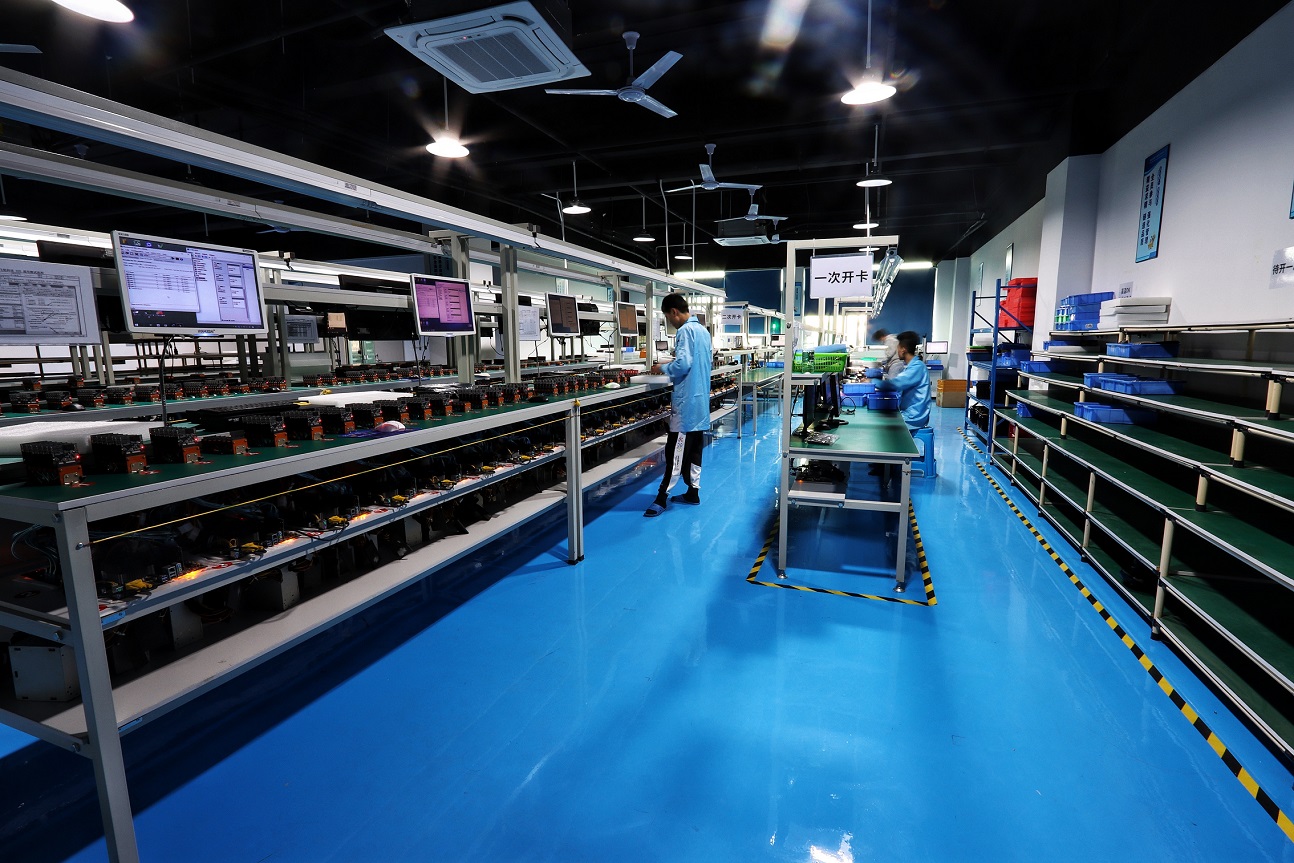
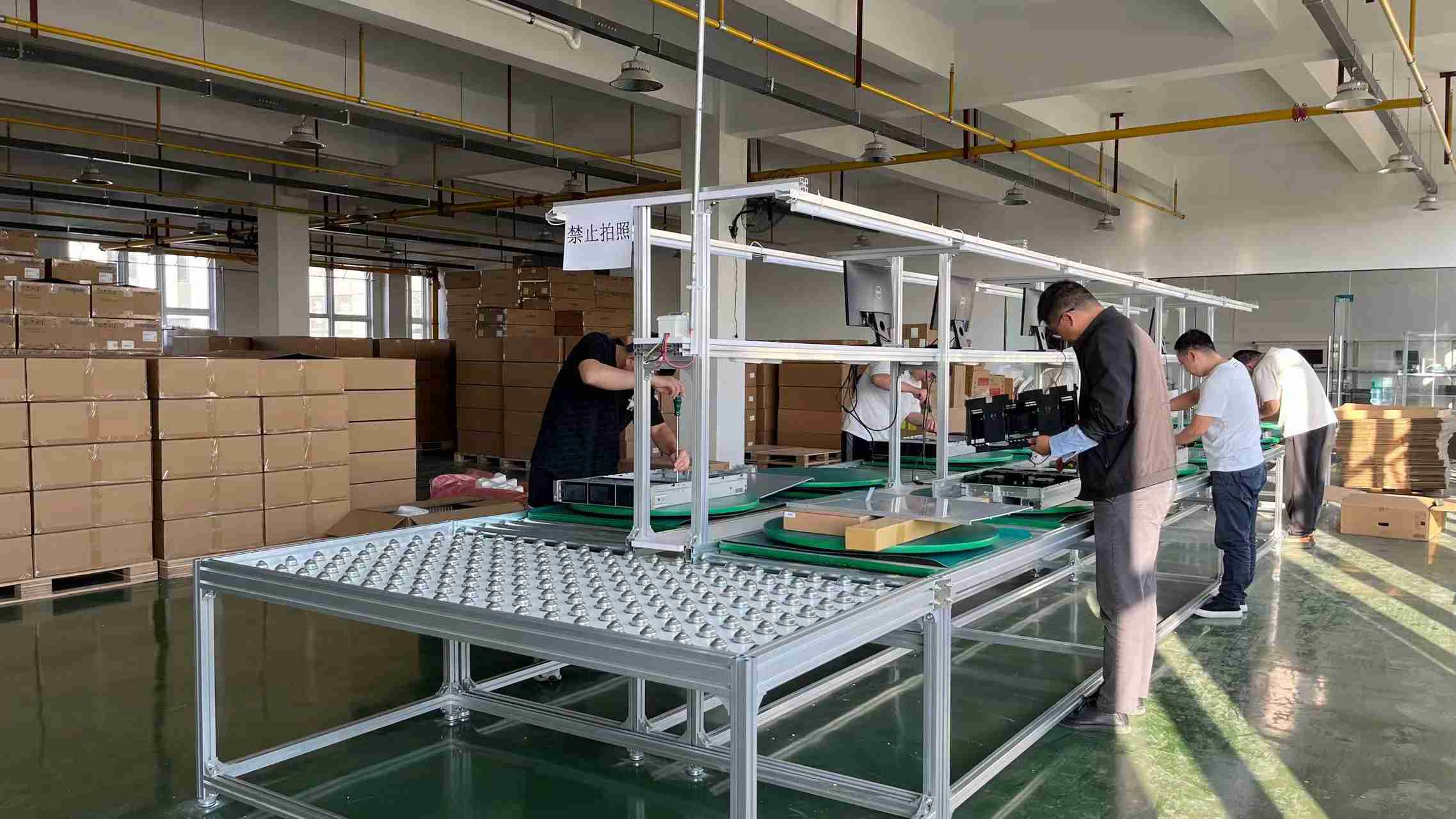
For enterprise procurement officers seeking OEM/ODM partners for telecom VoIP hardware and server infrastructures, China represents the zenith of cost-to-performance efficiency. BoltGrid’s facility in Shenzhen leverages this localized ecosystem to provide unprecedented advantages in rapid prototyping, mass production, and robust supply chain integration.
With an active database of over 850 strategic partners, components ranging from multi-layered PCBs, advanced thermal pipes, chassis enclosures, to complex high-frequency chips are sourced with minimal lead times.
Our team of 120 dedicated engineers develops up to 85 new system configurations annually. We quickly convert a custom block diagram into physical, operational prototypes ready for compliance testing.
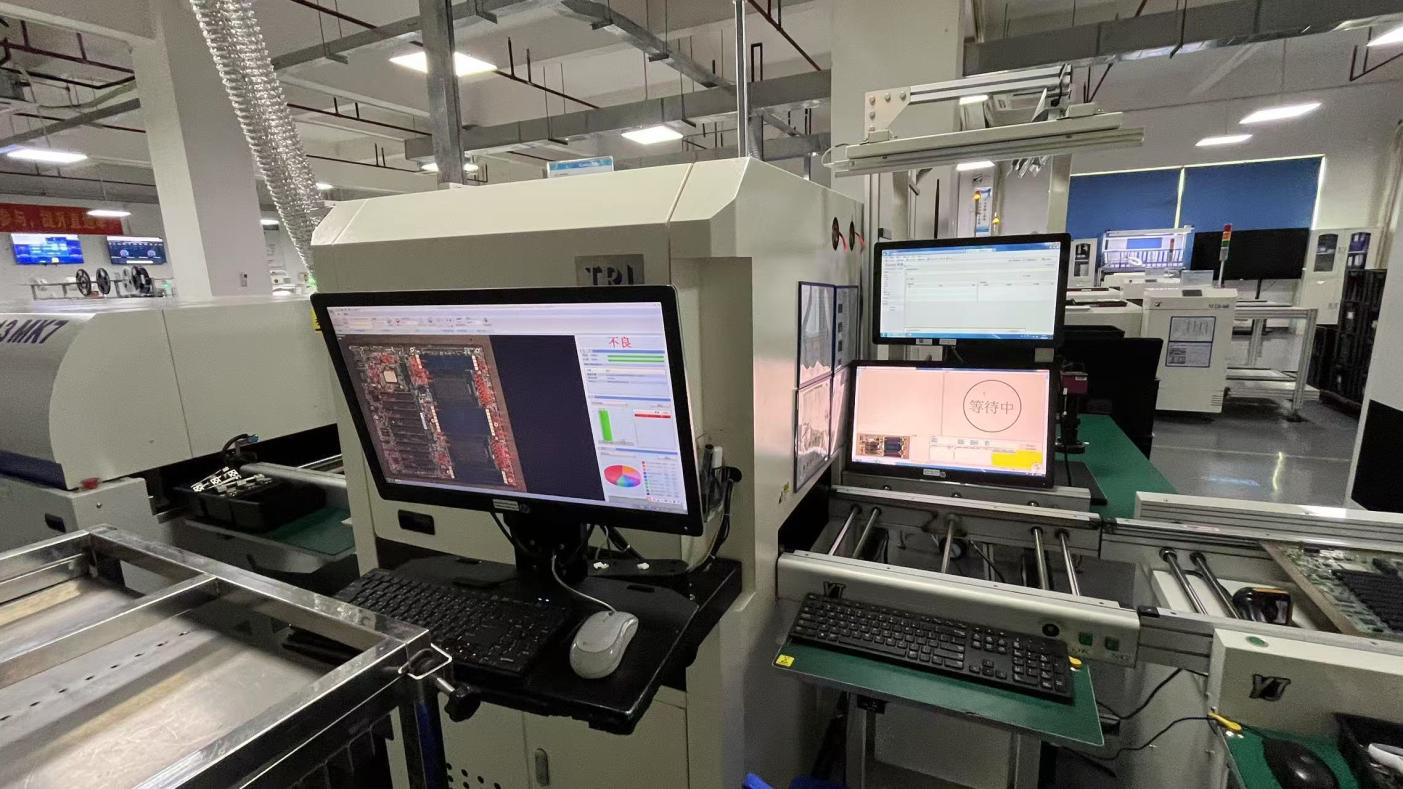
Backed by 45 QA inspectors, we implement system-level burn-in, thermal profiling, stress-load simulations, and electromagnetic compatibility (EMC) testing to meet stringent international standards.
VoIP and computing architectures are deployed across diverse environments. BoltGrid’s OEM/ODM designs are engineered to adapt to localized constraints and regulatory environments:
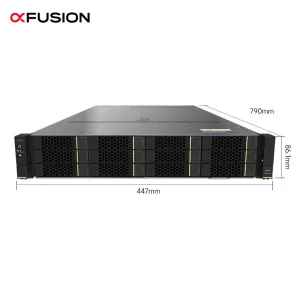
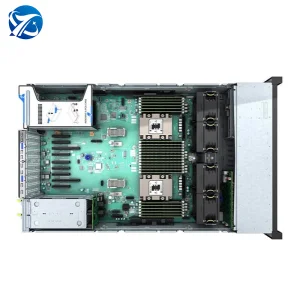
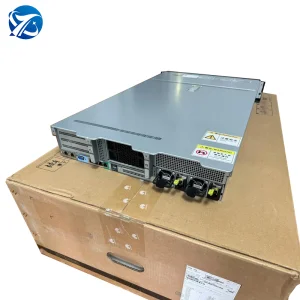
Modern contact centers rely on AI models (such as DeepSeek R1 and large language models) for real-time translation, agent coaching, and emotion analysis. Standard servers often choke under the concurrent workloads of handling audio stream packetization while executing inferencing models. Our high-performance GPU server configurations, such as the xFusion GPU servers, provide the raw compute throughput needed to power thousands of concurrent AI-driven voice streams without introducing latency.
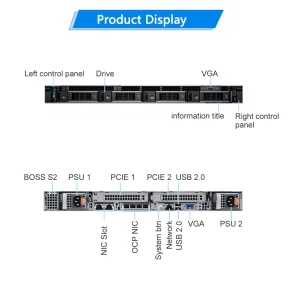
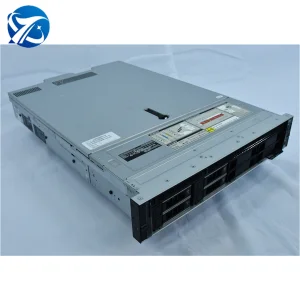
In localized government networks, real-time voice dispatch and video surveillance systems must function at the edge. By utilizing rack-mounted 1U/2U server platforms, local authorities deploy secure, localized clouds to process voice data on-site, ensuring absolute privacy, data compliance, and millisecond-level responsiveness.
Telecommunications service providers require 99.999% uptime for their core session border controllers (SBCs) and softswitches. Our hyperconverged platforms, utilizing dual-socket Xeon processors and redundant Power Supply Units (PSUs), ensure hardware failure does not lead to packet dropouts or customer call disconnection.
Procurement policies within the global ICT landscape are increasingly focused on hardware longevity, vendor transparency, and supply chain sovereignty. As an exporter with over 7 years of international trade operations in North America, Europe, Southeast Asia, and the Middle East, BoltGrid recognizes three critical procurement trends: