BoltGrid
BoltGrid
BoltGrid
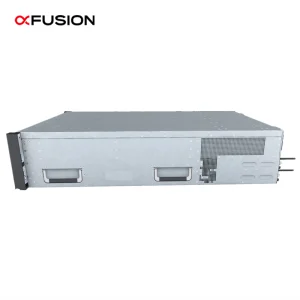
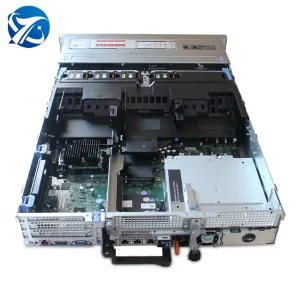
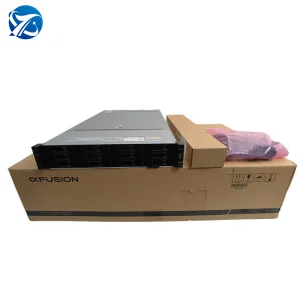
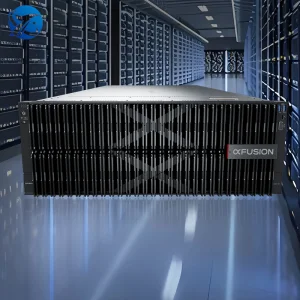
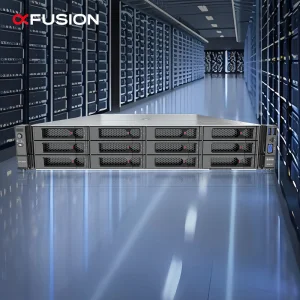
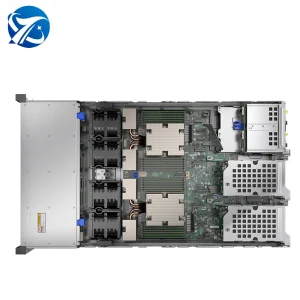
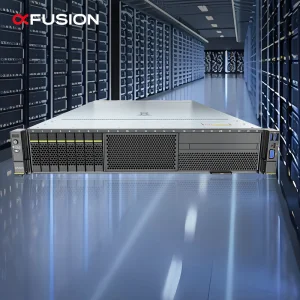
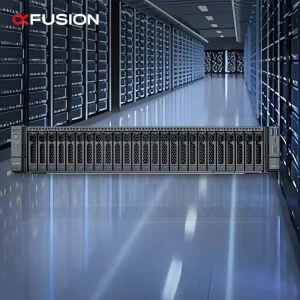
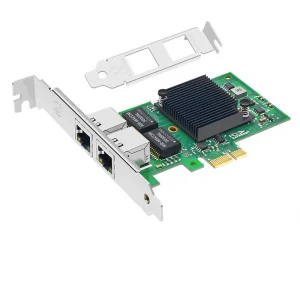
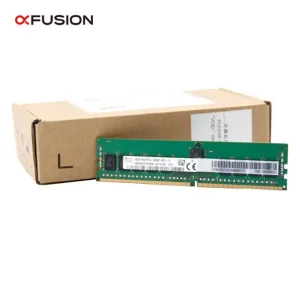
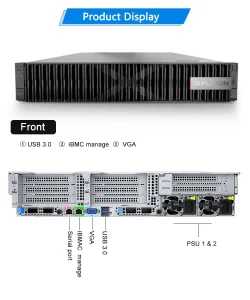
Explore our leading enterprise rack servers, AI GPU host systems, and specialized hardware units engineered for intense data processing and network architectures.
Building the backbone of modern artificial intelligence clusters and massive datacenters globally.
BoltGrid Computing Systems Co., Ltd. is a prominent, professional AI GPU server manufacturer and custom networking equipment developer specializing in high-performance computing (HPC) infrastructure, GPU cluster systems, and enterprise-grade AI data center solutions. Since our inception in 2016, we have consistently expanded our technical scope, structural capabilities, and design pipelines to deliver state-of-the-art computational and network hardware configurations optimized for deep learning, scientific computing, and enterprise workloads.
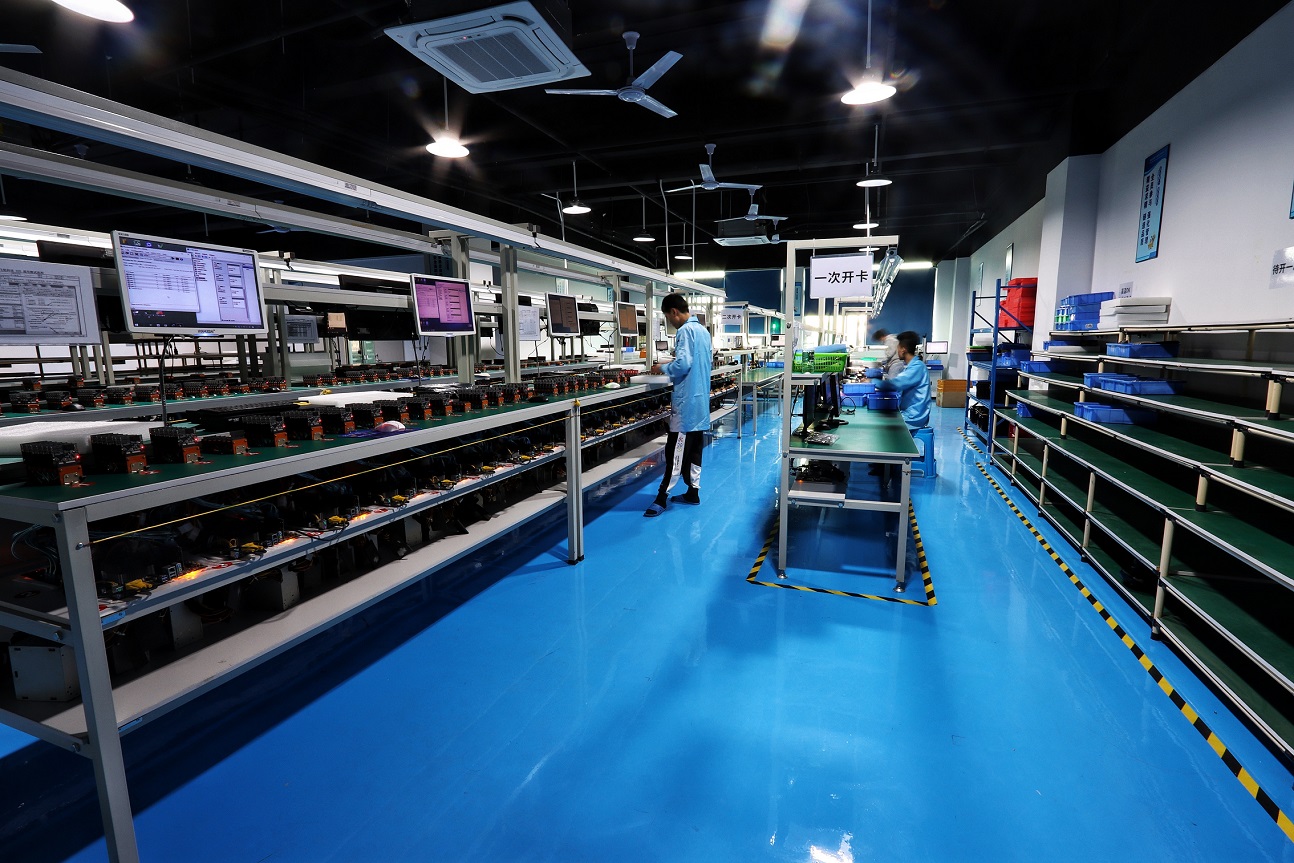
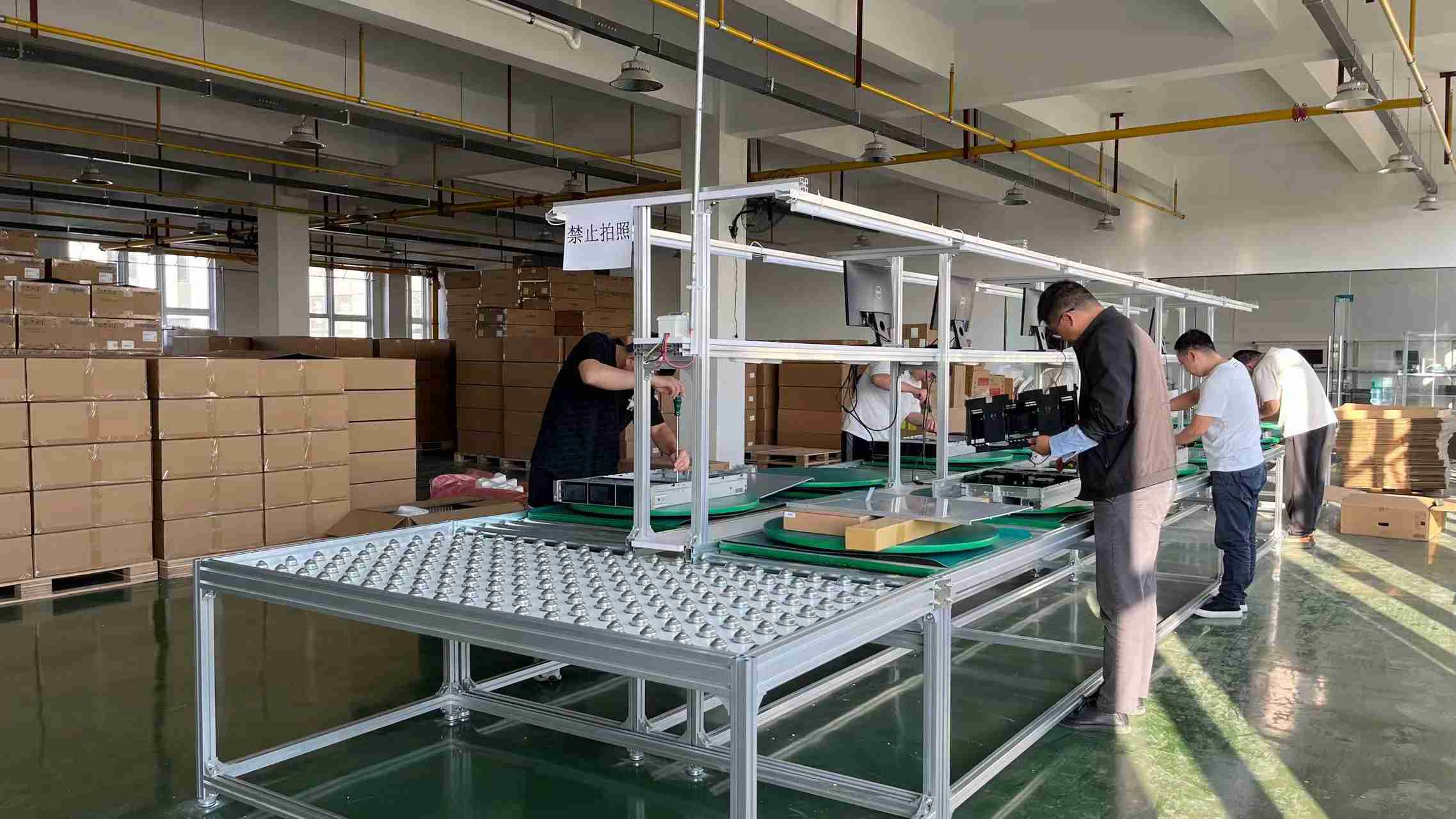
Operating a modernized manufacturing and assembly facility spanning approximately 18,500 square meters, BoltGrid hosts advanced machinery capable of supporting large-scale system integration, physical testing, and system optimization. With our annual export revenues exceeding USD 18 million, our global logistics network and reliable trade processes have supported mission-critical deployments for over 7 years across major markets in North America, Europe, Southeast Asia, and the Middle East.
The convergence of large language models, low-latency fabrics, and high-density computing is redefining the modern data center.
As deep learning training operations scale across thousands of nodes, traditional network architectures experience severe bottlenecks. The industry has dramatically shifted toward 200Gbps, 400Gbps, and 800Gbps interconnect networks utilizing RDMA over Converged Ethernet (RoCE v2) or InfiniBand. This reduction in tail-latency directly correlates to accelerated model convergence and optimized GPU cluster utilization.
Global hyperscalers are driving standard-based open Ethernet alternatives to proprietary fabrics. This consortium focuses on modifying transport, link, and physical layers to optimize large packet streams essential for distributed AI applications. BoltGrid designs network node systems that fully comply with emerging UEC open specifications, guaranteeing hardware interoperability.
Thermal Design Power (TDP) per rack is climbing to unprecedented thresholds (frequently exceeding 50kW to 100kW per cabinet). Addressing this thermal density requires a dual shift: integrating liquid cooling blocks at the node level, and preparing physical layouts to support Co-Packaged Optics. These innovations dramatically lower network latency, power requirements, and total operational footprint.
Decoupling hardware criteria to match technical capability with strategic cost-efficiency.
Modern procurement directors focus heavily on server power supply unit (PSU) efficiency and operating costs over a 3-to-5-year life cycle. By specifying 80 PLUS Titanium and Platinum redundant power supplies (ranging from 800W to 2000W+ per unit), we ensure that conversion loss is minimized, lowering the datacenter's operational PUE.
Accelerating throughput between high-speed NVMe drives, custom network interface cards (NICs), and processing arrays is critical. Selecting architectures that support native PCIe Gen 5.0 lines allows maximum lane throughput without relying on switches that introduce latency penalties, ensuring that I/O limits never bottleneck computing resources.
With an ecosystem of over 850 strategic partners, BoltGrid mitigates procurement risks concerning semiconductor shortages. Strategic sourcing ensures that high-grade DDR5 memory modules, complex system controllers, and enterprise-grade chassis components remain in continuous supply, supporting prompt delivery schedules.
Tailoring complex system integration across scientific research, high-frequency finance, and public clouds.
Designed for public cloud providers delivering virtual GPU machines. We supply high-density rack configurations (1U, 2U, and 4U form factors) equipped with NVMe arrays, massive memory layouts, and secondary PCIe expansion interfaces for high-performance interconnects, guaranteeing maximum multitenancy isolation.
Optimized for academic research and public science projects requiring massive floating-point operations. By tailoring custom system layouts featuring dual-socket Intel/AMD processors paired with specialized liquid-to-air cooling loops, our platforms handle sustained, long-term calculations under maximum thermal loads.
For institutions running algorithmic trading engines. These hardware solutions require deterministic latency across network interfaces. BoltGrid configures custom BIOS parameters, high-speed RAM layouts (ECC DDR5), and specific RAID controller arrays to guarantee fast data ingestion and command execution.
How our engineering team transforms bespoke compute requirements into optimized physical realities.
BoltGrid employs roughly 120 dedicated system engineers specializing in GPU host optimizations, thermal dynamic testing, and mechanical architecture layouts. We design, prototype, and release approximately 85 new product configurations annually, assuring that our partners always have access to the latest interface platforms and architecture designs. Our customization pipelines cover:
Custom 1U, 2U, and 4U chassis layouts engineered for rack cabinets of varying depth limitations (including short-depth structures for edge deployments). We modify internal layouts to improve airflow paths, optimize card support brackets, and configure localized drive cage structures.
Using computational fluid dynamics (CFD) modeling, our engineers analyze thermal behaviors within high-density environments. This enables us to design fan curves, shroud placements, and liquid-cooling cooling plates that keep high-TDP processors stable under constant heavy computing cycles.
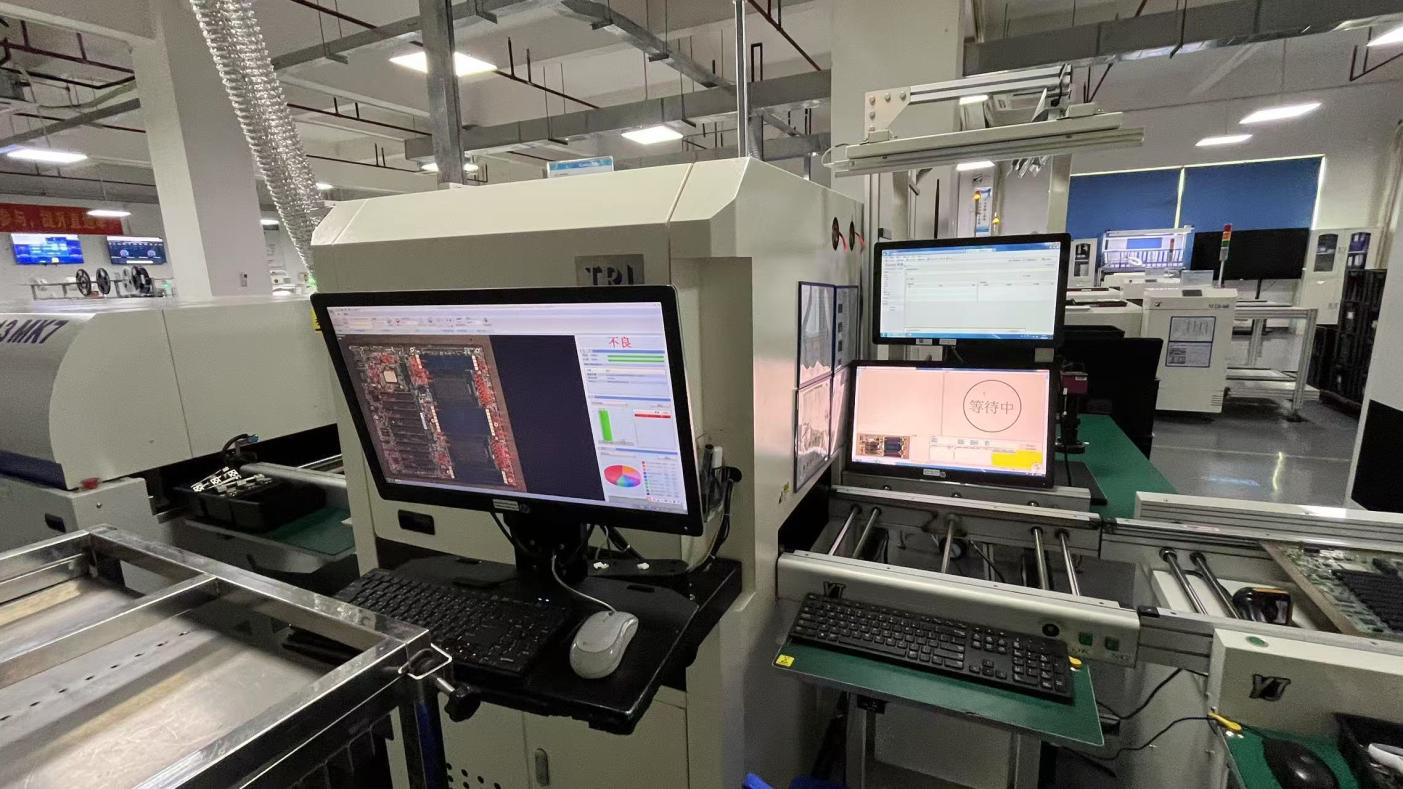
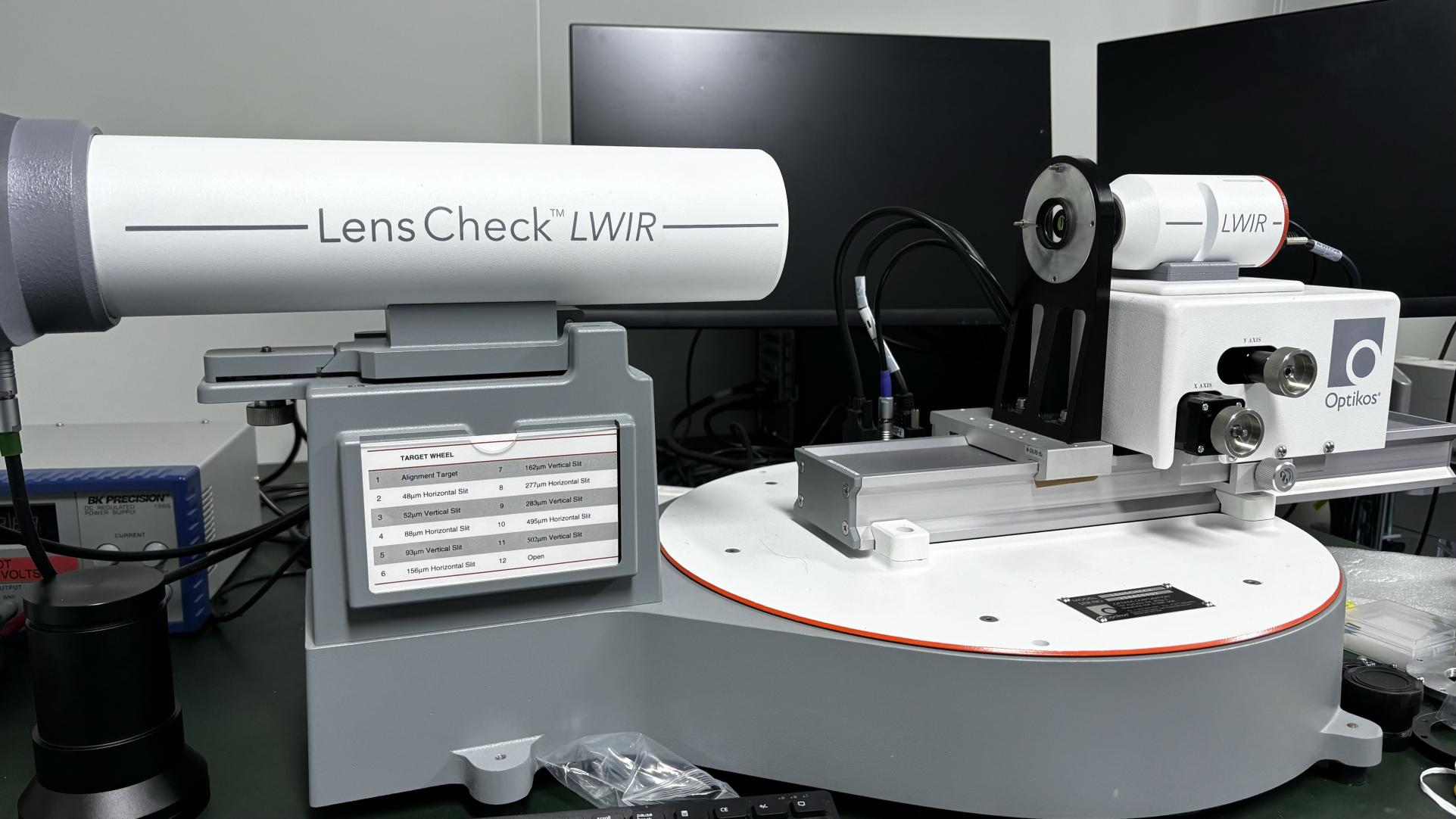
Supported by a professional quality assurance team of 45 inspectors, every system undergoes rigorous validation. Our quality verification includes thermal stress cycling, high-vibration structural testing, complex load simulation, and extended system burn-in procedures to ensure operational stability before shipping.
Preparing our systems for the next decade of scalable, hyper-density workloads.
We are actively developing mainboards supporting CXL 2.0 and 3.0 protocols. This technology allows memory pooling and device resource sharing across computing arrays, reducing latency while maximizing physical memory capacity for large-scale datasets.
By transitioning standard platforms toward hybrid cooling designs, we facilitate easier integration into legacy air-cooled datacenters while supporting high-power accelerators that typically require dedicated liquid systems.
We work closely with open-source communities to optimize firmware configurations specifically for distributed platforms. This optimization mitigates memory overhead, decreases system boot delays, and enhances driver stability.
Technical clarifications on manufacturing capability, options, and server configurations.
BoltGrid supports comprehensive OEM/ODM customization. This includes custom chassis designs (ranging from short-depth 1U edges to 4U high-density storage units), specific power configurations (AC/DC redundant configurations, 110V-240V ranges), PCIe lane allocations, custom branding/logo integration, BIOS splash screen changes, and specific component pre-testing (selecting specific SSD, memory, and accelerator models).
Our quality verification involves a rigorous testing pipeline led by our 45 QA inspectors. Before shipping, each server undergoes a full configuration inspection, including hardware stress tests (running computing units at 100% capacity), long burn-in tests, thermal performance checks, memory diagnostic tests, and PCIe interface validation to guarantee complete hardware stability.
Yes. Our GPU servers, computing systems, and networking solutions are engineered to support major Linux distributions (Ubuntu Server, Red Hat Enterprise Linux, Rocky Linux) and virtualization tools. Hardware configurations are designed to optimize host-to-device communications, ensuring seamless deployments for PyTorch, TensorFlow, and distributed inference engines.
All servers produced at our facility undergo regulatory certifications based on destination requirements. This includes CE, FCC, RoHS, and UL approvals, assuring compliance with global safety, emission, and environmental directives.
A glimpse inside our facility, showcasing assembly, quality testing, and server integration spaces.
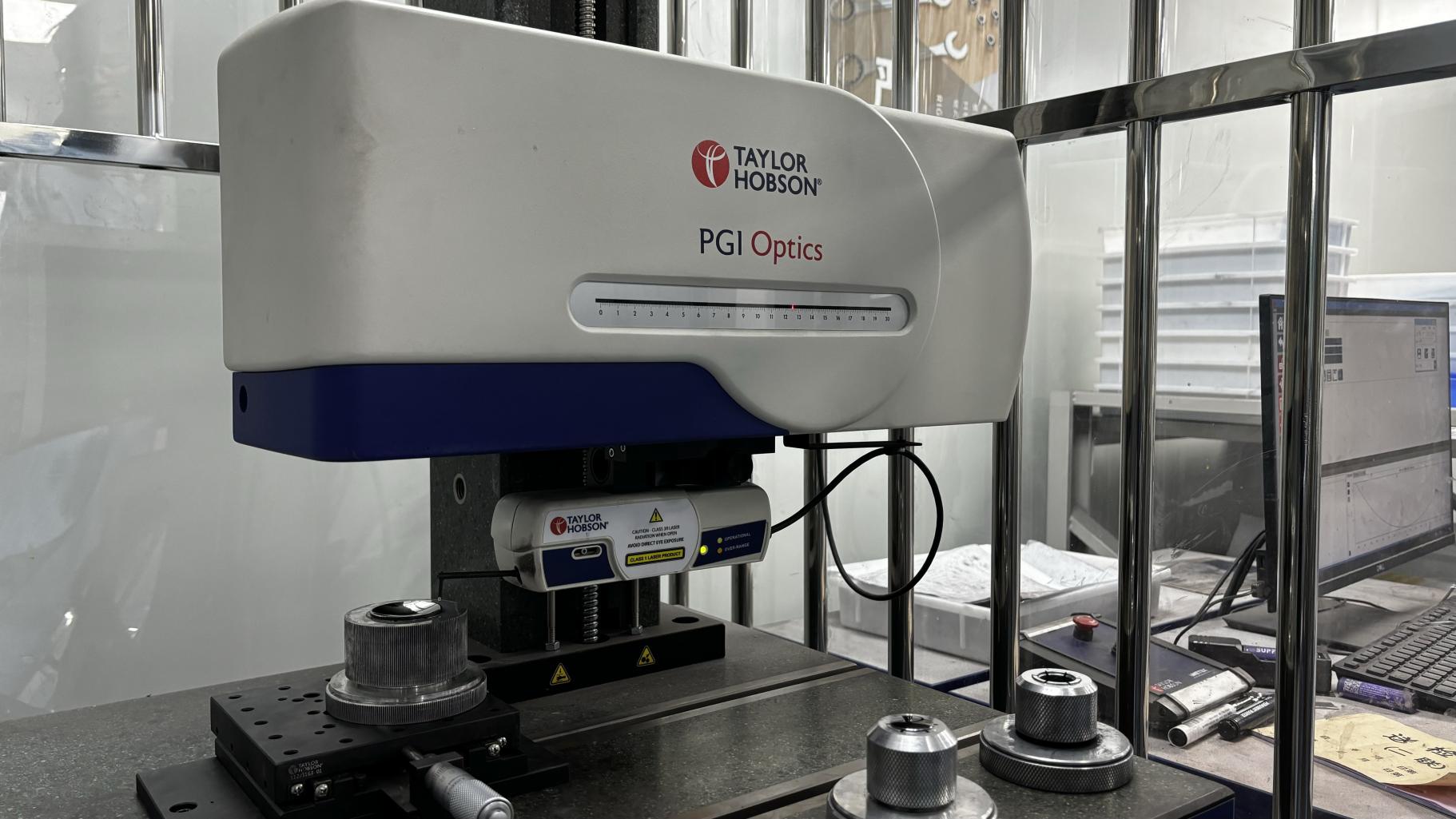
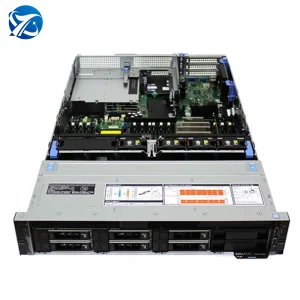
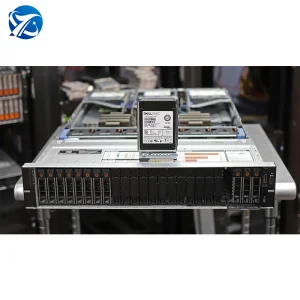
Find advanced server racks, low-latency array cards, and high-performance memory modules for scaling network capability.