BoltGrid
BoltGrid
BoltGrid
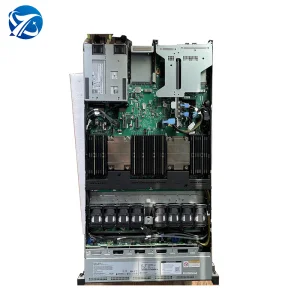
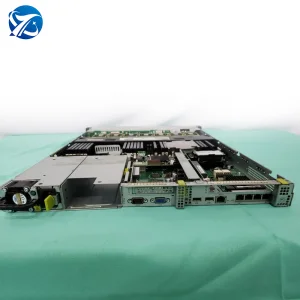
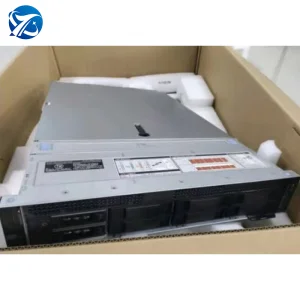
Custom OEM/ODM network appliances and high-density rack computing arrays designed for heavy application deliveries and scalable clustering deployments.

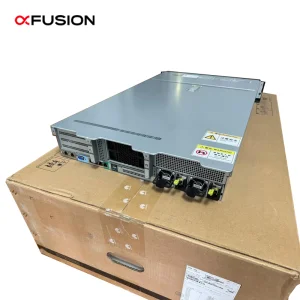
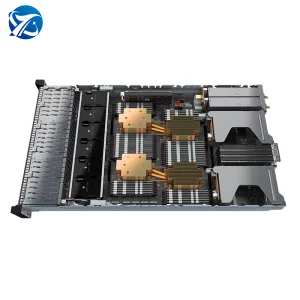
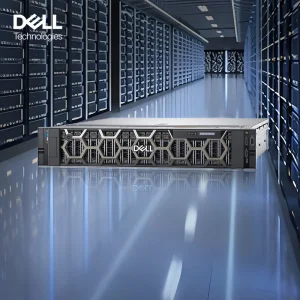
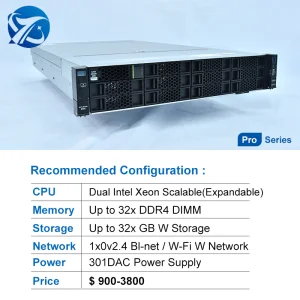
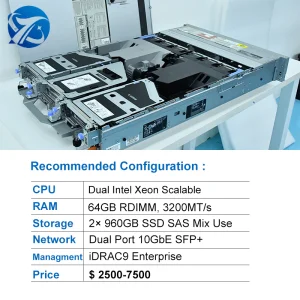
BoltGrid Computing Systems Co., Ltd. is a professional AI GPU server and high-performance load balancing hardware manufacturer, specializing in high-performance computing infrastructure, GPU cluster systems, and enterprise data center application delivery solutions.
Established in 2016, our corporate foundations stand on a deep legacy of hardware design, thermal management research, and network load distribution architecture. With 12 years of industry experience, our dedicated engineers and software teams help global data centers bridge the gap between heavy hardware availability and seamless application load distribution.
Operating out of an 18,500㎡ modern manufacturing facility, we execute component integration, structure metal prototyping, motherboard configuration testing, and comprehensive burn-in procedures under one roof. By integrating a network of over 850 strategic hardware partners, we secure high-performance GPUs, custom server chassis, high-efficiency power supplies, and specialized cooling solutions at optimized lead times.
An engineering insight into why compute-aware traffic distribution is critical to avoiding hardware starvation and bottlenecks in GPU cluster pipelines.
Traditional Application Delivery Controllers (ADCs) and load balancers have historically focused on network layers (Layer 4 TCP/UDP) and application layers (Layer 7 HTTP/HTTPS/gRPC). In standard enterprise environments, round-robin, least connections, or IP hashing protocols were sufficient to route standard database queries and static web assets.
However, with the rapid acceleration of AI inference, deep learning model execution, and LLM (Large Language Model) deployments, compute resources face dynamic workloads with varying processing costs. An LLM request handling a long context window consumes orders of magnitude more GPU memory and tensor execution cycles than a short query. Static network load distribution cannot prevent some GPU nodes from suffering memory starvation (under-utilization) while adjacent nodes undergo Out-of-Memory (OOM) failures.
Compute-Aware Load Balancing is the solution. BoltGrid’s hardware architectures integrate system telemetry (monitoring GPU utilization, VRAM capacity, chip temperature, and PCI Express bandwidth) directly with the load balancing controller. By routing incoming inference pipelines according to real-time microsecond-level hardware statuses, overall system throughput increases by up to 30%, while latency tails (p99) drop significantly.
Leveraging the Shenzhen-Dongguan hardware ecosystem, BoltGrid achieves rapid industrial design and prototyping. From custom sheet-metal chassis fabrication to rapid PCB spin-offs and custom power board configurations, our physical engineering cycle operates up to 3x faster than Western counterparts. High-level supply localization means we sourcing server components, optical modules, backplanes, and cooling fans with zero long-distance logistics delay.
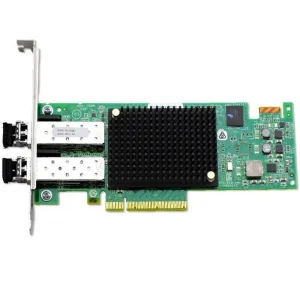
Our OEM load balancer appliances feature optional DPU (Data Processing Unit) and SmartNIC acceleration cards. By offloading resource-intensive tasks like TLS/SSL decryption, payload parsing, and packet steering away from the main CPU, our hardware solutions process millions of concurrent requests at sub-millisecond latencies, protecting valuable host CPU cycles.
Every system integrated within our 18,500㎡ facility undergoes rigorous testing overseen by our 45 QA inspectors. Compliance certifications (CE, FCC, RoHS, CCC) are standard. BoltGrid ensures components used are traceable, meeting strict enterprise supply chain risk-mitigation demands.
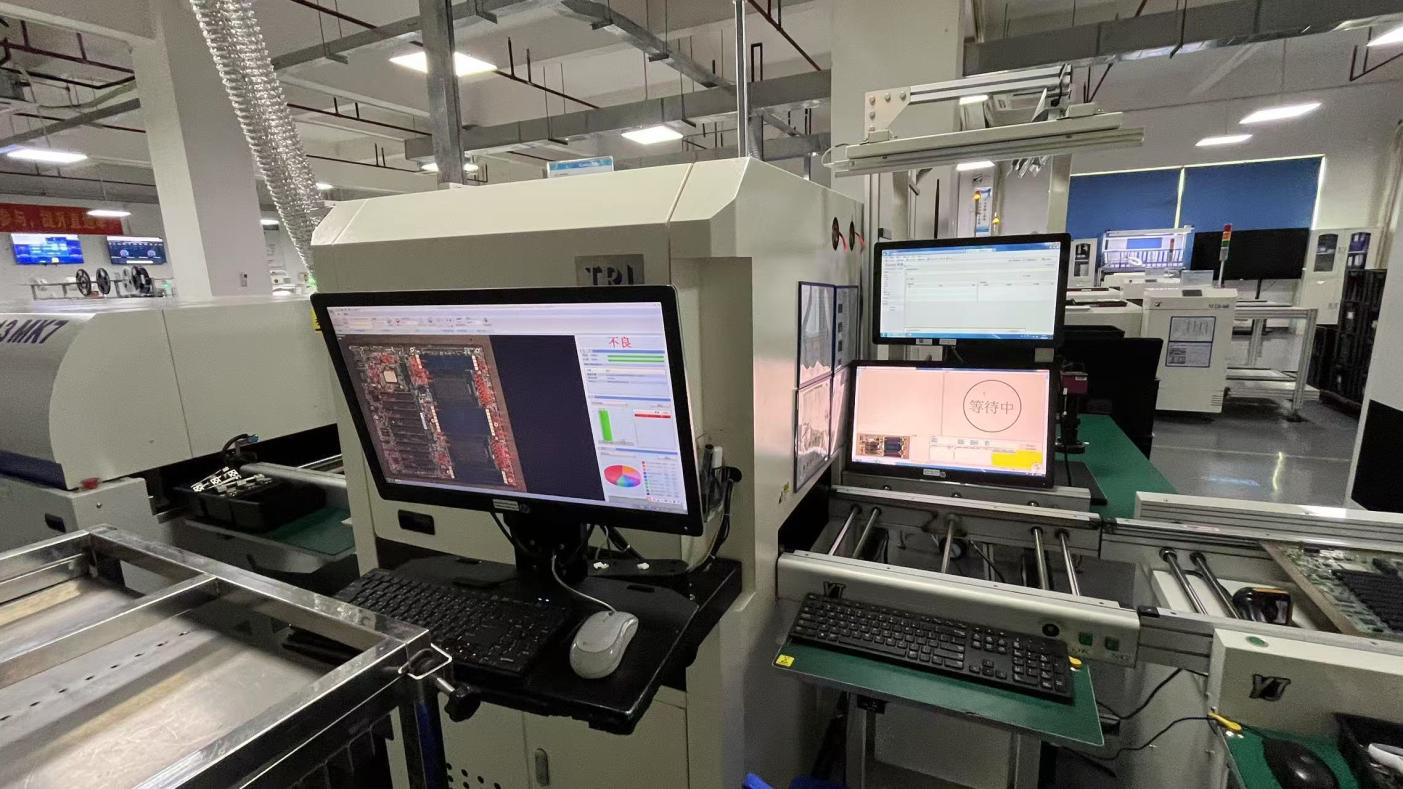
Direct view into our ISO-certified production lines, clean rooms, thermal chambers, and burn-in integration bays.
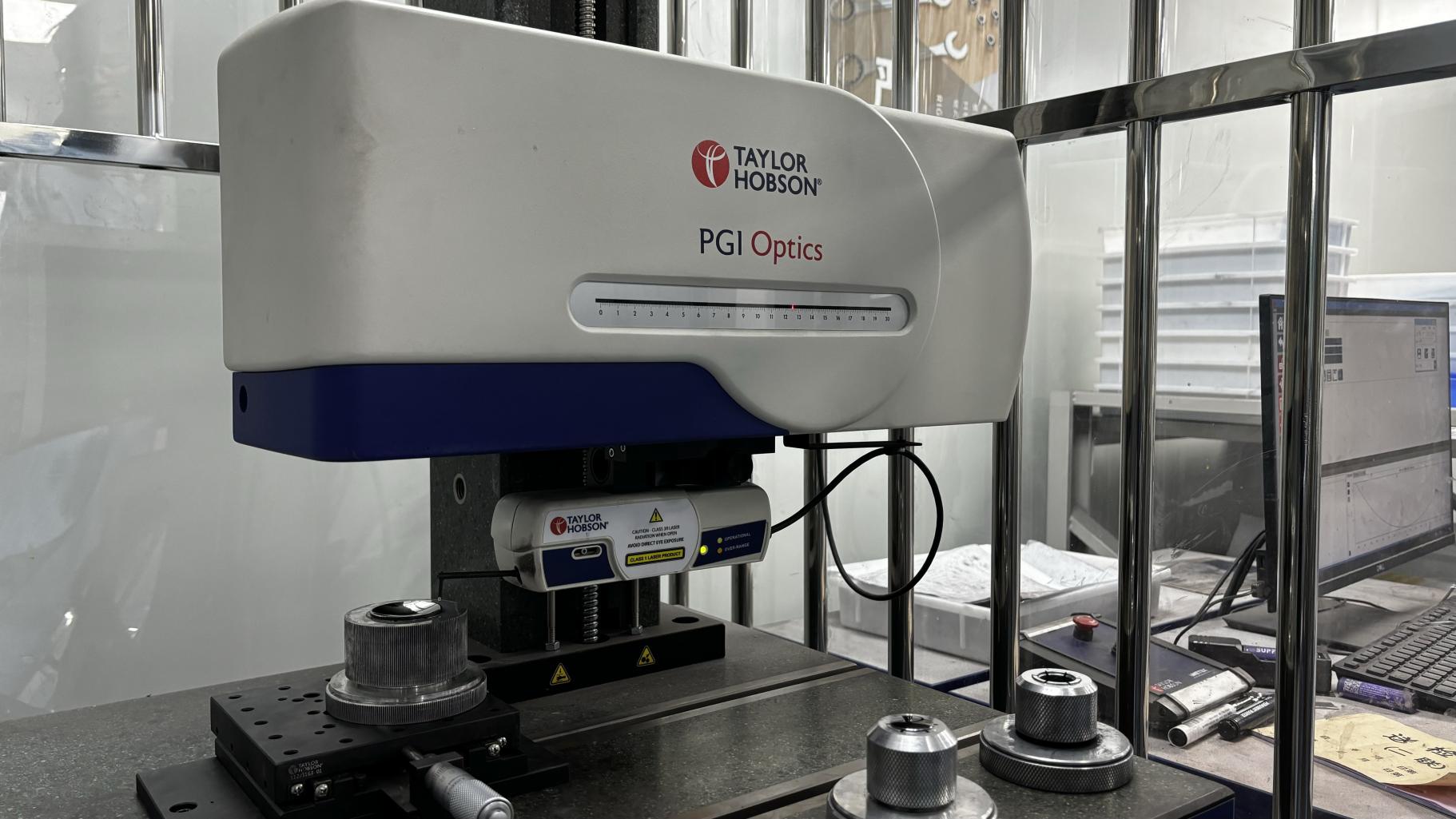

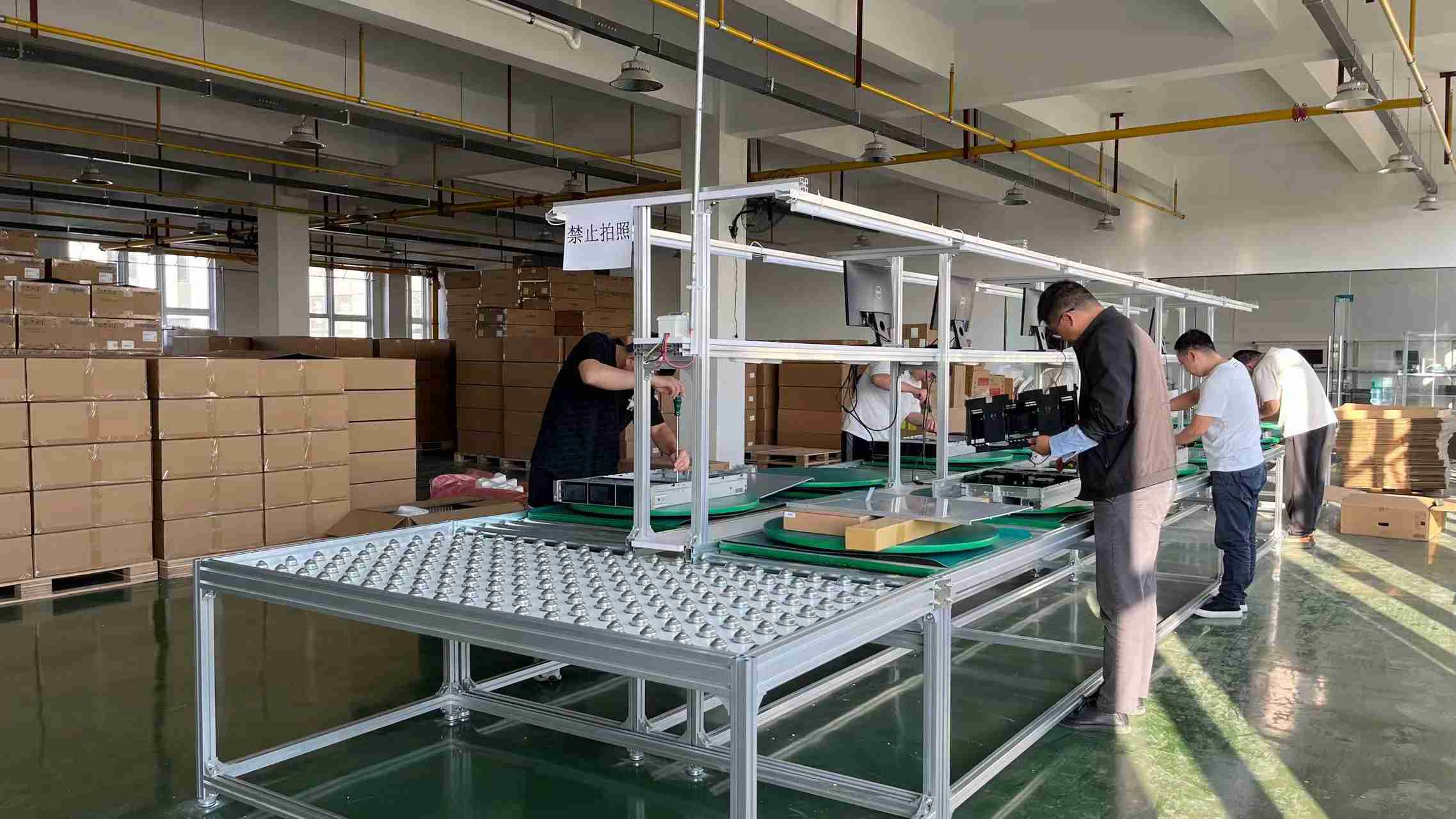

Modern global enterprises, high-frequency trading firms, hyper-scale cloud providers, and localized telecom carriers face differing operational constraints. BoltGrid acts as a collaborative OEM/ODM engineering partner, addressing these specific vertical requirements through tailored silicon, firmware, and structural modifications.
National cloud structures require localized containment of data processing. When running multi-billion parameter AI models, system administrators face routing complexities. Standard hardware fails to resolve the bottleneck of inter-node communication delays.
Our customized load balancing servers utilize PCIE Gen 5.0 switches and 400G optical interfaces to steer large-payload clusters. Coupled with our custom BIOS configurations, the servers can route user inference requests to specific GPU instances hosting corresponding model shards, bypassing host memory limitations.
In transaction-heavy banking systems or automated trading desks, even a 5-microsecond latency increase can result in substantial slippage costs. Standard software-only load balancers running on general-purpose servers cannot match the sub-microsecond performance of ASIC-based or hardware-offloaded appliances.
BoltGrid's ODM chassis solutions can host specialized FPGA card profiles alongside dual-socket processors, bypassing typical Linux kernel network stacks through DPDK (Data Plane Development Kit) implementations.
Telecommunications operators executing 5G network slicing and multi-access edge computing (MEC) need load balancing systems that can withstand harsh operating environments. Ambient temperatures, high dust concentrations, and limited physical rack depths require specialized hardware architectures.
Our OEM engineering team specializes in designing short-depth chassis (less than 450mm) that can house standard server components. Combined with wide-temperature motherboards, intelligent fan controllers, and high-density power modules, our edge computing appliances maintain 24/7 reliability in remote stations.
Clear, direct answers regarding our manufacturing process, customization parameters, shipping options, and technical support.
Software-based load balancing (like Nginx, HAProxy, or Envoy running on standard CPU cores) relies on the host OS kernel to parse packets, perform SSL/TLS handshakes, and route traffic. This process consumes significant CPU power, introducing latency variability under heavy traffic. BoltGrid's hardware solutions use DPU and SmartNIC offloading, allowing network traffic to bypass the host OS kernel (Kernel Bypass). Tasks like SSL termination and TCP handshakes are handled directly on the network card, reducing latency to microseconds and freeing host CPU resources for core application processing.
We provide a complete hardware-software co-design service. Clients can supply their proprietary software image, which we pre-load on custom server motherboards. We customize the BIOS/UEFI settings, configure secure boot parameters, and optimize IPMI/OOB (Out-of-Band) management settings for seamless remote administration. On the hardware front, we customize the metal chassis paint, front-panel LED indicators, silkscreen branding, and port layouts to align with your product line.
We offer both high-airflow dynamic air cooling and direct-to-chip (D2C) liquid cooling solutions. Air cooling setups feature intelligent, PWM-controlled counter-rotating fans coupled with custom copper heatsinks. For dense data centers housing high-TDP processors, our direct-to-chip liquid cooling loops efficiently dissipate heat from CPUs and GPUs, lowering overall datacenter PUE (Power Usage Effectiveness) and preventing thermal throttling under heavy workloads.
We have strategic alliances with over 850 verified component vendors, covering semiconductors, power supplies, memory, and raw metals. All components are sourced through authorized channels, and every batch is cataloged with trace codes. Our 45-inspector quality assurance team verifies compliance certificates (such as RoHS and CE) at incoming inspection stages, ensuring consistent, secure build quality for enterprise-grade deployments.
For standard chassis modifications and custom color schemes, prototyping takes 10 to 14 working days. For complex, ground-up motherboards or custom riser card designs, structural engineering and initial physical prototyping can range from 30 to 45 days. Once a prototype is approved, production lead times average 3 to 5 weeks, depending on component availability and order volume.
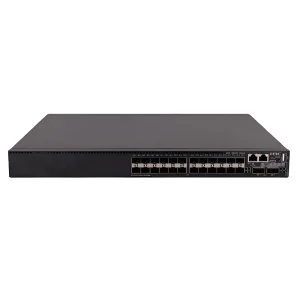
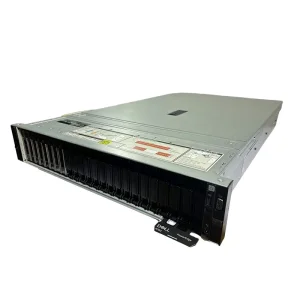
Complementary infrastructure components, storage nodes, switches, and interface cards designed to support robust, high-availability load balancing environments.