BoltGrid BoltGrid

OEM/ODM Load Balancer Manufacturer & Exporter

High-Availability Application Delivery Controllers & Smart Load Balancing Appliances for Modern Enterprise Computing

BoltGrid Computing Systems Co., Ltd.

A world-class hardware manufacturer providing tailored load-balancing, storage, and computing infrastructure.

12
Years Industry Experience
18.5k㎡
Production Facility
120+
R&D Engineers
45
QA Inspector Team

Manufacturing Capacity & Global reach

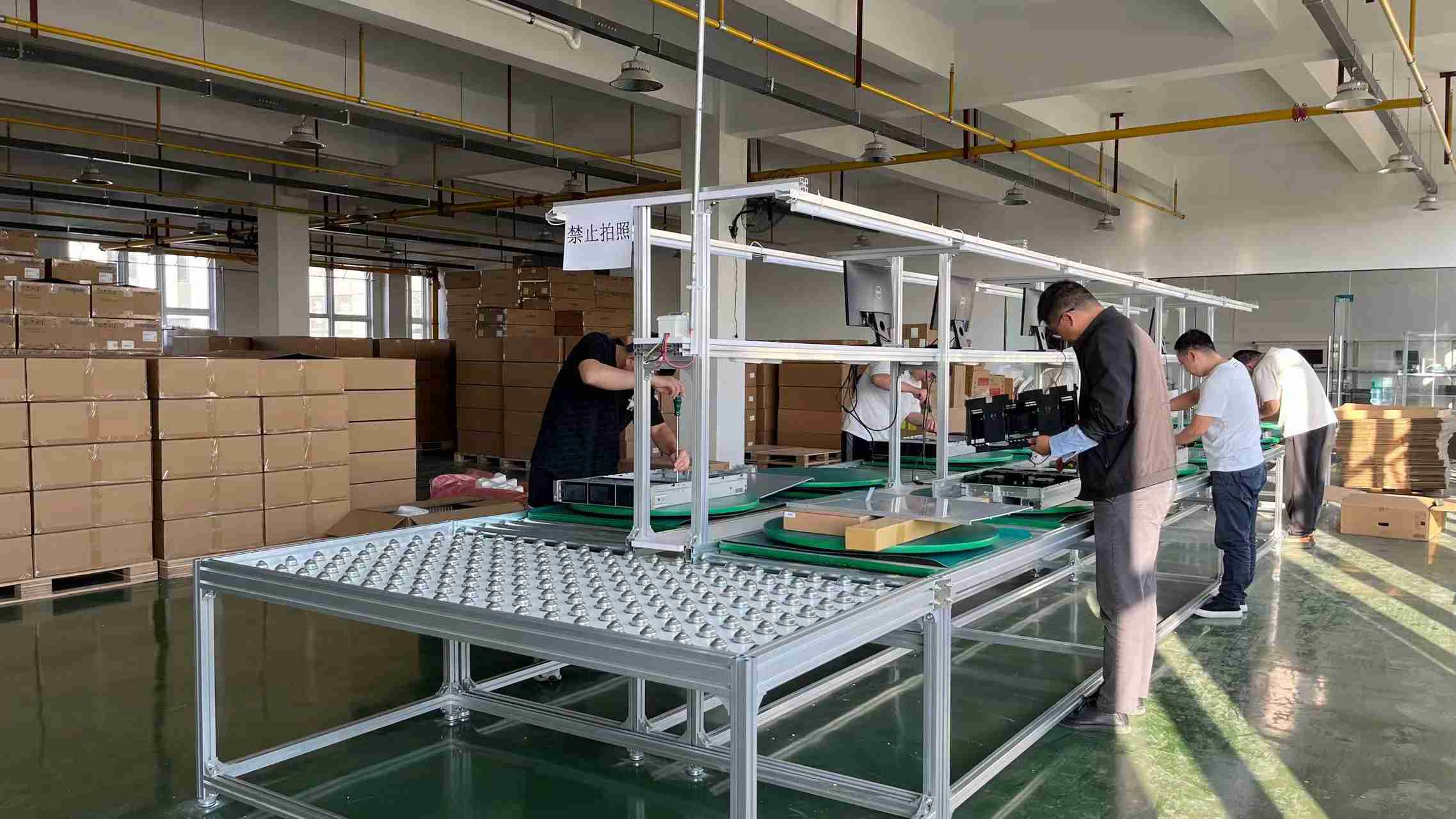
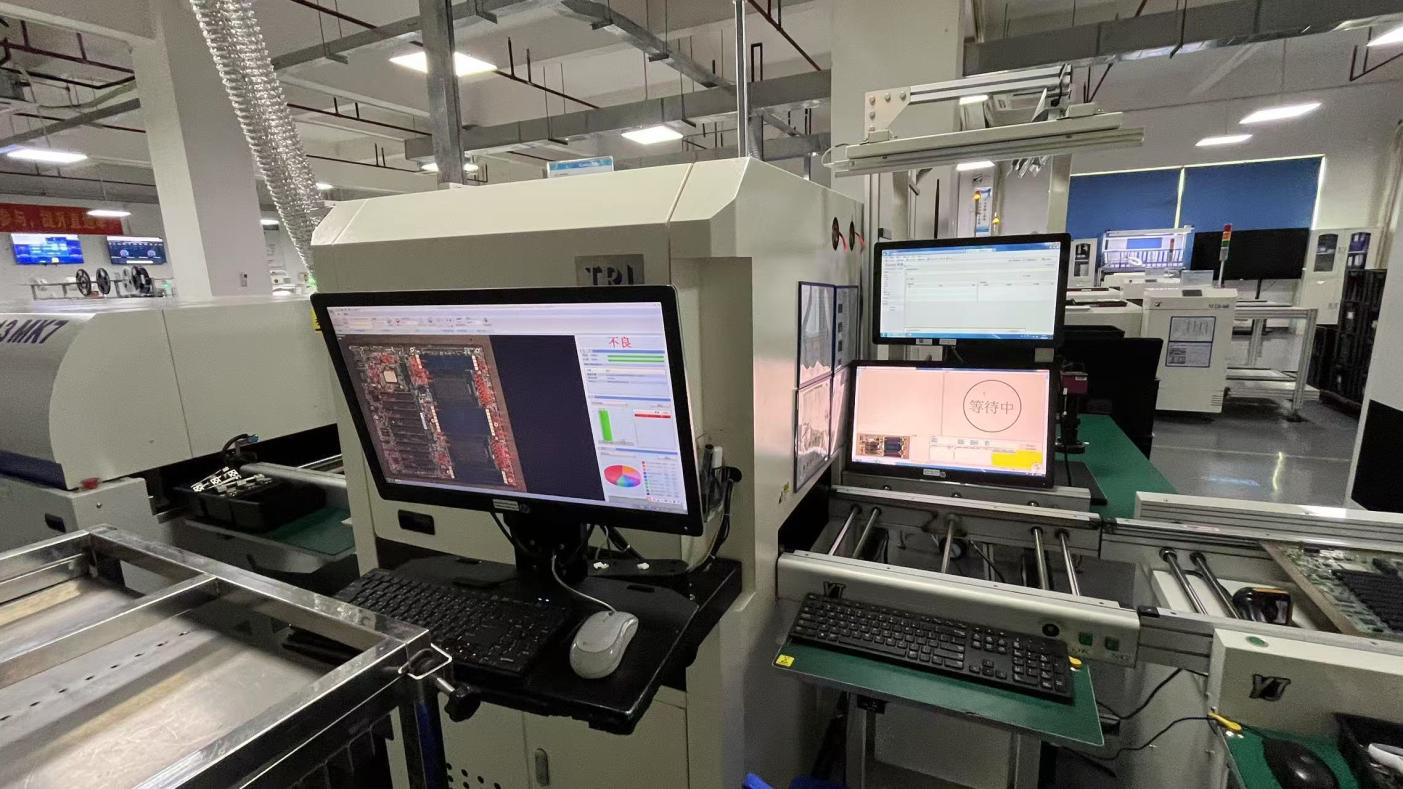
Established in 2016, BoltGrid Computing Systems Co., Ltd. is a professional AI GPU server and network hardware manufacturer specializing in high-performance computing infrastructure, GPU cluster systems, and AI data center solutions. Based in a modern 18,500㎡ production facility, we operate robust systems for assembly, software integration, thermal testing, and high-frequency signaling stress tests.

With an annual export revenue of over USD 18 million and stable international trade operations spanning 7+ years, we deliver customized server and ADC solutions to customers in North America, Europe, Southeast Asia, and the Middle East. Backed by over 850 strategic hardware partners, BoltGrid has developed a reputation for reliability, agility, and high structural engineering standards.

Application Delivery Controllers & Custom Load Balancing Hardware

In the modern web-scale enterprise landscape, standard load balancing software often falls short in face of intensive concurrent connections, massive SSL encapsulation, and sub-millisecond database queries. Load Balancer OEM/ODM manufacturing bridges the gap between commercial off-the-shelf networking hardware and purpose-built hardware appliances optimized for Layer 4 throughput and Layer 7 deep packet analysis.

As system integration experts, BoltGrid focuses on optimizing hardware platforms that run mission-critical application delivery software. By combining high-density processor sockets with customized hardware accelerators (like FPGA, QAT chips, and SmartNICs), our OEM/ODM platforms support ultra-low latency load balancing across hybrid cloud infrastructures, massive microservices architectures, and heavy AI-driven computing topologies.

Market Trends Driving Custom Hardware Load Balancers

The transition from legacy load balancing to cloud-native microservices and large-language model (LLM) pipelines has drastically shifted how network hardware must be structured:

  • AI and Deep Learning Traffic Outbursts: The proliferation of models like DeepSeek requires massive distributed GPU clusters. Standard load balancers cannot handle high-throughput parallel data feeds without becoming bottlenecks. Hardware-accelerated traffic routers are essential to route traffic dynamically across GPU nodes.
  • DPU and SmartNIC Offloading: Modern architectures leverage SmartNICs (Data Processing Units) to manage networking operations directly on the hardware plane, freeing up CPU cycles for core application processing.
  • Hardware-Level Security: Mitigating DDoS attacks at Layer 4 requires hardware that can filter packets at wire speed. BoltGrid customizes server chassis and network interfaces to withstand millions of network queries per second without service degradation.
  • Green Datacenter Initiatives: Data centers need highly efficient power supplies (Titanium/Platinum Grade) and customized chassis airflow. BoltGrid's engineering team custom-builds energy-efficient platforms matching specific server rack airflow requirements.

Technical Focus: Accelerating Layer 4 & Layer 7 SSL Offloading

SSL/TLS negotiation consumes vast amounts of CPU resources. BoltGrid OEM/ODM Load Balancers support dedicated PCIe encryption acceleration cards. By offloading cryptographic handshakes from primary compute nodes, enterprises achieve a significant reduction in server overhead, allowing web applications to run at maximum capacity.

Global Enterprise Procurement Requirements

Procurement teams at enterprise-level data centers, telecom companies, and system integrators face unique challenges. Standard load balancer hardware is often locked into rigid ecosystems with high licensing fees. Our OEM/ODM service empowers companies to control their hardware lifecycle, customize specifications, and scale their infrastructure cost-effectively.

Key enterprise requirements we fulfill include:

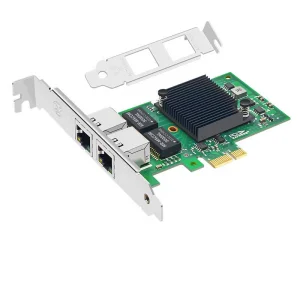
  • High Port Density: Flexibility to choose between 10G SFP+, 25G SFP28, 100G QSFP28, or even 400G interfaces on custom motherboard layouts.
  • Carrier-Grade Redundancy: Hot-swappable dual AC/DC power supplies, redundant chassis fans, and physical bypass systems to guarantee zero packet loss during hardware failures.
  • Long Life Cycles: Guaranteeing component supply paths for up to 5 to 7 years, bypassing the typical consumer-market lifecycle changes.

Engineering & Customization Capabilities (ODM Services)

With 120 R&D engineers and 12 years of industry experience, BoltGrid is uniquely positioned to handle advanced design-to-build requests:

Chassis and Thermals
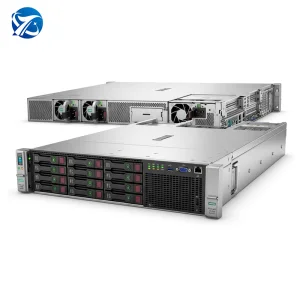
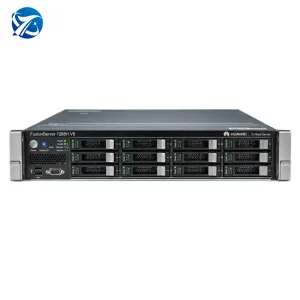
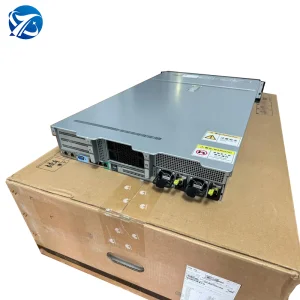
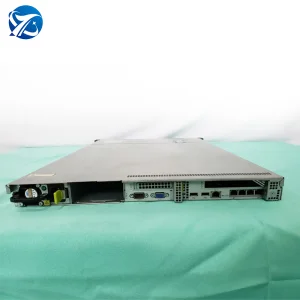
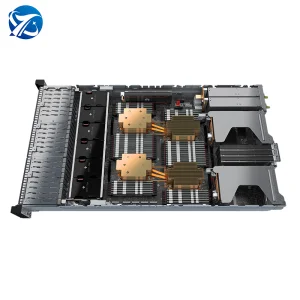
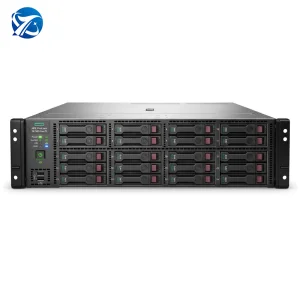
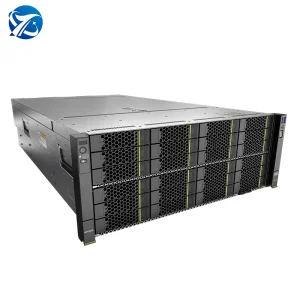
Custom 1U, 2U, or 4U rack enclosures, engineered with optimized internal baffles and hot-swappable cooling fans.
Motherboard & ASIC
Optimized PCIe traces to handle encryption and high-throughput network cards with custom ASIC configurations.
Firmware Integration
Pre-installed BIOS customizations, IPMI 2.0 remote management tools, and support for open-source network OS.

Verification, Validation & Regulatory Compliance

Building high-performance appliances requires absolute assurance of reliability under stress. BoltGrid utilizes a strict three-tier quality control methodology overseen by our dedicated team of 45 quality inspectors:

  1. Thermal Performance Testing: System operation inside specialized climate chambers to verify heat dissipation of high-TDP processors.
  2. Stress Load Simulation: Rigorous packet forwarding injection tests simulating extreme concurrent connection volumes.
  3. Full-System Burn-In Testing: 24-to-72-hour operational cycling before packaging, ensuring component durability and preventing early hardware failure.

Technical Services

  • Custom Branding & Painting
  • SmartNIC/DPU Optimization
  • Redundant Power Configs
  • Full Hardware Burn-in
  • Global Supply Logistics

OEM Partnership Benefits

Leverage BoltGrid's engineering ecosystem of 850+ strategic component suppliers to speed up time-to-market and reduce overhead costs.

We launch over 85 new products annually to keep your hardware portfolio at the cutting edge of industry developments.

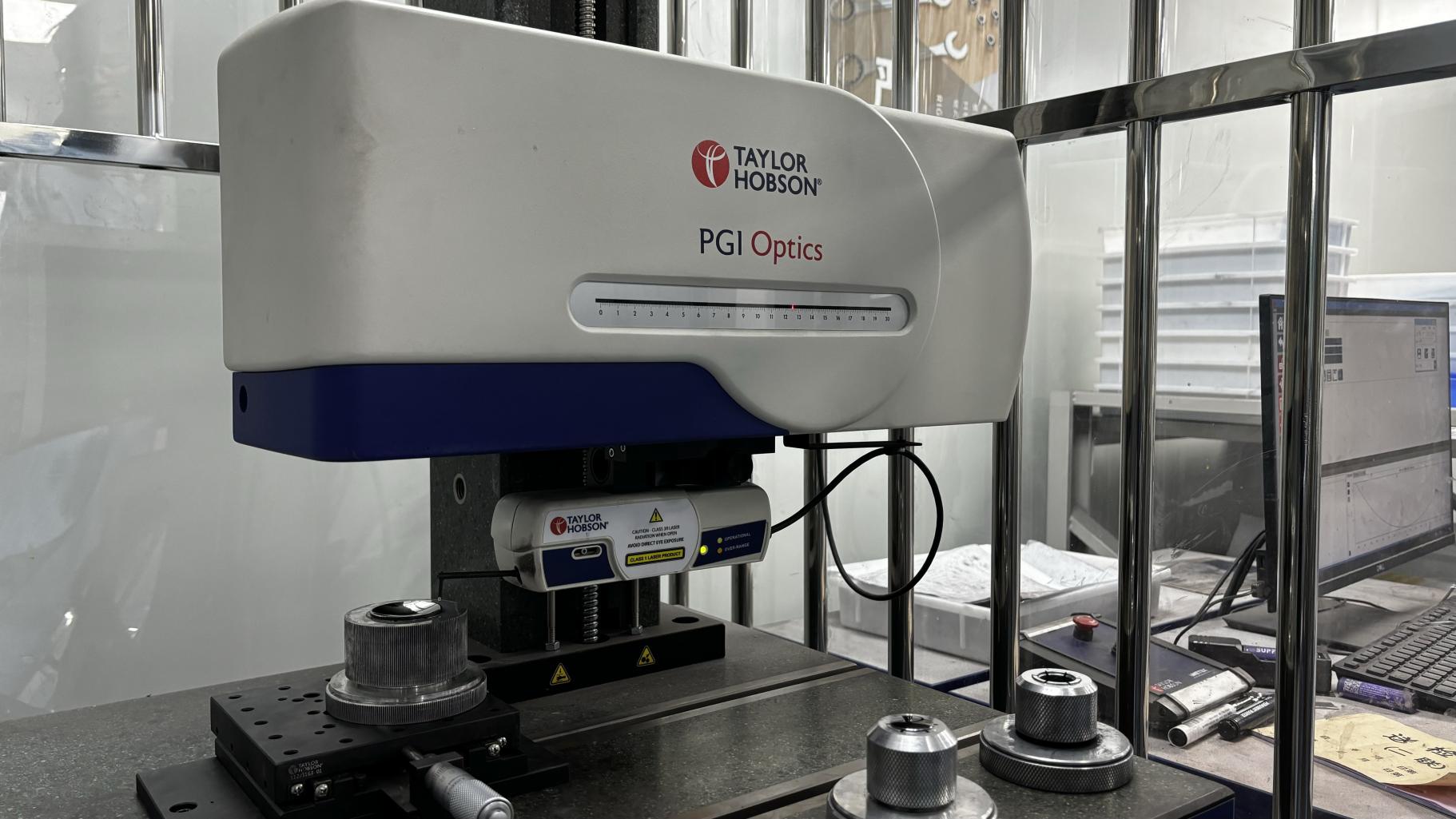
Factory Verification & Facilities

Step inside BoltGrid's 18,500㎡ facility featuring ISO-compliant manufacturing, assembly, and thermal verification chambers.

Frequently Asked Questions

Technical and logistical insights regarding our OEM/ODM load balancer manufacturing capabilities.

What custom options do you offer for load balancer chassis designs?

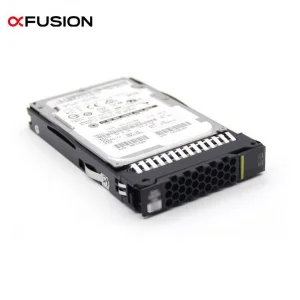
We provide full customization, including sheet metal thickness, paint finishes, custom screen-printed logos, port positioning, and modular drive bays. We offer custom dimensions for shallow-depth racks, perfect for edge server systems or standard telecom enclosures.

Do your custom load balancers support third-party software deployment?

Yes. Our systems are built on standard x86 and ARM architectures, allowing clients to load custom or open-source software like HAProxy, NGINX Plus, F5 BIG-IP VE, Zevenet, or customized DPDK/IPVS scripts. We ensure full driver compatibility with major operating systems like RHEL, CentOS, Debian, and FreeBSD.

How does your quality assurance team verify hardware reliability?

BoltGrid's QA team consists of 45 specialized inspectors who run three main validation phases: thermal profile checks in environmental chambers, networking stress tests to ensure zero packet drops under load, and comprehensive burn-in procedures lasting 24-72 hours to screen out component failures.

What security integrations can you include on the hardware level?

We support TPM 2.0 security chips, customized UEFI secure boot paths, and direct integration with cryptographic acceleration cards (like Intel QAT) to handle high-throughput SSL/TLS offloading and protect against firmware tempering.

How do you manage component supply chains for OEM/ODM products?

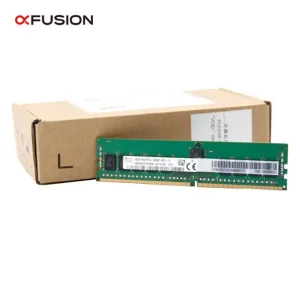
We work with over 850 strategic hardware partners globally. This network gives us access to top-tier components like CPUs, memory modules, server chassis components, and specialized network cards, ensuring stable long-term supply pipelines.