BoltGrid
BoltGrid
BoltGrid
High-Performance Custom Microprocessor Integration & Next-Generation Server Silicon Architectures for Enterprise, AI Datacenters, and Cloud Infrastructure Solutions.
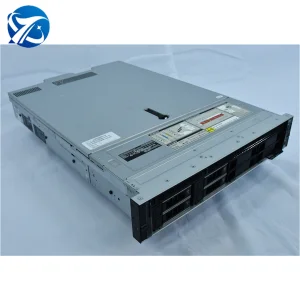
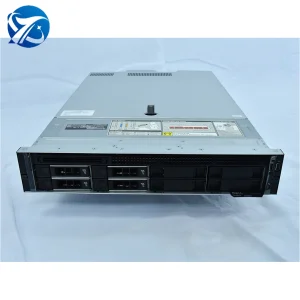
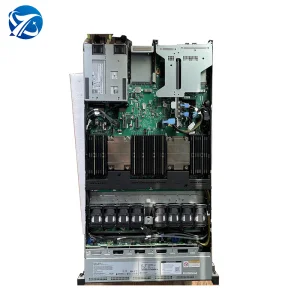
Explore our foundational rack servers, compute nodes, and components optimized for high-density enterprise application deployments.
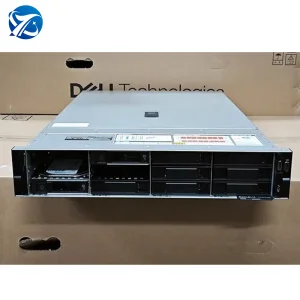

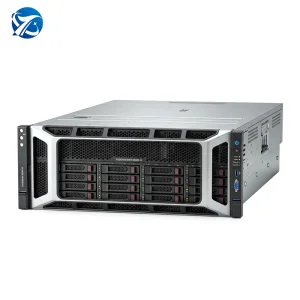
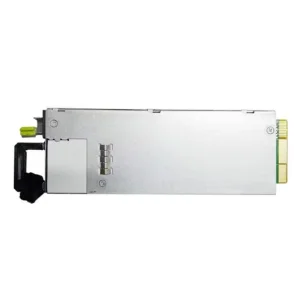
BoltGrid Computing Systems Co., Ltd. matches custom industrial demands with high-caliber silicon and system integration.
Modern enterprise compute demands have moved beyond standard off-the-shelf processor architectures. As artificial intelligence models scale exponentially, standard computing architectures face memory bottlenecks, thermal design limits (TDP constraints), and instruction-set inefficiencies. For organizations deploying hyper-scale AI platforms, local private clouds, and processing clusters, customized OEM (Original Equipment Manufacturer) and ODM (Original Design Manufacturer) CPU integration has emerged as a crucial approach to lowering Total Cost of Ownership (TCO) and boosting instruction execution throughput.
BoltGrid Computing Systems Co., Ltd. bridges raw silicon design and functional datacenters. Our custom OEM/ODM motherboard layouts, chassis integration, and optimized processor configurations ensure that every compute cycle is precisely tuned to the target workload. By combining silicon configuration capability with deep hardware design expertise, we deliver enterprise-grade performance built on reliability, flexibility, and architectural efficiency.
By 2026, over 65% of large-scale hyperscalers and corporate data centers will transition to customized hardware topologies. This shift is driven by the need to optimize system configurations, improve thermal performance, and build workloads around specific software ecosystems like DeepSeek and custom LLM runtimes.
The global processor supply chain is undergoing a structural realignment. Customization is replacing generic product lines, driven by three key microarchitectural trends:
| Feature / Vector | Standard Off-the-Shelf CPUs | Custom OEM/ODM System CPUs |
|---|---|---|
| Workload Alignment | General-purpose (unoptimized for specific tasks) | Optimized for specific instructions (AVX-512, AI, DB queries) |
| Thermal Design Power (TDP) | Fixed (rigid thermal profiles) | Variable (engineered to match system cooling limitations) |
| Silicon Lifecycle & Support | Typically 3-5 years (rapidly deprecated) | Extended (up to 7-10 years for industrial reliability) |
| BIOS & Microcode Customization | Locked by manufacturer | Fully configurable for custom virtualization and security features |
From initial design specifications to board layouts and system-level validation, we build advanced computing systems.
We analyze the target software requirements—whether for high-frequency algorithmic trading, dense GPU cloud instances, or database nodes—to determine memory latency limits and optimal CPU-to-core ratios.
Our engineers design complex multi-socket server motherboards. We optimize high-speed signal routing for PCIe Gen 5.0 and Gen 6.0 buses, ensuring system stability at higher frequencies.
We customize system firmware, tailoring UEFI/BIOS parameters, microcode revisions, security keys, and virtualization configurations to match our clients' unique operating requirements.
Different computing environments require tailored physical and electrical configurations. Below are key deployment scenarios where BoltGrid's custom integration delivers measurable performance advantages:
Smart city systems and traffic hubs must process video streams in real-time. Standard server architectures often suffer from latency spikes when scaling up stream counts. By utilizing custom PCIe switches and optimized CPU firmware, BoltGrid servers can balance inference tasks across multiple low-latency acceleration nodes. This approach maximizes data throughput while keeping power consumption within localized grid limits.
For cloud providers, maximizing virtualization density per rack unit is key to profitability. Standard CPUs often leave system memory underutilized due to fixed core-to-memory channel ratios. Our ODM process designs motherboards with custom memory spacing, enabling higher DDR5 channel density per unit. This configuration allows hosting more virtual machines per node without performance bottlenecks.
Running multi-billion parameter AI models like DeepSeek requires massive data exchange across nodes. BoltGrid's multi-GPU rack systems feature customized BIOS options that prioritize inter-GPU links and direct host-to-device memory access. This design optimizes model parameter exchange, improving LLM training efficiency and reduce scale-up performance loss.
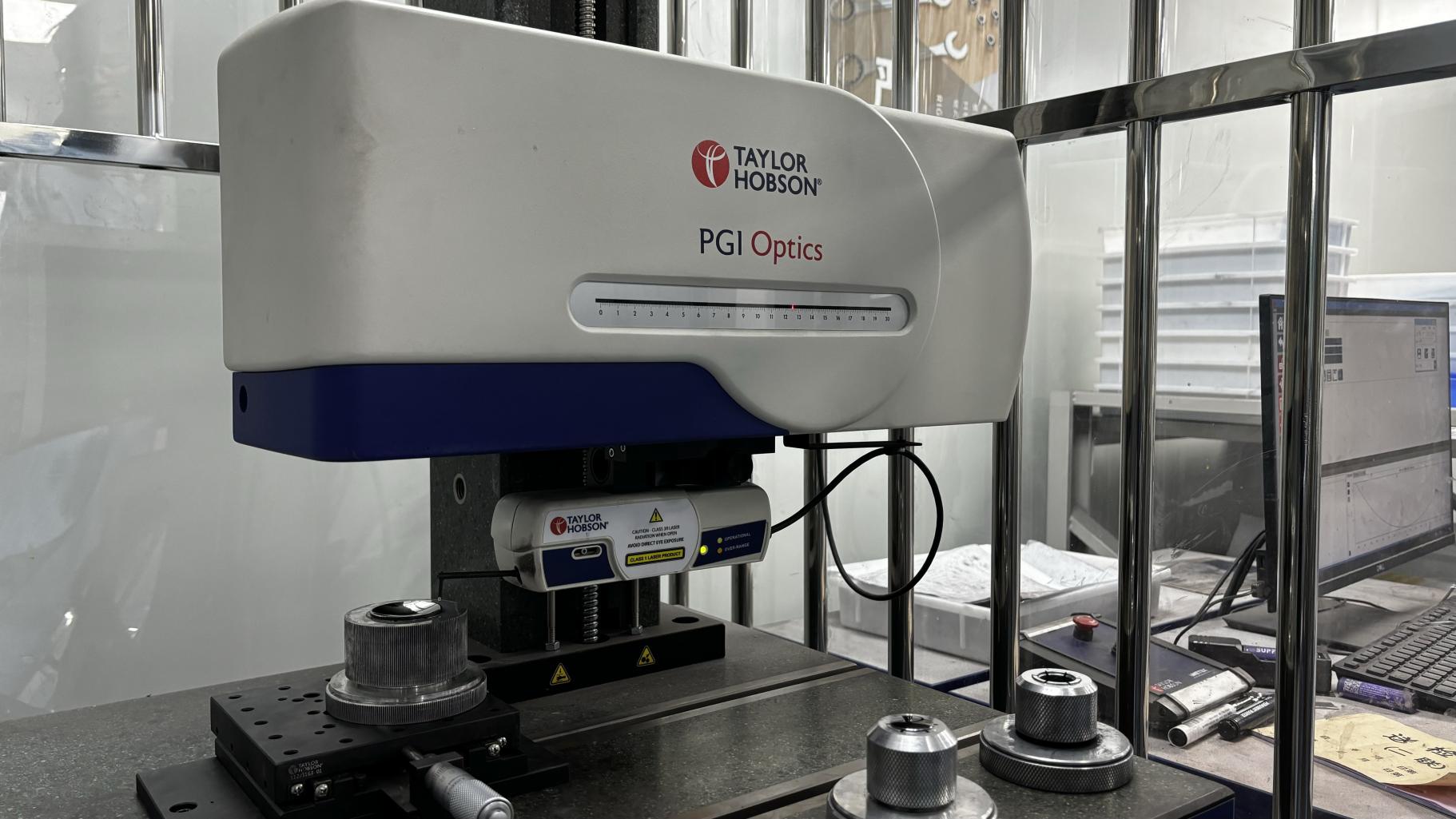
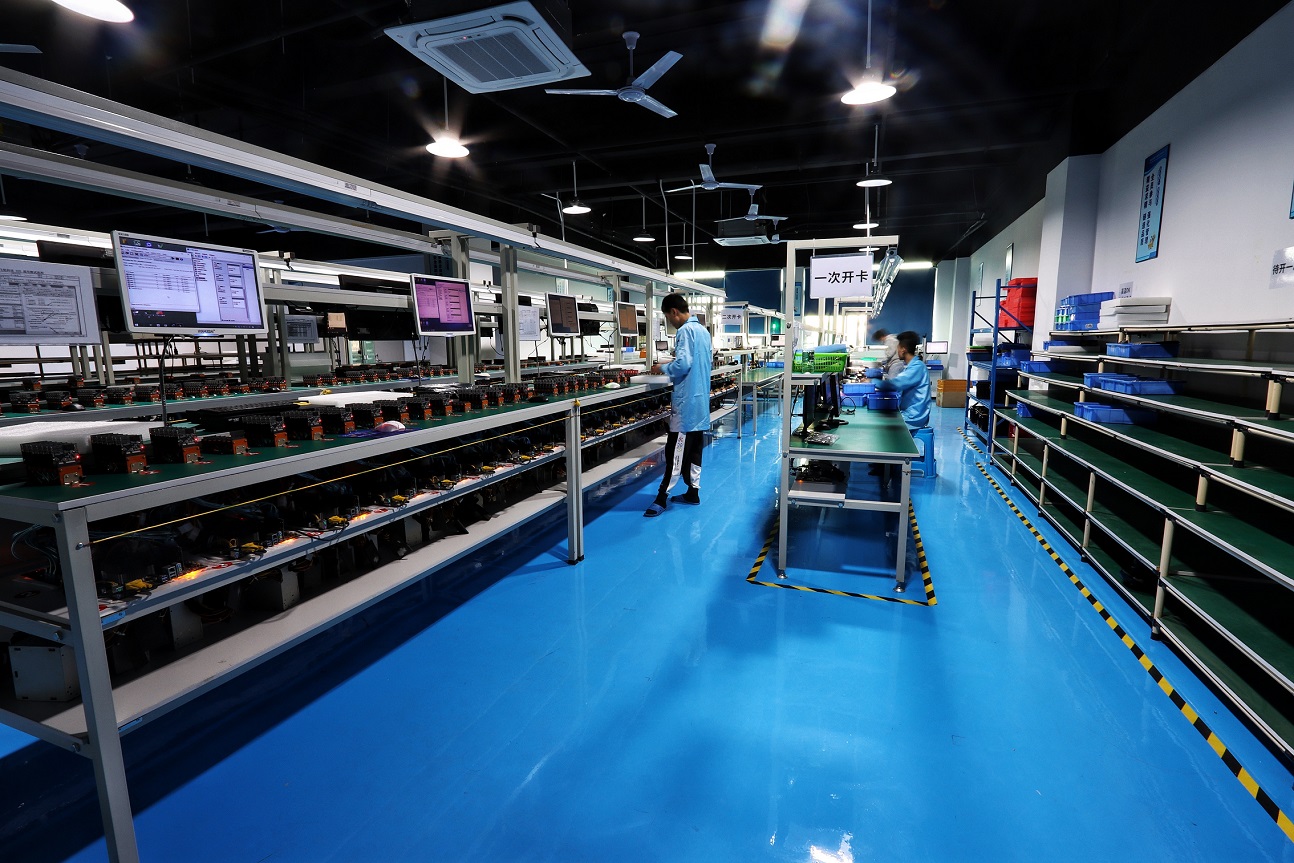
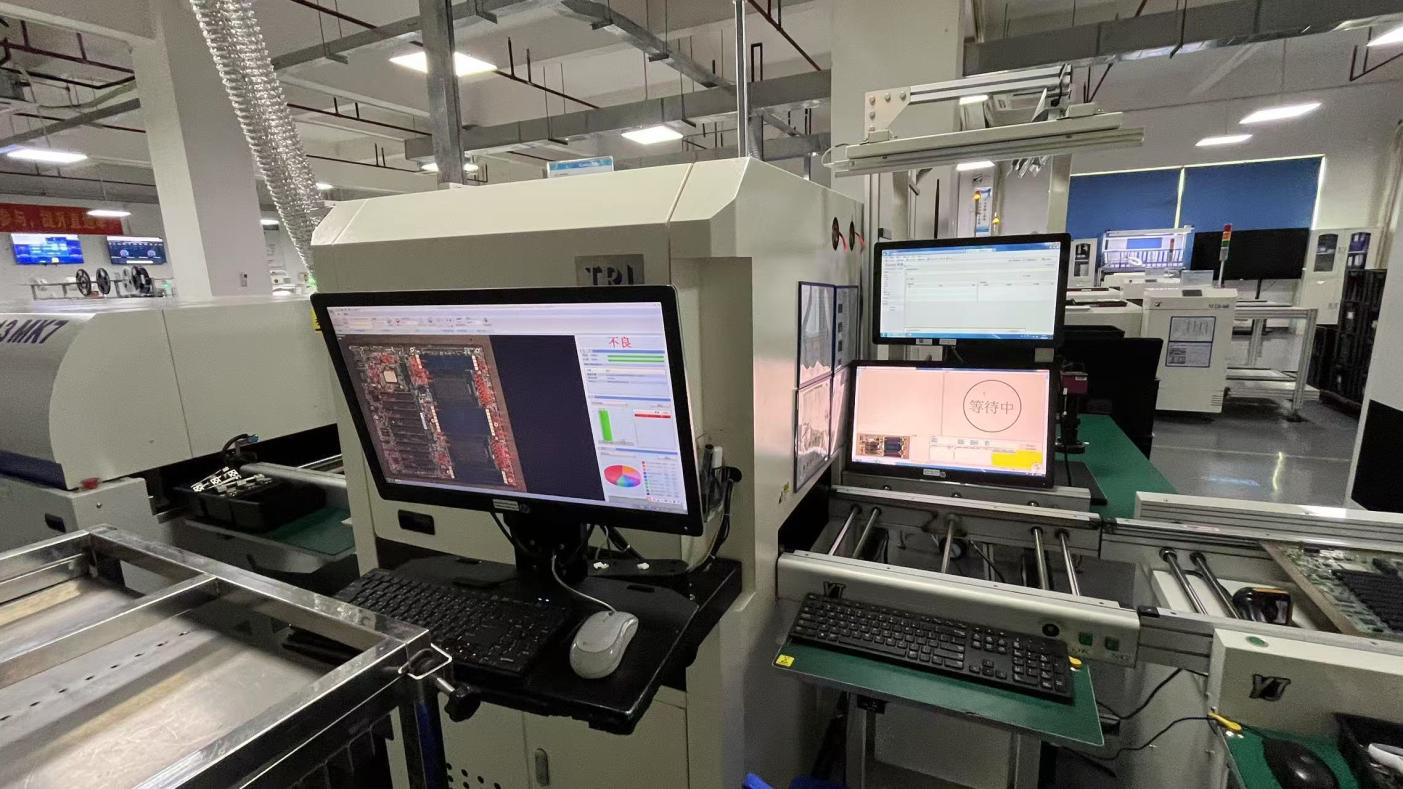
Operational stability is a critical indicator of manufacturing capability. BoltGrid maintains strict QA standards throughout our 18,500㎡ facility, managed by a dedicated team of 45 quality inspectors.
Every node undergoes thermal testing from -10°C to 65°C to verify motherboard stability and ensure structural integrity under rapid thermal changes.
We run systems under simulated 100% compute loads for up to 72 hours, monitoring memory bandwidth, power delivery, and voltage stability to prevent field failures.
Using high-frequency digital oscilloscopes, we analyze PCIe Gen 5.0 lanes to confirm low bit-error rates across all high-speed traces.
Our supply chain network includes more than 850 strategic partners. This deep ecosystem allows BoltGrid to reliably source high-quality components, including server chassis, power systems, and advanced cooling solutions. By maintaining diversified sourcing channels, we protect our production schedules from unexpected component shortages and deliver consistent hardware lead times.
Answers to common questions about our custom hardware designs and manufacturing processes.
Explore our high-density storage systems, enterprise accelerators, and custom nodes designed for complex virtualized infrastructure.


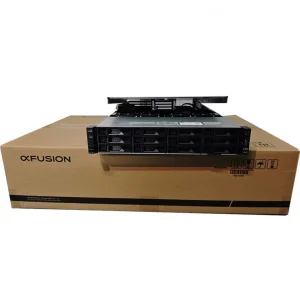
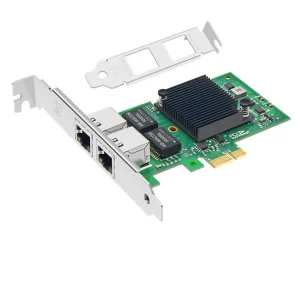
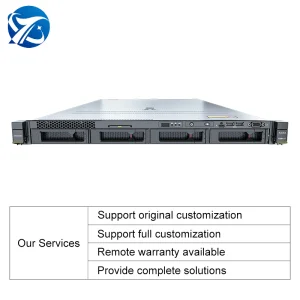
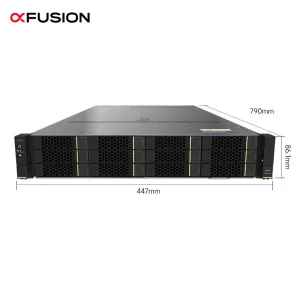

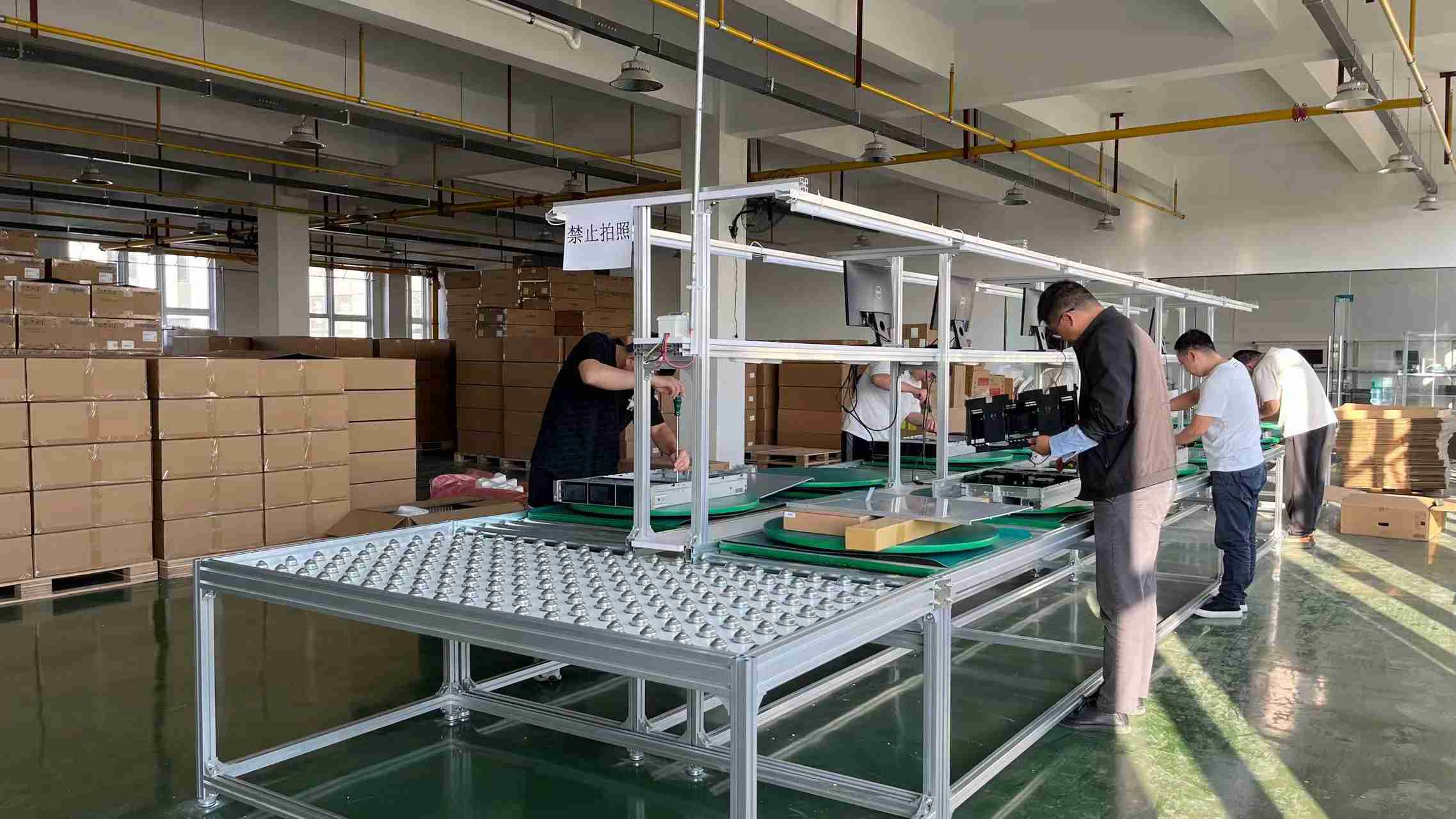
A visual overview of our modern production floor, showing where design blueprints are turned into enterprise-grade compute platforms.