BoltGrid
BoltGrid
BoltGrid
Explore our production-ready computational nodes integrated with out-of-band compliance management interfaces, advanced IPMI/Redfish capabilities, and secure boot architectures.
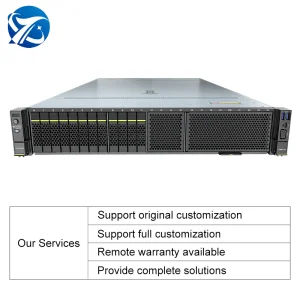
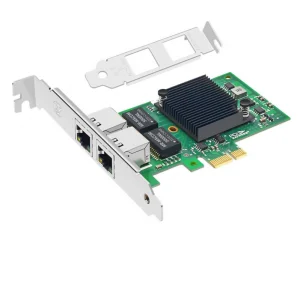
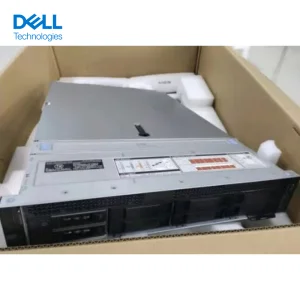
Aligning OEM/ODM Hardware Manufacturing with the World's Strictest Security and Management Benchmarks.
In today's digital global trade network, hyperscale data centers, cloud infrastructure providers, and high-performance computing centers are governed by complex regulatory compliance mandates. Hardware security standards, electromagnetic compatibility (EMC) regulations, thermal safety targets, and environmental directives dictate how computing systems are designed. Compliance management tools integrated directly at the firmware and motherboard level (BMC, IPMI, TPM 2.0) are critical to ensuring global installations meet local requirements without manual modification.
Compliance management tool suppliers integrate software suites that establish a Hardware Root of Trust (RoT). Using cryptographically verified secure boot processes, the system prevents unauthorized code execution before the operating system initializes. Secure out-of-band management systems monitor active telemetry data (voltages, temperatures, power factor, intrusion detection loops) and cross-reference them against internal configuration benchmarks to isolate nodes that fall out of operational bounds.
Furthermore, modern system designs demand unified interfaces such as the Redfish API. These tools allow automated orchestration engines (like Ansible or Kubernetes controllers) to query server systems for active compliance status. By collecting telemetry directly from PCIe riser cards, NVMe storage controllers, and GPU acceleration matrices, compliance tools flag non-certified hardware expansions, outdated microcode, and unauthorized system access instantly.
High-Performance AI GPU Server Manufacturing with Rigorous Inspection Standards
BoltGrid Computing Systems Co., Ltd. is a professional AI GPU server manufacturer specializing in high-performance computing infrastructure, GPU cluster systems, and AI data center solutions. Established in 2016, the company has developed strong capabilities in design, manufacturing, and global supply of advanced computing hardware.
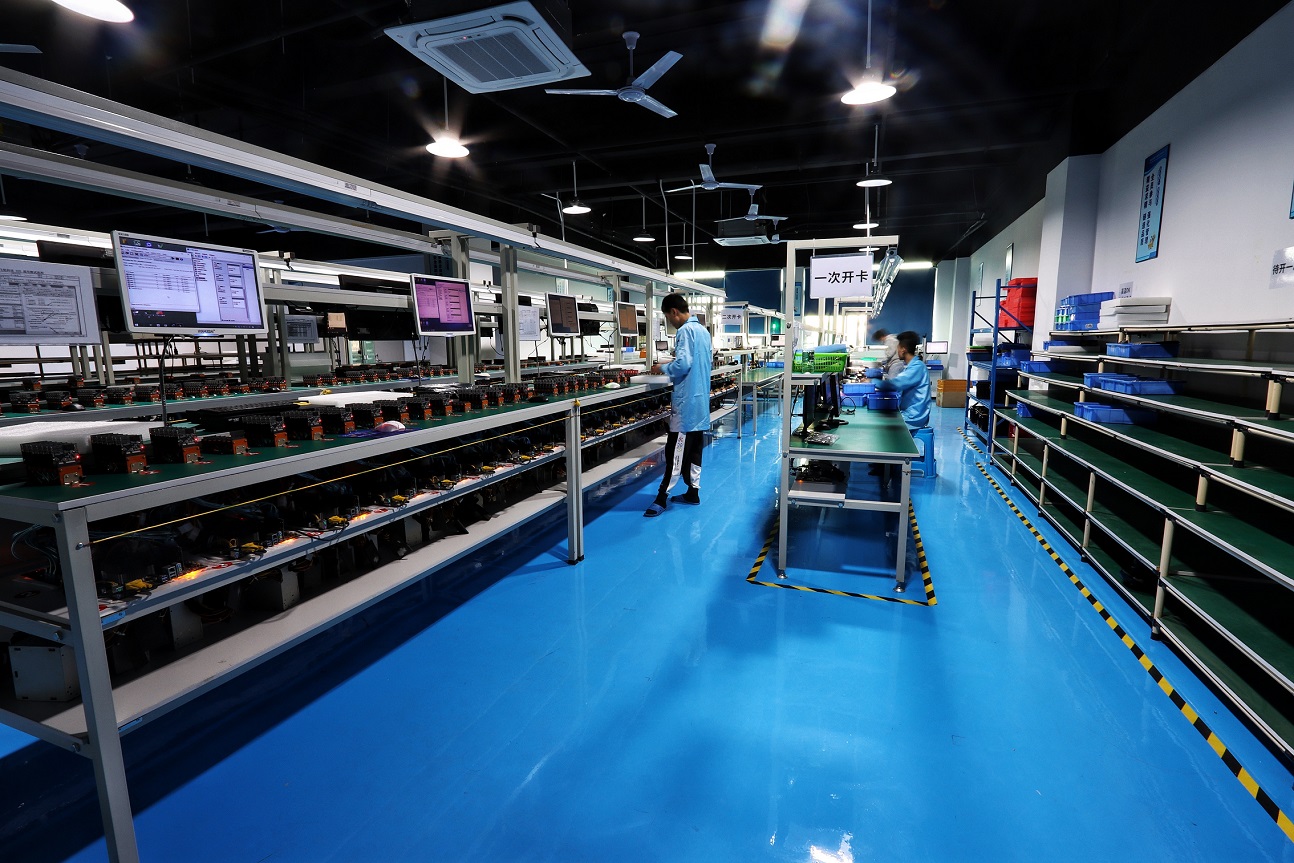
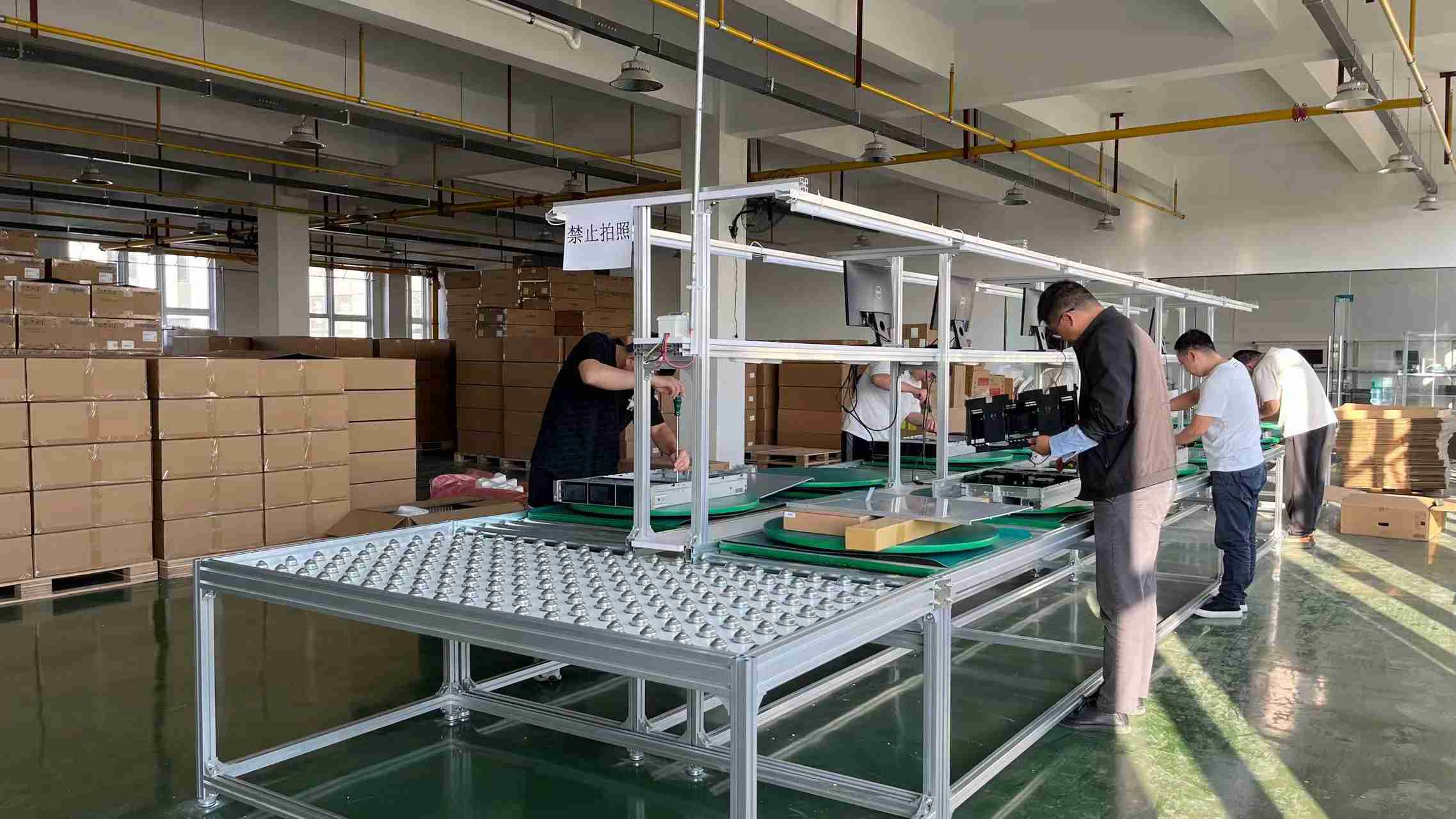
The company operates a modern production facility covering approximately 18,500㎡, supporting large-scale assembly, testing, and system integration for AI server products. With annual export revenue reaching around USD 18 million, BoltGrid has built stable international trade experience over 7 years, serving customers across North America, Europe, Southeast Asia, and the Middle East.
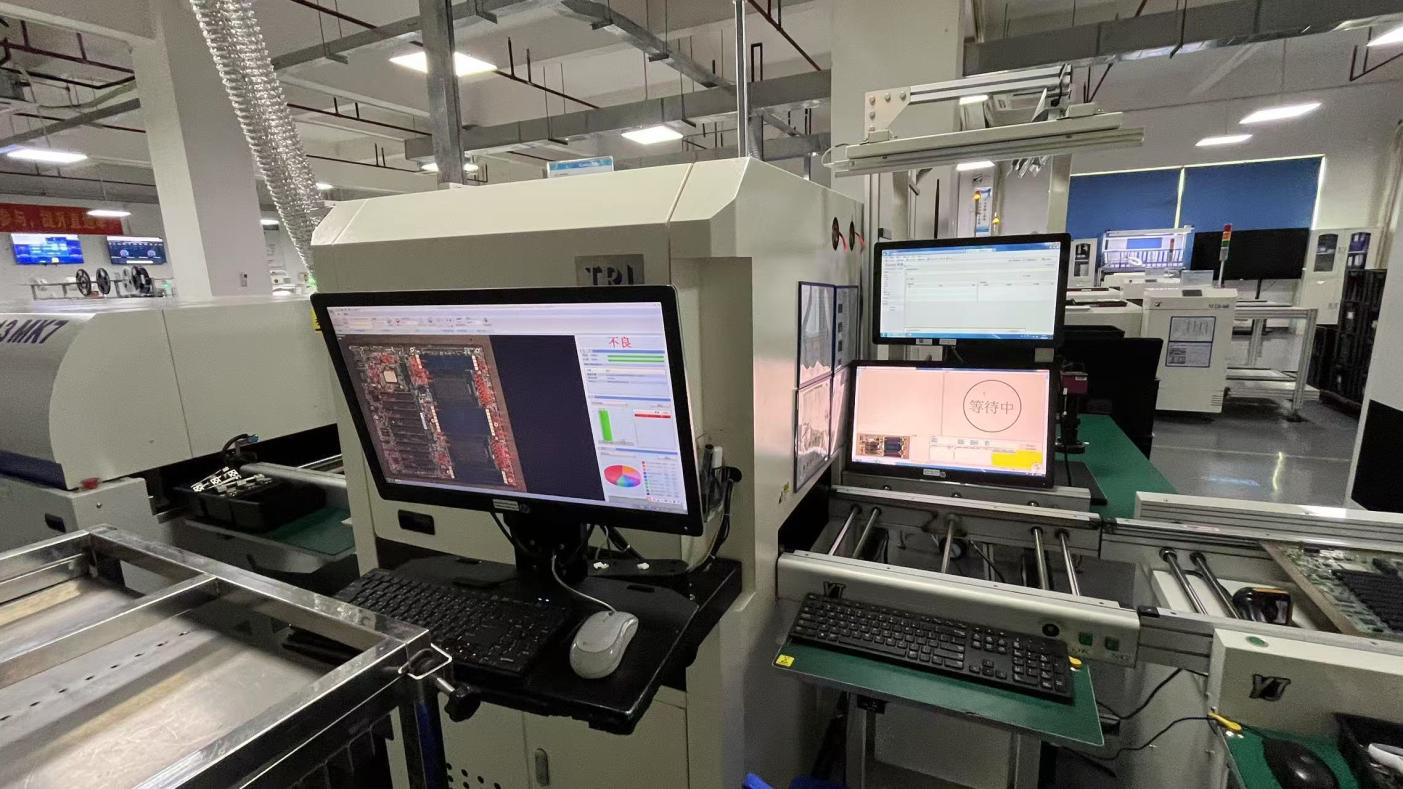
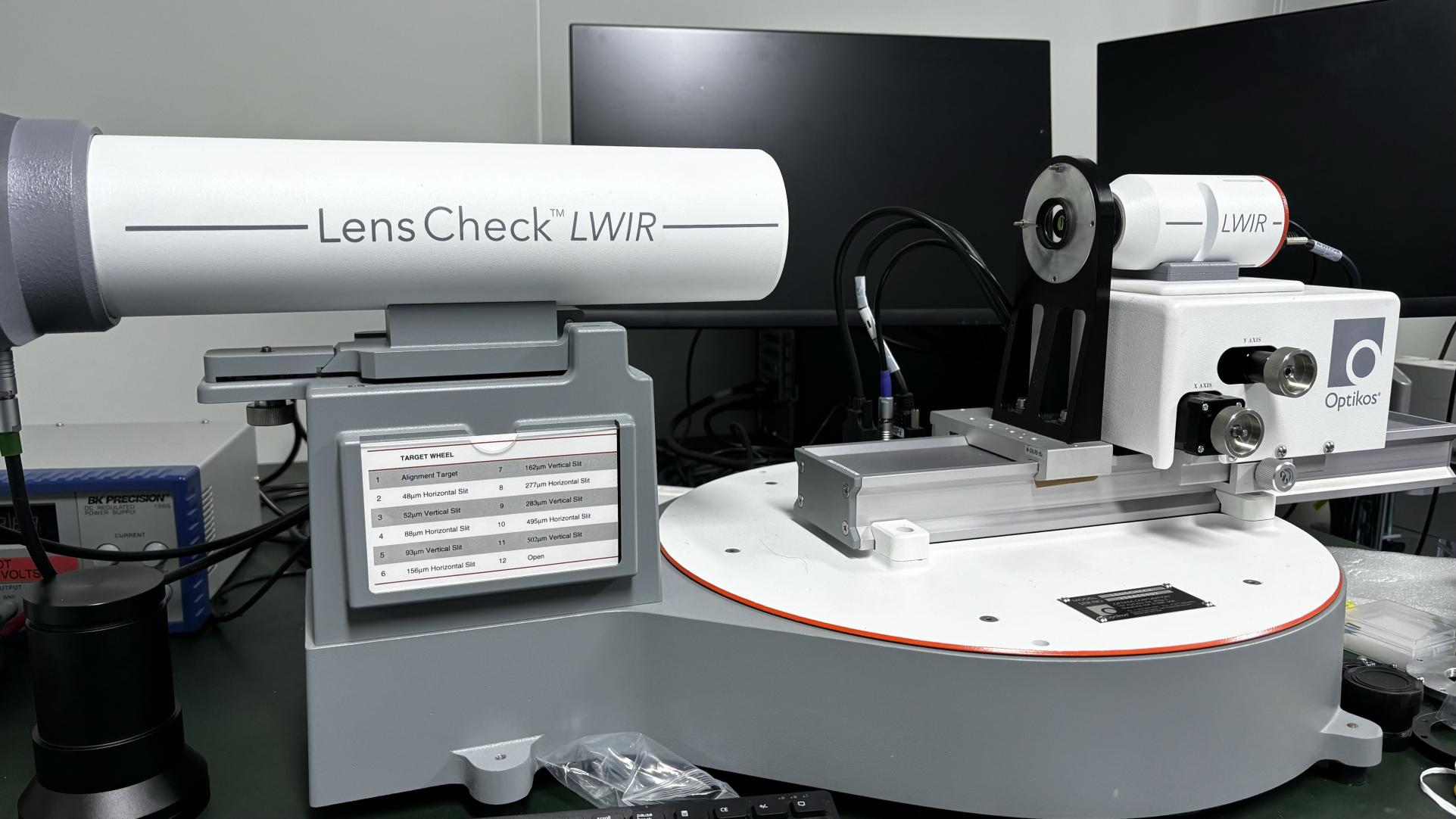
BoltGrid maintains a total industry experience of 12 years, supported by a professional quality assurance team of 45 inspectors. The company implements multiple product inspection methods, including thermal performance testing, stress load simulation, and full-system burn-in testing to ensure stability and reliability under high workloads.
The supply chain ecosystem includes over 850 strategic partners, enabling efficient sourcing of high-quality components such as GPUs, server chassis, power systems, and cooling solutions. The company serves a wide range of clients, including AI cloud service providers, data center operators, research institutions, and enterprise-level IT infrastructure integrators.
With strong R&D capabilities, BoltGrid employs approximately 120 engineers focused on GPU architecture optimization, AI workload acceleration, and system-level integration. The company launches around 85 new products annually and supports extensive customization options, including GPU configuration, memory scaling, cooling systems, and server form factor adjustments.
How OEM/ODM hardware manufacturers navigate international regulations, environmental mandates, and data sovereignty compliance.
European environmental policies mandate restrictions on dangerous substances in electrical and electronic devices (RoHS). Compliance management tools track component supply chains, ensuring every capacitor, PCB trace, and solder joint is documented and certified lead-free, facilitating proper disposal under the WEEE directive.
High-density computing servers produce massive electromagnetic emissions. Our compliance tools monitor board-level shielding performance, clock frequency modulation (spread spectrum), and filtering circuits to pass rigorous FCC Class A and CE certification tests without redesign cycles.
Our manufacturing plants employ rigid ISO-certified processes. Traceability software tracks components back to their original wafer fabrication points. This creates a secure hardware ledger, reducing risks of counterfeit component injection in mission-critical applications.
Detailing the interaction between Baseboard Management Controllers (BMC), Platform Firmware Resiliency (PFR), and centralized reporting tools.
Platform Firmware Resiliency (compliant with NIST SP 800-193) is integrated directly onto our custom-designed server boards. This mechanism leverages an independent lattice FPGA which acts as the system’s monitor. During power-on phases, the FPGA verifies the signature of the primary flash boot loader, preventing unauthorized bios modifications.
If firmware corruption or an unauthorized injection is detected during the active runtime, the PFR mechanism automatically shuts down the system boot cycle, rolls back the corrupted image to a cryptographically validated golden recovery copy, and alerts management software through the out-of-band network.
Customizing physical and electronic compliance attributes to match specific regional power grids and climatic challenges.
European grid infrastructure requires specific harmonic configurations and power factor corrections (PFC). Our tools dynamically scale power delivery algorithms inside the server PSUs, satisfying local EN 61000-3-2 standards.
Optimized for dynamic high-density cooling requirements under ASHRAE A1 through A4 guidelines, tracking incoming ambient temperature data to throttle GPU cores only when necessary.
Specialized conformal coatings and real-time dew point sensor integrations prevent trace condensation damage in high-humidity regional data center builds throughout East and Southeast Asia.
Incorporating hyper-fast dynamic voltage regulators capable of dealing with rapid grid dropouts, bridging micro-second sags before triggering hardware-level state protection protocols.
Our strategic development milestones toward autonomous hardware compliance management.
Integrating neural runtime detection patterns to identify anomaly signatures in BMC system registers, initiating local microcode restorations without requiring physical operator interventions.
Deploying distributed ledger validation mechanisms that verify every connected PCIe hardware module against factory-signed device IDs before allowing full bus speeds to initialize.
Expanding Redfish parameters to support direct liquid cooling compliance reporting, monitoring dielectric properties, fluid flow rates, and seal stress limits directly inside cloud monitoring systems.
A visual tour of our modern 18,500㎡ facility showcasing assembly, hardware burn-in testing, and quality control lines.
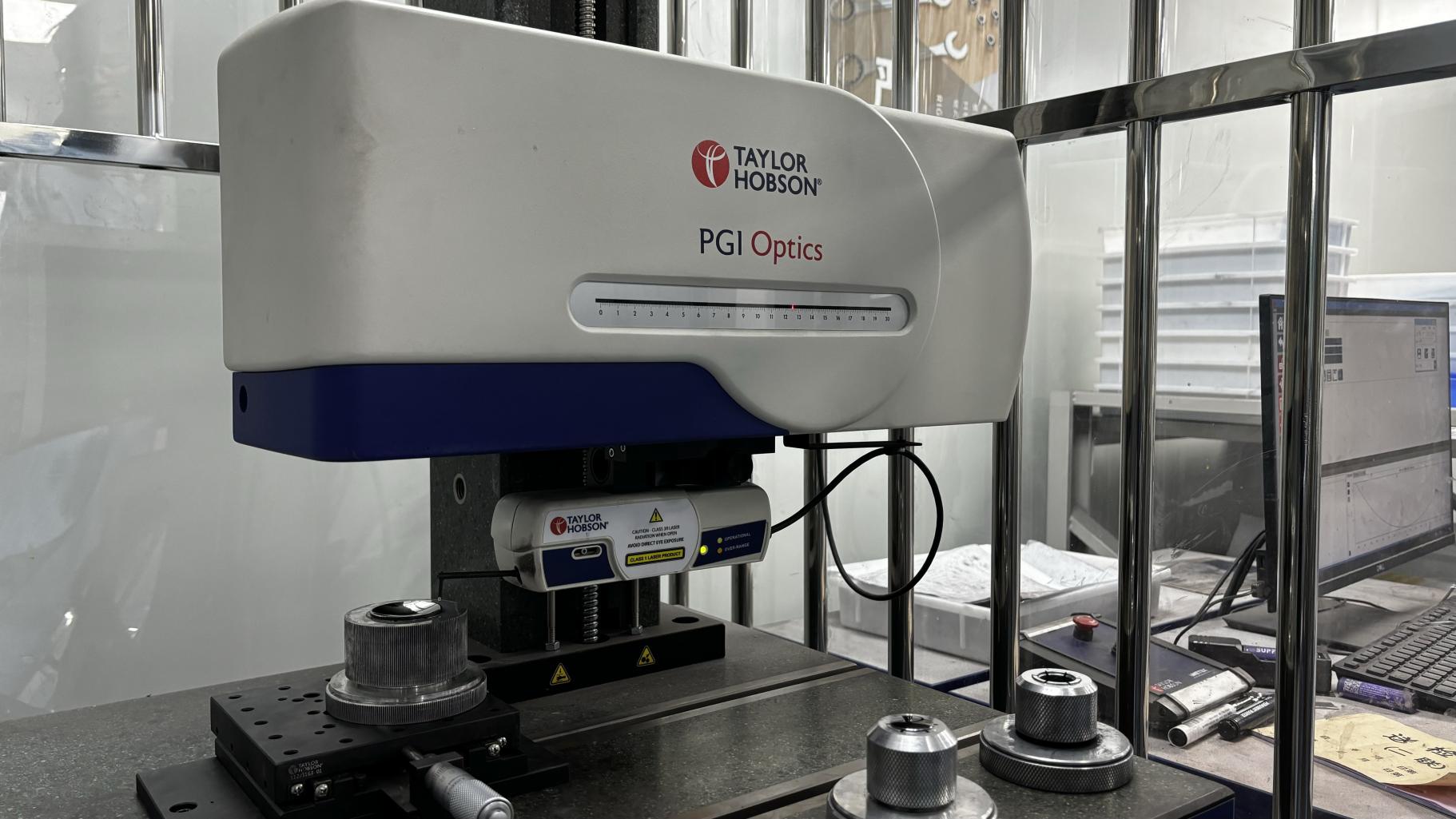
Common engineering and compliance questions answered by our system design specialists.
Integrate optimized SAS/SATA array controllers, high-performance host bus adapters, and enterprise-class solid-state storage solutions.