BoltGrid
BoltGrid
BoltGrid
Deploying mission-critical, enterprise-grade hardware configured to support complex deep-learning workflows, cloud environments, and robust business continuity plans.

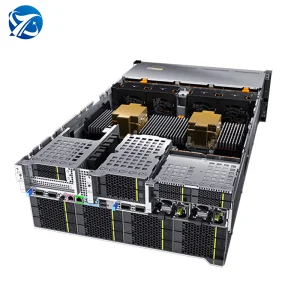
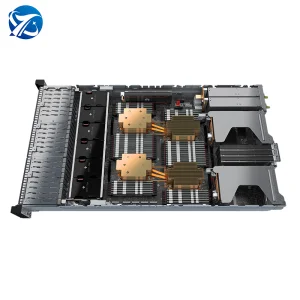

Our operational strength is built on strict quality control frameworks, significant production footprints, and agile component-sourcing ecosystems.
In the contemporary digital landscape, compute systems are no longer merely support mechanisms; they are the primary engines of economic activity. The sudden rise of massive generative models, including large-scale LLMs and architectures like DeepSeek R1, has significantly altered the baseline requirements for server runtime availability. When complex training runs or real-time inference workloads are distributed across thousands of compute nodes, a single system failure can lead to cascading rollbacks, lost progress, and significant financial consequences.
Consequently, global enterprises are transitioning from standard backup frameworks to complex, active-active, and highly modular Business Continuity Solutions. These architectures require high-performance hardware, customized failover mechanisms, redundant hot-swappable cooling loops, and high-bandwidth interconnects (such as PCIe Gen 5 and advanced FC HBA nodes) capable of shifting computing demands across local and hybrid clouds within milliseconds.
For modern data platforms, data persistence and physical durability are crucial. Our hardware design approach focuses on reducing single points of failure (SPOFs) at the board level. By incorporating highly efficient voltage regulator modules (VRMs), dedicated baseboard management controllers (BMCs) for remote health monitoring, and modular PCIe hot-plug configurations, BoltGrid provides hardware infrastructures that support reliable business continuity strategies.
BoltGrid Computing Systems Co., Ltd. designs and manufactures high-performance computing systems tailored for continuous operational availability.
With a dedicated team of approximately 120 R&D engineers, BoltGrid optimizes GPU topologies, improves thermal management, and configures bespoke chassis form factors. The company introduces roughly 85 new hardware designs annually, enabling rapid updates to meet changing technological requirements.
Quality control is managed by 45 QA inspectors operating within a multi-tiered validation workflow. Each server unit undergoes comprehensive thermal testing, load simulation, and extended system burn-in processes to ensure high operational stability under varying workloads.
By leveraging partnerships with over 850 strategic component suppliers, BoltGrid ensures consistent sourcing of critical hardware like high-density GPUs, high-speed RAM modules, redundant power distribution boards, and cooling systems.
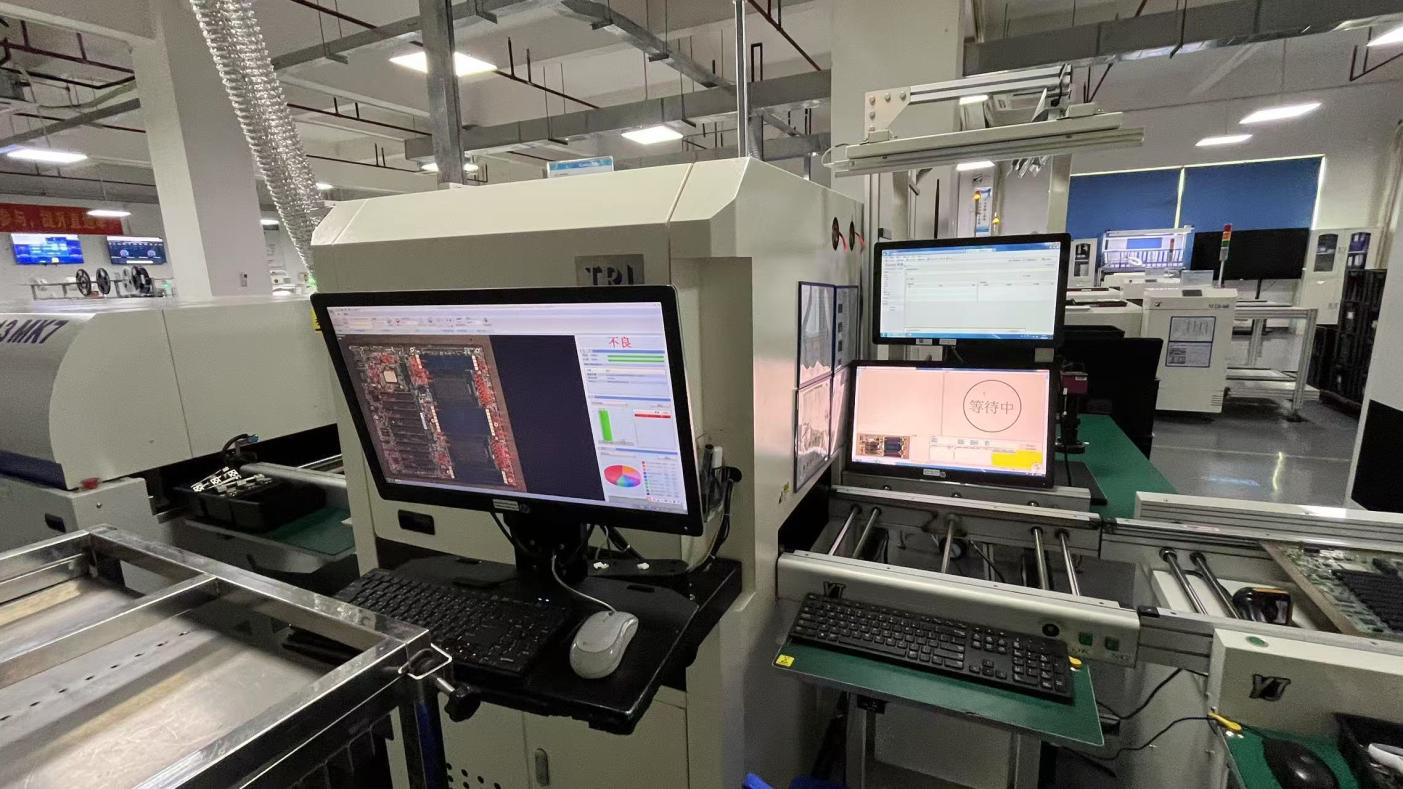
Our facility in Shenzhen is structured to optimize cycle times for complex OEM/ODM projects. By integrating surface-mount technology (SMT) lines, automated chassis assembly, and dedicated functional testing bays under one roof, we minimize material transport latency and maintain strict oversight throughout the build process.
Operating a modern 18,500 square meter production facility in China allows BoltGrid to leverage regional supply chain networks. The integration of silicon fabrication, sub-assembly manufacturing, precision metal stamping, and advanced electronics assembly lines creates a highly efficient manufacturing hub.
This localized density allows us to significantly reduce component lead times. When global shortages impact standard supply lines, our connections with 850+ local suppliers enable us to source components and alternative configurations quickly. This capacity underpins our ability to handle complex customization requests without causing project delays.
Additionally, our production lines utilize high levels of automation. Automated optical inspection (AOI) systems, precision SMT pick-and-place systems, and dynamic loading rigs run continuously, enabling consistent throughput and competitive lead times.
Different regional markets require tailored server specifications. Our OEM/ODM capability adapts hardware designs to meet local environmental, regulatory, and power conditions.
Edge GPU Clusters & Hyperscale Centers
Focused on high thermal performance and rapid network failover to support hyperscale cloud deployments. Configured with hot-swap power supplies and redundant NICs to maintain uptime across massive computing grids.
High-Efficiency Green Computing
Optimized to meet strict energy consumption mandates. Hardware configurations emphasize high-efficiency power distribution units (80 Plus Titanium certification) and support liquid cooling integration to reduce PUE ratings.
Edge & Telecom Resiliency
Configured to operate in environments with high humidity and ambient temperatures. Built with corrosion-resistant circuit coatings and robust cooling systems to ensure reliability in challenging site conditions.
Enterprise AI & Smart City Core
High-density GPU arrays designed to withstand localized ambient dust and heat. Implements multi-fan array structures and heavy-duty dust filtration systems without compromising volumetric airflow.
Enterprise-level hardware selection requires deep scrutiny of performance metrics, reliability compliance, and manufacturing transparency.
All major system components undergo rigorous quality testing. Motherboards, RAM slots, and PCIe lanes are verified to exceed 150,000 hours of continuous operations under typical thermal limits, helping to ensure consistent performance over the system's operational lifecycle.
Our products are engineered and tested to comply with international standards, including FCC Class A, CE Mark, RoHS directives, and UL/IEC safety certifications, ensuring seamless integration into enterprise data centers globally.
We provide long-term supply commitments for OEM/ODM customers. BoltGrid guarantees hardware revision stability and spare parts availability for up to 7 years post-production, preventing premature system obsolescence.
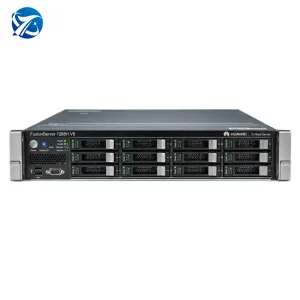
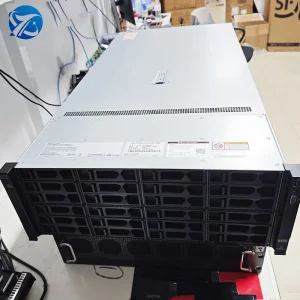
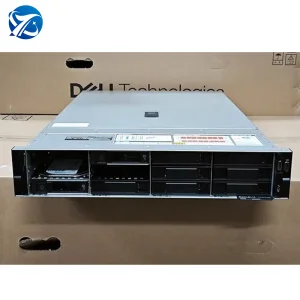
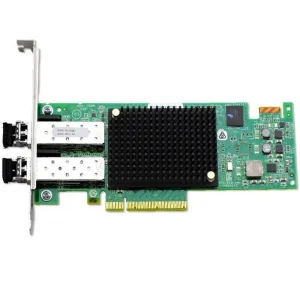
Browse our range of expandable server nodes, Fibre Channel HBA connectivity interfaces, and high-density memory modules optimized for high uptime.
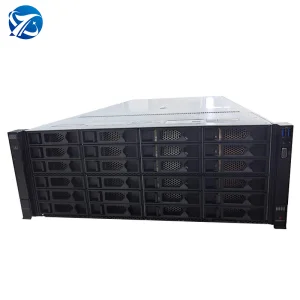
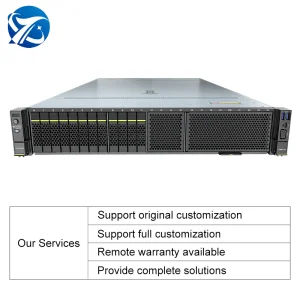
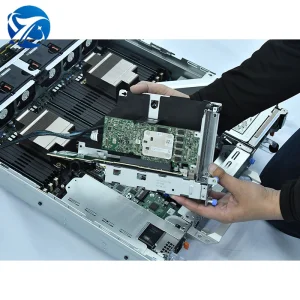
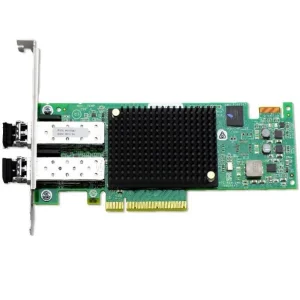
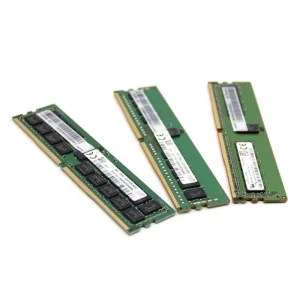
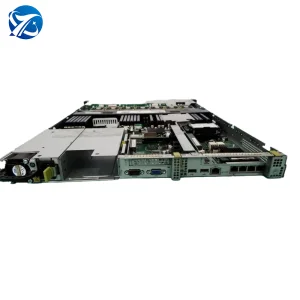
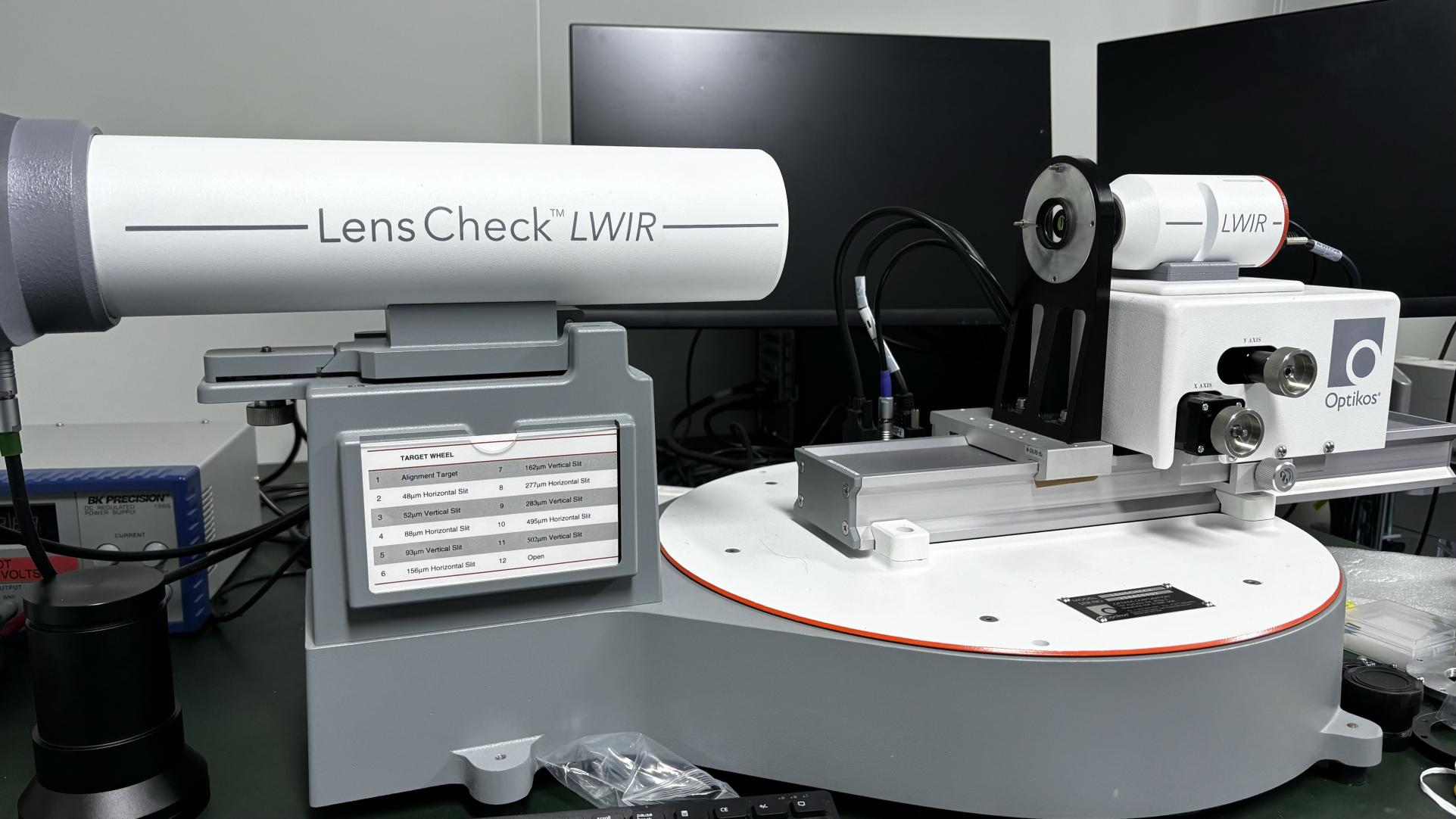
An inside look at our 18,500㎡ facility showcasing our advanced SMT lines, assembly bays, and quality validation workflows.
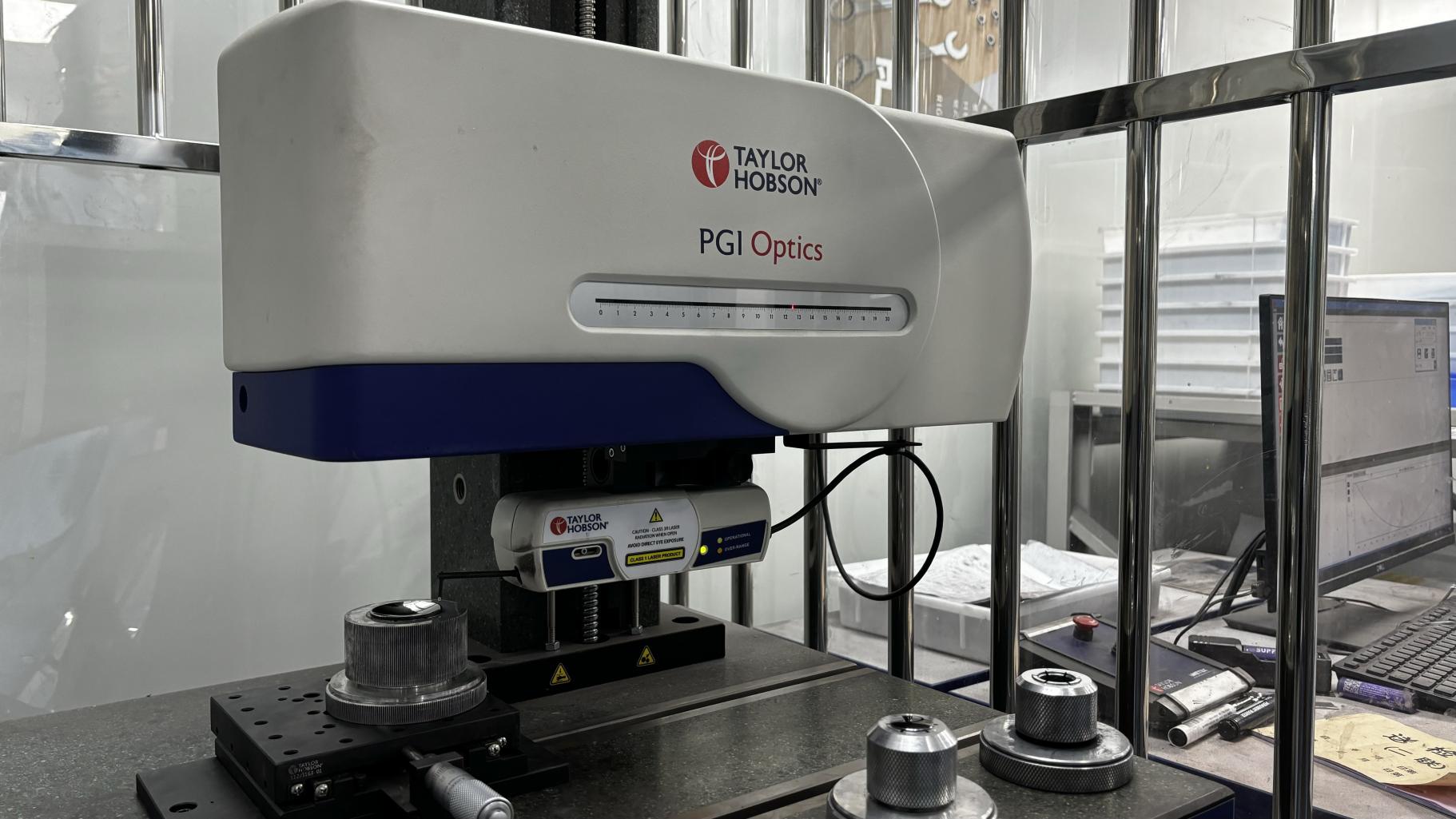
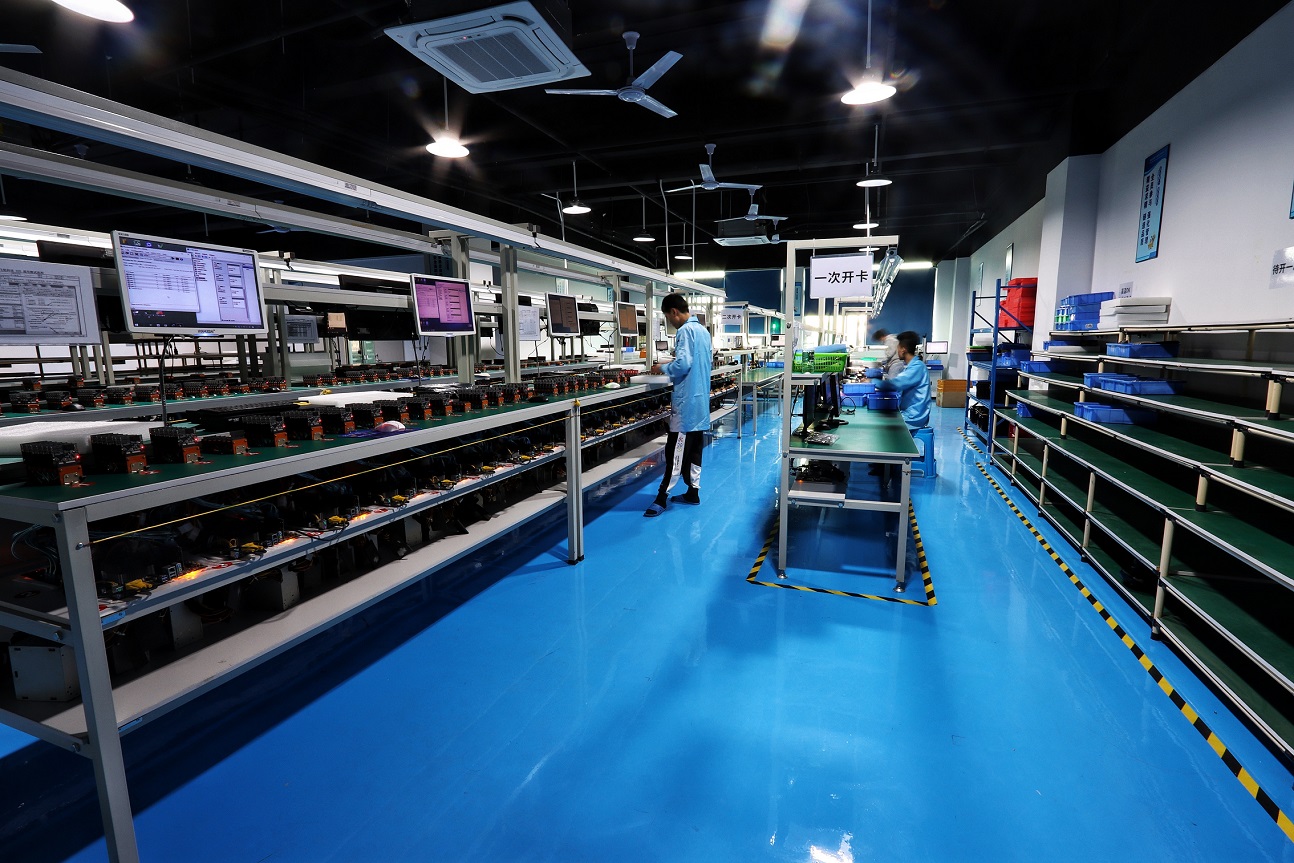
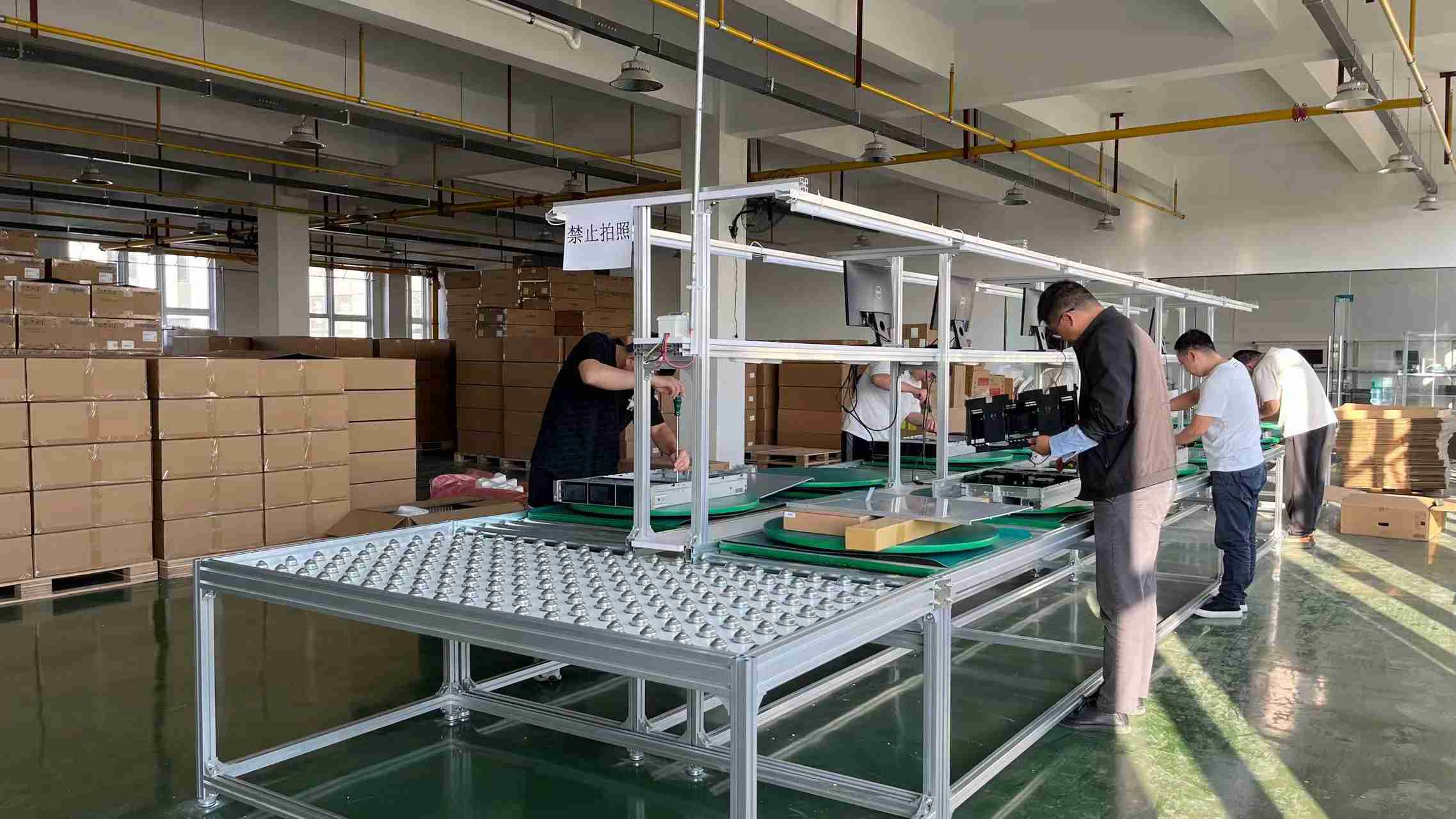
Common technical questions regarding our manufacturing capacity, quality control procedures, and customizable OEM/ODM server options.
BoltGrid offers extensive customization across the server stack. This includes modifying PCIe board layouts, optimizing NVLink routing topologies, designing bespoke liquid-to-air cooling manifolds, structuring dynamic PSU brackets, and tailoring bios parameters. We design, manufacture, and integrate systems based on your target operational goals.
We employ a dedicated team of 45 QA inspectors who carry out validation procedures on all units. Testing protocols include automated optical inspections, board-level component verification, comprehensive thermal stress mapping, and simulated load testing. Each chassis undergoes a minimum 24-hour full-system burn-in procedure before packaging and shipping.
Our production facility features automated SMT lines, dedicated structural integration zones, and high-capacity burn-in chambers. This scaling potential, combined with a network of over 850 strategic partners, helps us mitigate supply shortages and maintain consistent lead times for large-scale enterprise deployments.
Yes. We integrate, configure, and validate high-speed expansion hardware, including Emulex LPe35000 and LPe35002 series Fibre Channel HBAs, directly into our OEM/ODM compute server assemblies. Systems are verified at the driver and OS level to ensure network connectivity matches enterprise specifications.
We maintain 7 years of structured international trade operations, generating around USD 18 million in annual export revenue. Our logistics networks support deliveries to customers across North America, Europe, Southeast Asia, and the Middle East, complying with regional customs clearances, trade requirements, and shipping standards.
We design thermal pathways and power planes to support the high current draw required by multi-GPU configurations under full load. By optimizing PCIe signal routing and utilizing high-density DDR4/DDR5 ECC RAM modules, we help minimize data transfer bottlenecks, enhancing performance during intensive AI workloads.
Thanks to our localized supply chain and in-house SMT and stamping facilities, we can design, build, and ship a fully custom server prototype in 4 to 6 weeks, depending on component complexity. Mass production runs typically scale up shortly after customer validation and sign-off.
Yes. We offer energy-efficient server design options, utilizing Titanium-rated redundant power supplies, custom firmware configurations to manage fan-speed profiles dynamically, and support for liquid-cooling integration. These features help clients reduce total power usage and meet corporate sustainability goals.