BoltGrid
BoltGrid
BoltGrid
High-throughput computation nodes optimized for custom security software integration and deep-packet intelligence processing.
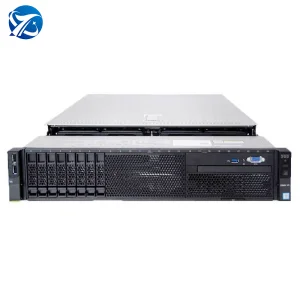
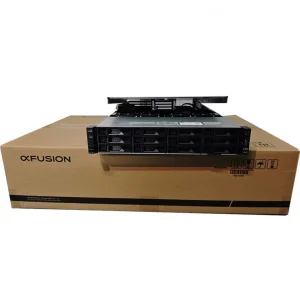
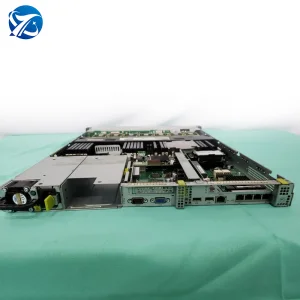
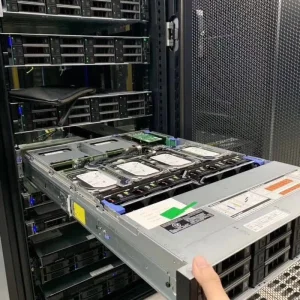
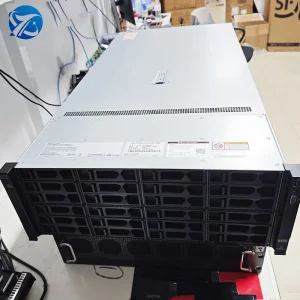
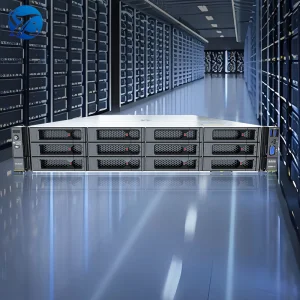
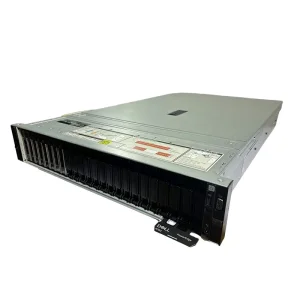
The convergence of high-capacity network routing, deep packet inspection (DPI), and machine learning security heuristics demands highly optimized hardware platforms.
In the current cybersecurity paradigm, security threats bypass simple perimeter firewalls. Enterprise networks handle petabytes of encrypted traffic daily, which requires inspection without creating latency bottlenecks. Unified Threat Management (UTM) acts as an integrated system, incorporating Next-Generation Firewalls (NGFW), Intrusion Detection/Prevention Systems (IDS/IPS), Content Filtering, anti-malware, and Virtual Private Network (VPN) functions into a single logical platform.
BoltGrid Computing Systems Co., Ltd. addresses this segment by designing, assembling, and integrating custom x86 and hardware-accelerated processing architectures. These systems allow security software providers, Cloud Service Providers (CSPs), and major system integrators to scale UTM workloads at the hardware layer. Our platforms utilize modern Xeon processors and multi-GPU acceleration components to meet the requirements of real-time SSL decryption, packet processing, and security database integration.
Real-time analysis of packet payloads up to Layer 7 requires specialized ASIC or FPGA-accelerated motherboards that prevent network throughput drop during deep analysis.
Enabling micro-segmentation and strict cryptographic authorization across high-density nodes, designed directly within the hardware BIOS/firmware architecture.
Utilizing dedicated GPU compute pathways (such as Tensor Cores) to execute local machine learning models that scan for zero-day threat patterns without relying on constant cloud checks.
How high-performance AI GPU nodes are redesigning enterprise cybersecurity paradigms.
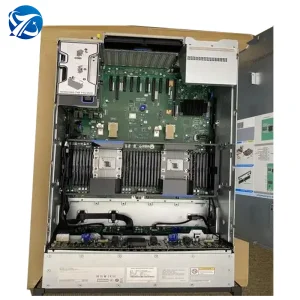
As threat vectors evolve, software-only UTM appliances can suffer performance degradation under high loads, leading to packet drops. By integrating hardware acceleration, BoltGrid's systems leverage multi-GPU architectures (such as the FusionServer G8600 V7 8U GPU rack) to execute security intelligence and deep learning models at the data entry point.
AI model training and real-time inferencing on deep-threat patterns (e.g., DeepSeek models or security-specific neural networks) process large volumes of security logs, identify irregular user activities, and flag zero-day exploits. This workload is offloaded to GPU clusters and high-density multi-socket servers, ensuring that the primary network processor remains focused on core routing tasks.
Leveraging supply chains, testing facilities, and engineering expertise to deliver UTM and AI system components globally.
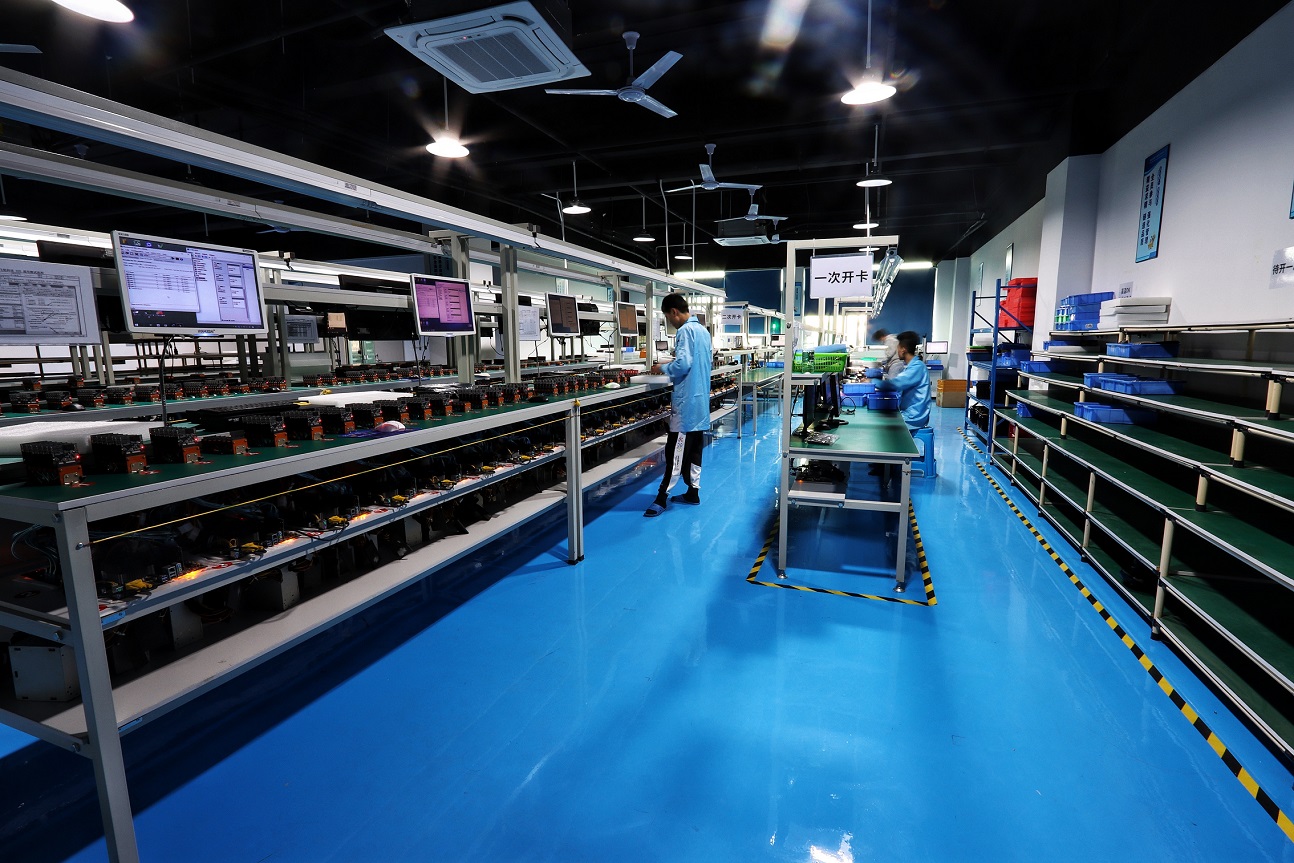
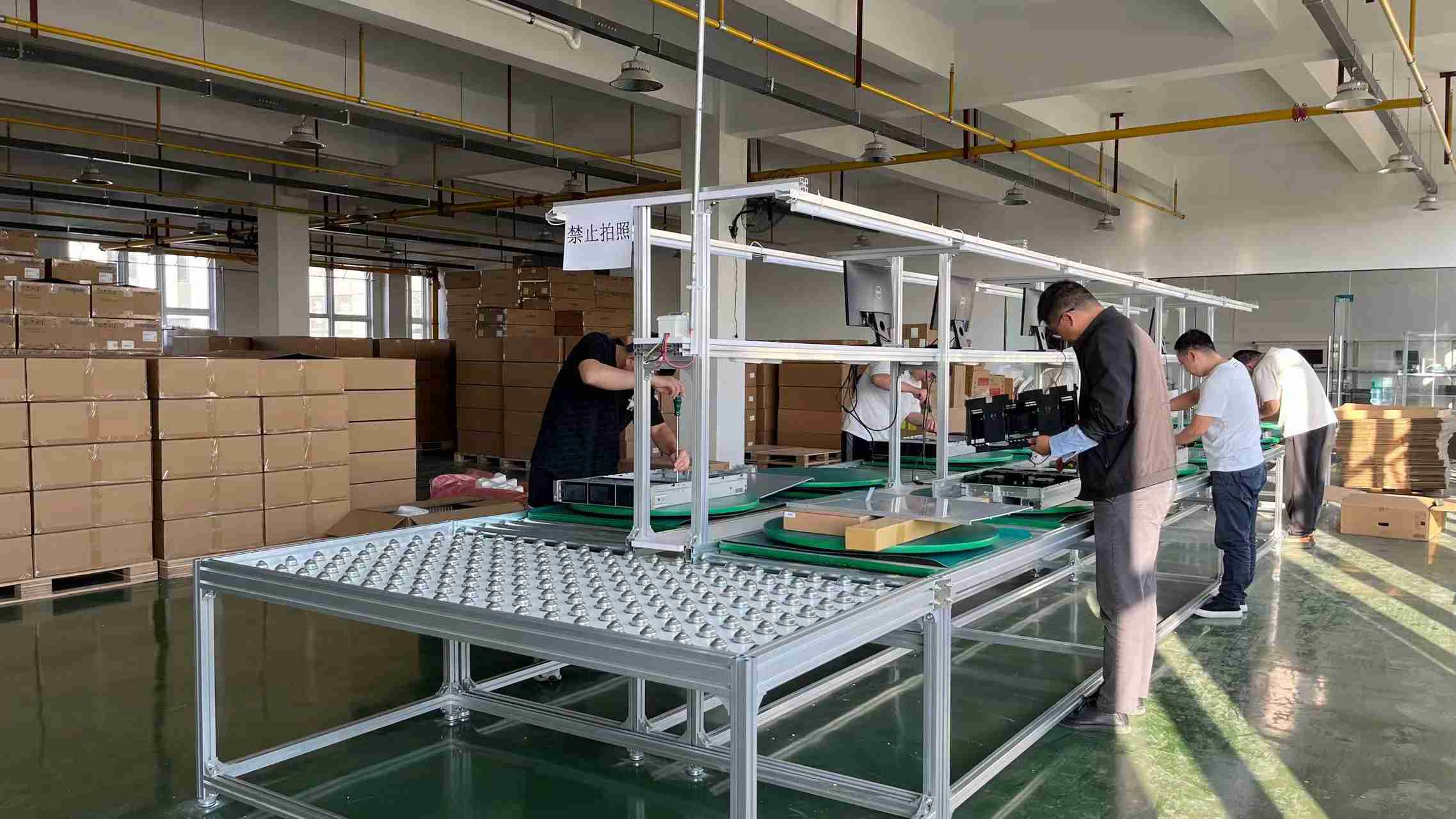
Established in 2016, BoltGrid Computing Systems Co., Ltd. has developed capabilities in design, manufacturing, and global supply of advanced computing hardware. Operating a modern production facility covering approximately 18,500㎡, BoltGrid supports large-scale assembly, testing, and system integration for AI server and security hardware products. With annual export revenue reaching around USD 18 million, BoltGrid has built 7 years of international trade experience, serving customers across North America, Europe, Southeast Asia, and the Middle East.
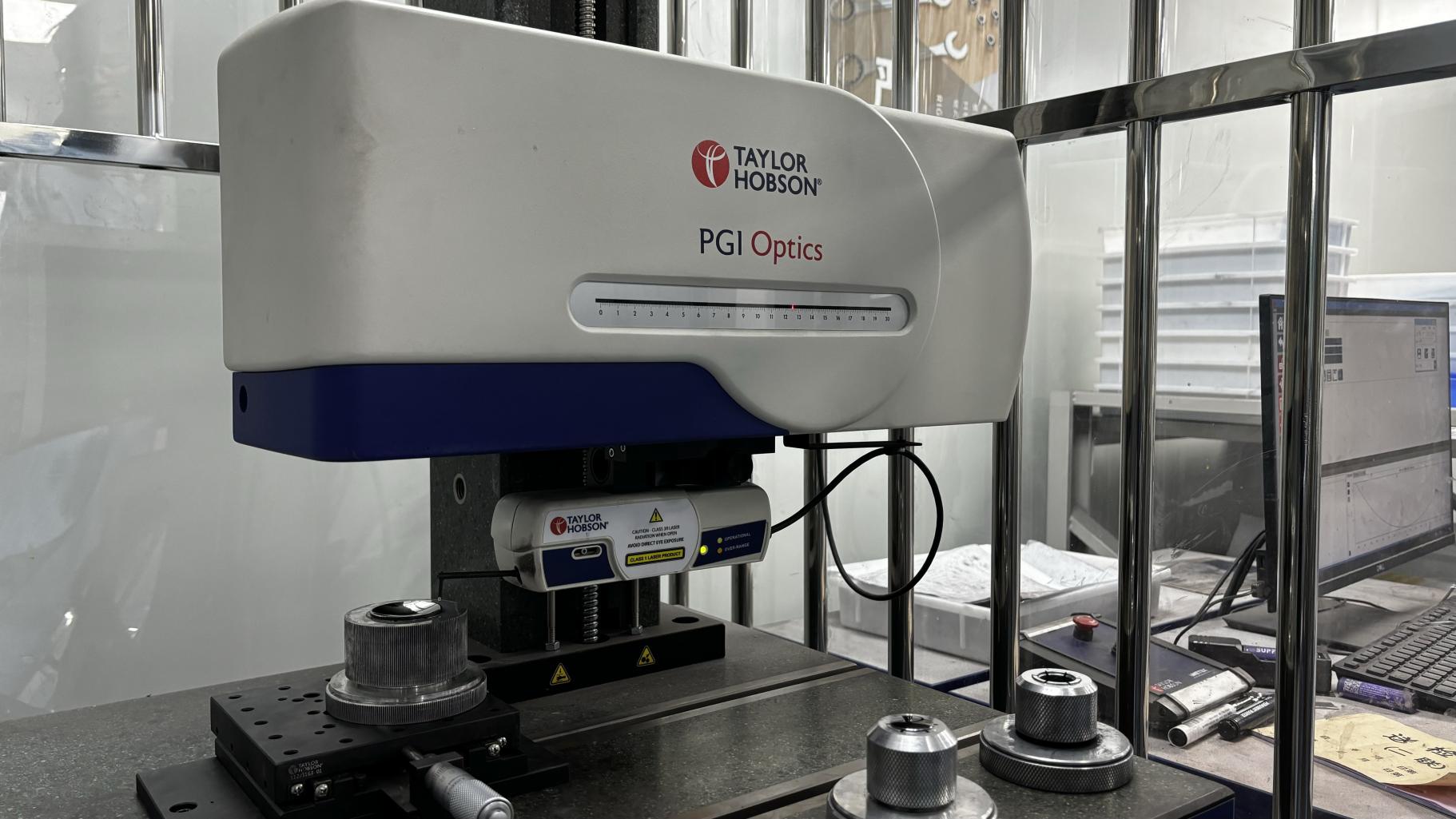
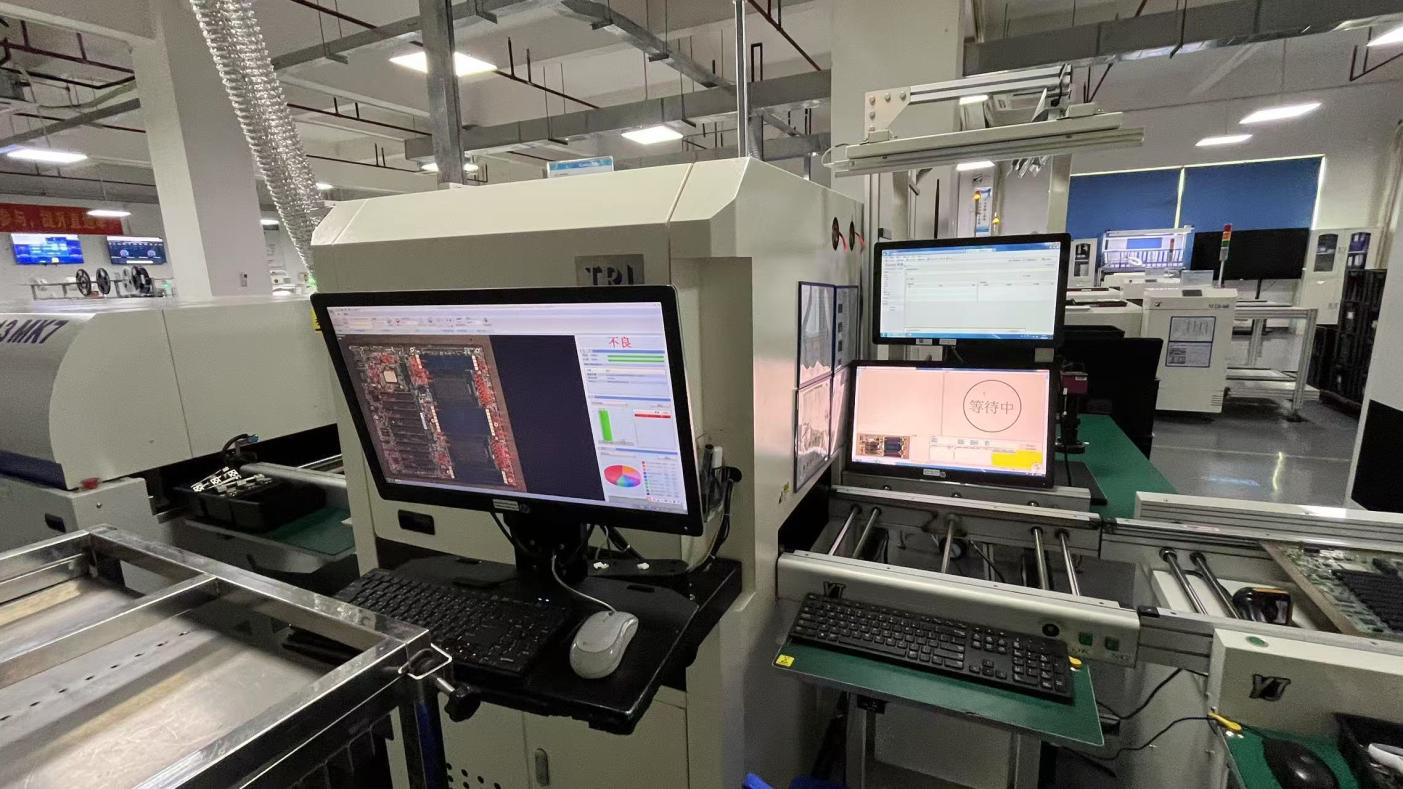
Our supply chain ecosystem includes over 850 strategic partners, enabling efficient sourcing of components such as GPUs, server chassis, power systems, and specialized cooling solutions. Backed by 12 years of industry experience, our quality assurance team of 45 inspectors implements multiple product inspection methods, including thermal performance testing, stress load simulation, and full-system burn-in testing to ensure hardware reliability under demanding enterprise network conditions.
BoltGrid employs 120 engineers focused on GPU architecture optimization, AI workload acceleration, and system-level integration. We launch approximately 85 new products annually and support custom designs, including specific GPU configurations, memory scaling, cooling options, and rack structural form factor adjustments.
All UTM chassis and server motherboards undergo testing, including thermal profiling, electrical load testing, and systematic burn-in cycles. This testing validates hardware reliability under continuous peak loads before deployment in enterprise environments.
Located in a major industrial computing hub, BoltGrid manages sourcing, metal fabrication, and circuit integration to optimize lead times for global orders, helping clients reduce time-to-market.
Matching UTM hardware solutions to enterprise scalability and deployment requirements.
| Deployment Model | Hardware Architecture | Throughput Capacity | Ideal Target Application | Recommended OEM Hardware Platforms |
|---|---|---|---|---|
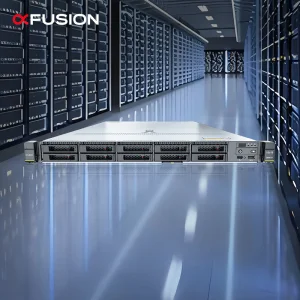
| Branch Office UTM Gateway | 1U Short-depth x86 Server, 4-8 Cores, Multi-port Gigabit Ethernet | 1 Gbps - 5 Gbps | Distributed branch security, SD-WAN endpoints, and remote offices | 1288H V7 1U 2-socket platforms, custom mini-server nodes |
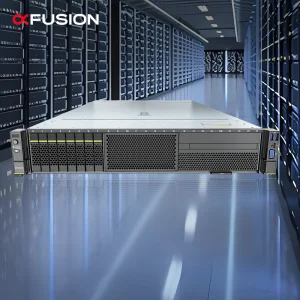
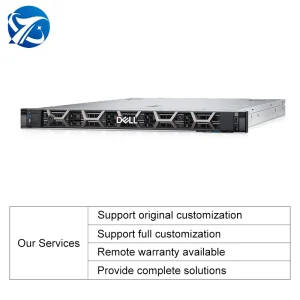
| Enterprise Edge Security Node | 2U Dual-socket Rack Server, 16-32 Cores, 10G/40G SFP+ Ports | 10 Gbps - 40 Gbps | Corporate perimeters, corporate HQ firewall operations, secure VPN aggregations | FusionServer 2288H V7 2U Rack Servers, PowerEdge R760XS |
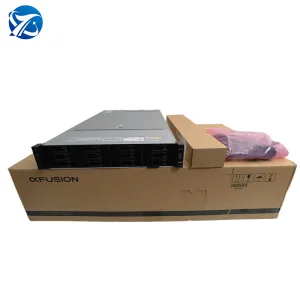
| AI-Enhanced Datacenter UTM | 2U/4U Rack Server with dedicated GPU Acceleration Cores (DeepSeek AI Integrated) | 100 Gbps - 400 Gbps | High-throughput cloud data centers, real-time SSL decryption, multi-tenant NGFW | xFusion 2288H V7 AI Deepseek GPU System, PowerEdge R750/R760 Servers |
| High-Performance GPU cluster Core | 8U Rack Platform, 8x GPU configuration, redundant cooling & power systems | 1 Tbps+ (Distributed workloads) | Hyperscaler datacenter security, telecom core security gateways, AI threat simulation | xFusion FusionServer G8600 V7 8U GPU Platform |
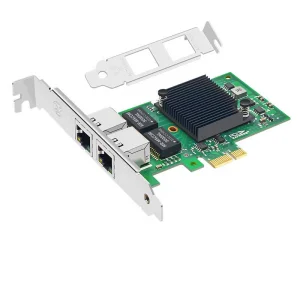
Customization services cover NIC selection (10GbE to 100GbE QSFP+), RAM scaling, storage media (NVMe, Enterprise SAS SSDs), BIOS logo branding, and customized physical bezels to display client brand colors and logos.
Power configurations feature N+1 hot-swappable Platinum-grade power supplies (up to 96% efficiency) combined with automated, variable-speed fan controllers to balance cooling efficiency and acoustics in enterprise racks.
BMC/IPMI 2.0 controllers allow out-of-band monitoring of server parameters. Power controls, hardware health metrics, and firmware updates can be managed remotely from security network operations centers (NOC).
Important compliance, operational, and hardware metrics for international procurement departments.
Enterprise procurement teams in North America, Europe, and the Middle East require strict verification of hardware provenance, security compliance, and long-term hardware availability when sourcing UTM systems. BoltGrid designs security appliance servers to comply with international regulations while maintaining supply chain continuity for critical network components.
From BIOS startup screens to customizable server front bezels, we build servers tailored to your corporate design specifications.
Experience in exporting to North America, Europe, and Asia, with support for standard commercial trade documentation (FOB, CIF, DDP).
Replacement part services and hardware technical support lines ensure continuity of service for systems running critical security workloads.
Technical and procurement questions answered by BoltGrid's engineering and supply team.
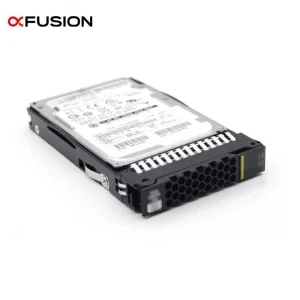
Enterprise network computing products, array controller cards, and hard drives for secure web clouds, network storage, and AI database deployment.