BoltGrid
BoltGrid
BoltGrid
Optimized systems supporting customizable server management architectures
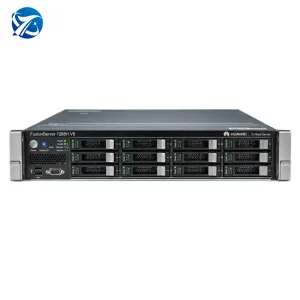


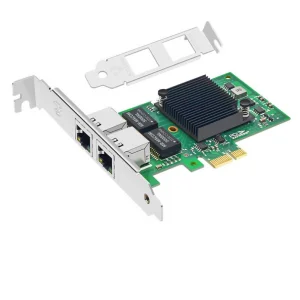

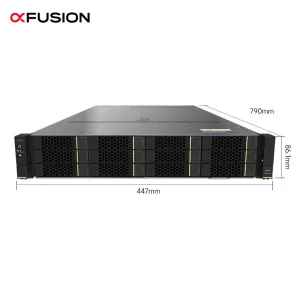
In modern high-density data centers and distributed enterprise networks, bare-metal server management is the foundation of structural reliability. A server is only as good as the software managing its bare-metal state. Dynamic workloads require advanced integration levels to ensure zero downtime. This whitepaper analyzes modern BMC architecture, Redfish APIs, secure boot methods, supply chain factors, and localization techniques.
"BoltGrid Computing Systems Co., Ltd. builds hardware infrastructure around secure out-of-band management tools. Our systems ensure seamless management across complex, multi-tenant cloud ecosystems."
Modern server management relies on the Baseboard Management Controller (BMC), a specialized service processor that monitors the physical state of a computer, network device, or database hardware. By using sensors and communicating with the system administrator, the BMC guarantees continuous uptime and offers out-of-band (OOB) access, even if the host operating system fails.
Traditional setups relied heavily on IPMI 2.0 (Intelligent Platform Management Interface). While IPMI is still widely used for basic serial redirection and power cycle commands, it lacks the flexibility needed for modern web services. Today, enterprise workloads are shifting to the DMTF Redfish standard. Redfish utilizes RESTful APIs, JSON formatting, and OData schemas to integrate server status directly with orchestration frameworks like Ansible, Kubernetes, and Terraform.
BoltGrid customizes firmware structures based on both legacy IPMI 2.0 and modern OpenBMC frameworks. This allows system integrators to adapt their BIOS and BMC profiles, deploy secure boot configurations, and configure custom GUI dashboards. Our systems support multi-tenant isolation, custom REST endpoints, and deep hardware telemetry logging, helping providers scale and optimize operational efficiency.
Every data center operator has unique requirements for monitoring infrastructure. BoltGrid addresses these needs with comprehensive OEM and ODM customization services for server management software and firmware:
Hardware and software design focused on structural stability, compliance, and out-of-band access
BoltGrid implements secure boot routines and cryptographically signed firmware, protecting servers from malicious rootkits and firmware-level vulnerabilities.
Stream real-time performance, thermal, and electrical diagnostics via Event Service APIs. This data integrates easily into Prometheus, Grafana, or proprietary SIEM systems.
Custom proportional-integral-derivative (PID) algorithms control fan speeds based on real-time hardware loads. This approach lowers cooling costs and improves PUE metrics.
Deploying servers globally requires navigating strict regional guidelines for remote access, encryption, and data transmission. Modern server management systems must balance usability with compliance:
GDPR, NIS2, and HIPAA Log Auditing: Server management tools collect system logs, access attempts, and hardware events. These platforms must record audit trails securely, encrypt local syslog data, and support remote syslog export over TLS to help operators meet GDPR and NIS2 standards.
Cryptographic Requirements (TPM 2.0 & FIPS 140-3): High-security sectors require FIPS 140-3 validated cryptographic modules. BoltGrid integrates physical Trusted Platform Modules (TPM 2.0) and custom firmware cryptographic libraries. This structure protects SSH keys, HTTPS certificates, and IPMI passwords using modern ciphers while disabling deprecated TLS versions.
Multilingual Localized WebUI: Our custom OEM management tools support multilingual localization, including English, Simplified Chinese, German, Japanese, Spanish, and French. System operators can manage local infrastructure using their preferred language, reducing configuration mistakes and improving operational efficiency.
China's server manufacturing sector provides a strong balance of component availability, cost efficiency, and fast customization. Producing enterprise servers at BoltGrid's facility offers several key benefits:
Complete Component Ecosystem: From ASICs and PCB manufacturers to high-efficiency power supplies and specialized cooling solutions, BoltGrid works directly with components suppliers. This proximity reduces development cycles and speeds up prototyping.
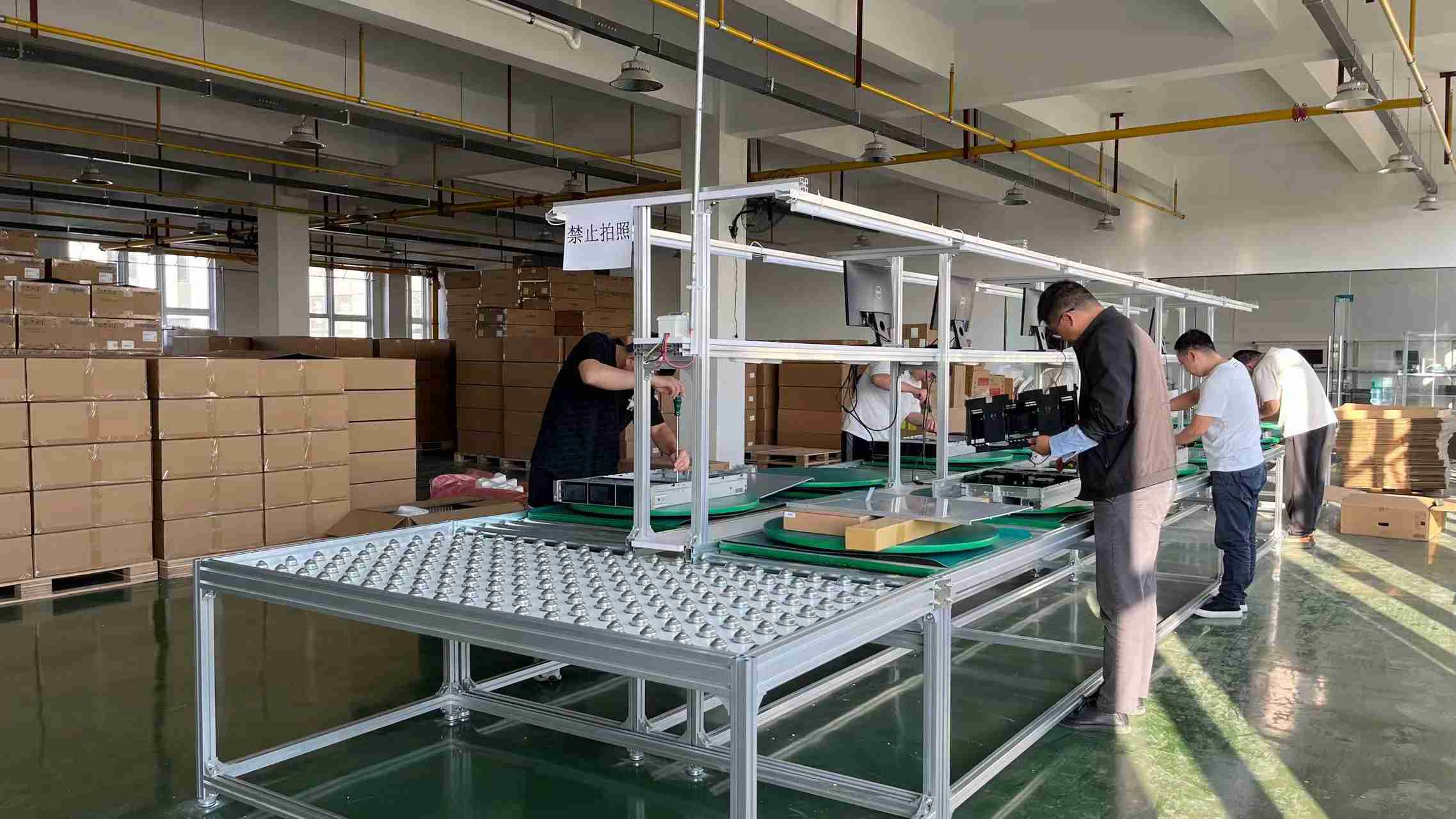
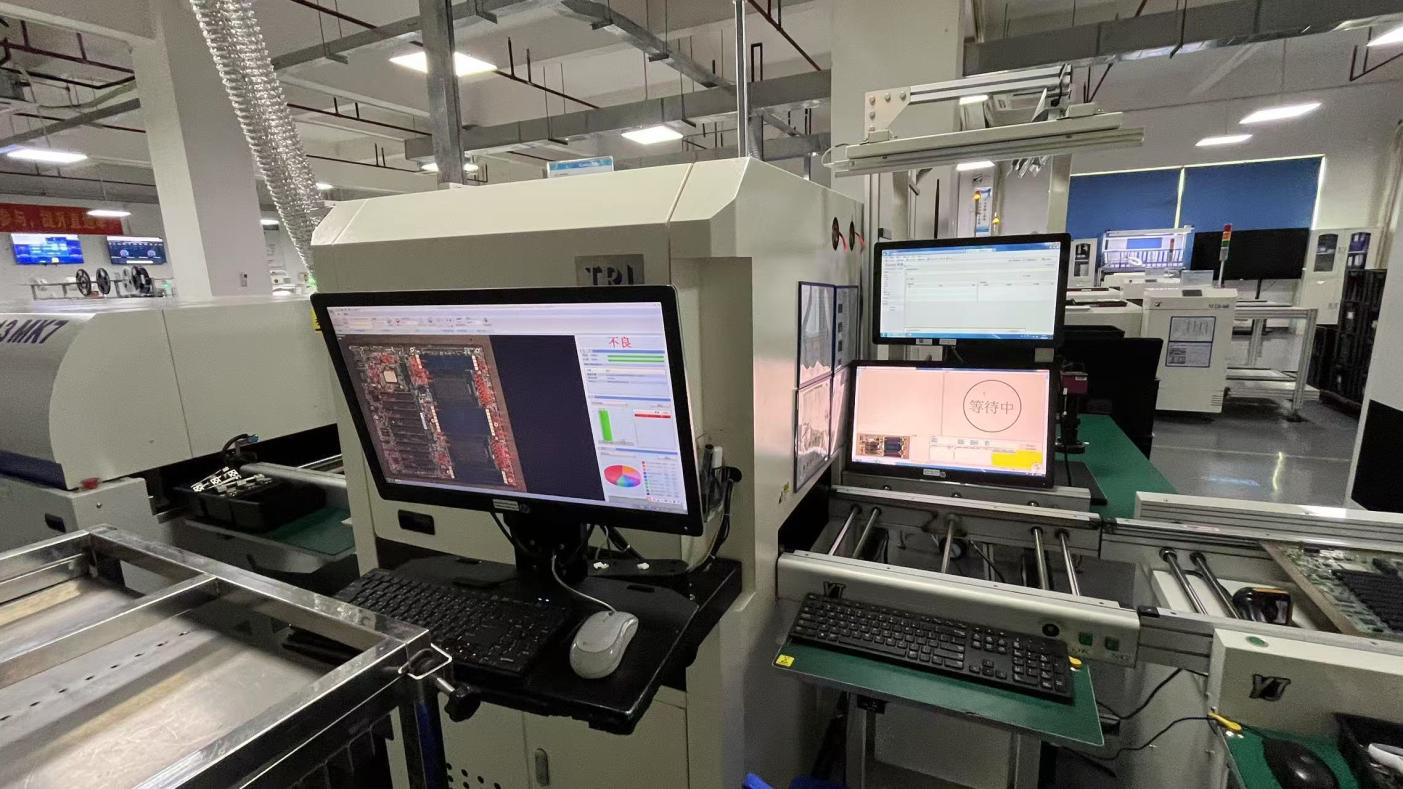
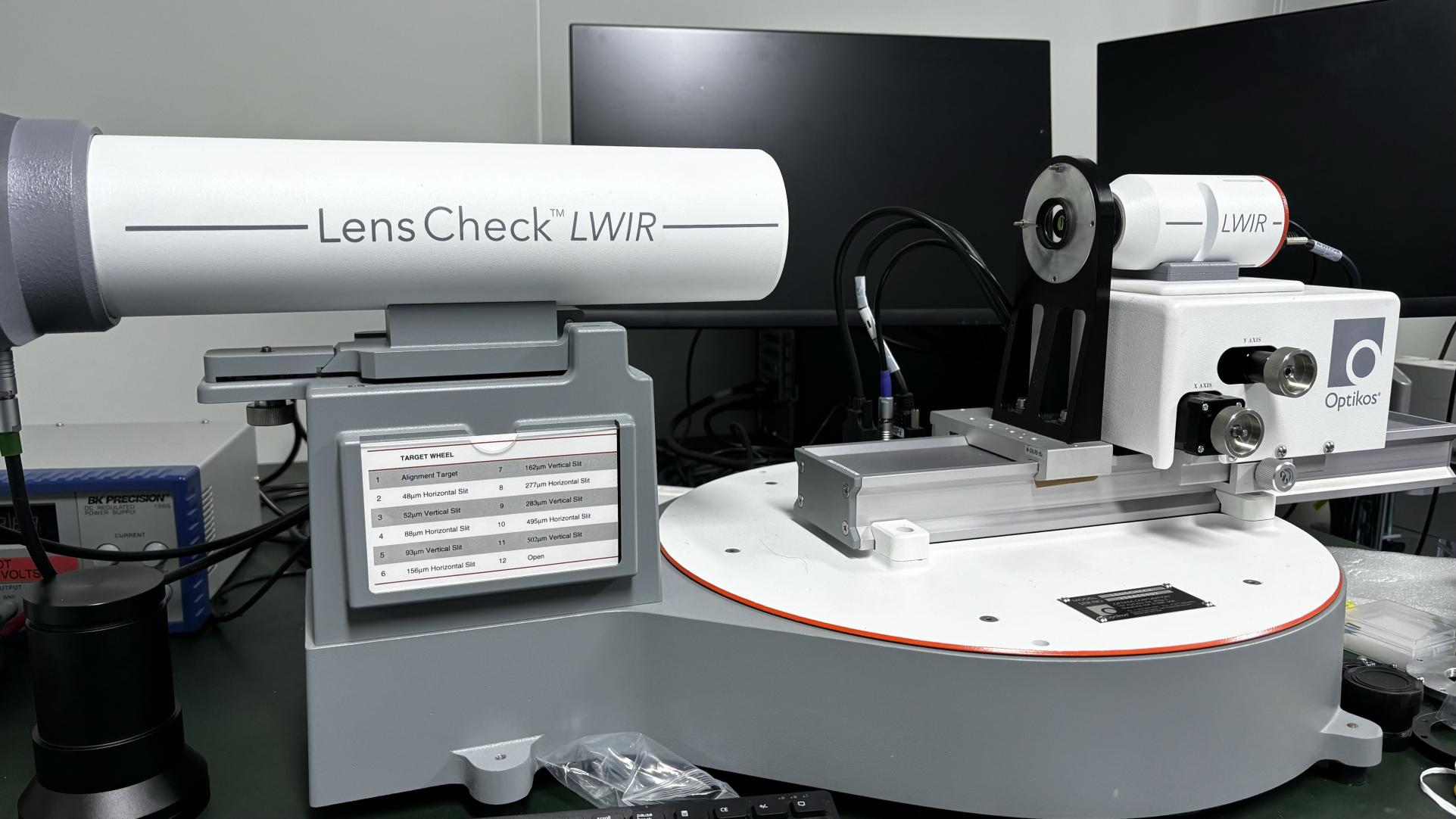
Extensive Custom Testing: BoltGrid uses advanced testing protocols, including thermal chamber simulation, drop testing, vibration analysis, and full-system electrical load burn-in. These tests verify the reliability of both hardware components and onboard management tools under heavy computational loads.
Scalable Engineering: Backed by 120 R&D engineers and 45 QA inspectors, BoltGrid designs custom PCB layouts and customizes BMC firmware quickly. We easily adapt designs to address changing raw material availability or localized power and thermal needs.
Organizations purchasing server infrastructure look for custom systems that fit their exact operating profiles. BoltGrid supports several key deployment scenarios:
High-Performance AI & Deep Learning Clusters: High-performance AI servers like the xFusion G5500 V7 require detailed monitoring. BoltGrid's custom management interfaces track GPU temperatures, power consumption, and thermal trends, helping prevent throttling during training runs like DeepSeek R1 optimization.
Hyperscale Cloud Data Centers: Multi-node deployment models depend on automated server setup. We supply tools optimized for PXE boot configurations, automatic firmware updates, and remote console control, enabling zero-touch provisioning for thousands of bare-metal servers.
Edge Computing and Telecom Deployments: Edge nodes are often deployed in environments with limited local maintenance. Reliable remote access via cellular modems, automated email alerts, and local power control are essential for remote maintenance and troubleshooting.
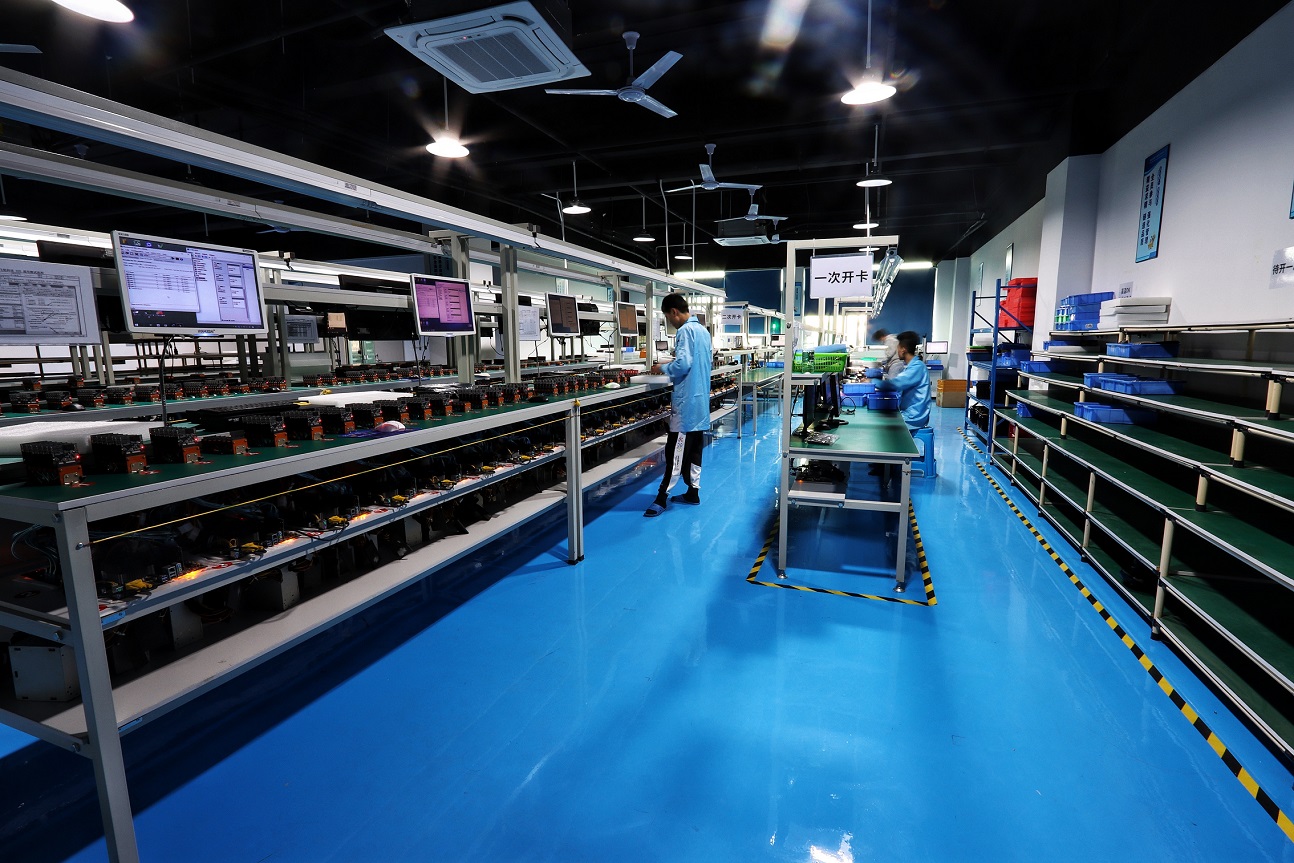
Operating a modern production facility of 18,500㎡, BoltGrid Computing Systems Co., Ltd. designs, builds, and tests advanced AI systems, server platforms, and custom management controllers. We ensure that our systems meet international standards and operate reliably under demanding workloads.

The server management sector is shifting away from reactive monitoring toward proactive automation. Three main trends shape current system design:
AI-Assisted Root Cause Analysis: Next-generation BMCs run micro-models directly on the controller chip. These processors identify signs of voltage wear, memory errors, or fan fatigue, warning administrators to replace parts before a failure occurs.
Adopting Open Source OpenBMC: Hyperscale cloud networks are moving from proprietary BMC software to OpenBMC. This open-source framework helps operators fix bugs quickly, control code quality, and maintain unified API access across different CPU architectures.
Monitoring Modern Liquid Cooling Systems: As server power demands rise, liquid cooling is becoming common. Advanced server management tools monitor fluid pressure, coolant levels, flow rates, and valve status, shutting down nodes automatically if a leak is detected to protect expensive hardware.
Detailed insights into server management architectures, compatibility, and customization options
Explore systems and hardware configurations tailored for modern workloads