 BoltGrid
Explore our enterprise-grade server systems, GPU acceleration nodes, high-density storage arrays, and load-tested components built to undergo rigorous burn-in thermal and power validation.

New xFusion 2288H V7 Storage Internet Server 25*2.5 Inch Drive Xeon 4410Y 32GB 900W PSU 2288H V7 2U 2-socket Rack Server
View Details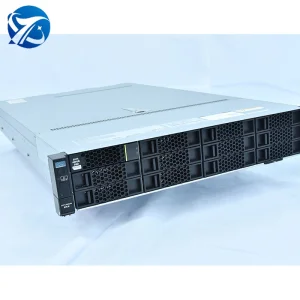
New xFusion Fusionserver 2288H V6 Computer Server 8x2.5-Inch Drive Xeon 4310*2 2288H V6 2U 2-socket Rack Server
View Details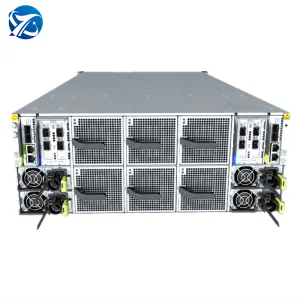
G5200 V5 GPU Server High Density Computing Node for AI Training and Deep Learning Applications
View Details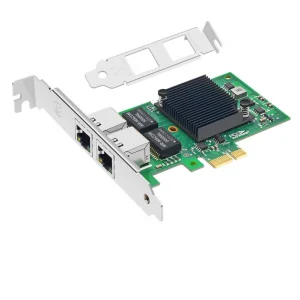
XP270-M2- (SAS3808 BootCard) - M2 RAID Standard Card-RAID0,1,JBOD No Cache - Supports Edge Band Management Adapted to Servers
View Details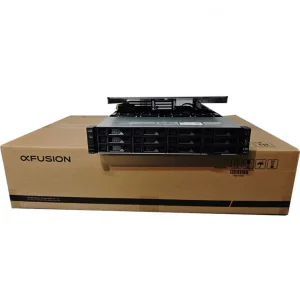
xFusion 2288H V7 2U 2-socket Network AI Deepseek System GPU Rack Web Cloud 2025 NAS Storage Computer Strong Dedicated Server
View Details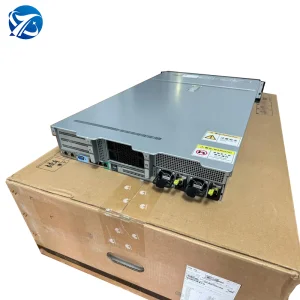
New xFusion Fusionserver 2288H V5 2U 2-socket Computer Servers 12*3.5 Inch Drive 2288H V5 2U 2-socket Rack Server
View Details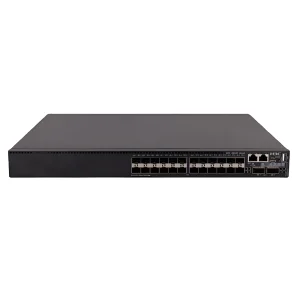
H3C S6520X-30QC-EI 24 Port Network Switch with 10G+2 40GE Optical All-Optical Three-Layer Core 10G Switch Expansion Support
View Details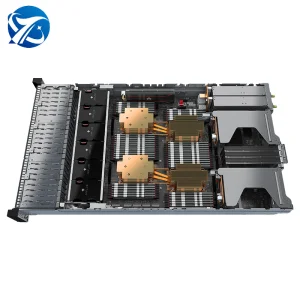
FusionServer 2488H V6 Servers Computer Nas Storage Pc Gpu And Buy Workstations Web Devices Ssd Networks Rack Xeon Server
View DetailsAs enterprise hyper-scalers, AI cloud providers, and mission-critical data centers transition into high-density computing architectures, server hardware stability under extreme workloads has become the paramount metric of infrastructure operational success. Modern AI workloads—such as large language model (LLM) training, DeepSeek cluster execution, and ultra-low latency financial algorithm processing—push CPU, GPU, memory subsystems, and power supply units (PSUs) to their absolute physical thresholds.
In this high-stakes environment, custom server load testing tools, programmable electronic dummy loads, burn-in validation fixtures, and stress-testing software-hardware suites serve as the ultimate line of defense. Standard off-the-shelf benchmark tools often fail to replicate transient voltage drops, localized hot-spot thermal throttling, or high-frequency bus signal degradation. Consequently, tier-1 data center engineering teams rely on bespoke OEM/ODM hardware load testing instruments tailored precisely to their specific chassis, power distribution units (PDUs), and thermal management envelopes.
Building specialized server load testing equipment requires a multi-layered engineering approach combining power electronics, microfluidic/air-cooled thermal design, embedded telemetry firmware, and high-speed bus signal simulation tools. Our custom OEM engineering methodology spans four primary architectural pillars:
Designed to simulate the dynamic current draws of multi-socket CPUs (Intel Xeon 4th/5th Gen, AMD EPYC) and high-power accelerators (NVIDIA H100/H200, AMD Instinct, custom ASICs). Features CC (Constant Current), CV (Constant Voltage), CR (Constant Resistance), and CP (Constant Power) operational modes with slew rates exceeding 50A/µs for transient response testing.
Silicon-heater arrays and copper load blocks integrated into standard CPU/GPU socket form factors (LGA4677, LGA4189, OAM, PCIe slots). These emulators deliver precise localized heat generation up to 1200W per socket to stress-test rack-level liquid cooling cold plates, immersion cooling fluids, and high-CFM fan arrays under controlled environments.
Dedicated PCIe Gen 5.0 / Gen 6.0 loopback testing cards, NVMe SSD load simulators, and high-port-density network interface stress modules. Enables verification of signal integrity, Bit Error Rate (BER), and PCIe lane margin under peak thermal stress and electromagnetic interference (EMI).
| Testing Phase | Primary OEM Load Tool Utilized | Tested Electrical & Thermal Parameters | Target Hardware Applications |
|---|---|---|---|
| Board-Level Validation (EVT) | Socket-level Programmable DC Dummy Loads | VRM ripple voltage, transient voltage sag, power phase balance | 2U/4U Rack Servers (e.g., xFusion 2288H V7, Dell PowerEdge R960) |
| Chassis Thermal Mapping (DVT) | Multi-Zone Heating Emulators & Airflow Meters | Thermal resistance (θja), heatsink ΔT, fan PWM response curve | High-density GPU Racks (e.g., G5200 V5, FusionServer G8600 V7) |
| Data Center Burn-in (PVT) | Rack-Scale High-Voltage Load Banks & Dynamic PDU Testers | Total power factor, harmonic distortion, thermal runway threshold | AI Supercomputing Clusters, Cloud Data Center Infrastructure |
| Storage Bus Stress (Endurance) | NVMe PCIe Gen5 Protocol & Power Load Cards | I/O latency consistency, power state transitions, enterprise SSD wear | Enterprise SSD Arrays (e.g., Samsung PM883/PM893/PM9A3/PM1653) |
The requirements for server load testing tools vary significantly across geographic regions, industry sectors, and deployment topographies. As a premier custom OEM load testing tools manufacturer, we serve diverse global application scenarios:
Demands automated, high-density load testing banks capable of continuous 72-hour automated burn-in cycles. Emphasis is placed on real-time API telemetry (RESTful, SNMP, IPMI 2.0) integration into automated DCIM (Data Center Infrastructure Management) software for rapid server commissioning in AWS, Azure, and Google Cloud style facilities.
Requires liquid-compatible thermal load test tools. European regulations (such as the EU Energy Efficiency Directive) mandate rigorous thermal profiling of servers in direct-to-chip (D2C) liquid cooling and synthetic fluid immersion tanks to ensure optimal Power Usage Effectiveness (PUE) below 1.15.
Focused on compact 1U/2U multi-functional load tools capable of operating in extreme temperature variations (-5°C to +55°C). Critical for validating edge AI deployment nodes, telecom base station servers (e.g., H3C switches, custom edge servers), and financial high-frequency trading rigs in Tokyo, Singapore, and Shenzhen.
Furthermore, global commercial hardware manufacturers utilize custom OEM load test cards to simulate worst-case compute demands without installing multi-thousand-dollar GPUs or CPUs into every slot during factory production line testing. This drastically reduces production risk, capital expenditure, and potential component destruction during early-stage power-on testing.
BoltGrid Computing Systems Co., Ltd. is a professional AI GPU server manufacturer specializing in high-performance computing infrastructure, GPU cluster systems, and AI data center solutions. Established in 2016, the company has developed strong capabilities in design, manufacturing, and global supply of advanced computing hardware and complementary system load testing tools.
The company operates a modern production facility covering approximately 18,500㎡, supporting large-scale assembly, testing, and system integration for AI server products and load verification equipment. With annual export revenue reaching around USD 18 million, BoltGrid has built stable international trade experience over 7 years, serving customers across North America, Europe, Southeast Asia, and the Middle East.
BoltGrid maintains a total industry experience of 12 years, supported by a professional quality assurance team of 45 inspectors. The company implements multiple product inspection methods, including thermal performance testing, stress load simulation, and full-system burn-in testing to ensure stability and reliability under high workloads.
The supply chain ecosystem includes over 850 strategic partners, enabling efficient sourcing of high-quality components such as GPUs, server chassis, power systems, and cooling solutions. The company serves a wide range of clients, including AI cloud service providers, data center operators, research institutions, and enterprise-level IT infrastructure integrators.
With strong R&D capabilities, BoltGrid employs approximately 120 engineers focused on GPU architecture optimization, AI workload acceleration, and system-level integration. The company launches around 85 new products annually and supports extensive customization options, including GPU configuration, memory scaling, cooling systems, and server form factor adjustments.
BoltGrid combines engineering innovation with strict quality control to deliver reliable, scalable, and high-performance AI GPU server solutions for global computing demands.
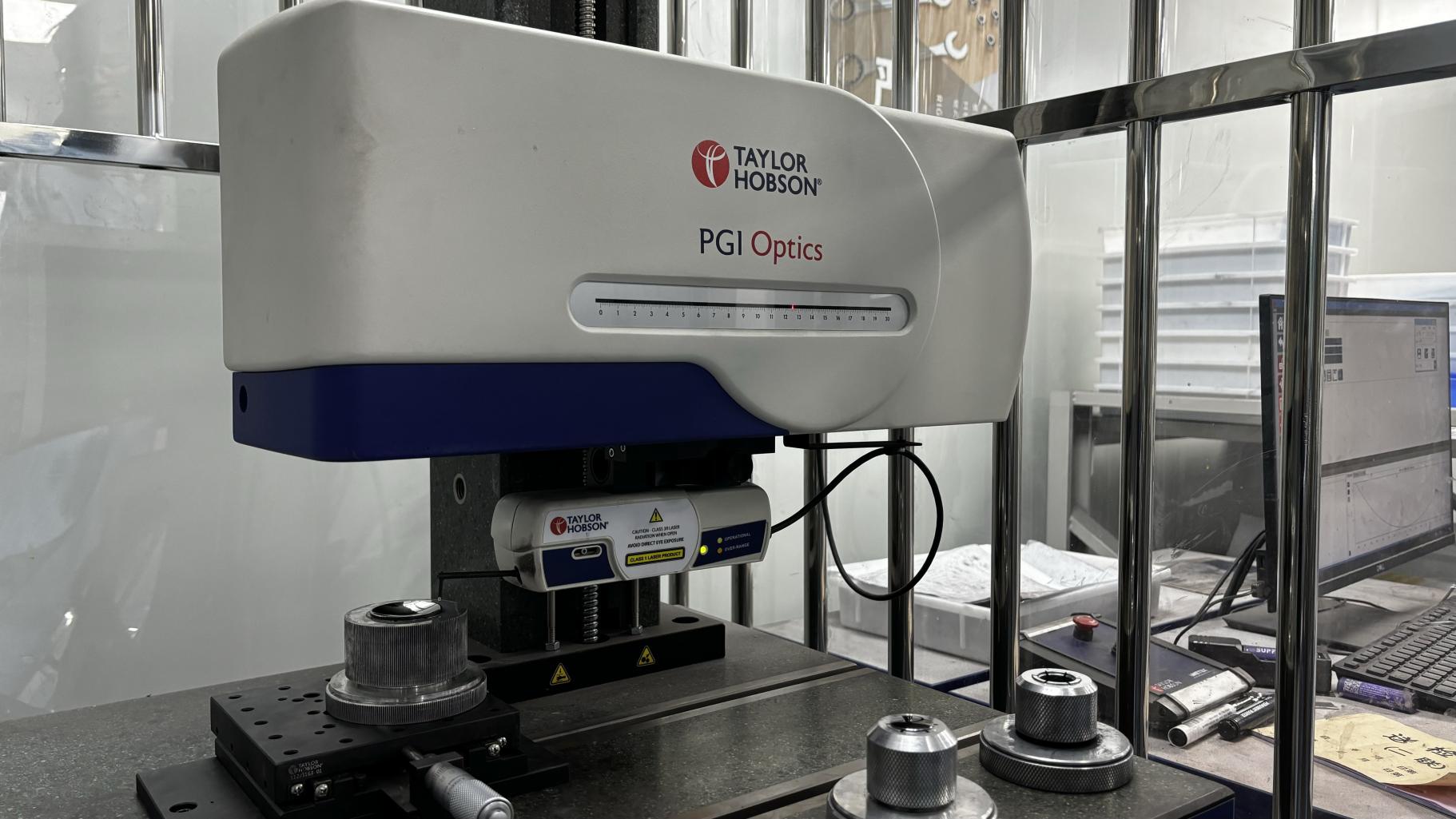
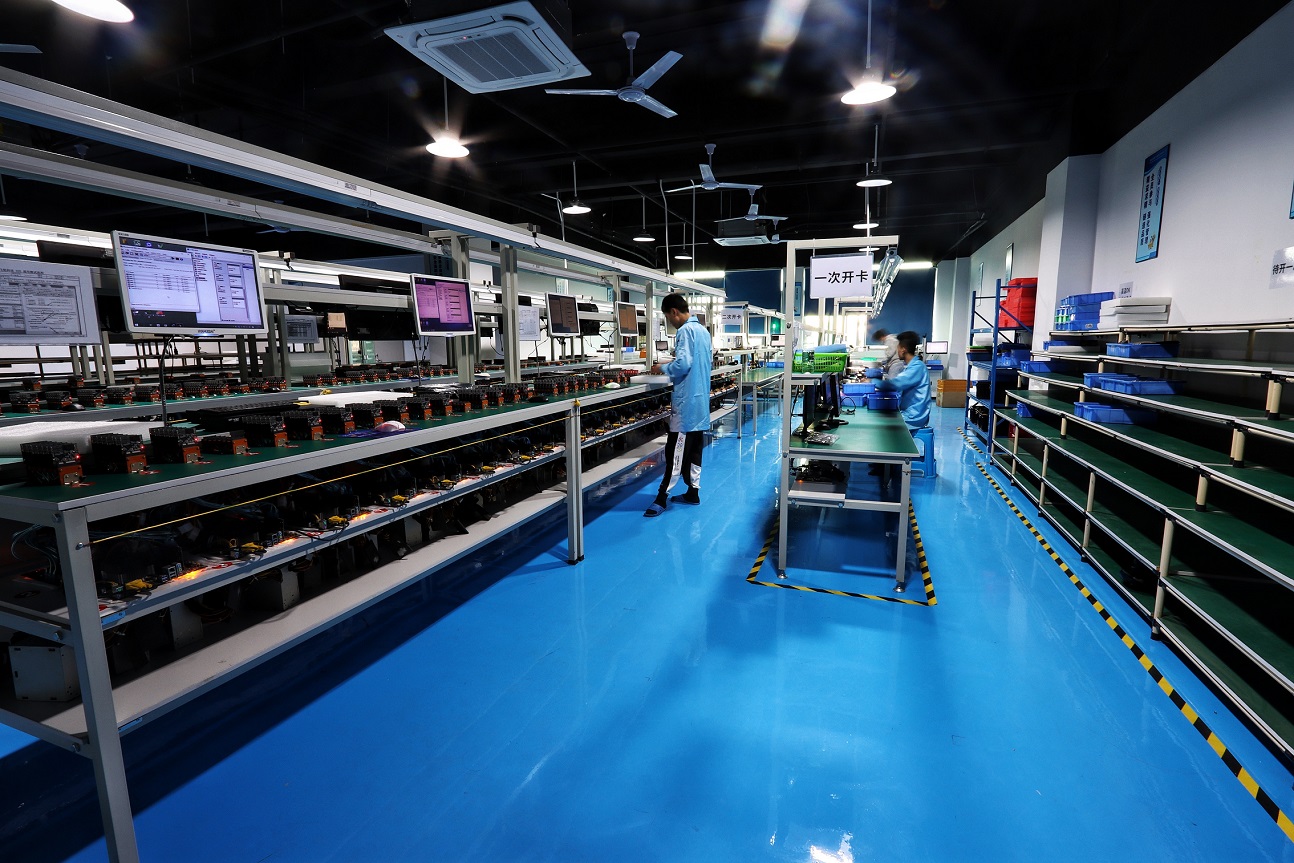
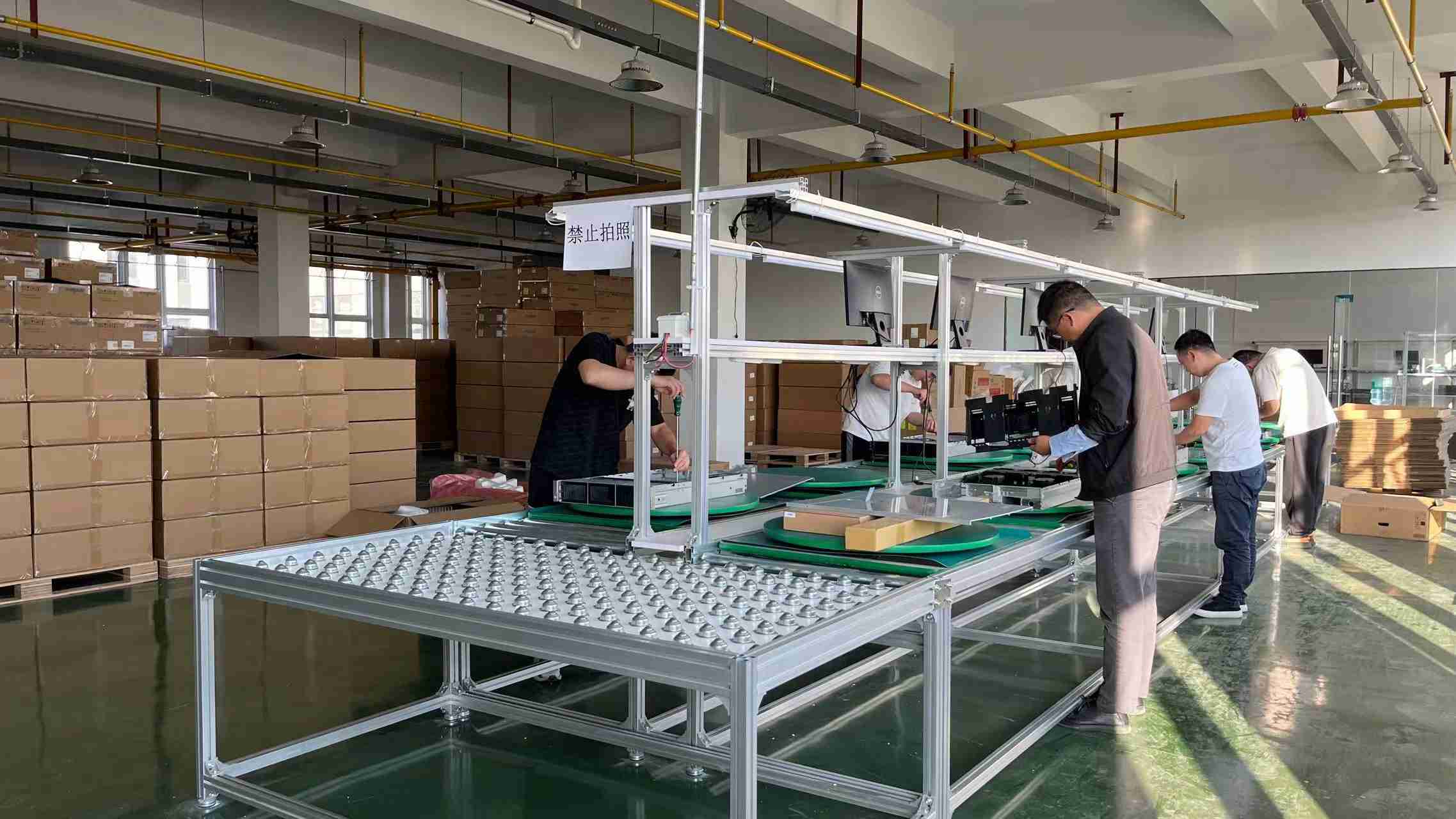
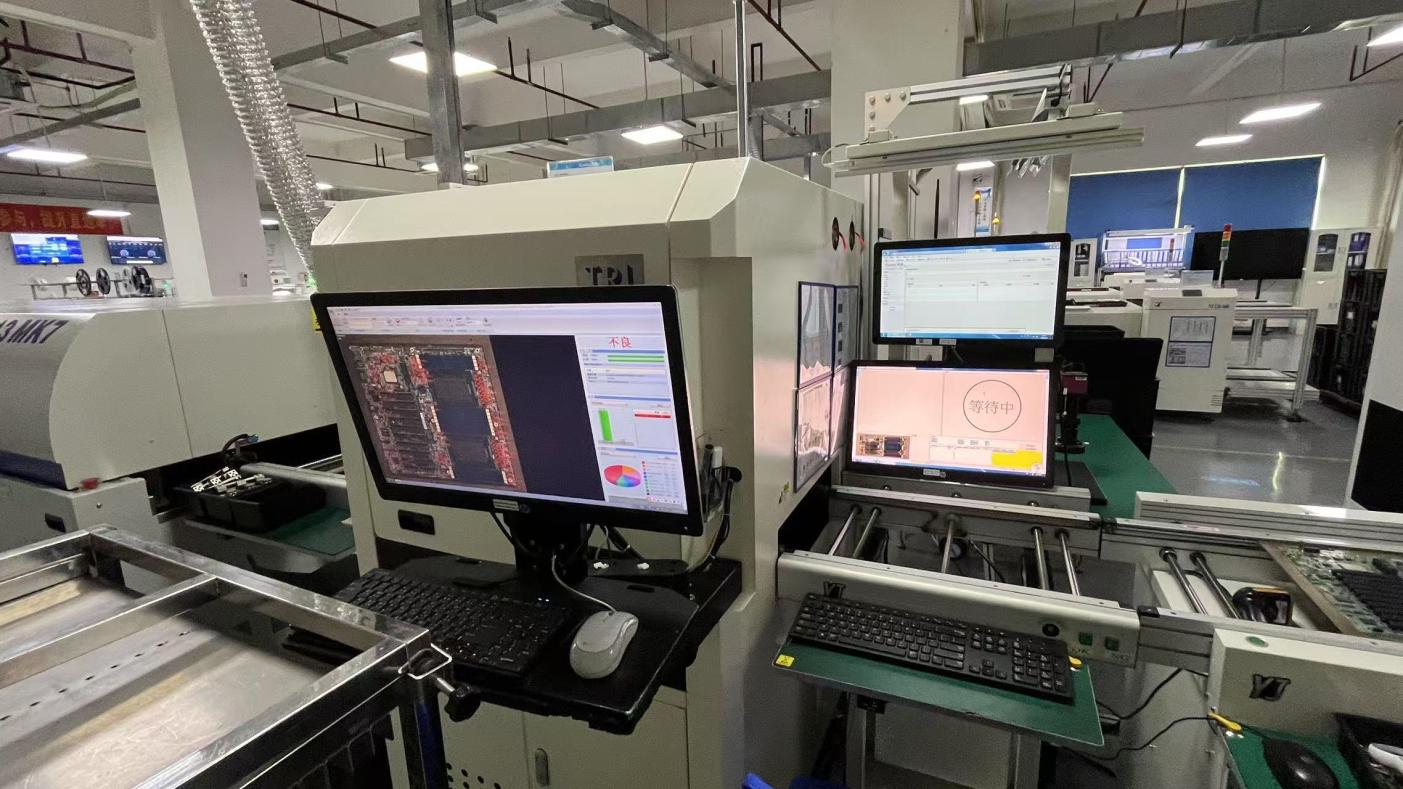
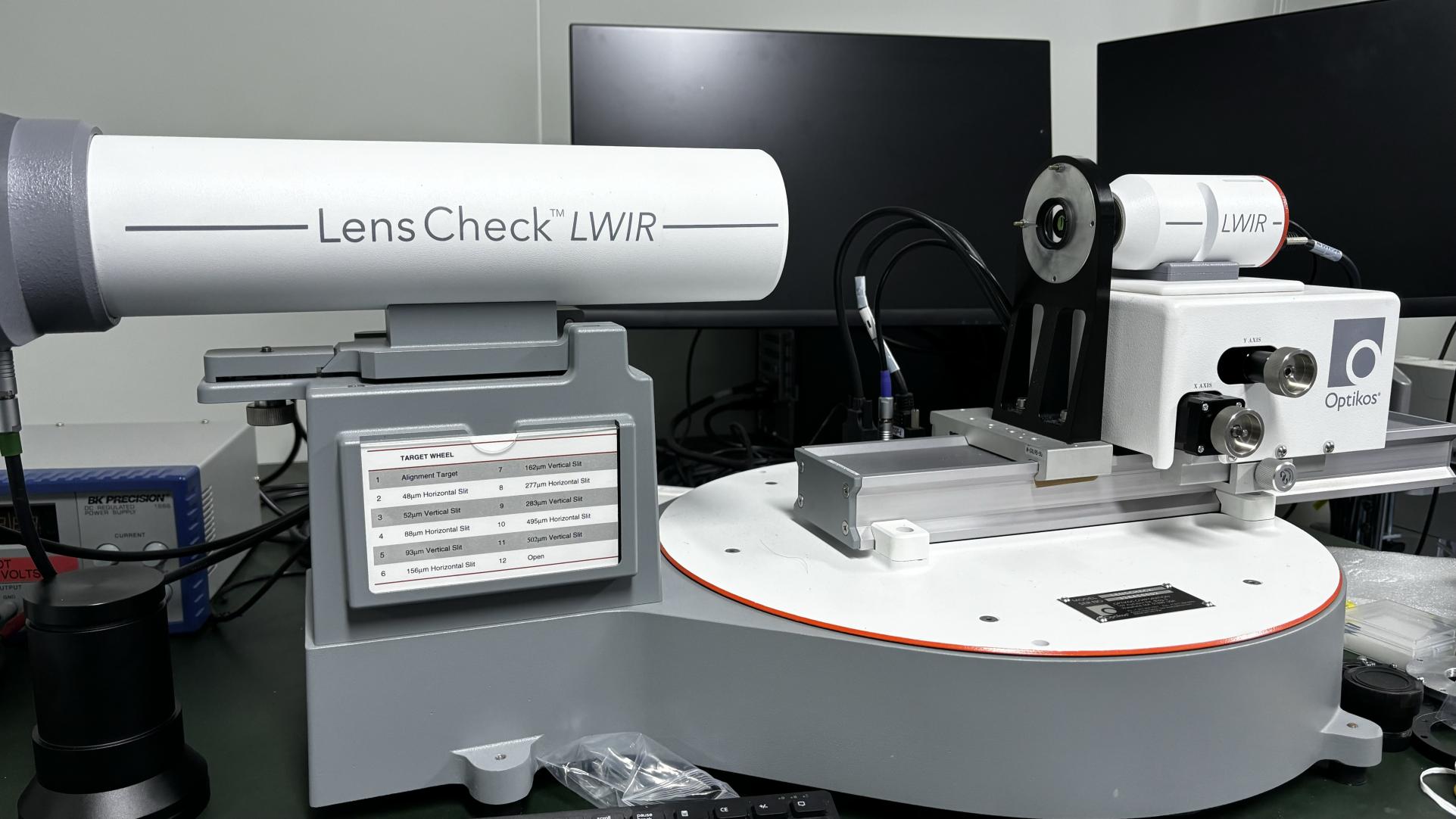
Operating from the world’s most concentrated electronics manufacturing hub in Greater Shenzhen and Dongguan, BoltGrid leverages unmatched supply chain ecosystem advantages. This localized ecosystem enables rapid hardware iteration, superior cost optimization, and flexible OEM customization that overseas competitors cannot match:
With direct access to specialized PCB fabrication, SMT surface-mount lines, CNC metal machining, and high-purity thermal plate fabrication within a 50-kilometer radius, custom OEM load testing boards can transition from schematic design to physical sample validation in as little as 72 hours.
Leveraging our network of over 850 strategic component partners, every resistor, MOSFET, high-frequency capacitor, and FPGA micro-controller used in our load testing tools undergoes stringent ISO9001 incoming quality control (IQC) and 100% component trace-code mapping.
Whether you require a single specialized load card for proprietary server prototype testing or thousands of automated load module units for a new data center rollout, our flexible manufacturing lines eliminate prohibitive setup fees and drastically reduce total cost of ownership (TCO).
To ensure total seamless integration into global enterprise environments, all BoltGrid load testing equipment and server products comply strictly with international electrical safety, electromagnetic compatibility, and environmental protection frameworks.
All units are manufactured under ISO9001 and ISO14001 certification frameworks, bearing CE, FCC Class A, RoHS, and REACH international compliance standards for safe global deployment across North America, Europe, and Asia.
Our dedicated team of 120 R&D and FAE engineers provides global remote diagnostic support, custom firmware update releases, and on-site integration assistance for complex data center infrastructure commissions.
Built with enterprise-grade solid-state switches and heavy-duty thermal heat sinks, our load testing tools achieve a Mean Time Between Failures (MTBF) rating exceeding 100,000 continuous operating hours under full load conditions.
Explore additional server platforms, storage arrays, and network accelerators that complement our custom load testing and system stress validation suites.
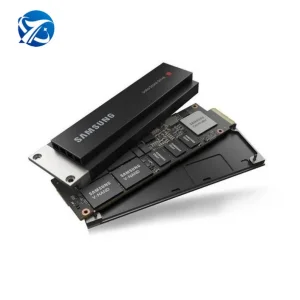
Sam Sung PM883/PM893/PM9A3/PM1643A/PM1653 240GB/480GB/960GB/1.92TB/3.84TB/7.68TB Enterprise SSD for Server
View Details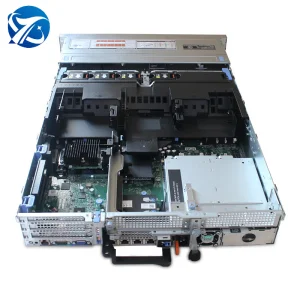
DEll PowerEdge R960 Computer Server Intel Xeon 64GB H755 800W PSU R960 4U Network Rack Server R960
View Details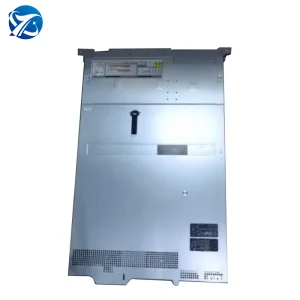
Wholesale Shenzhen PowerEdge R350 1U Rack Mount 1U Dell Workstation Servers Rack Nas Precision Xeon Server
View Details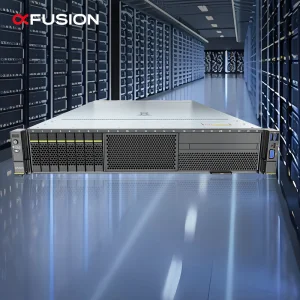
New xFusion 2288H V6 Cloud Server 8*2.5 Inch Drive Xeon 2*4310 2288H V6 2U 2-socket Computer AI Rack Server
View Details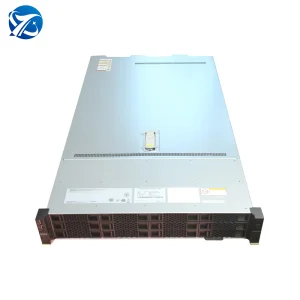
FusionServer 2288H V5 Servers Computer Nas Storage Pc Gpu And Buy Workstations Web Devices Ssd Networks Rack Xeon Server
View Details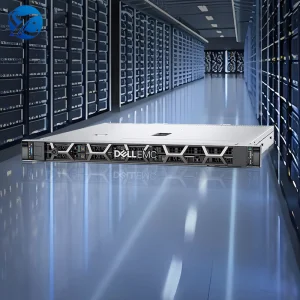
Nice Price D Ell Emc Poweredge R350 Intel Xeon Refurbish Cpu 32gb Ram 8tb Hdd Computer D Ell Hci Rack Server
View Details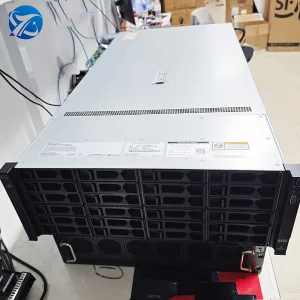
New 2025 Ai xFusion FusionServer G8600 V7 8U GPU Rack Deepseek 8 Gpu Cloud Mount Network Strong Dedicated Server
View Details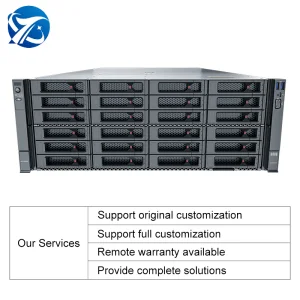
New xFusion High Performance Nas System Computer Servers for Sale Deeepseek 256Gb Network Gpu Ram Strong 4K Prices Pro V7 Server
View DetailsSoftware benchmark tools (such as Prime95, Linpack, or stress-ng) rely on fully functional CPUs, GPUs, and working operating systems to generate workload stress. However, during factory production, server validation, or power supply envelope testing, installing expensive operational processors or GPUs introduces significant financial risk. Hardware OEM load testing tools (such as dummy load cards, programmable electronic power banks, and socket heating modules) physically replicate the exact electrical current draw, dynamic voltage ripple, and thermal output (TDP) of real chips without requiring actual high-cost computing silicon. This allows safe, cost-effective testing of power supply units (PSUs), Voltage Regulator Modules (VRMs), and server cooling systems under extreme conditions.
Yes. BoltGrid offers end-to-end custom OEM/ODM design engineering. With our 120-member R&D team and 12 years of industry experience, we design custom load boards for any mechanical or electrical form factor—including Intel LGA4677/LGA4189, AMD Socket SP5/SP6, proprietary GPU MXM modules, OAM (OCP Accelerator Module) cards, PCIe Gen5/Gen6 expansion slots, and customized high-density backplanes. We can customize thermal dissipation wattage, electrical trace resistance, and control interfaces according to your exact technical specification drawings.
Liquid cooling infrastructure (both Direct-to-Chip cold plate systems and Immersion Cooling tanks) requires precise verification of fluid flow rates, thermal transfer coefficients (kW/Litre-minute), and pressure drop metrics. BoltGrid's programmable thermal load emulators can maintain precise, constant thermal dissipation (e.g., exactly 700W per CPU socket or 1000W per GPU socket) while monitoring surface temperatures via built-in RTD/thermocouple sensors. This enables data center operators to validate liquid cooling effectiveness and detect micro-channel clogs or pump failures long before deploying real AI server clusters.
Our programmable load instruments support standard industrial control and data center communication protocols. These include RS485 (Modbus-RTU), CAN bus, USB-Virtual COM, Ethernet (TCP/IP), and SNMP for seamless integration into rack-level management networks. Additionally, our testing tools can output telemetry metrics directly to custom GUI dashboards or automated factory testing software via RESTful APIs.
Thanks to our 18,500㎡ facility in China and an integrated ecosystem of over 850 supply chain partners, standard prototype customization typically takes 1 to 2 weeks after CAD/schematic approval. Mass production lead times range between 3 to 4 weeks depending on batch volume and specific component specifications. Rapid 72-hour turnaround options are available for urgent board-level modifications.