BoltGrid
BoltGrid
BoltGrid
The global Industrial Internet of Things (IIoT) ecosystem is undergoing a monumental paradigm shift. As enterprises migrate from legacy centralized control topologies toward decentralized, smart architectures, the demand for highly reliable edge computing systems, ruggedized gateways, and massive AI-capable storage servers has reached unprecedented levels. IIoT devices now act as the critical nervous system of modern production ecosystems, converting raw physical signals from manufacturing floors, energy grids, and transport hubs into actionable real-time data.
Unlike standard consumer IoT nodes, Industrial IoT (IIoT) devices and computing hosts operate under extreme conditions demanding continuous thermal resilience, mechanical robustness, and seamless interoperability. Edge systems must run complex analytics pipelines, process machine-vision feeds, and handle Time-Sensitive Networking (TSN) directly where the action happens. By deploying powerful rack-mounted servers, multi-GPU configurations, and enterprise NAS units closer to the source, global companies reduce cloud bandwidth costs, maintain zero-latency local operations, and comply with strict data-sovereignty regulations.
As the backbone of industrial infrastructure, these devices process massive transactional telemetry datasets. BoltGrid Computing Systems Co., Ltd. addresses this paradigm by manufacturing server solutions, GPU computing racks, and robust network cards that handle high-velocity IO operations, enabling reliable communications in complex industrial network zones.
Operating a sprawling 18,500 square meter modern production facility, BoltGrid integrates the deep supply chain efficiencies of China’s electronics manufacturing ecosystems with high-standard international execution. We manage complex component routing, raw material acquisition, and advanced testing, which reduces lead times while keeping prices highly competitive.
Through our mature ecosystem of over 850 strategic partners, we ensure component availability—ranging from high-end GPUs, PCIe RAID controller cards, and DDR5 RDIMM ECC memory modules to specialized chassis and customized power distribution assemblies. This vast network prevents typical supply bottlenecks, allowing us to maintain predictable delivery timelines even in fluctuating global economic climates. By manufacturing in China and serving customers across North America, Europe, Southeast Asia, and the Middle East, we successfully bridge localized cost benefits with world-class engineering reliability.
Utilizing highly automated pick-and-place lines and modern tooling stations to transition custom schematics to functioning hardware prototypes within days.
Under the watch of 45 quality inspectors, systems undergo thermal cycling, intense workload stress tests, and comprehensive burn-in loops before departure.
We modify layouts, customize server sheet metal, customize thermal cooling channels, and fine-tune firmware profiles to align with specialized software stacks.
Industrial IoT applications must be tailored to their exact installation environment. Industrial compute units are not used in vacuum settings; they exist to resolve regional challenges in infrastructure control, energy management, smart security, and predictive maintenance. BoltGrid's engineering team of 120 specialists works closely with client groups to align hardware configurations with local standards, network requirements, and mechanical layouts.
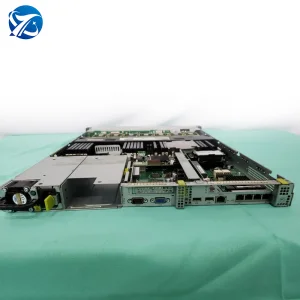
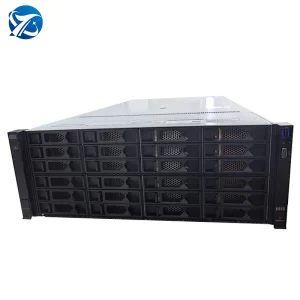
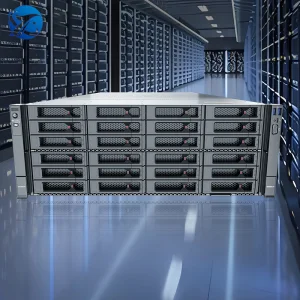
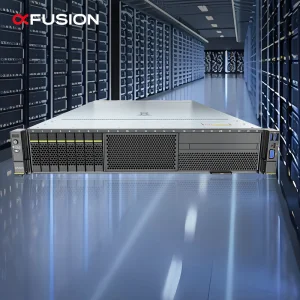
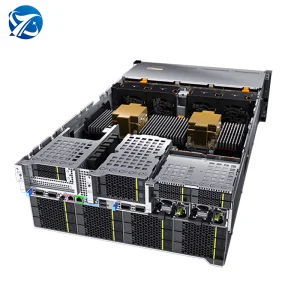
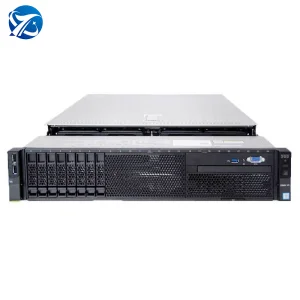
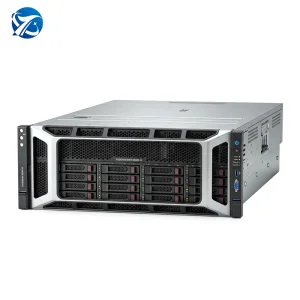
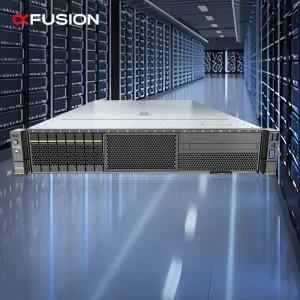
1. Automated Manufacturing Floors & AI-Driven Vision: High-performance edge GPU servers, such as the *FusionServer 2488H V5* and *xFusion G5500 V7*, are deployed locally in factories to run real-time defect recognition models. This setup processes hundreds of high-resolution video streams via AI inference to flag physical surface anomalies immediately, eliminating latency from cloud transfers.
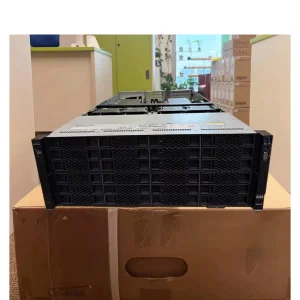
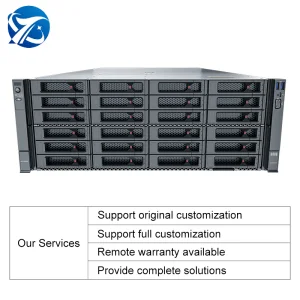
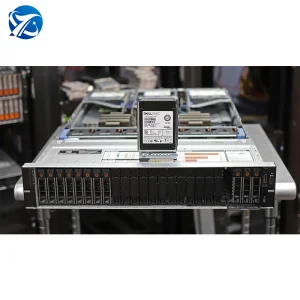
2. High-Performance NAS & SCADA Systems: Edge telemetry requires continuous storage. Utilizing custom *256GB RAM NAS Server solutions* and high-speed enterprise RAID controller arrays (e.g., LSI 9560-16I), facilities aggregate years of mechanical sensor readouts. The local storage provides redundancy during internet outages, protecting critical operational logs.
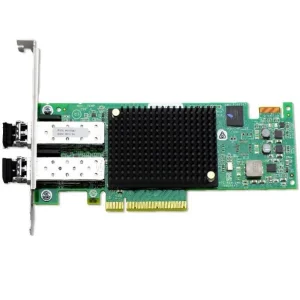
3. Smart Cities, Traffic, and Safety Infrastructure: Deploying inference engines like the *AI Inference G5200 V5 GPU Server* allows municipal authorities to analyze traffic flow, detect emergency scenarios, and regulate smart grid systems. Built-in network interfaces, including 10Gbps and 32GB Fibre Channel HBA cards (e.g., Emulex LPe35002-M2), ensure that processed metrics transfer to central management networks with near-zero latency.
The convergence of artificial intelligence and Industrial IoT is accelerating. The modern edge is no longer merely transmitting raw sensor readings; it is actively reasoning. We optimize our hardware builds to run local models—such as DeepSeek-based diagnostic AI, automated system controls, and smart network routing tools—allowing companies to make decisions at the edge even during offline periods.
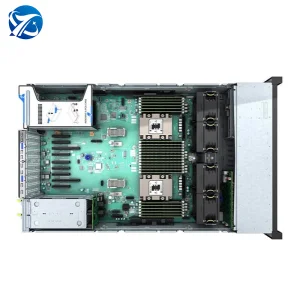
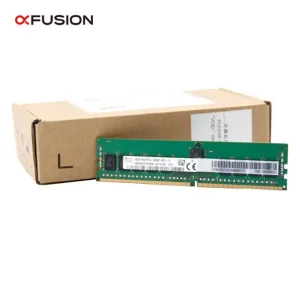
To support this computing requirement, current systems incorporate high-performance memories like *DDR5 RDIMM 6400MHz ECC modules* and high-speed PCIe 4.0/5.0 interfaces. These technical implementations avoid data bottlenecks, ensuring that AI chips, high-speed storage devices, and multi-Gbps network cards operate at peak throughput. Additionally, as computing densities rise in industrial control environments, advanced liquid-cooling blocks and dual-socket CPU architectures are becoming standard deployments for maintaining thermal limits and preventing thermal throttling.
Procuring computing equipment for critical industrial deployments requires addressing risks related to equipment lifespan, environmental compatibility, and long-term hardware support. Operational downtime can quickly lead to severe financial losses. To manage this, BoltGrid maintains a robust quality framework overseen by our engineering department, ensuring that each product complies with global enterprise requirements:
Our servers, including the FusionServer and xFusion series, support multi-GPU setups (such as xFusion G5500 V7). This configuration delivers the computational power needed to run local AI inference pipelines, including DeepSeek and visual analysis models, directly at the industrial edge without depending on a cloud connection.
Yes, we support comprehensive OEM customizations. We can adjust the server chassis chassis depth, modify physical mounting interfaces, and configure specialized IO brackets, custom cooling arrays, and power systems to fit standard industrial cabinets and tight enclosures.
Our 45-person QA team subjects all server assemblies to thermal cycling, full-load system stress runs, and prolonged burn-in tests. This verification ensures that critical systems, network cards, and RAID controllers maintain stable performance under continuous operation.
Industrial environments generate electrical noise that can cause memory single-bit errors. Using DDR5 ECC (Error-Correcting Code) memory modules, such as our xFusion DDR5 RDIMM 6400MHz options, allows the system to detect and correct errors automatically, preventing database corruption and system crashes.
We recognize that industrial projects require extended support lifecycles. We source components from long-term roadmap lines, enabling us to supply, service, and maintain matching hardware replacements for years after initial deployment.
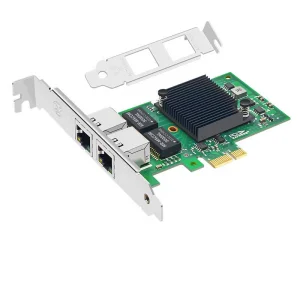
We offer a range of configurations, including standard 10Gbps Ethernet ports, SFP28 interfaces, and high-performance fibre optic host bus adapters (such as Emulex LPe35002-M2 32GB HBA cards) to enable fast, low-latency data transfers across complex enterprise networks.
BoltGrid Computing Systems Co., Ltd. operates integrated production lines designed to handle the precision manufacturing requirements of enterprise server components, multi-GPU systems, and specialized industrial network nodes. Our facility features advanced testing systems and component verification configurations, helping us maintain consistency across small batches and volume orders alike.
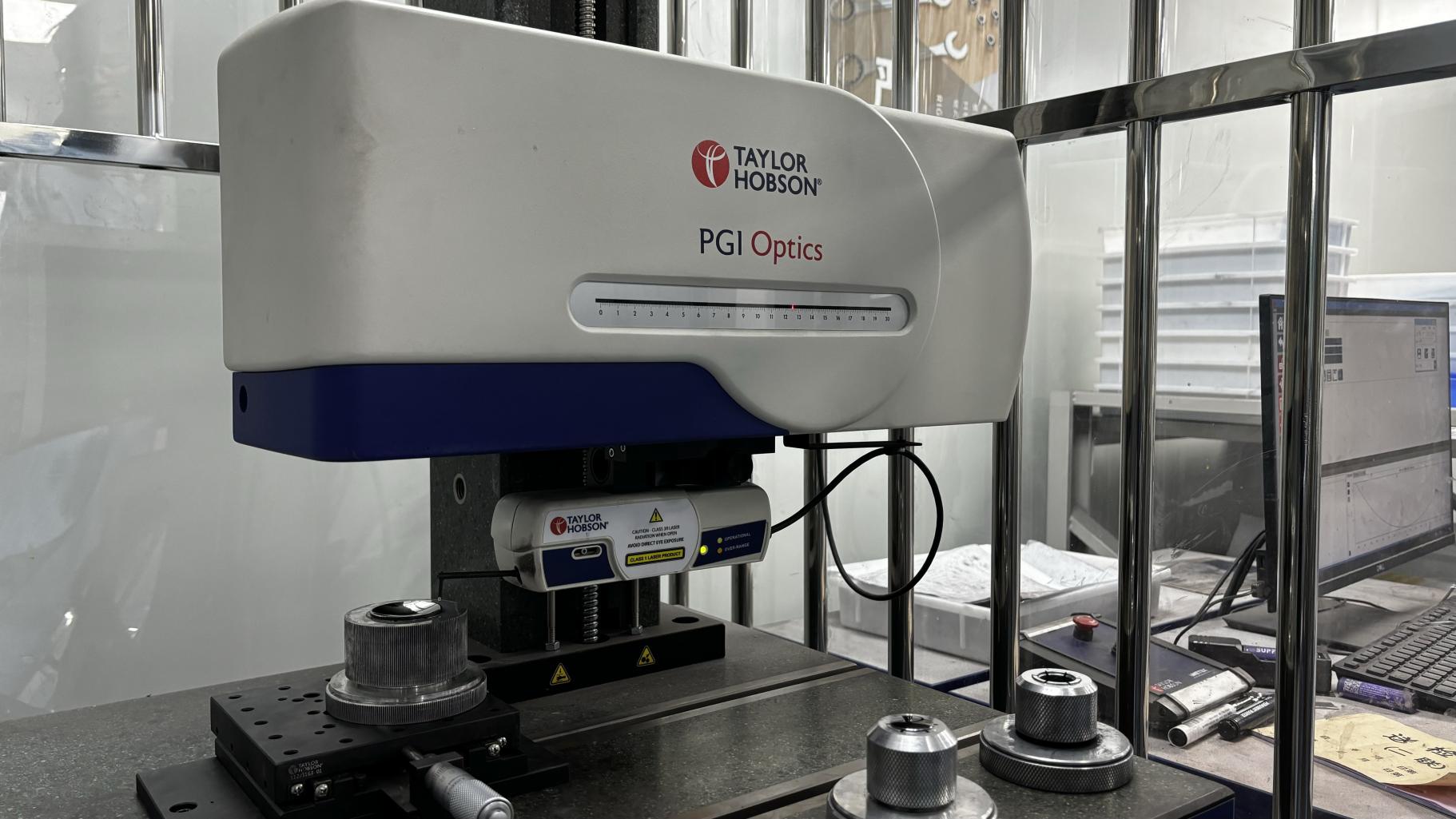
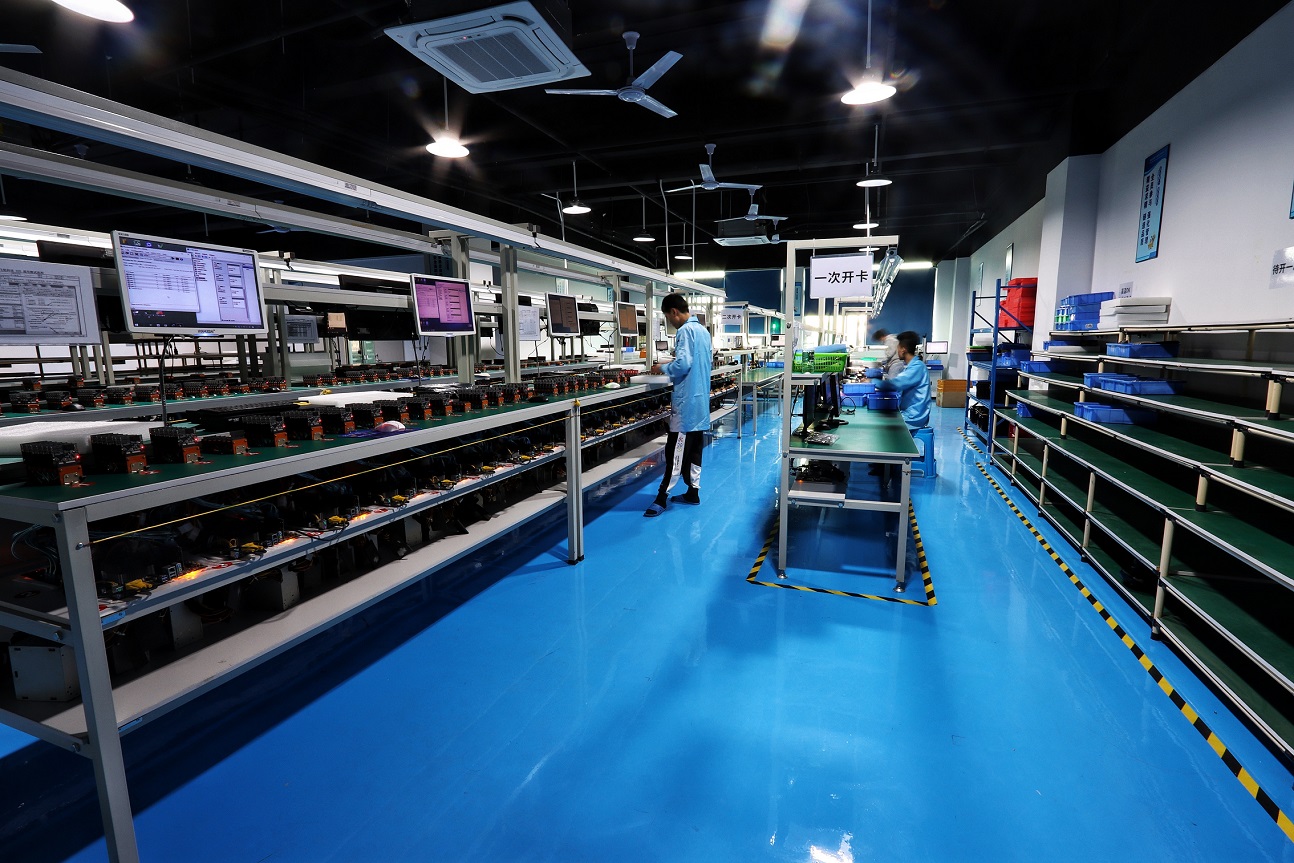
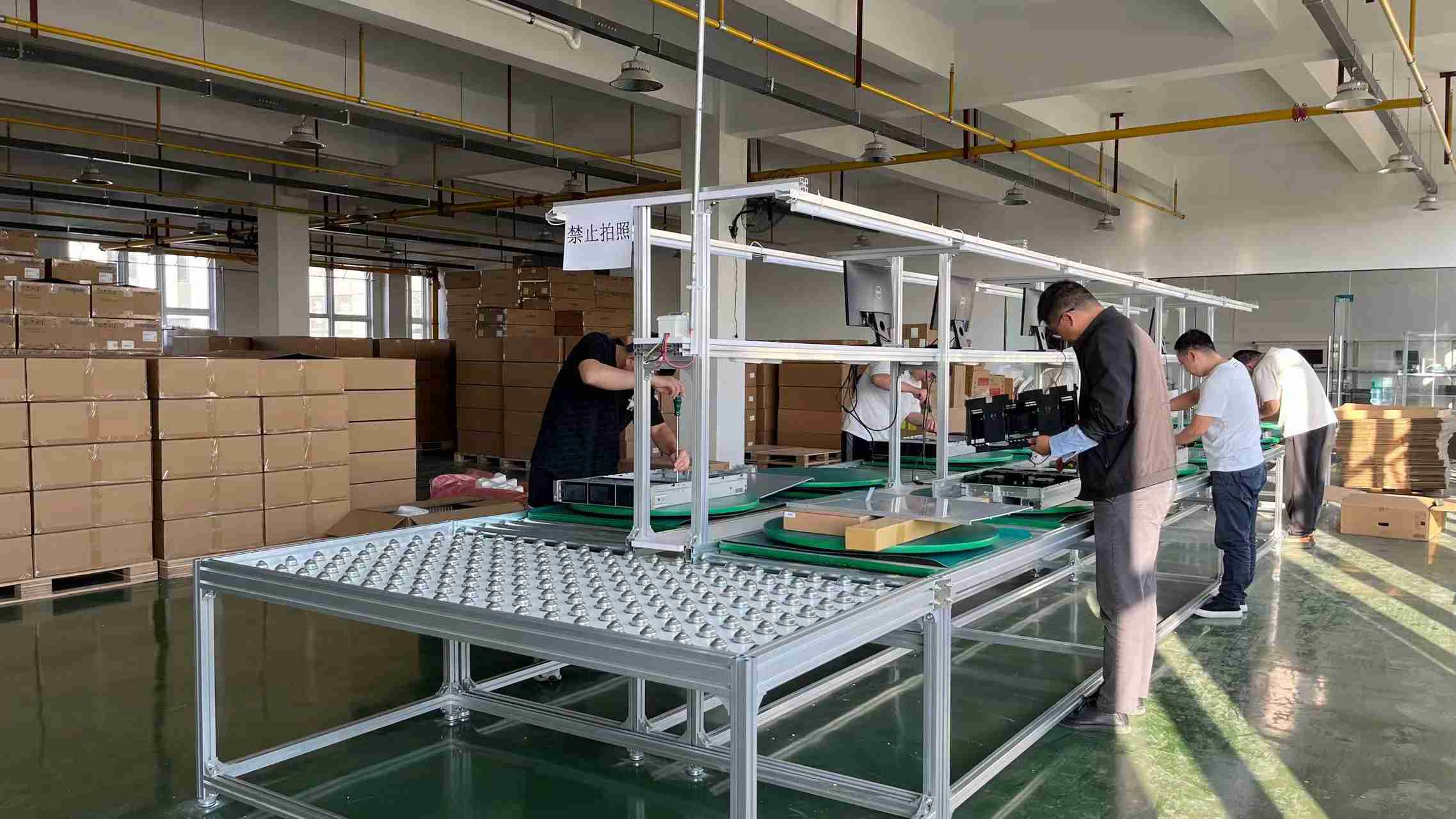
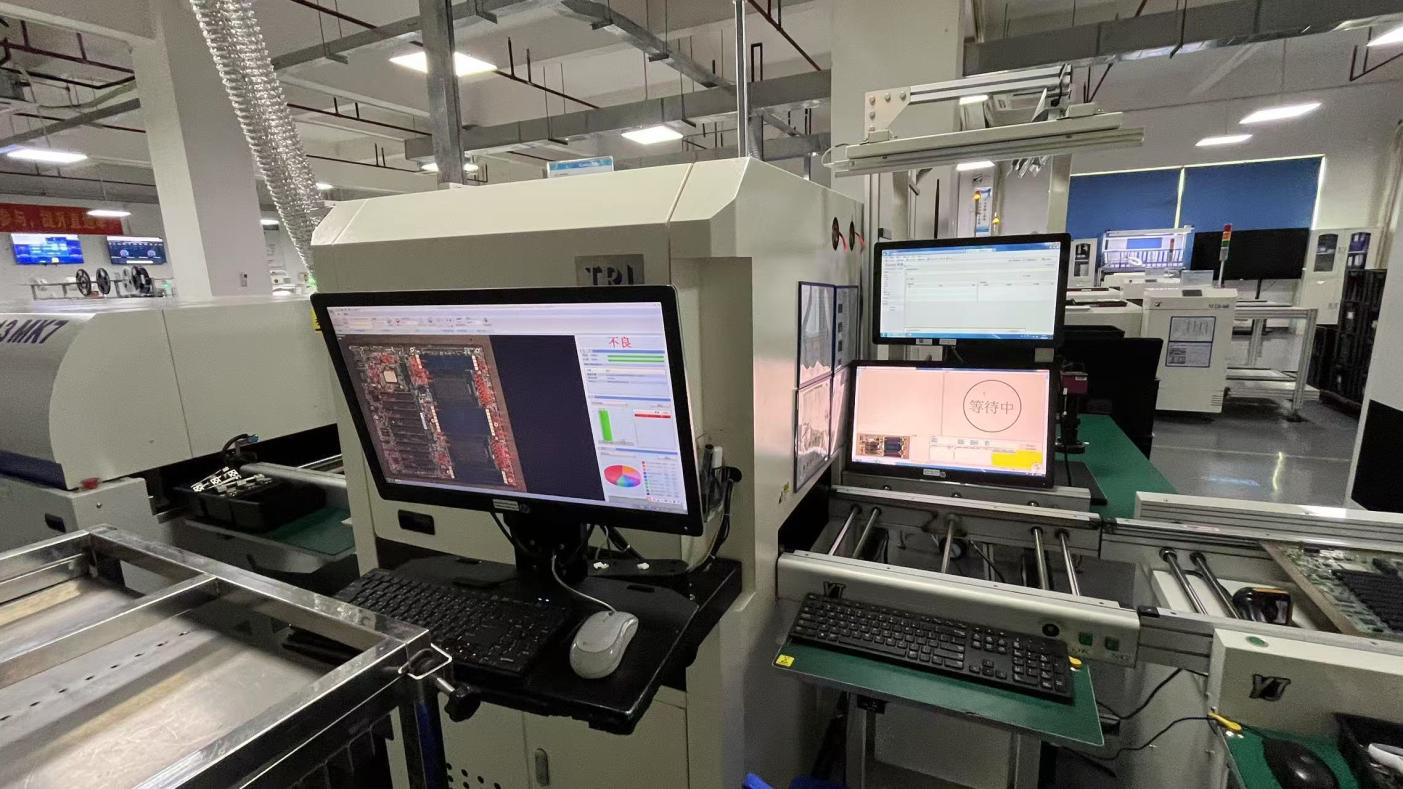
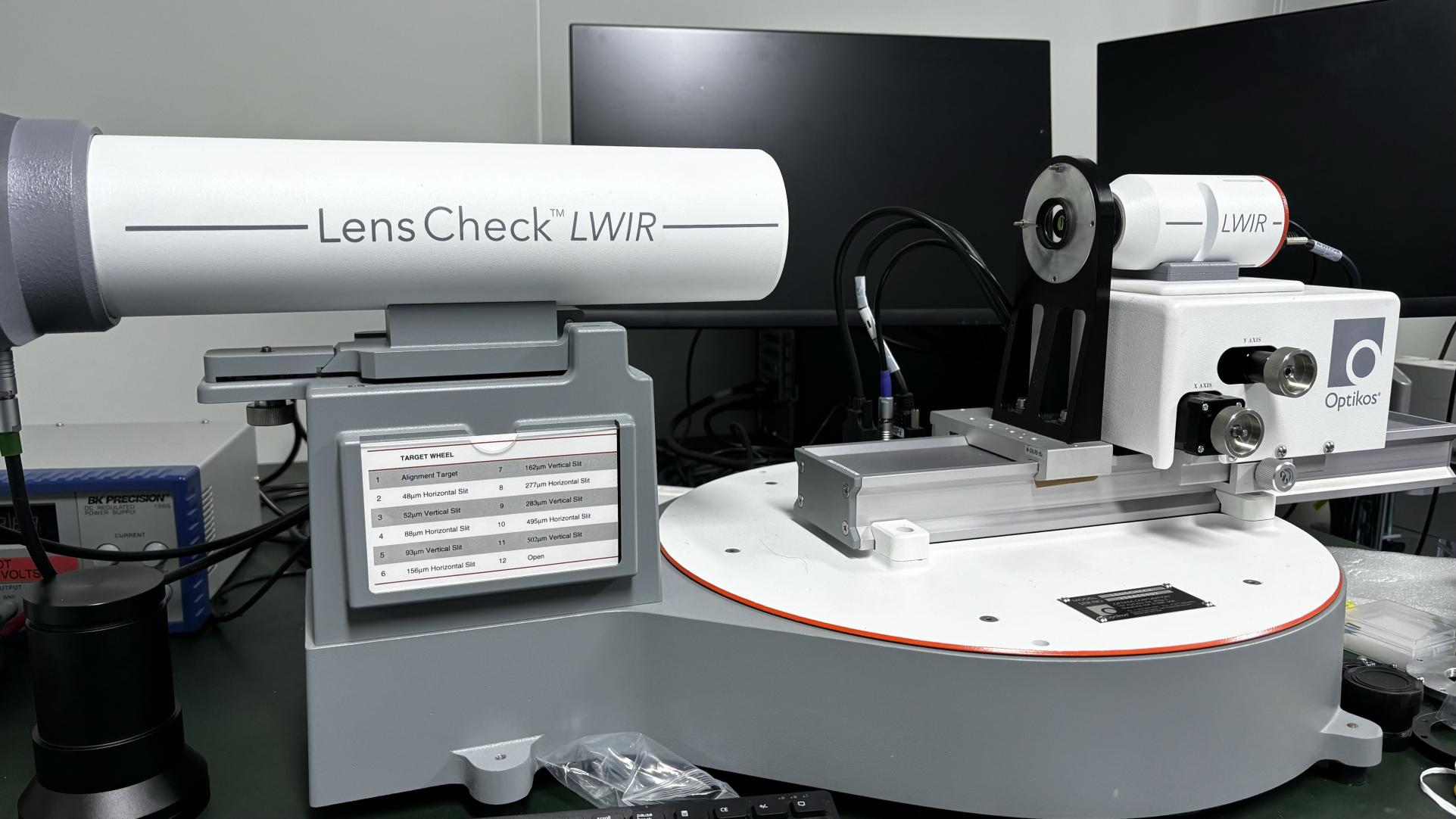
Through systematic investments in modern manufacturing equipment and R&D expertise, BoltGrid delivers high-performance, customizable hardware frameworks designed to support long-term, high-density computing workloads in industrial, smart-city, and data-center environments worldwide.